Abs · Bodyweight
Pike Plank
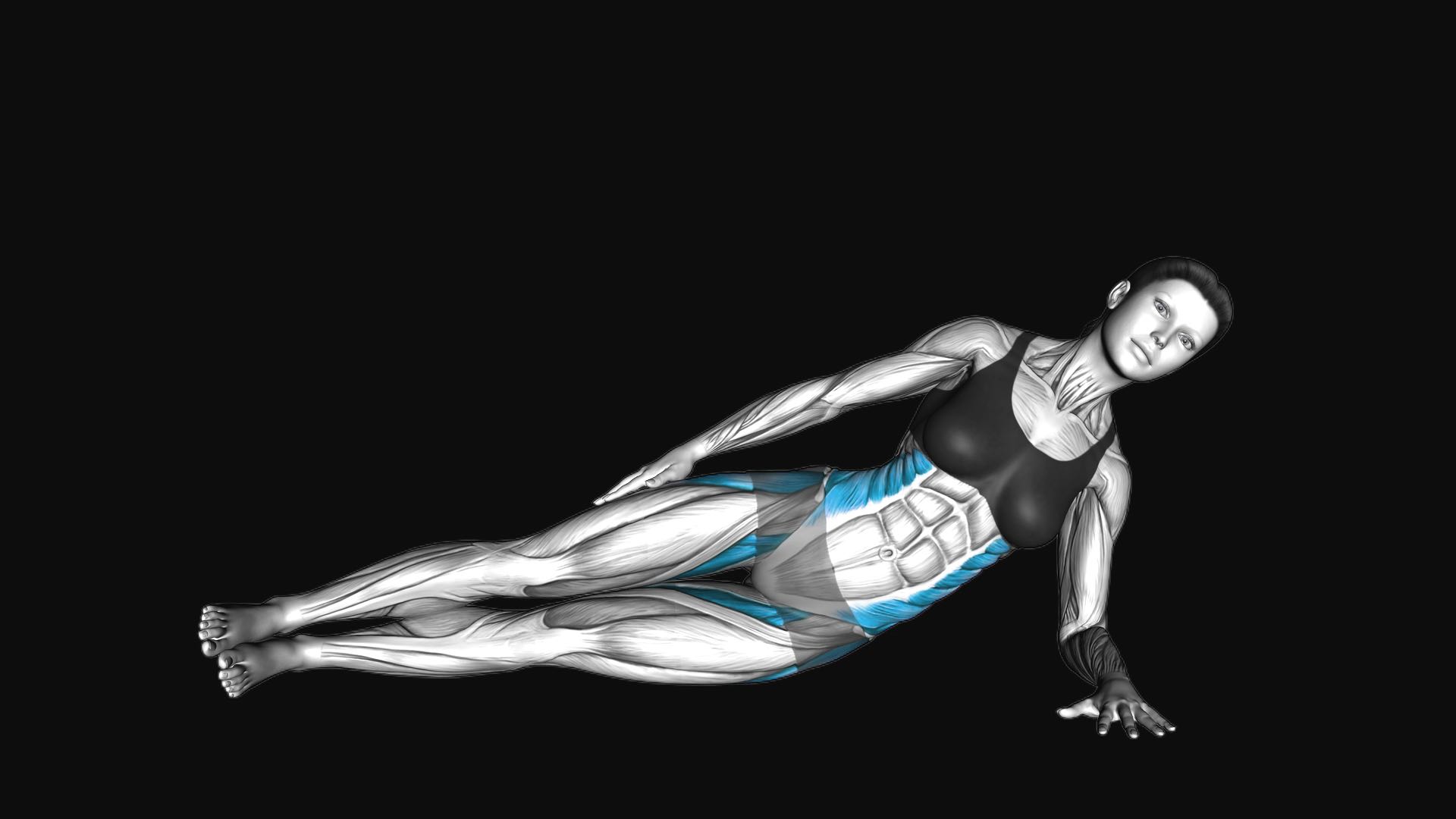
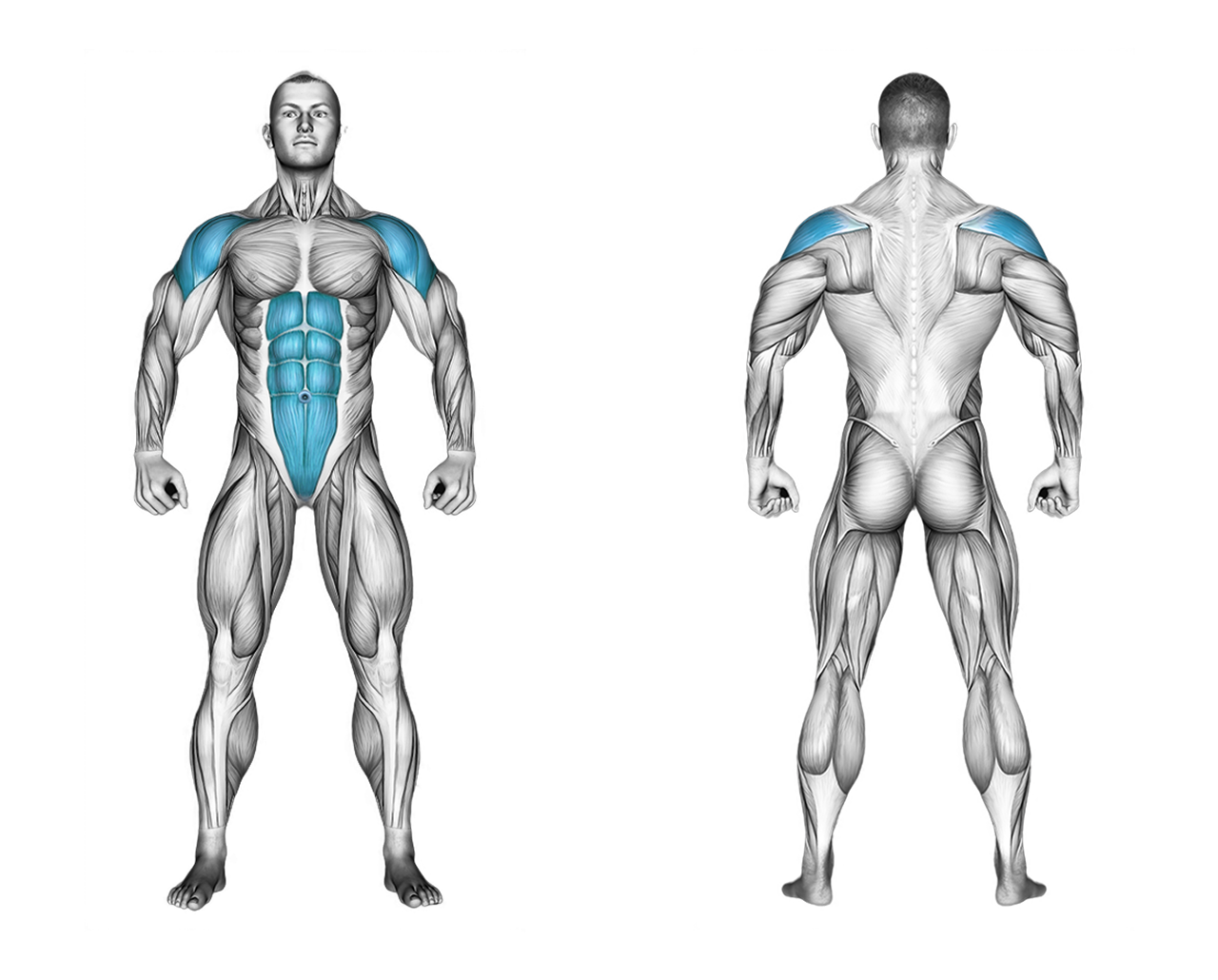
The pike plank is a dynamic core exercise that alternates between a straight-arm plank and an inverted V-shape position. It targets the rectus abdominis, shoulders, and serratus anterior while enhancing hamstring mobility, making it a functional addition to core or warm-up routines.
- Equipment
- Bodyweight
- Type
- Cardio / timed
- Animation
- Men
How to do it
- Start in a standard plank position with your hands under your shoulders.
- Keep your core engaged and body straight.
- Lift your hips up and back, creating an inverted V shape.
- Hold this pike position while maintaining tension in your core.
- Return to the plank position and repeat.
Common mistakes
- Sagging the lower back when returning to the plank strains the lumbar spine and reduces abdominal engagement.
- Bending the knees during the hip lift decreases hamstring involvement and lessens core tension.
- Cranking the neck upward instead of keeping the head aligned with the spine creates unnecessary cervical strain.
Tips
- Initiate the hip lift by contracting your abdominal wall rather than relying solely on your shoulders.
- Press the floor away aggressively at the top of the movement to maximize shoulder and upper back activation.
- Lower yourself back into the high plank with strict control to keep continuous tension on the abs.
Sets and reps
Perform 3 to 4 sets of 10 to 15 controlled repetitions or timed intervals of 30 to 45 seconds, resting 45 to 60 seconds between sets to build core endurance.
Muscles worked
Your coach guides every set
Turn on the coach in Gloox: it asks how you feel, picks the weight from your history and cues technique and rest. Rate each set and the next one is tuned to you.

On a computer? Point your phone's camera here to get the app.
Questions
Is the pike plank safe for the lower back?
The exercise is generally back-friendly because the pike position unloads the lumbar spine, but stop immediately and consult a specialist if you experience sharp pain.
Can the pike plank be done at home without equipment?
Yes, it relies entirely on bodyweight and requires only enough floor space to extend into a full plank.