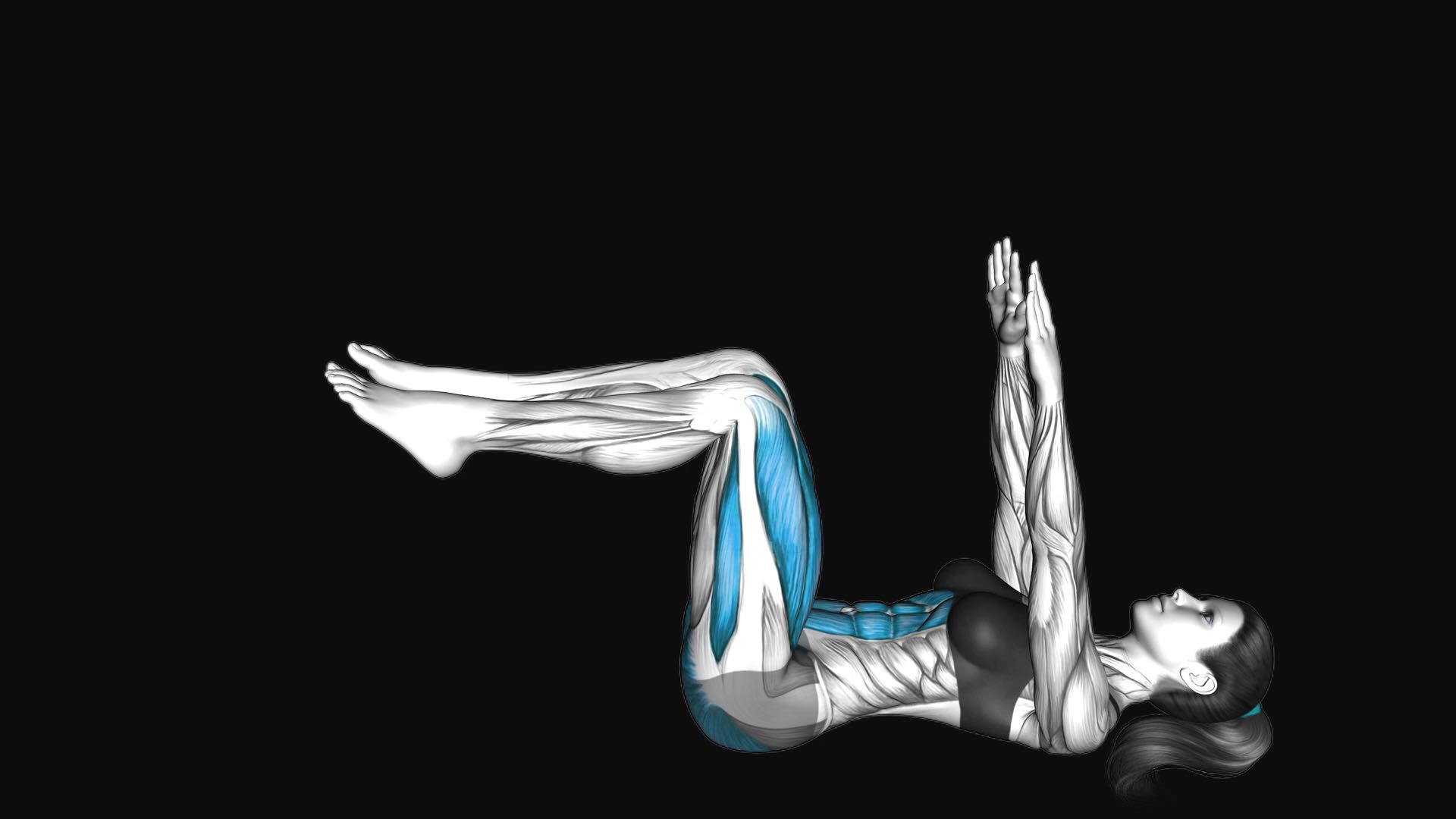
Abs · Bodyweight
High Plank
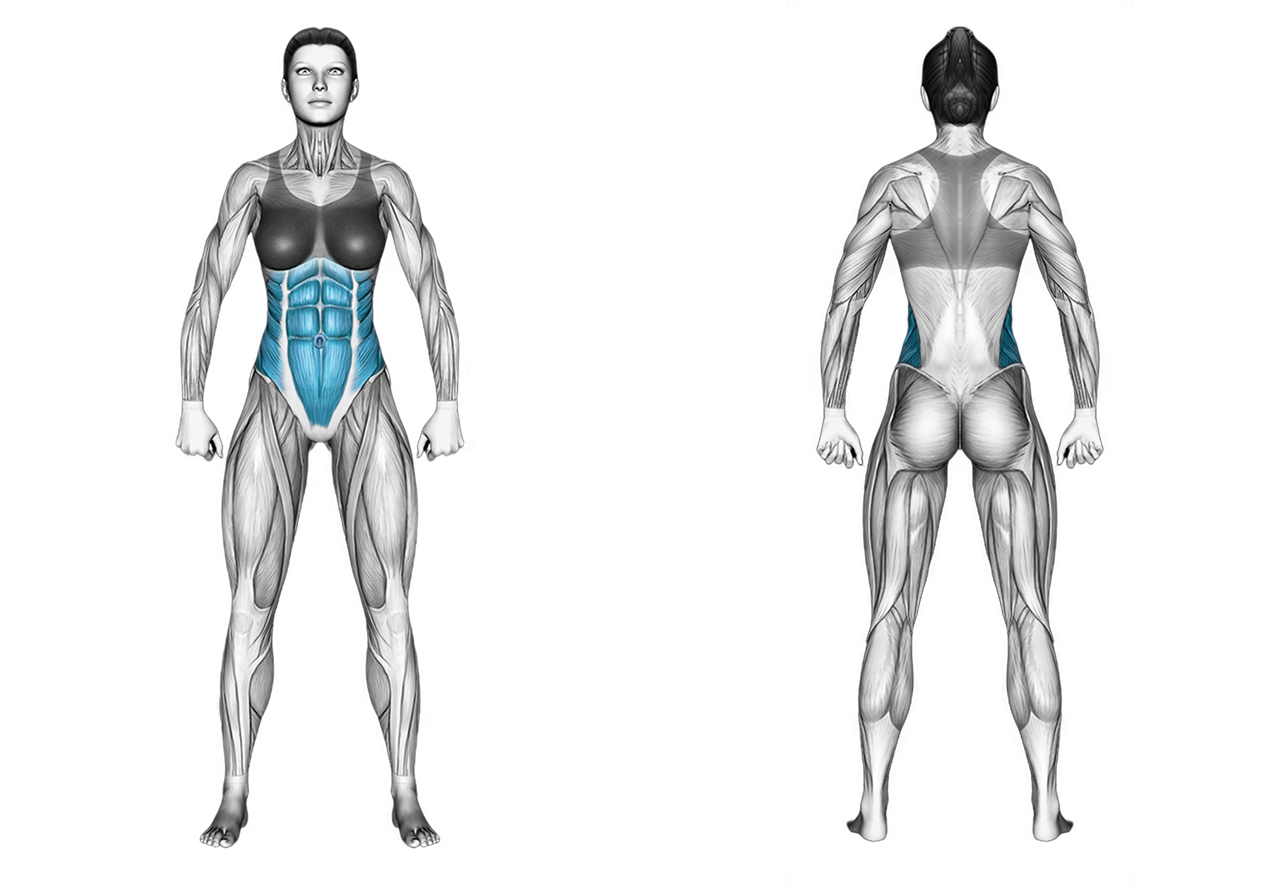
The high plank is a foundational isometric bodyweight exercise designed to develop anterior core endurance and shoulder girdle stability. It primarily targets the rectus abdominis, transverse abdominis, and anterior deltoids, fitting naturally into movement prep, circuit routines, or core finishers.
- Muscles
- Abs
- Equipment
- Bodyweight
- Type
- Cardio / timed
- Animation
- Women
How to do it
- Start in a push-up position with your hands directly under your shoulders.
- Keep your arms straight and your body in a straight line from head to heels.
- Engage your core, glutes, and leg muscles to maintain proper alignment.
- Avoid letting your hips sag or pike up.
- Hold this position while breathing normally.
Common mistakes
- Sagging the hips places excessive shear stress on the lumbar spine and completely disengages the abdominal wall.
- Piking the hips upward shifts the load away from the core and turns the exercise into a passive resting position.
- Positioning the hands too far forward relative to the shoulders strains the wrist joints and compromises leverage.
- Allowing the scapulae to collapse destabilizes the upper back and prevents full engagement of the serratus anterior.
Tips
- Actively push the floor away through the palms to maintain a stable, protracted upper back.
- Squeeze the glutes and draw the navel upward to lock the pelvis into a neutral alignment.
- Fix the gaze on the floor slightly ahead of the hands to prevent hyperextending the neck.
Sets and reps
Perform 3 to 4 sets of 20 to 60 seconds, resting 30 to 60 seconds between intervals to prioritize quality of tension over sheer duration. Once a 60-second hold is comfortable with pristine alignment, progress to single-arm or dynamic plank variations.
Muscles worked
Your coach guides every set
Turn on the coach in Gloox: it asks how you feel, picks the weight from your history and cues technique and rest. Rate each set and the next one is tuned to you.

On a computer? Point your phone's camera here to get the app.
Questions
Is the high plank better than the forearm plank?
Neither is inherently better; the high plank demands greater shoulder and wrist stability with direct carryover to push-ups, while the forearm plank isolates deep core engagement without loading the wrists.
What should be done if the high plank causes wrist pain?
Modifications include gripping dumbbells, holding the plank on closed fists, or transitioning down to the forearms. If sharp pain persists, stop the movement immediately and consult a medical professional.