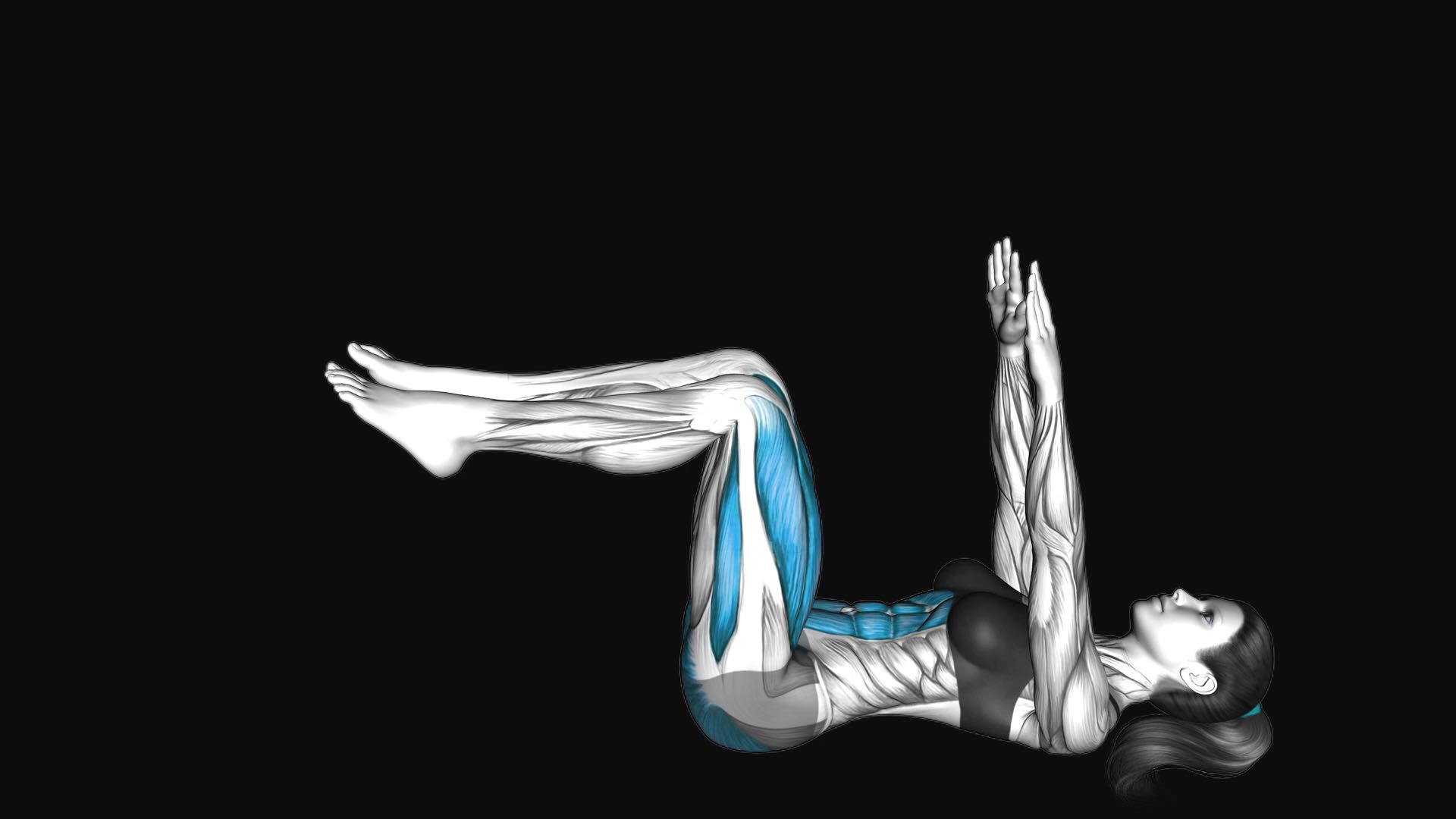
Abs · Bodyweight
Standing Side Crunch
The standing side crunch is a bodyweight core movement targeting the obliques and lateral stabilizers without placing direct pressure on the lower back. It suits all fitness levels and fits well as a dynamic warmup element, a low-impact core drill, or an end-of-workout finisher.
- Muscles
- Abs
- Equipment
- Bodyweight
- Type
- Strength
- Animation
- Women
How to do it
- Stand upright with feet shoulder-width apart.
- Place one hand behind your head and the other on your hip.
- Lift the knee on the same side as your raised elbow up toward your elbow.
- Simultaneously crunch your torso sideways, bringing your elbow down to meet your knee.
- Squeeze your obliques at the top.
- Return to standing and repeat.
- Complete all reps on one side before switching.
Common mistakes
- Flexing forward instead of laterally shifts tension away from the obliques to the anterior abdominals and hip flexors.
- Yanking the head or neck with the raised hand places unnecessary strain on the cervical spine.
- Using momentum to swing the knee upward minimizes muscular engagement and reduces control.
- Locking out the standing leg impairs overall balance and stresses the knee joint.
Tips
- Focus on drawing your lower ribs toward your hip bone rather than forcing the elbow to touch the knee.
- Keep a slight bend in your standing knee to enhance stability throughout the set.
- Exhale forcefully at the top of the movement to achieve a stronger peak contraction in the obliques.
Sets and reps
Perform 3–4 sets of 15–25 repetitions per side with 30–45 seconds of rest to target core endurance and stability.
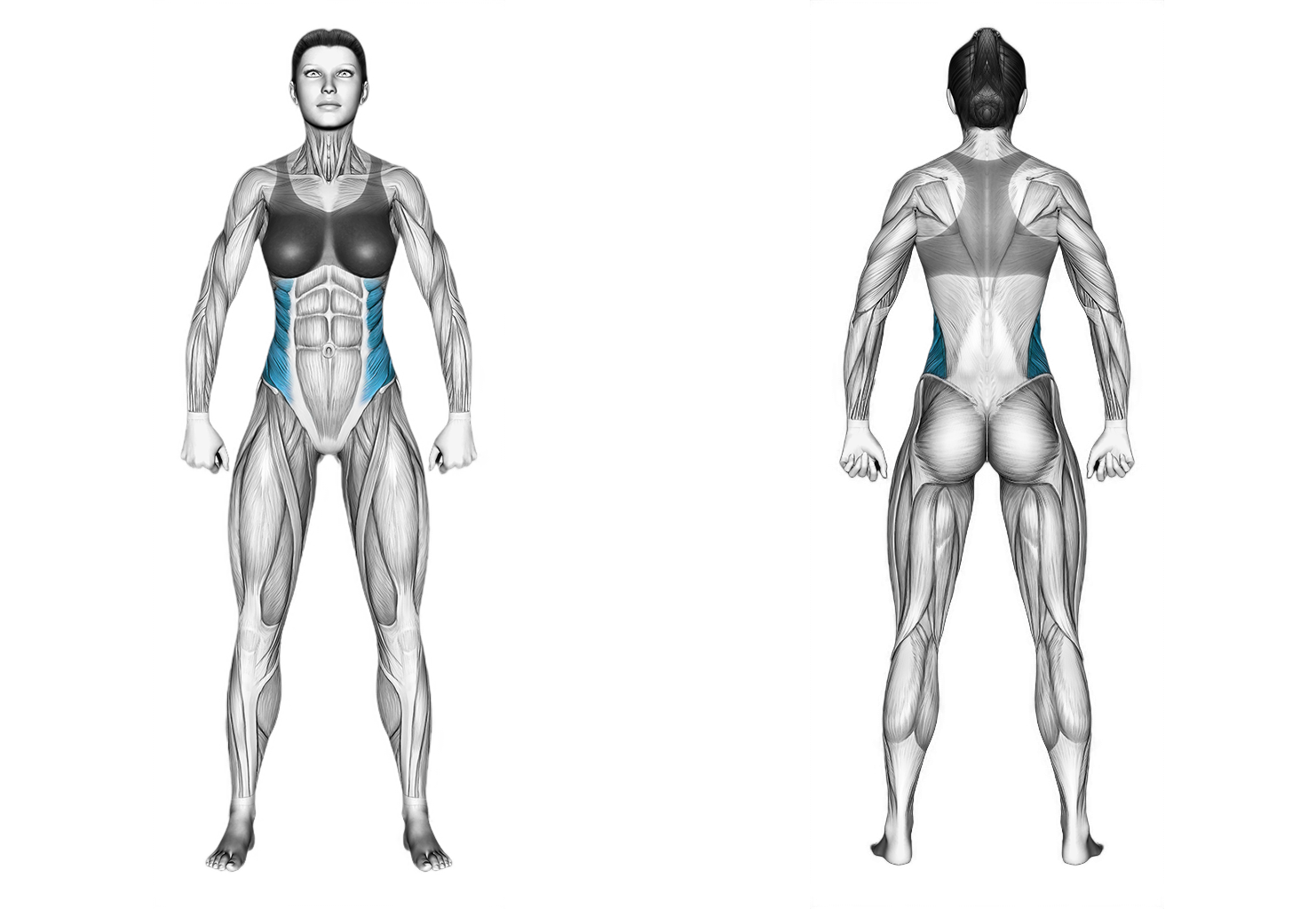
Muscles worked
Your coach guides every set
Turn on the coach in Gloox: it asks how you feel, picks the weight from your history and cues technique and rest. Rate each set and the next one is tuned to you.

On a computer? Point your phone's camera here to get the app.
Questions
Is the standing side crunch safe for the lower back?
Performing crunches upright removes spinal flexion against the floor and reduces lumbar pressure, but stop immediately and see a specialist if sharp discomfort occurs.
Can this exercise reduce love handles?
It strengthens and tones the underlying oblique muscles, but targeted spot reduction of body fat is impossible without an overall caloric deficit.