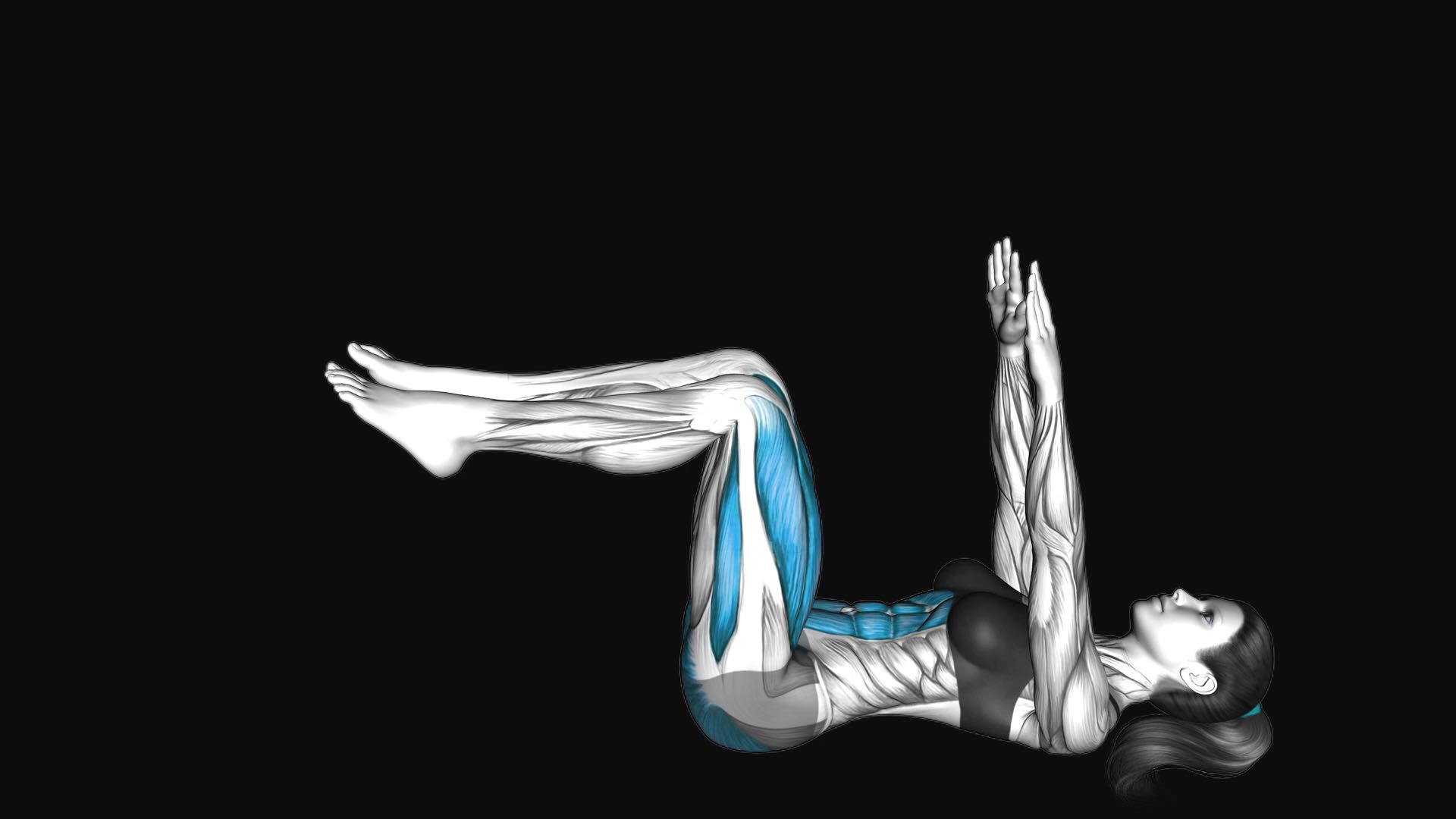
Abs · Bodyweight
Side Plank
The side plank is an isometric bodyweight exercise that targets the internal and external obliques, transversus abdominis, and lateral hip stabilizers. It is suitable for all fitness levels and fits well into core-focused segments or general warm-up routines.
- Muscles
- Abs
- Equipment
- Bodyweight
- Type
- Cardio / timed
- Animation
- Men and women
How to do it
- Lie on your side with your forearm on the ground, elbow under your shoulder.
- Stack your feet and keep your body in a straight line.
- Lift your hips off the ground, creating a straight line from head to feet.
- Engage your core and hold this position.
- Keep your head in neutral alignment with your spine.
Common mistakes
- Allowing the hips to sag toward the floor removes tension from the obliques and strains the lumbar spine.
- Rotating the top hip or shoulder forward twists the spine and reduces core activation.
- Placing the supporting elbow too far from the shoulder places unnecessary shear stress on the shoulder joint.
- Dropping or tilting the head strains the cervical spine instead of maintaining a neutral neck.
Tips
- Press the floor away actively through your supporting forearm to keep your shoulder stable and engaged.
- Squeeze your glutes and brace your abdomen throughout the hold to keep your body in a rigid line.
- If balancing on your feet is too challenging, regress the exercise by performing the hold from your knees.
Sets and reps
Perform 3 to 4 sets per side, holding each position for 20 to 45 seconds. Rest for 15 to 30 seconds when switching sides, and take 45 to 60 seconds between full sets.
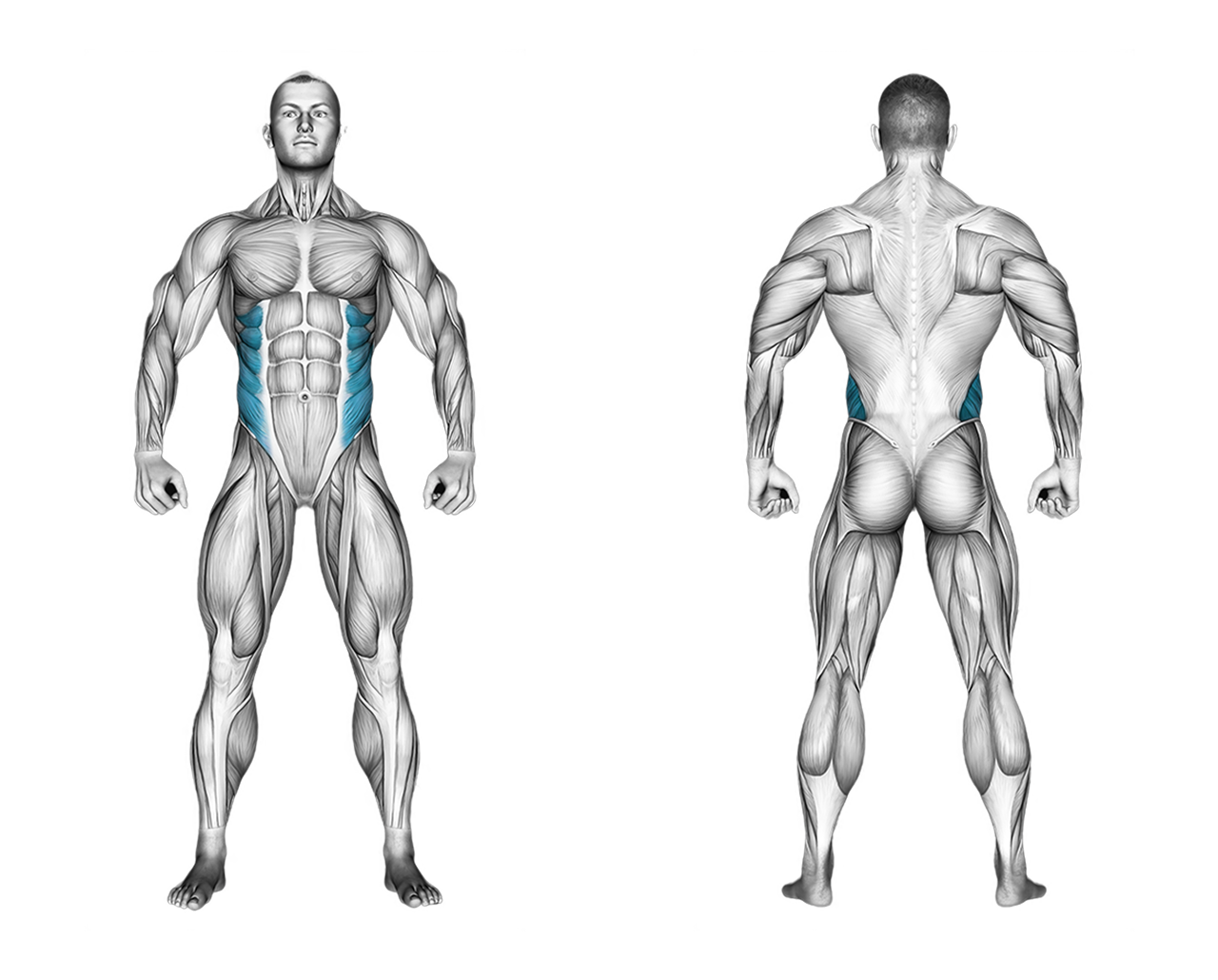
Muscles worked
Your coach guides every set
Turn on the coach in Gloox: it asks how you feel, picks the weight from your history and cues technique and rest. Rate each set and the next one is tuned to you.

On a computer? Point your phone's camera here to get the app.
Questions
Is the side plank safe for people with lower back sensitivity?
Yes, it challenges the lateral core with relatively low spinal compression compared to dynamic trunk flexion exercises. If sharp pain or numbness occurs, stop the exercise and consult a healthcare professional.
How can you increase the difficulty without added weights?
You can elevate the top leg into a star position or place your feet on an elevated surface like a bench or suspension straps.