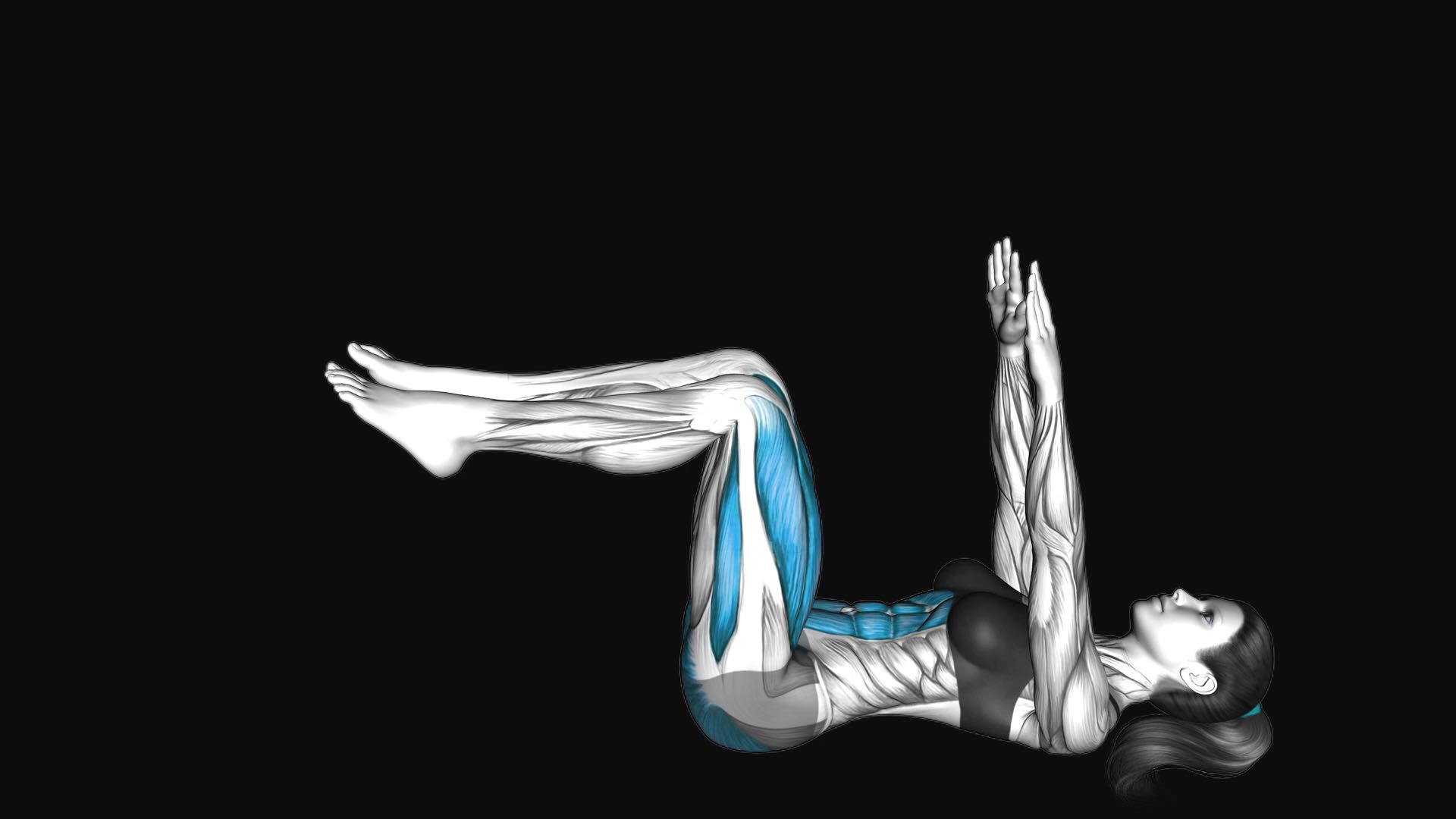
Abs · Bodyweight
Lean Back Heel Tap
The lean back heel tap is a core-strengthening movement that targets the rectus abdominis, obliques, and hip flexors through rotational leg action while sustaining an isometric torso lean. It suits trainees of most fitness levels and fits well into a core finisher or bodyweight circuit at the end of a session.
- Muscles
- Abs
- Equipment
- Bodyweight
- Type
- Strength
- Animation
- Men
How to do it
- Sit on the ground with your knees bent and feet flat on the floor.
- Lean your torso back slightly and lift your feet off the ground.
- Rotate your legs to one side and tap your heels on the ground.
- Bring your legs back to center, then rotate to the opposite side and tap.
- Continue alternating sides.
Common mistakes
- Rounding the lower back excessively shifts tension away from the abdominals and places undue stress on the lumbar spine.
- Using momentum to whip the legs from side to side reduces the recruitment of the oblique muscles.
- Dropping the heels heavily onto the floor breaks the continuous engagement of the abdominal wall.
Tips
- Keep the chest open and maintain a stable torso angle throughout the entire movement.
- Tap the heels lightly against the floor without resting your lower body weight on the ground.
- Place your fingertips lightly on the floor behind your hips if you need extra support while building stability.
Sets and reps
Perform 3 to 4 sets of 16 to 24 total alternating reps (8 to 12 per side), resting for 45 to 60 seconds between rounds.
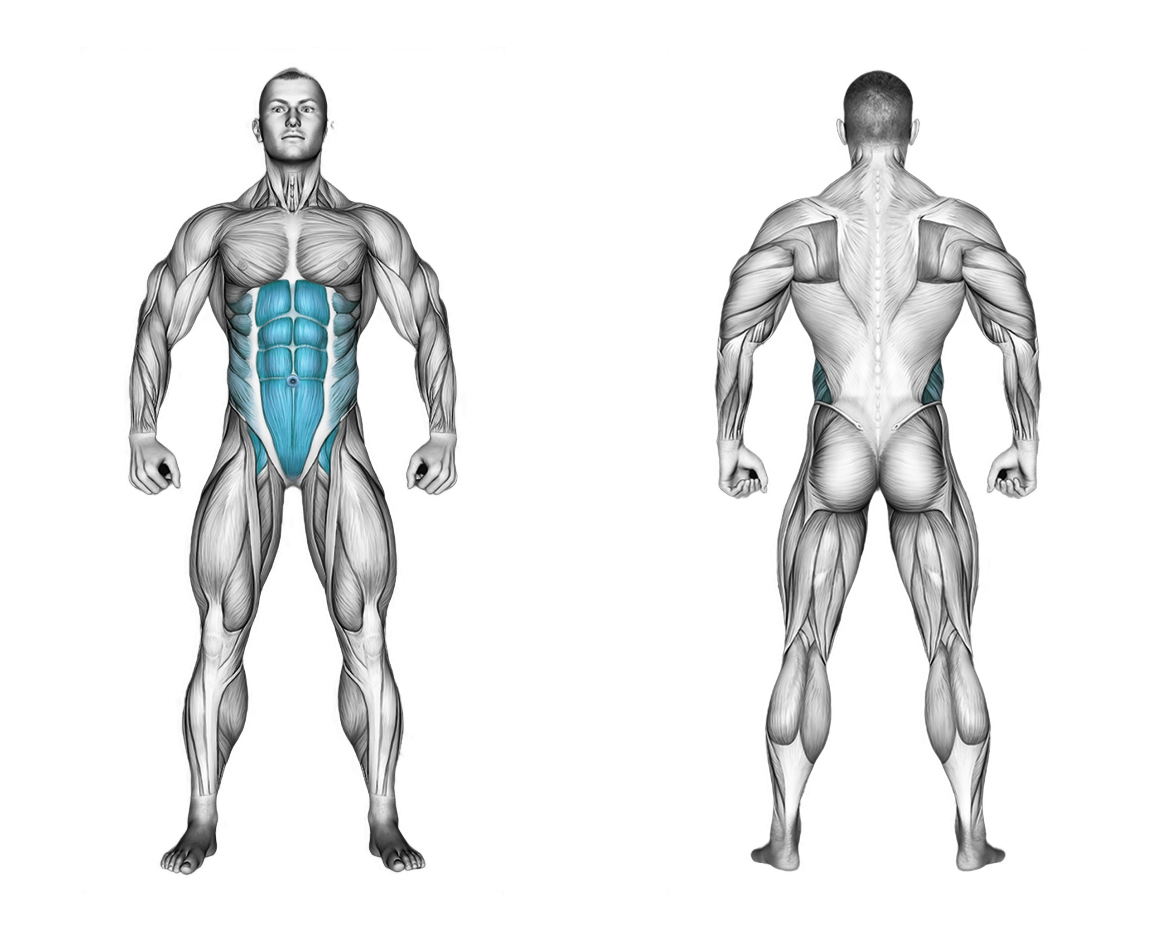
Muscles worked
Your coach guides every set
Turn on the coach in Gloox: it asks how you feel, picks the weight from your history and cues technique and rest. Rate each set and the next one is tuned to you.

On a computer? Point your phone's camera here to get the app.
Questions
Is this exercise safe for the lower back?
It is safe when maintaining a neutral spine and controlled tempo, but stop immediately and consult a specialist if you feel lower back pain.
What muscles does the lean back heel tap work?
The movement primarily works the rectus abdominis and obliques, with significant engagement of the hip flexors to keep the legs elevated.