Abs · Bodyweight
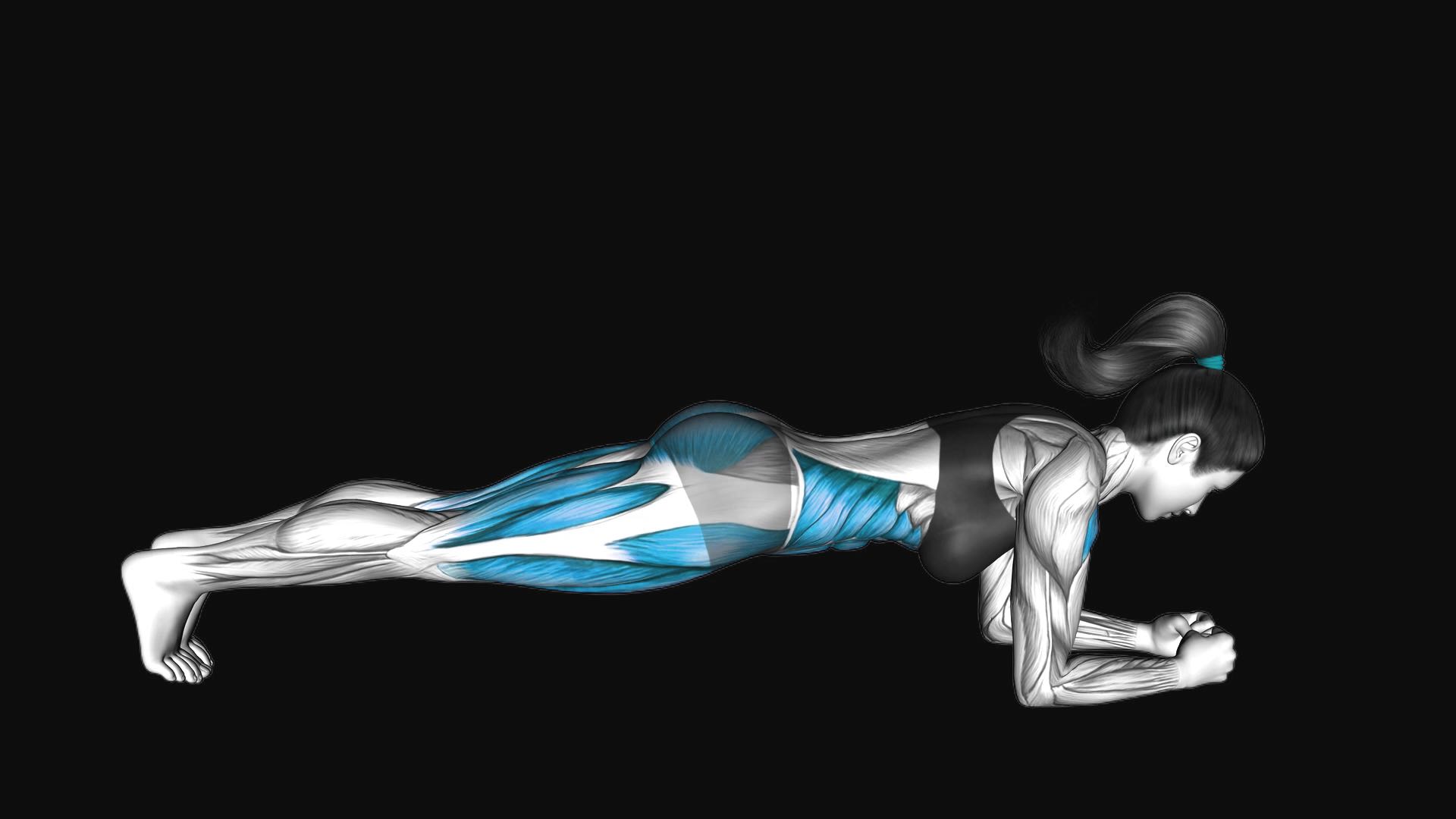
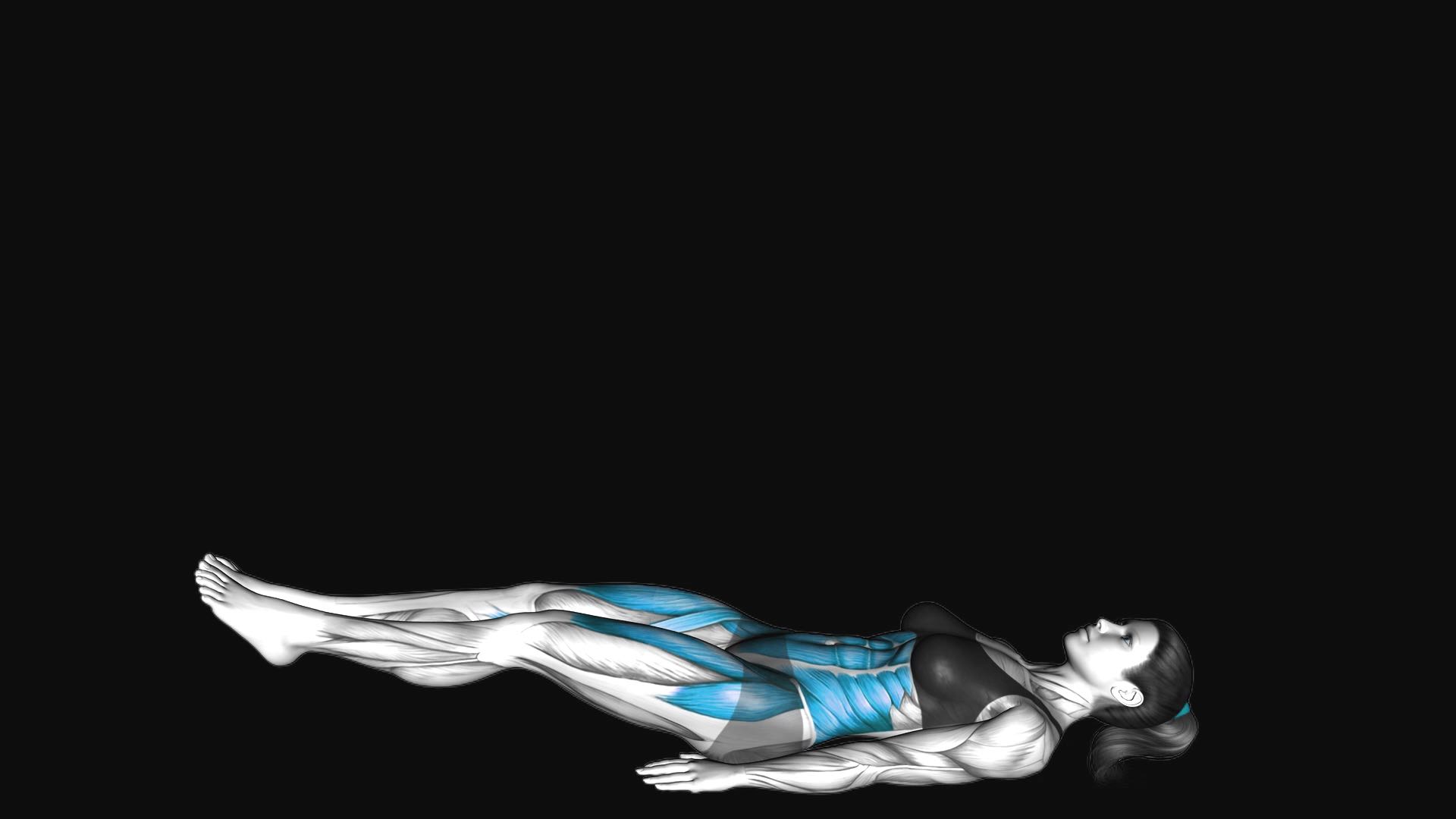
Side Plank with Hip Raise
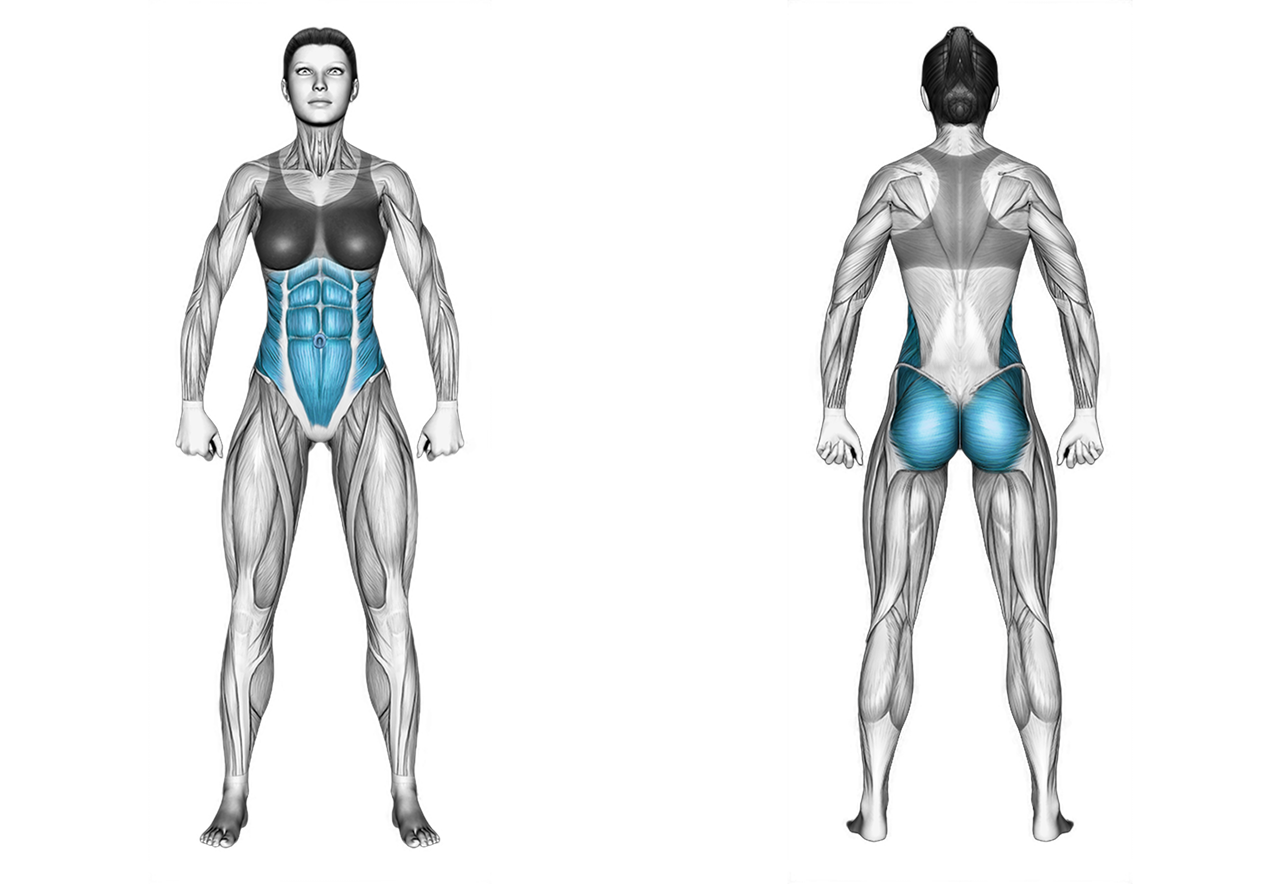
The side plank with hip raise is a dynamic bodyweight exercise that targets the obliques and the gluteus medius. It builds lateral core stability and endurance, fitting well into the midsection or finisher of a strength or functional workout.
- Equipment
- Bodyweight
- Type
- Strength
- Animation
- Women
How to do it
- Start in a side plank position with your forearm on the ground and body in a straight line.
- Keep your feet stacked and your core engaged.
- Slowly lower your hip toward the ground without touching it.
- Raise your hip back up above the starting position.
- Return to the neutral side plank position and repeat the movement.
Common mistakes
- Rotating the torso forward or backward instead of keeping the hips stacked vertically.
- Placing the supporting elbow too far away from beneath the shoulder joint.
- Allowing the lower hip to rest on the ground between reps, which loses tension.
- Tilting the head up or down instead of keeping the neck aligned with the spine.
Tips
- Pause for a brief second at the top of each raise to maximize oblique contraction.
- Stagger your top foot slightly in front of the bottom foot if you need additional balance.
- Control the descent slowly to maintain constant engagement in your lateral chain.
Sets and reps
Aim for 3 to 4 sets of 10 to 15 reps per side with a controlled tempo. Take 15 to 30 seconds of rest when switching sides, and about 60 seconds between full sets.
Muscles worked
Your coach guides every set
Turn on the coach in Gloox: it asks how you feel, picks the weight from your history and cues technique and rest. Rate each set and the next one is tuned to you.

On a computer? Point your phone's camera here to get the app.
Questions
Is the side plank with hip raise safe for the lower back?
It actively recruits lateral stabilizers that support the spine, but you should stop and consult a healthcare professional if you feel lower back pain.
How can this exercise be modified if it is too difficult?
You can perform the movement with your knees bent at 90 degrees on the floor, which shortens the lever and reduces the load.