Abs · Bodyweight
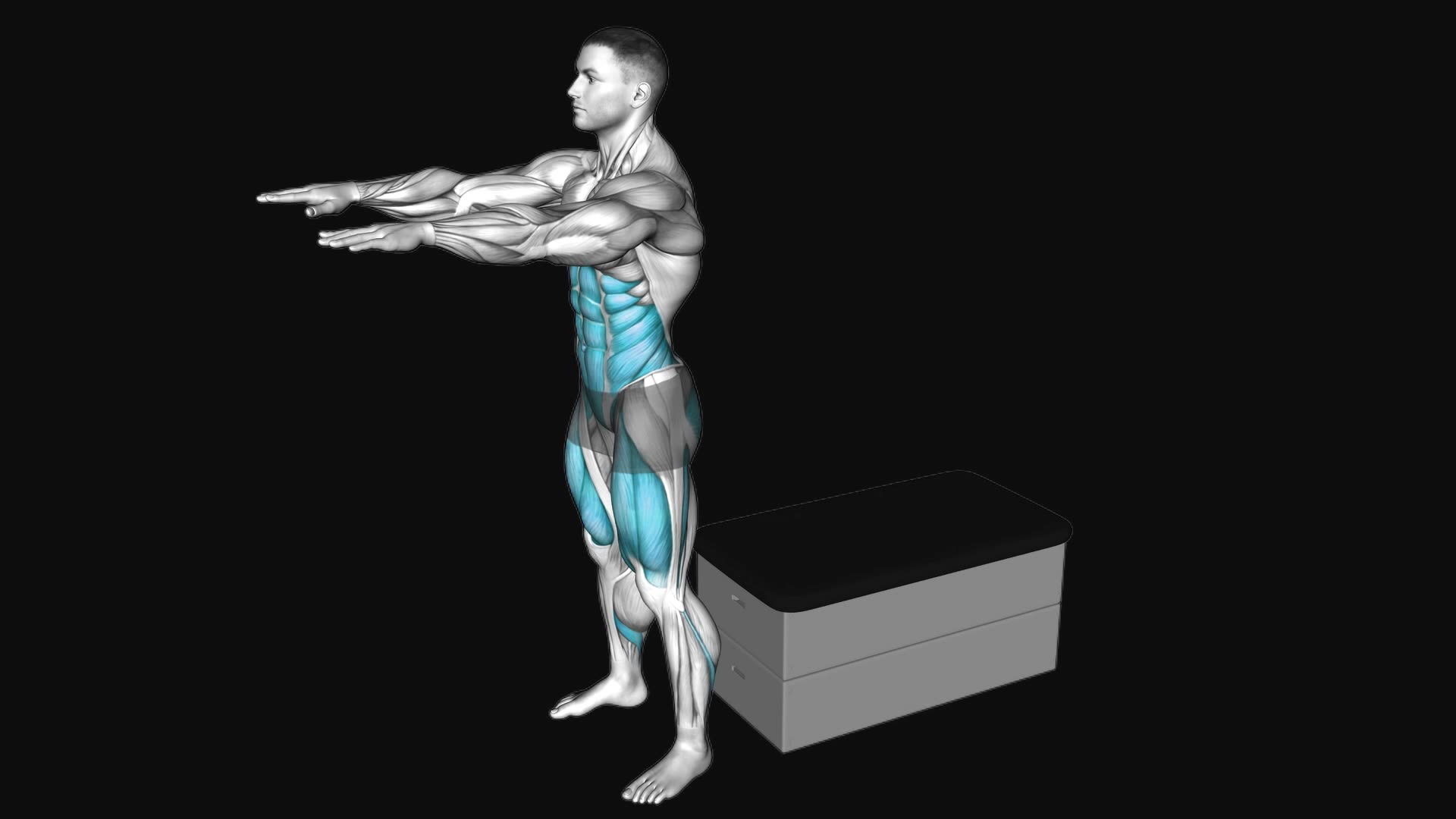
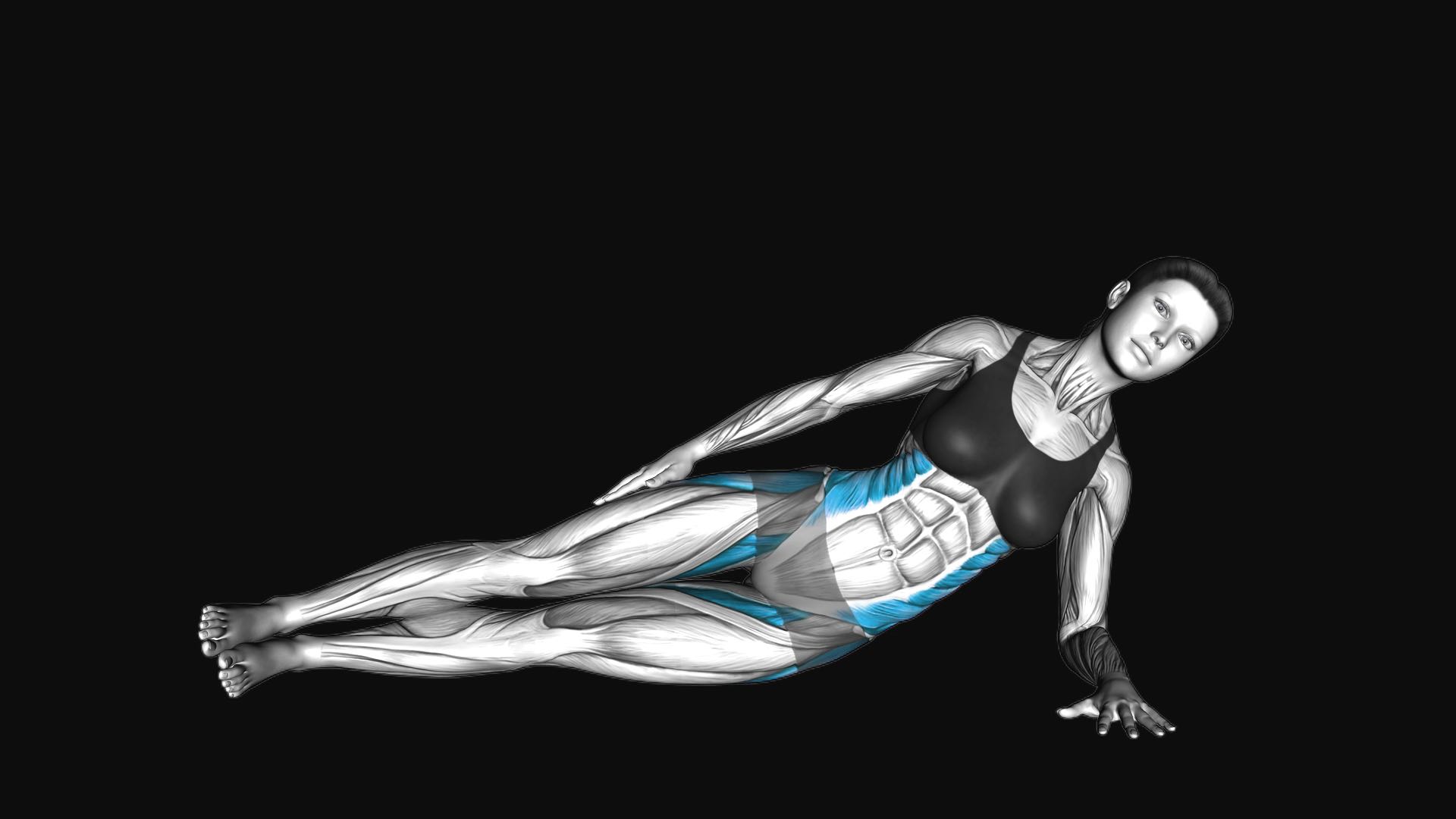
High Plank to Frog Squat
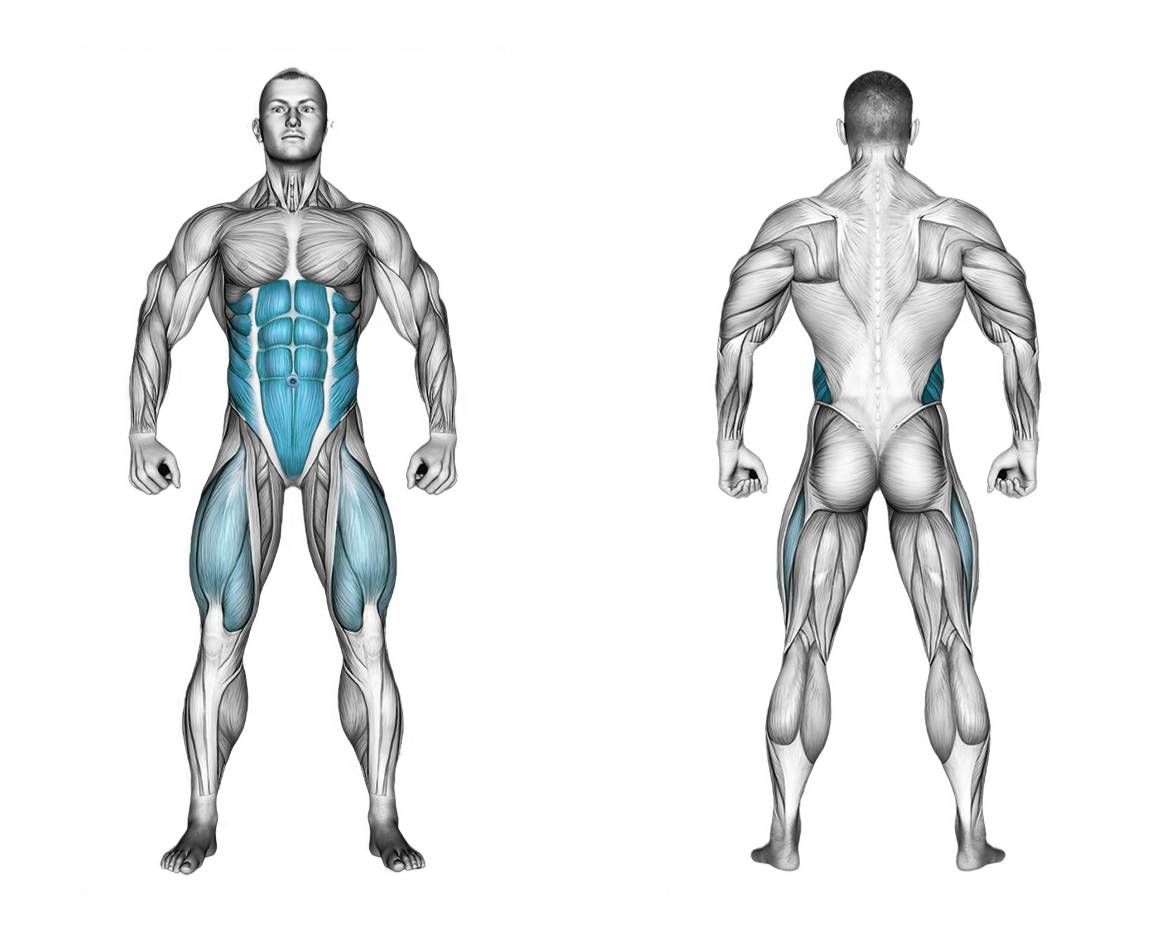
The high plank to frog squat is a dynamic bodyweight exercise that shifts continuously between a core stability hold and a deep, wide-stance squat. It strengthens the abdominals, hip flexors, and quadriceps while functioning well as a warm-up drill, conditioning movement, or metabolic finisher.
- Equipment
- Bodyweight
- Type
- Strength
- Animation
- Men
How to do it
- Start in a high plank position with your hands directly under your shoulders.
- Jump or step both feet forward, landing outside your hands in a deep squat position with your hips low.
- Jump or step your feet back to the plank position.
- Continue alternating between plank and frog squat positions.
Common mistakes
- Landing on the toes instead of the entire foot places excessive shear stress on the knee joints.
- Allowing the hips to sag in the plank position strains the lower back and disengages the core.
- Keeping the hips elevated instead of dropping into a true squat shifts the workload away from the legs.
- Shrugging the shoulders up toward the ears compromises scapular stability during the transitions.
Tips
- Aim to land with flat feet placed just outside your hands while keeping your chest upright.
- Brace your abdominals firmly before kicking back to ensure a straight line from head to heels.
- Step your feet forward and backward one at a time to reduce impact on the joints if needed.
Sets and reps
Perform 3 to 4 sets of 10 to 15 repetitions, or work in 30-to-45-second intervals, resting 45 to 60 seconds between rounds for endurance and conditioning.
Muscles worked
Your coach guides every set
Turn on the coach in Gloox: it asks how you feel, picks the weight from your history and cues technique and rest. Rate each set and the next one is tuned to you.

On a computer? Point your phone's camera here to get the app.
Questions
Can this exercise be modified for low-impact training?
Yes, stepping the feet forward and backward instead of jumping removes joint impact while retaining the muscular demand on the legs and core.
Is this movement safe for the lower back?
It is safe when the core remains tight and hips do not drop below neutral in the plank, but stop and consult a healthcare professional if sharp pain occurs.