Back · Barbell
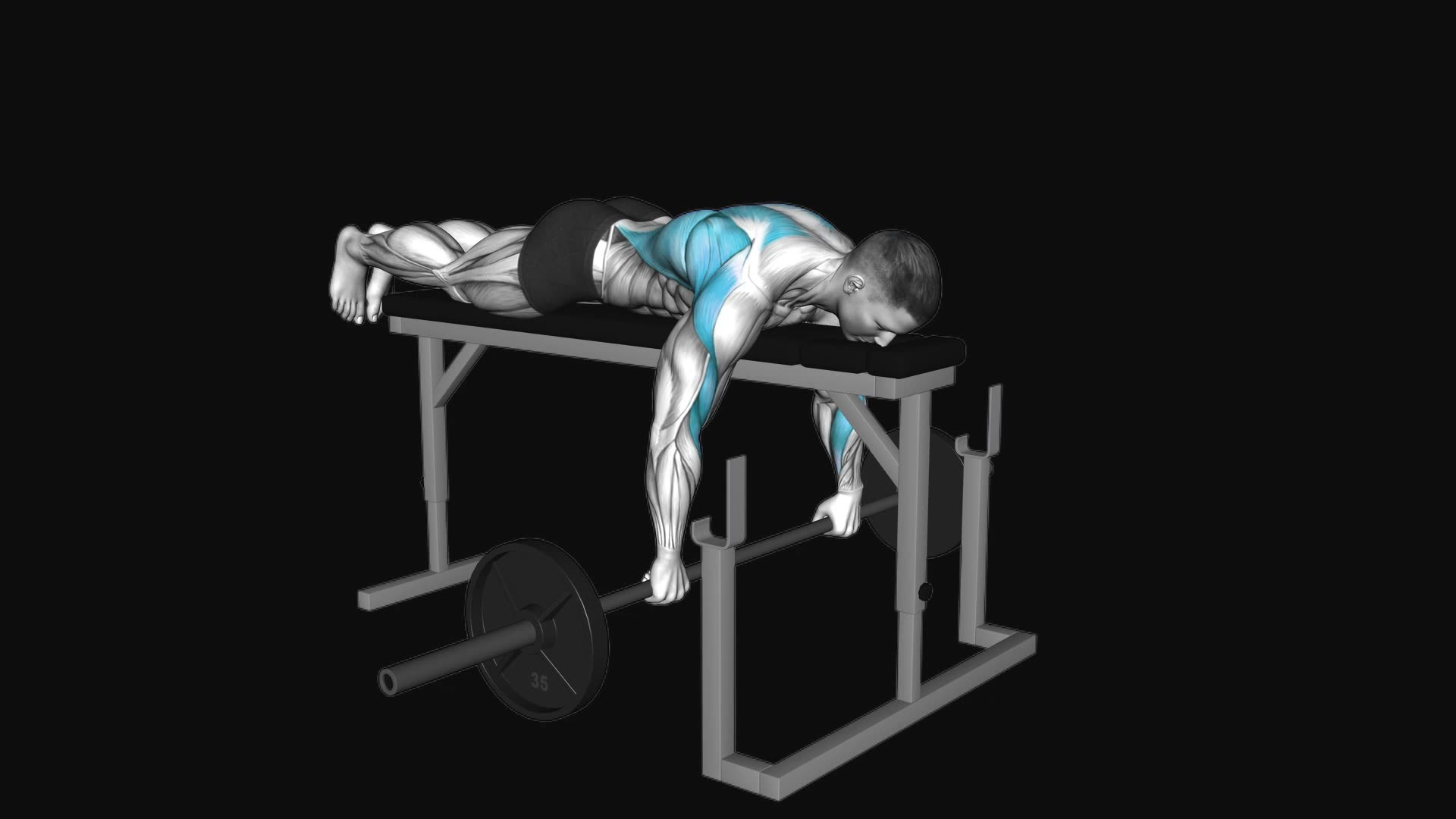
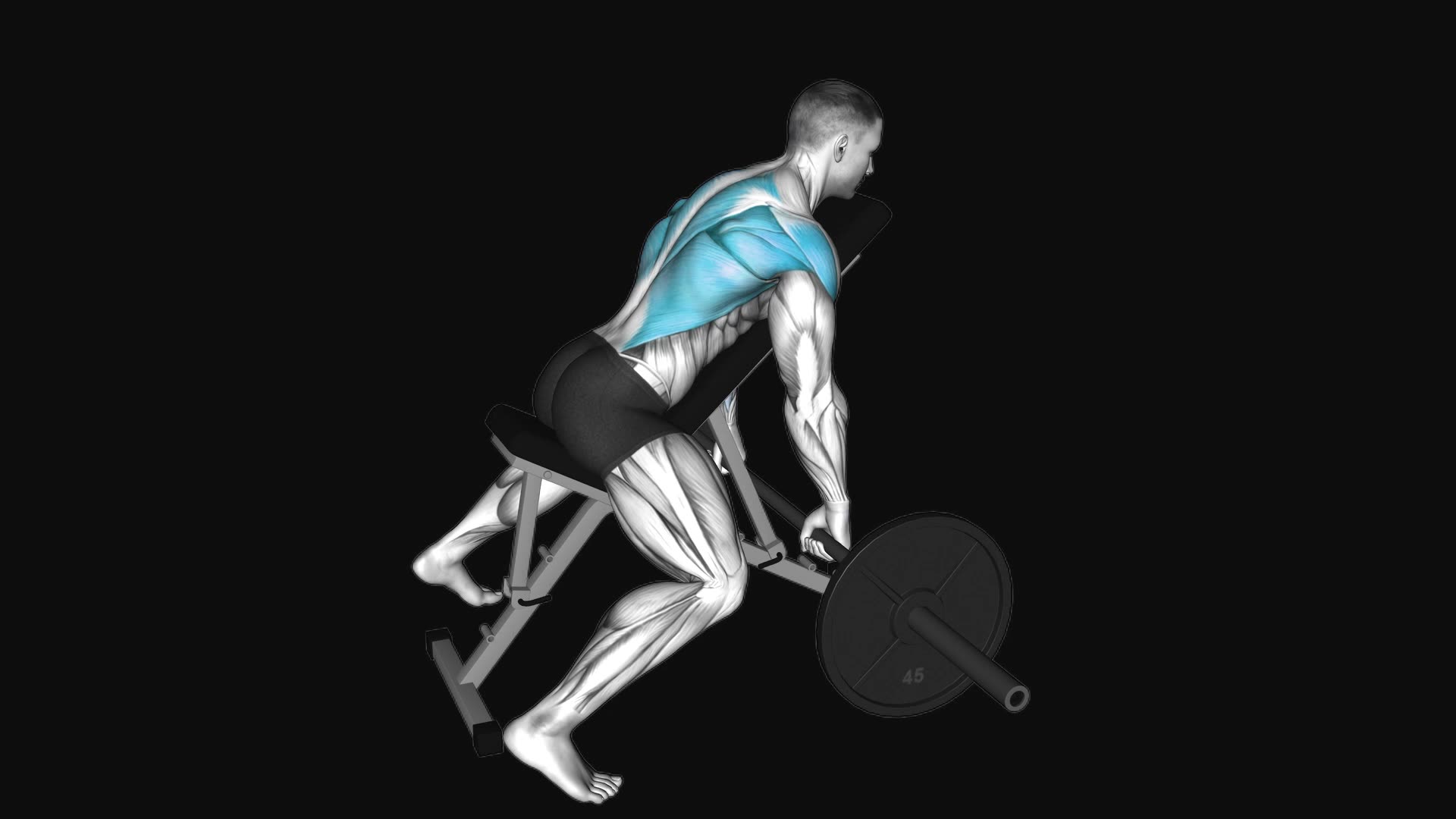
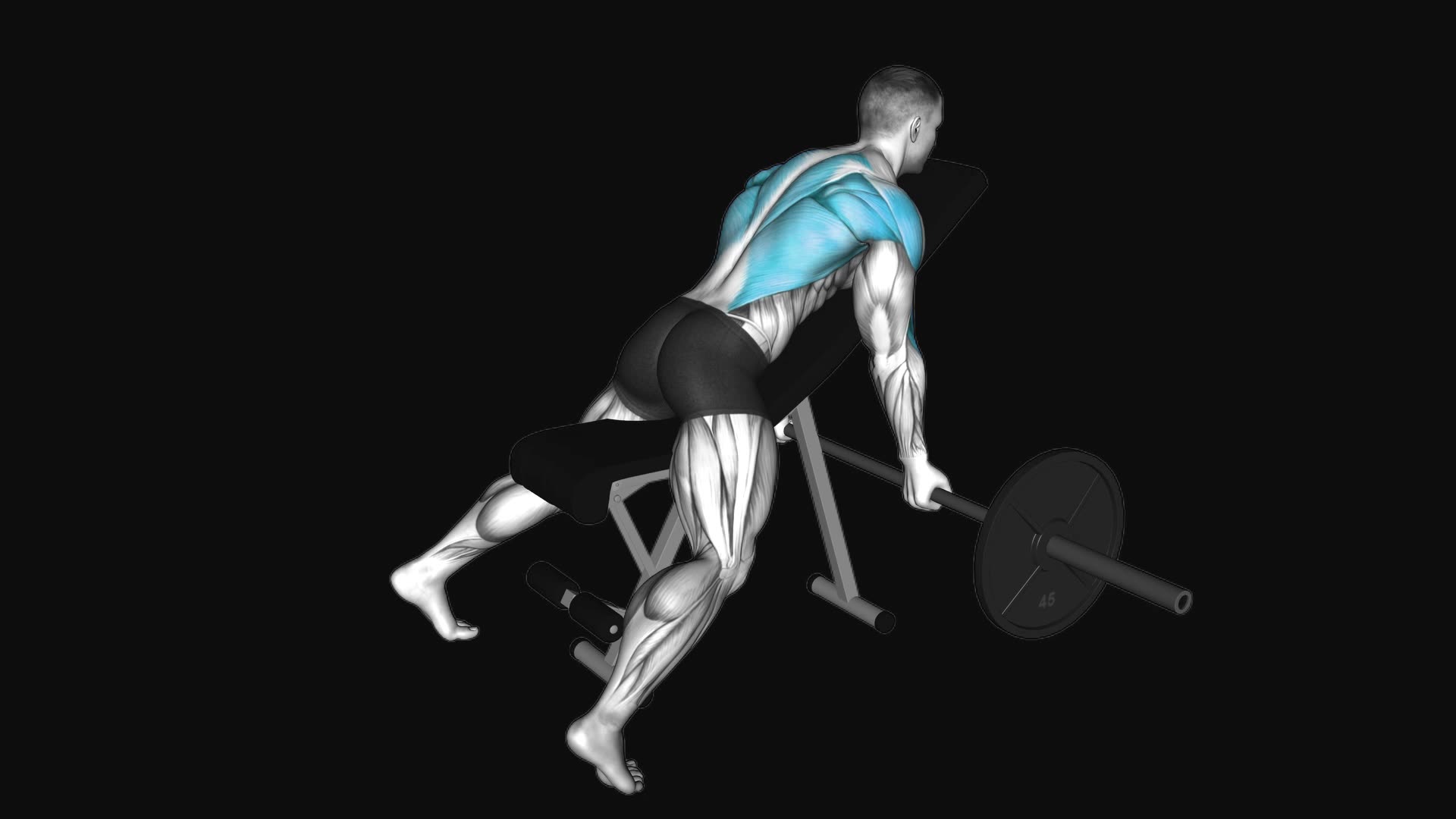
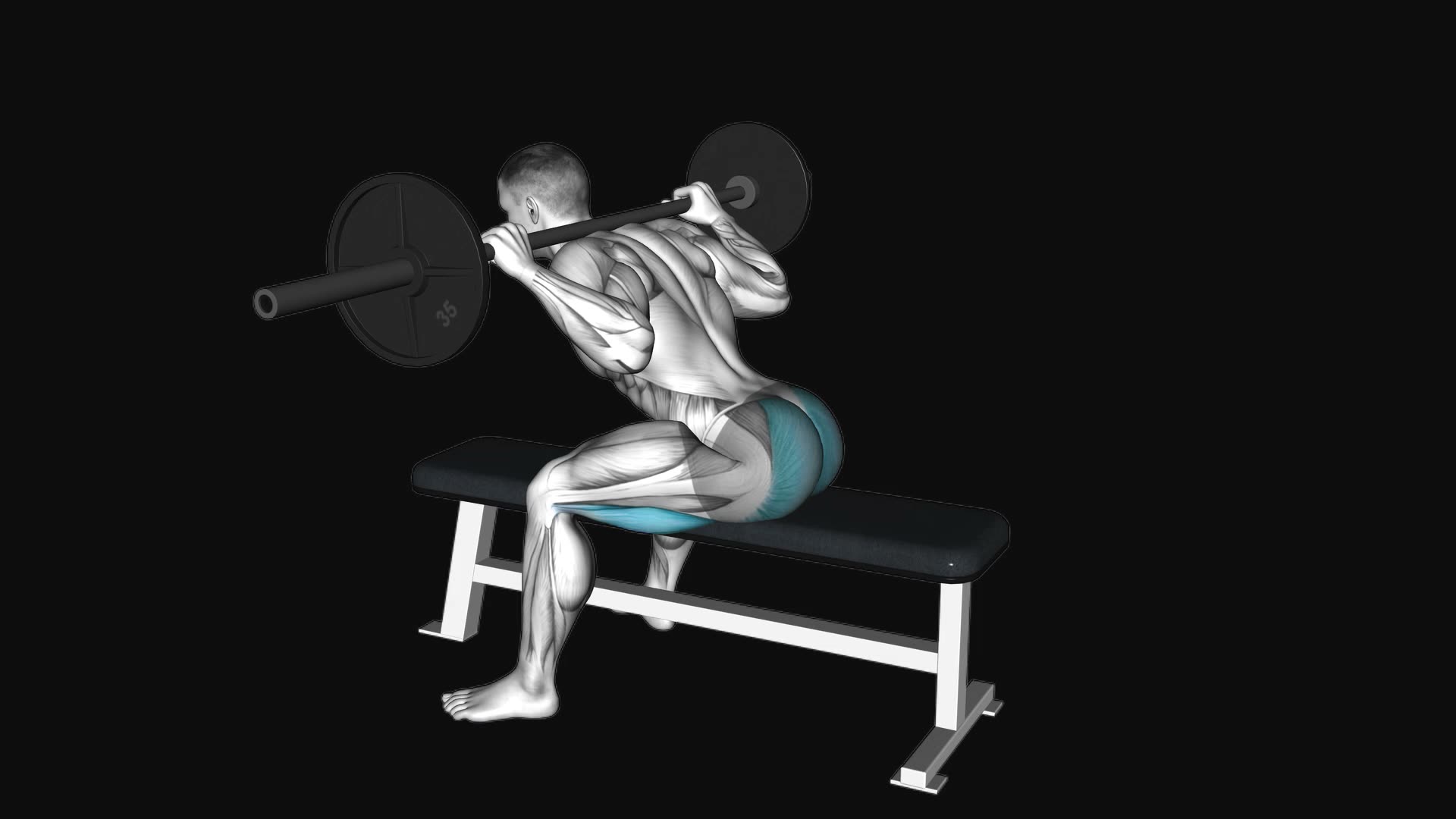
Bent Over Row-Barbell
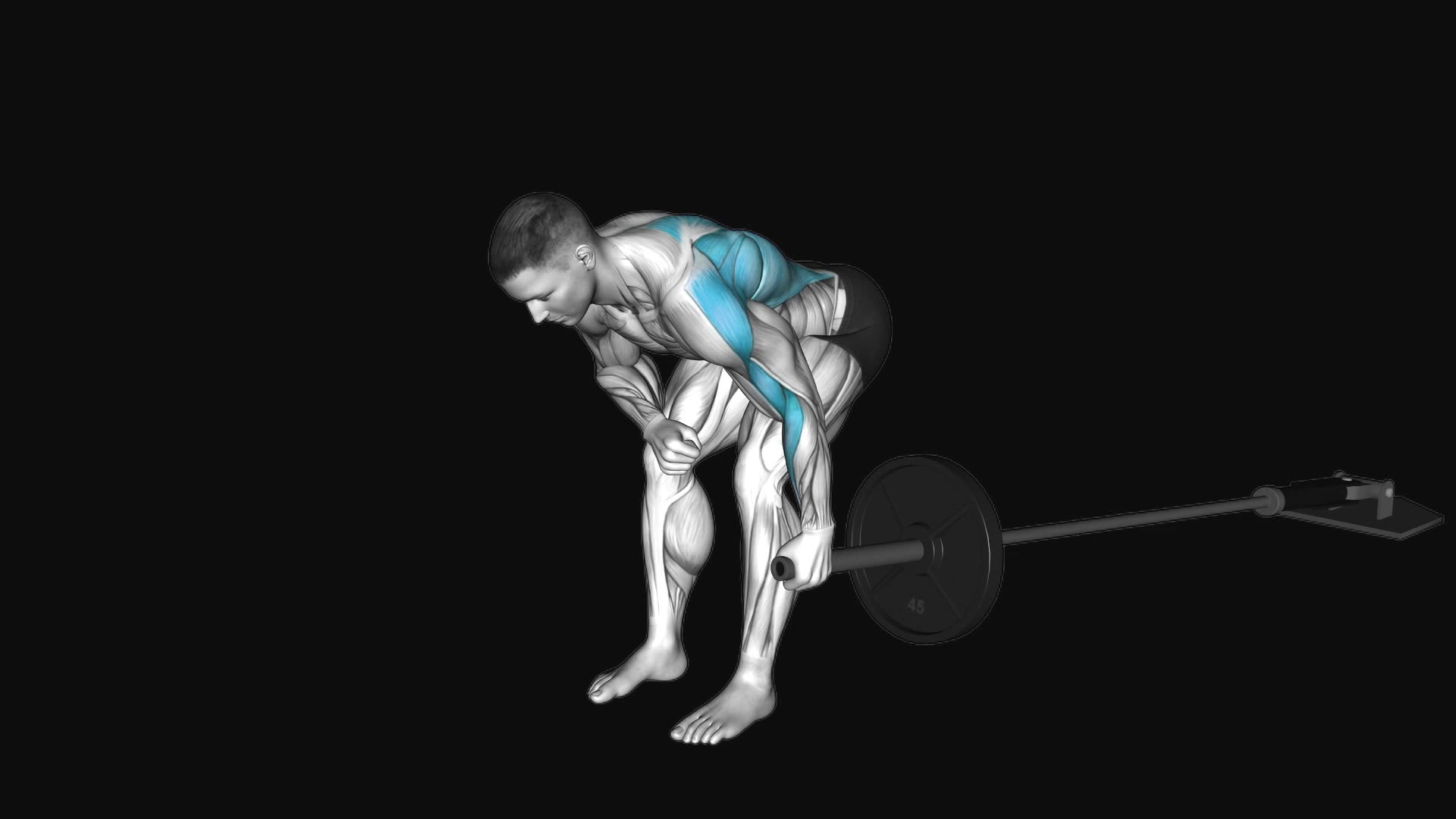
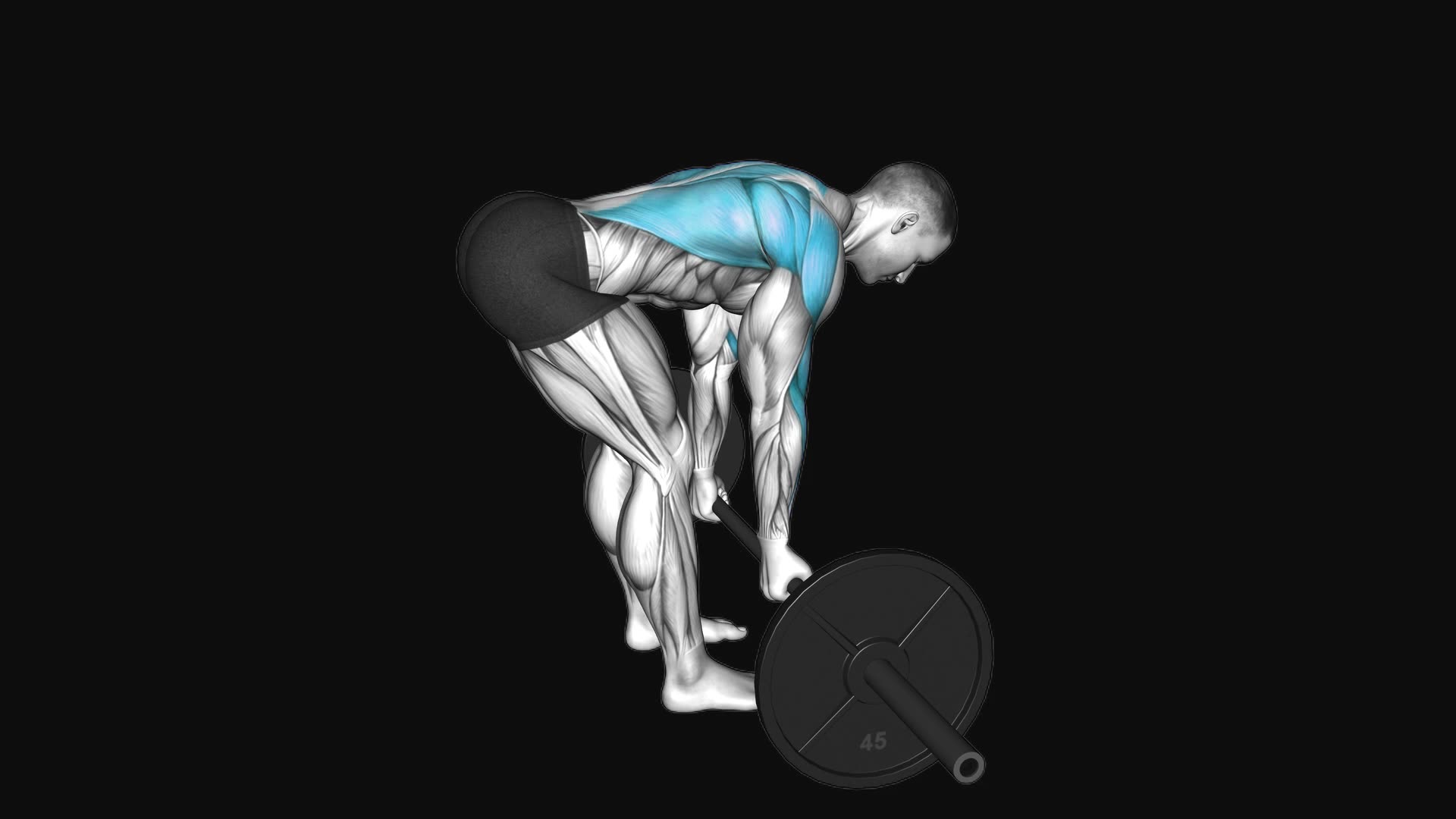
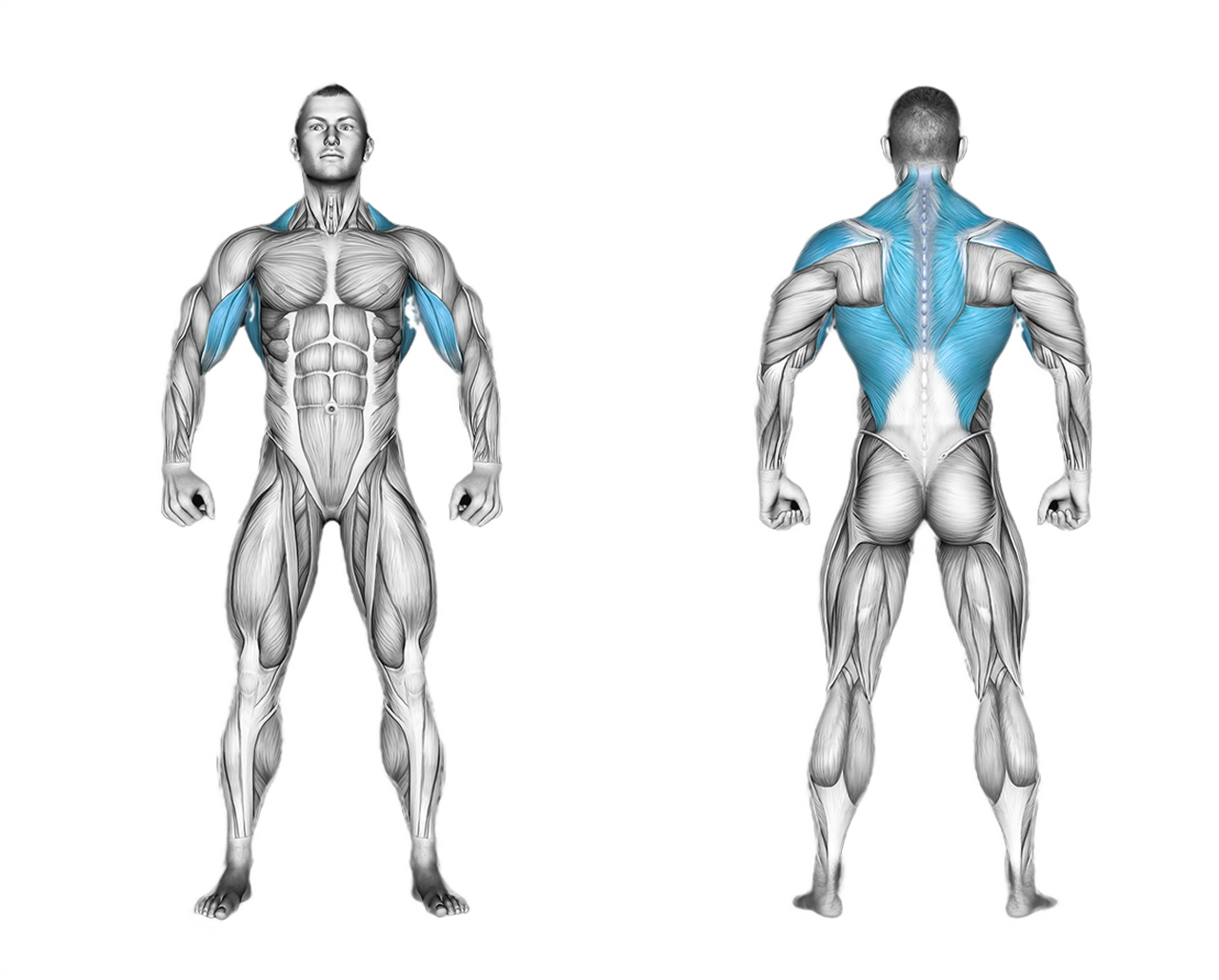
The bent-over barbell row is a compound pulling exercise designed to build thickness and strength across the entire back. It primarily targets the latissimus dorsi, rhomboids, and middle trapezius, making it a staple early in a back or pull workout.
How to do it
- Stand with your feet shoulder-width apart, holding a barbell with an overhand grip.
- Bend your knees slightly and hinge forward at the hips, keeping your back straight and parallel to the floor.
- Inhale and brace your core. As you exhale, lift the barbell towards your waist, keeping your elbows close to your body and squeezing your shoulder blades together.
- Lift the barbell until it touches your lower chest or upper abdomen.
- Inhale as you lower the barbell back to the starting position in a controlled manner.
Common mistakes
- Rounding the lower back shifts load away from the lats and creates severe shear stress on the spine.
- Using torso momentum to heave the barbell up reduces time under tension and risks injury.
- Flaring the elbows out too wide shifts stress onto the shoulder joints and away from the targeted back muscles.
- Pulling the bar too high toward the upper chest overemphasizes the upper traps and minimizes lat engagement.
Tips
- Initiate the pull by retracting your shoulder blades and driving your elbows straight back.
- Maintain a consistent torso angle throughout the set without standing up between reps.
- Pause briefly at the top of the range of motion to maximize the muscular contraction before lowering under control.
Sets and reps
For muscle hypertrophy, perform 3 to 4 sets of 8 to 12 repetitions with 90 to 120 seconds of rest. For strength gains, work with 3 to 5 sets of 4 to 6 repetitions, resting 2 to 3 minutes between sets.
Muscles worked
Your coach guides every set
Turn on the coach in Gloox: it asks how you feel, picks the weight from your history and cues technique and rest. Rate each set and the next one is tuned to you.

On a computer? Point your phone's camera here to get the app.
Questions
Is the bent-over barbell row safe for the lower back?
It is safe when maintaining a neutral spine and an engaged core, but if you experience sharp back pain, stop immediately and consult a healthcare specialist.
What is the difference between an overhand and an underhand grip?
An overhand grip targets the upper back and rhomboids more heavily, while an underhand grip recruits more biceps and shifts focus toward the lower lats.