Back · Barbell
Barbell Seated Good Morning
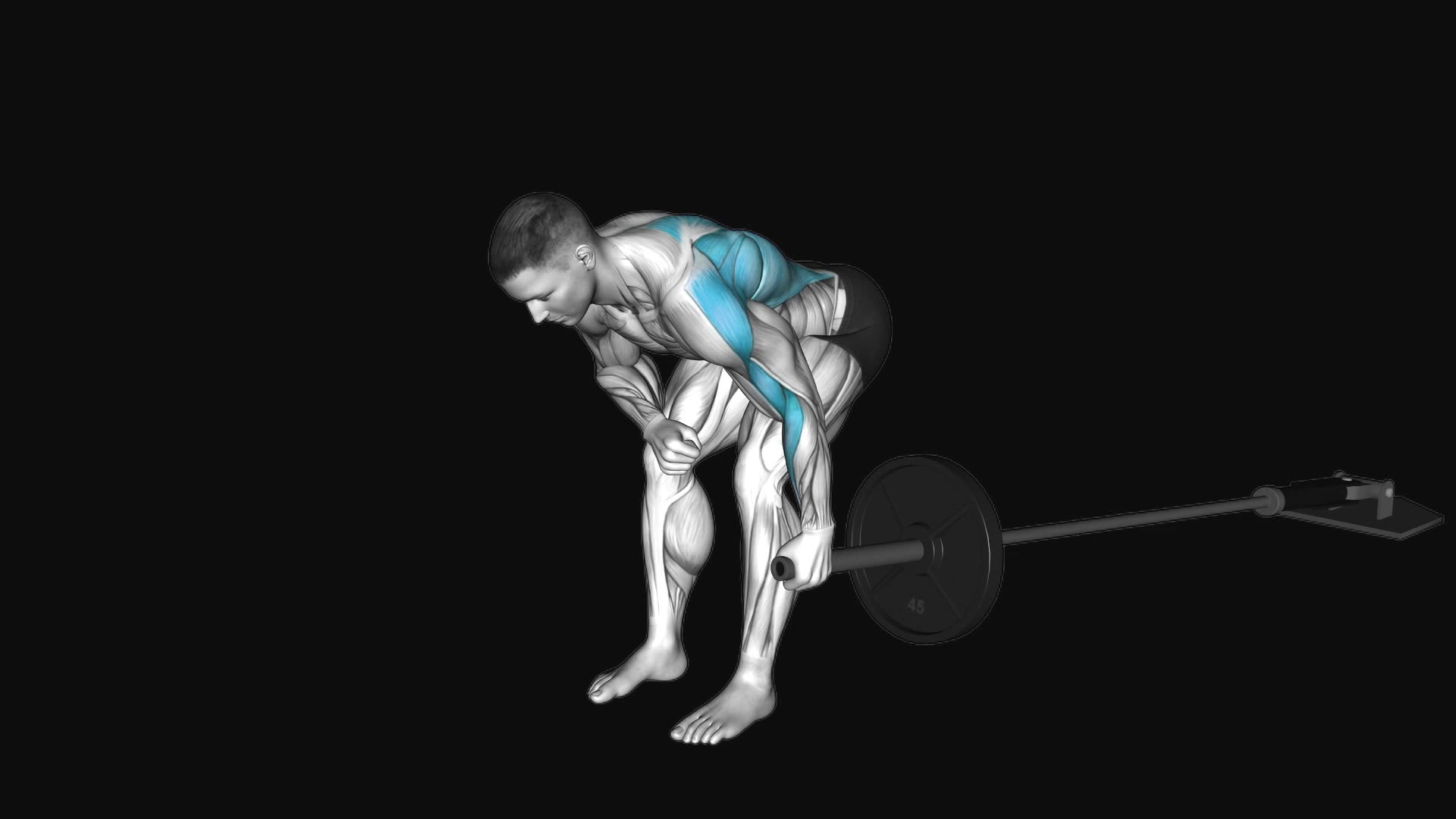
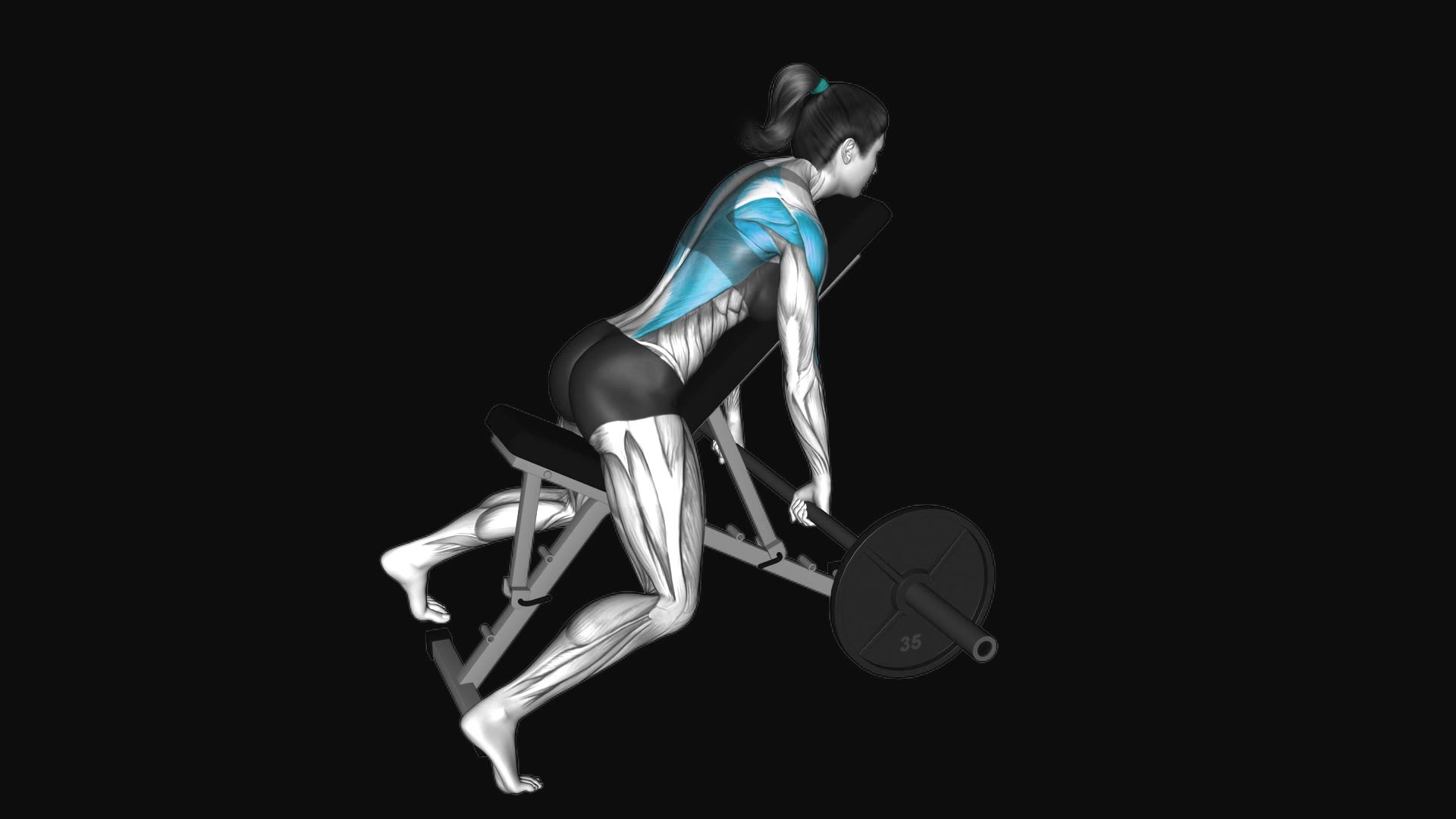
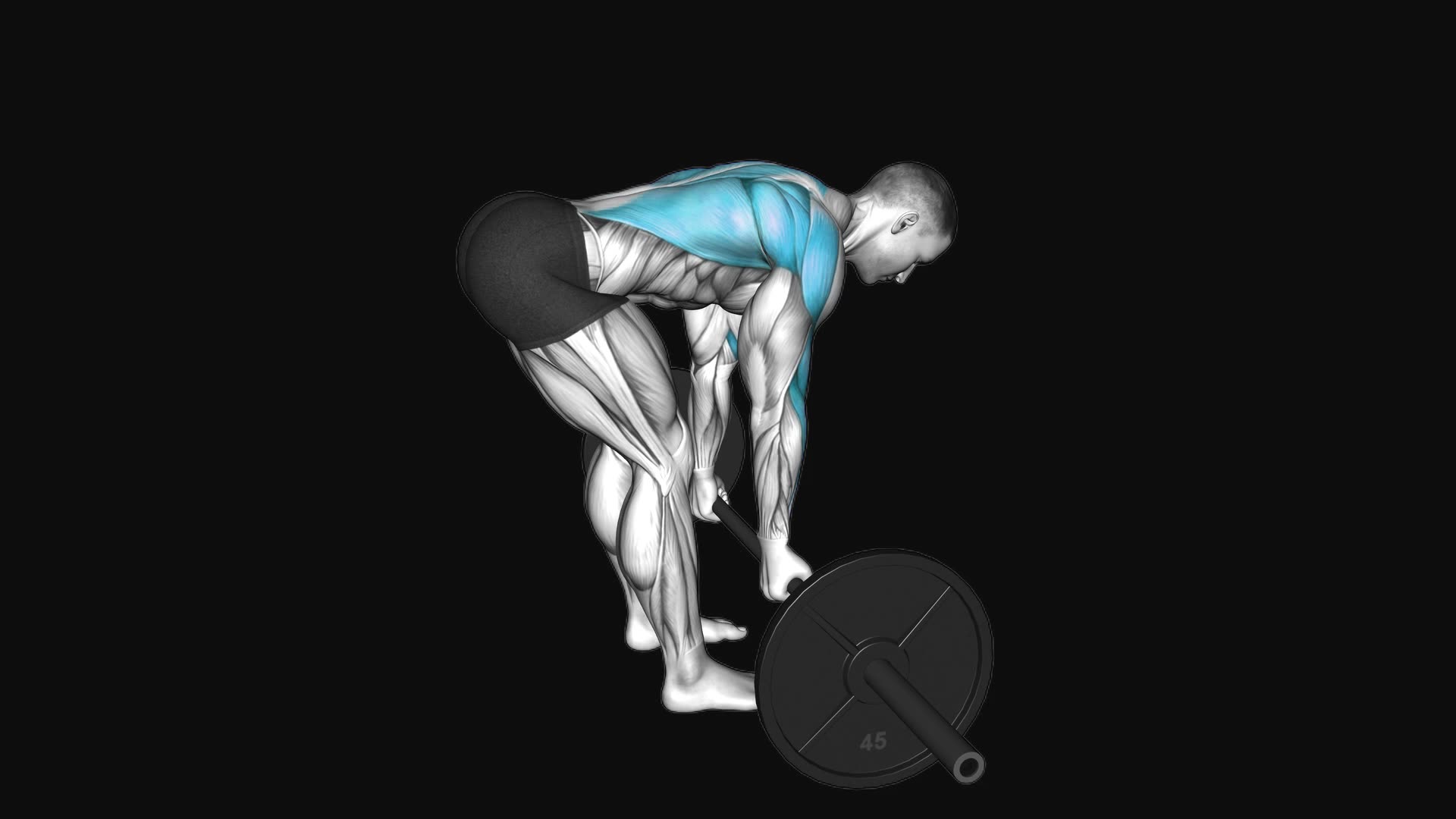
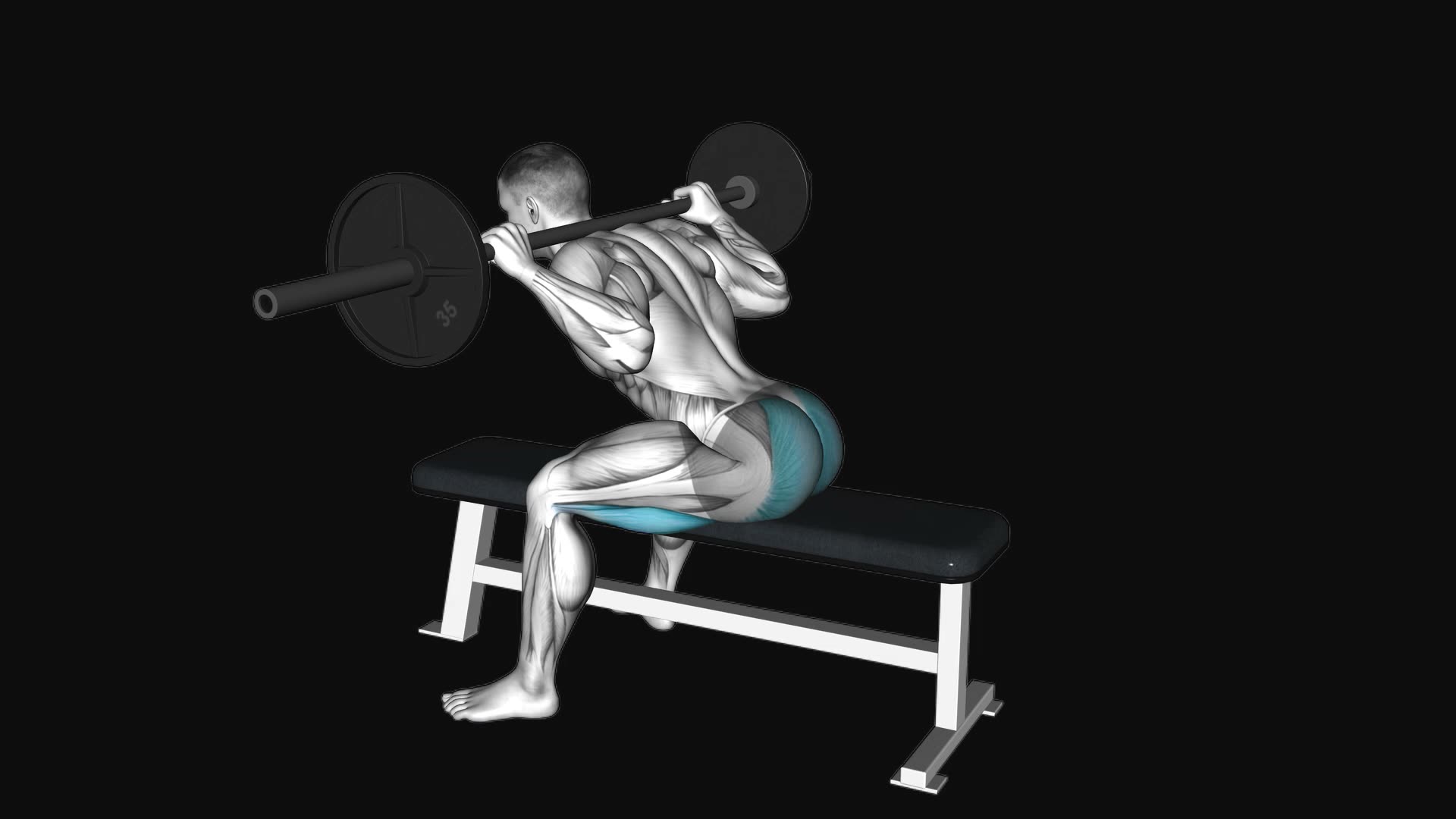
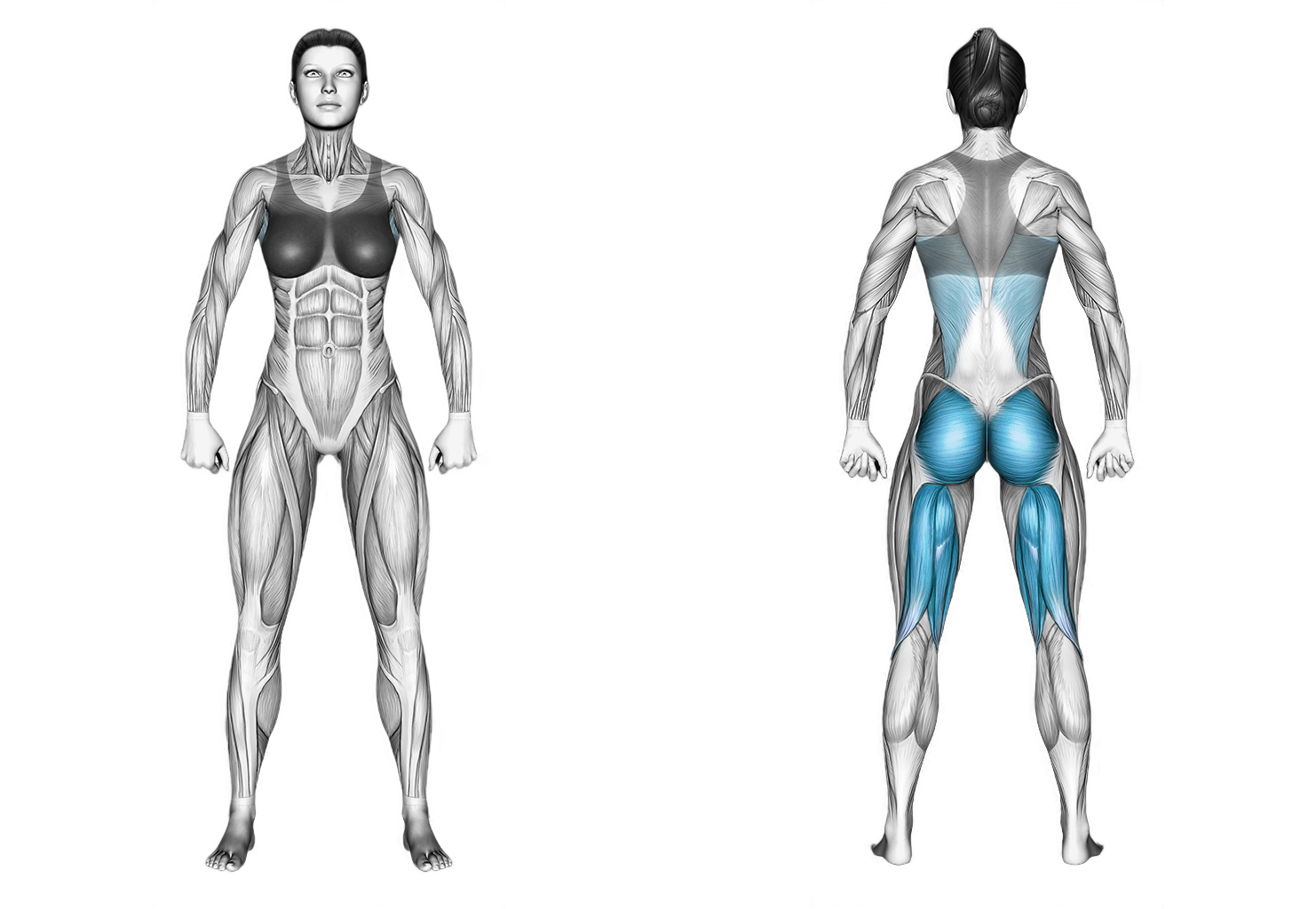
The barbell seated good morning is a hip-hinge exercise designed to strengthen the spinal erectors, glutes, and core. Sitting eliminates most hamstring involvement, making it an effective accessory movement for reinforcing the lower back in squat and deadlift training.
How to do it
- Sit on a bench with a barbell across your upper back.
- Keep your feet flat on the floor, shoulder-width apart.
- Maintain a straight back and engaged core.
- Hinge forward at the hips, lowering your torso toward parallel with the floor.
- Feel the stretch in your hamstrings.
- Return to upright position by contracting your glutes and hamstrings.
Common mistakes
- Rounding the lower or upper back under load, which puts excessive shear stress on the intervertebral discs.
- Lifting the feet or hips off the bench, which compromises stability and leads to loss of torso control.
- Using excessively heavy loads that cause bouncing out of the bottom position rather than controlled movement.
Tips
- Adjust the bench height so your thighs are parallel to the floor with your feet planted firmly shoulder-width apart.
- Pull the barbell down firmly into your upper back to keep the lats engaged and the upper body rigid.
- Hinge strictly at the hips and only lower your torso as far as you can maintain a neutral spine.
Sets and reps
For hypertrophy and lower back endurance, perform 3 to 4 sets of 8 to 12 reps with moderate weight. Rest 90 to 120 seconds between sets to ensure spinal stability on every rep.
Muscles worked
Your coach guides every set
Turn on the coach in Gloox: it asks how you feel, picks the weight from your history and cues technique and rest. Rate each set and the next one is tuned to you.

On a computer? Point your phone's camera here to get the app.
Questions
Why choose the seated variation over the standing good morning?
Sitting takes tension off the hamstrings, shifting almost the entire workload onto the spinal erectors while demanding less systemic balance.
Is the seated good morning safe for the lower back?
It strengthens the lower back when performed with strict form and moderate loads, but if sharp pain occurs, stop immediately and consult a healthcare professional.