Back · Machines
Lever Seated Row
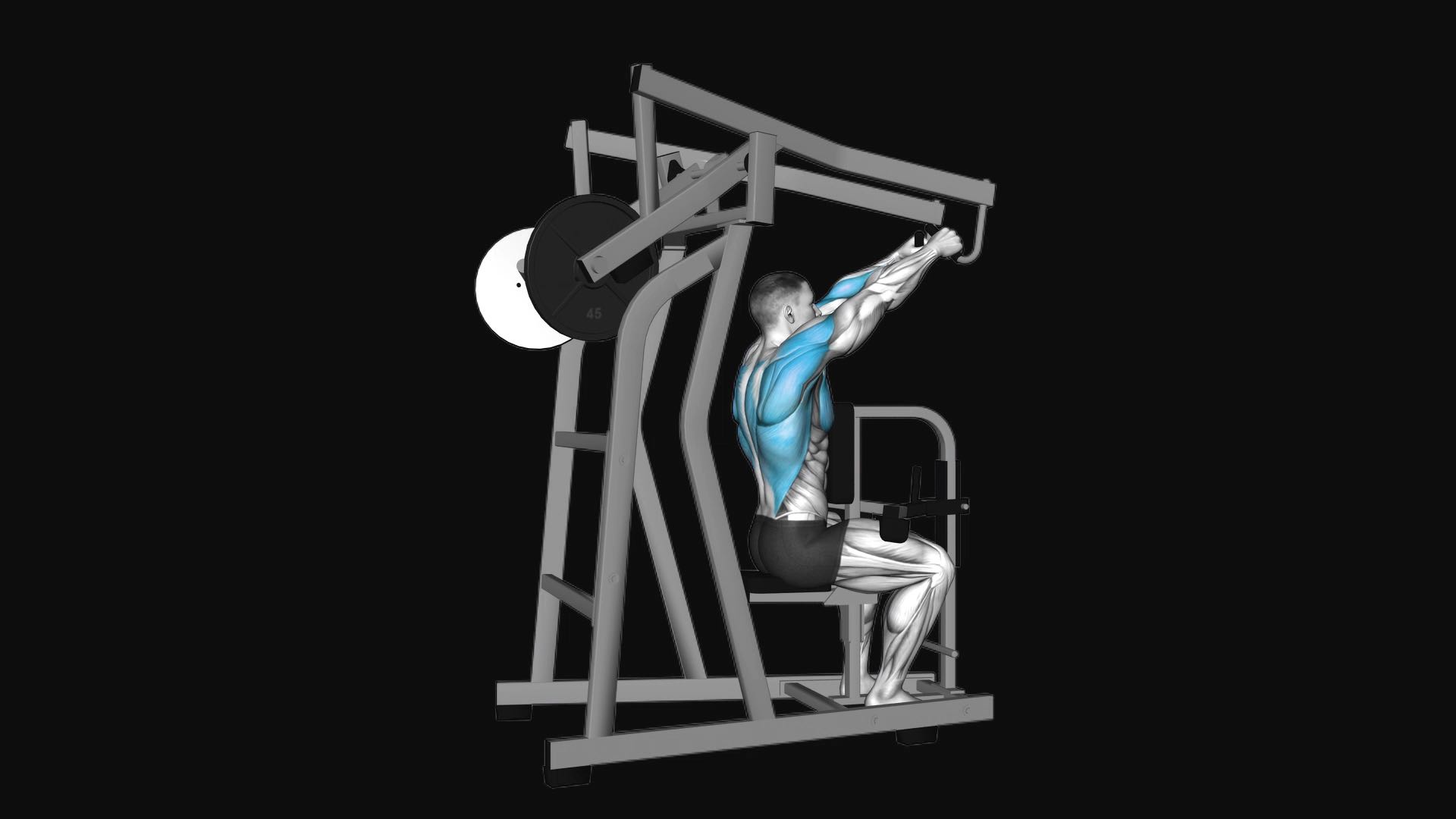
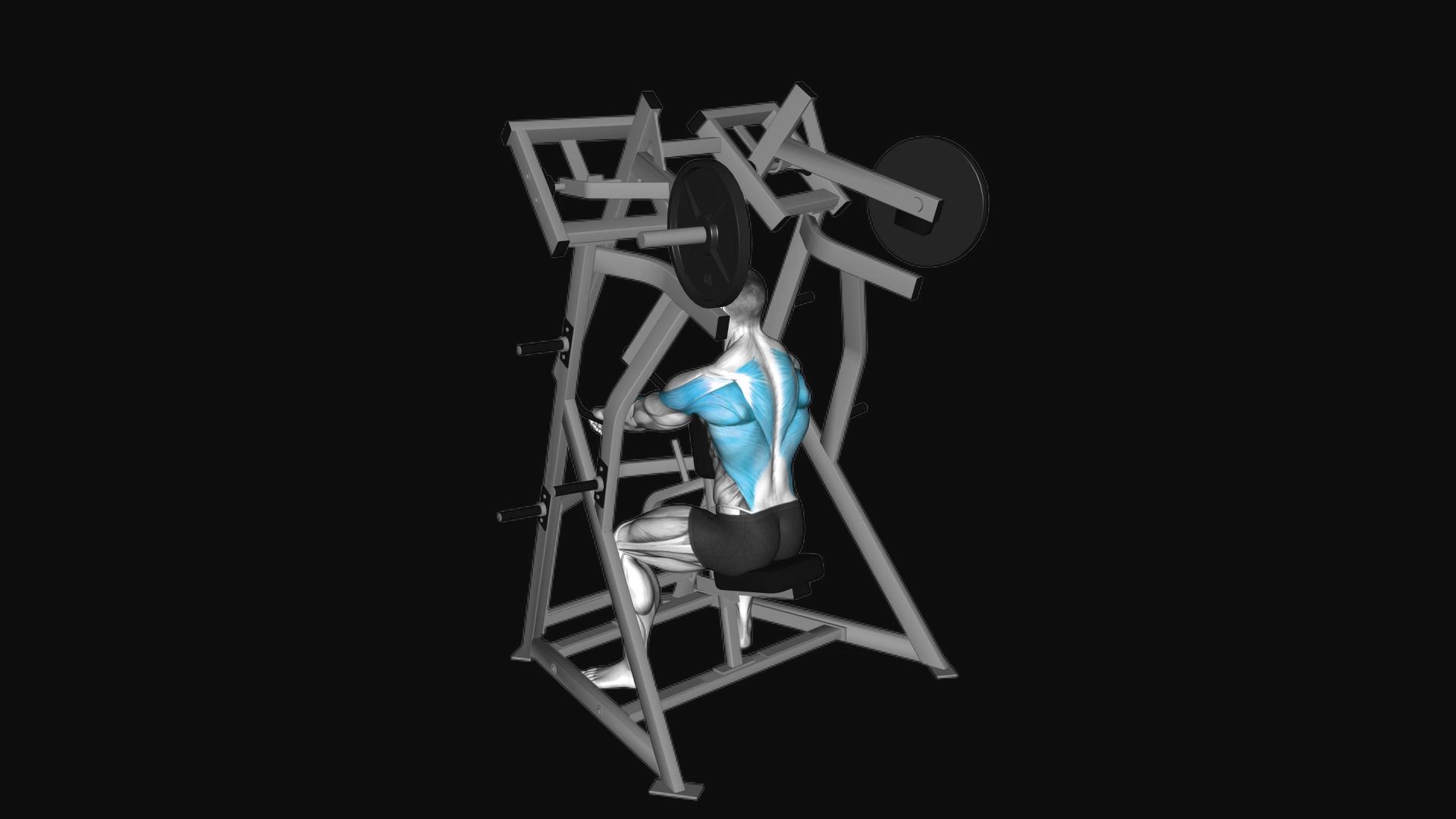
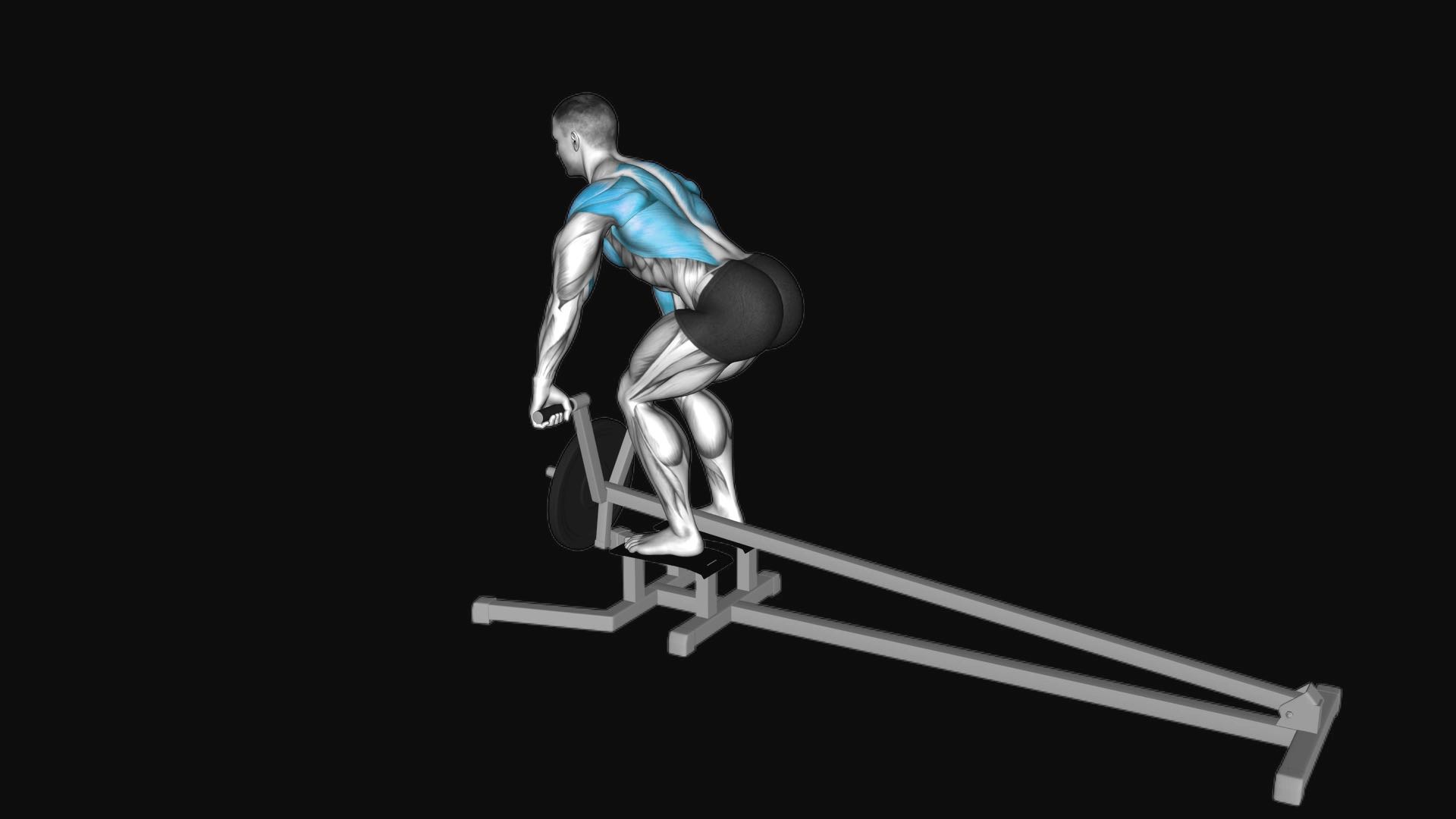
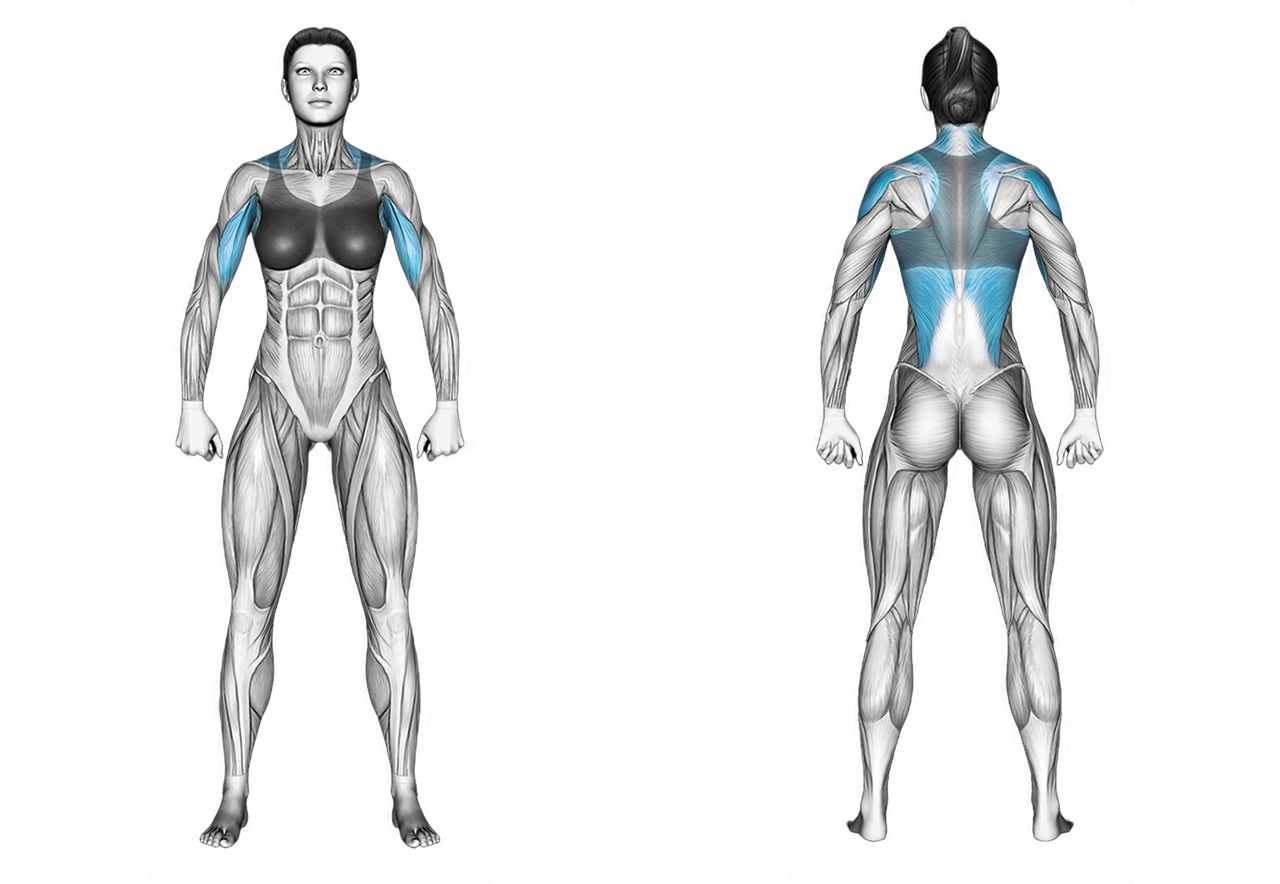
The lever seated row is a machine-based compound movement designed to build the latissimus dorsi, rhomboids, middle trapezius, and rear deltoids. Its guided path minimizes balance requirements and lower-back fatigue, making it suitable for all fitness levels as a primary or secondary horizontal pulling exercise.
How to do it
- Sit on the seat of the rowing machine and place your feet on the foot supports, securing them with the straps if available.
- Grasp the handles with both hands using a pronated or neutral grip, depending on the machine design.
- Sit upright, keeping your chest lifted and your back straight. Slightly bend your knees to maintain a comfortable posture.
- Pull the handles toward your torso, squeezing your shoulder blades together and keeping your elbows close to your sides.
- Slowly extend your arms back to the starting position, maintaining control and avoiding jerky movements.
- Repeat for the desired number of repetitions.
Common mistakes
- Leaning back excessively to jerk the weight relies on momentum rather than back strength and stresses the lumbar spine.
- Shrugging your shoulders upward during the pull shifts tension to the upper traps and reduces lat recruitment.
- Pulling solely with the forearms and biceps limits mid-back engagement and leads to premature arm fatigue.
Tips
- Adjust the seat height so the handles align roughly with your lower chest or upper abdomen.
- Initiate the movement by retracting your shoulder blades before bending your elbows to maximize back involvement.
- Hold the peak contraction for one second to ensure full recruitment of the rhomboids and mid-back musculature.
Sets and reps
Perform 3 to 4 sets of 8 to 12 repetitions with 90 to 120 seconds of rest for hypertrophy. For muscular endurance, use 3 sets of 12 to 15 repetitions with 60 seconds of rest.
Muscles worked
Your coach guides every set
Turn on the coach in Gloox: it asks how you feel, picks the weight from your history and cues technique and rest. Rate each set and the next one is tuned to you.

On a computer? Point your phone's camera here to get the app.
Questions
How does the lever seated row differ from a seated cable row?
A lever machine locks you into a fixed mechanical arc and often provides a chest pad to reduce spinal load, whereas a cable row requires active core bracing to maintain an upright posture.
Which grip should be used on a lever seated row machine?
A neutral grip with palms facing each other heavily targets the lats, while a wider overhand grip shifts more focus to the upper back, rear deltoids, and rhomboids.