Legs · Bodyweight
Jumping Jacks
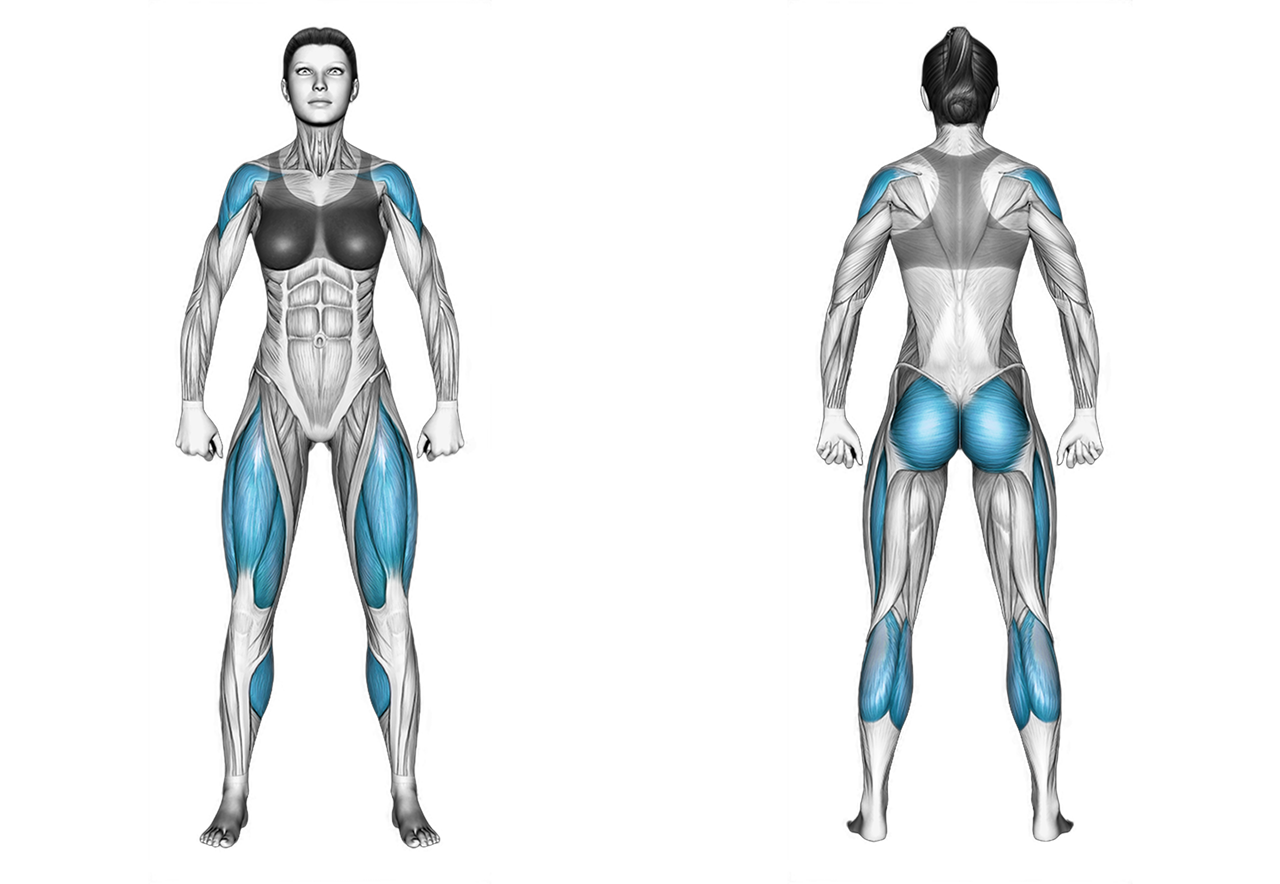
Jumping jacks are a classic bodyweight cardio exercise designed to elevate heart rate while engaging the legs and shoulders. They are suitable for all fitness levels and typically serve as a warm-up drill or as an interval in high-intensity conditioning circuits.
- Equipment
- Bodyweight
- Type
- Cardio / timed
- Animation
- Women
How to do it
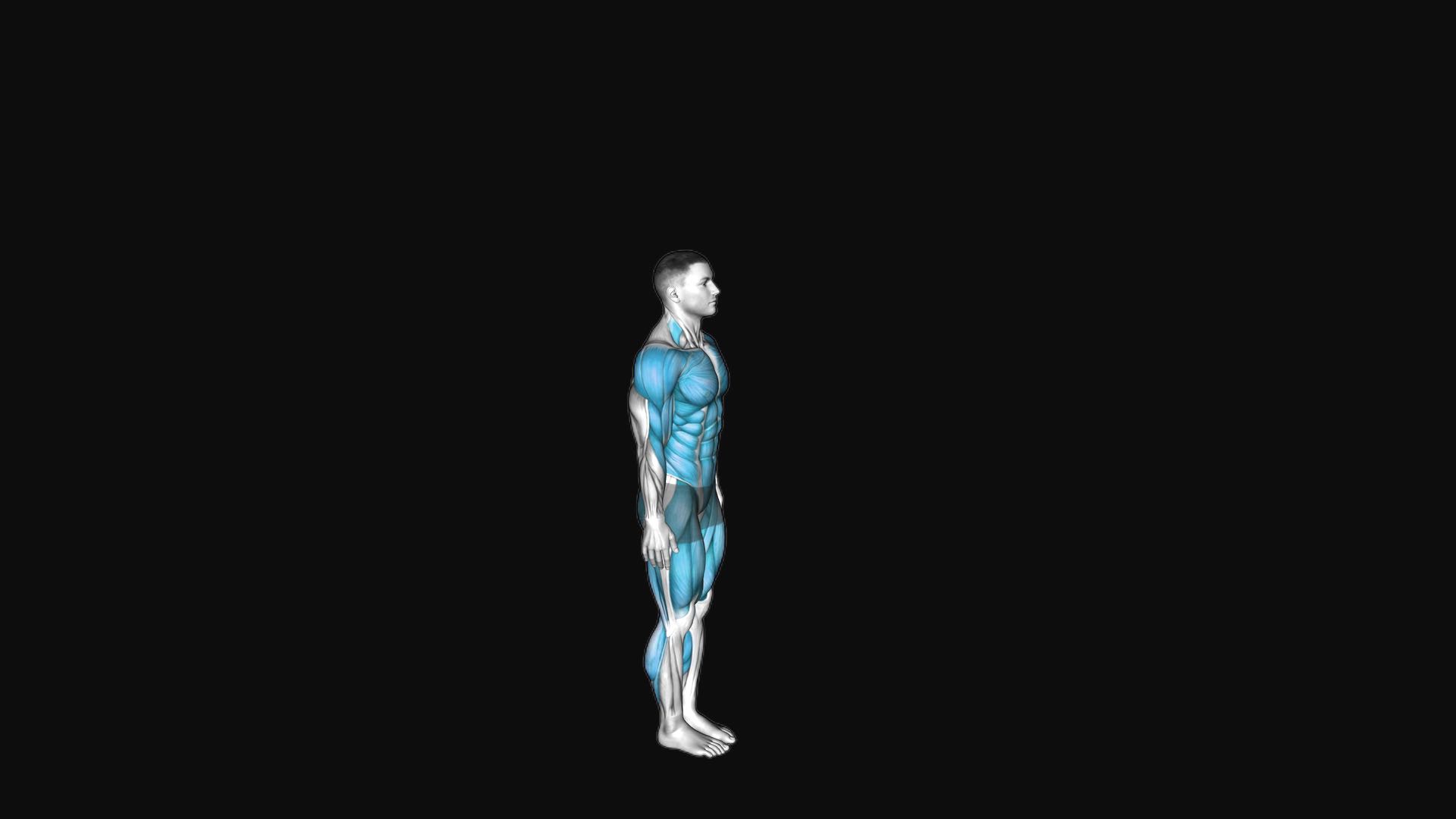
- Stand upright with your feet together and arms at your sides.
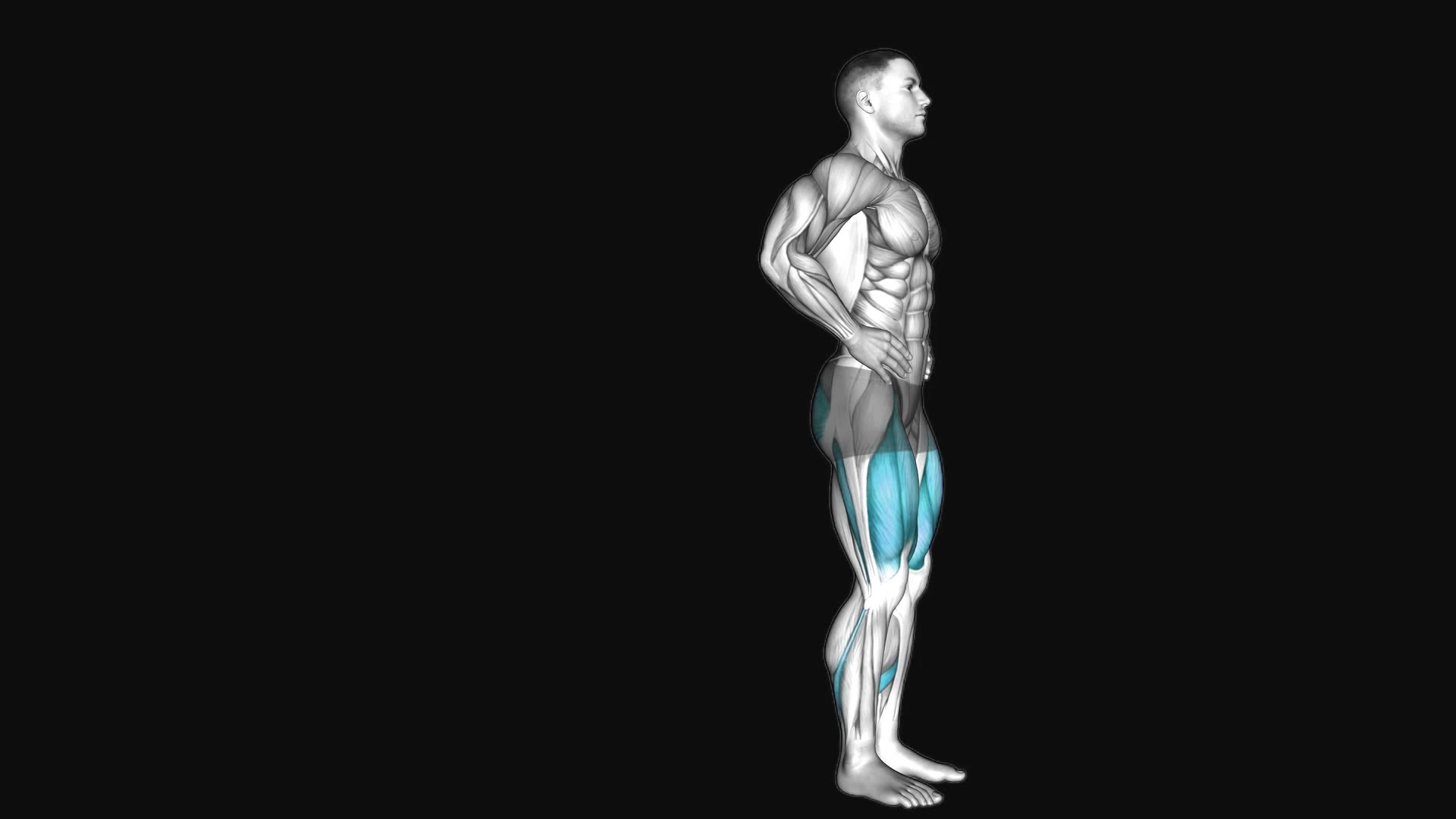
- Jump up while simultaneously spreading your legs shoulder-width apart.
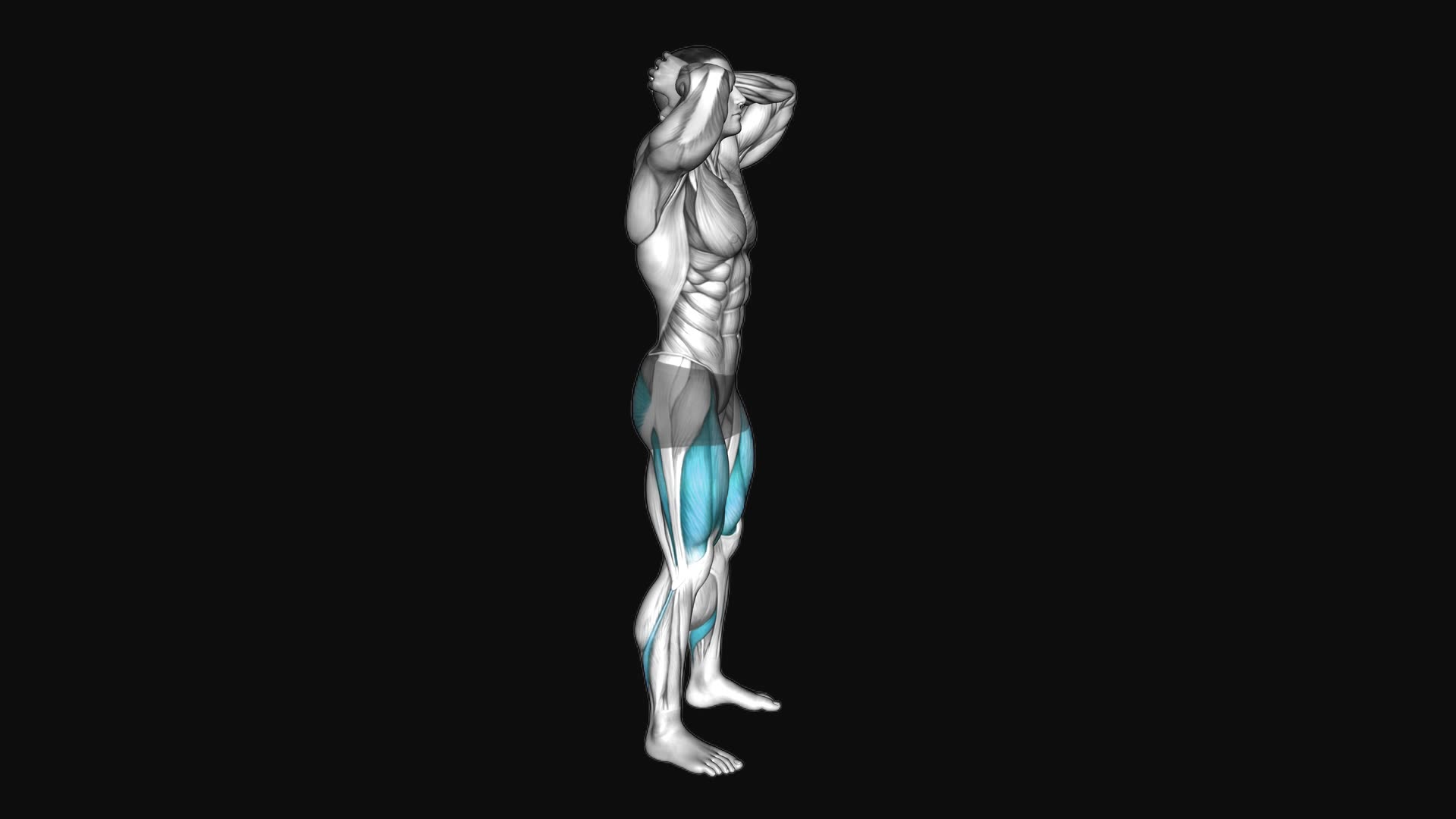
- As you jump, raise your arms overhead until your hands nearly touch.
- Jump again to return to the starting position with feet together and arms at your sides.
- Maintain a steady rhythm and land softly on the balls of your feet.
Common mistakes
- Landing flat-footed or on the heels increases impact stress on the knees and ankles.
- Allowing the knees to cave inward during the jump places unwanted torque on the knee ligaments.
- Flailing the arms loosely without shoulder control reduces muscular activation and disrupts balance.
Tips
- Land softly on the balls of your feet with a slight bend in your knees to cushion the impact.
- Keep your core lightly braced throughout the set to stabilize your pelvis and lower back.
- Match your breathing to the rhythm of the movement to maintain a steady aerobic pace.
Sets and reps
For warm-ups or cardiovascular conditioning, perform 3–5 rounds of 30–60 seconds (or 30–50 repetitions) with 15–30 seconds of rest between rounds.
Muscles worked
Your coach guides every set
Turn on the coach in Gloox: it asks how you feel, picks the weight from your history and cues technique and rest. Rate each set and the next one is tuned to you.

On a computer? Point your phone's camera here to get the app.
Questions
Can jumping jacks be done as a low-impact exercise?
Yes, stepping one foot out to the side at a time instead of jumping eliminates the impact while preserving the shoulder and leg movement.
Are jumping jacks safe for people with joint pain?
The repetitive impact can irritate sensitive knees or ankles, so if you experience pain, stop immediately and consult a healthcare provider.