Legs · Bodyweight
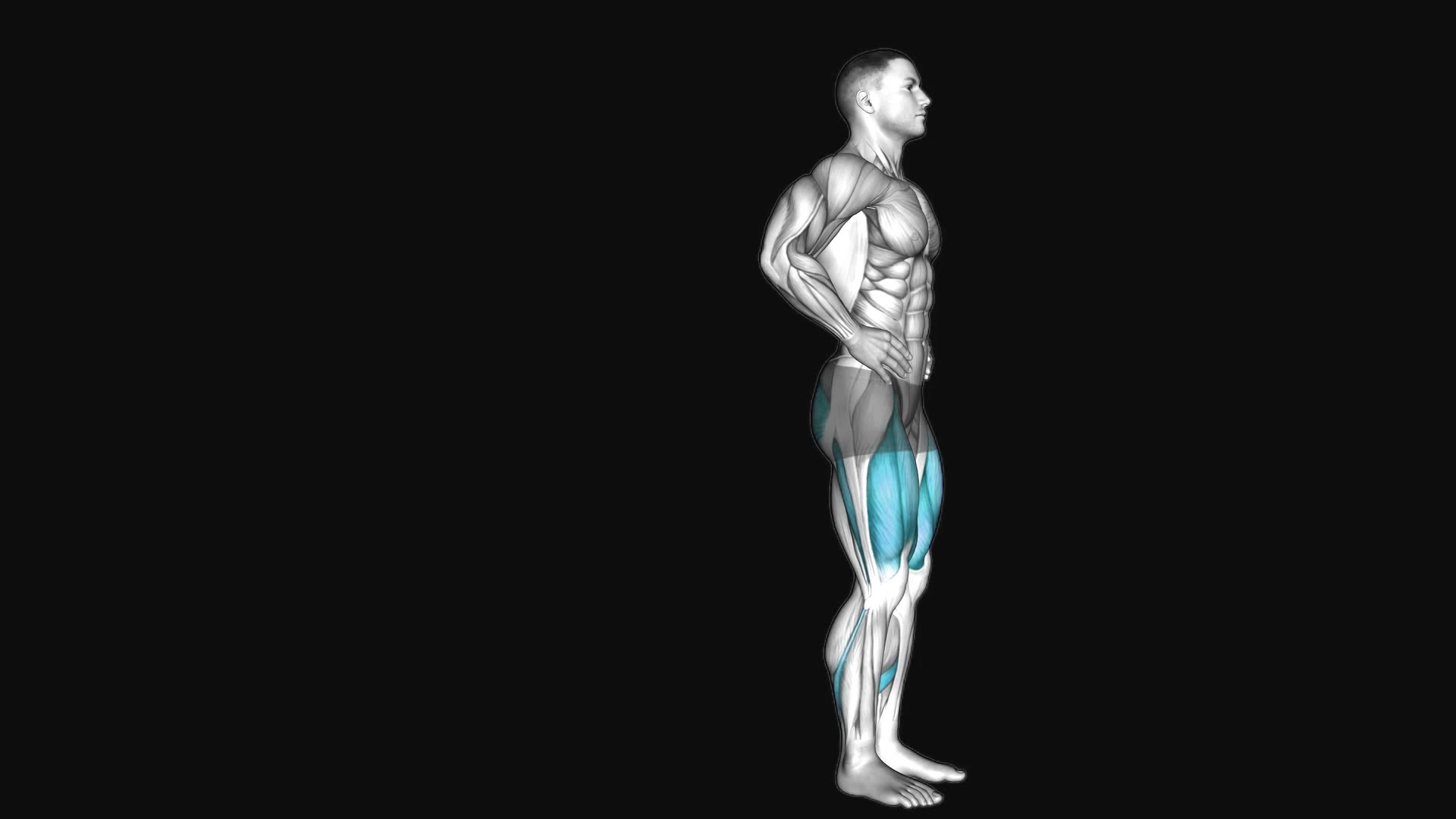
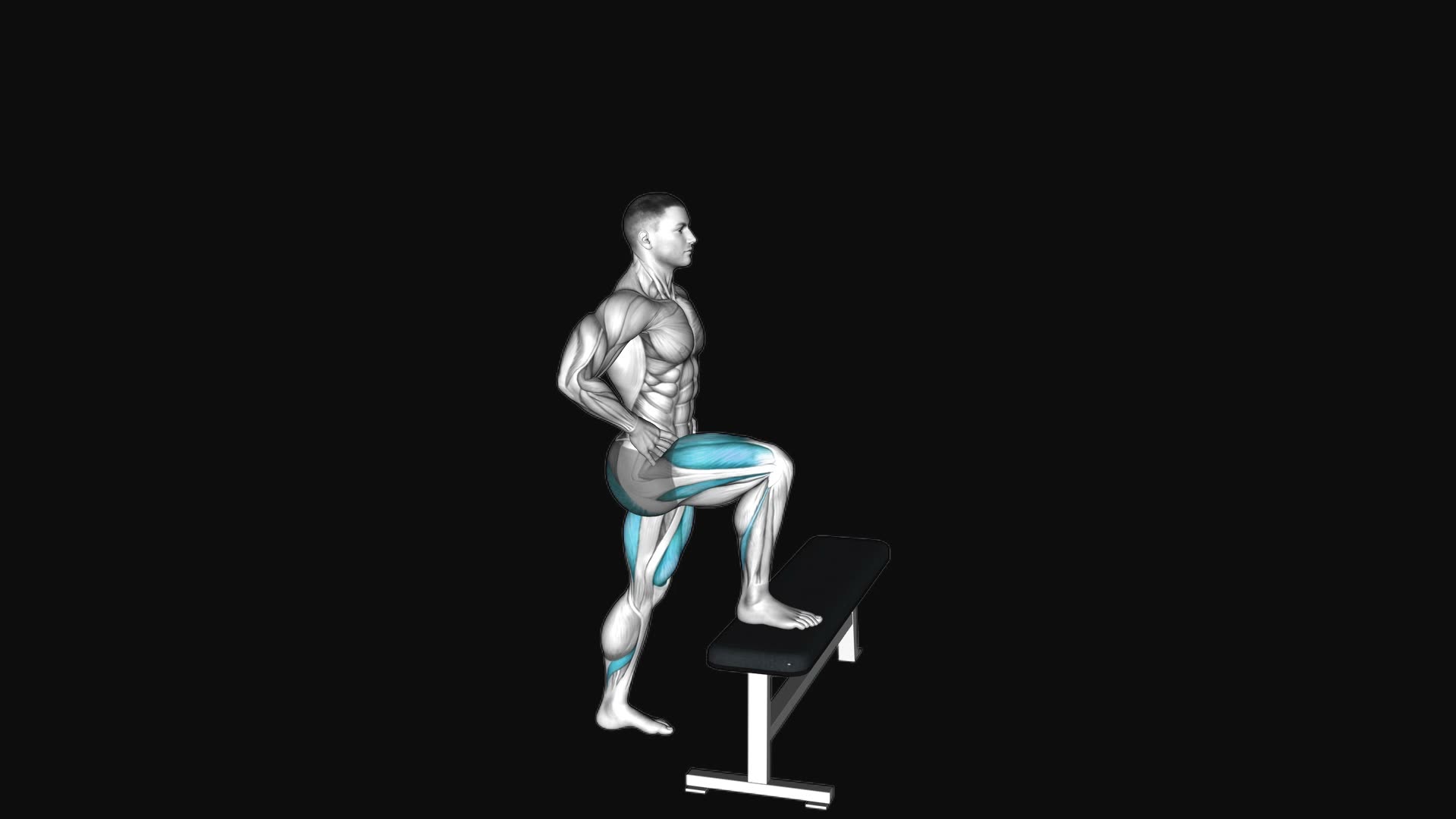
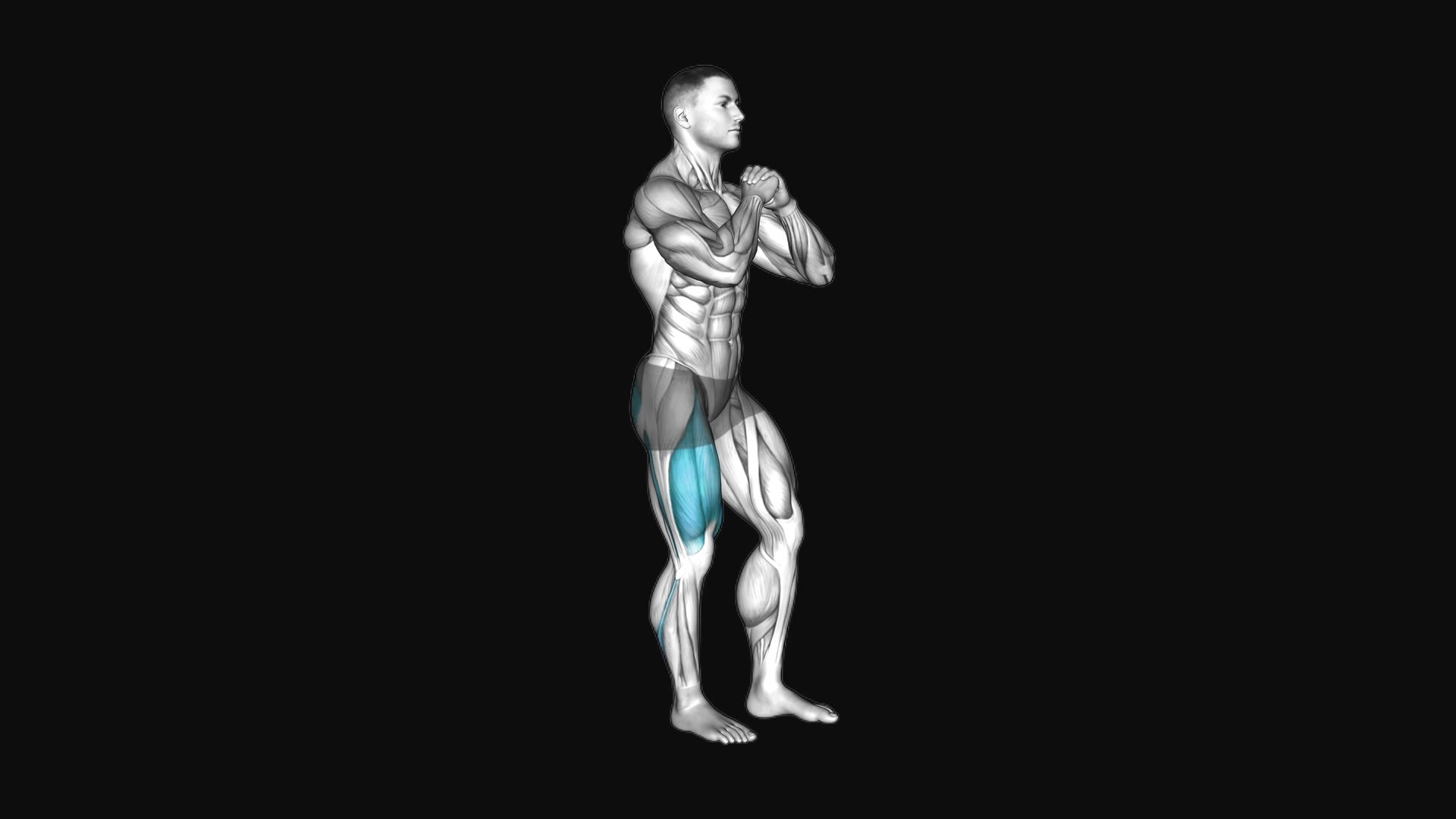
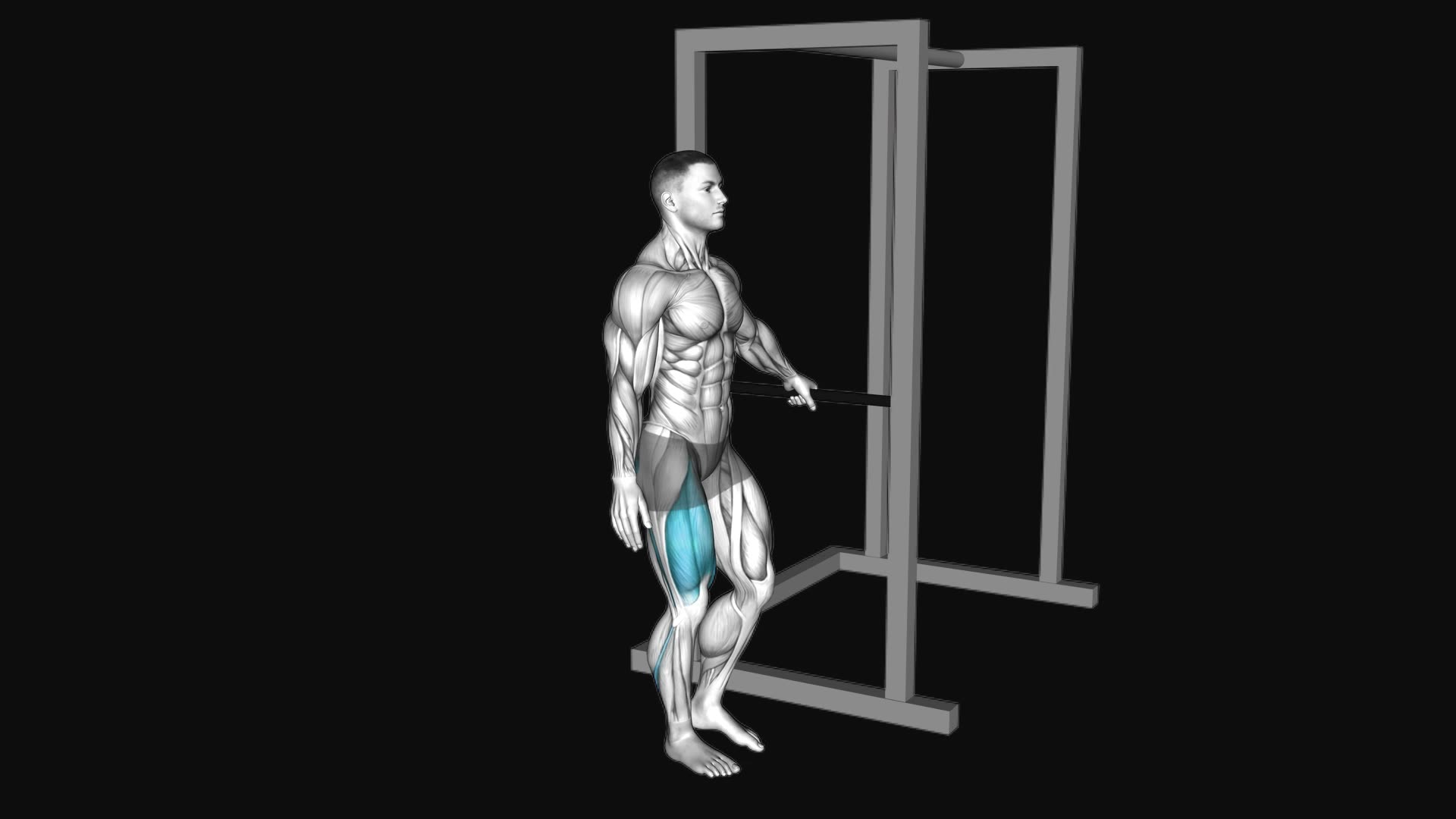
Bodyweight Deep Prisoner Squat
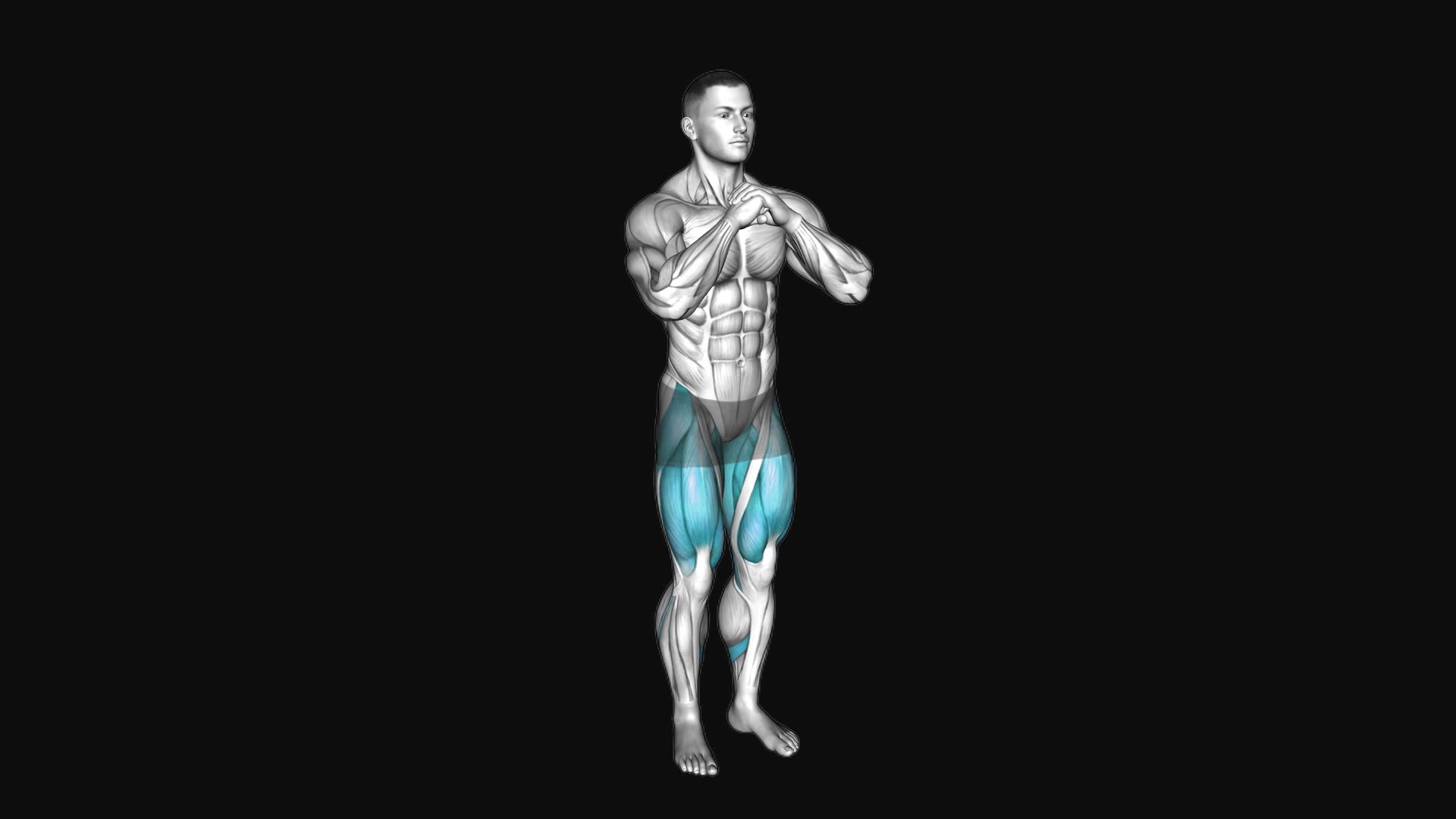
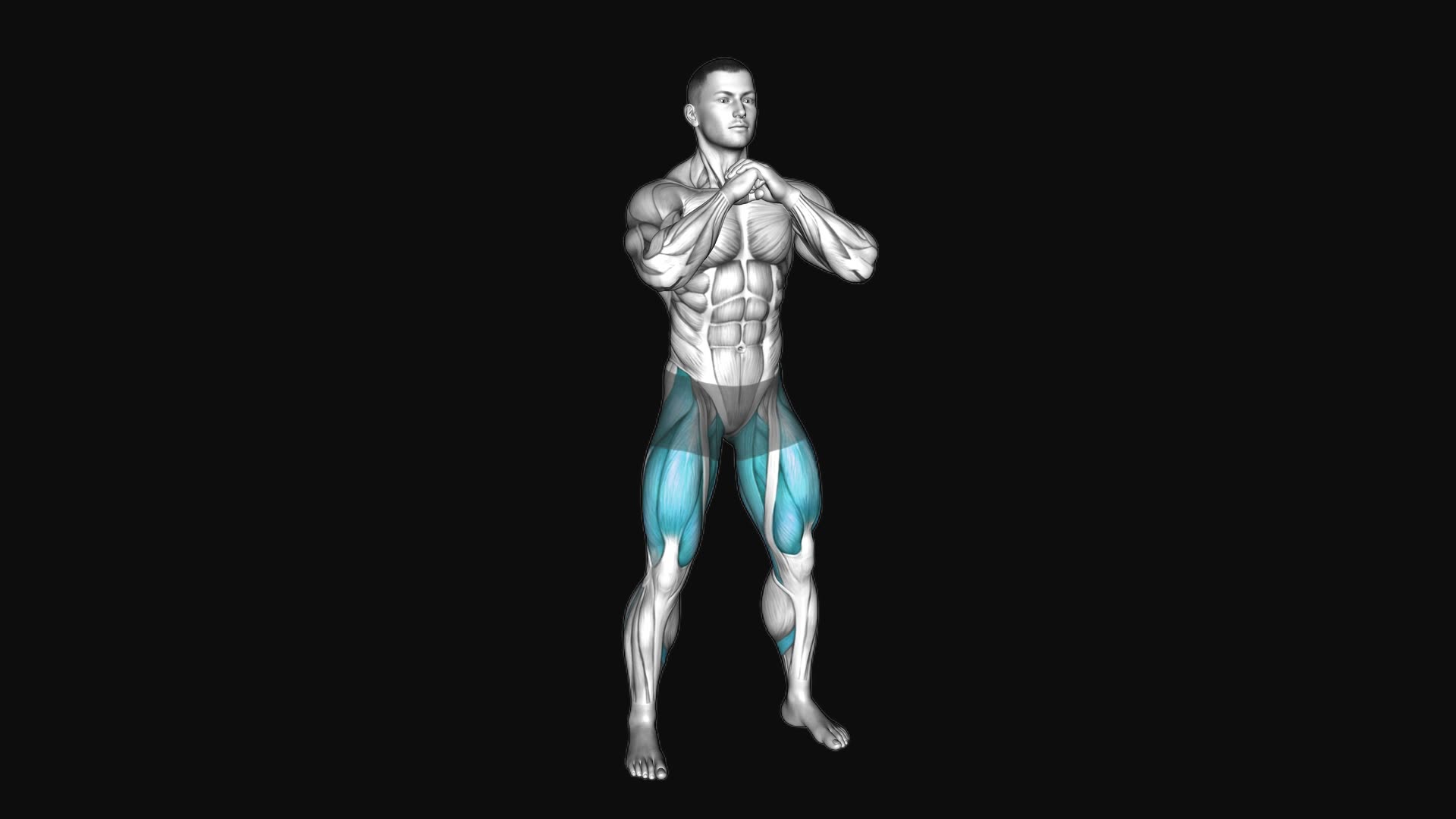
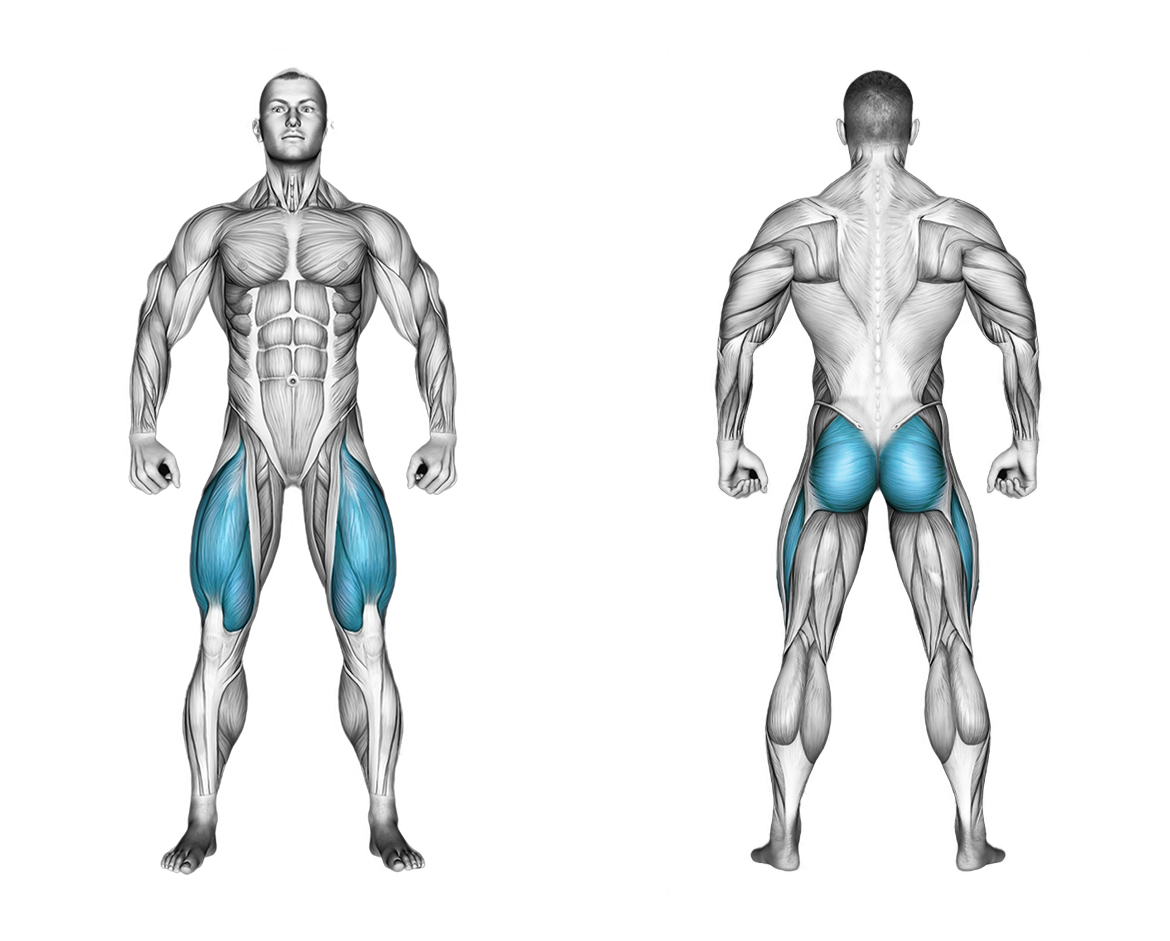
The bodyweight deep prisoner squat is a functional lower-body exercise that targets the quadriceps, glutes, and adductors while challenging core and thoracic control. Placing the hands behind the head removes the counterbalancing effect of the arms, making it ideal for mobility work, dynamic warm-ups, or home conditioning.
- Equipment
- Bodyweight
- Type
- Strength
- Animation
- Men
How to do it
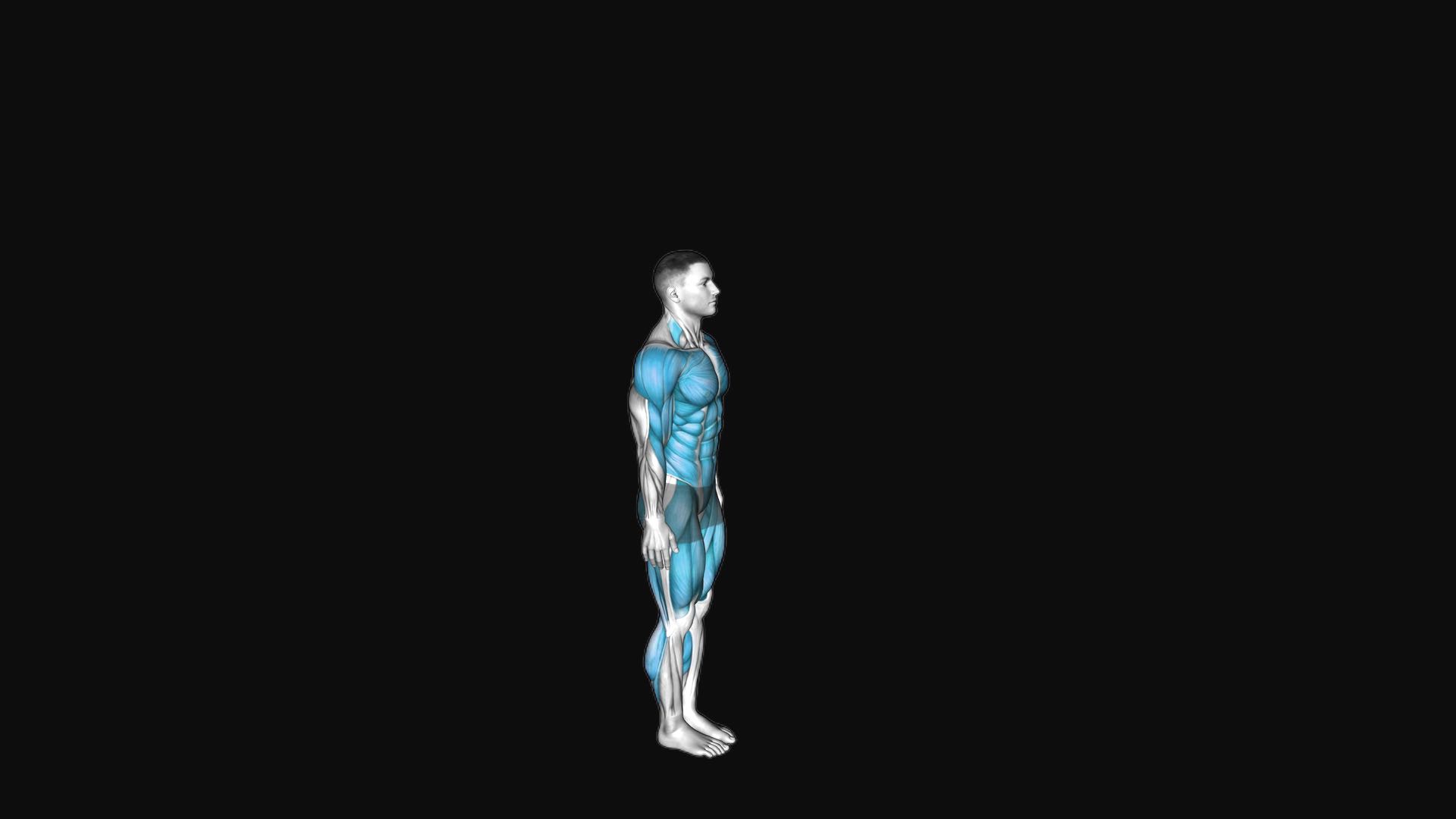
- Stand with feet shoulder-width apart and place your hands behind your head with elbows pointing out.
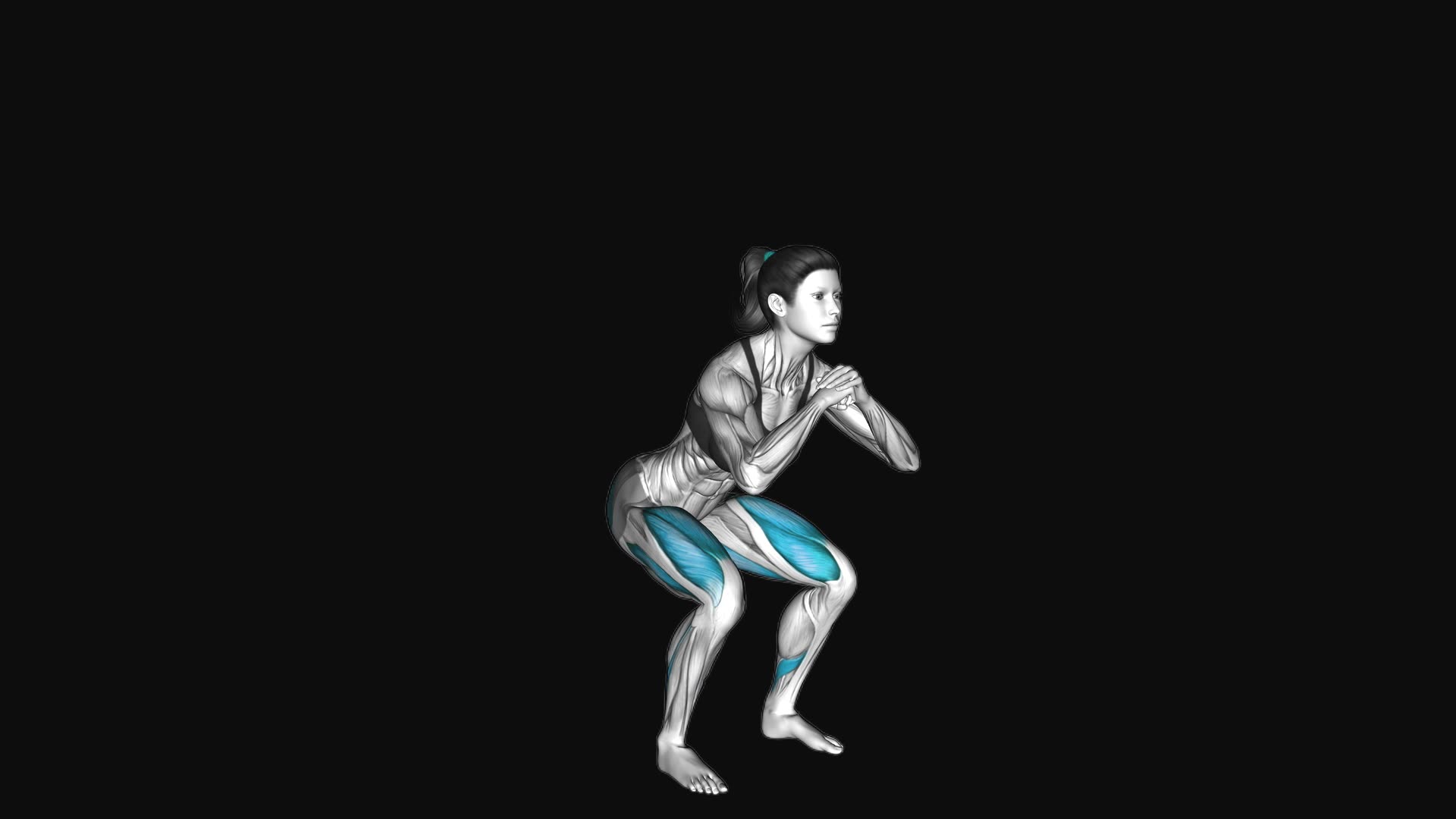
- Lower into a deep squat, descending as far as your mobility allows while keeping your chest up and heels on the ground.
- Drive through your heels to return to the starting position.
Common mistakes
- Lacing the fingers and pulling down on the neck, which strains the cervical spine and causes the chest to cave in.
- Lifting the heels off the ground in the hole, which shifts stress forward onto the knee joints.
- Allowing the knees to collapse inward during the ascent, which reduces glute engagement and destabilizes the joints.
- Excessive rounding of the lower back at maximum depth caused by descending beyond your active mobility range.
Tips
- Keep your elbows flared back and shoulder blades engaged throughout the rep to maintain an upright posture.
- Track your knees strictly in the direction of your toes during both the descent and the ascent.
- Squat only as deep as your hip and ankle mobility allows without letting your heels rise or spine round.
Sets and reps
Perform 3–4 sets of 15–25 repetitions with 45–60 seconds of rest to build muscular endurance and joint mobility.
Muscles worked
Your coach guides every set
Turn on the coach in Gloox: it asks how you feel, picks the weight from your history and cues technique and rest. Rate each set and the next one is tuned to you.

On a computer? Point your phone's camera here to get the app.
Questions
Is it safe for the knees to squat below parallel?
Deep squats are safe for healthy joints when performed with controlled tempo, but stop immediately and see a specialist if you experience sharp knee or hip pain.
What is the benefit of the prisoner hand position?
Holding hands behind the head forces the upper back and core to work harder to keep your torso upright, preventing you from relying on forward arm swing for balance.