Legs · Bodyweight
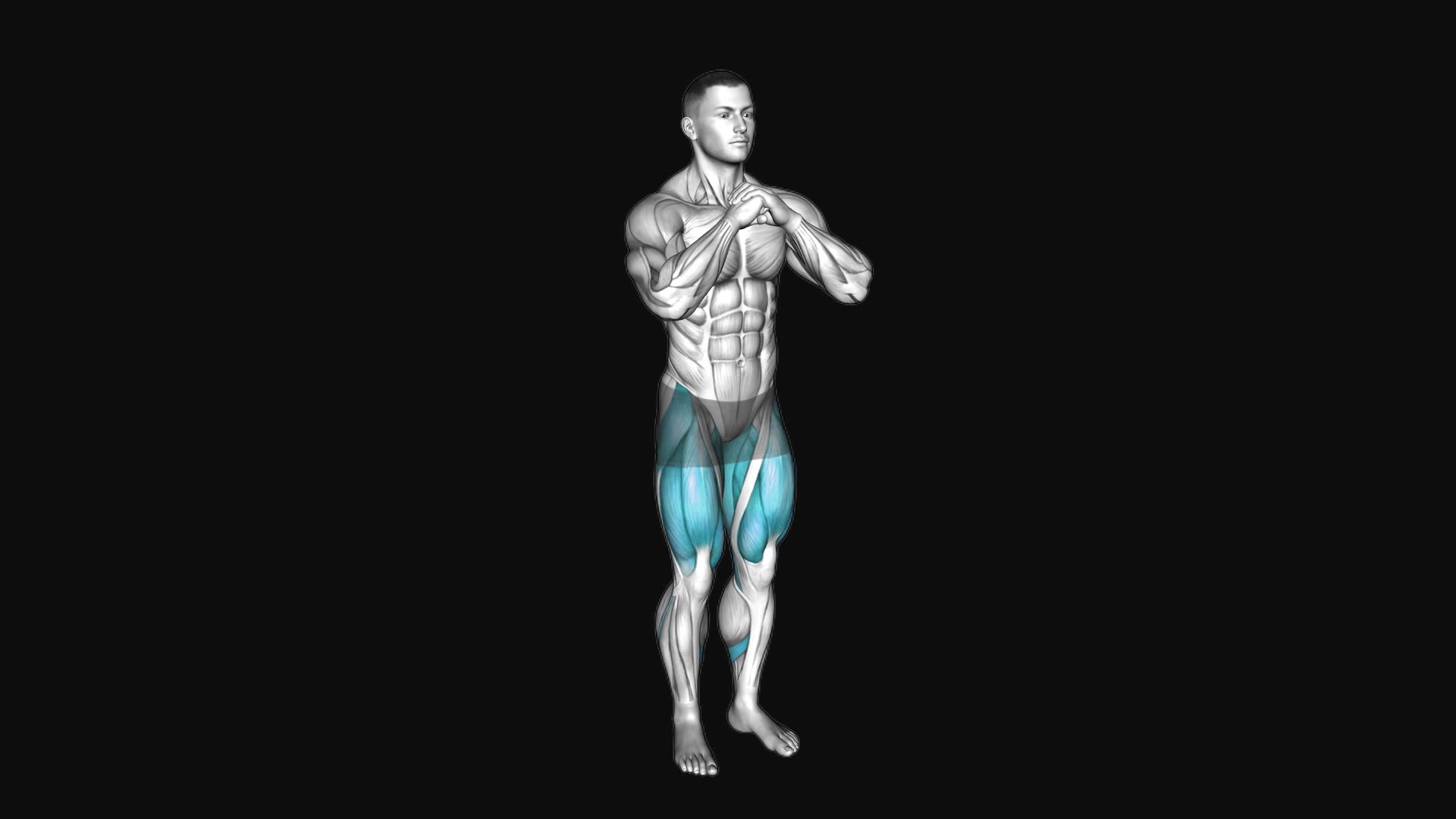
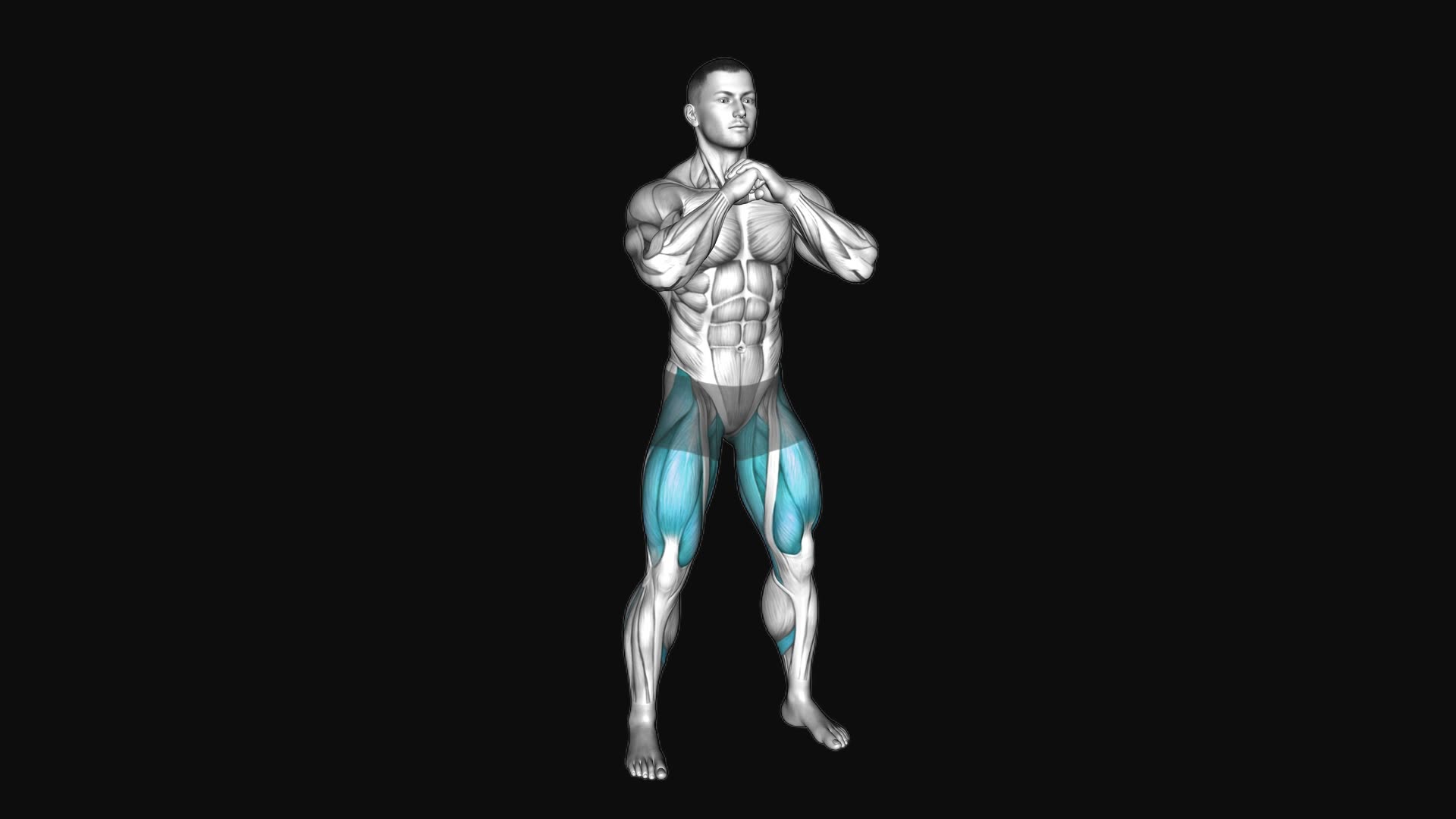
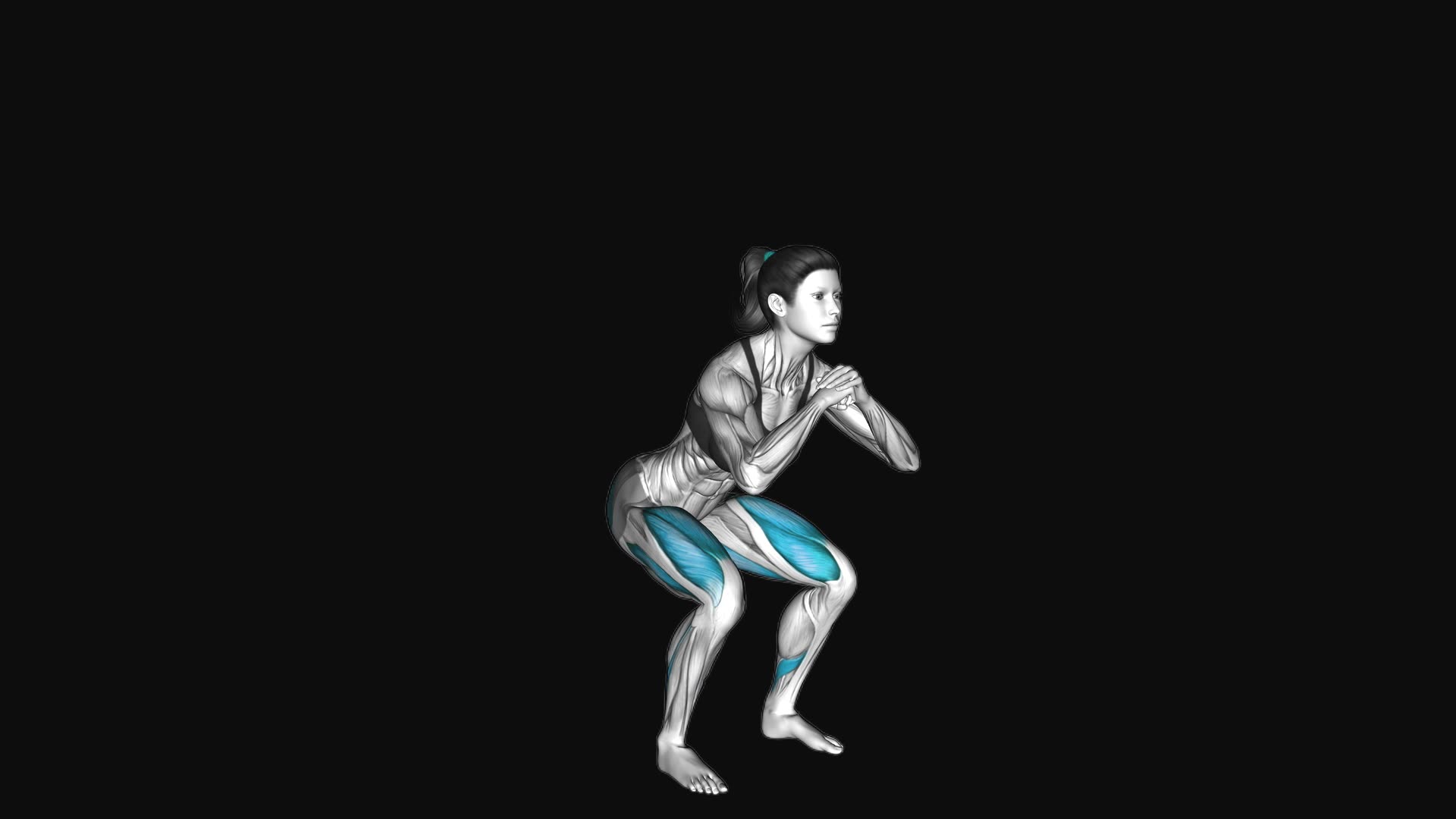
Bodyweight Rear Lunge
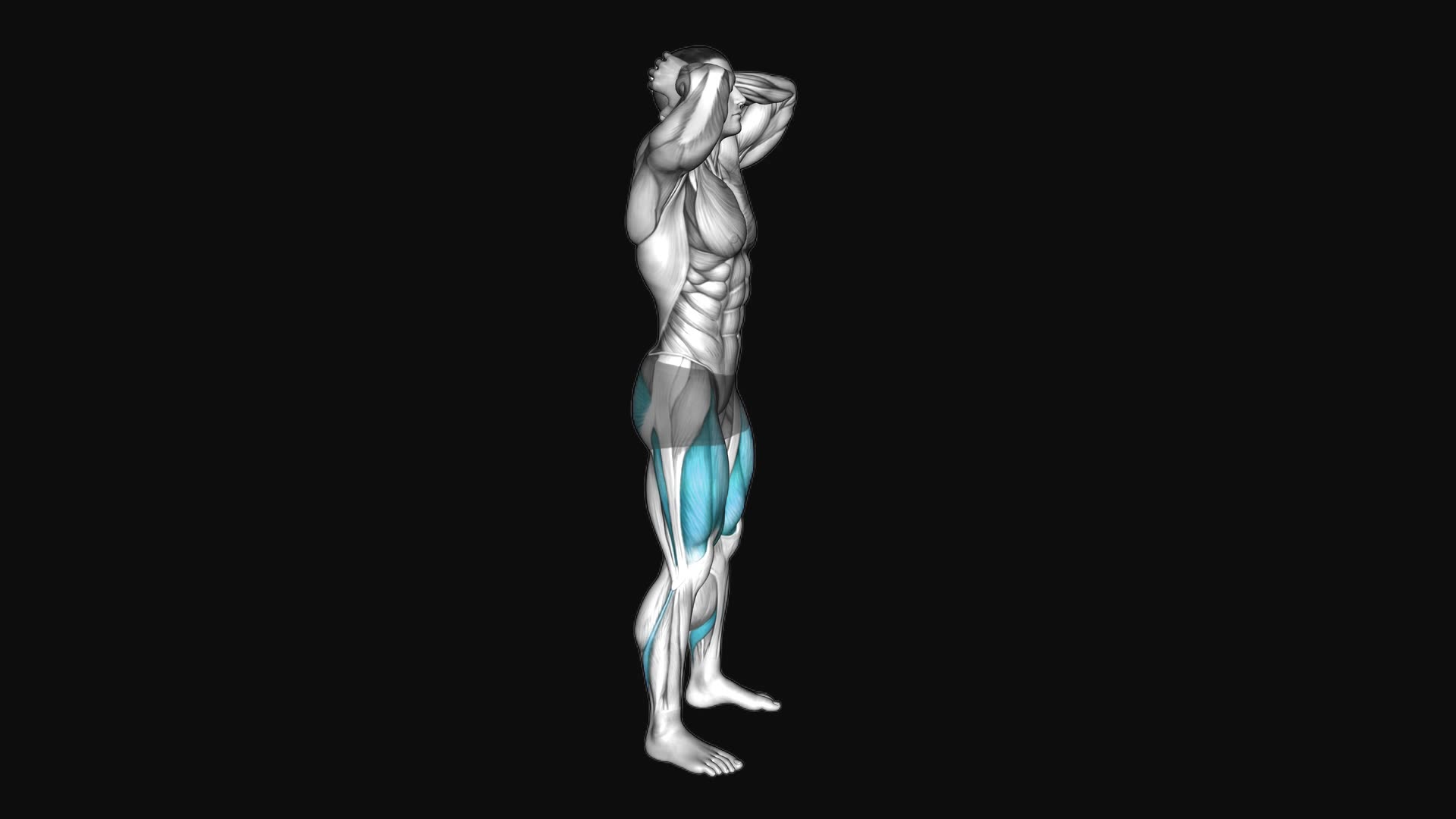
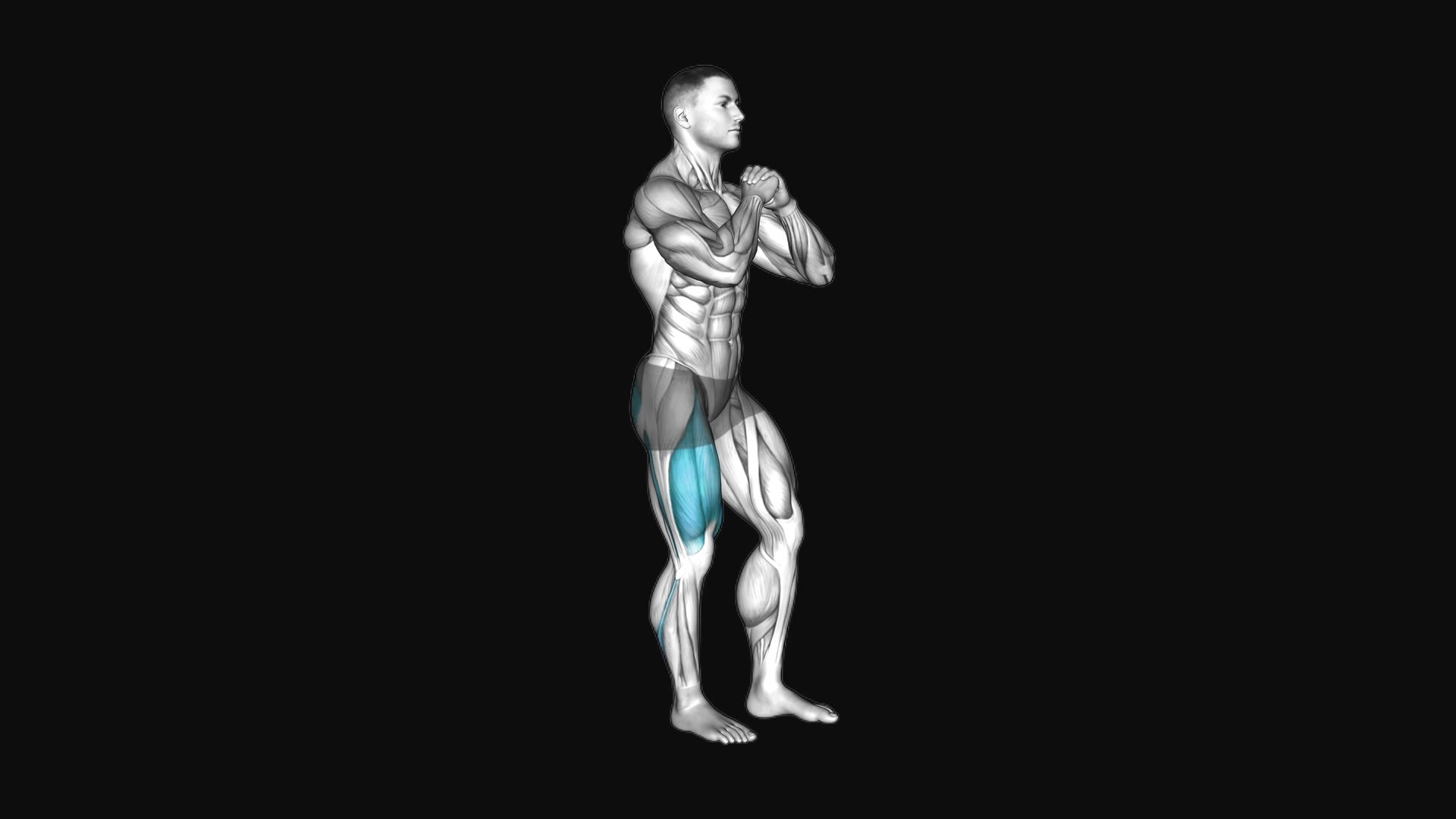
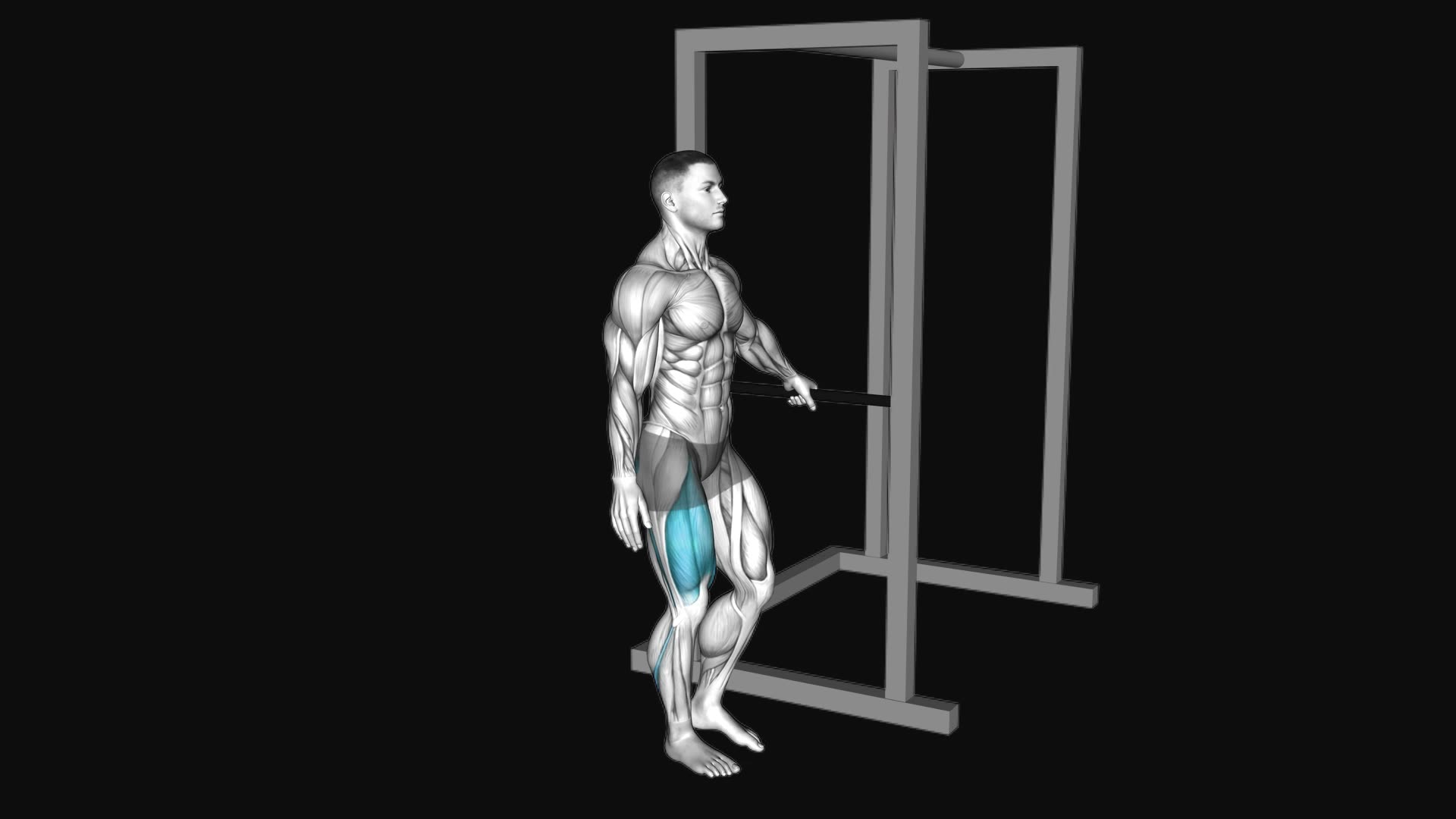
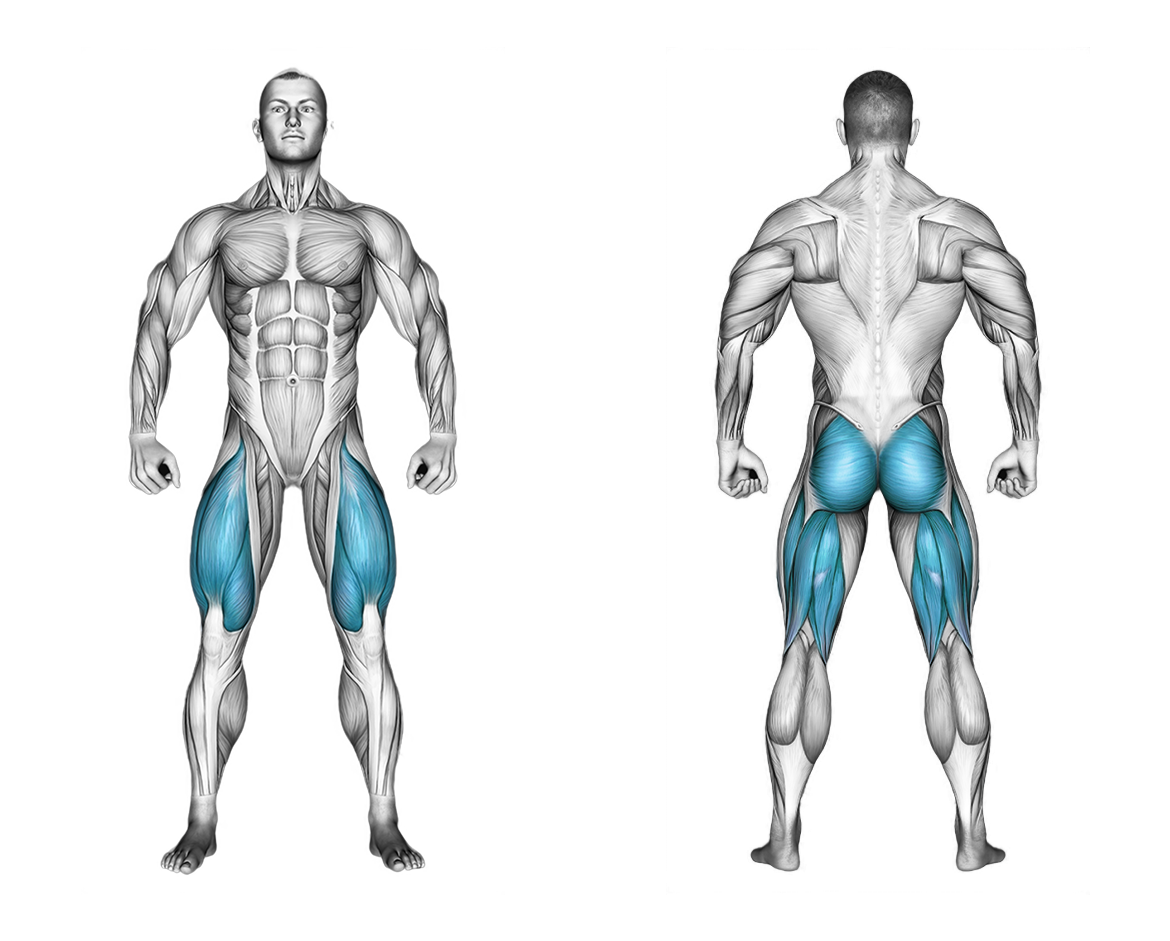
The bodyweight rear lunge is a unilateral movement that targets the quadriceps, glutes, and hamstrings while demanding core stability. It suits all fitness levels and works equally well as a main lower-body movement at home or as a high-rep finisher in the gym.
- Equipment
- Bodyweight
- Type
- Strength
- Animation
- Men and women
How to do it
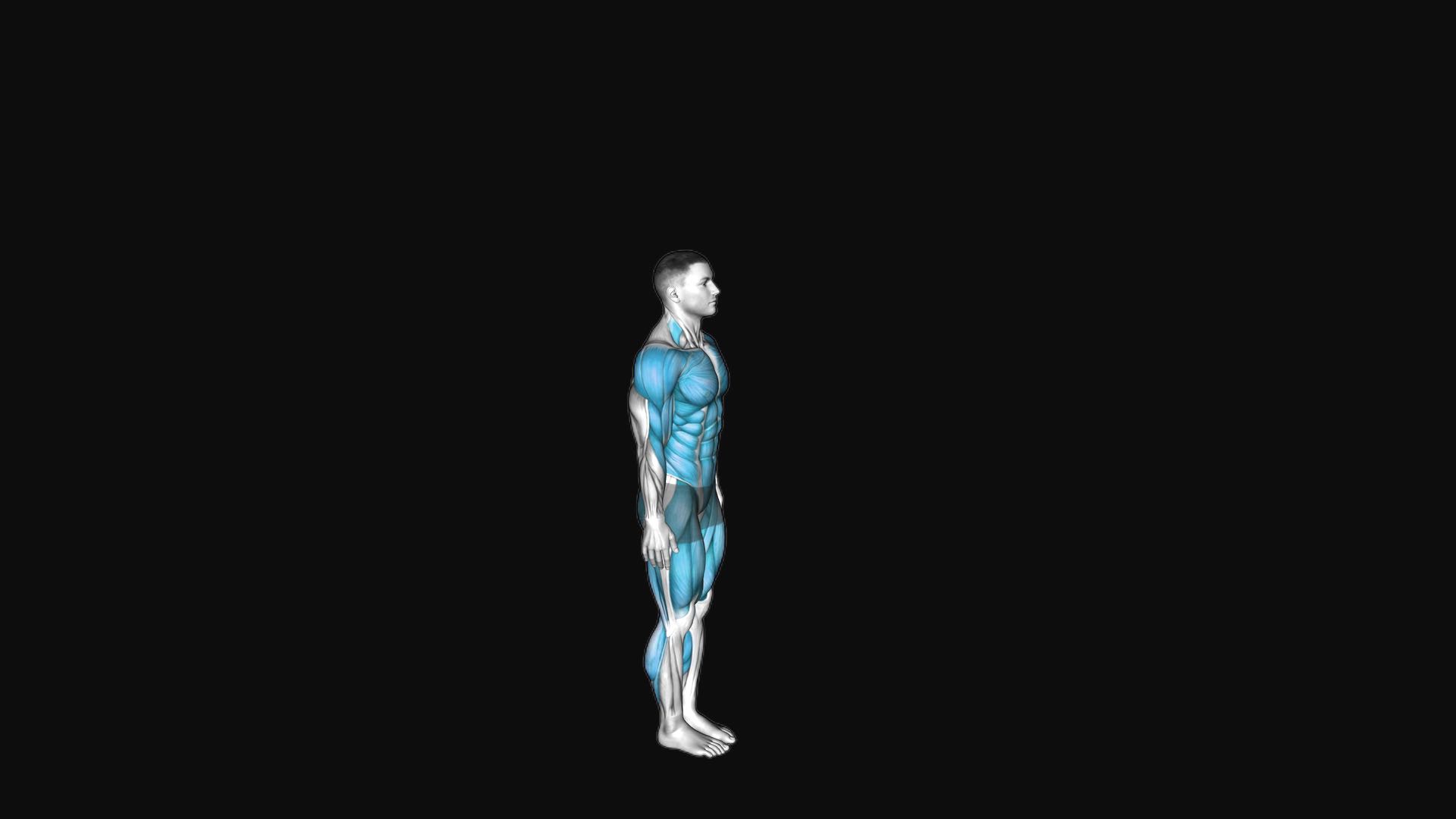
- Stand upright with your feet hip-width apart and hands on your hips or at your sides.
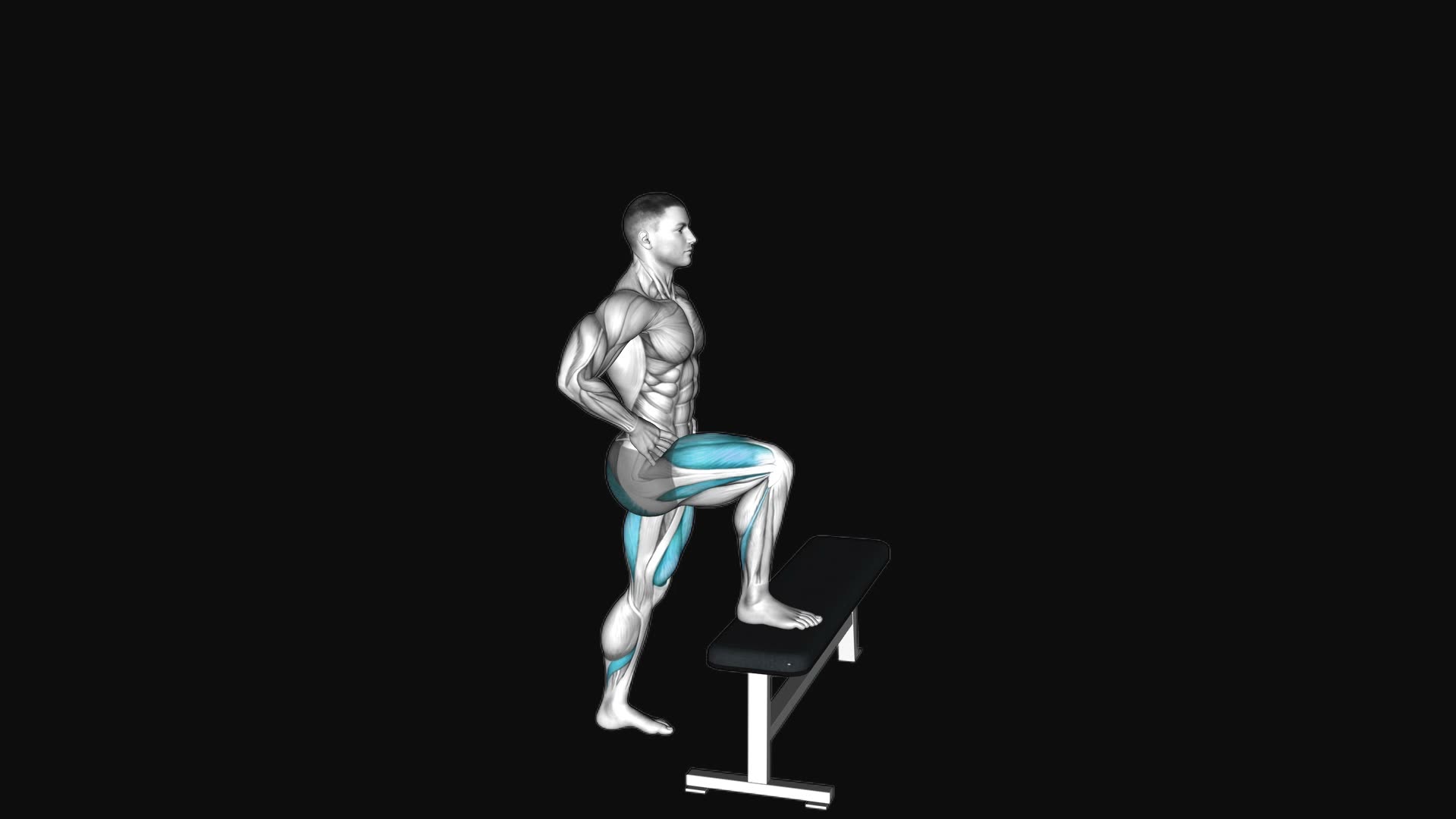
- Step one foot backward and lower your body until both knees are bent at approximately 90 degrees.
- Your back knee should nearly touch the ground.
- Push through your front heel to return to the starting position.
- Alternate legs.
Common mistakes
- Stepping directly behind the front foot narrows your base of support and compromises balance.
- Lifting the front heel off the floor shifts tension into the patellar tendon instead of the hips and quads.
- Allowing the front knee to collapse inward places unnecessary strain on the knee joint and ligaments.
- Slamming the back knee into the ground indicates a lack of eccentric control and risks bruising the joint.
Tips
- Keep your feet hip-width apart throughout the step to maintain a stable foundation.
- Drive through the midfoot and heel of your front leg to return smoothly to the top.
- Maintain a slight forward torso lean with a flat back to maximize glute recruitment.
Sets and reps
Aim for 3 to 4 sets of 12 to 16 repetitions per leg for muscle endurance and hypertrophy. Rest 45 to 60 seconds between sets.
Muscles worked
Your coach guides every set
Turn on the coach in Gloox: it asks how you feel, picks the weight from your history and cues technique and rest. Rate each set and the next one is tuned to you.

On a computer? Point your phone's camera here to get the app.
Questions
Why are reverse lunges generally easier on the knees than forward lunges?
Stepping backward keeps the front shin more vertical, significantly reducing shearing forces on the front kneecap. If pain occurs, stop the movement and consult a specialist.
How can you make bodyweight rear lunges harder without weights?
Increase the challenge by slowing down the lowering phase, adding a pause at the bottom, or elevating the front foot on a low platform to increase range of motion.