Legs · Bodyweight
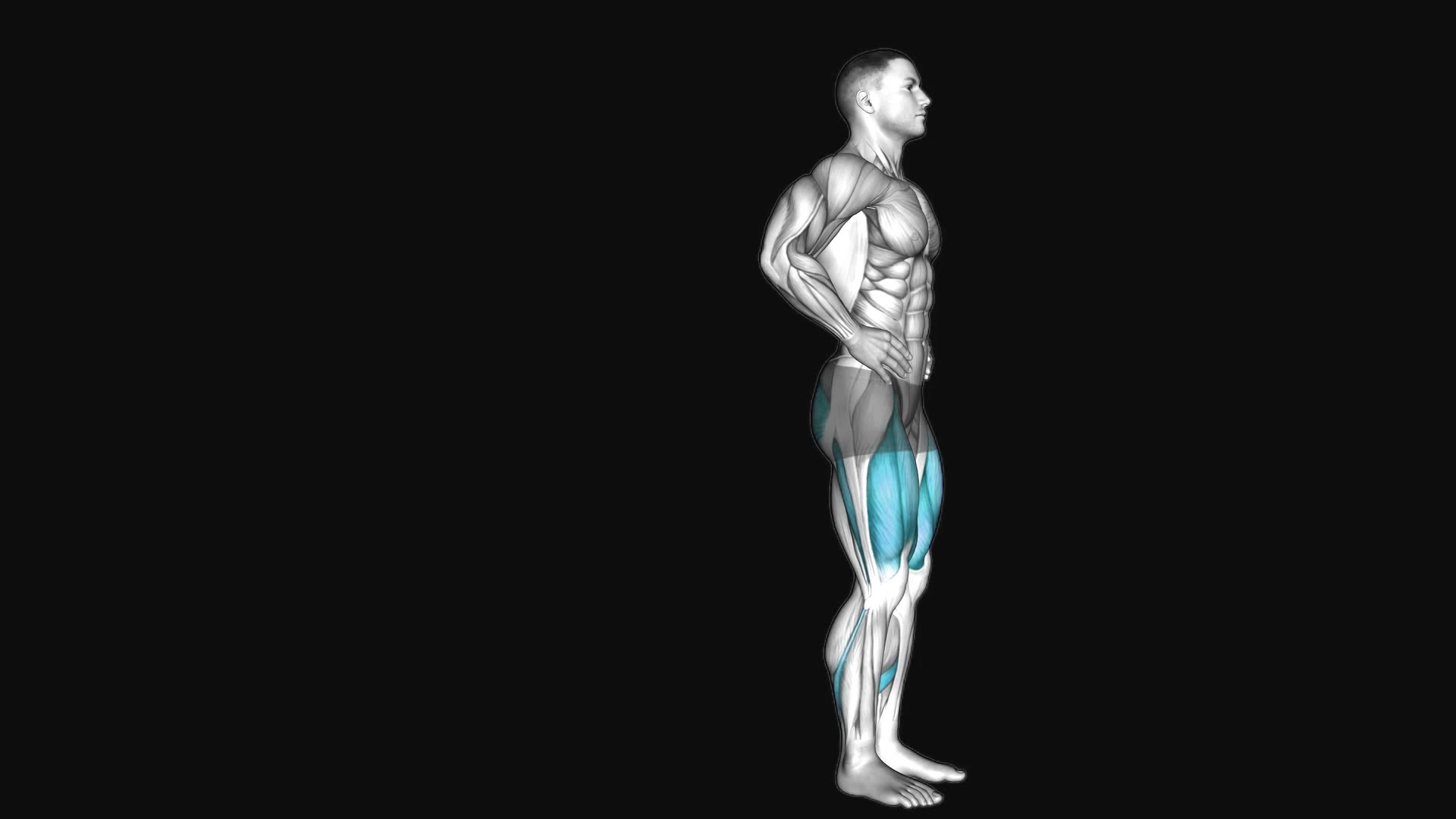
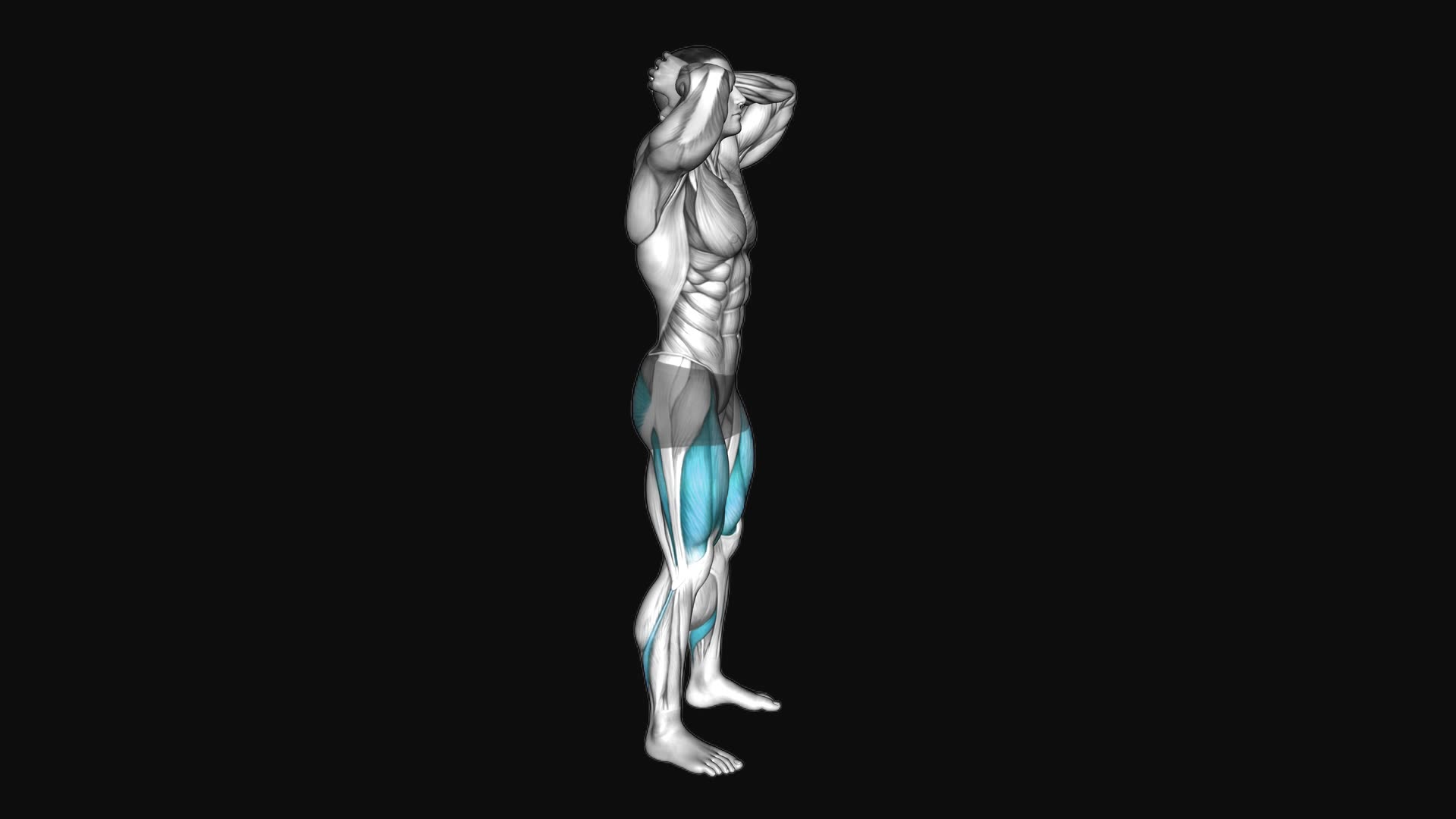
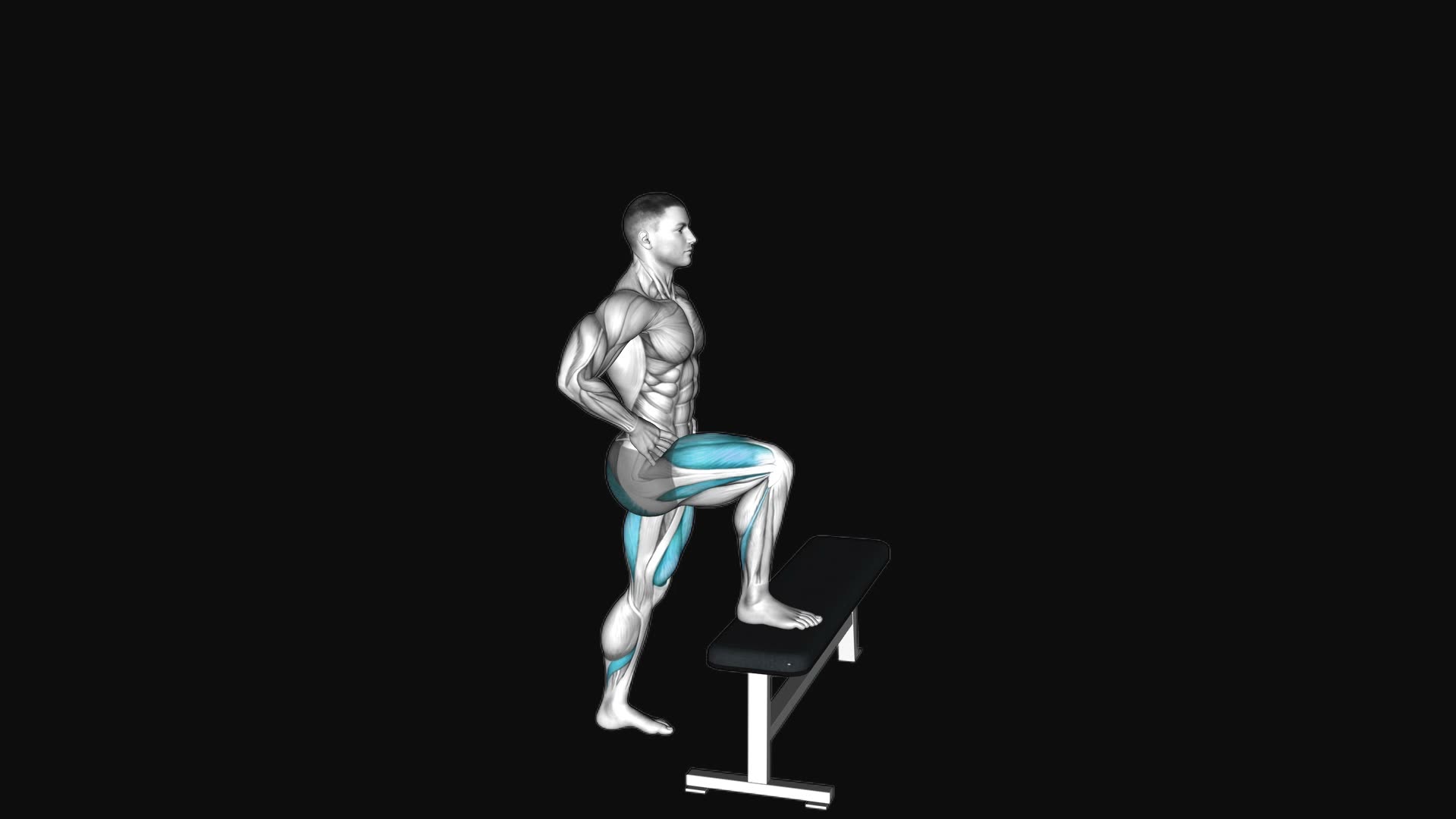
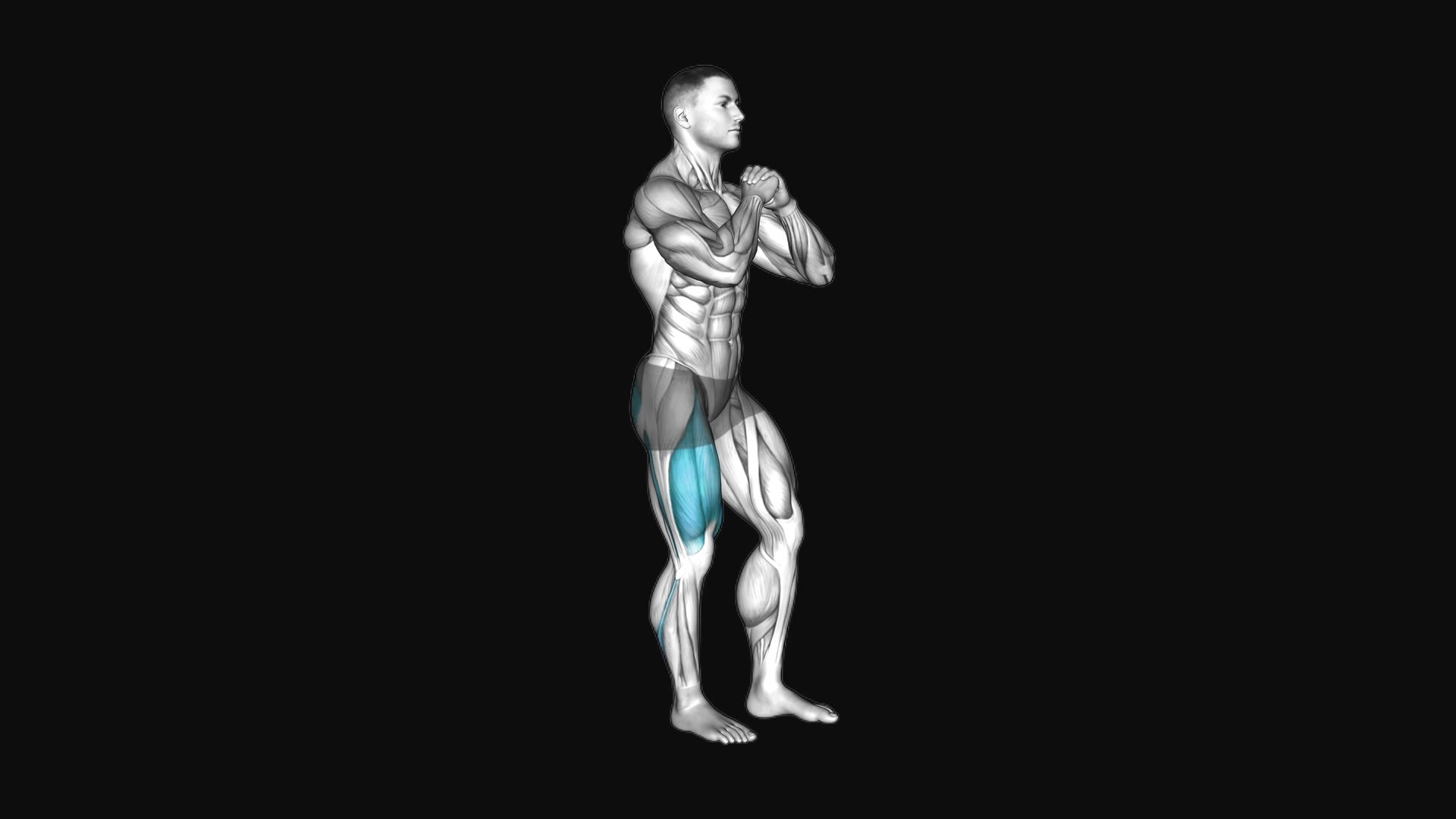
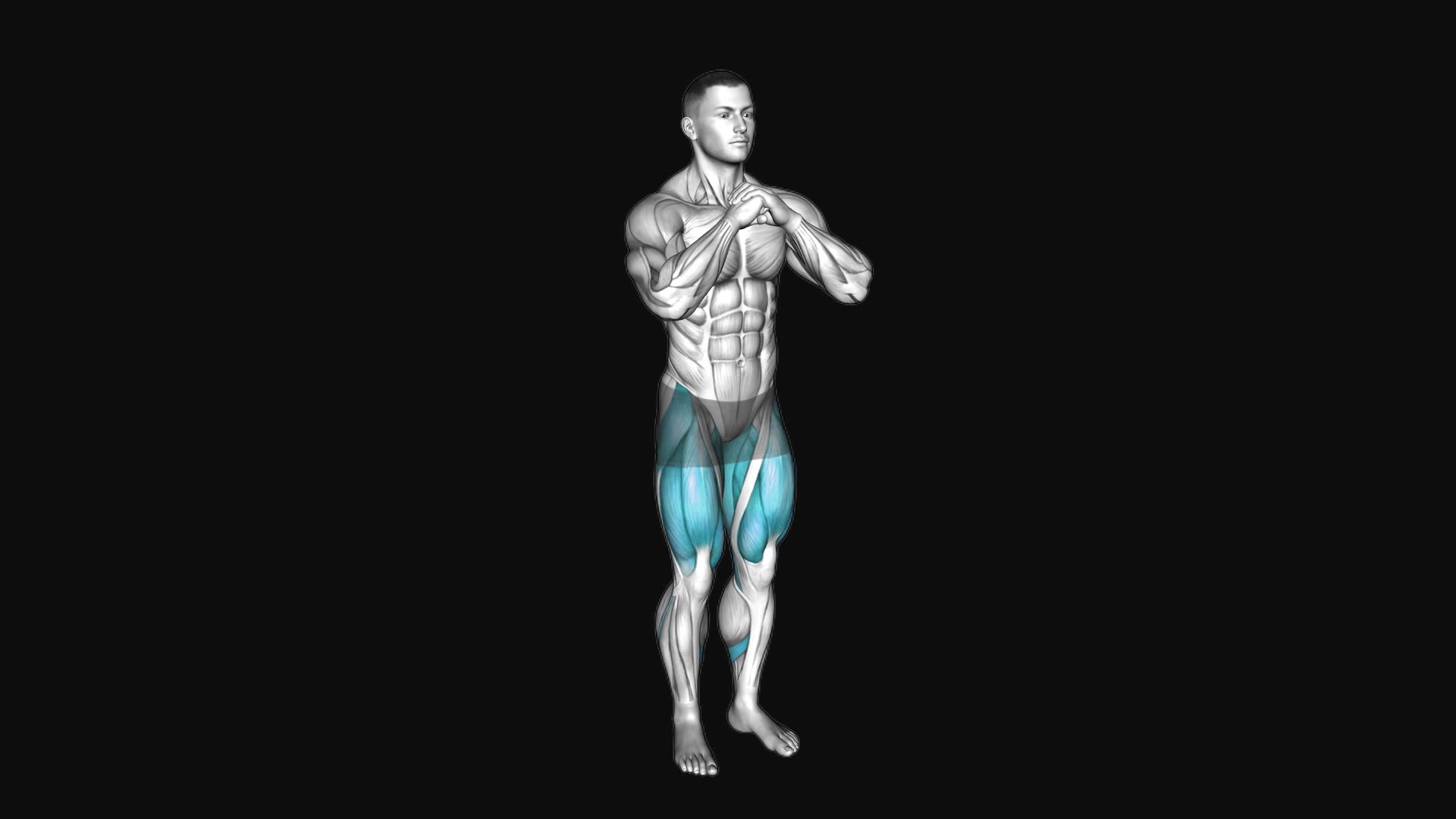
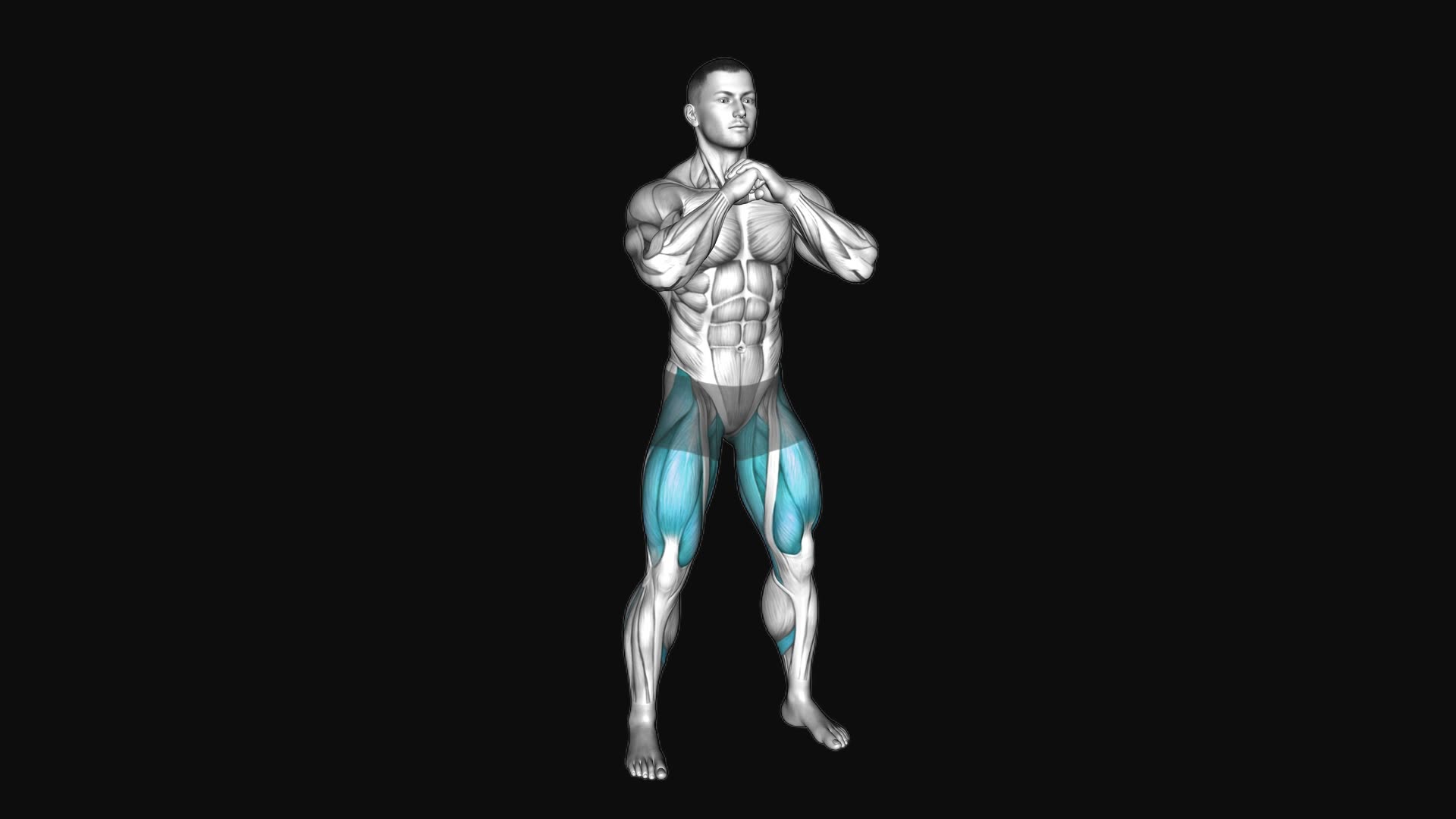
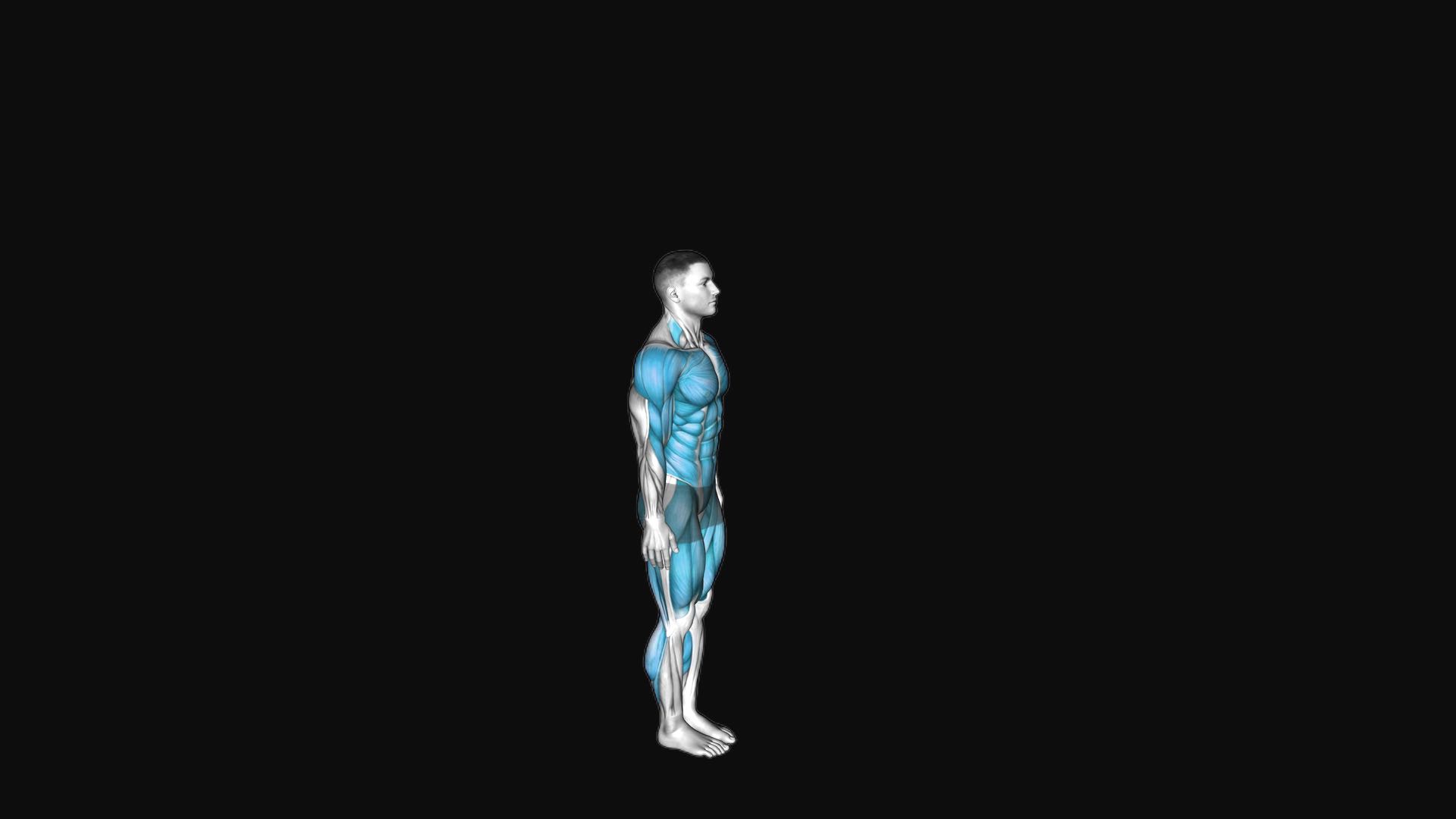
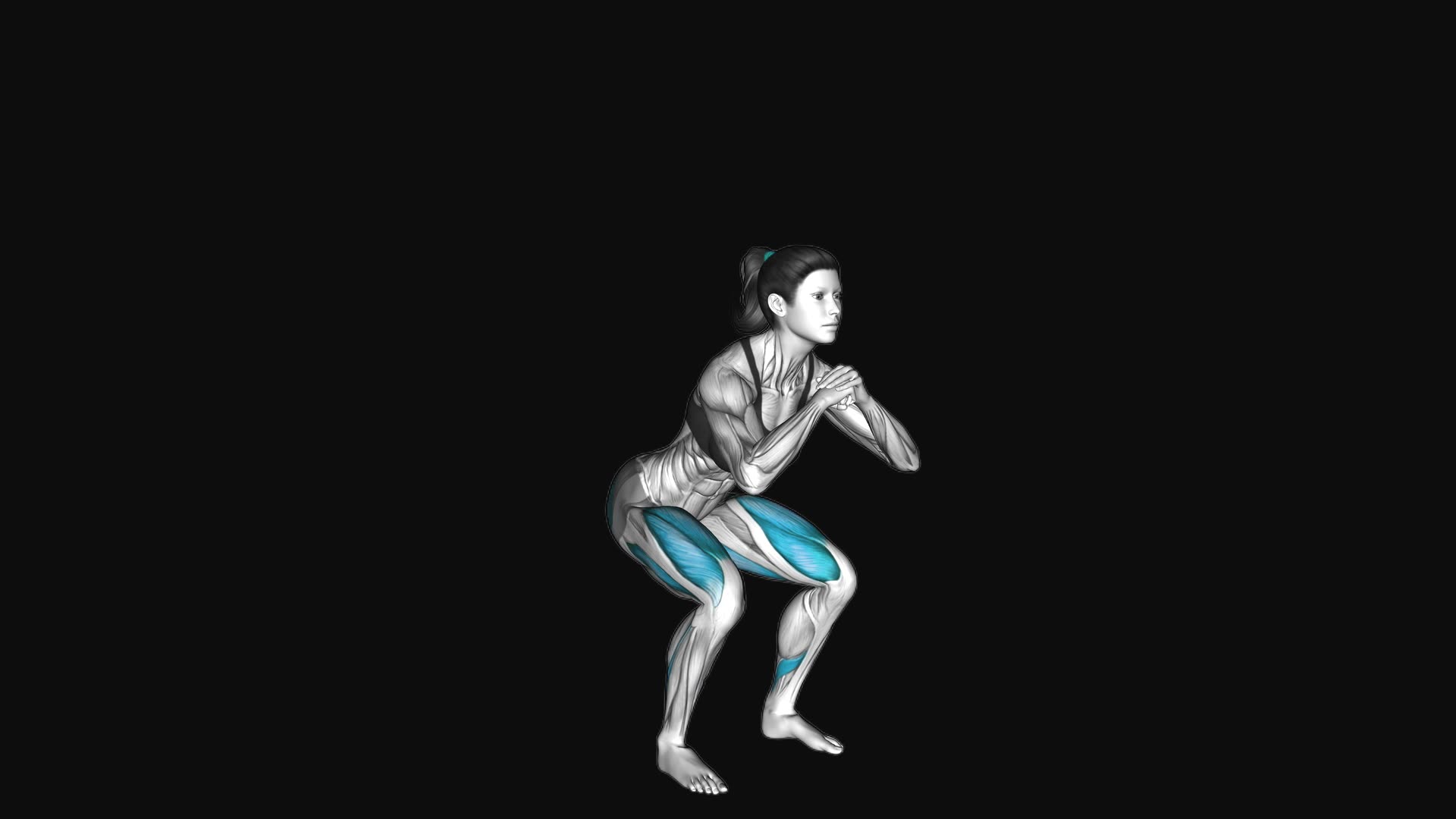
Bodyweight Single Leg Squat with Support
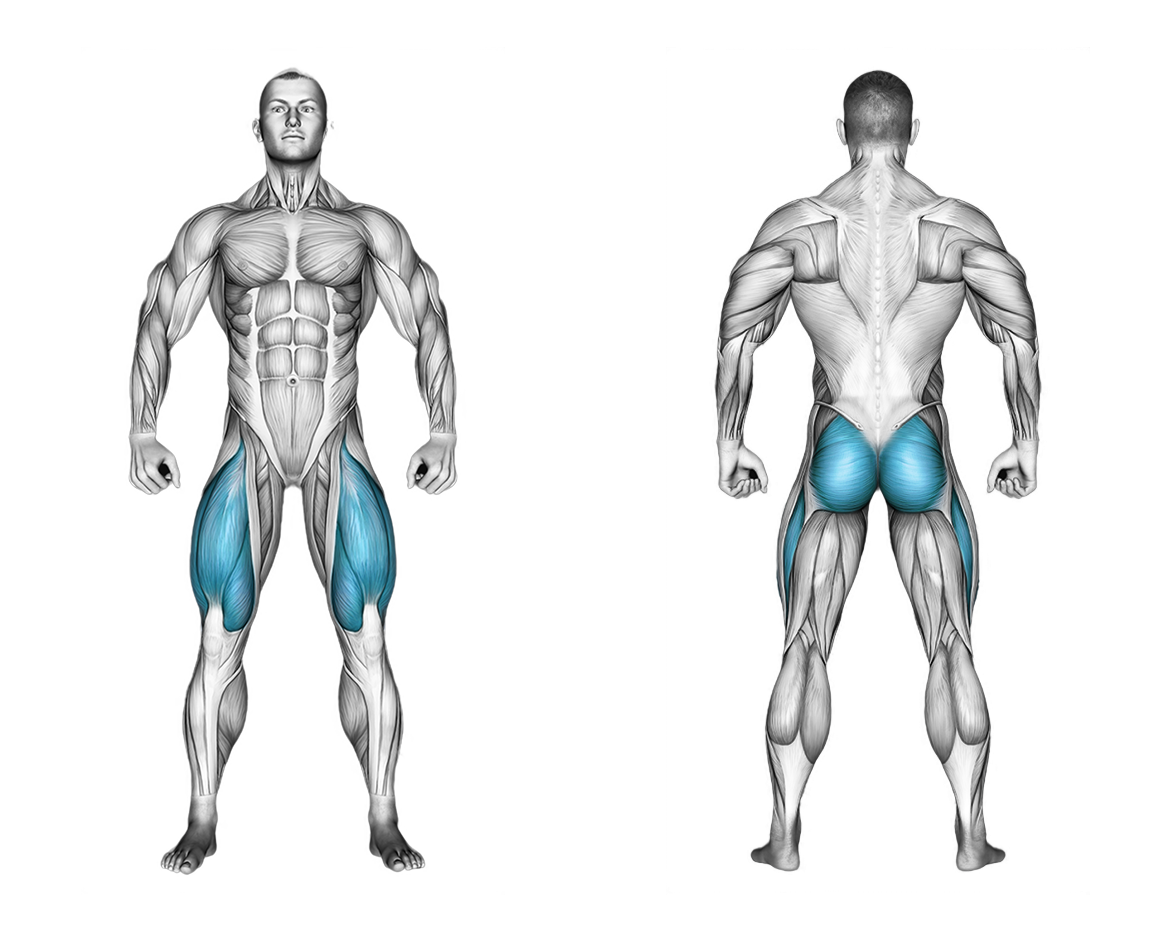
The bodyweight single leg squat with support is a unilateral compound movement designed to build strength in the quadriceps and glutes. It is ideal for individuals working toward an unassisted pistol squat or seeking to correct strength imbalances without overloading the spine.
- Equipment
- Bodyweight
- Type
- Strength
- Animation
- Men
How to do it
- Stand on one leg next to a wall or pole for support.
- Extend your other leg straight out in front of you.
- Lower your body by bending your standing leg, keeping your chest up and extended leg off the ground.
- Use your hand for balance as needed.
- Drive through your heel to return to the starting position.
- Complete all reps on one side before switching.
Common mistakes
- Pulling too hard with the supporting arm removes tension from the working leg muscles.
- Allowing the heel of the working foot to rise shifts excessive stress directly into the patellar tendon.
- Letting the knee cave inward during the descent compromises joint stability and tracking.
- Rounding the lower back at the bottom of the movement increases unnecessary strain on the lumbar spine.
Tips
- Use the support only with fingertips to maintain balance rather than pulling yourself up.
- Keep the knee tracking in line with the middle toes throughout the entire range of motion.
- Descend slowly under control for two to three seconds to maximize muscle tension and joint stability.
Sets and reps
Perform 3–4 sets of 6–10 repetitions per leg, resting 60–90 seconds between sides to ensure complete recovery.
Muscles worked
Your coach guides every set
Turn on the coach in Gloox: it asks how you feel, picks the weight from your history and cues technique and rest. Rate each set and the next one is tuned to you.

On a computer? Point your phone's camera here to get the app.
Questions
Can this exercise be done at home without gym equipment?
Yes, you can easily perform it using a doorframe, a sturdy table, or a wall for balance.
What should you do if you experience knee pain during the movement?
Reduce the depth of your squat immediately, and if discomfort persists, stop the exercise and consult a specialist.