Legs · Bodyweight
Air Squat
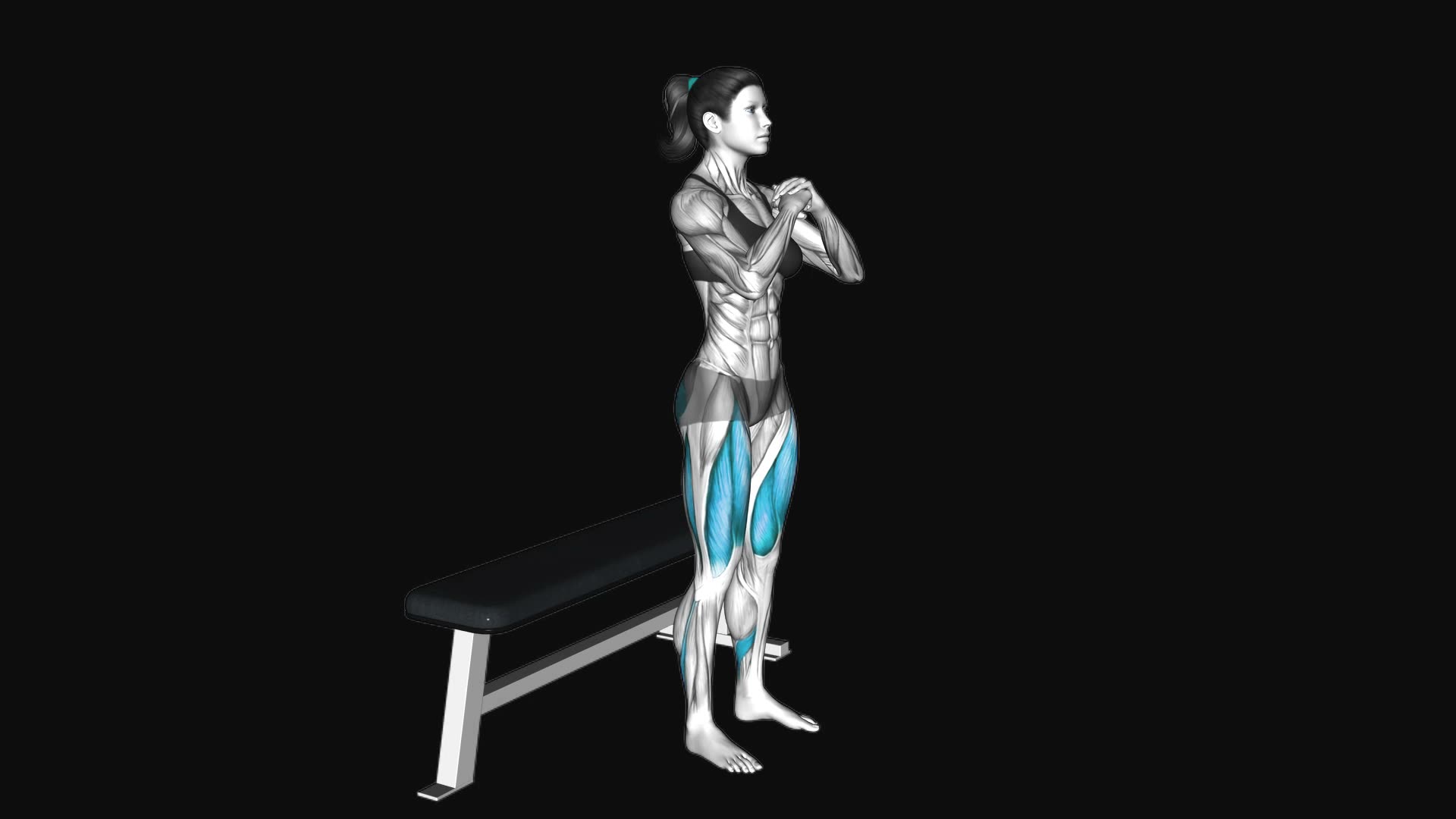
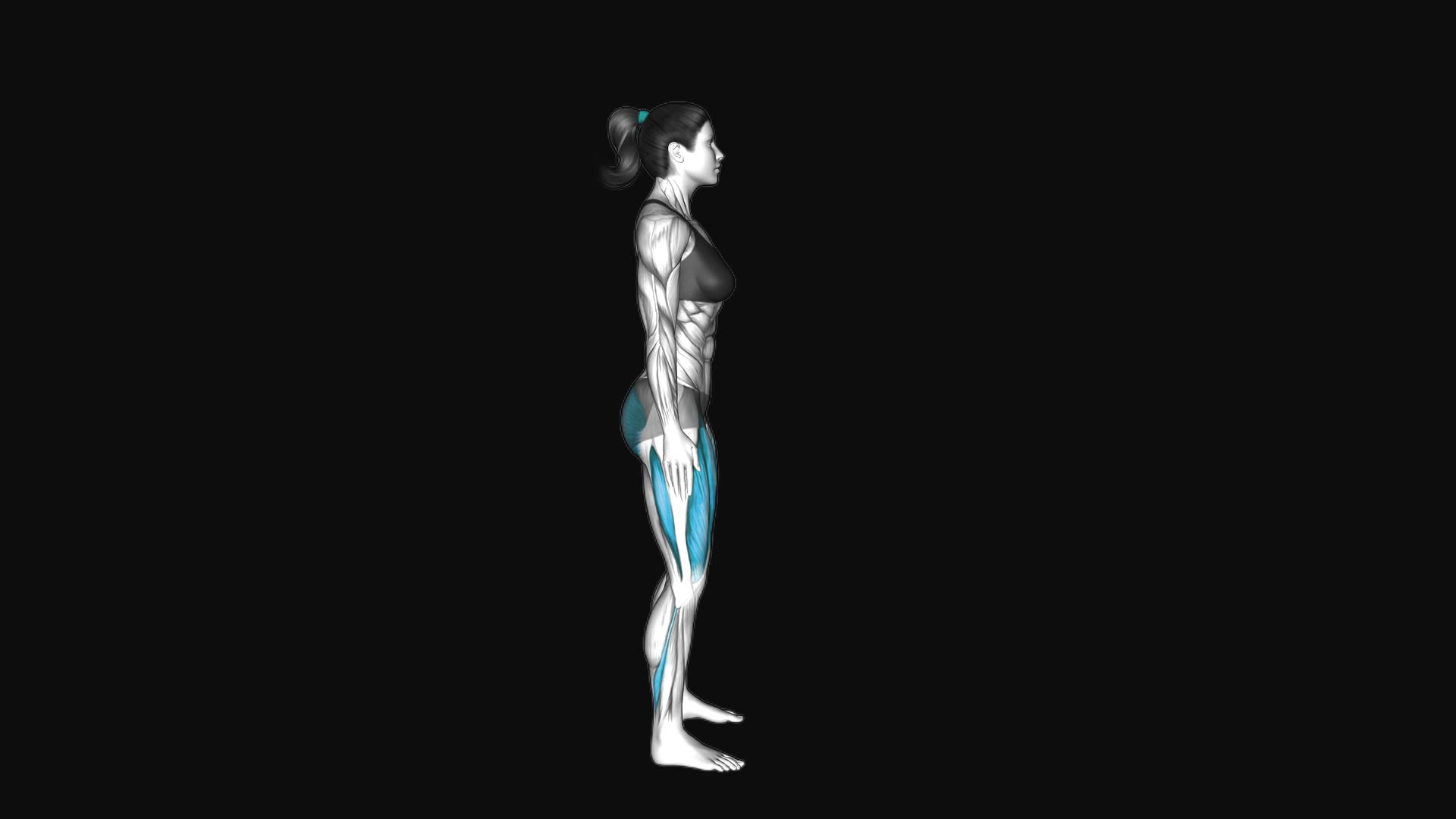
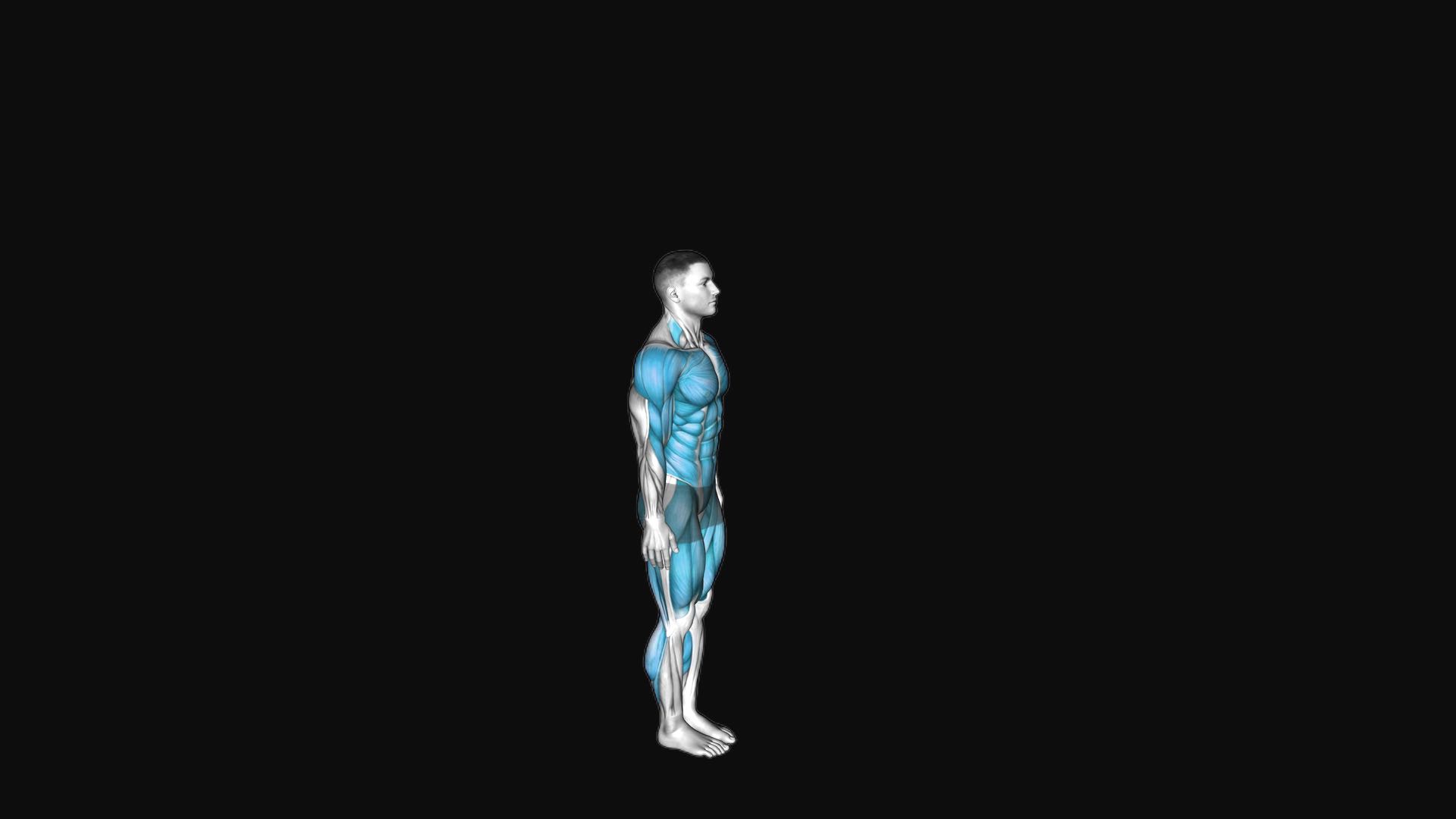
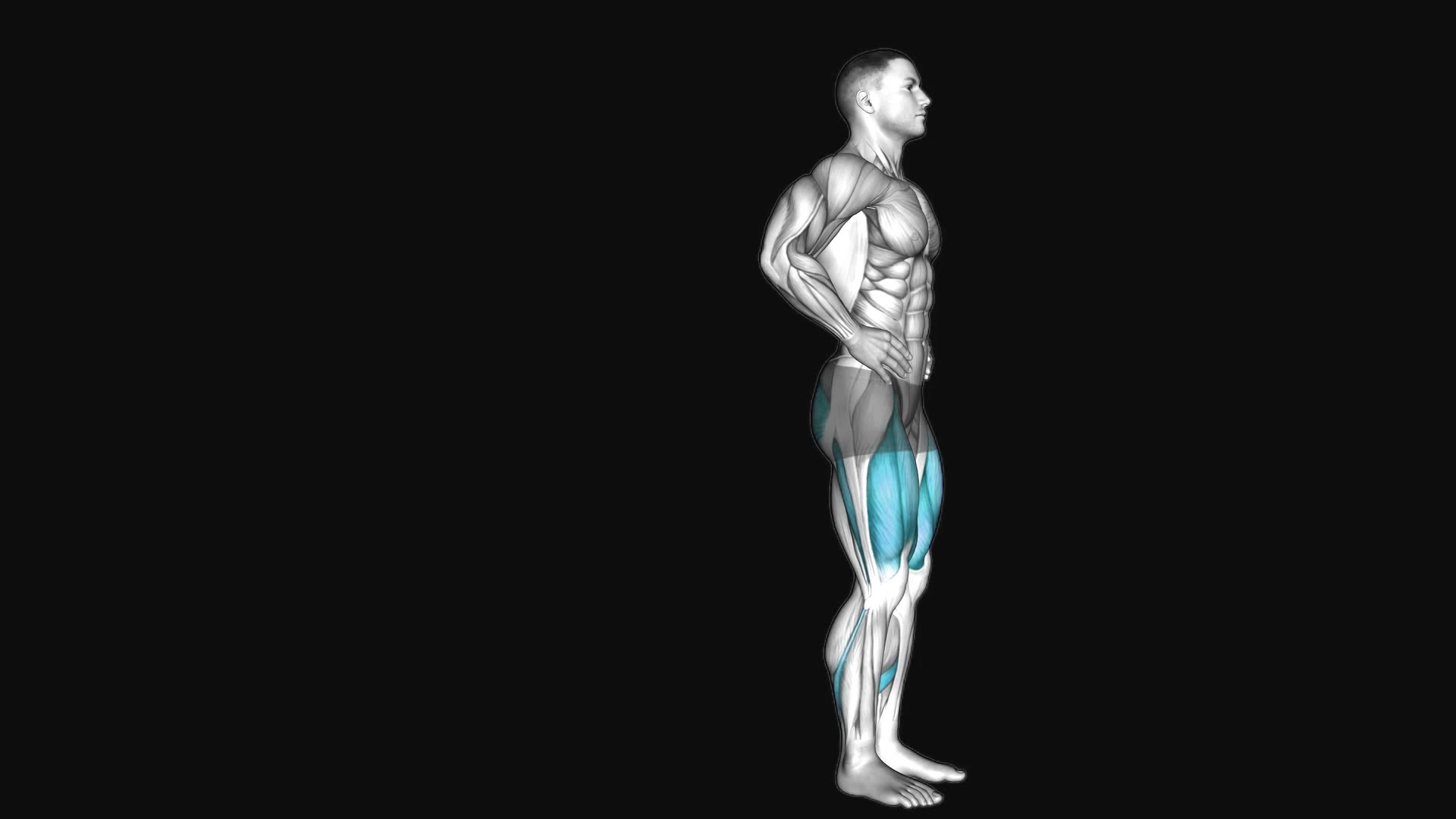
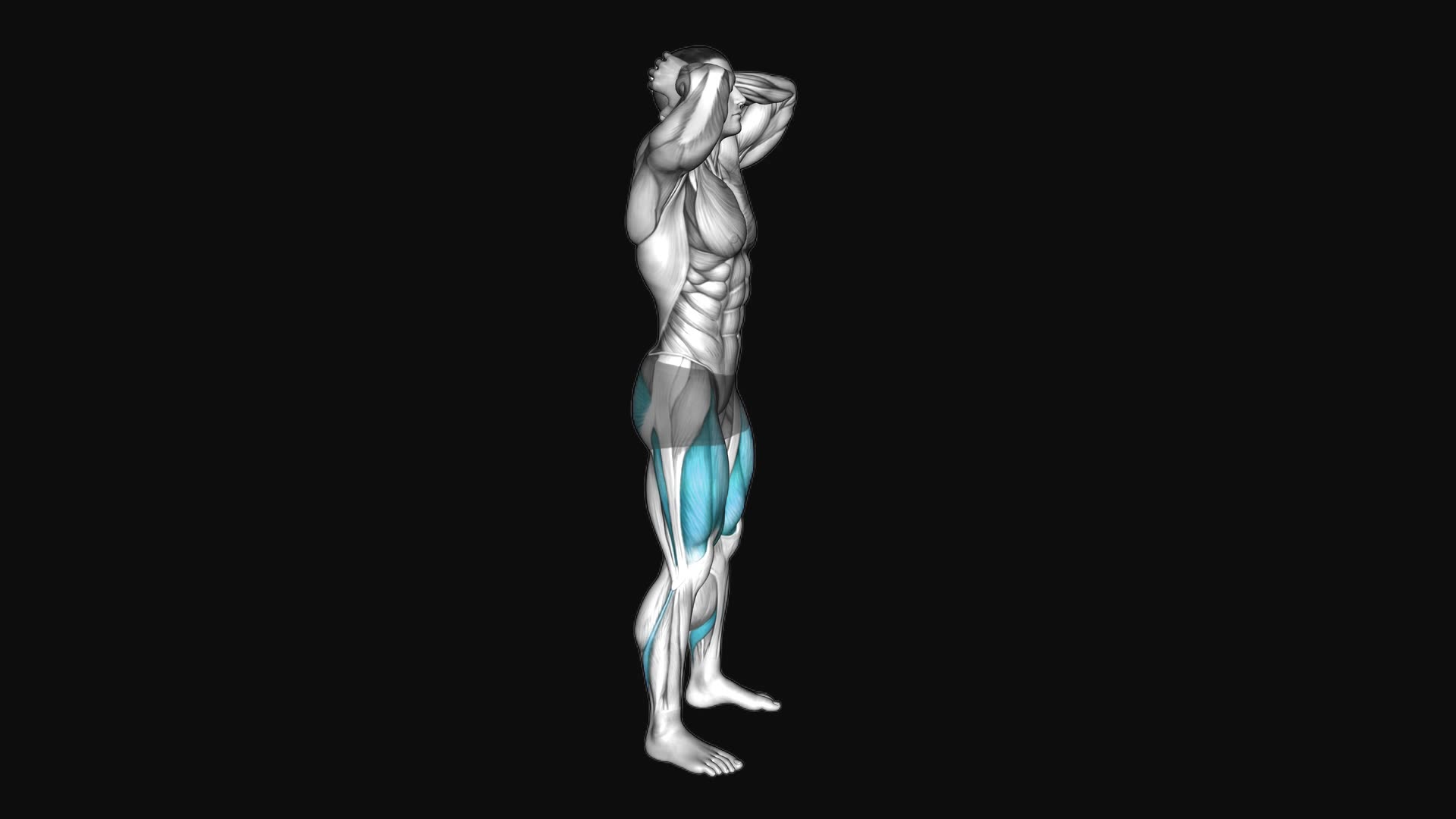
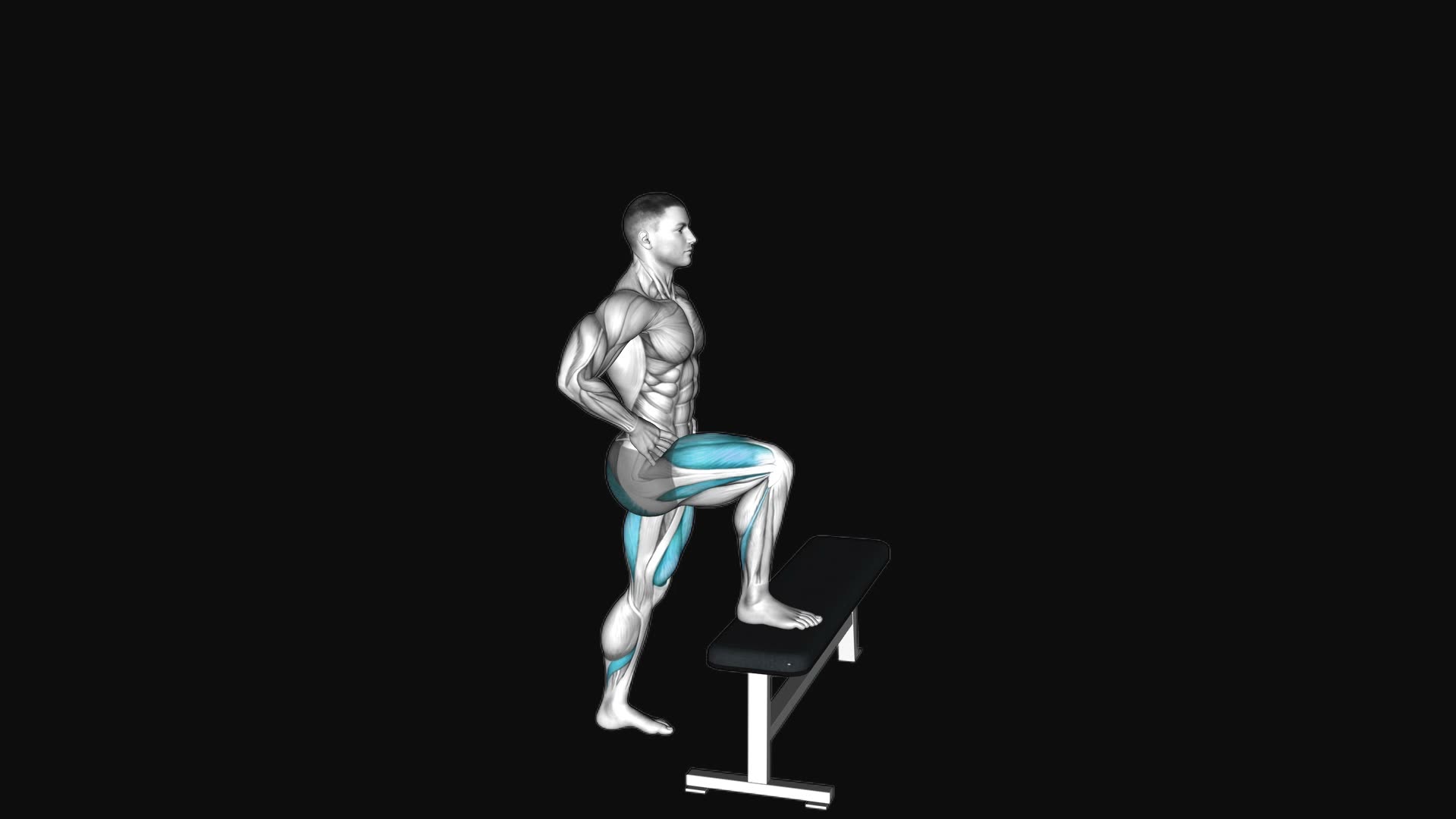
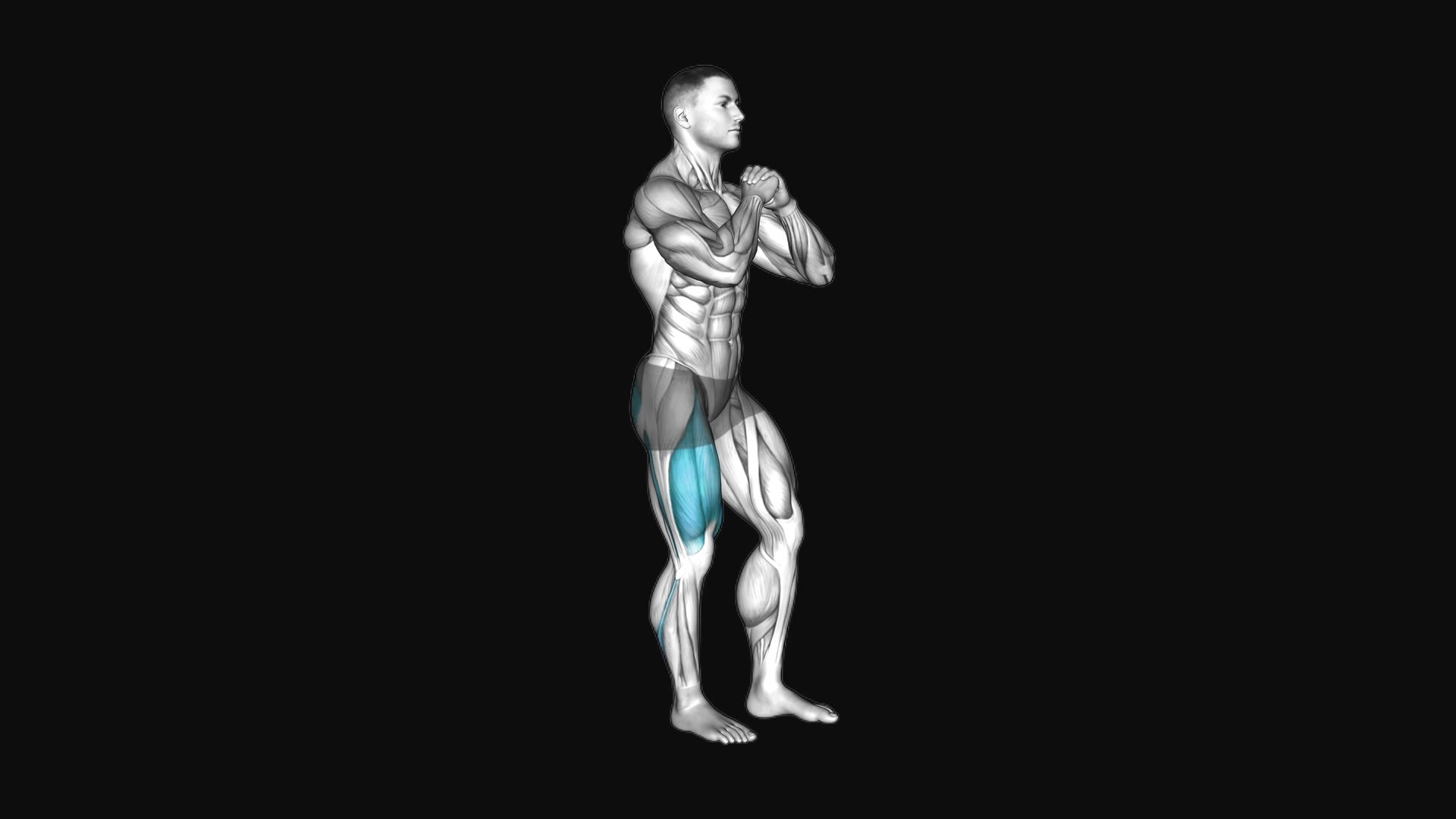
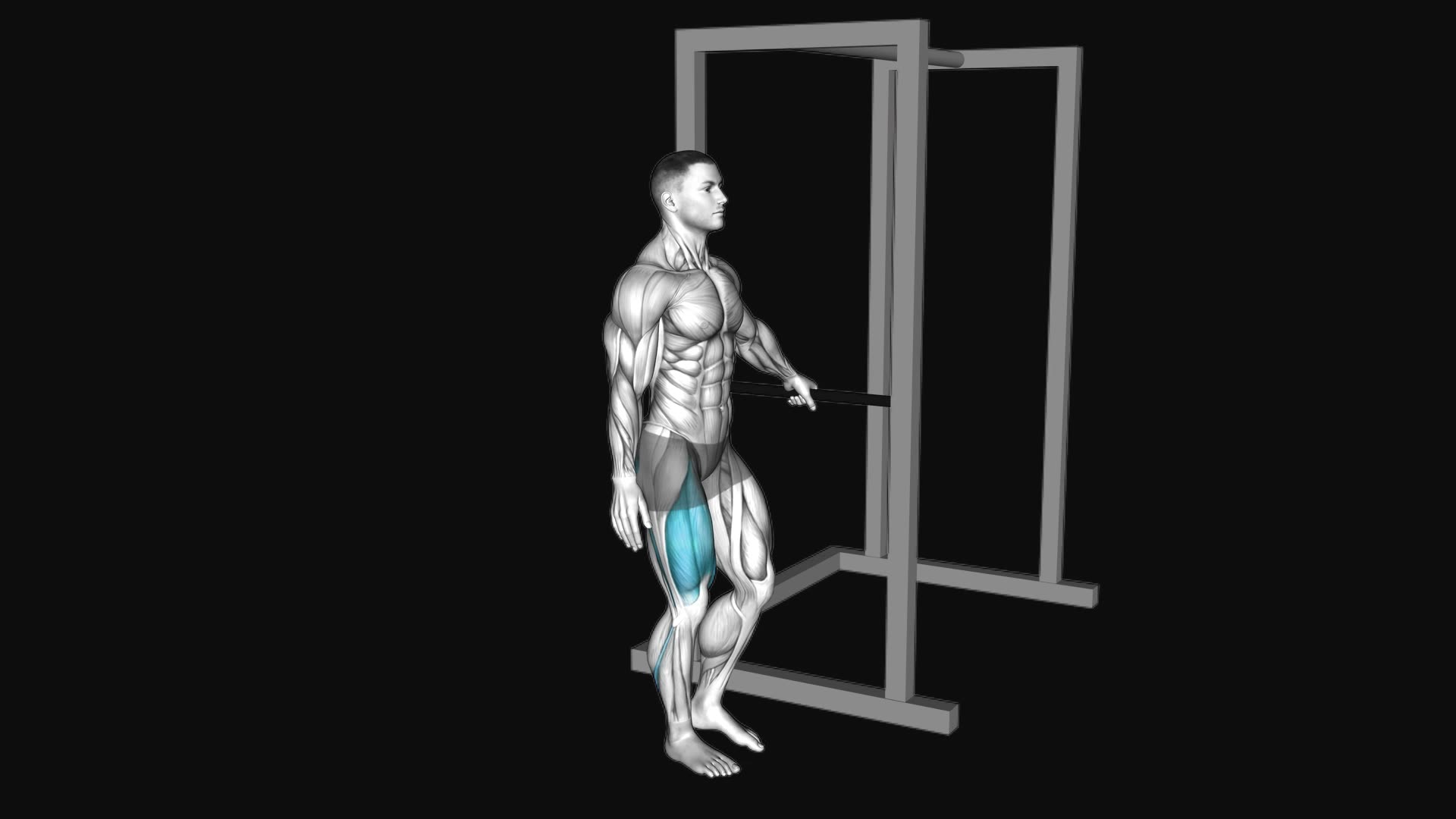
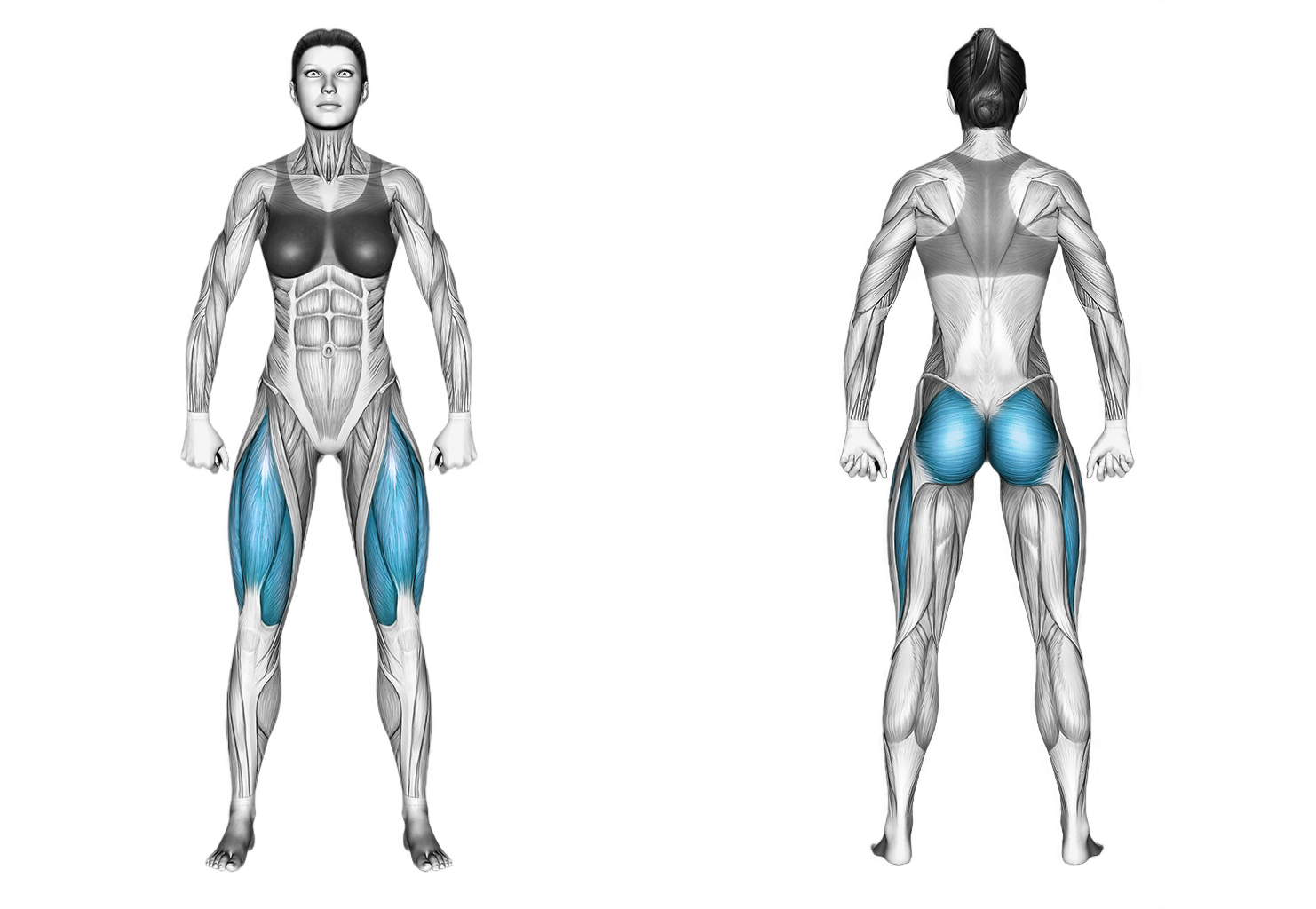
The air squat is a fundamental bodyweight movement designed to strengthen the quadriceps, glutes, hamstrings, and core. It serves as an accessible entry point for beginners and functions well as a warm-up, conditioning tool, or high-rep finisher for advanced lifters.
- Muscles
- Legs
- Equipment
- Bodyweight
- Type
- Strength
- Animation
- Women
How to do it
- Stand with feet shoulder-width apart, toes slightly pointed out.
- Extend your arms in front for balance.
- Push your hips back and bend your knees to lower your body.
- Keep your chest up and weight on your heels.
- Descend until your thighs are parallel to the floor.
- Push through your heels to return to standing.
Common mistakes
- Allowing the knees to cave inward places undue stress on the knee joints and ligaments.
- Lifting the heels off the floor shifts the center of gravity forward and overloads the patellar tendons.
- Rounding the lower back at the bottom of the movement increases shear stress on the lumbar spine.
- Cutting the range of motion short deprives the glutes and hamstrings of maximum muscular recruitment.
Tips
- Keep your chest upright and gaze forward to maintain a neutral spine throughout the descent.
- Actively track your knees in line with your toes as you sit back into the squat.
- Brace your core muscles before descending to stabilize your torso during every repetition.
Sets and reps
For muscular endurance and conditioning, perform 3 to 5 sets of 15 to 25 repetitions with 45 to 60 seconds of rest. When using the movement as a general warm-up, 2 to 3 sets of 10 to 15 controlled reps are sufficient.
Muscles worked
Your coach guides every set
Turn on the coach in Gloox: it asks how you feel, picks the weight from your history and cues technique and rest. Rate each set and the next one is tuned to you.

On a computer? Point your phone's camera here to get the app.
Questions
Can you build leg muscle using only air squats?
Air squats stimulate hypertrophy in beginners, but experienced lifters will eventually need external loads to continue adding muscle mass. You can increase difficulty without weights by slowing the eccentric tempo or adding isometric pauses at the bottom.
What should you do if your knees hurt during air squats?
If you experience joint pain, stop the exercise immediately and consult a qualified healthcare professional. Minor discomfort can often be managed by adjusting your stance width or temporarily limiting the depth to a pain-free range.