Back · Dumbbells
Dumbbell Rear Lateral Raise
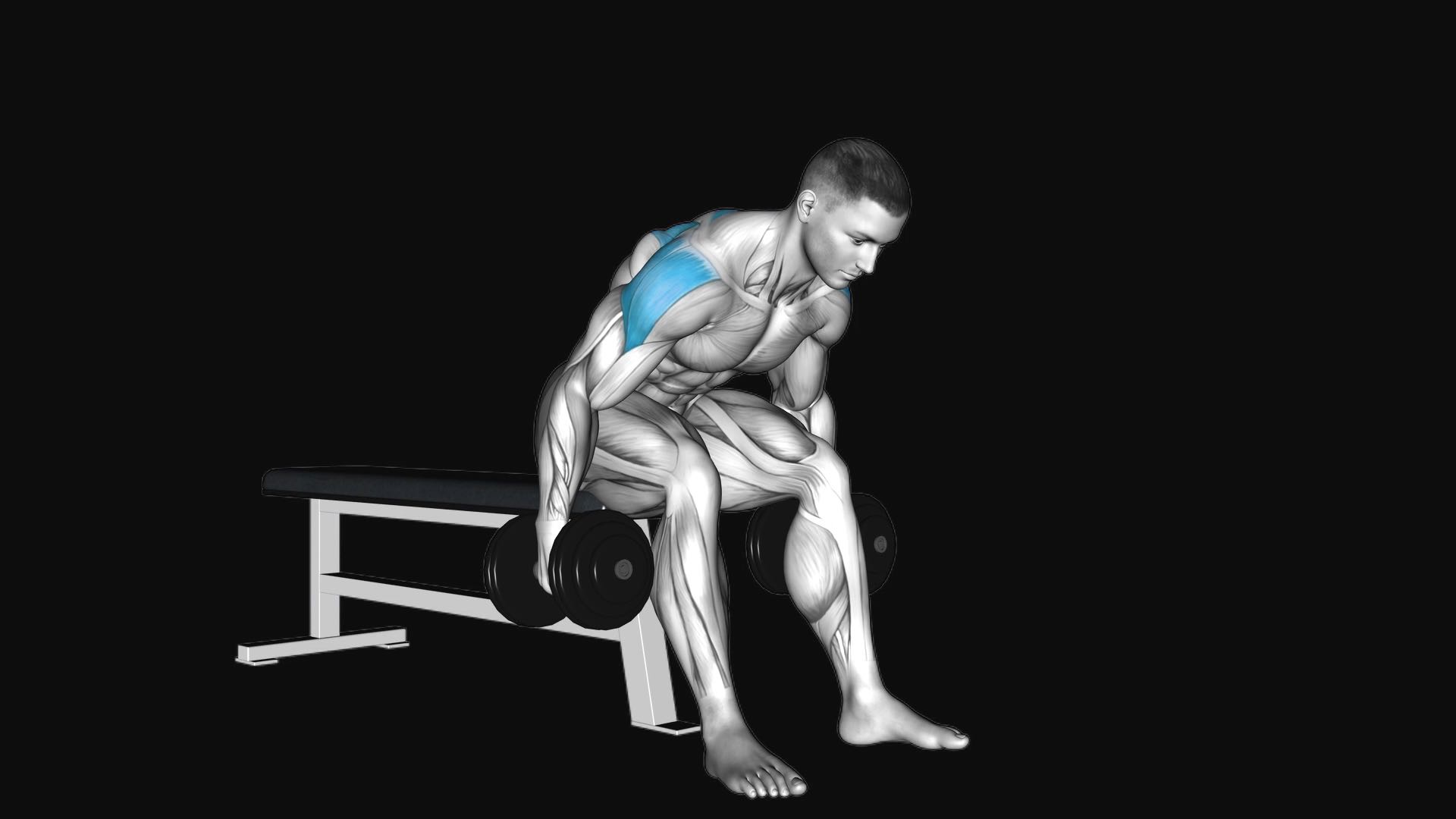
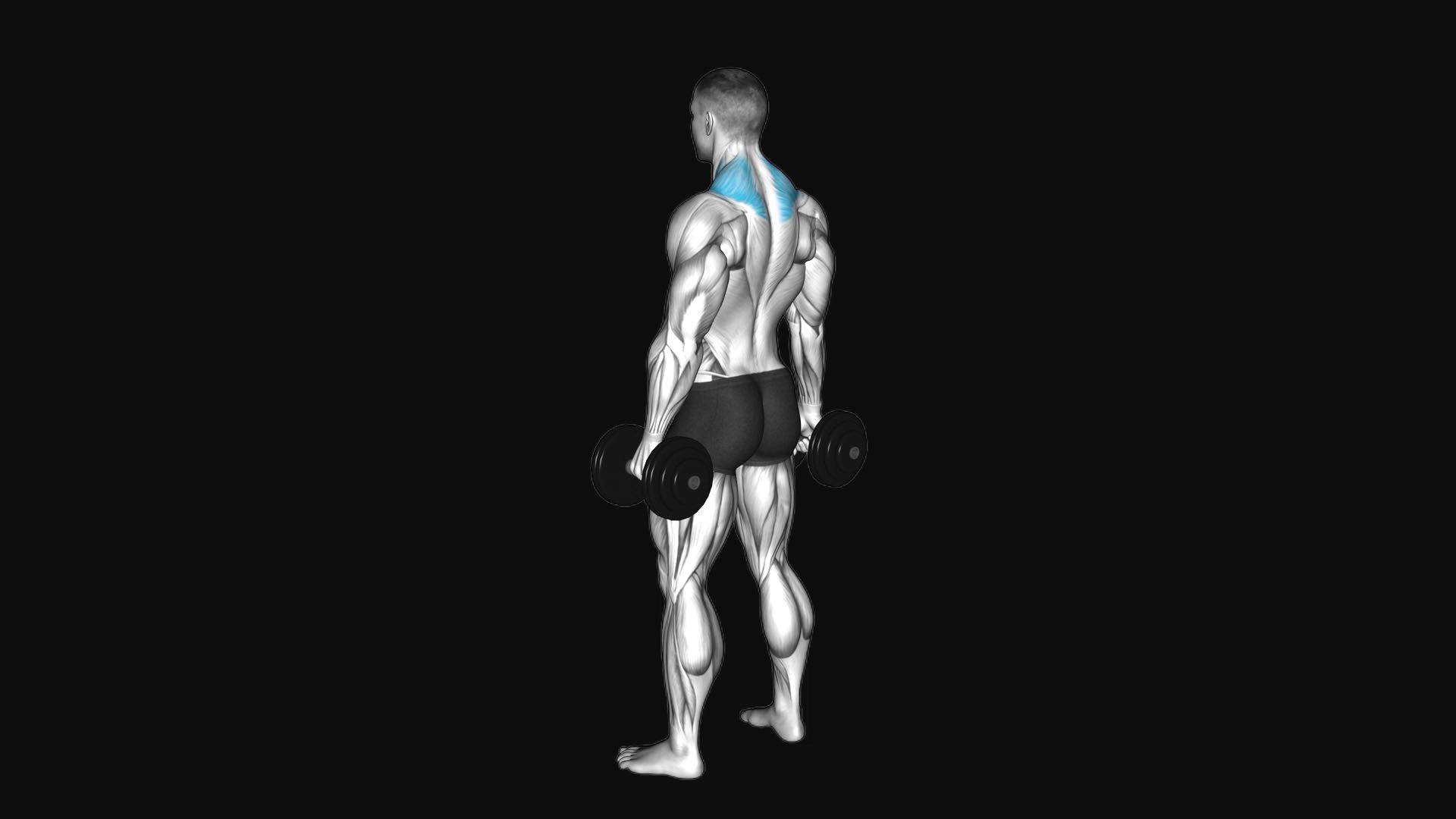
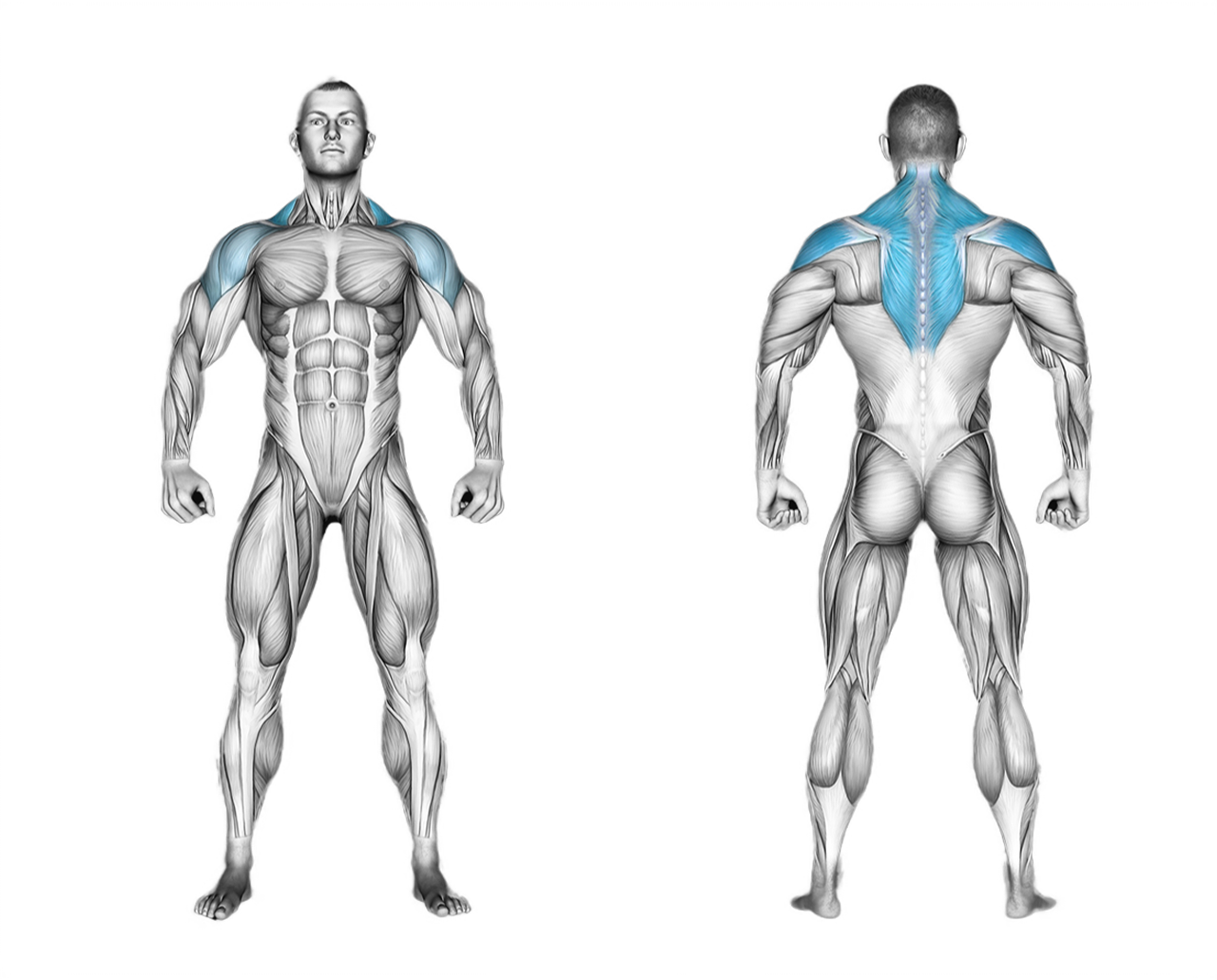
The dumbbell rear lateral raise is an isolation movement designed to target the back of the shoulder girdle and upper back. It strengthens the rear deltoids and rhomboids, making it an excellent addition toward the end of a pull or shoulder session.
- Equipment
- Dumbbells
- Type
- Strength
- Animation
- Men
How to do it
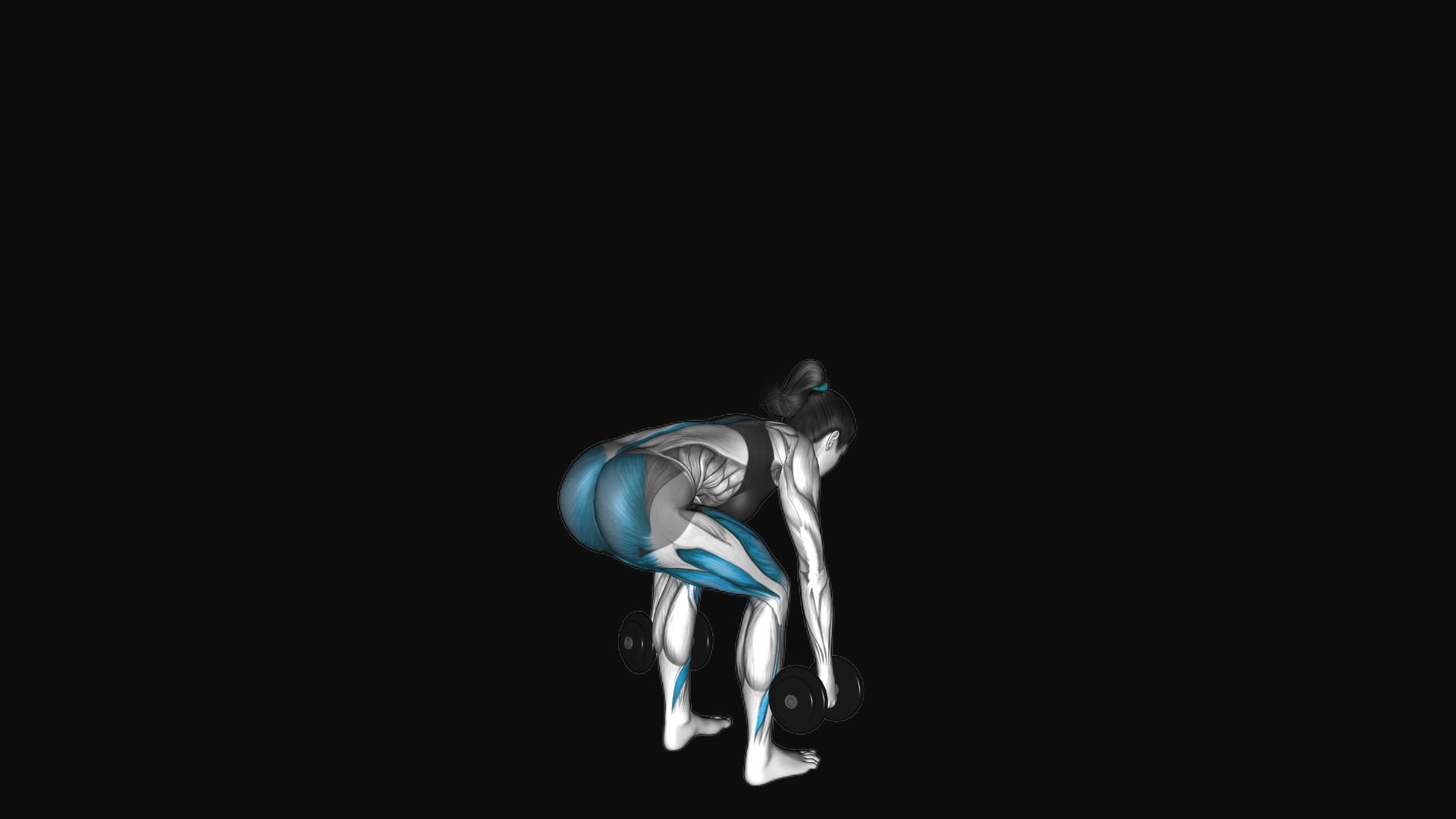
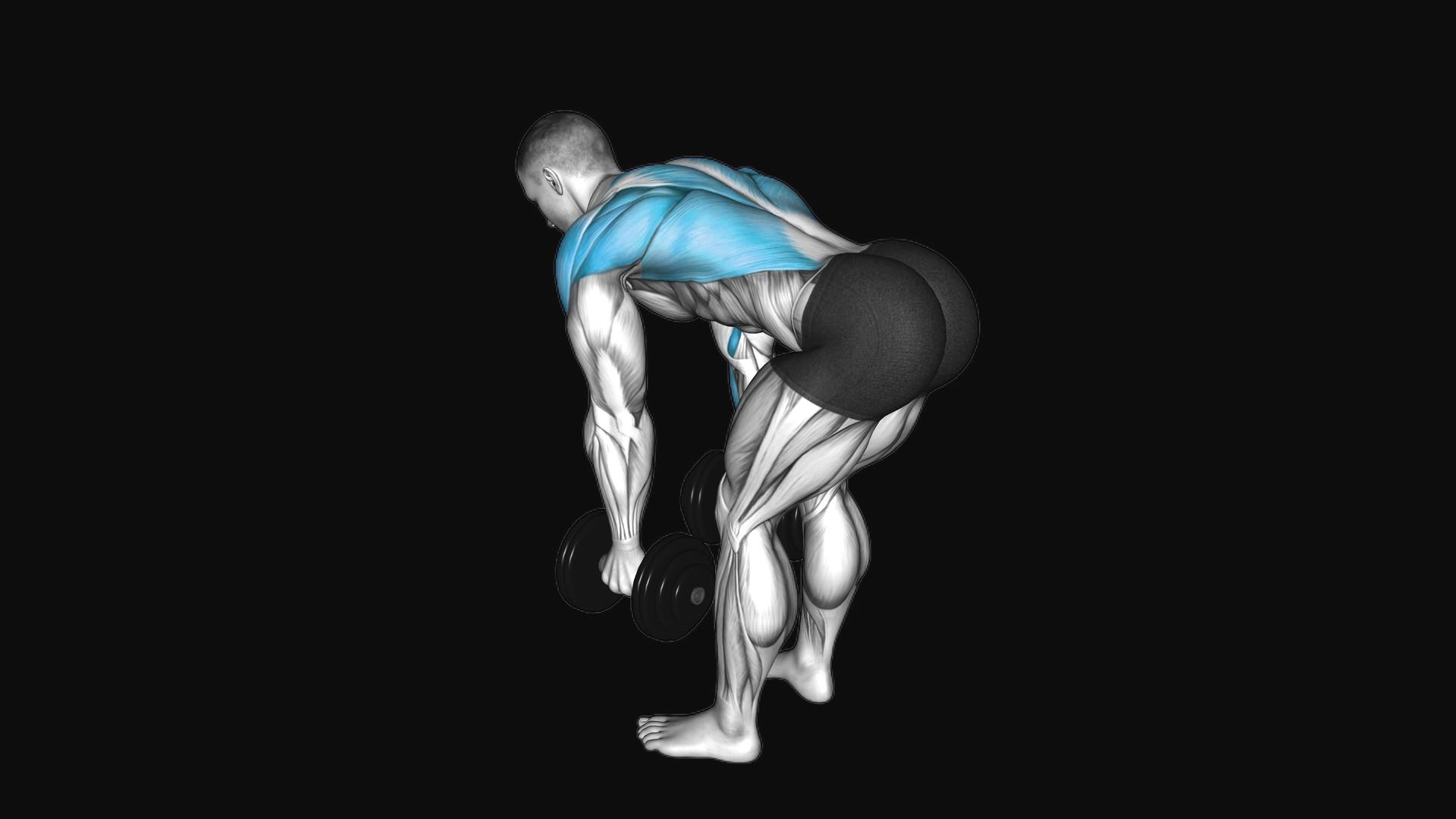
- Stand with your feet shoulder-width apart, holding a dumbbell in each hand.
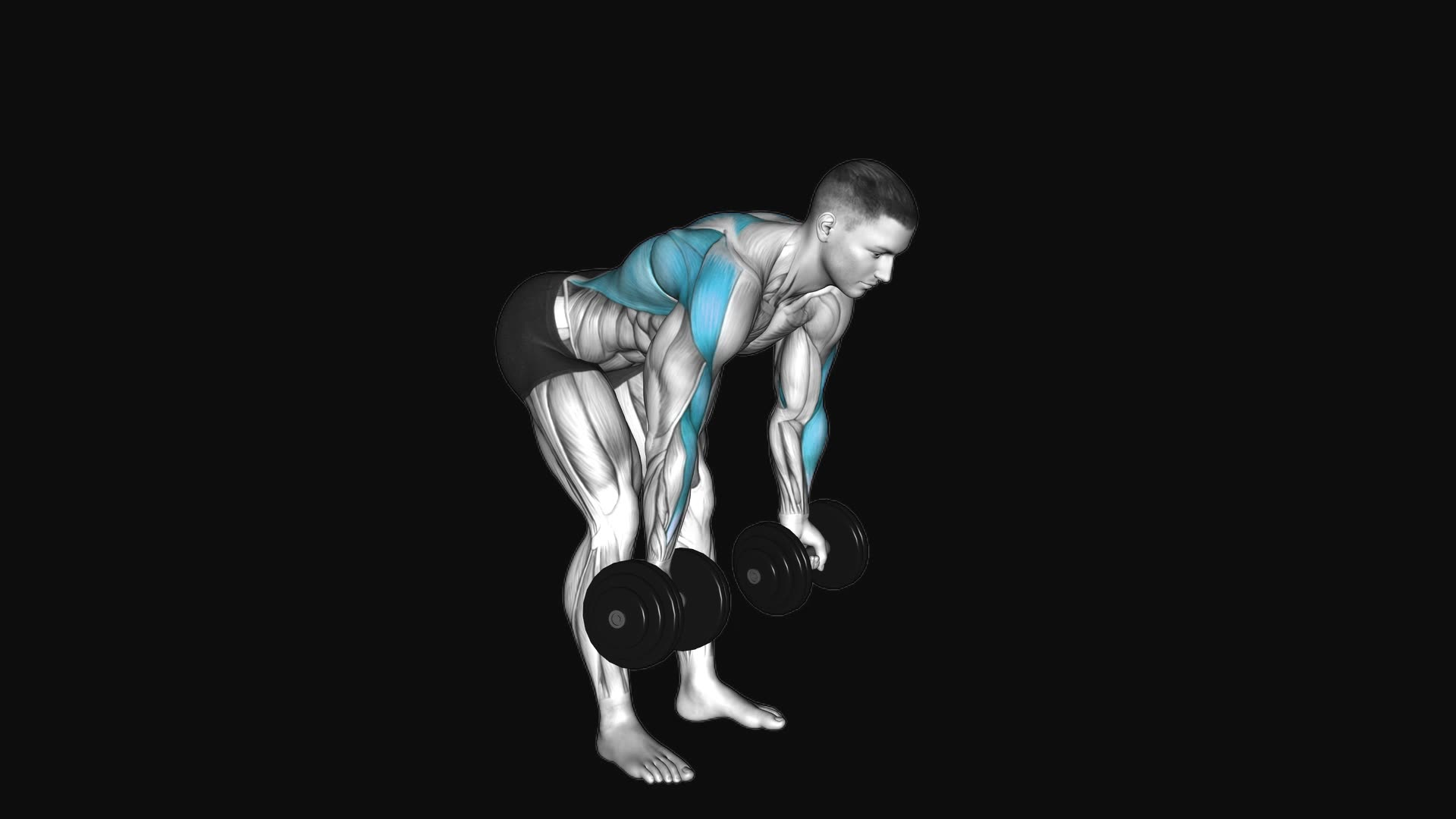
- Bend your knees slightly and hinge forward from your hips, keeping your back straight.
- Let your arms hang down with palms facing each other.
- Inhale and brace your core. Exhale as you lift the dumbbells out to the sides and slightly backward, keeping your elbows slightly bent.
- Focus on using the muscles in your upper back and rear shoulders.
- Squeeze your shoulder blades together at the top of the movement.
- Control the movement as you slowly lower the dumbbells back to the starting position.
Common mistakes
- Rounding the lower back during the hinge, which places unnecessary shear stress on the lumbar spine.
- Using torso momentum to swing the weights up, which robs the rear deltoids of direct tension.
- Bending the elbows excessively into a rowing motion, which reduces isolation of the shoulder muscles.
Tips
- Maintain a slight, fixed bend in your elbows throughout the entire lift.
- Keep your neck neutral by looking at the floor slightly ahead rather than craning up toward a mirror.
- Pause briefly at the peak of the raise to maximize tension on the rear deltoids.
Sets and reps
Perform 3 to 4 sets of 12 to 15 controlled reps with 60 to 90 seconds of rest. Moderate weights with strict form are most effective, as the rear delts respond best to targeted tension rather than heavy loads.
Muscles worked
Your coach guides every set
Turn on the coach in Gloox: it asks how you feel, picks the weight from your history and cues technique and rest. Rate each set and the next one is tuned to you.

On a computer? Point your phone's camera here to get the app.
Questions
How can this exercise be modified if lower back fatigue is an issue?
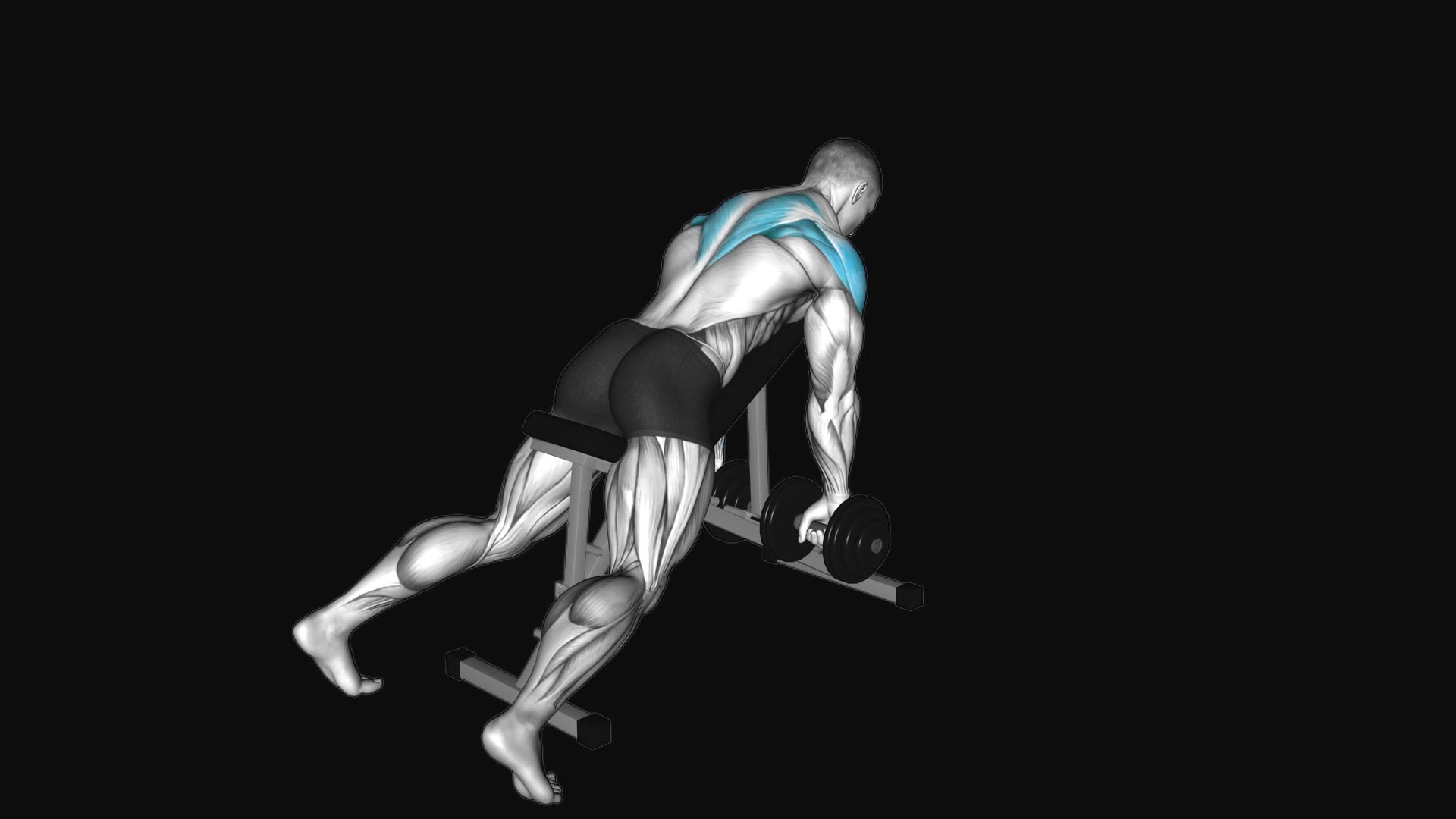
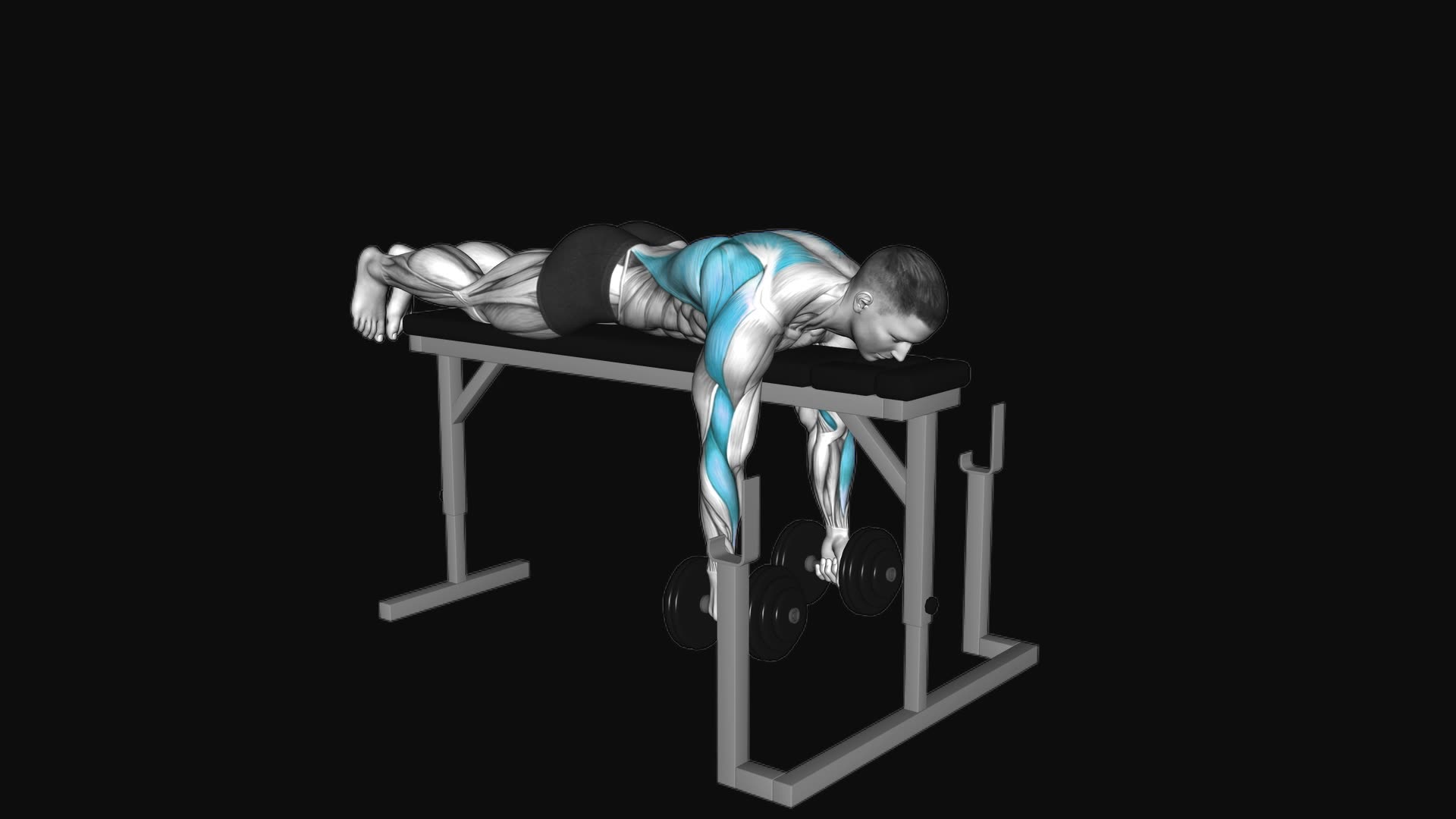
Perform the movement lying chest-down on an incline bench set to 30 or 45 degrees to eliminate strain on the lower back. If pain persists, stop the movement and consult a healthcare professional.
Which muscles are primarily worked during the rear lateral raise?
The prime movers are the posterior deltoids, supported by the rhomboids, infraspinatus, and the middle portion of the trapezius.