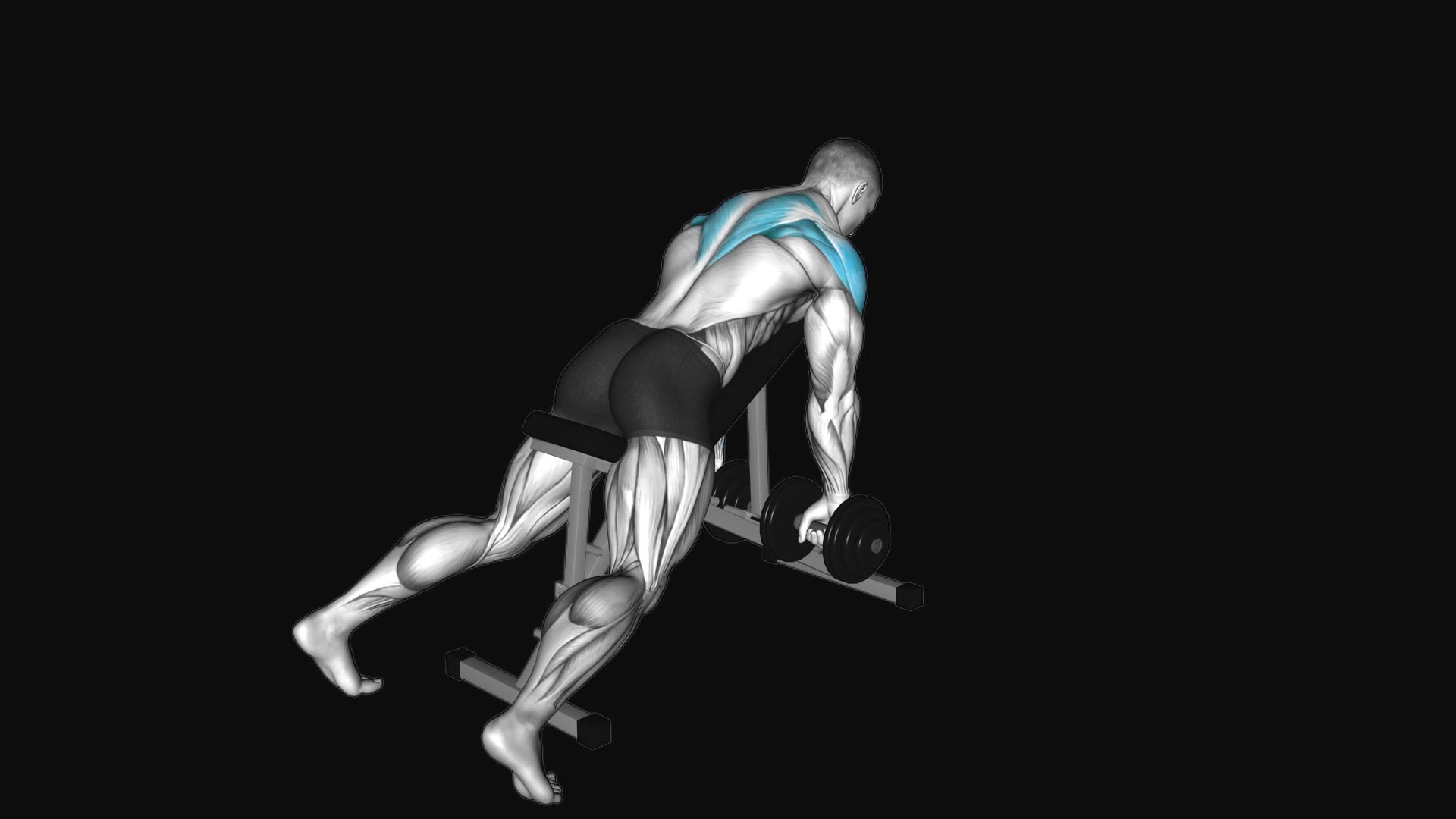
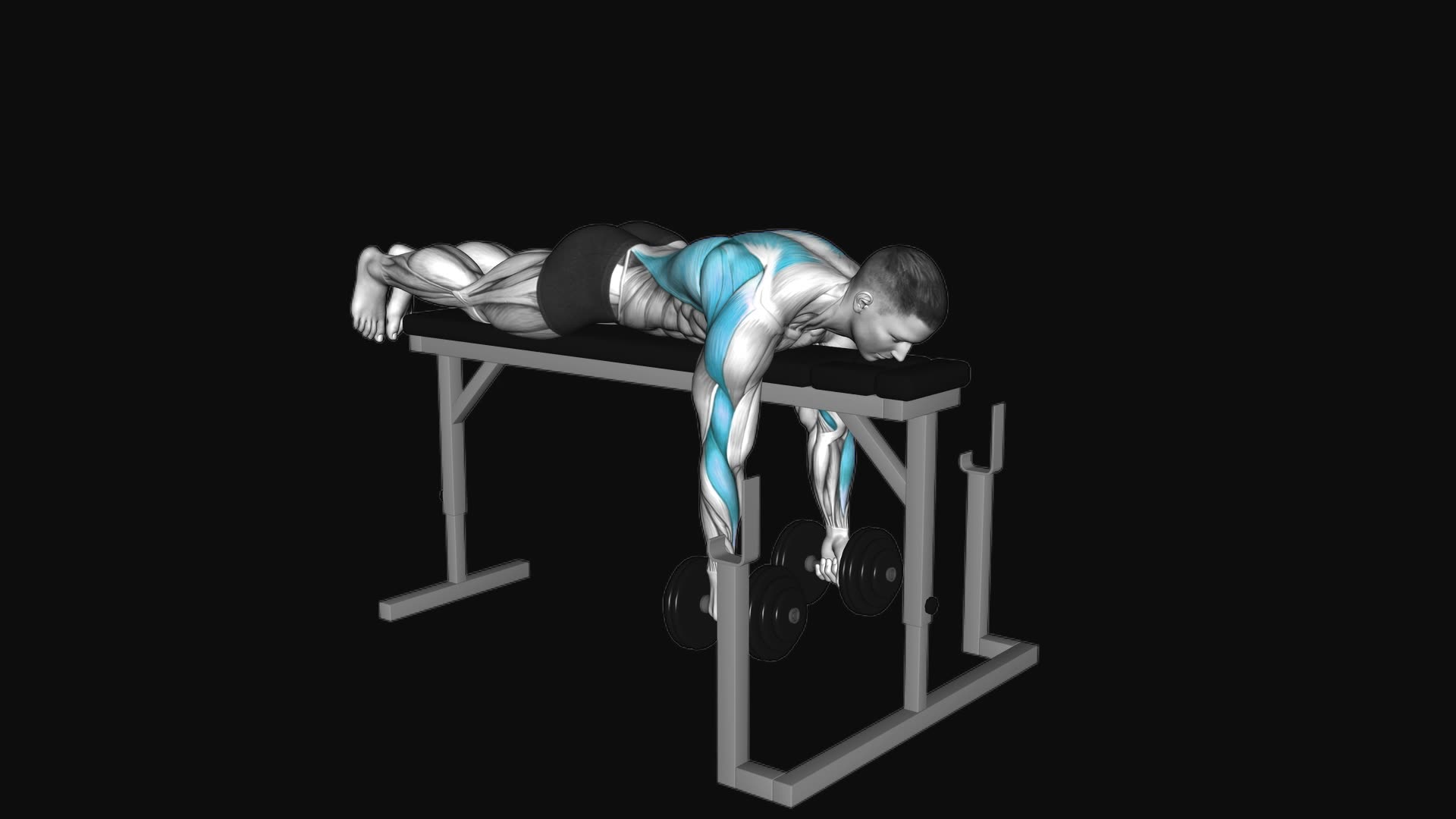
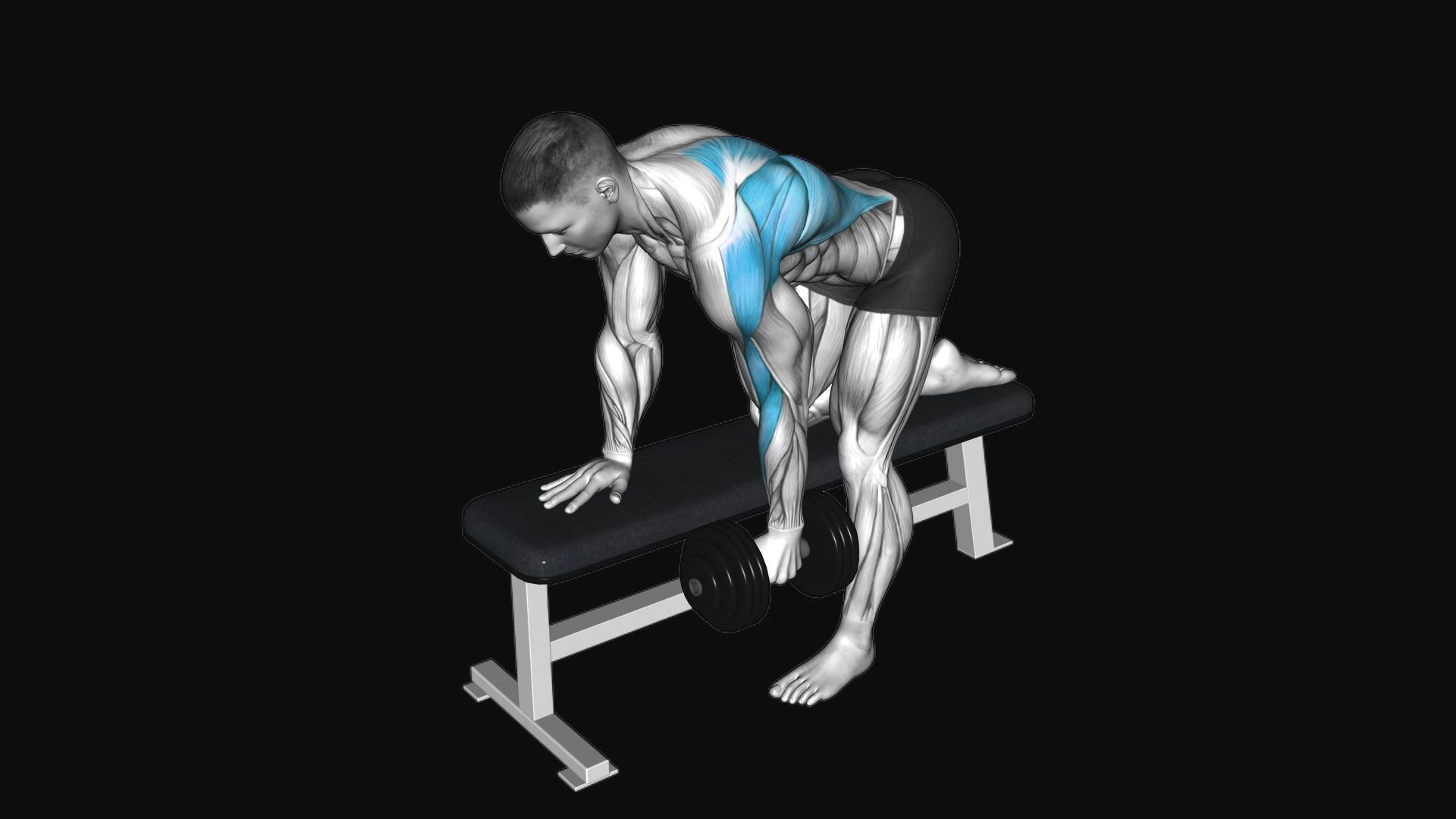
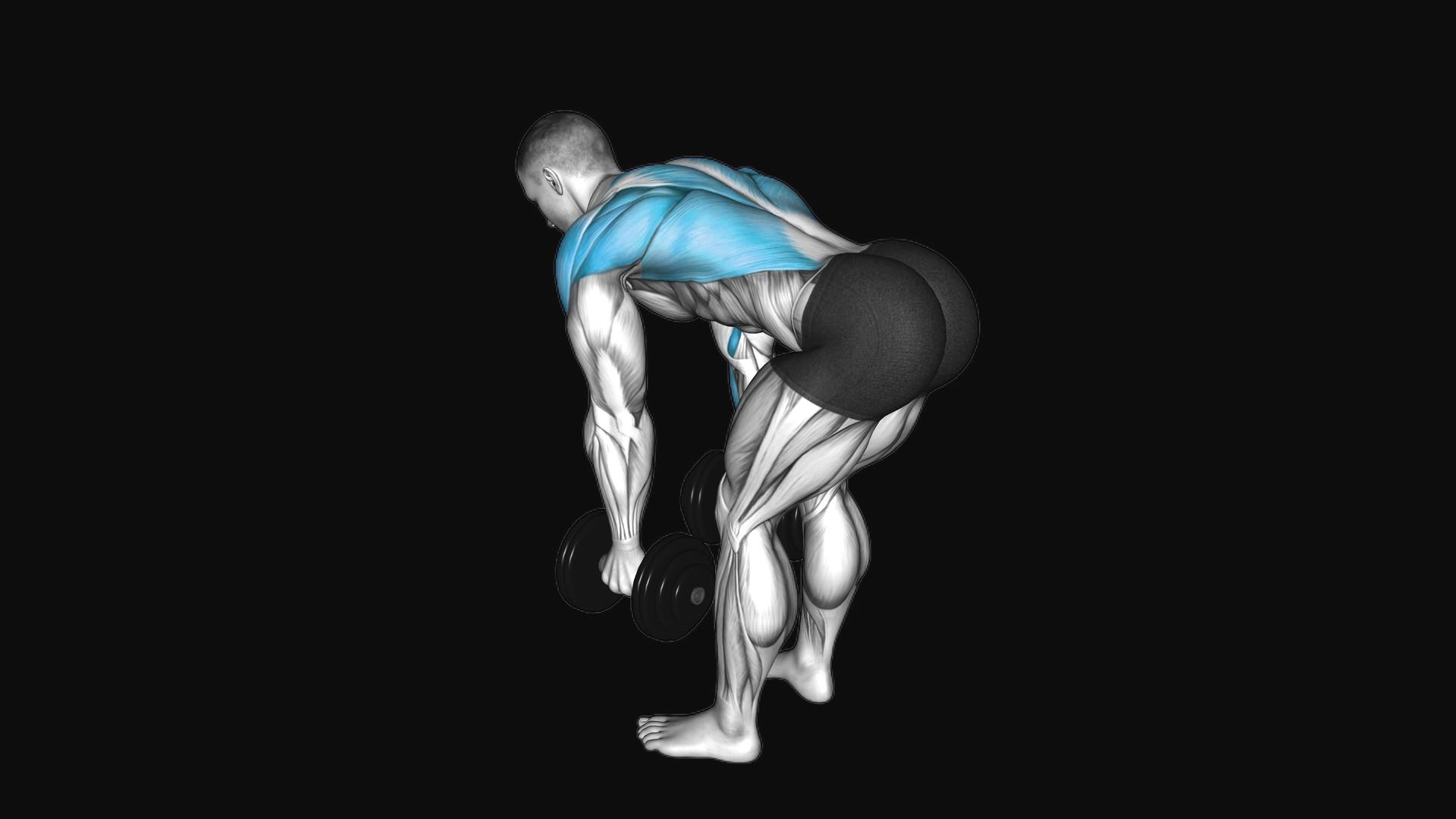
Back · Dumbbells
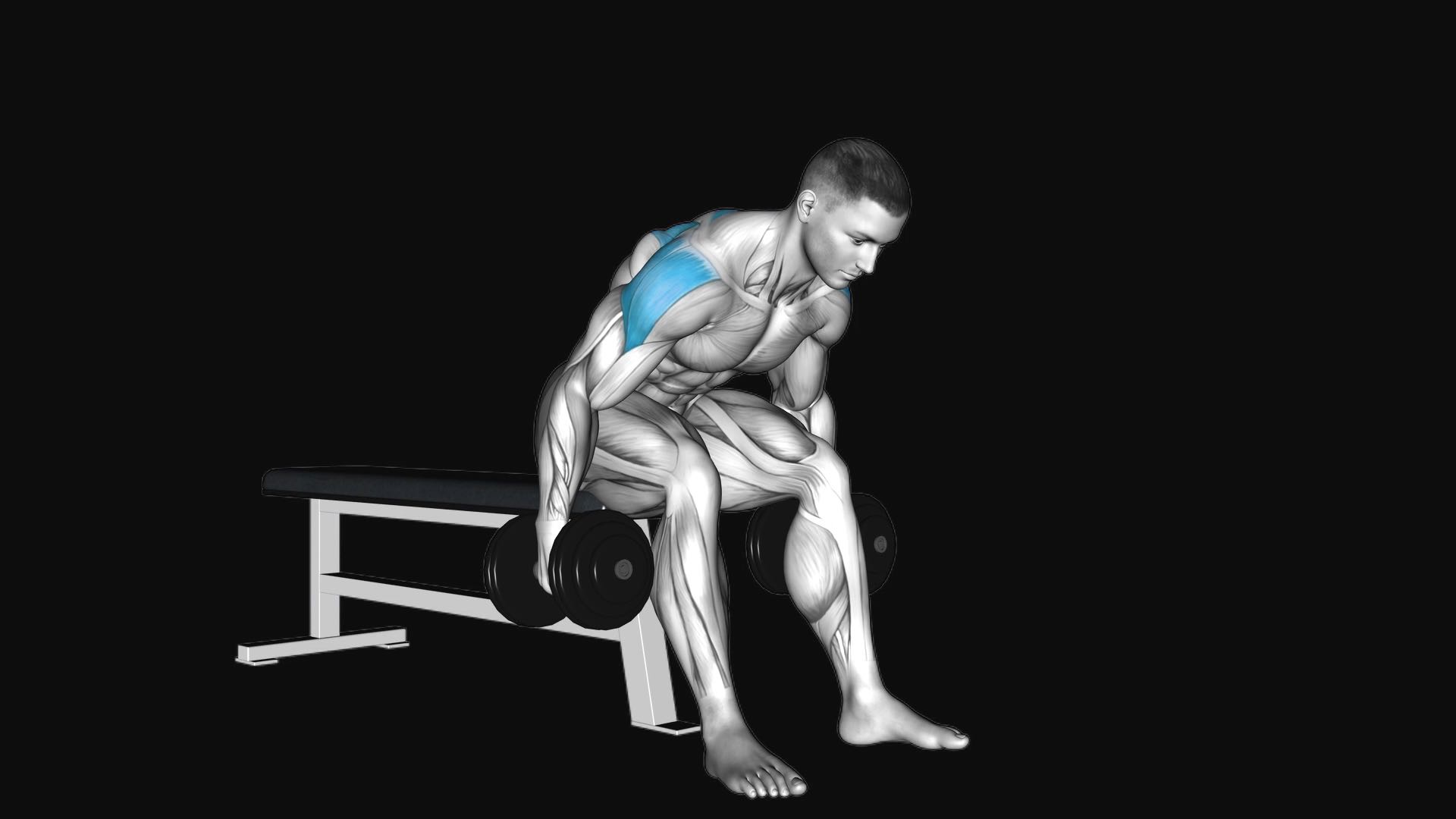
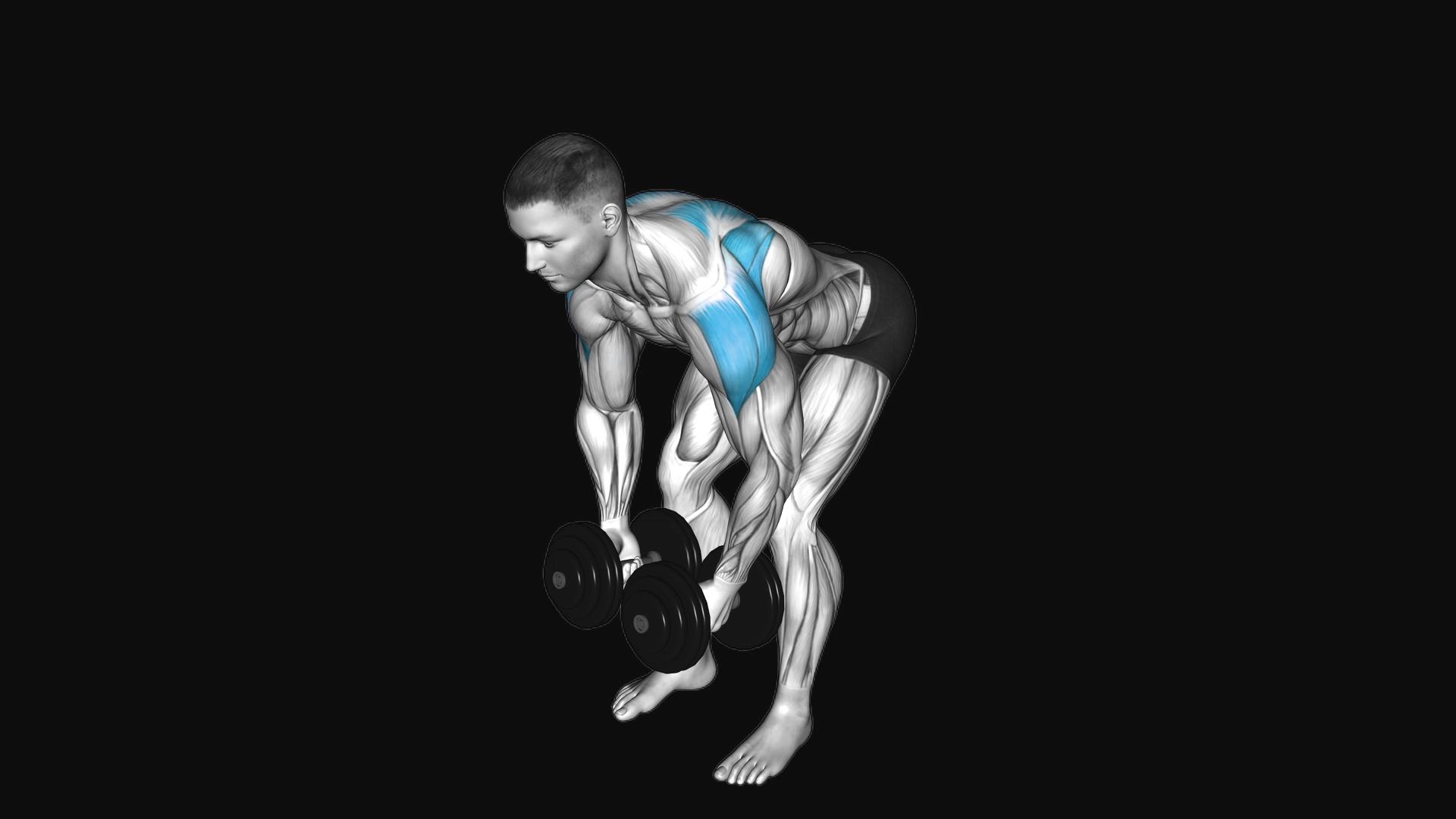
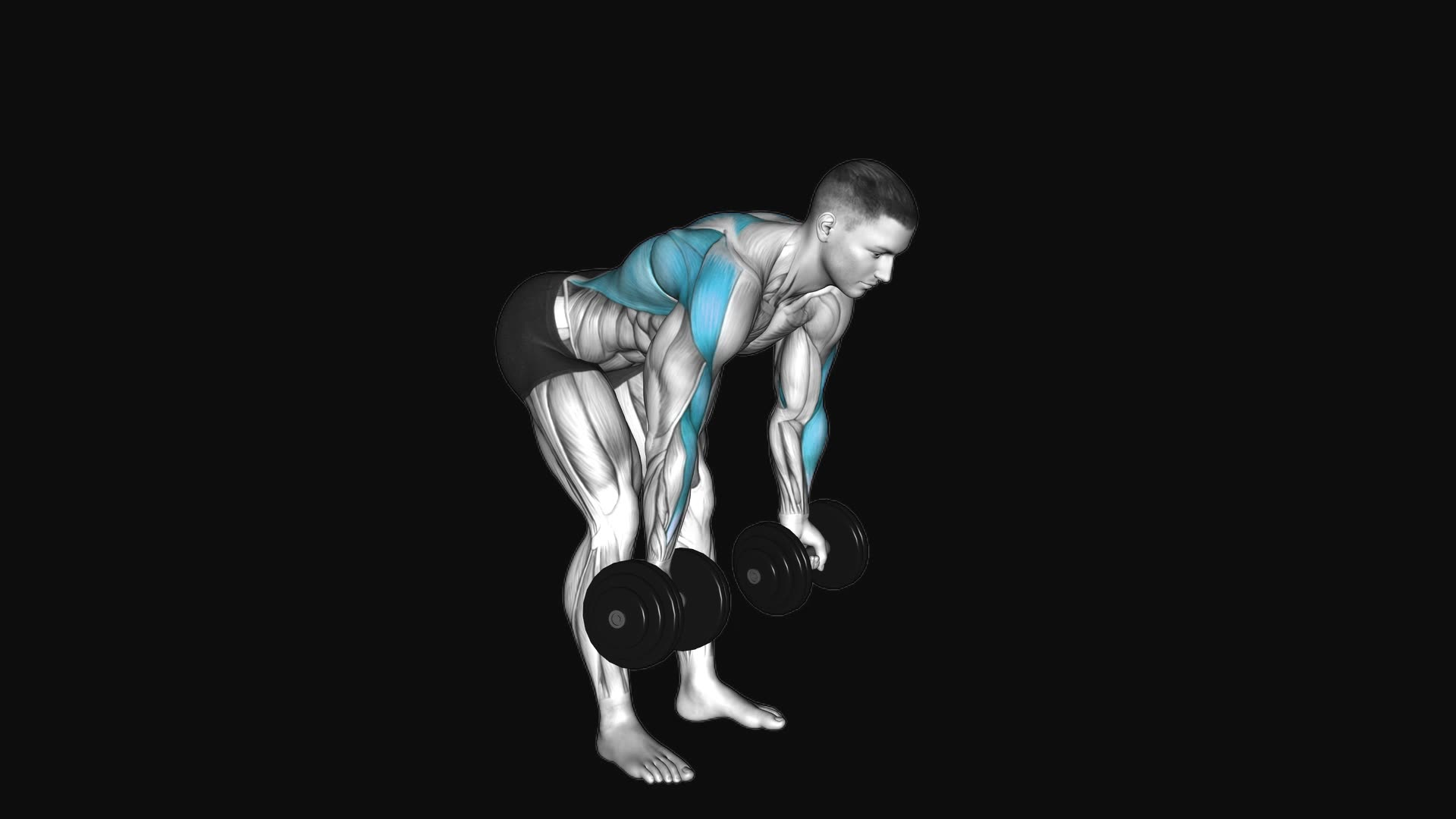
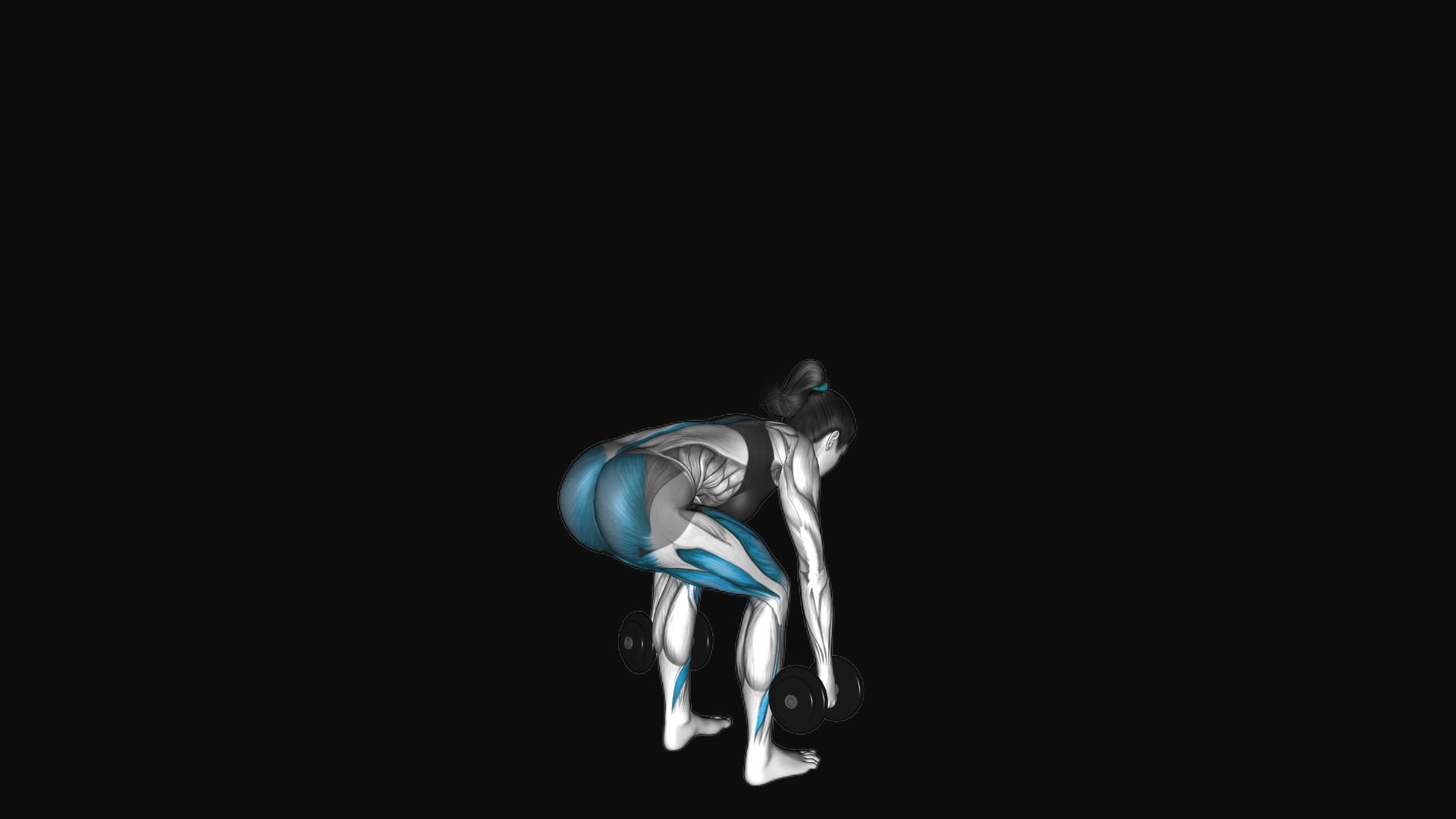
Dumbbell Shrug
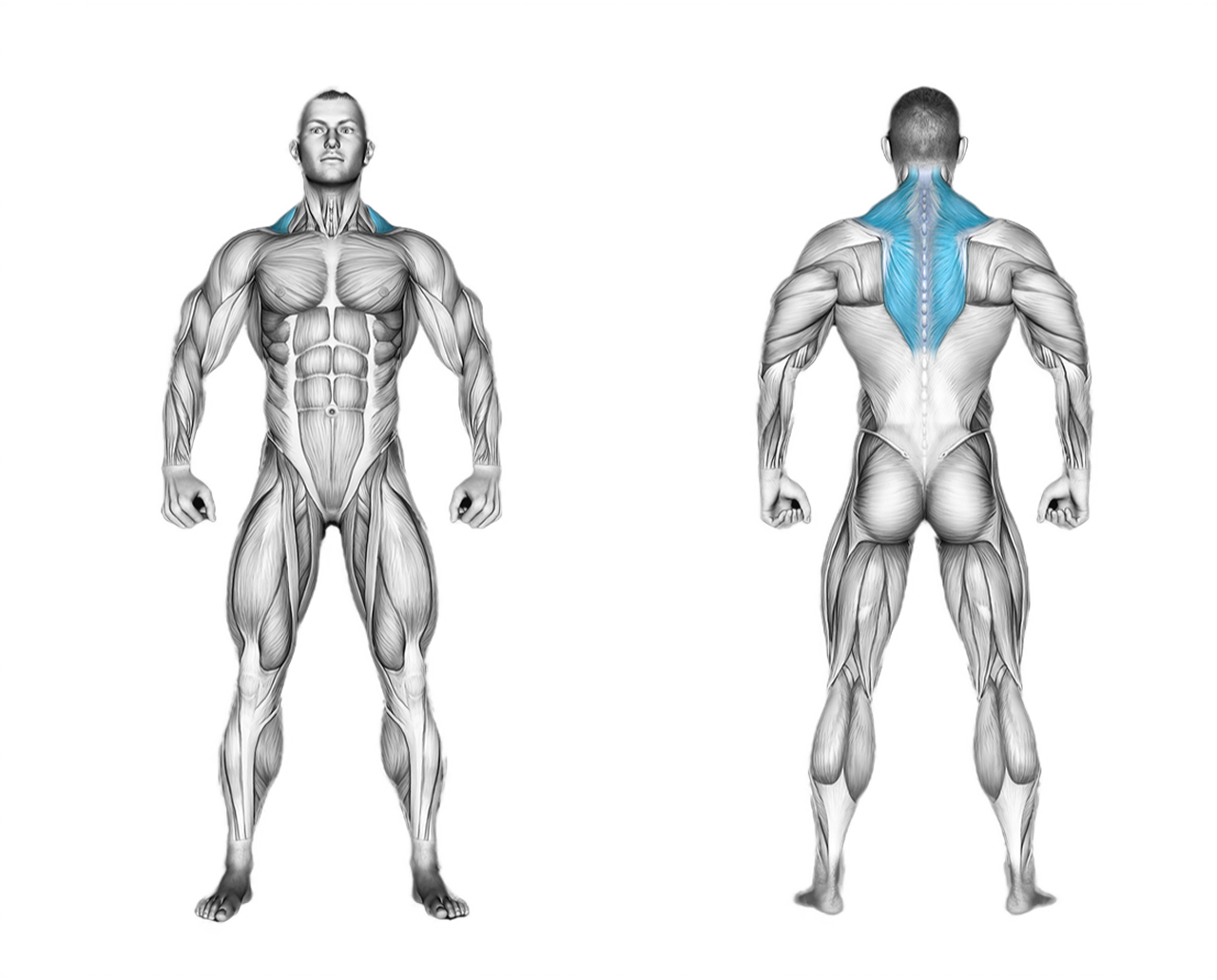
The dumbbell shrug is an isolation movement designed to build the upper trapezius muscles and enhance shoulder stability. It suits lifters of all experience levels and fits naturally toward the end of a back or shoulder workout.
- Equipment
- Dumbbells
- Type
- Strength
- Animation
- Men and women
How to do it
- Stand with your feet shoulder-width apart, holding a dumbbell in each hand at your sides, palms facing your body.
- Keep your back straight and your shoulders relaxed.
- Inhale and brace your core. Exhale as you lift your shoulders as high as you can, squeezing your trapezius muscles.
- Keep your arms straight throughout the movement.
- Hold the contraction at the top for a moment.
- Slowly lower your shoulders back to the starting position.
Common mistakes
- Rolling the shoulders at the top places unnecessary shearing stress on the rotator cuff and cervical spine without increasing muscle activation.
- Bending the elbows turns the movement into a partial arm pull, taking the load off the traps.
- Using leg drive or torso swinging creates momentum that bypasses the target muscles and strains the lower back.
- Jutting the chin forward under load strains the neck muscles and disrupts spinal alignment.
Tips
- Pause for a full second at the peak of the lift to maximize contraction in the upper traps.
- Use lifting straps if grip fatigue limits your ability to overload the target muscles with heavier dumbbells.
- Lower the weights slowly to achieve a deep, controlled stretch at the bottom of each repetition.
Sets and reps
Perform 3 to 4 sets of 10 to 15 controlled repetitions, resting 60 to 90 seconds between sets to optimize muscle growth.
Muscles worked
Your coach guides every set
Turn on the coach in Gloox: it asks how you feel, picks the weight from your history and cues technique and rest. Rate each set and the next one is tuned to you.

On a computer? Point your phone's camera here to get the app.
Questions
Why choose dumbbells over a barbell for shrugs?
Dumbbells allow for a neutral grip at your sides, which matches your natural shoulder anatomy and prevents the bar from rubbing against your thighs.
Is the dumbbell shrug safe if you have lower back issues?
Yes, because the weights stay directly aligned with your center of gravity, but maintain an upright posture and stop immediately if you feel pain.