Back · Dumbbells
Dumbbell Rear Fly
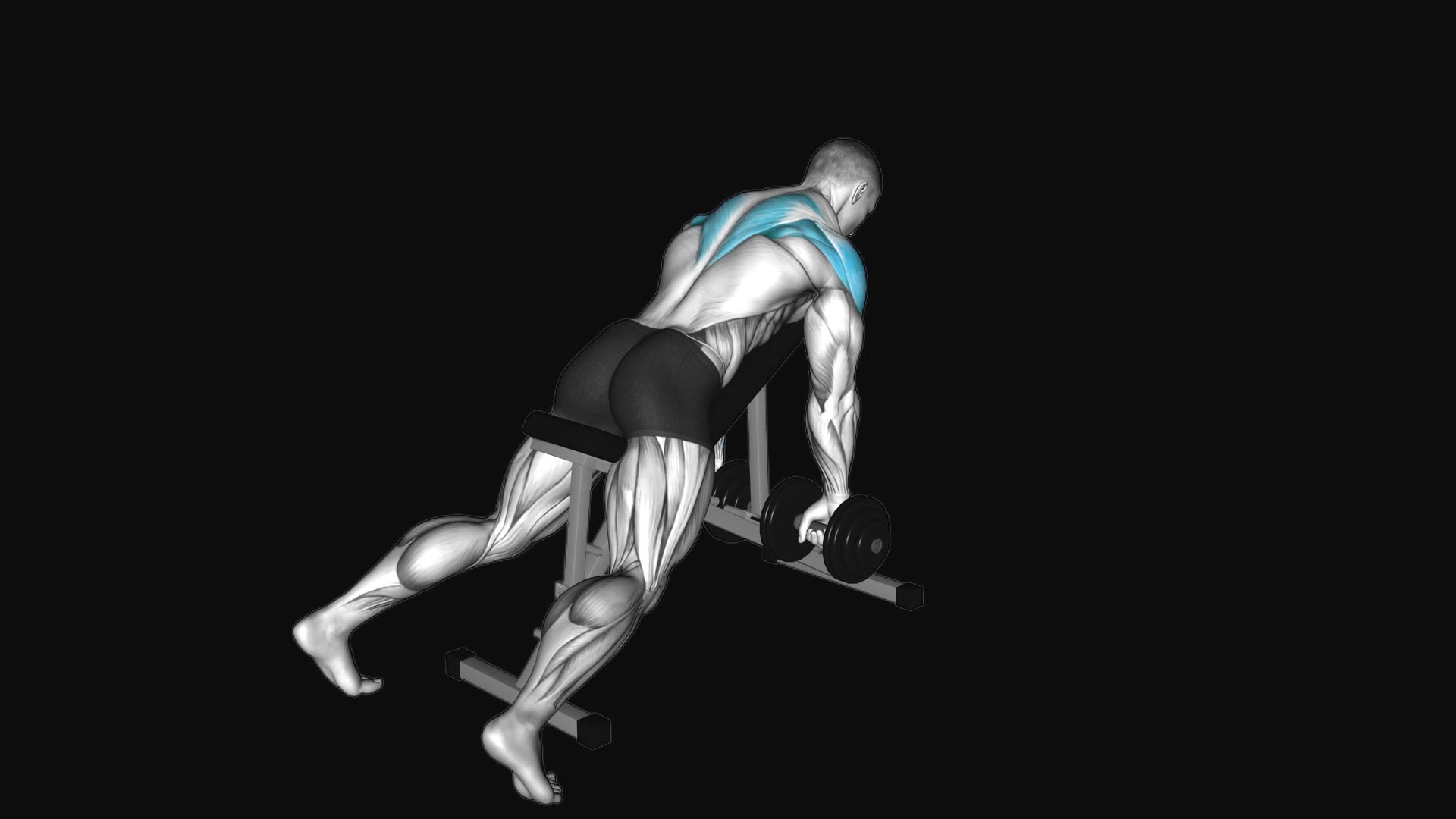
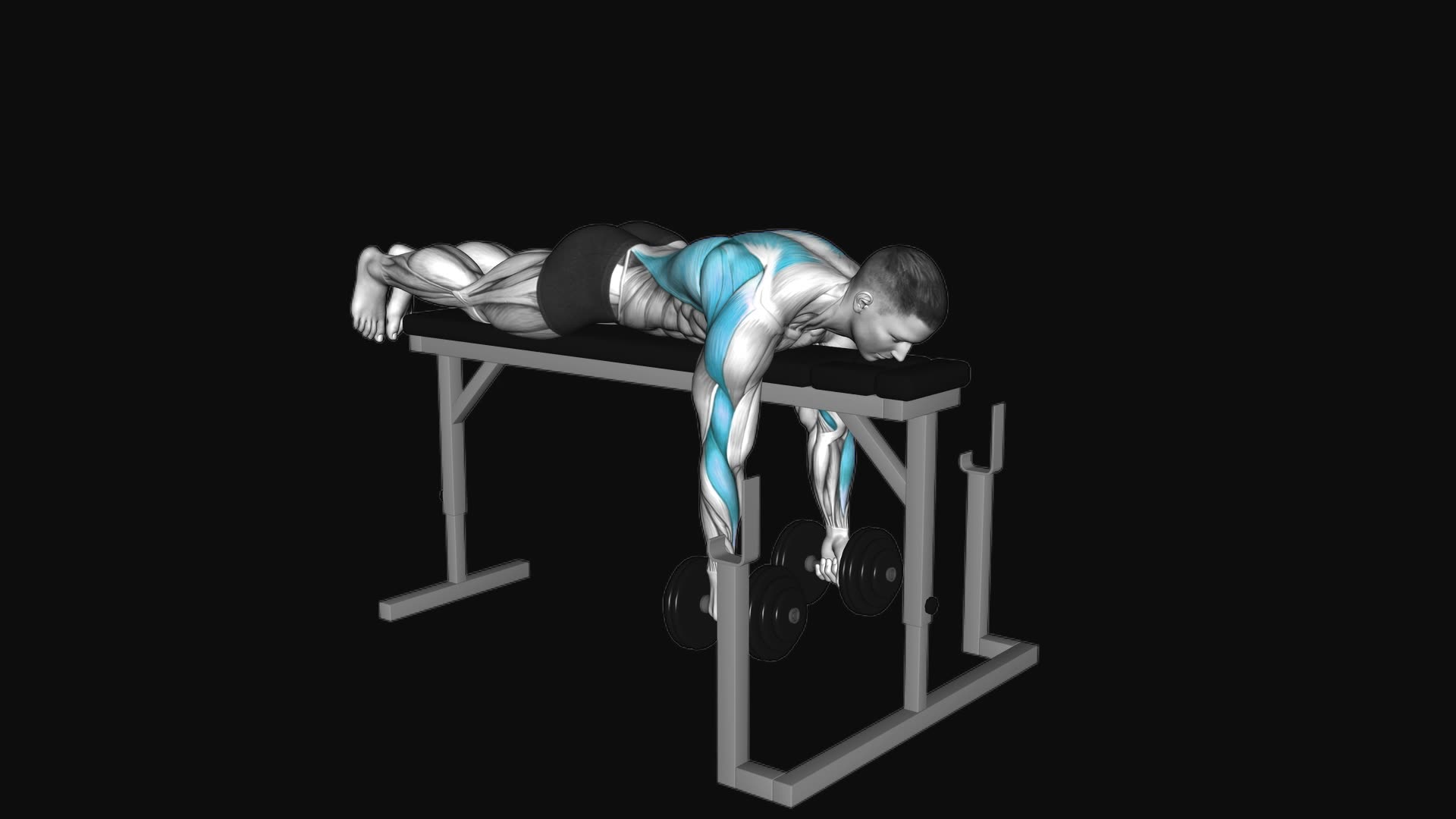
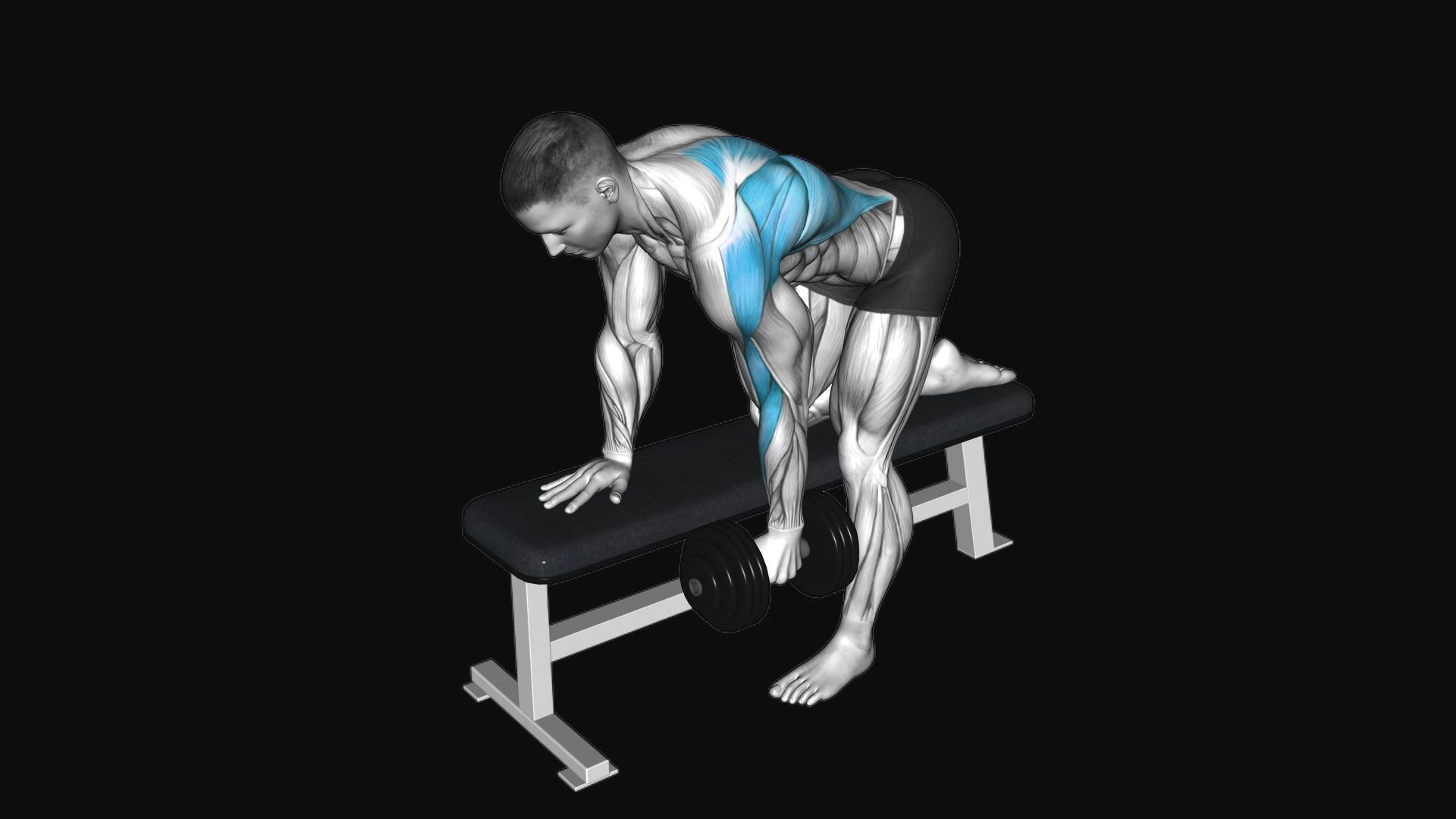
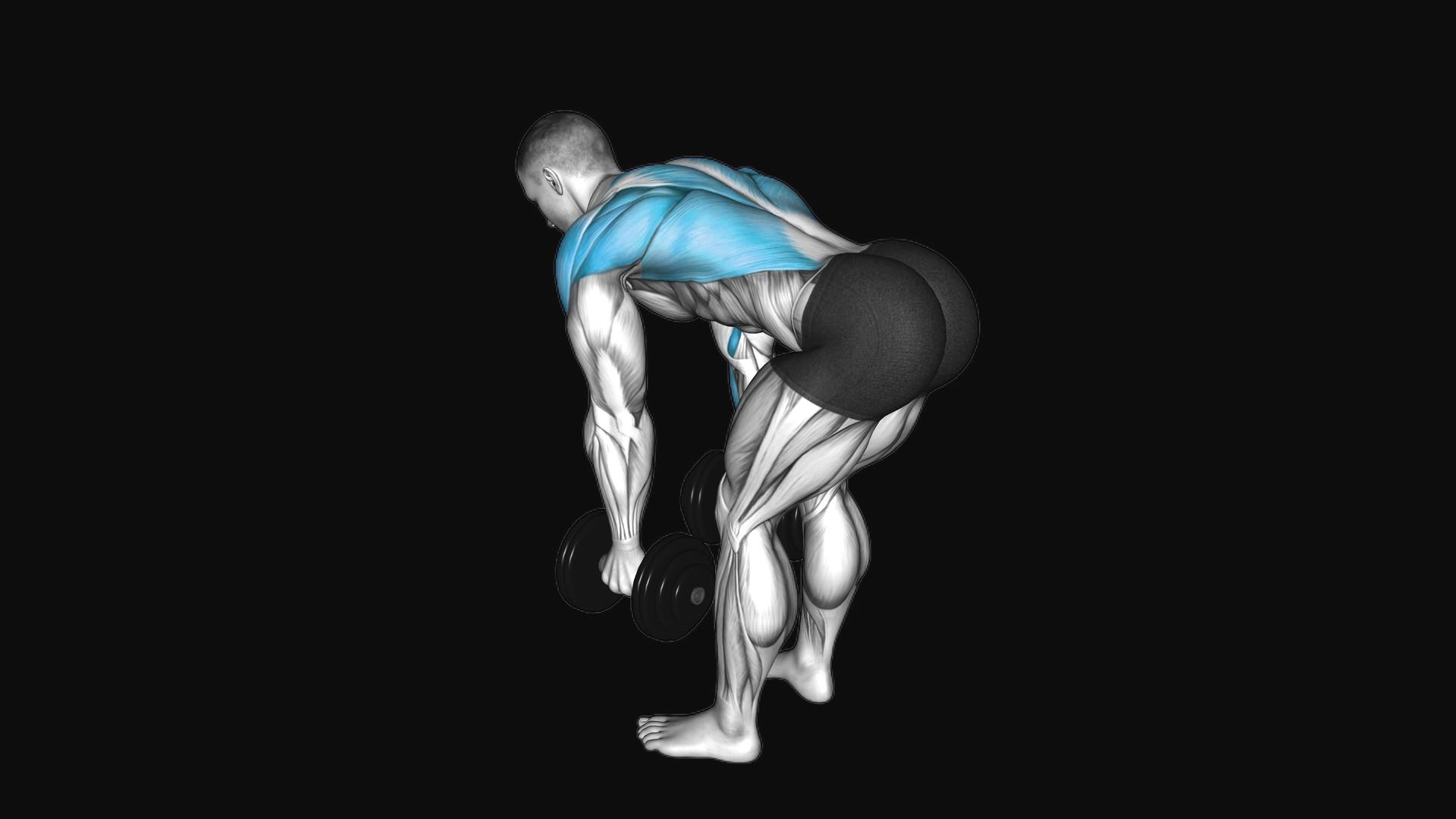
The dumbbell rear fly is an isolation exercise designed to target the posterior deltoids and upper back musculature. It is suitable for all fitness levels and fits best toward the end of an upper-body or push-pull workout to improve posture and shoulder balance.
- Equipment
- Dumbbells
- Type
- Strength
- Animation
- Men and women
How to do it
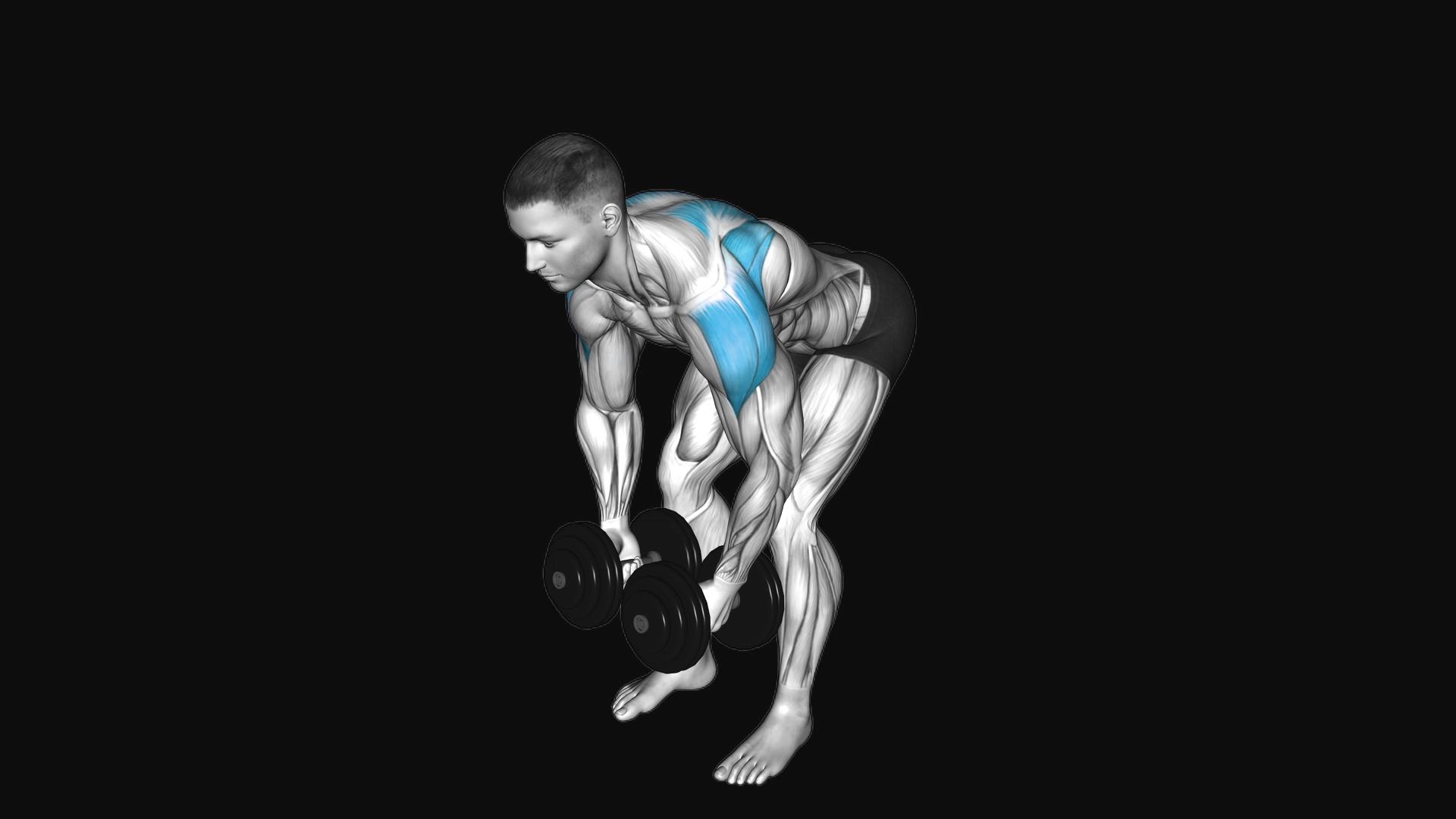
- Sit on the edge of a bench with your feet flat on the floor.
- Lean forward from your hips, keeping your back straight.
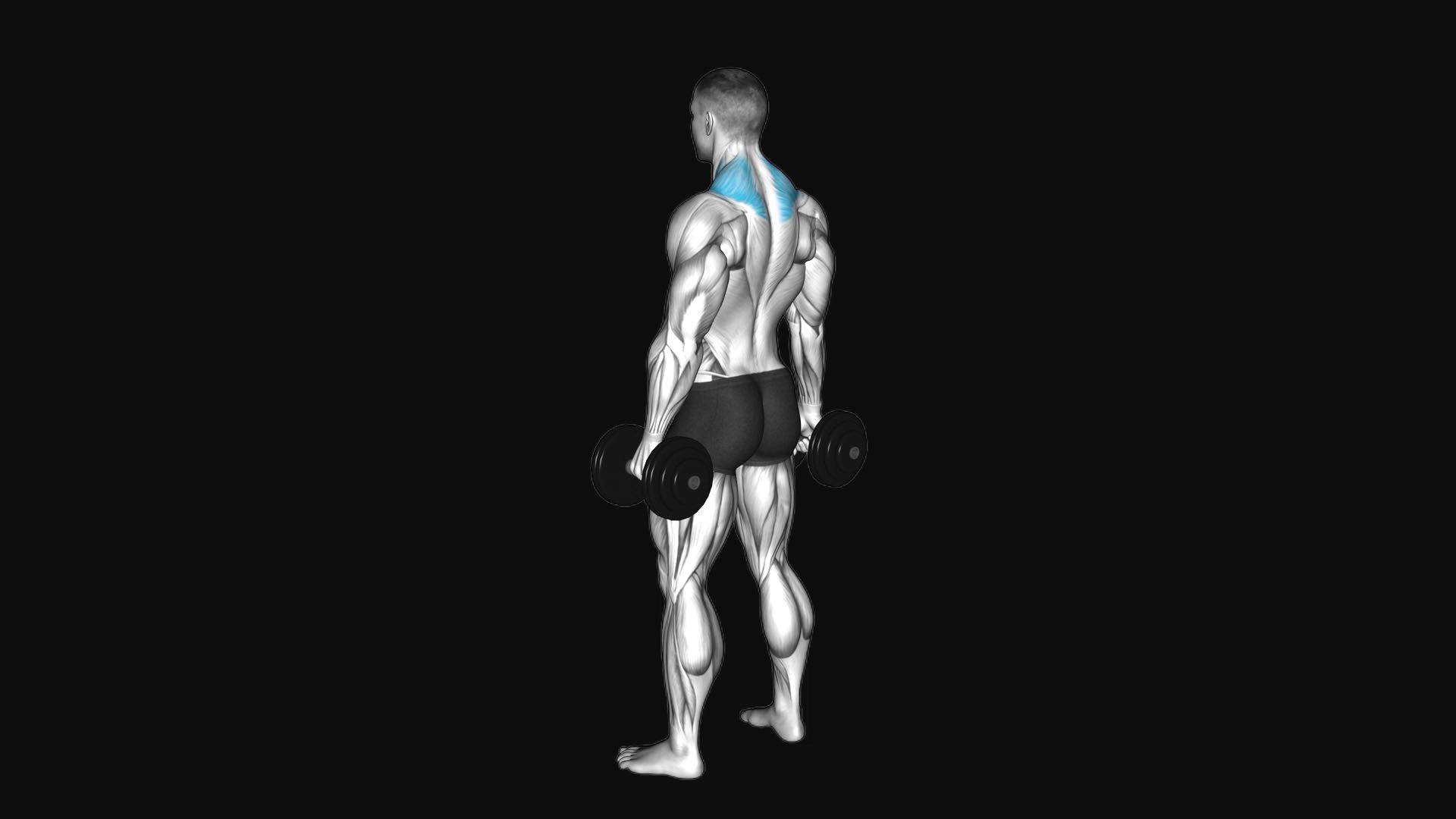
- Hold a dumbbell in each hand, arms hanging down and palms facing each other.
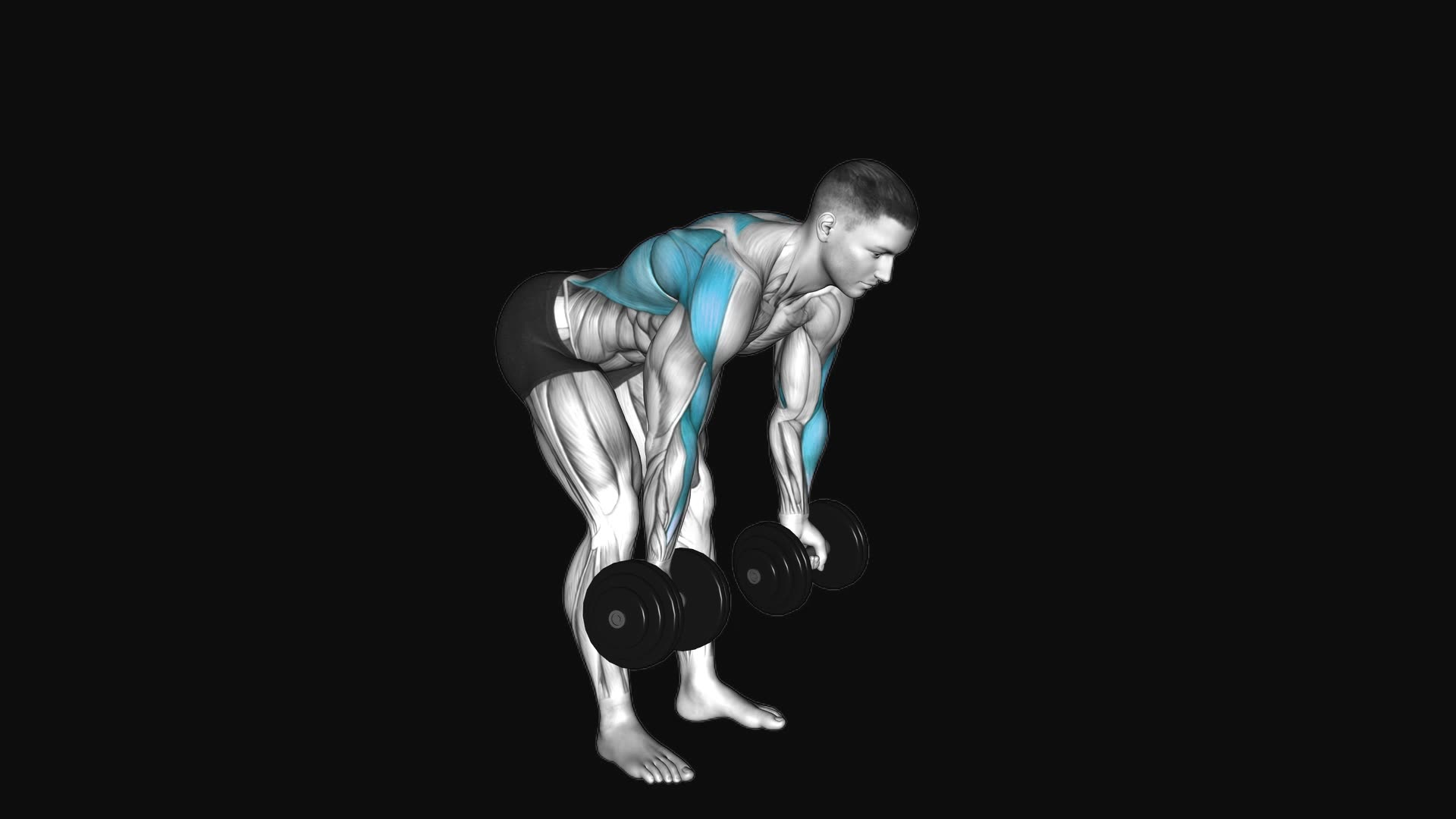
- Inhale and brace your core. Exhale as you lift the dumbbells out and up in a wide arc, squeezing your shoulder blades together.
- Focus on using your upper back and rear deltoid muscles.
- Keep your movements controlled and avoid swinging the weights.
- Slowly lower the dumbbells back to the starting position, feeling the tension in your upper back.
Common mistakes
- Using excessive weight forces the torso to swing, shifting tension away from the rear delts and onto the lower back.
- Bending the elbows too much turns the fly into a row, reducing isolation on the posterior deltoid.
- Shrugging the shoulders upward during the lift overactivates the upper traps and causes unnecessary neck strain.
Tips
- Keep a slight, fixed bend in your elbows and focus on leading the movement with your elbows rather than your hands.
- Keep your torso completely motionless throughout the set to eliminate swinging and momentum.
- Control the eccentric phase by lowering the dumbbells slowly rather than letting them drop.
Sets and reps
Perform 3 to 4 sets of 12 to 20 reps using light to moderate weights to maintain strict isolation. Rest 60 to 90 seconds between sets.
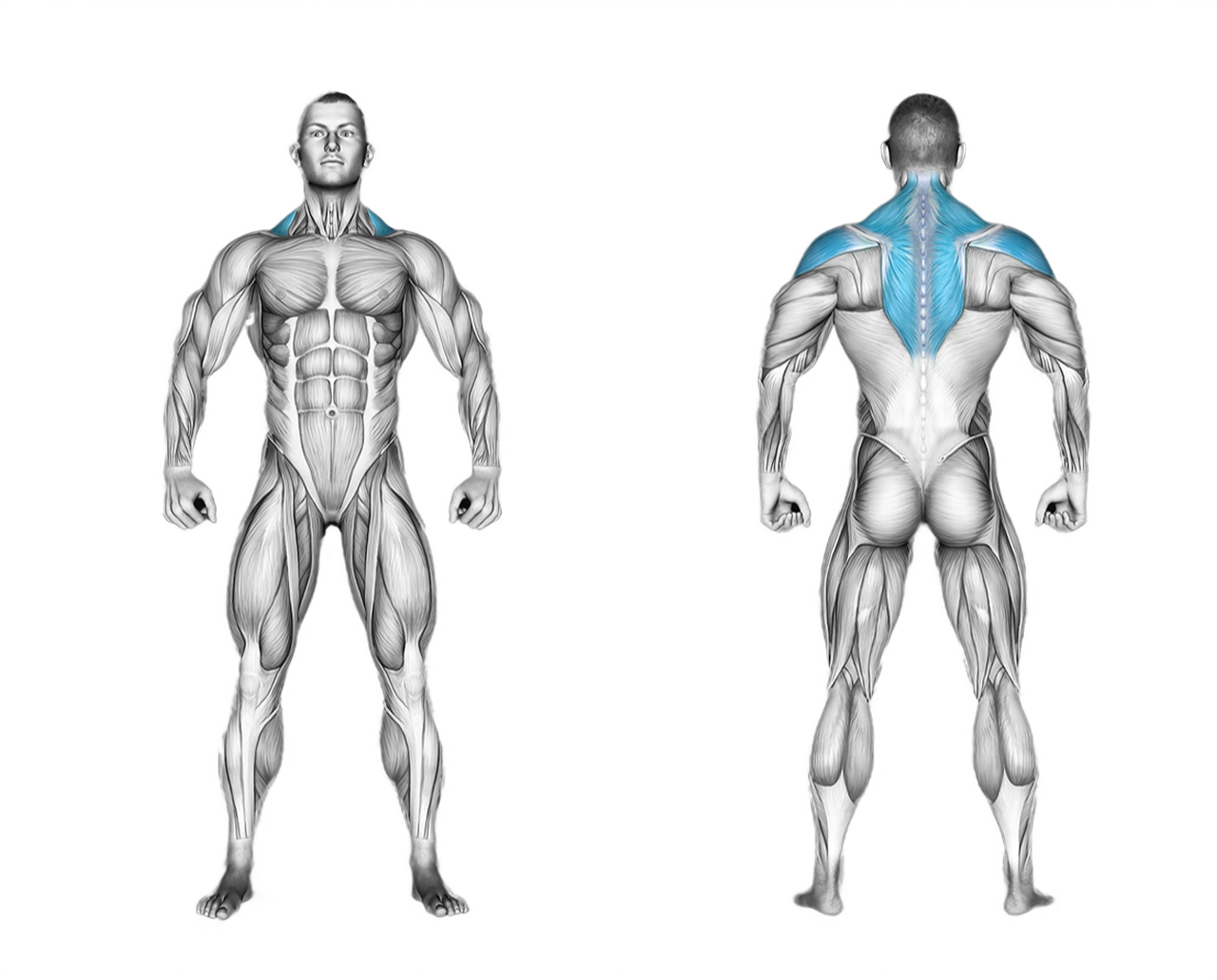
Muscles worked
Your coach guides every set
Turn on the coach in Gloox: it asks how you feel, picks the weight from your history and cues technique and rest. Rate each set and the next one is tuned to you.

On a computer? Point your phone's camera here to get the app.
Questions
Which muscles work most during the dumbbell rear fly?
The posterior deltoid is the primary mover, supported by the rhomboids and middle trapezius.
Can dumbbell rear flies be performed with lower back sensitivity?
Performing the movement seated with your chest resting on your thighs or lying prone on an incline bench removes strain from the lower back.