Legs · Dumbbells
Dumbbell Single Leg Split Squat
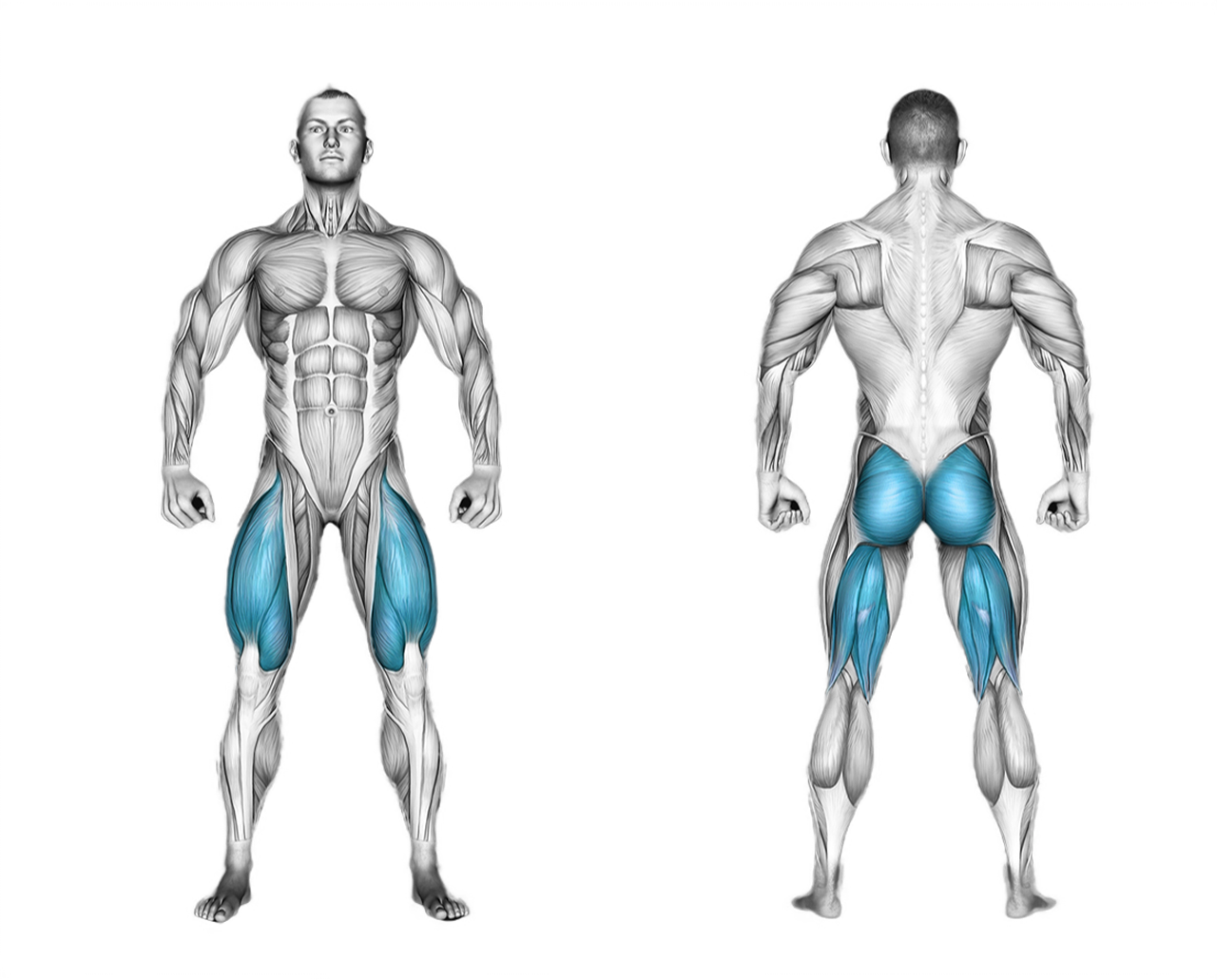
The dumbbell single leg split squat is a unilateral lower-body compound movement that intensely targets the glutes and quadriceps while challenging core stability. It suits lifters of all experience levels seeking to fix strength asymmetries and fits naturally in the beginning or middle of a leg workout.
- Equipment
- Dumbbells
- Type
- Strength
- Animation
- Men and women
How to do it
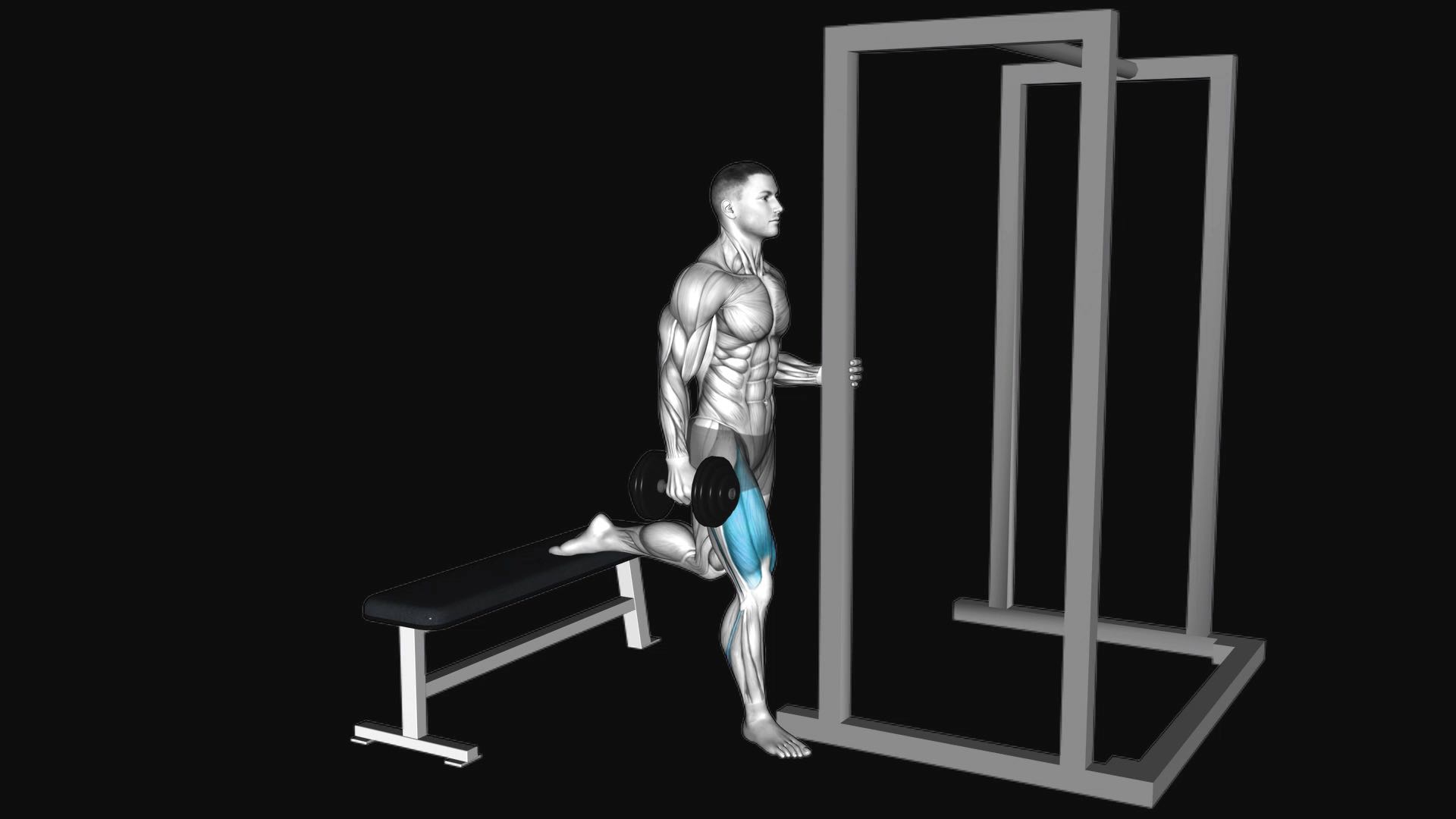
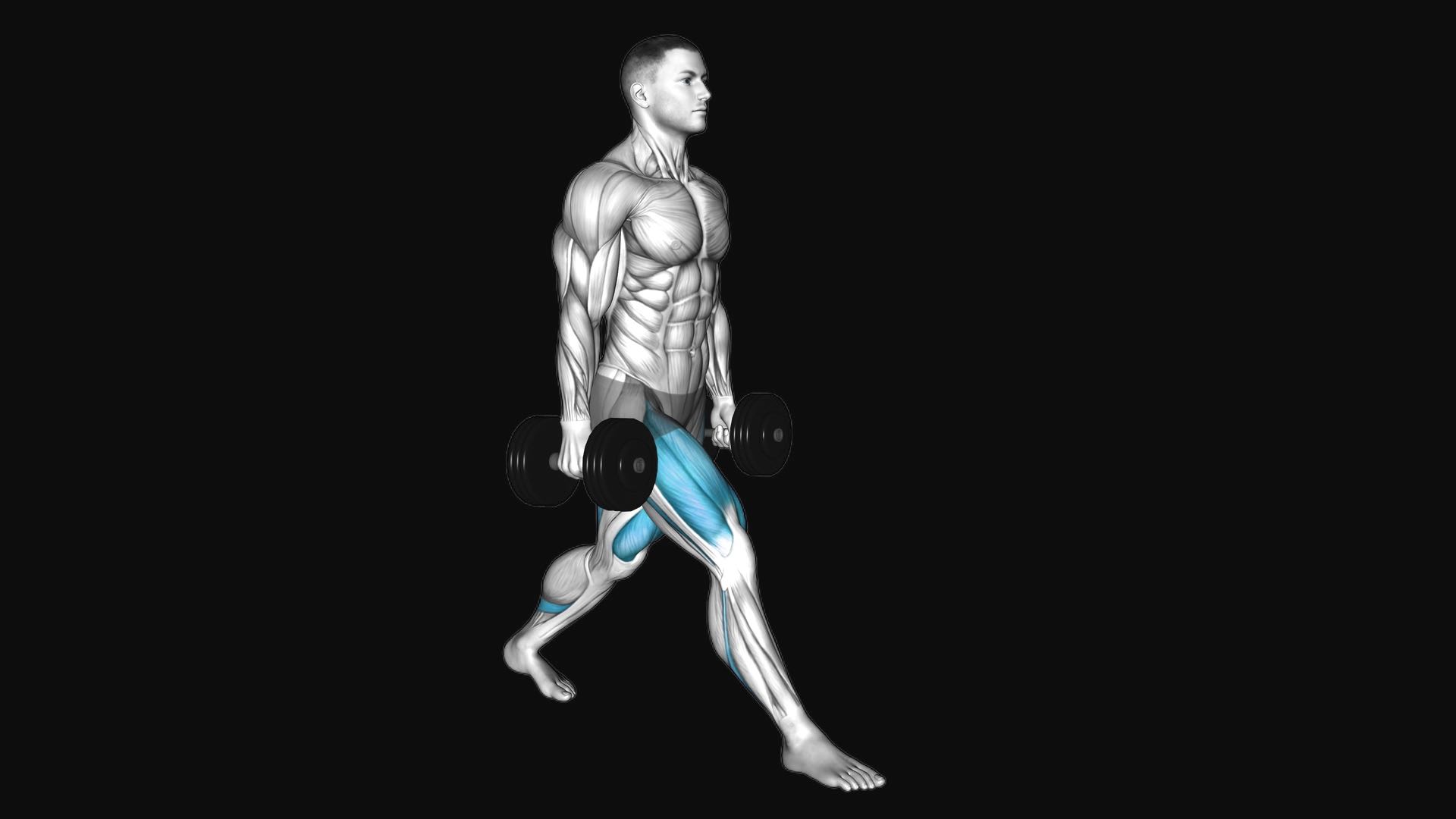
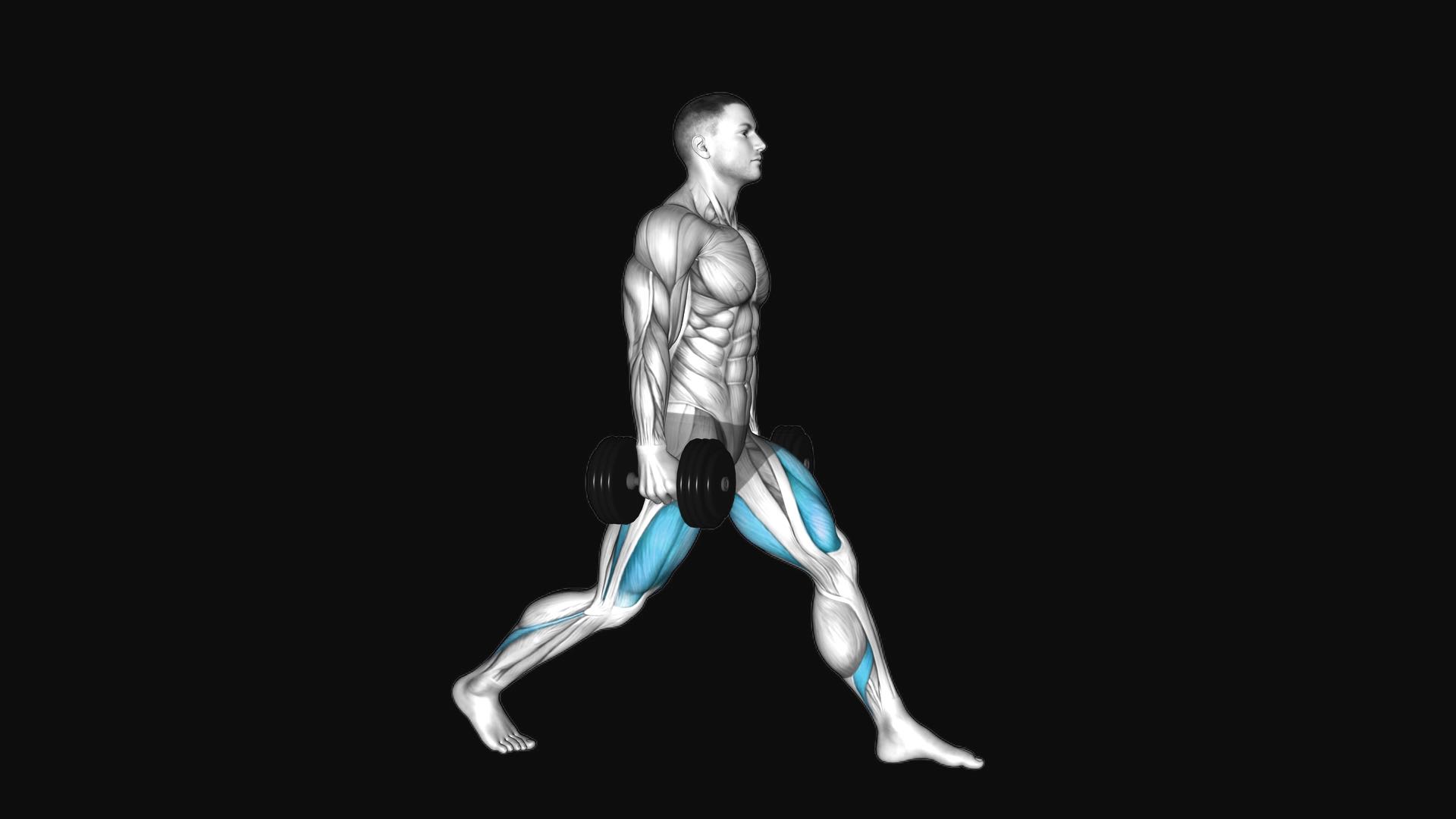
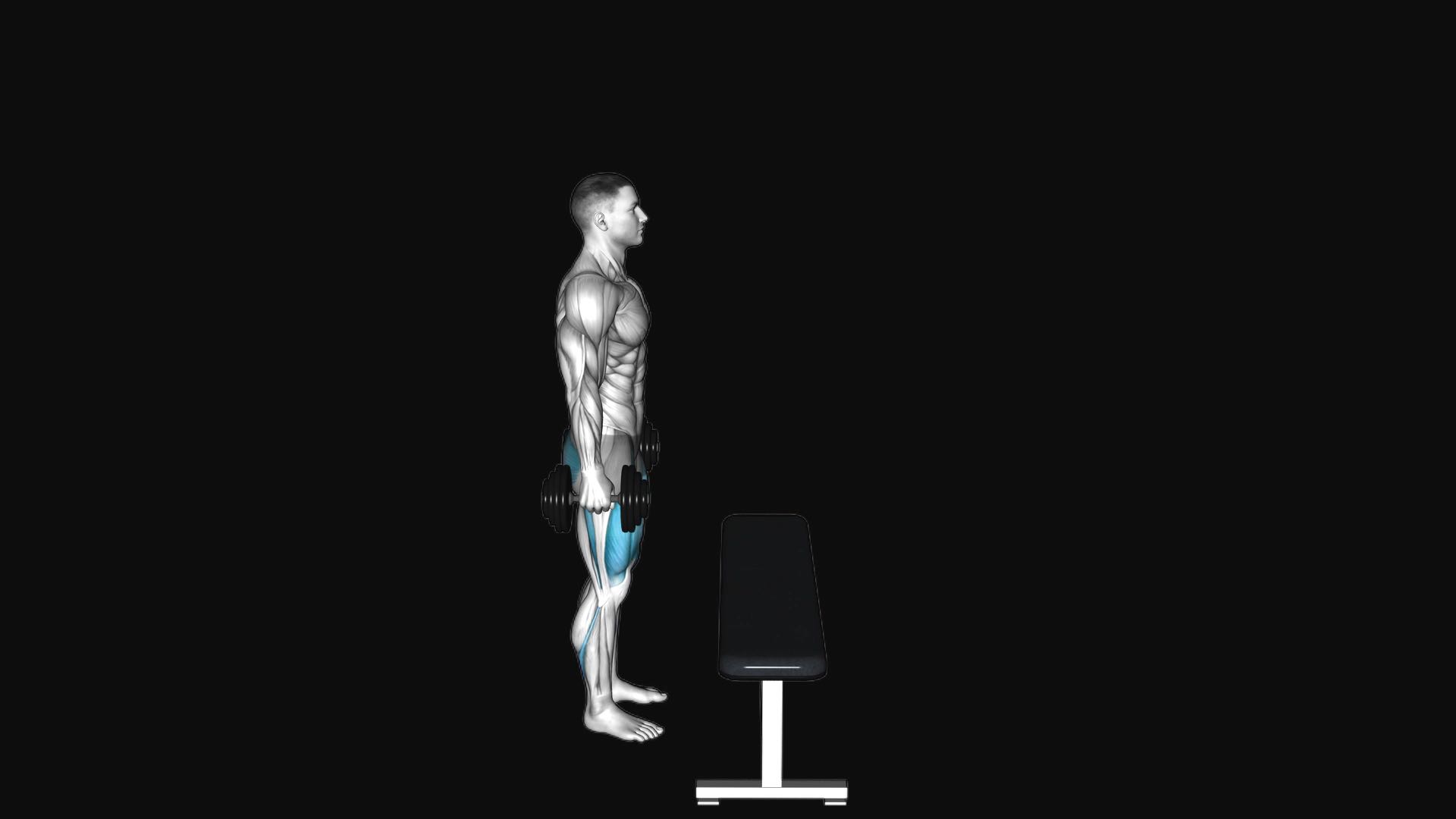
- Stand facing away from a bench and hold a dumbbell in each hand at your sides.
- Place one foot on the bench behind you.
- Lower your body by bending your standing leg, keeping your torso upright and your core engaged.
- Continue lowering until your thigh is parallel to the floor.
- Ensure your front knee does not go beyond your toes.
- Drive through your front heel to return to the starting position.
- Repeat for the desired number of reps before switching legs.
Common mistakes
- Setting the front foot too close to or too far from the bench, which overloads the working knee or strains the rear hip flexor.
- Allowing the working knee to cave inward during the ascent, which places damaging torque on the joint.
- Shifting too much body weight onto the elevated back foot instead of keeping the front leg loaded.
- Hyperextending the lower back at the bottom of the movement due to an under-braced core.
Tips
- Keep around eighty percent of your body weight centered over the midfoot and heel of your front leg throughout every rep.
- Hinge slightly forward at the hips to maximize glute tension while maintaining a rigid, neutral spine.
- Fix your eyes on a single stationary spot a few feet ahead on the floor to maintain balance throughout the set.
Sets and reps
Perform 3 to 4 sets of 8 to 12 controlled reps per leg to build balanced lower-body strength and muscle mass, resting 60 to 90 seconds between sides. For muscular endurance, use lighter dumbbells for sets of 12 to 15 reps.
Muscles worked
Your coach guides every set
Turn on the coach in Gloox: it asks how you feel, picks the weight from your history and cues technique and rest. Rate each set and the next one is tuned to you.

On a computer? Point your phone's camera here to get the app.
Questions
Is this exercise safer for the lower back than a traditional barbell back squat?
Yes, holding dumbbells at your sides significantly reduces axial compression on the spine compared to carrying a barbell across your shoulders. If you still experience back pain, stop the exercise and consult a medical professional.
How high should the bench or rear foot support be?
The ideal support height is roughly at or slightly below your knee joint. Using a platform that is too high forces your pelvis to tilt forward and hyperextends the lumbar spine.