Legs · Dumbbells
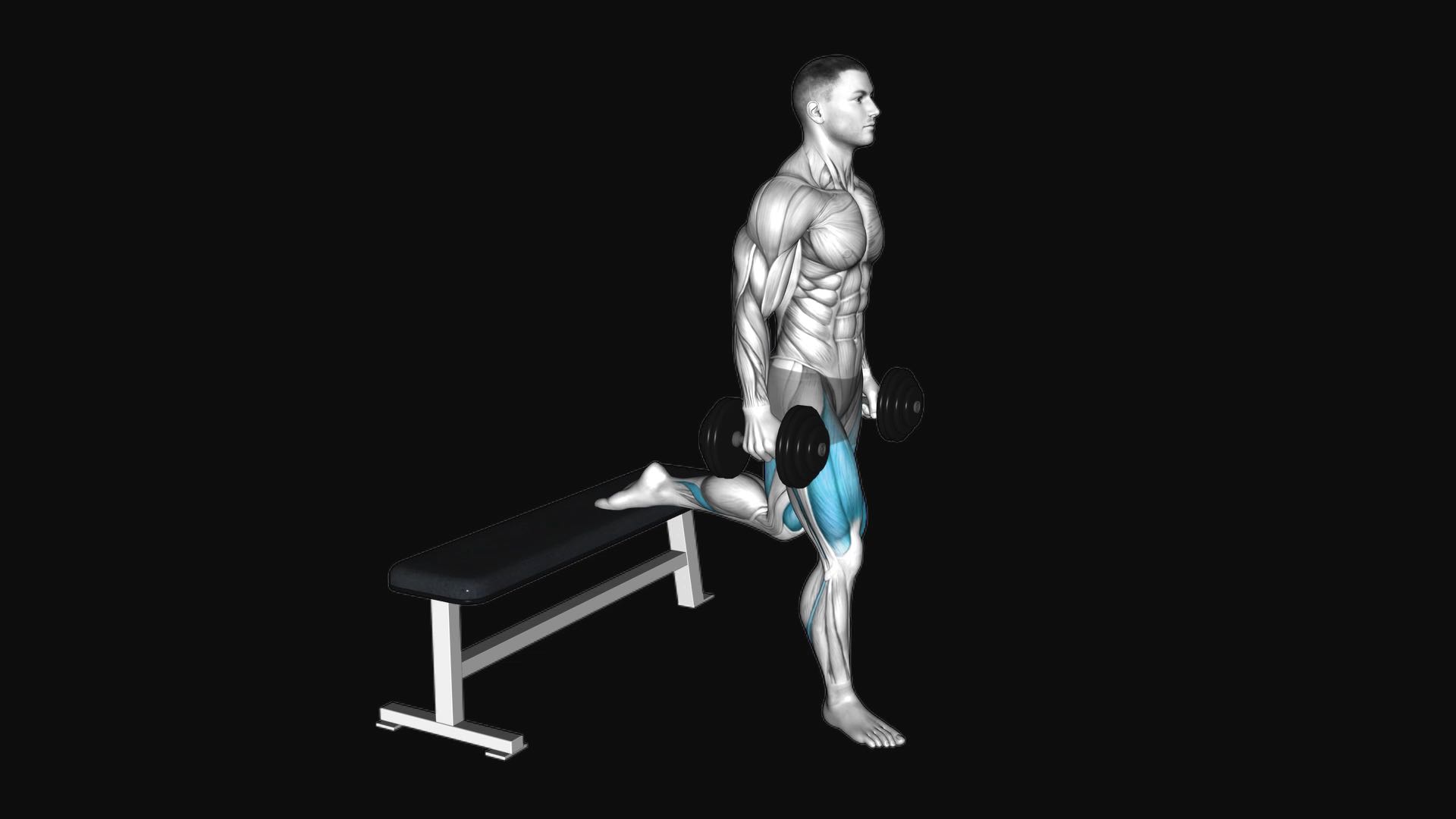
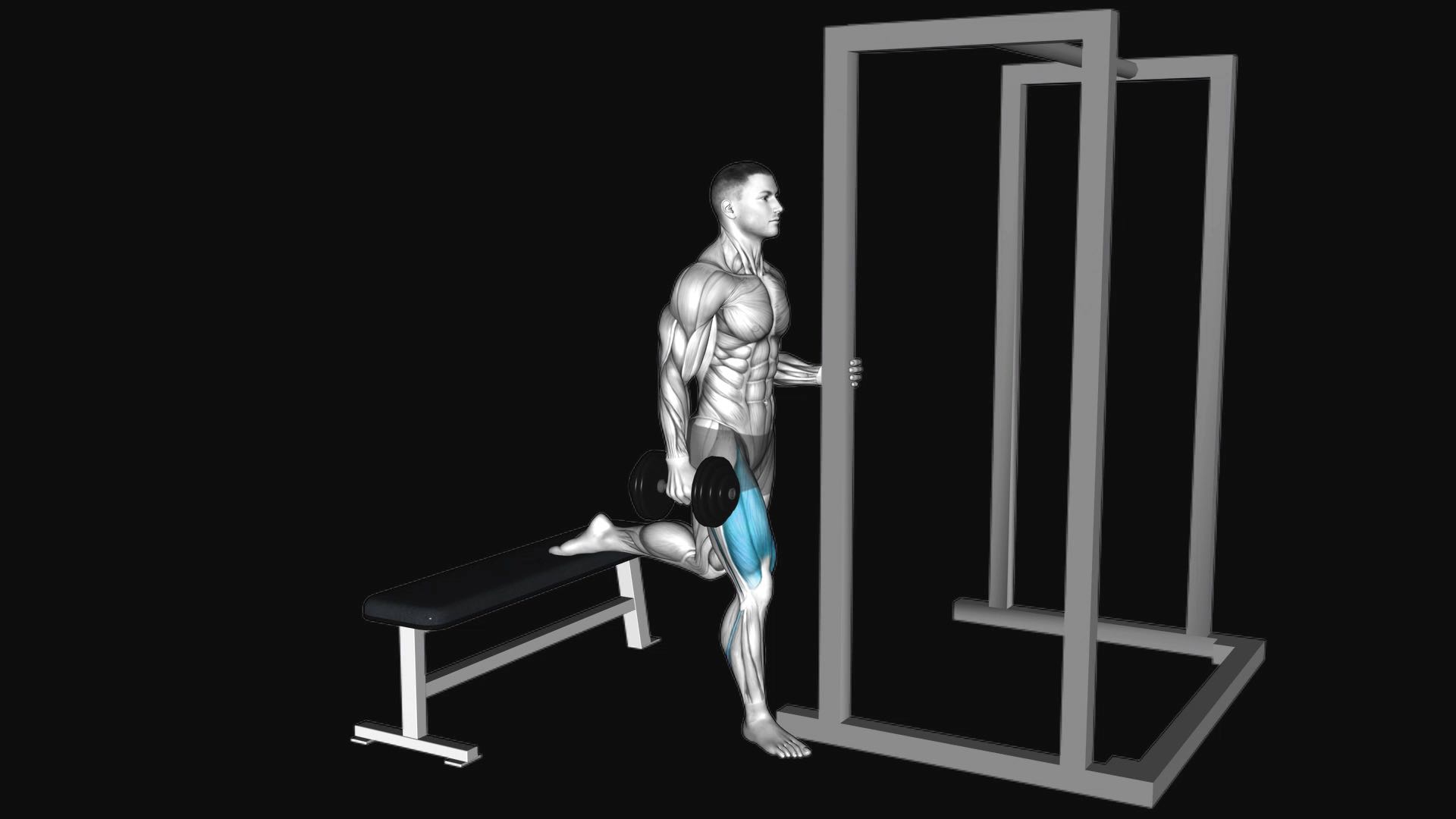
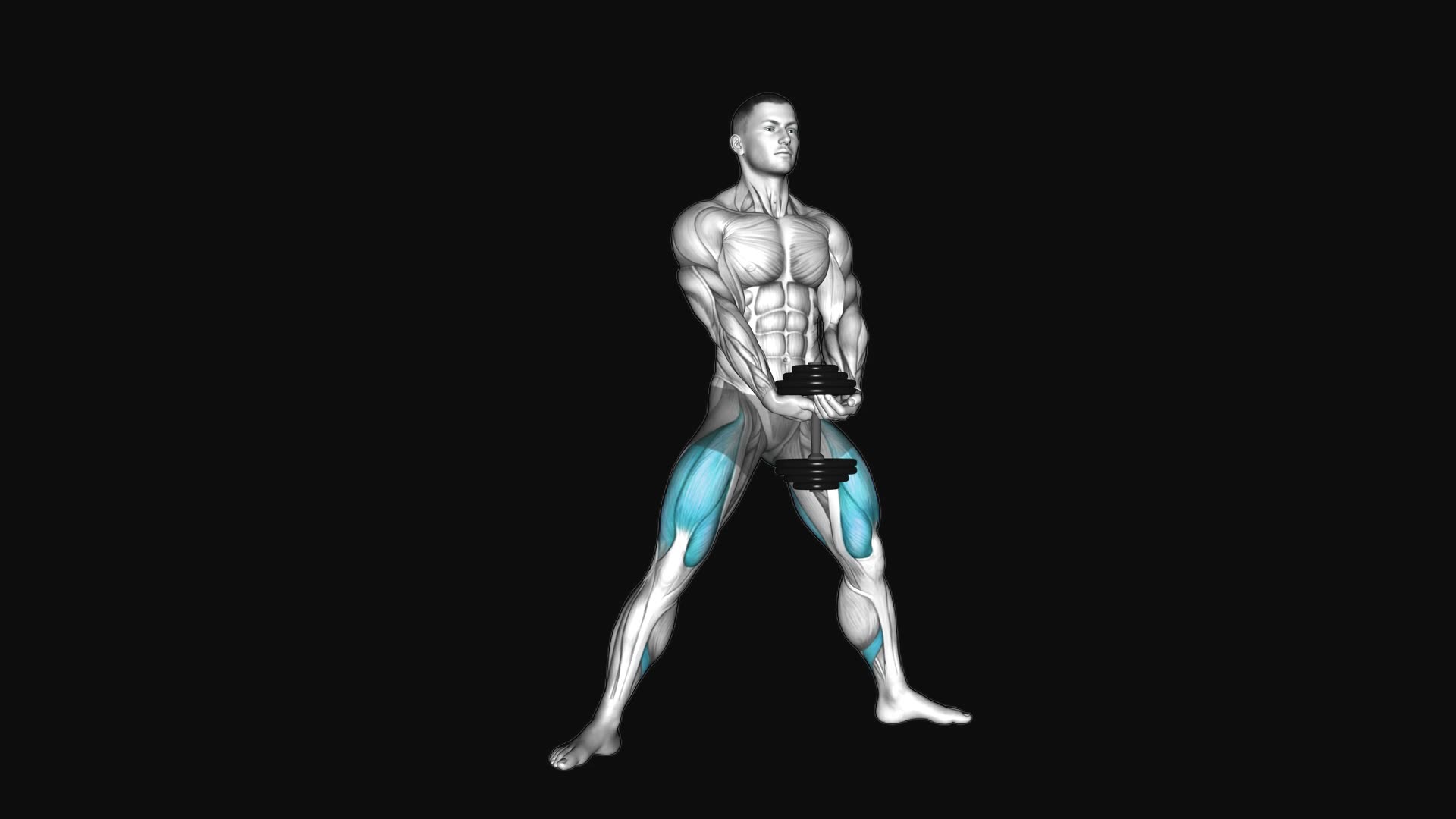
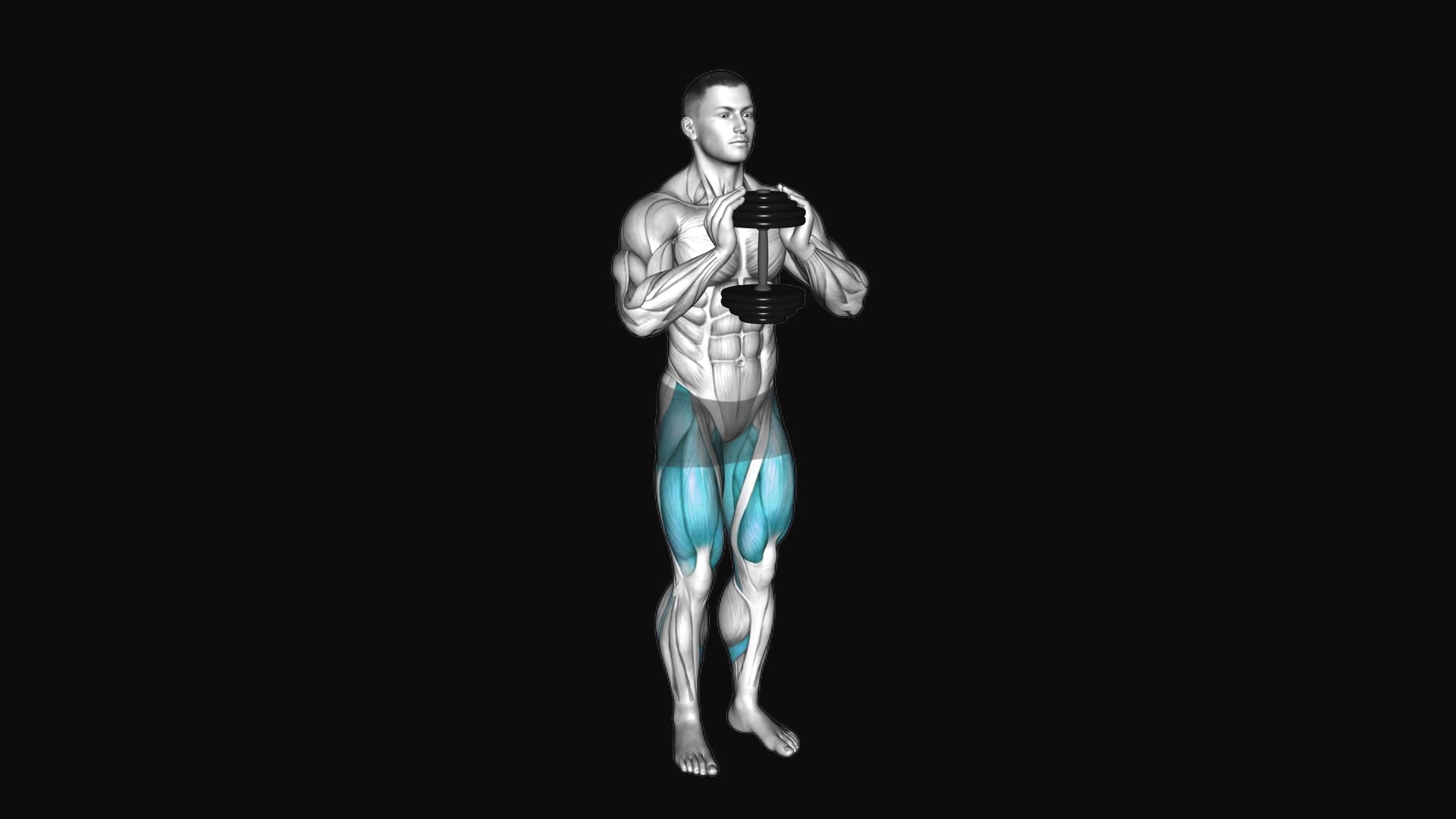
Dumbbell Static Lunge
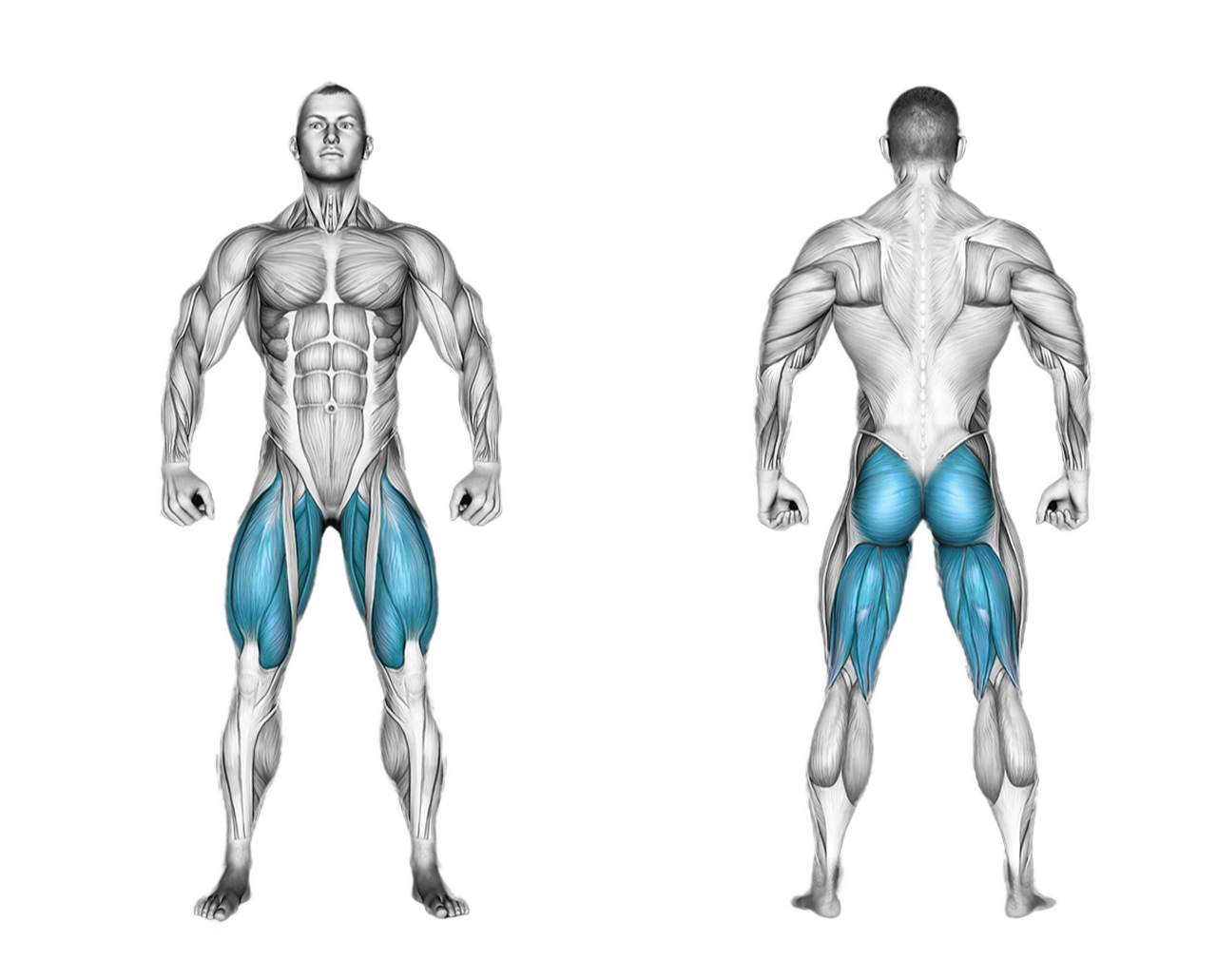
The dumbbell static lunge is a unilateral lower-body exercise where your feet remain stationary in a split stance throughout the entire set. It effectively targets the quadriceps and glutes while improving balance, making it a great compound movement for the main part of a leg workout.
- Equipment
- Dumbbells
- Type
- Strength
- Animation
- Men and women
How to do it
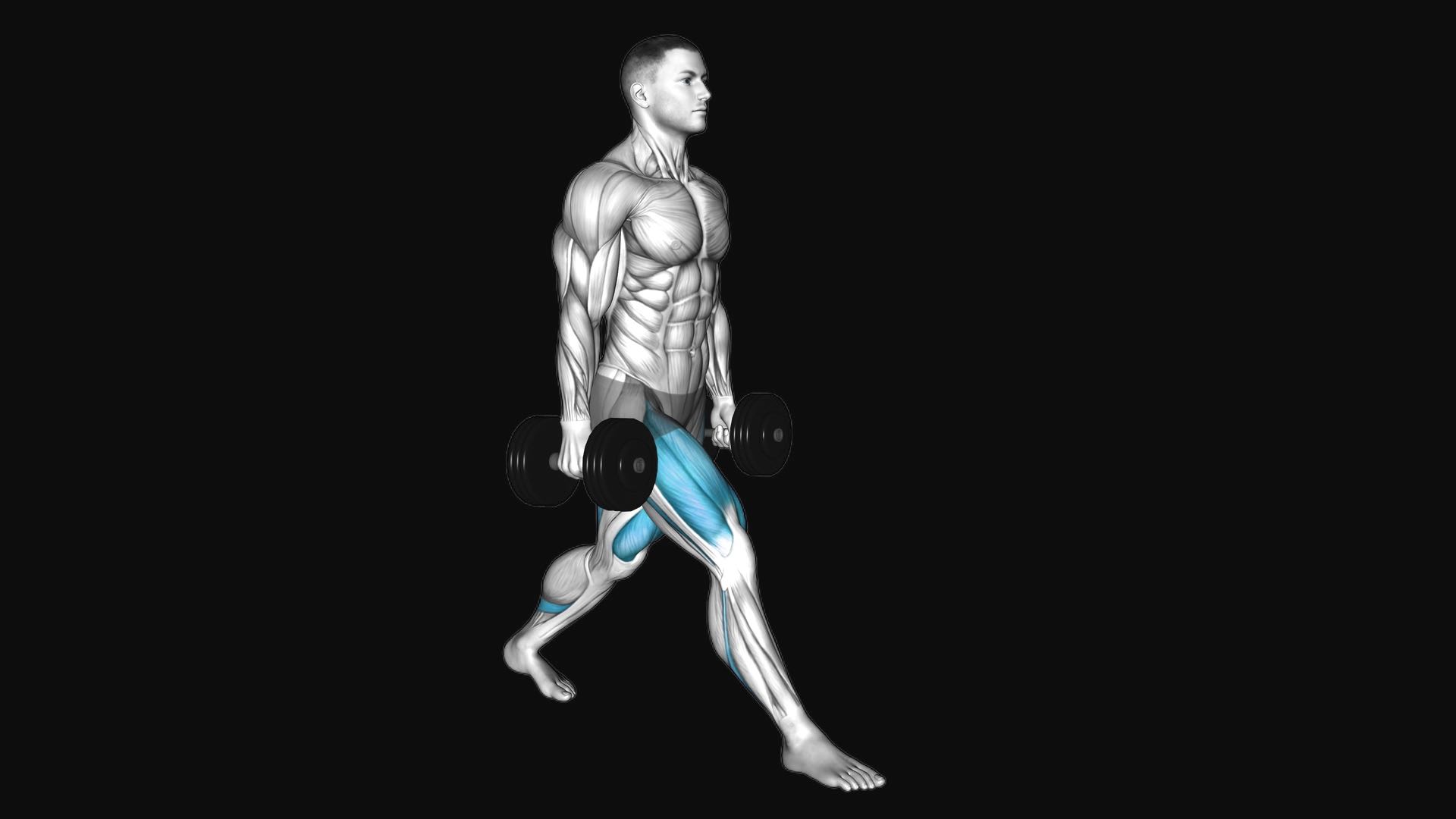
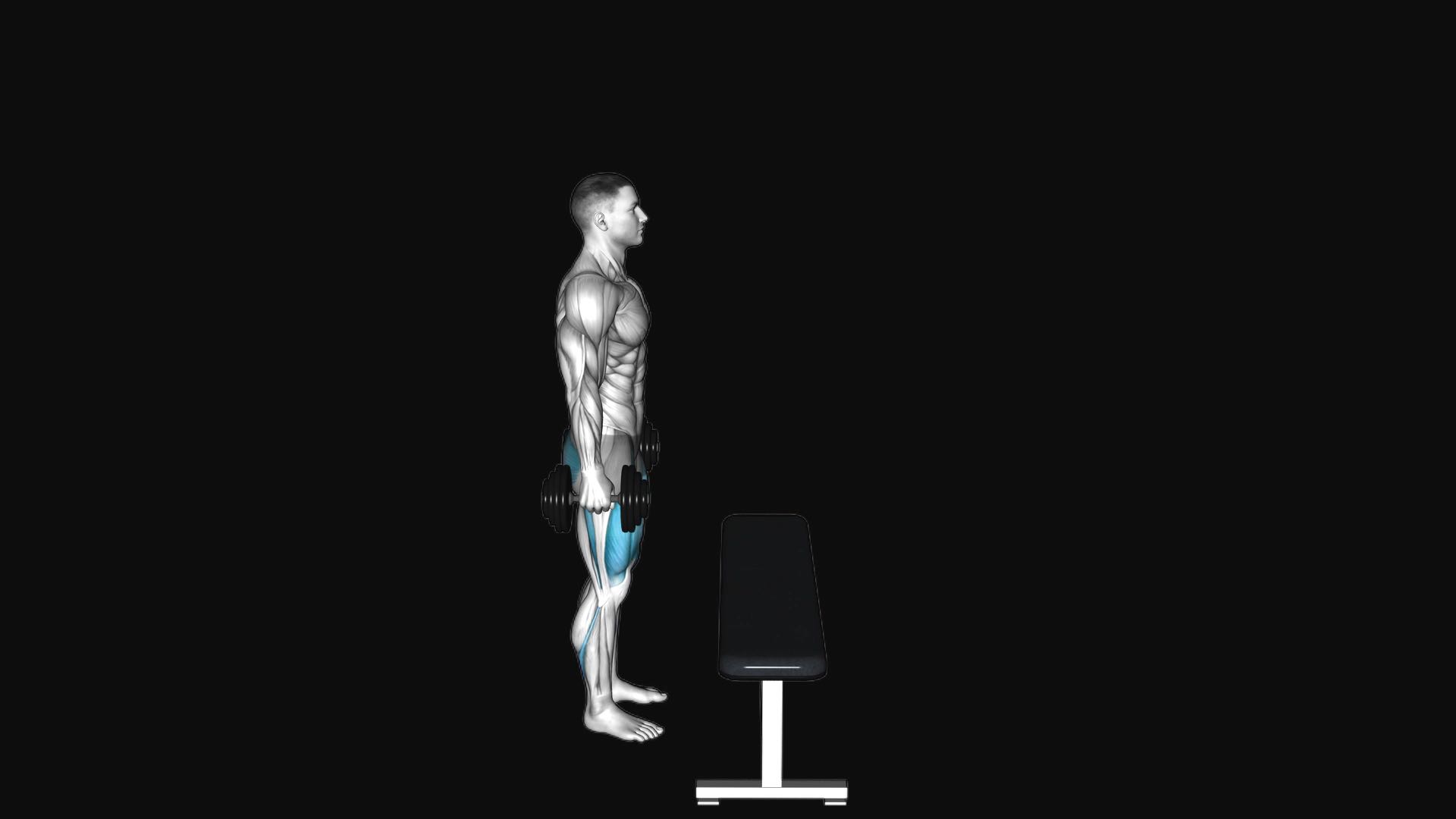
- Stand with your feet hip-width apart, holding a dumbbell in each hand by your sides.
- Step forward with one foot into a lunge position, keeping your back foot in place.
- Your front foot should be flat on the ground, and your back foot should be balanced on the toes.
- Lower your body by bending both knees until your front thigh is parallel to the floor and your back knee is just above the ground.
- Keep your torso upright and maintain a straight back.
- Ensure your front knee does not extend beyond your toes.
- Hold this lunge position for a moment, then push through your front heel to return to the starting position.
- Repeat all reps on one side before switching to the other leg.
Common mistakes
- Allowing the front knee to collapse inward, which places excessive stress on the knee joint.
- Placing your feet along a single narrow line, which compromises stability and balance.
- Leaning the torso too far forward, shifting the workload away from the legs onto the lower back.
- Lifting the front heel off the floor during the ascent, which reduces glute activation and strains the patellar tendon.
Tips
- Maintain a hip-width distance between your feet rather than lining them up like a tightrope for better stability.
- Drive primarily through the heel and midfoot of your front leg to return to the top position.
- Lower your hips straight down by bending both knees simultaneously instead of drifting forward.
Sets and reps
Perform 3–4 sets of 8–12 repetitions per leg to build muscle and unilateral strength. Rest for 60–90 seconds between legs or after completing both sides.
Muscles worked
Your coach guides every set
Turn on the coach in Gloox: it asks how you feel, picks the weight from your history and cues technique and rest. Rate each set and the next one is tuned to you.

On a computer? Point your phone's camera here to get the app.
Questions
How do static lunges differ from walking lunges?
Static lunges keep your feet planted throughout the set, eliminating stepping impact and making balance easier to maintain under load.
What should you do if you feel knee pain during the exercise?
Adjust your stance length and ensure your front knee tracks in line with your toes. If pain continues, stop the exercise immediately and consult a healthcare professional.