Legs · Dumbbells
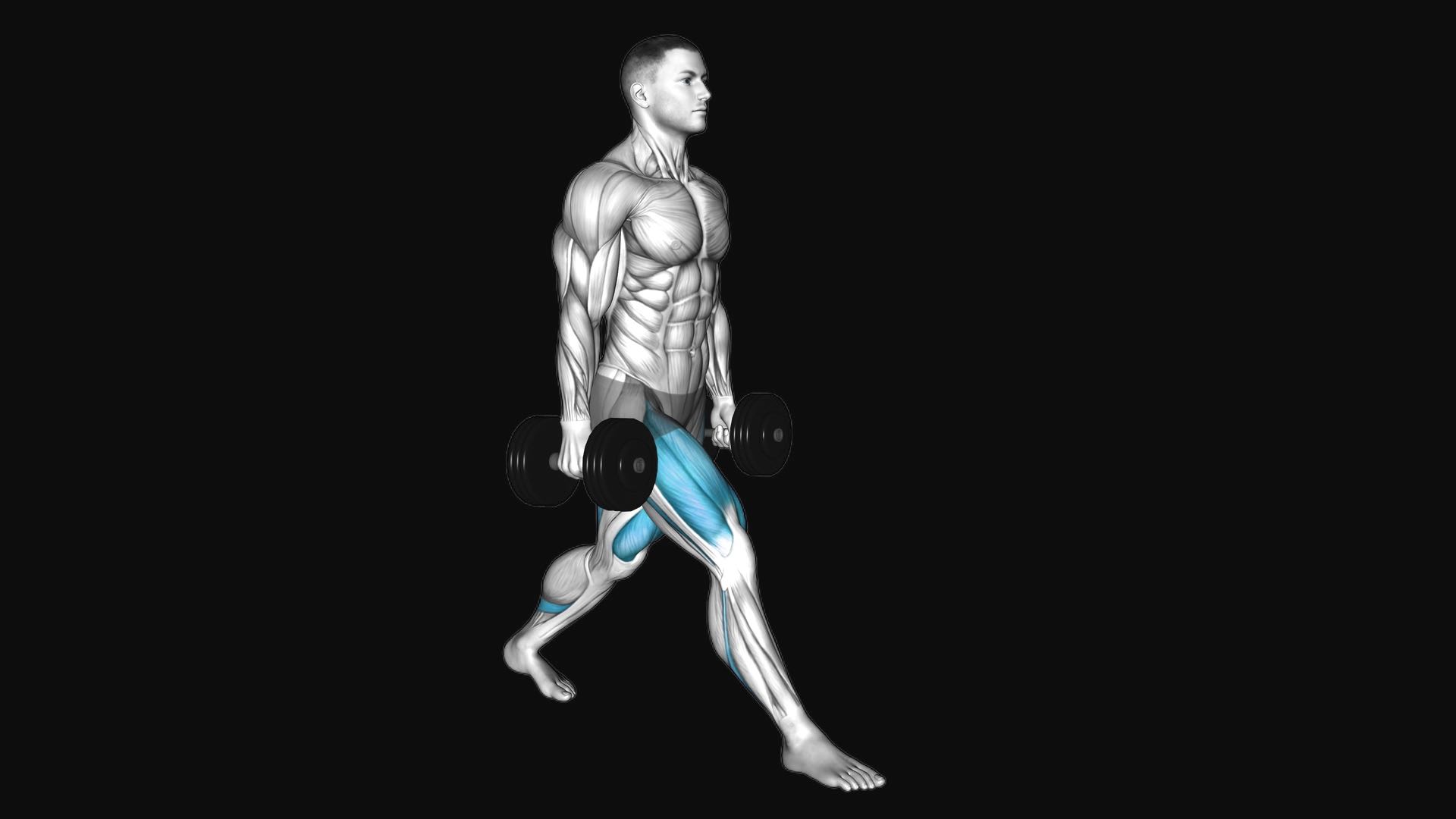
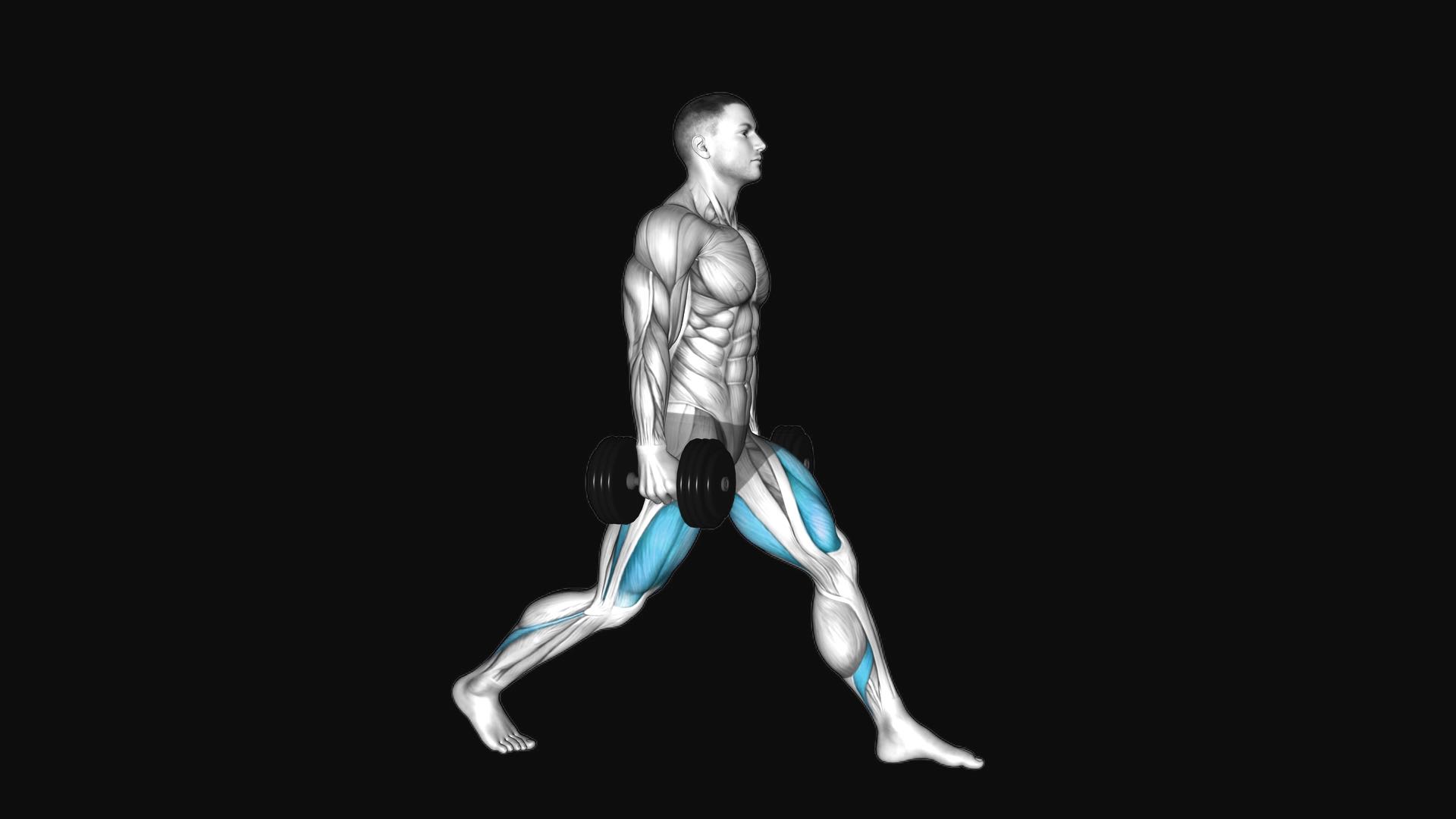
Dumbbell Gobelt Curtsey Lunge
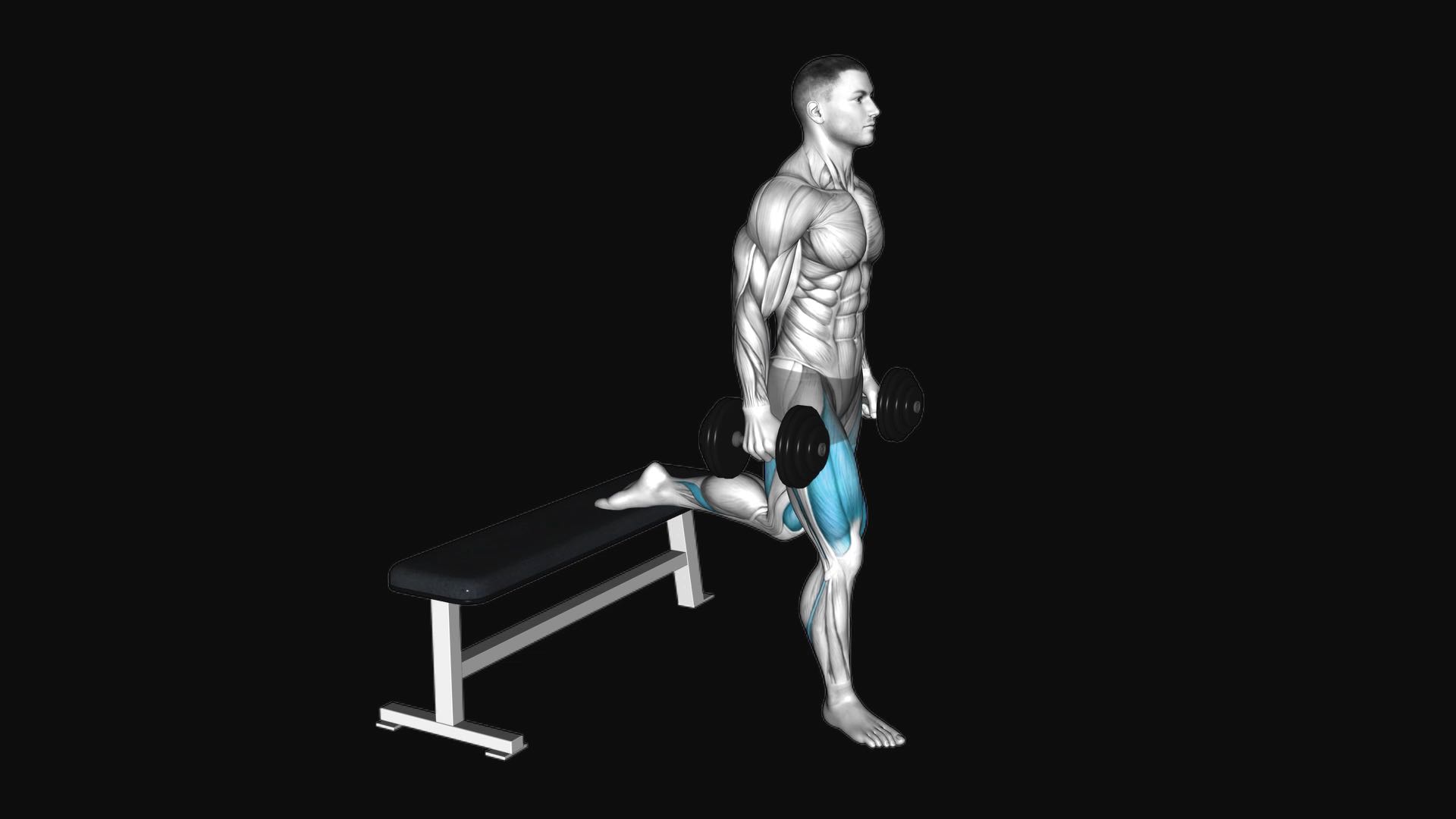
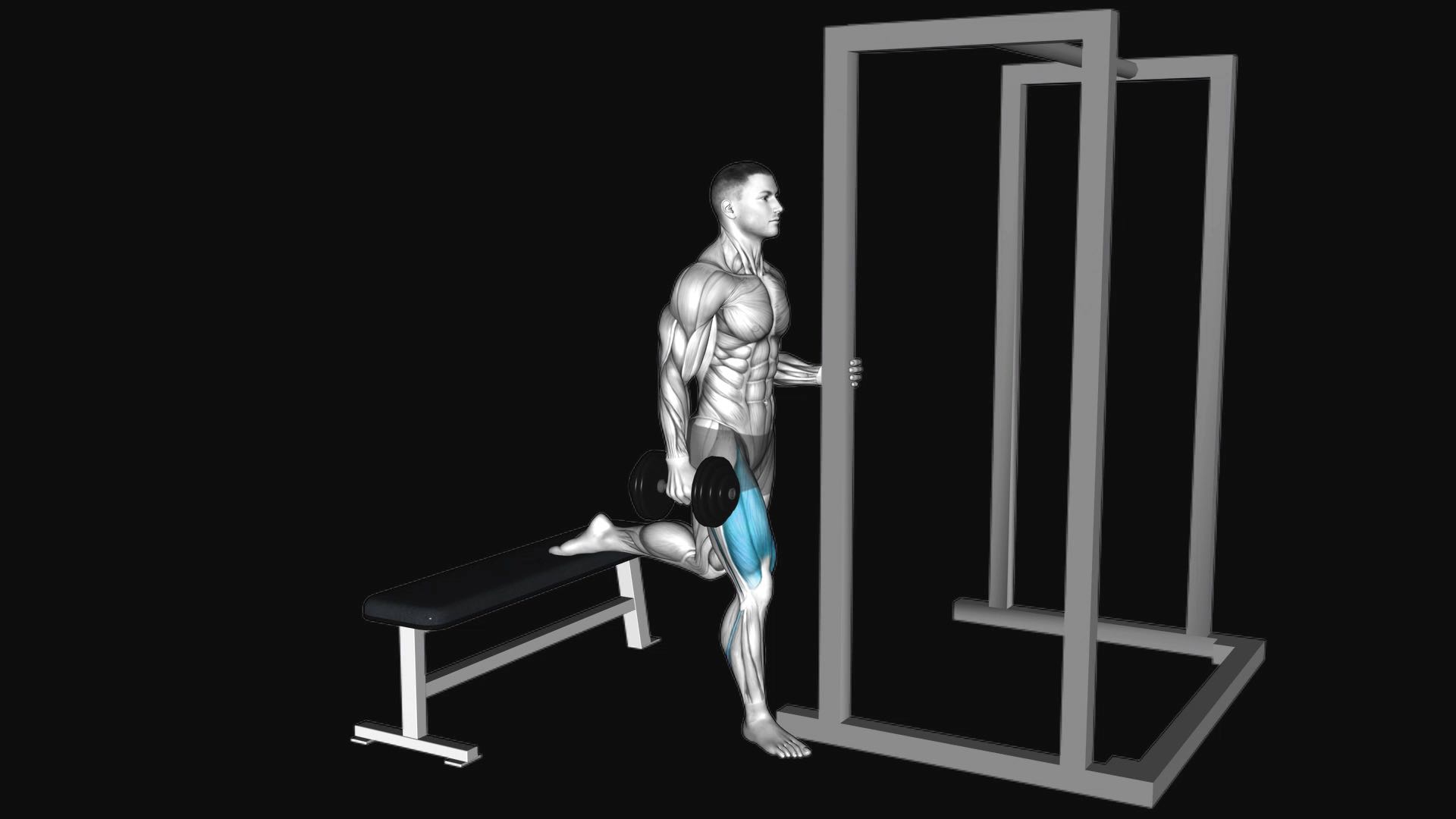
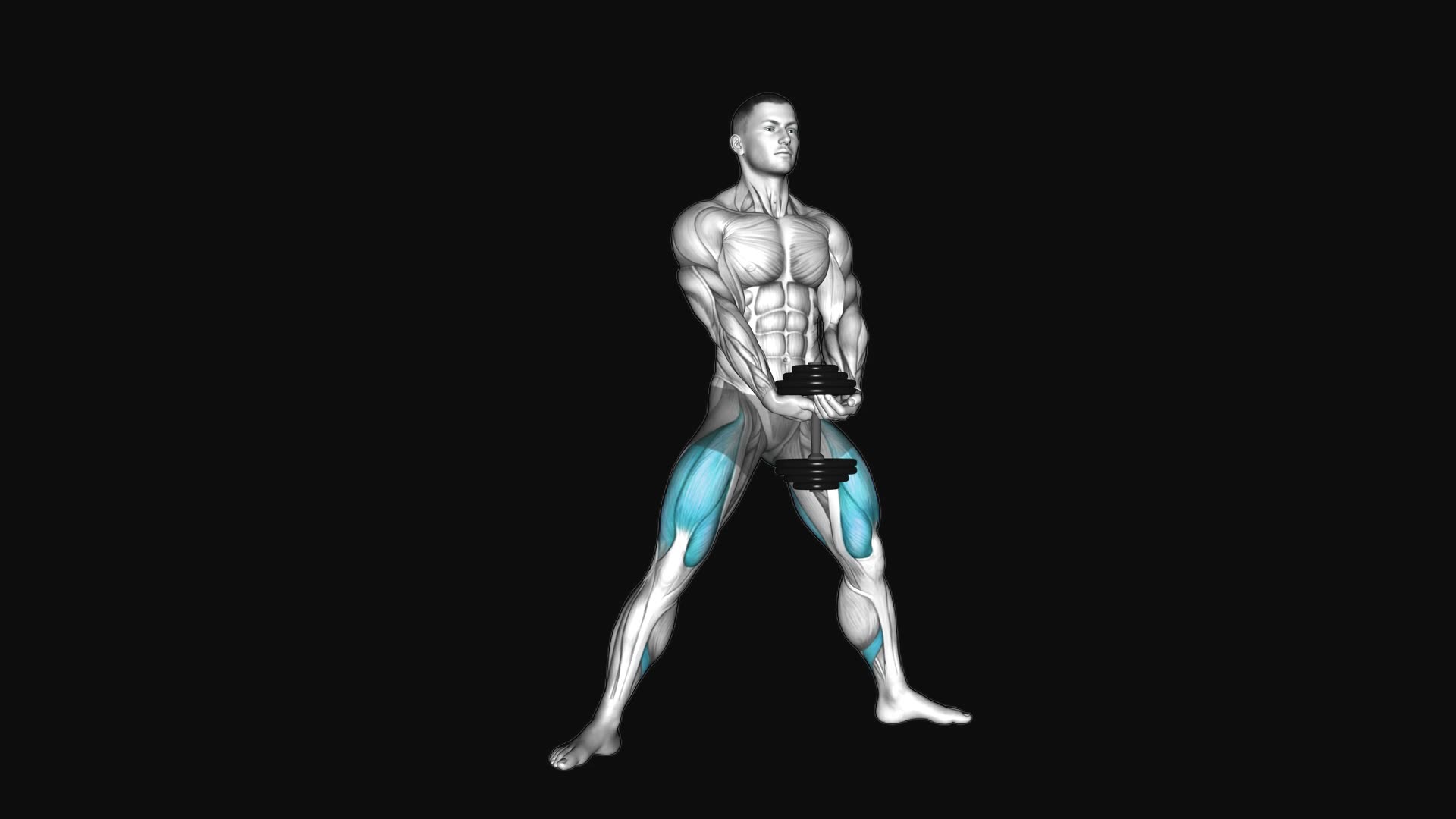
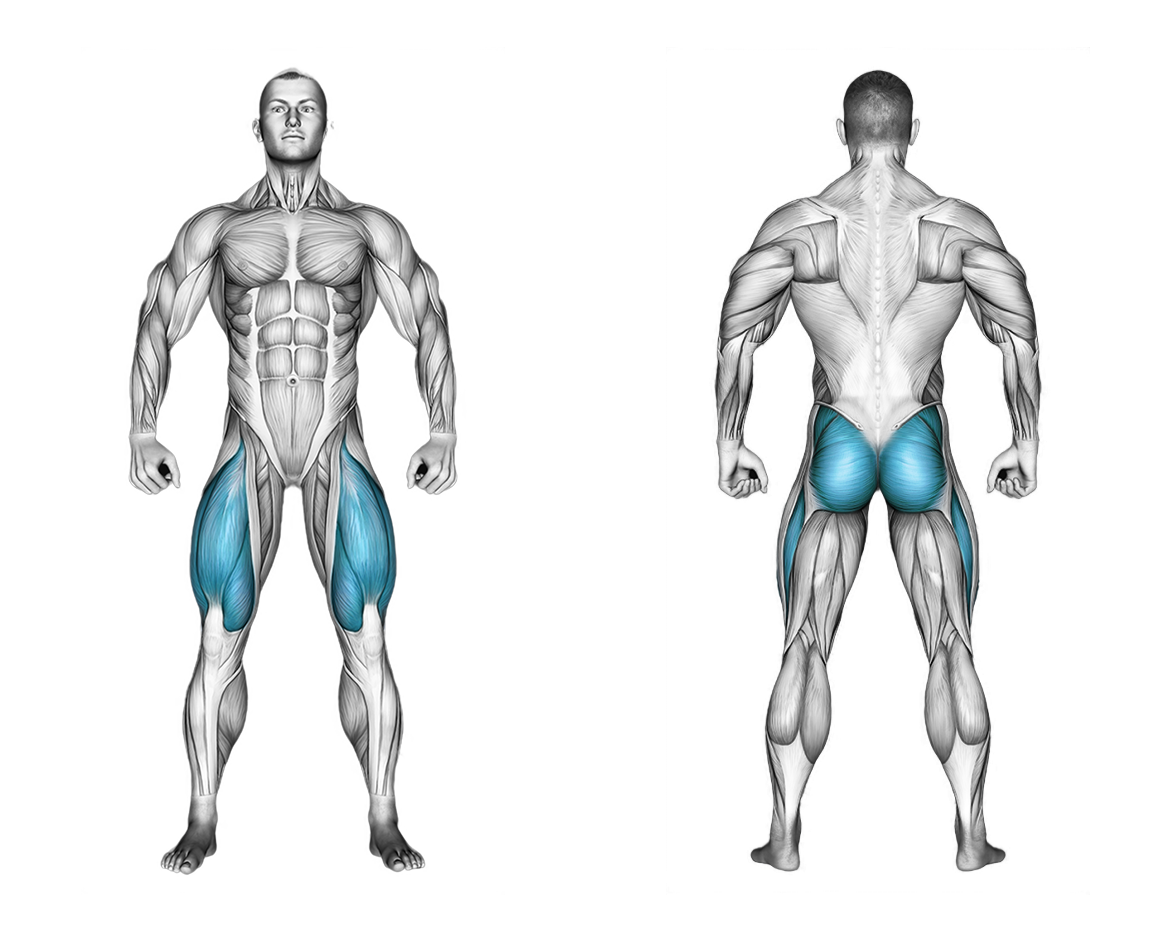
The dumbbell goblet curtsy lunge is a unilateral strength exercise that emphasizes the gluteus medius, gluteus maximus, and quadriceps. Holding the weight at chest height challenges core stability, making it an effective movement for functional leg days and hip development.
- Equipment
- Dumbbells
- Type
- Strength
- Animation
- Men and women
How to do it
- Hold a dumbbell vertically at chest level with both hands.
- Stand with feet hip-width apart.
- Step one leg back and across behind your other leg, as if performing a curtsey.
- Lower your body until your front thigh is parallel to the ground.
- Push through your front heel to return to the starting position.
- Alternate legs.
Common mistakes
- Stepping too far across behind the body twists the front knee and places excessive rotational shear on the joint.
- Rounding the upper back or tipping the torso forward reduces glute recruitment and strains the lower back.
- Pushing off the rear toes rather than driving through the front heel removes the load from the working glute muscles.
Tips
- Keep the front knee tracking directly in line with your middle toes throughout the entire movement.
- Hold the dumbbell close against your chest with elbows tucked in to maintain an upright, balanced posture.
- Descend with control to hover the back knee just above the floor without letting it slam down.
Sets and reps
Perform 3–4 sets of 8–12 reps per leg, resting 60–90 seconds between sets to build strength and muscle tissue.
Muscles worked
Your coach guides every set
Turn on the coach in Gloox: it asks how you feel, picks the weight from your history and cues technique and rest. Rate each set and the next one is tuned to you.

On a computer? Point your phone's camera here to get the app.
Questions
Why choose the curtsy lunge over standard reverse lunges?
The cross-behind foot placement increases hip adduction, placing greater demand on the gluteus medius for pelvic stabilization.
What should be done if this movement causes knee discomfort?
Due to the rotational angle, knee stress can occur; stop the exercise immediately and consult a specialist if pain develops.