Legs · Dumbbells
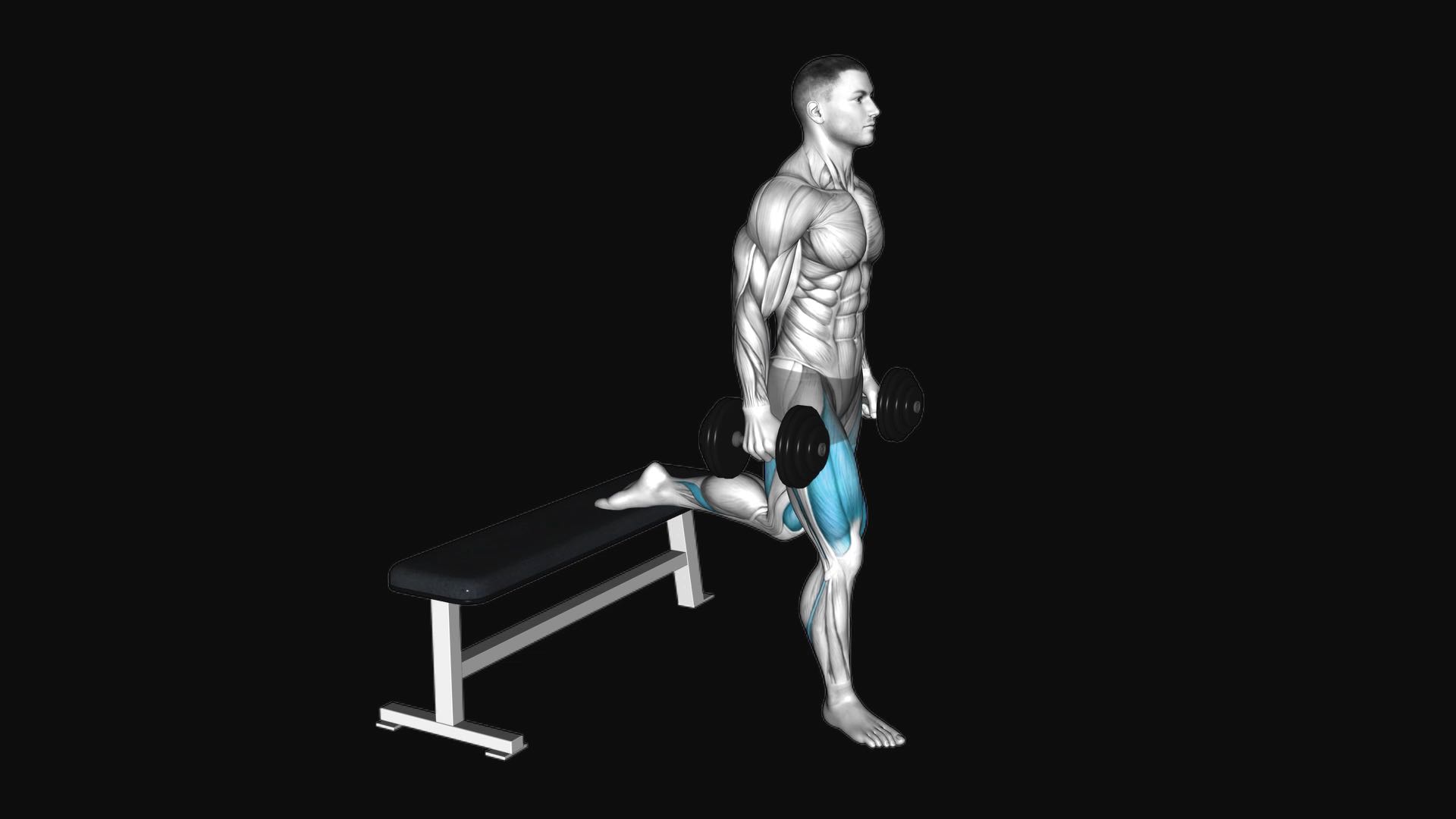
Assisted Dumbbell Bulgarian Split Squat
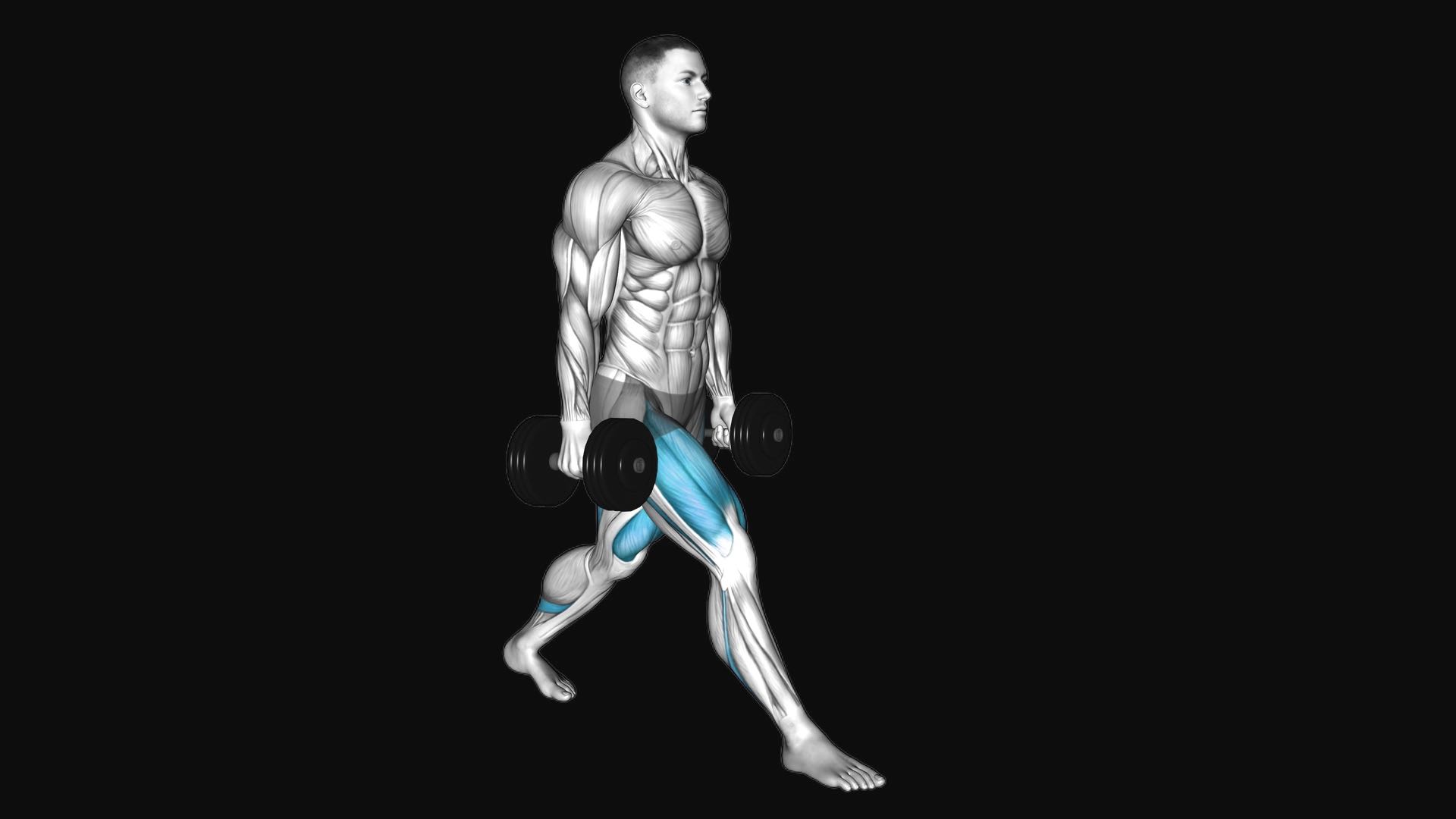
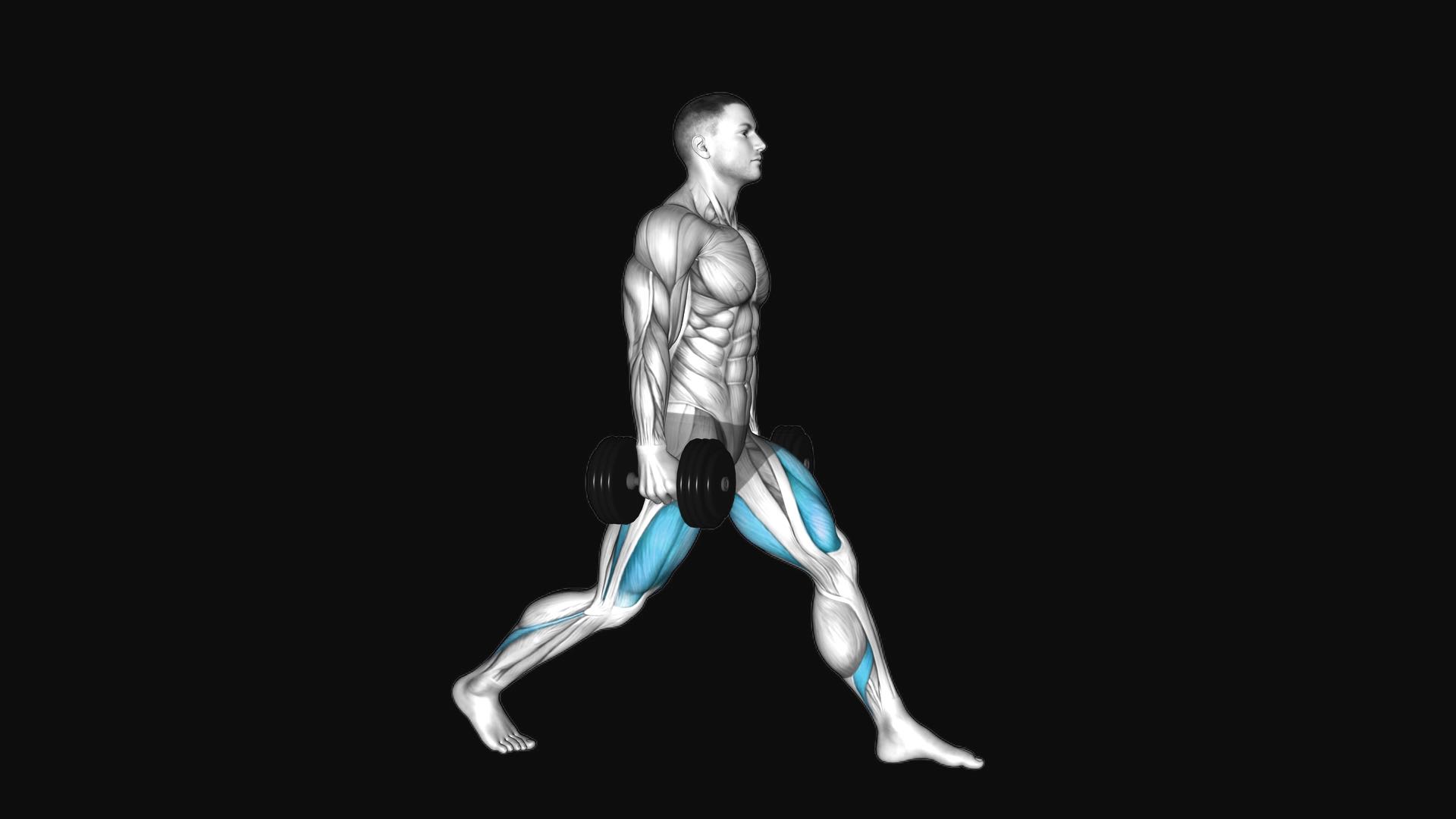
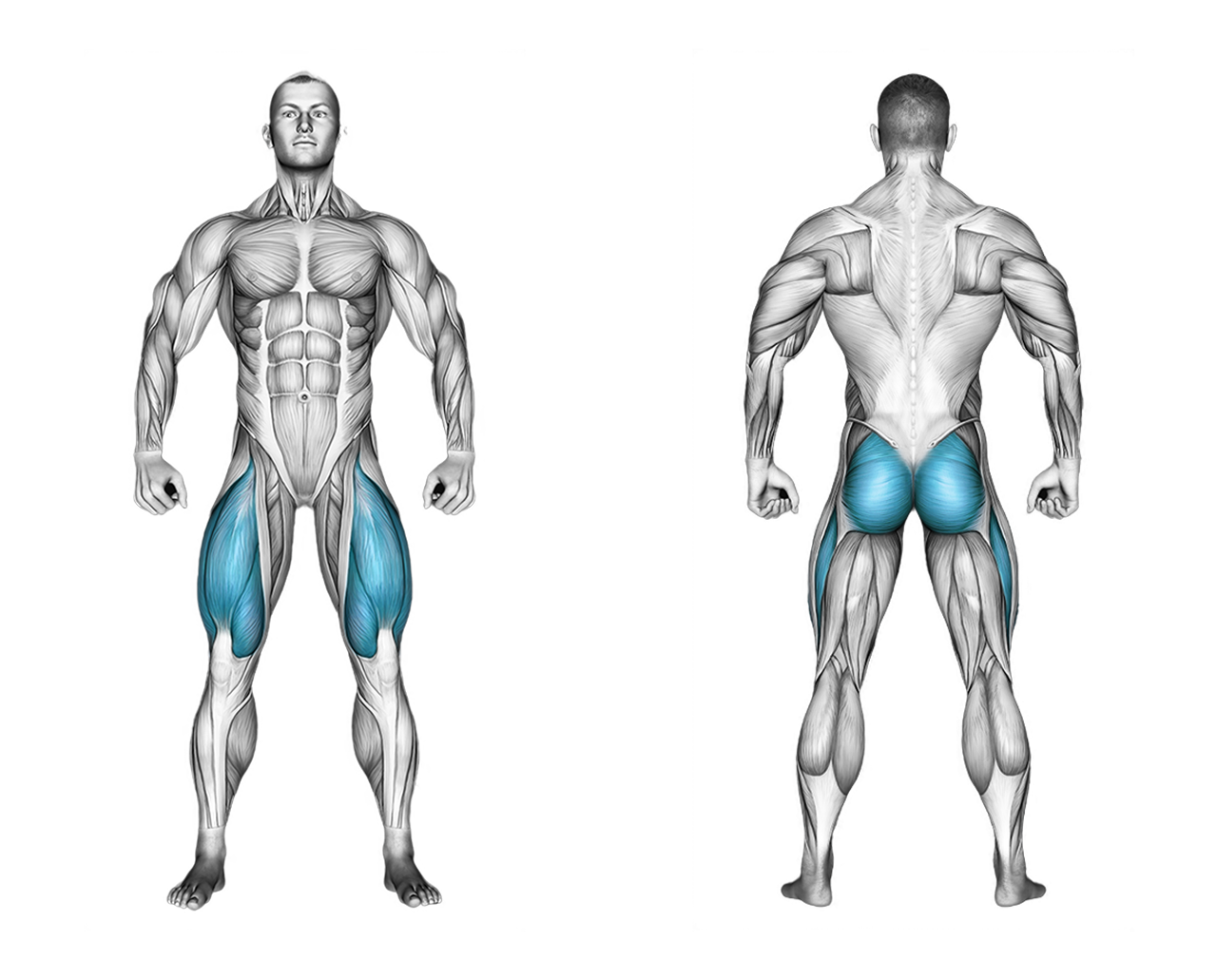
The assisted dumbbell Bulgarian split squat is a unilateral strength exercise designed to isolate the quadriceps and glutes while removing balance as a limiting factor. It serves as an effective main or accessory movement in lower-body workouts for lifters wanting to safely overload each leg independently.
- Equipment
- Dumbbells
- Type
- Strength
- Animation
- Men
How to do it
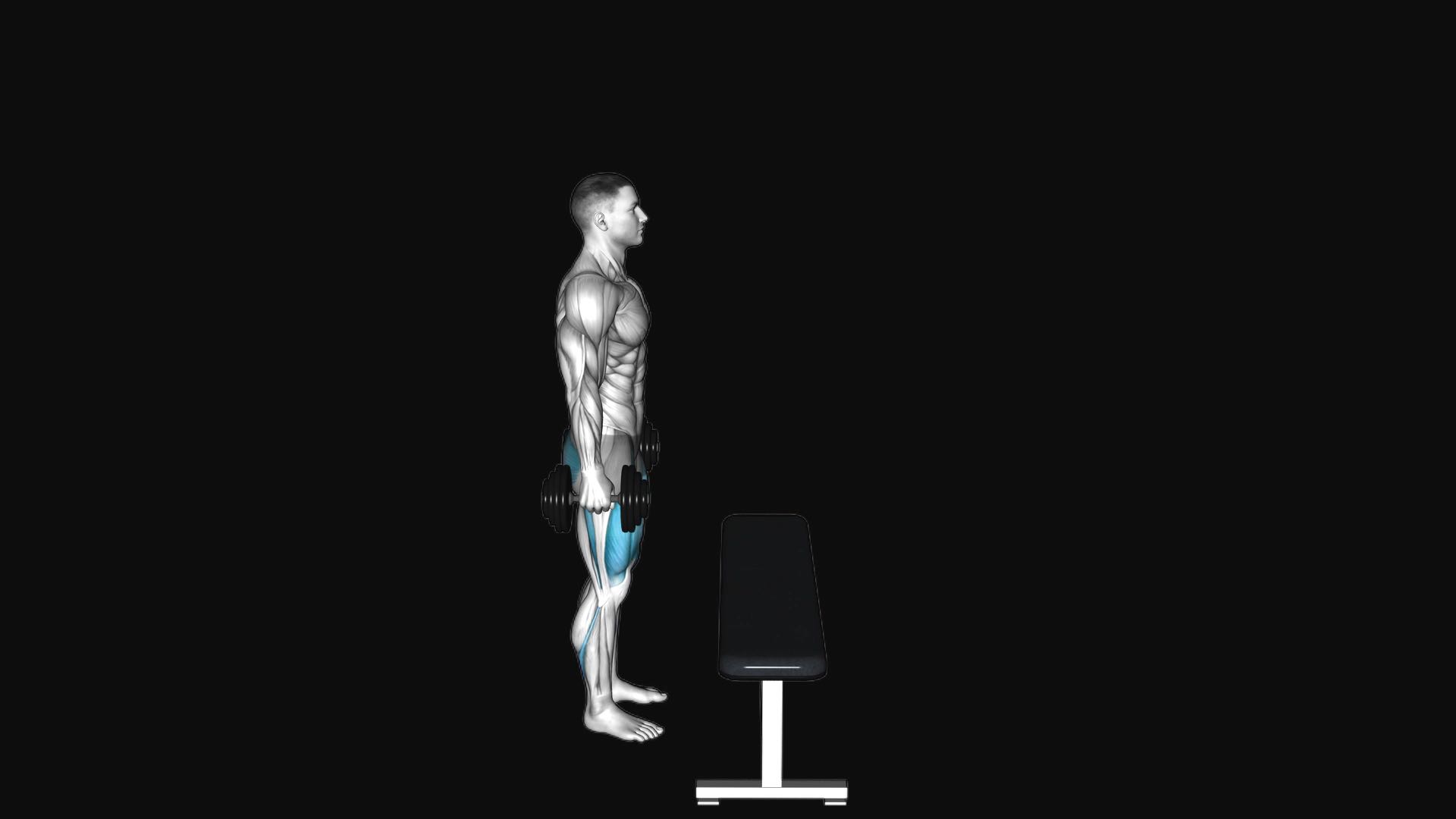
- Stand 2-3 feet in front of a bench, holding dumbbells at your sides.
- Place the top of one foot behind you on the bench.
- Keep your torso upright and core engaged.
- Lower your body until your front thigh is parallel to the floor.
- Drive through your front heel to return to the starting position.
Common mistakes
- Pulling forcefully on the support frame with the free hand robs the working leg of target tension.
- Allowing the front heel to lift off the floor places excessive shear stress on the front knee.
- Setting the front foot too close to the bench creates overly sharp knee angles and restricts hip depth.
- Allowing the front knee to collapse inward during the drive places harmful strain on the knee ligaments.
Tips
- Use the support only with a light fingertip touch strictly to maintain equilibrium throughout the repetition.
- Descend smoothly under control to emphasize the eccentric stretch on the working glute.
- Hinge slightly forward at the hips with a neutral spine to shift more mechanical load onto the gluteal muscles.
Sets and reps
For muscle growth, perform 3–4 sets of 8–12 reps per leg with 90–120 seconds of rest between sides. For strength-focused blocks with a heavier dumbbell, use 3–4 sets of 6–8 reps.
Muscles worked
Your coach guides every set
Turn on the coach in Gloox: it asks how you feel, picks the weight from your history and cues technique and rest. Rate each set and the next one is tuned to you.

On a computer? Point your phone's camera here to get the app.
Questions
Why perform this exercise with support instead of unassisted?
Holding a solid upright removes balance constraints, allowing you to train closer to muscular failure with heavier loads without the risk of falling.
What should you do if you feel sharp pain in the front knee?
Adjust your forward foot position slightly farther out to keep the shin more vertical, and if pain continues, stop the movement and consult a healthcare professional.