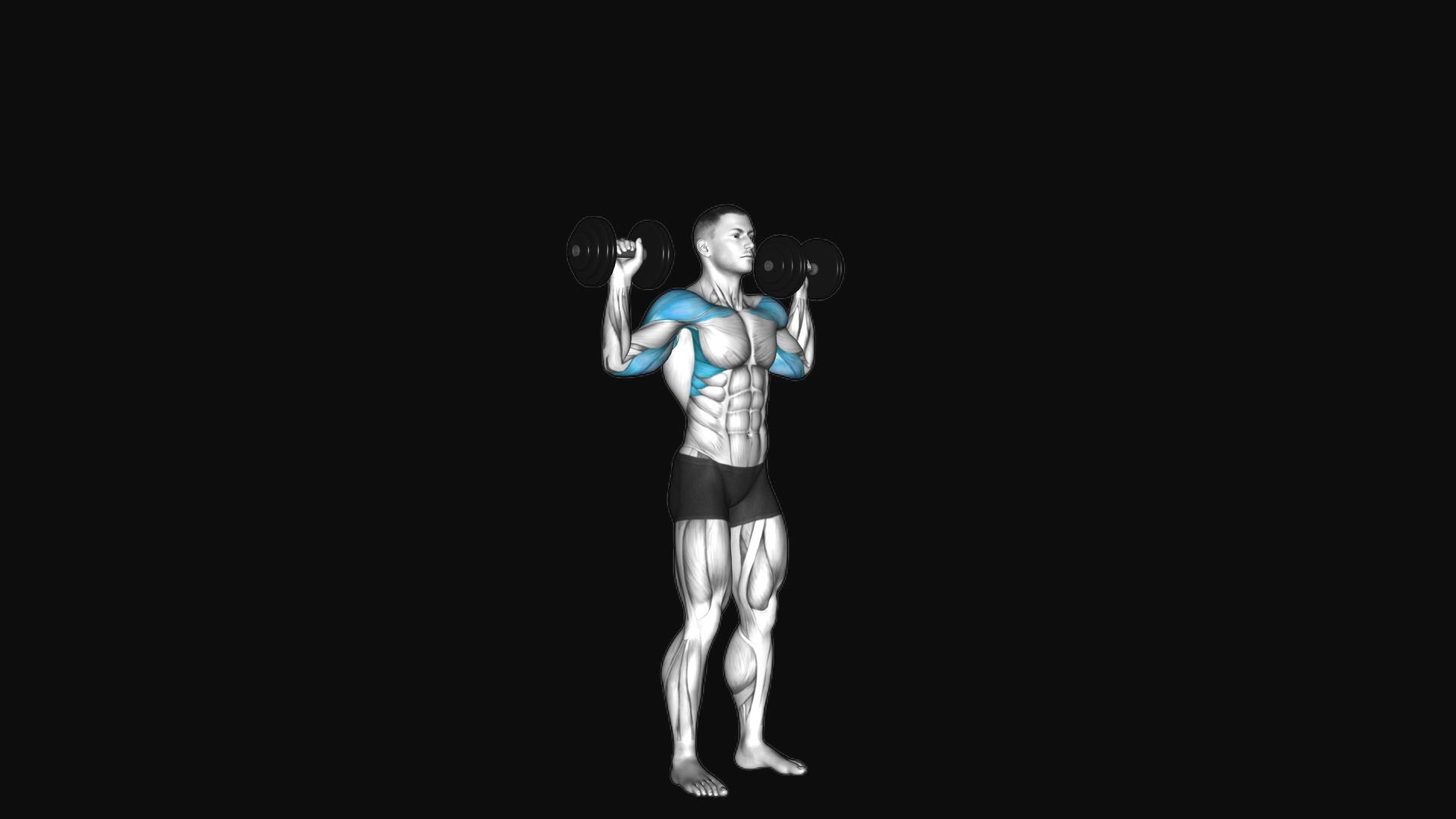
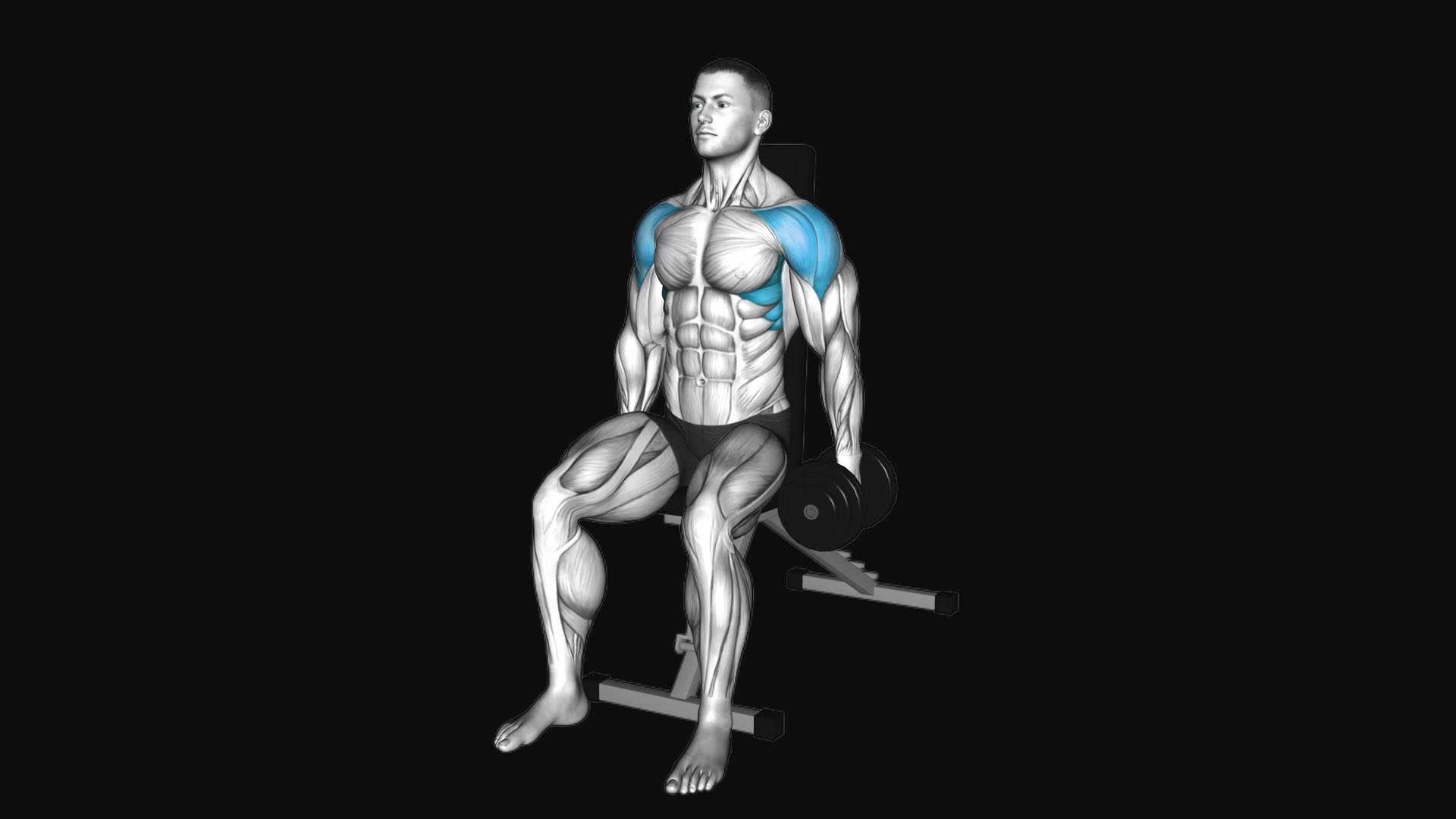
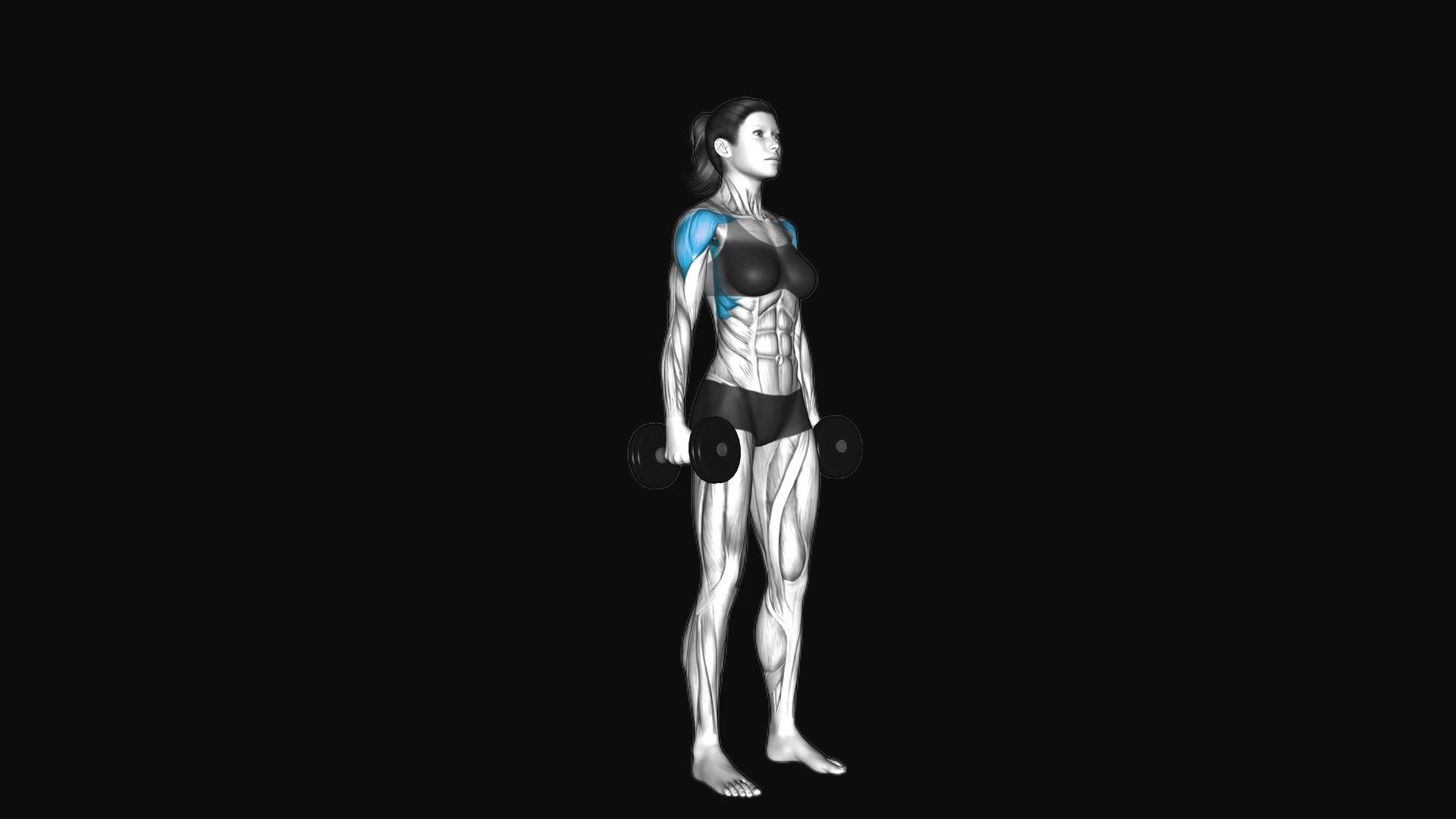
Shoulders · Dumbbells
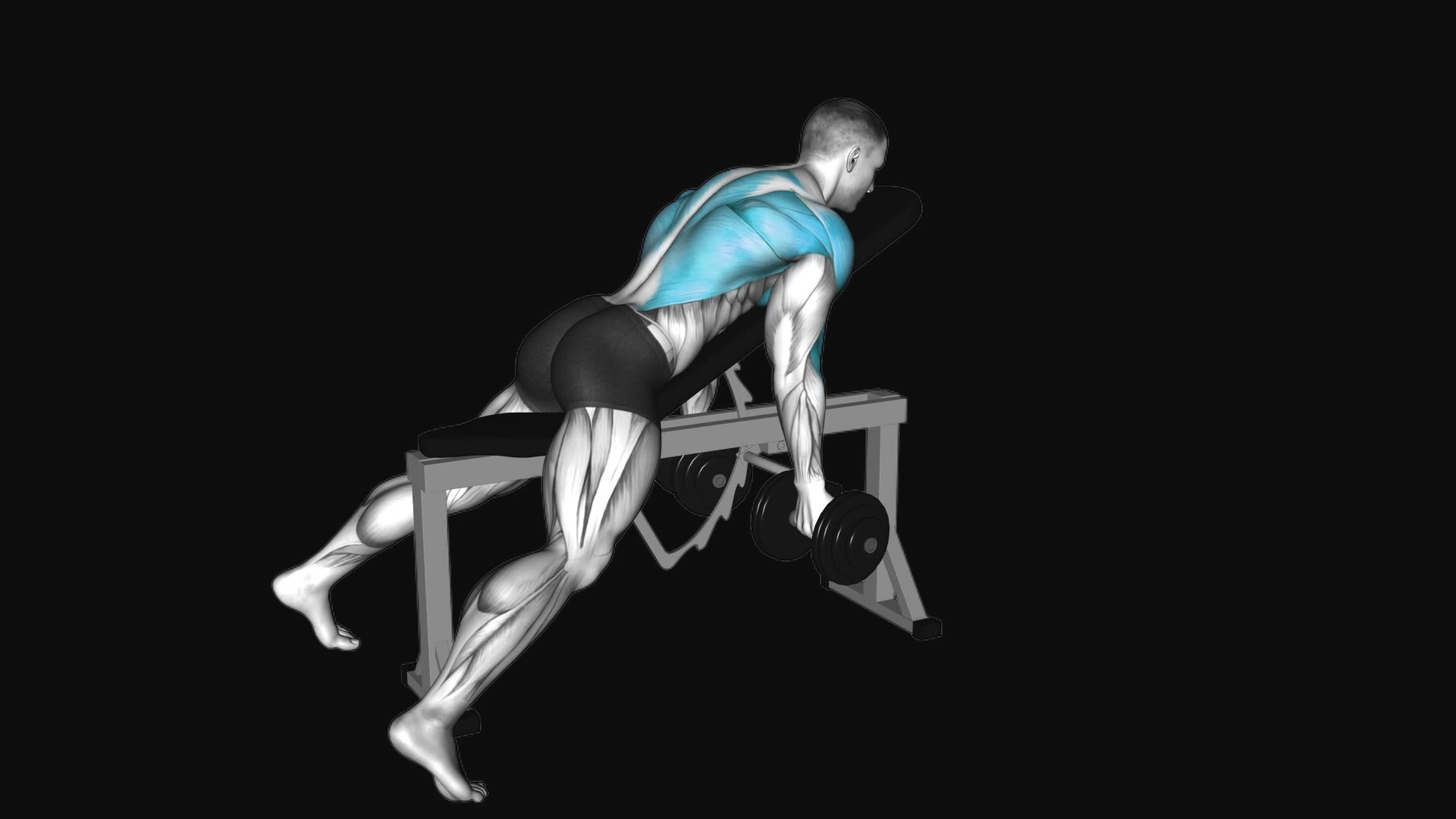
Dumbbell Lying Rear Lateral Raise
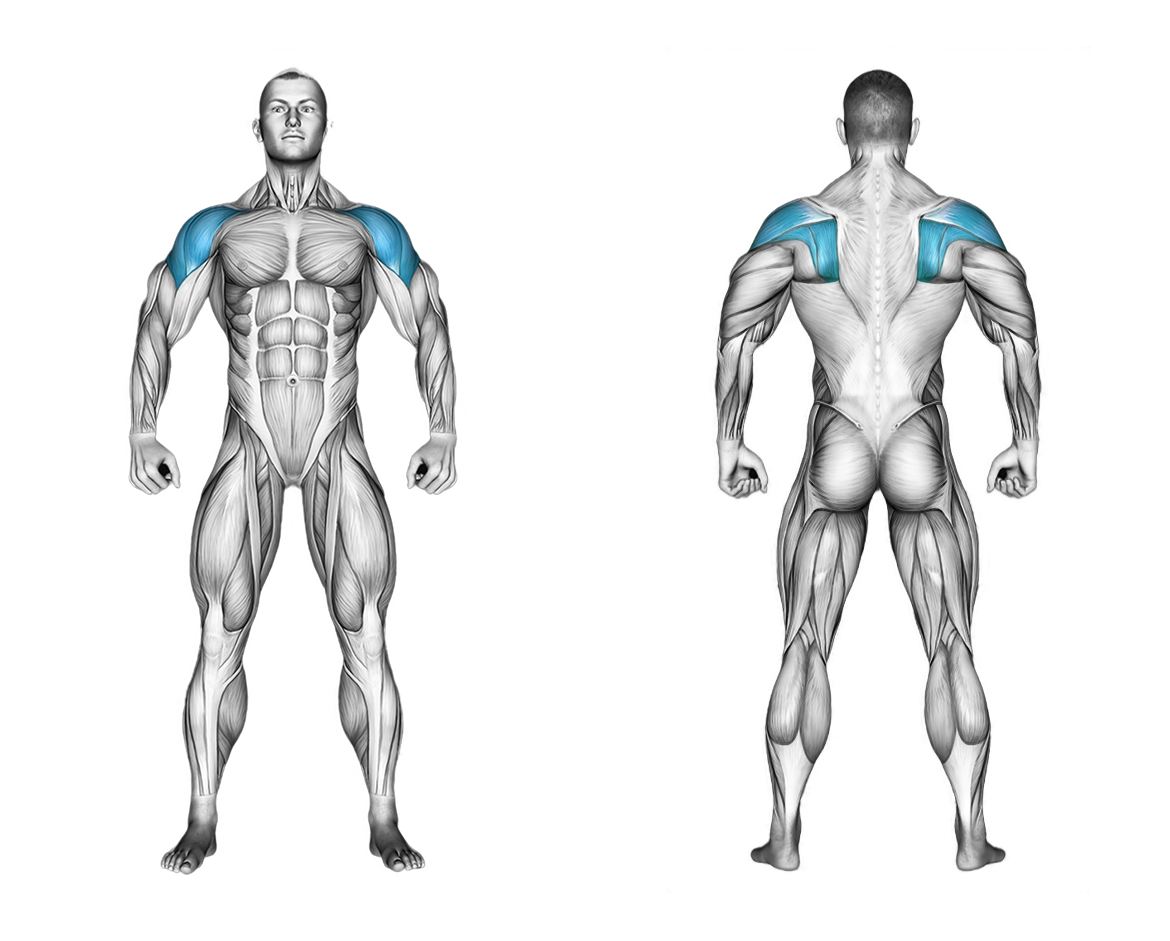
The dumbbell lying rear lateral raise is an isolation movement designed to target the posterior deltoids and upper back musculature. Chest support on the bench eliminates momentum and lower-back strain, making it a reliable addition to the end of a shoulder or pull workout.
- Equipment
- Dumbbells
- Type
- Strength
- Animation
- Men
How to do it
- Lie face-down on a flat or incline bench with a dumbbell in each hand.
- Let the dumbbells hang at arm's length below you with palms facing each other.
- Raise the dumbbells out to your sides in an arc motion, keeping a slight bend in your elbows.
- Squeeze your rear delts at the top.
- Lower back down with control.
Common mistakes
- Pinching the shoulder blades together early shifts the workload away from the rear delts to the traps and rhomboids.
- Using dumbbells that are too heavy forces body jerking and ruins tension on the eccentric phase.
- Bending your elbows excessively turns the lateral flye into a row, diminishing the targeted leverage on the shoulders.
Tips
- Keep a slight, fixed bend in your elbows and focus on leading the movement with your elbows rather than your hands.
- Hold the dumbbells at the top of the arc for a brief pause to maximize peak contraction.
- Setting the bench to a low incline of 15 to 30 degrees can improve comfort and expand your usable range of motion.
Sets and reps
Perform 3 to 4 sets of 12 to 15 controlled repetitions with 60 to 90 seconds of rest between sets to optimize muscle growth.
Muscles worked
Your coach guides every set
Turn on the coach in Gloox: it asks how you feel, picks the weight from your history and cues technique and rest. Rate each set and the next one is tuned to you.

On a computer? Point your phone's camera here to get the app.
Questions
Why perform this exercise face-down on a bench instead of standing bent over?
Lying on a bench stabilizes the torso, which prevents cheating through body sway and completely spares the lower back.
What should you do if your shoulders pinch or ache during the raise?
Lighten the load, alter your grip angle, or adjust the bench incline; if sharp pain persists, stop the exercise and see a medical specialist.