Shoulders · Dumbbells
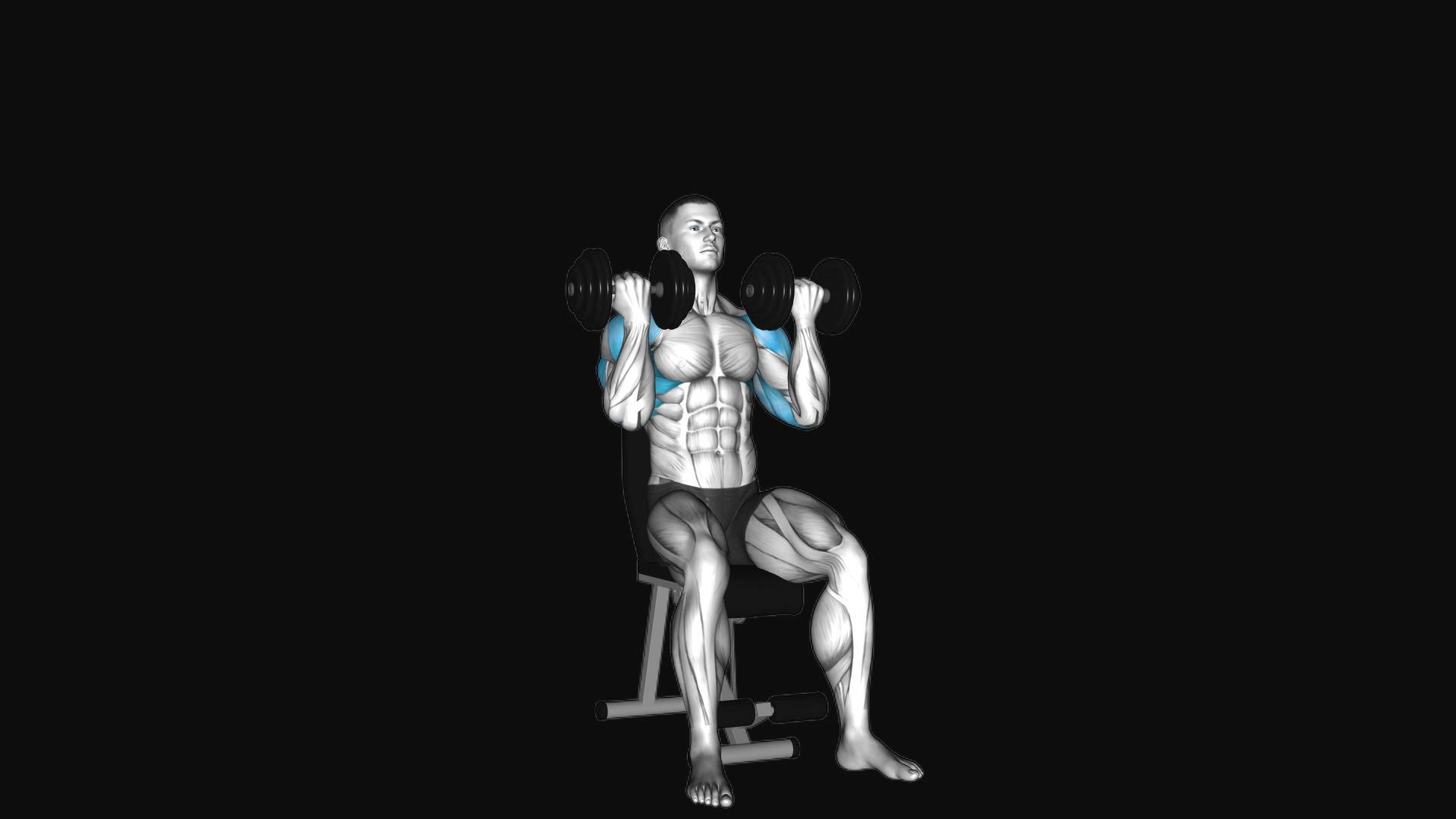
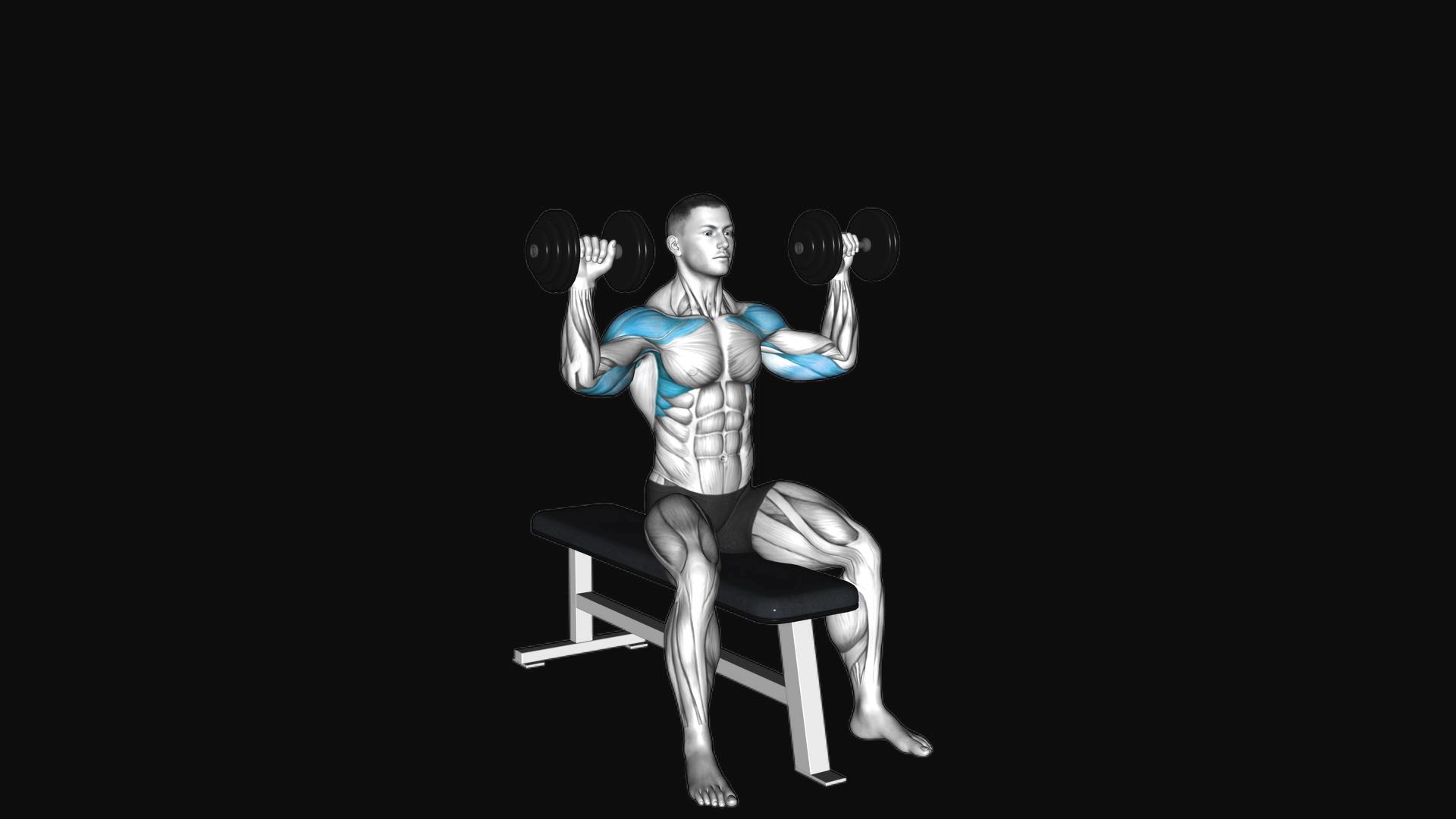
Dumbbell Seated Lateral Raise
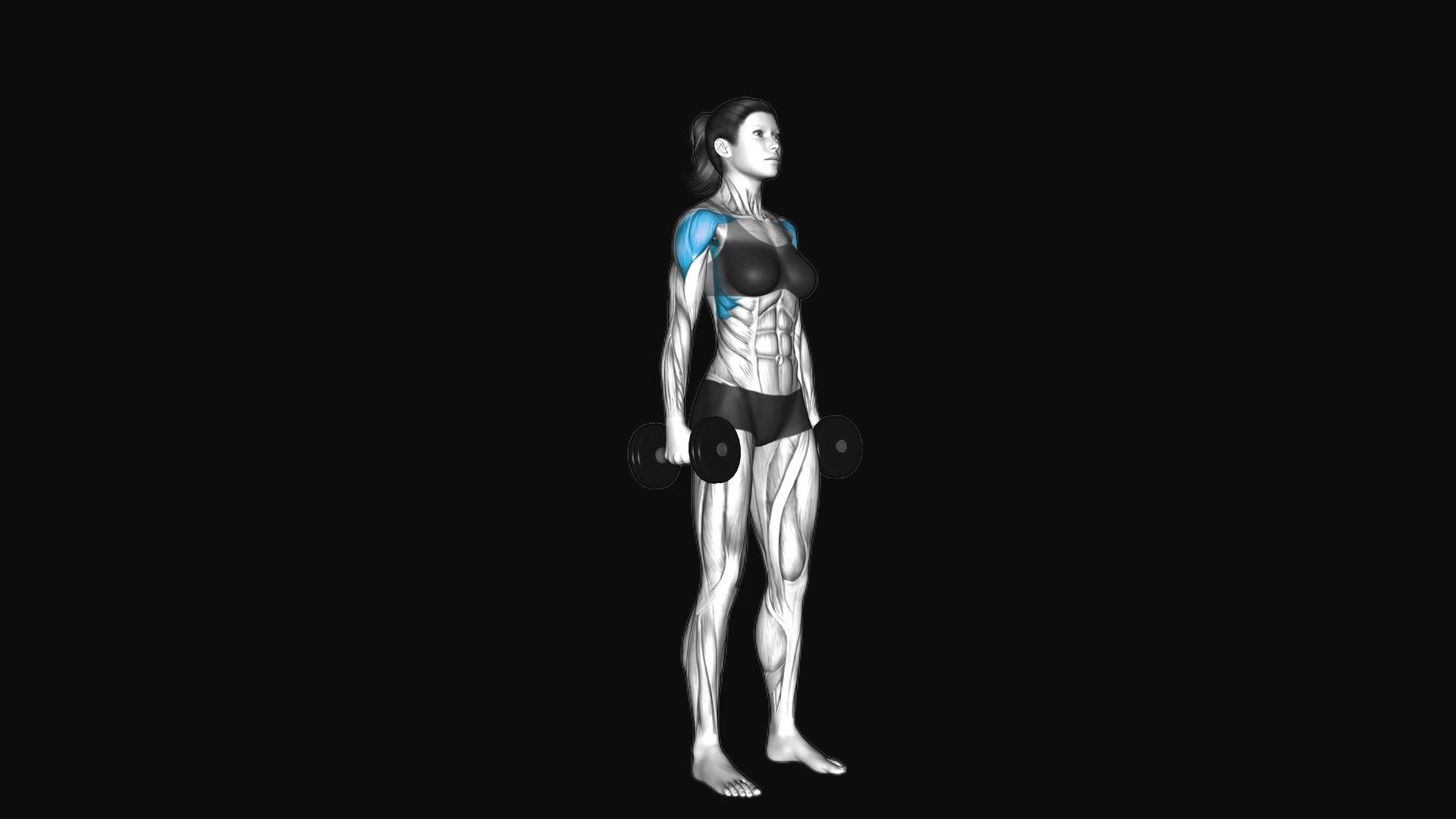
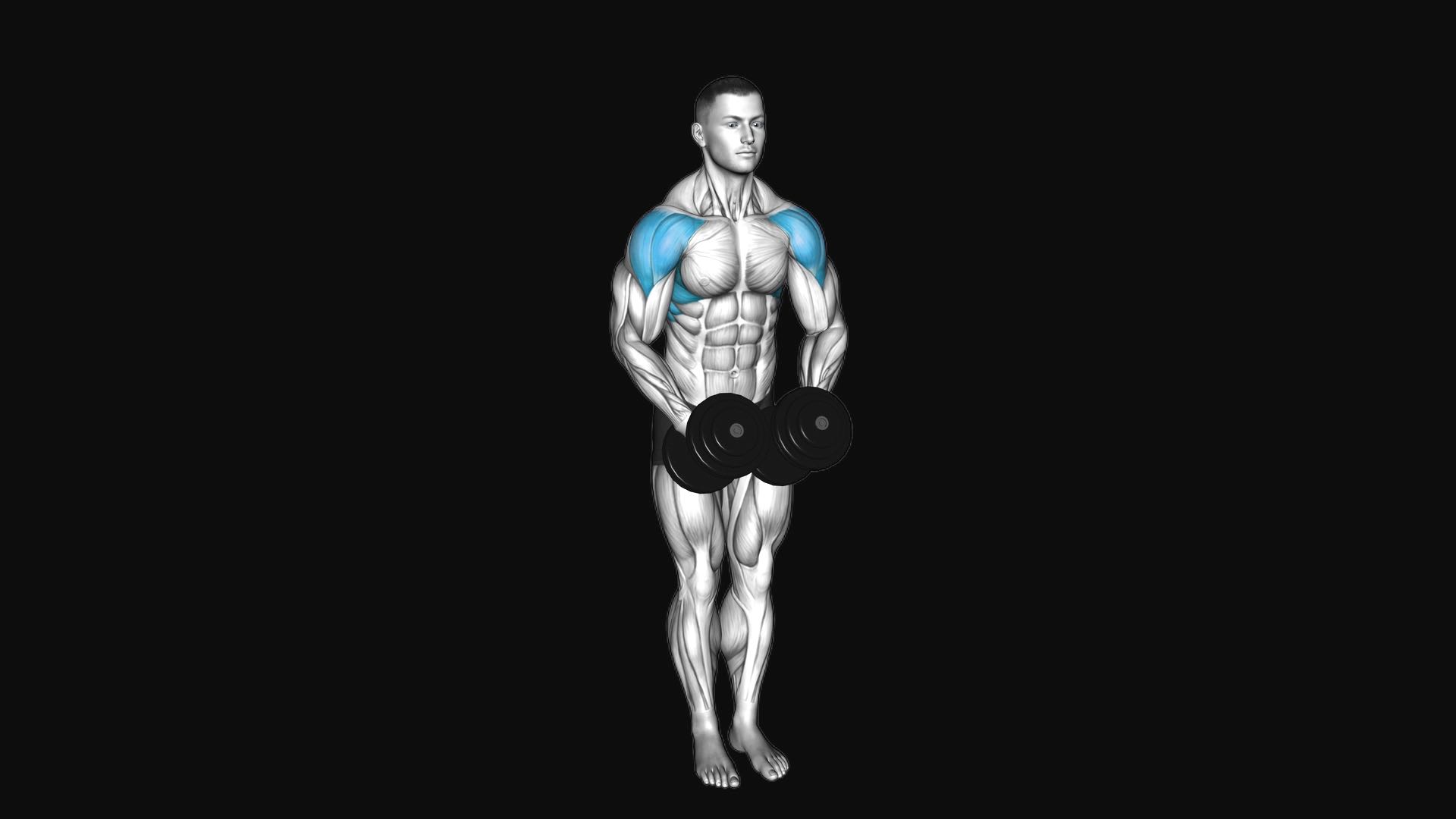
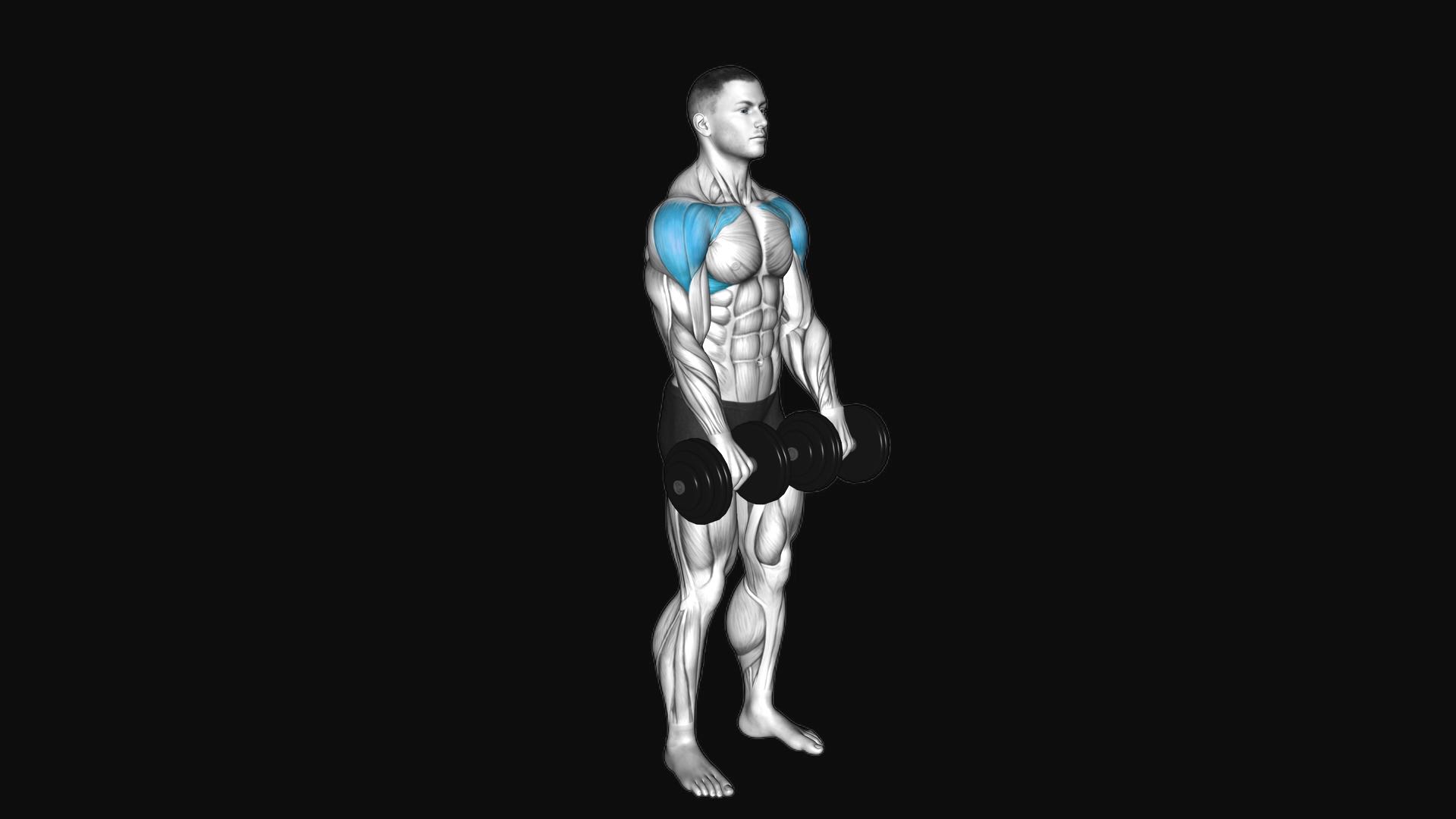
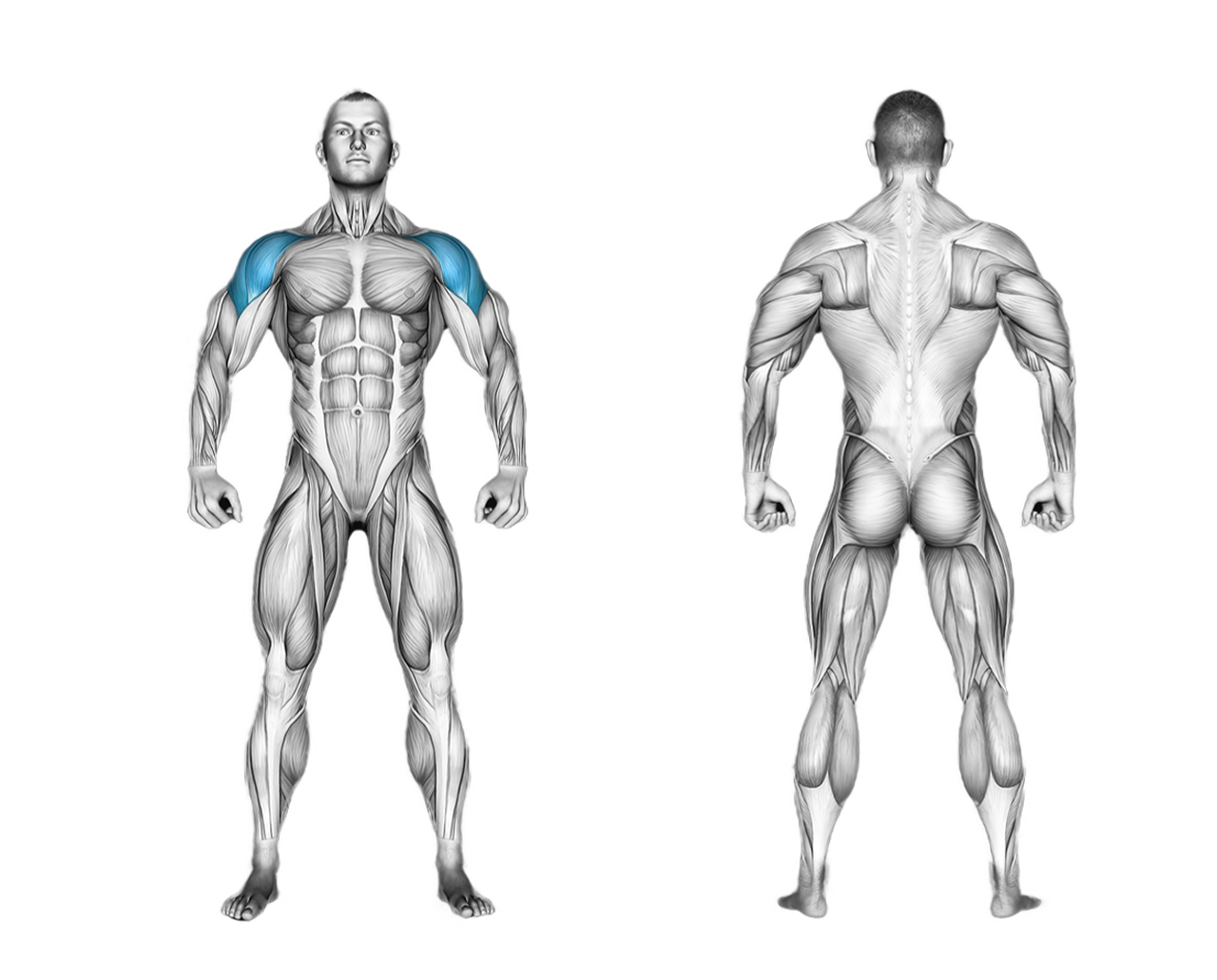
The seated dumbbell lateral raise is an isolation exercise specifically targeting the lateral deltoid heads. Sitting down removes lower-body momentum and strict torso movement, making it an ideal choice for shoulder hypertrophy in the middle or end of a workout.
How to do it
- Sit on a bench with your feet flat on the floor, back straight.
- Hold a dumbbell in each hand at your sides, palms facing inward.
- Inhale and brace your core. Exhale as you lift the dumbbells out to the sides, keeping your arms straight and elbows slightly bent.
- Raise the weights to shoulder height, focusing on using your shoulder muscles.
- Keep your movements controlled, avoiding momentum or swinging.
- Slowly lower the dumbbells back to the starting position at your sides.
Common mistakes
- Swinging the torso to generate momentum takes tension off the deltoids and strains the lower back.
- Raising the dumbbells well above shoulder height shifts the workload to the upper traps and can irritate the shoulder joint.
- Locking out the elbows completely places unnecessary stress on the joints instead of keeping tension on the muscle.
- Leading the movement with the hands rather than the elbows minimizes lateral delt activation and strains the wrists.
Tips
- Lead the movement with your elbows and keep a slight, fixed bend in your arms throughout the rep.
- Pause briefly at the top of each repetition to maximize peak contraction on the lateral delts.
- Lower the dumbbells slowly under control rather than letting gravity drop them back down.
Sets and reps
Perform 3 to 4 sets of 10 to 15 reps with 60 to 90 seconds of rest between sets to maximize shoulder hypertrophy.
Muscles worked
Your coach guides every set
Turn on the coach in Gloox: it asks how you feel, picks the weight from your history and cues technique and rest. Rate each set and the next one is tuned to you.

On a computer? Point your phone's camera here to get the app.
Questions
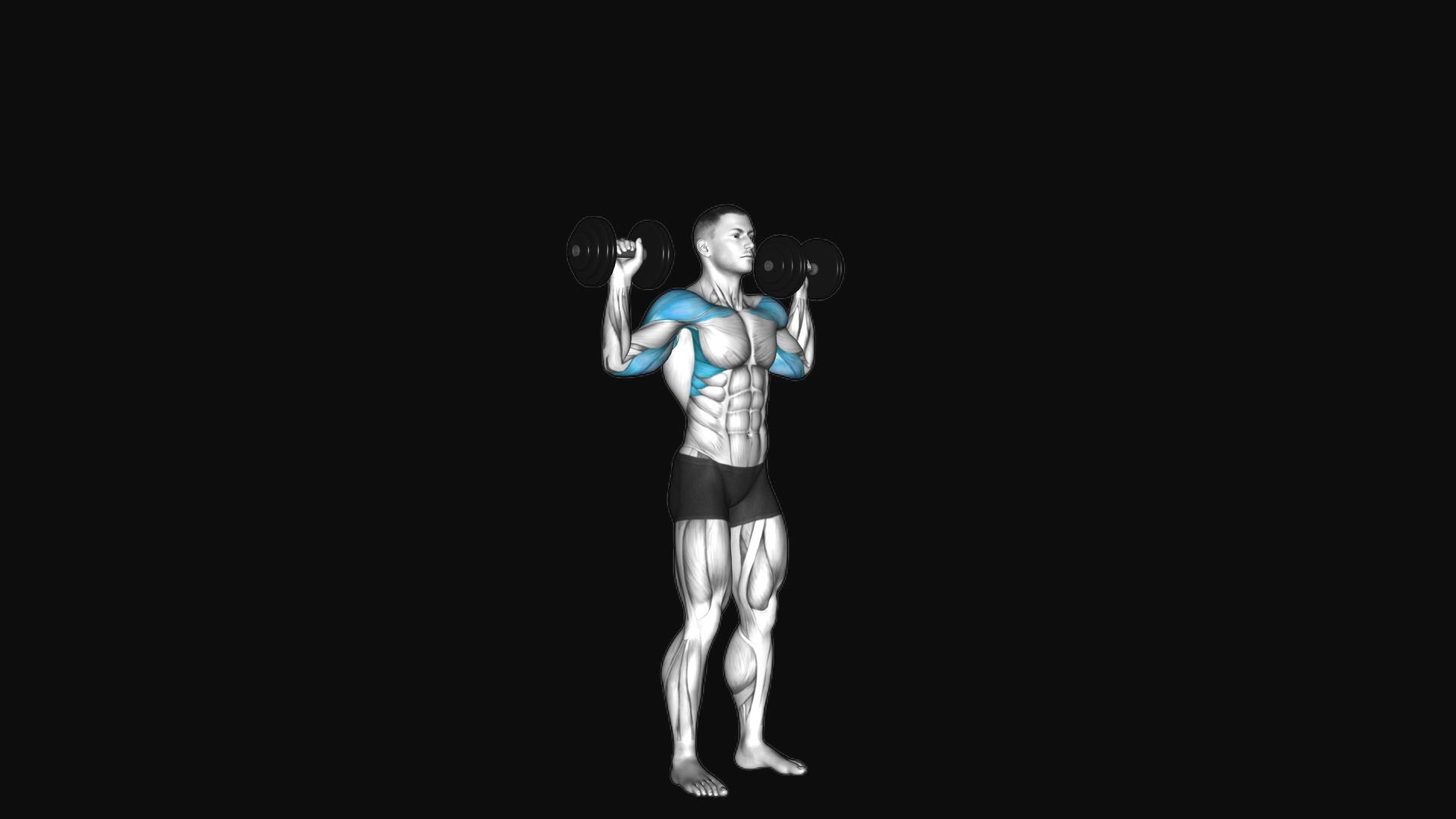
Is the seated lateral raise better than the standing version?
It is not necessarily better, but it eliminates leg drive and momentum, creating stricter isolation for the side shoulders.
What should you do if you feel joint pain during the exercise?
Stop the set immediately, try raising the dumbbells slightly forward in the scapular plane, and consult a specialist if pain persists.