Chest · Bodyweight
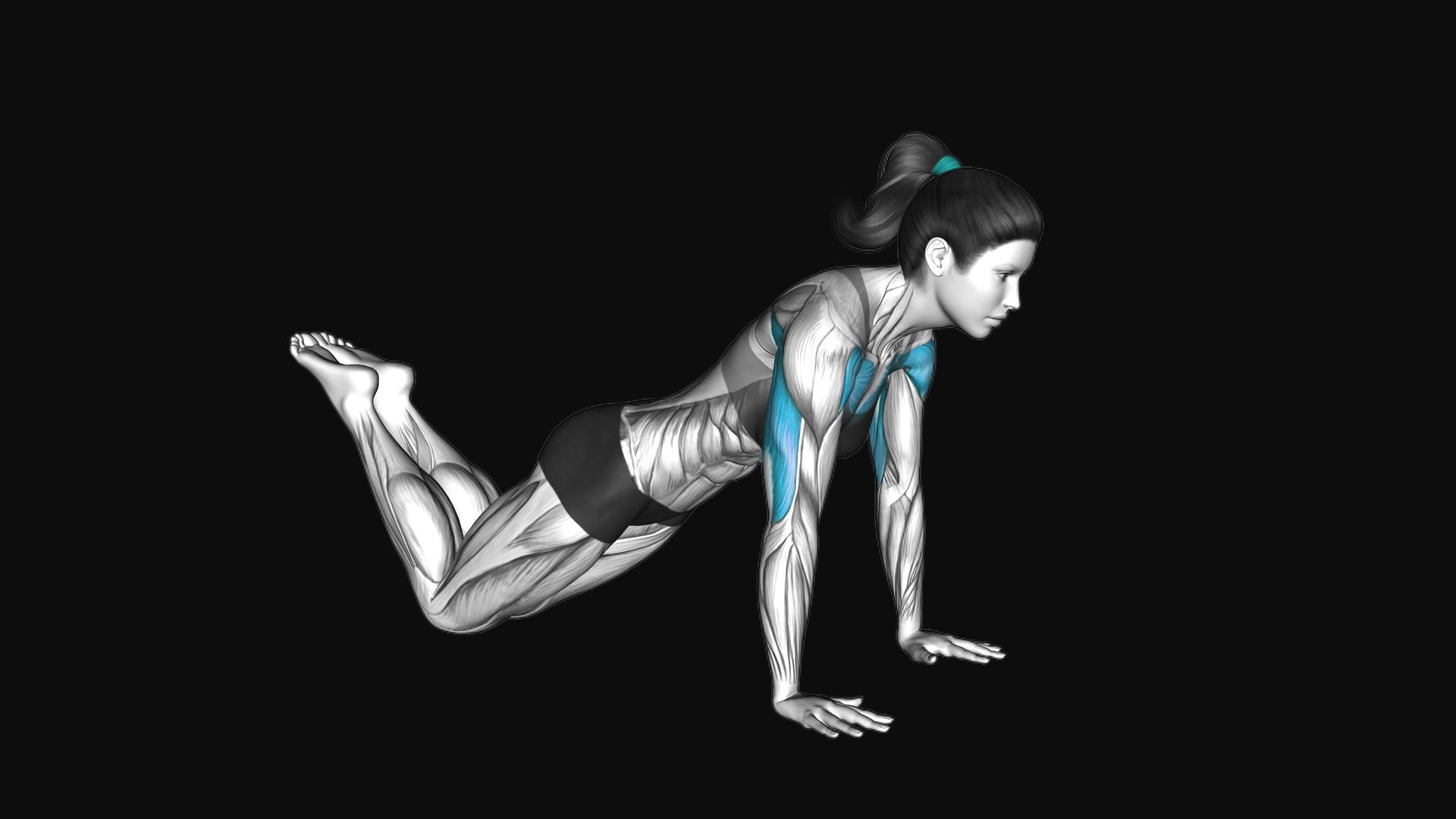
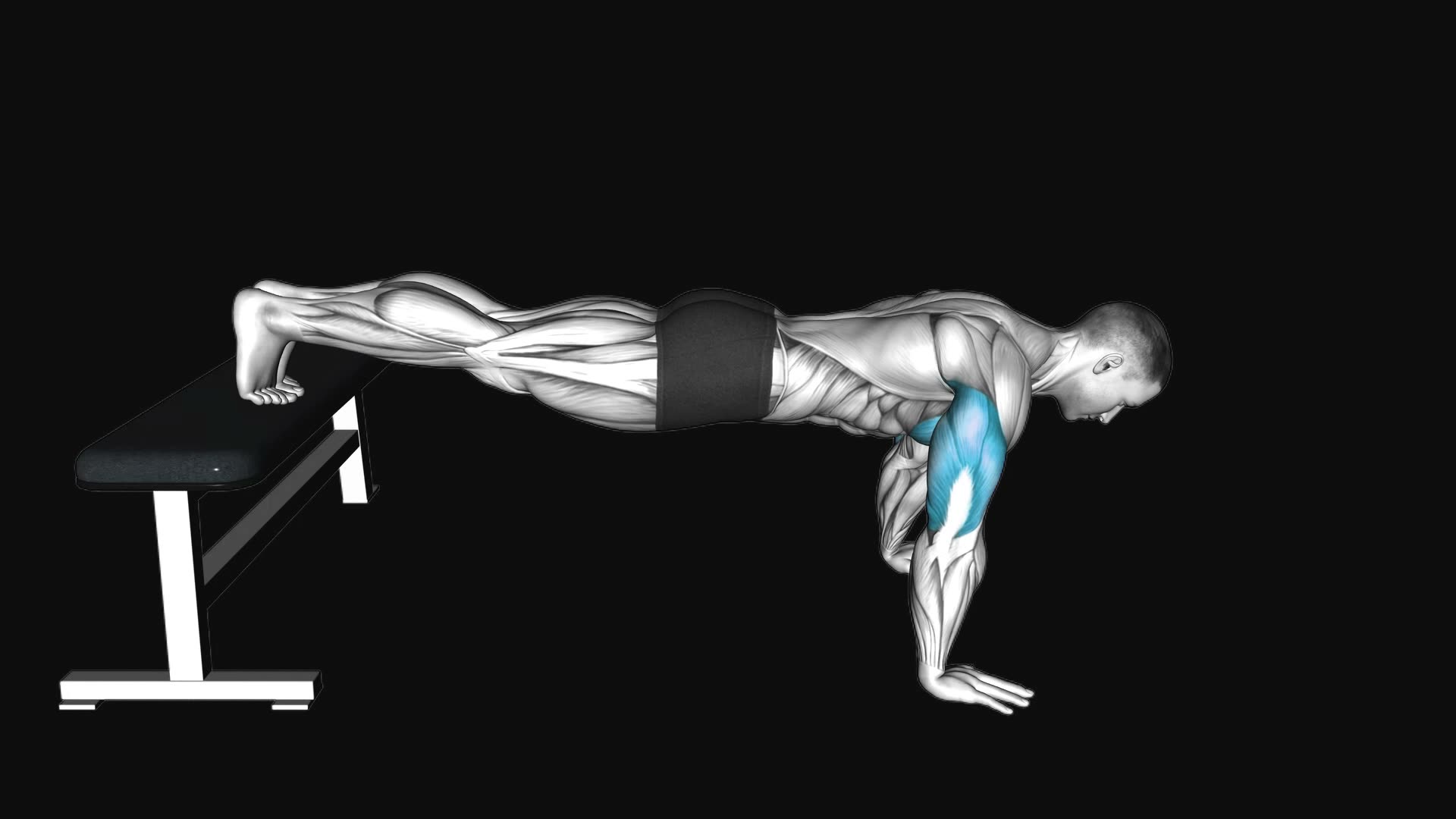
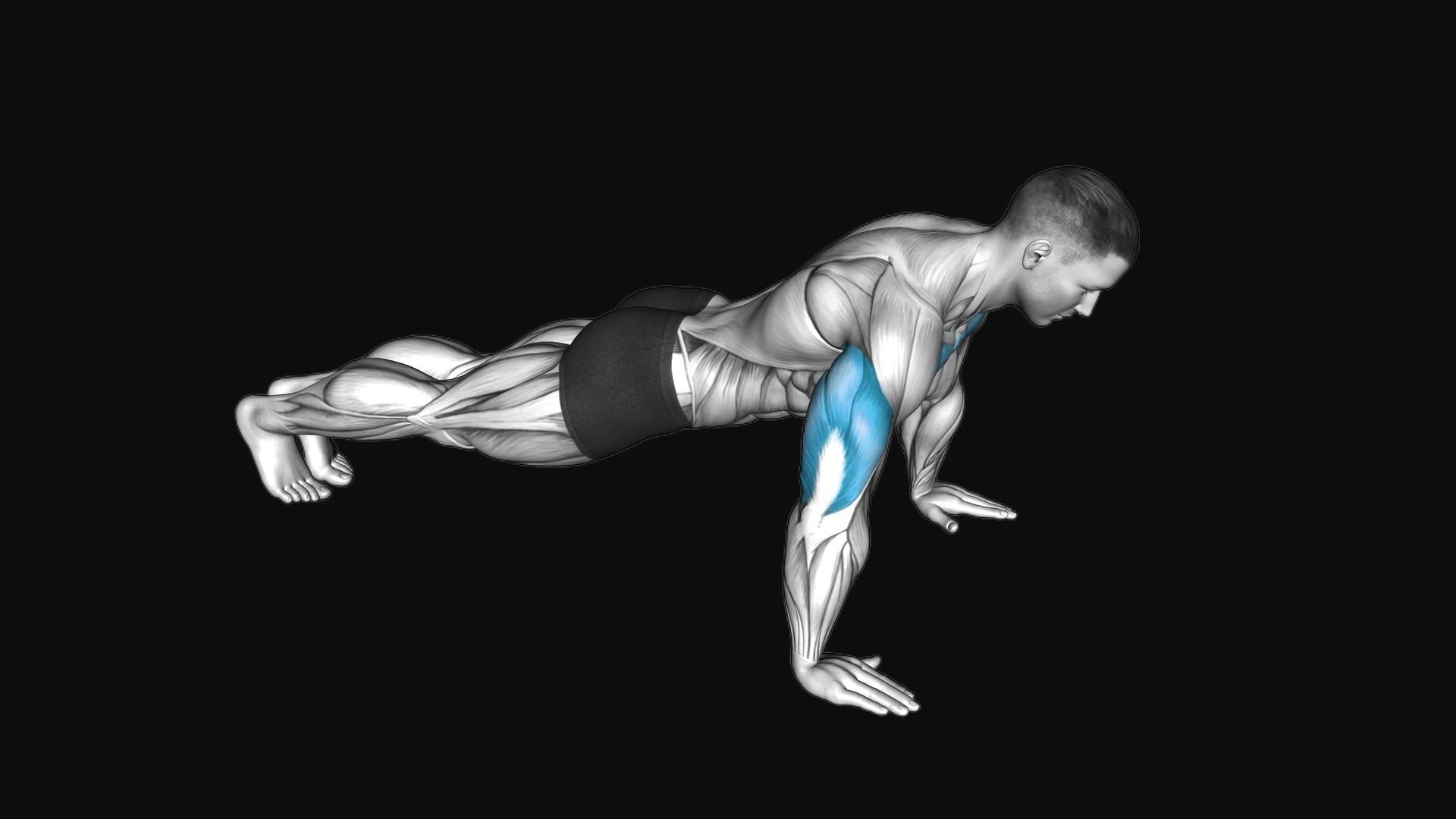
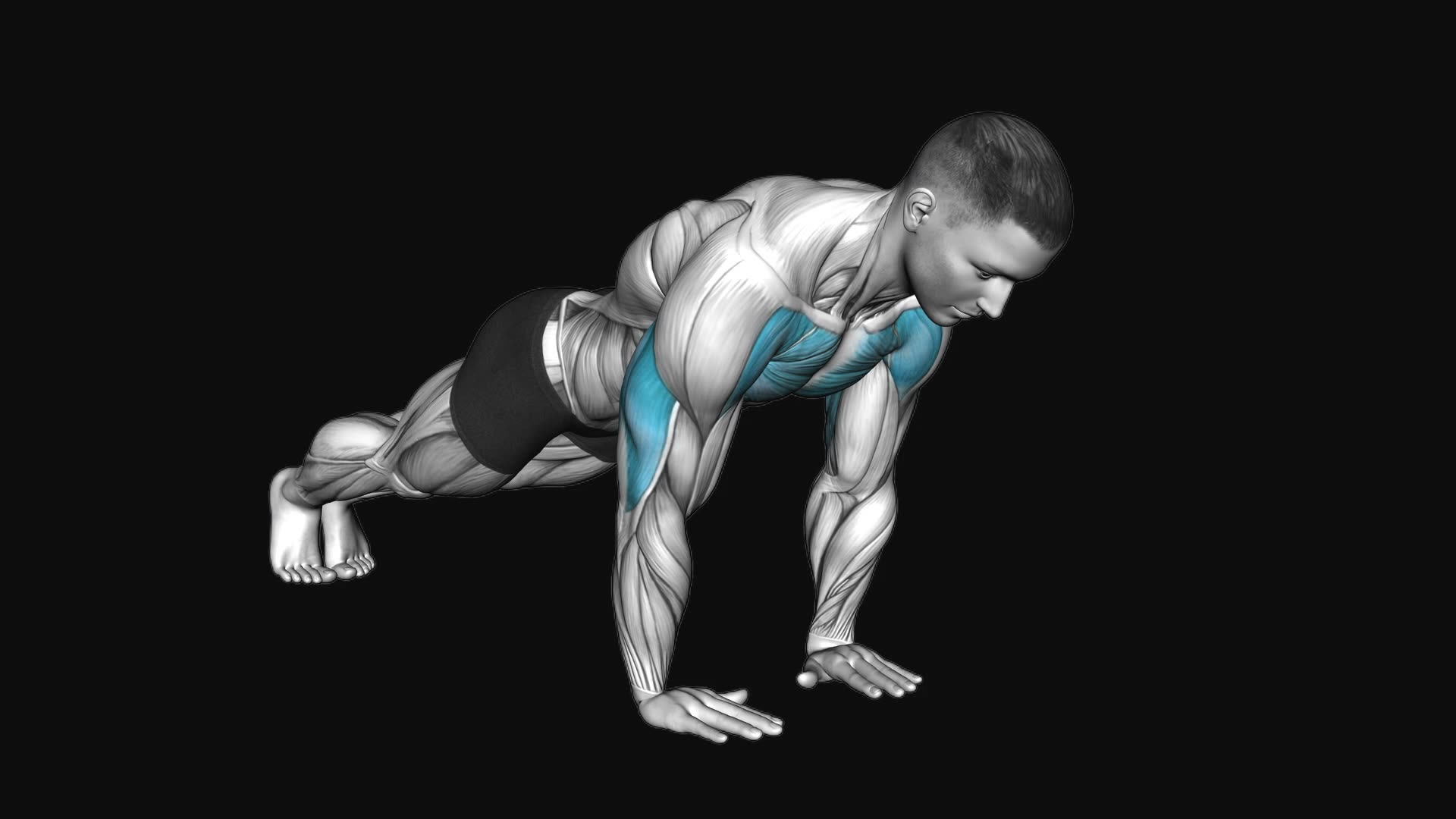
Decline Push up
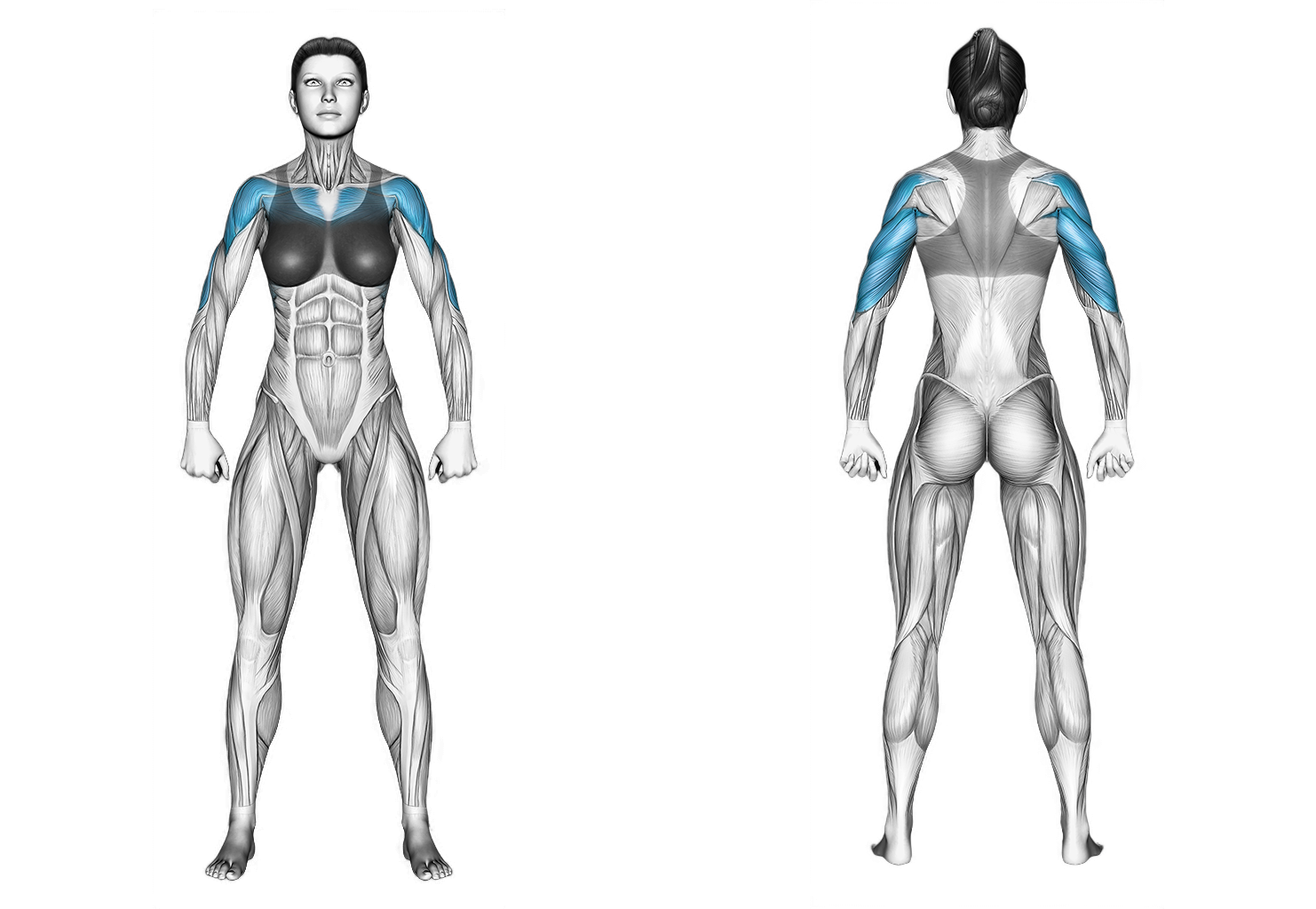
The decline push-up shifts bodyweight forward to place greater emphasis on the upper chest and anterior deltoids. It serves as an effective bodyweight progression for intermediate and advanced lifters looking to develop upper-body pressing strength.
- Muscles
- Chest
- Equipment
- Bodyweight
- Type
- Strength
- Animation
- Women
How to do it
- Place your feet on an elevated surface (bench or box) and hands on the floor slightly wider than shoulder-width.
- Keep your body in a straight line from head to heels.
- Lower your chest toward the floor by bending your elbows, keeping them at about 45 degrees from your body.
- Push back up to the starting position, fully extending your arms.
Common mistakes
- Sagging the hips and arching the lower back, which strains the spine and disengages the core muscles.
- Flaring the elbows out at a 90-degree angle, placing excessive and unnecessary stress on the shoulder joints.
- Cutting the range of motion short by dropping only the head toward the floor instead of lowering the chest.
- Placing feet on an excessively high surface, which shifts the workload from the chest almost entirely onto the shoulders.
Tips
- Squeeze your glutes and brace your core continuously to keep a rigid plank line from head to heels.
- Keep your elbows tracking at roughly a 45-degree angle from your torso to protect the shoulder capsules.
- Lower yourself in a controlled tempo over two seconds rather than letting gravity pull you down.
Sets and reps
Perform 3 to 4 sets of 8 to 15 controlled repetitions, taking 60 to 90 seconds of rest between sets.
Muscles worked
Your coach guides every set
Turn on the coach in Gloox: it asks how you feel, picks the weight from your history and cues technique and rest. Rate each set and the next one is tuned to you.

On a computer? Point your phone's camera here to get the app.
Questions
What muscles do decline push-ups target most?
They primarily target the clavicular (upper) head of the pectoralis major, alongside the front deltoids and triceps.
How high should the elevation be?
A platform height of 12 to 18 inches (30 to 45 centimeters) is ideal to target the upper chest without turning the movement into a shoulder press.