Chest · Machines
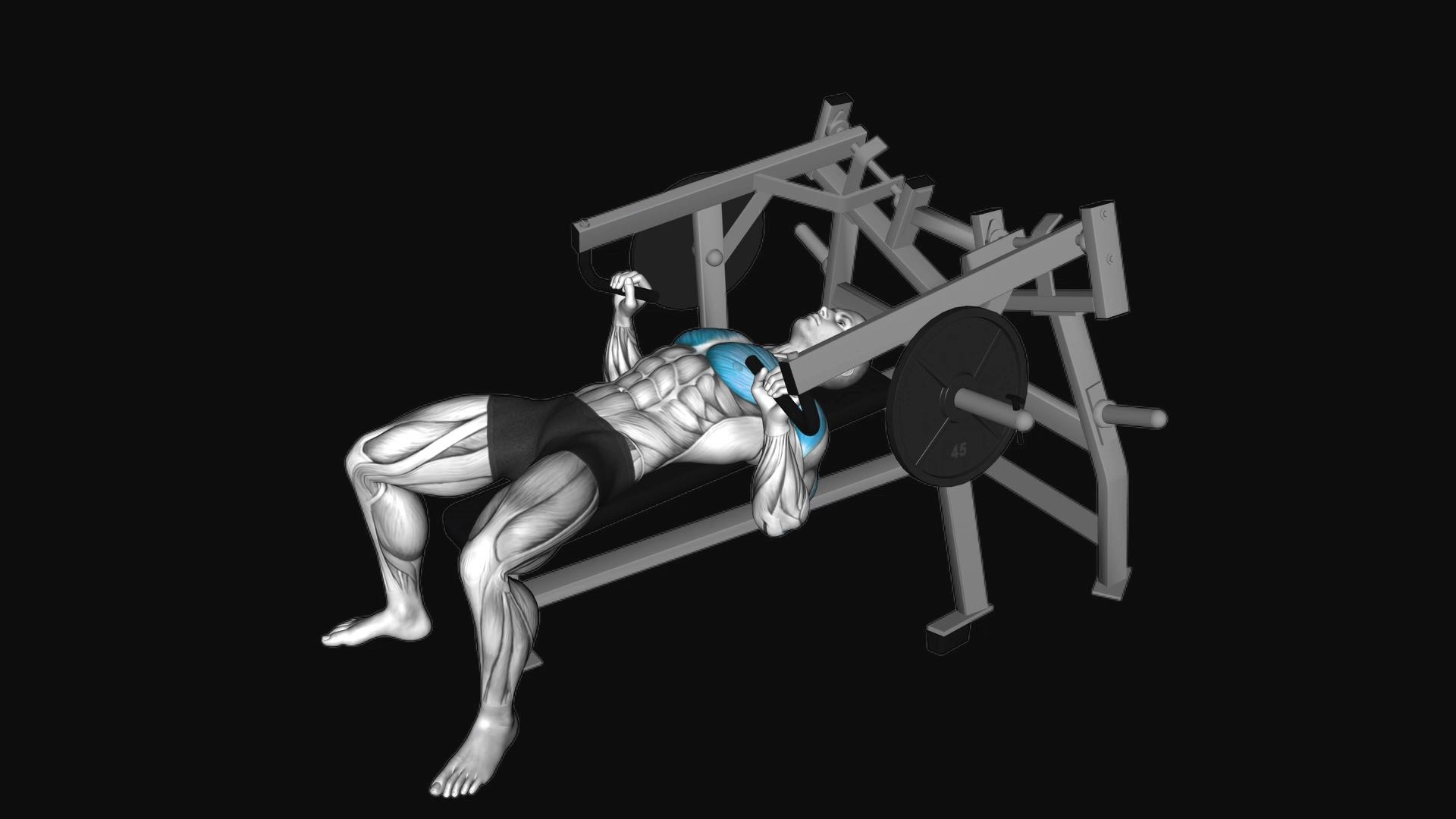
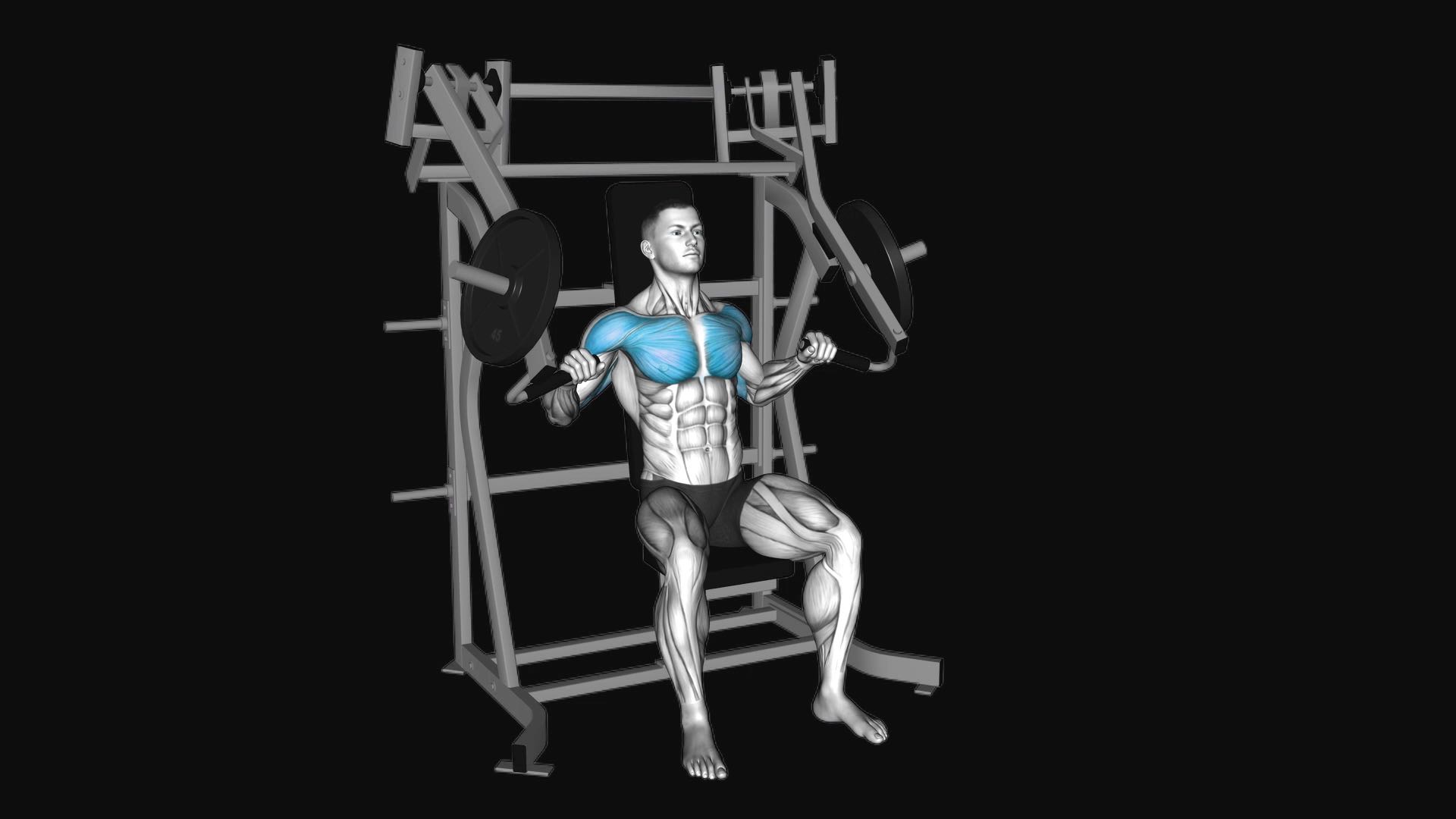
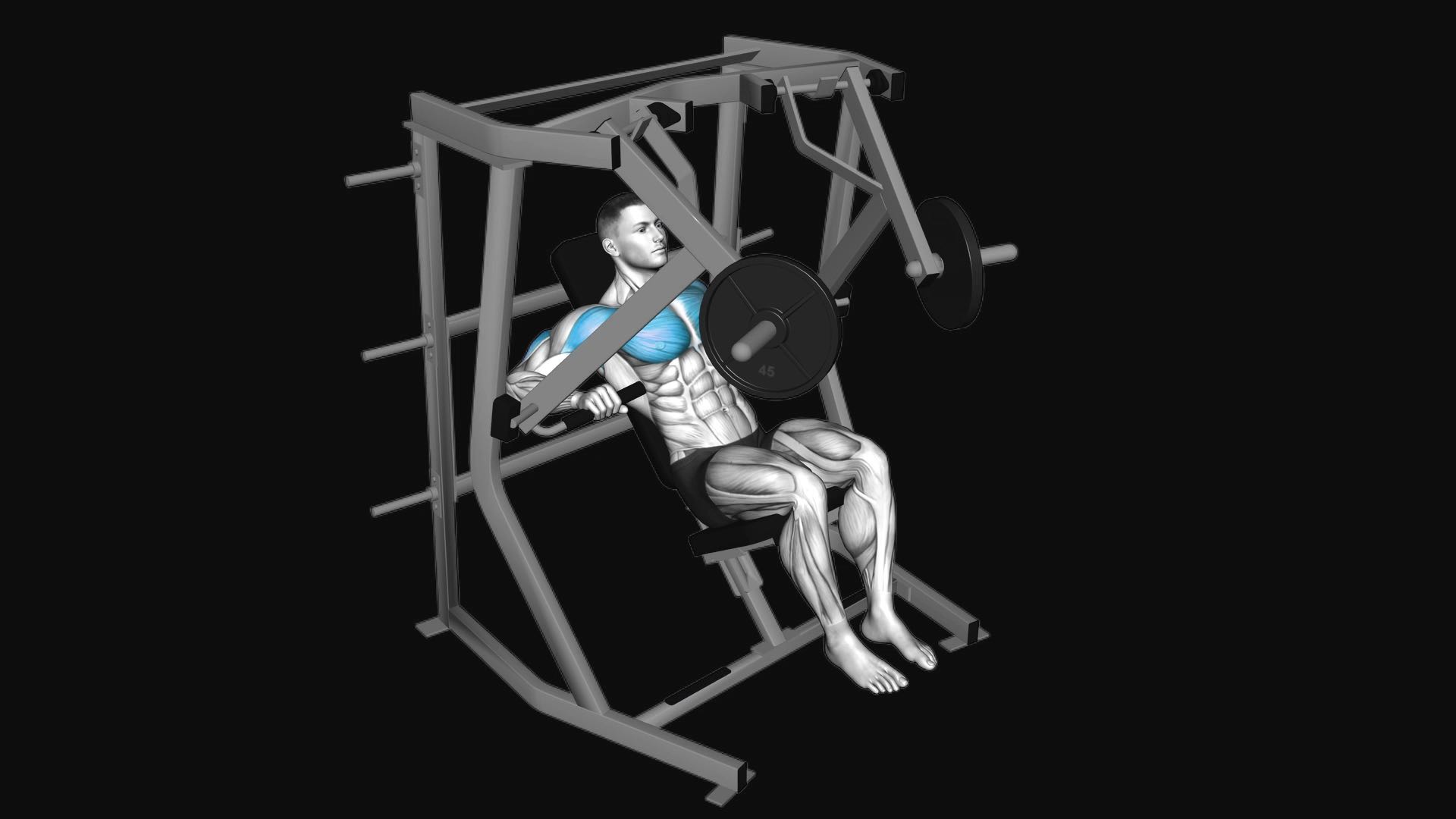
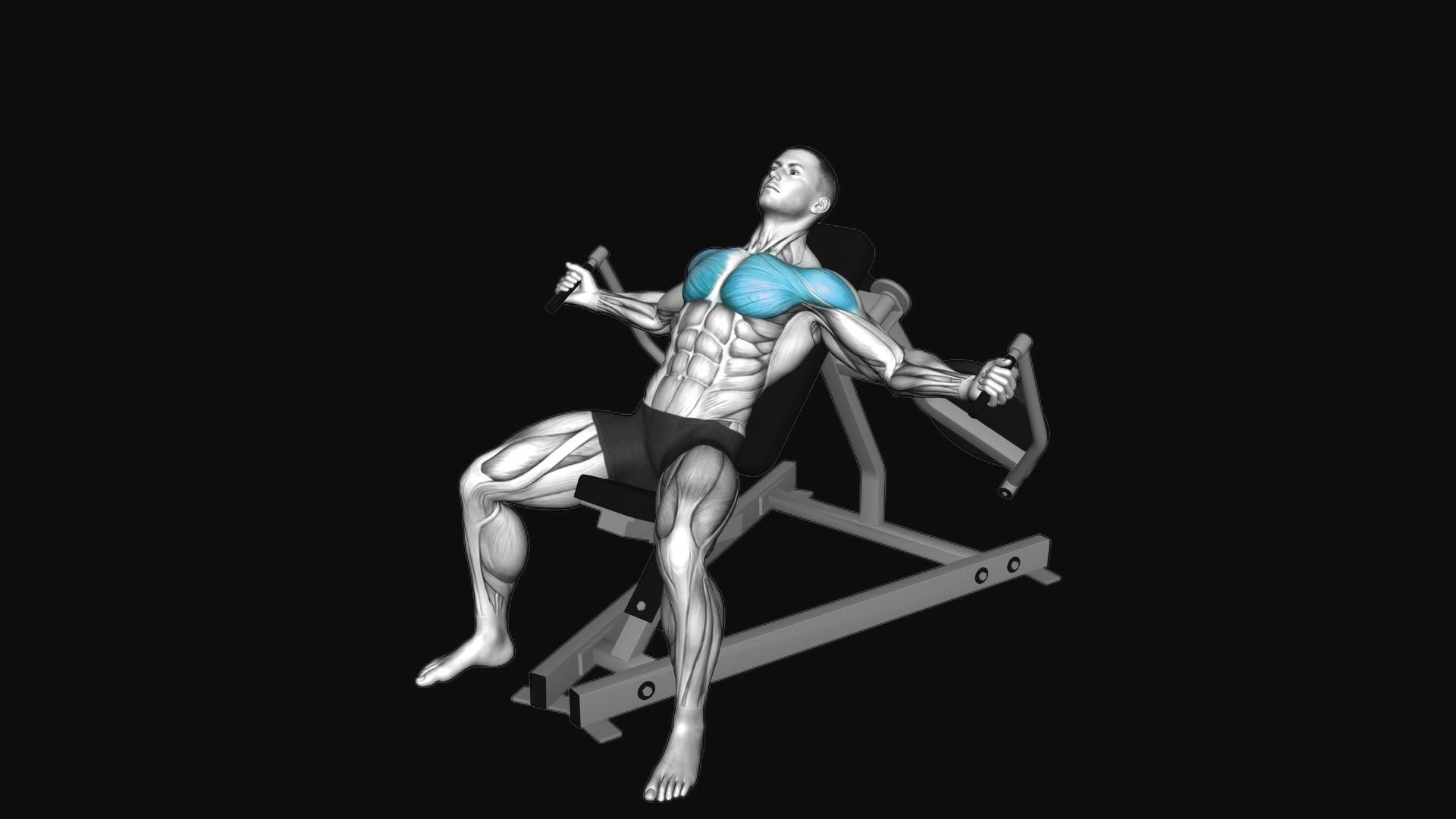
Lever Chest Press
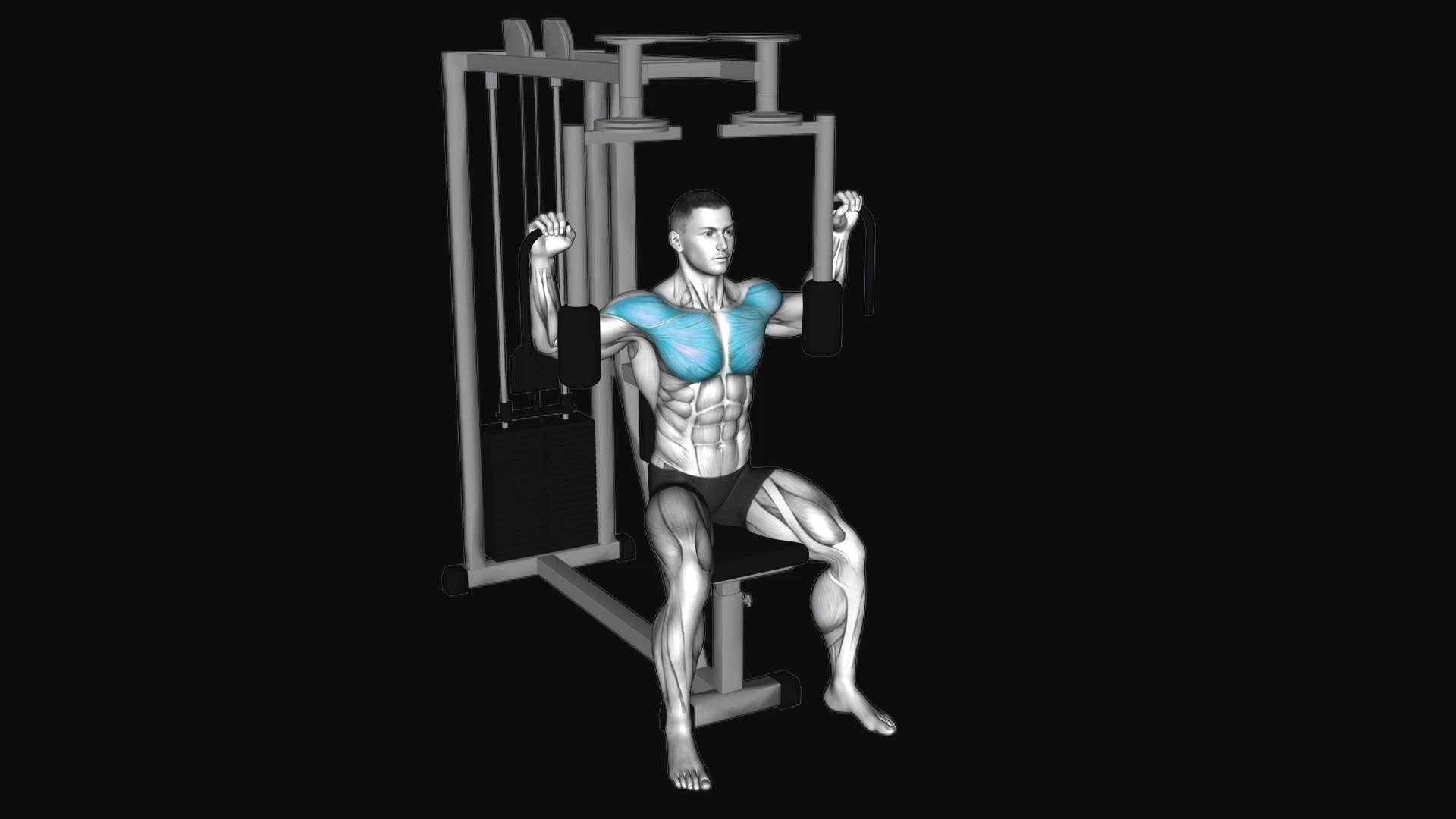
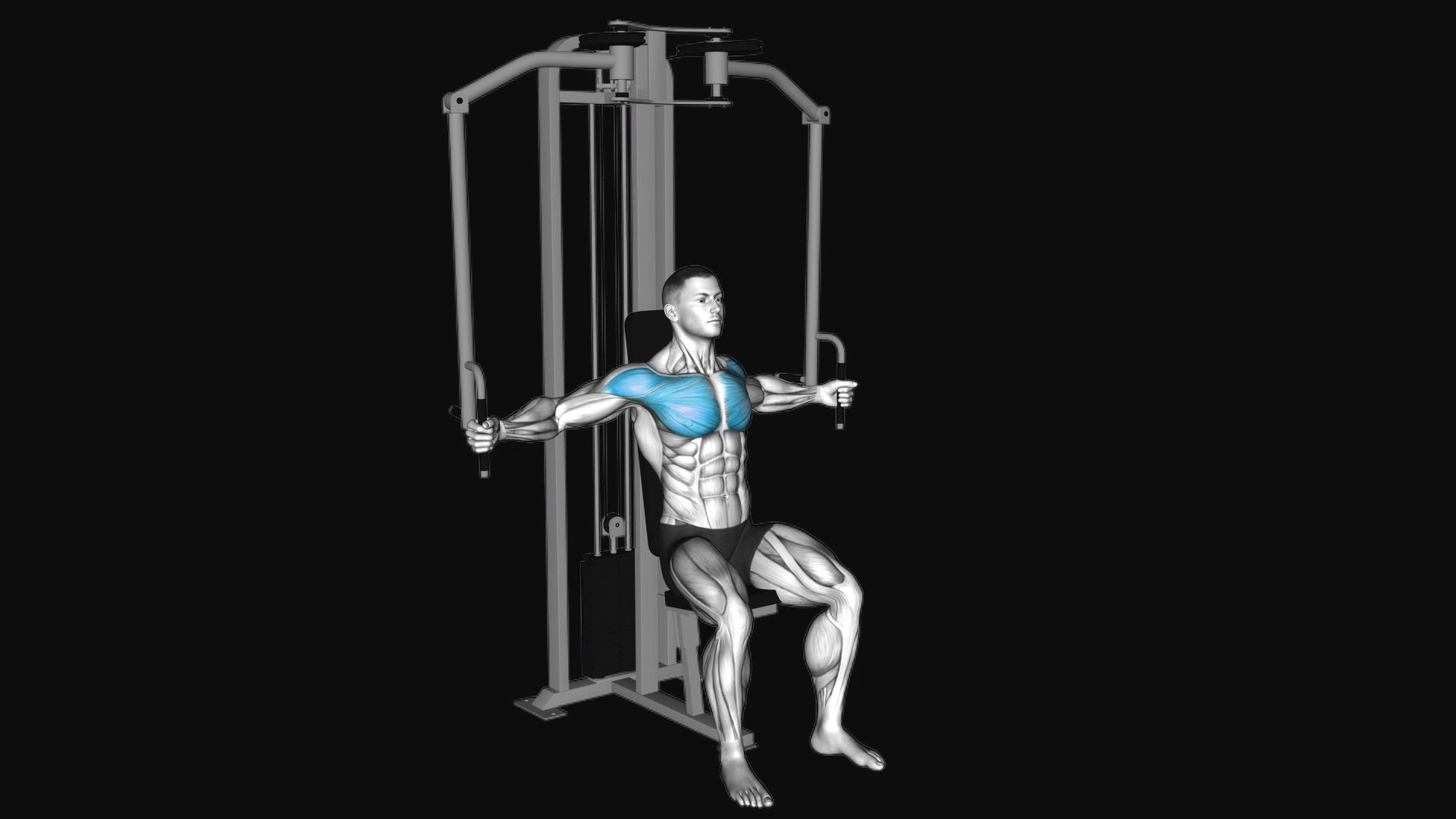
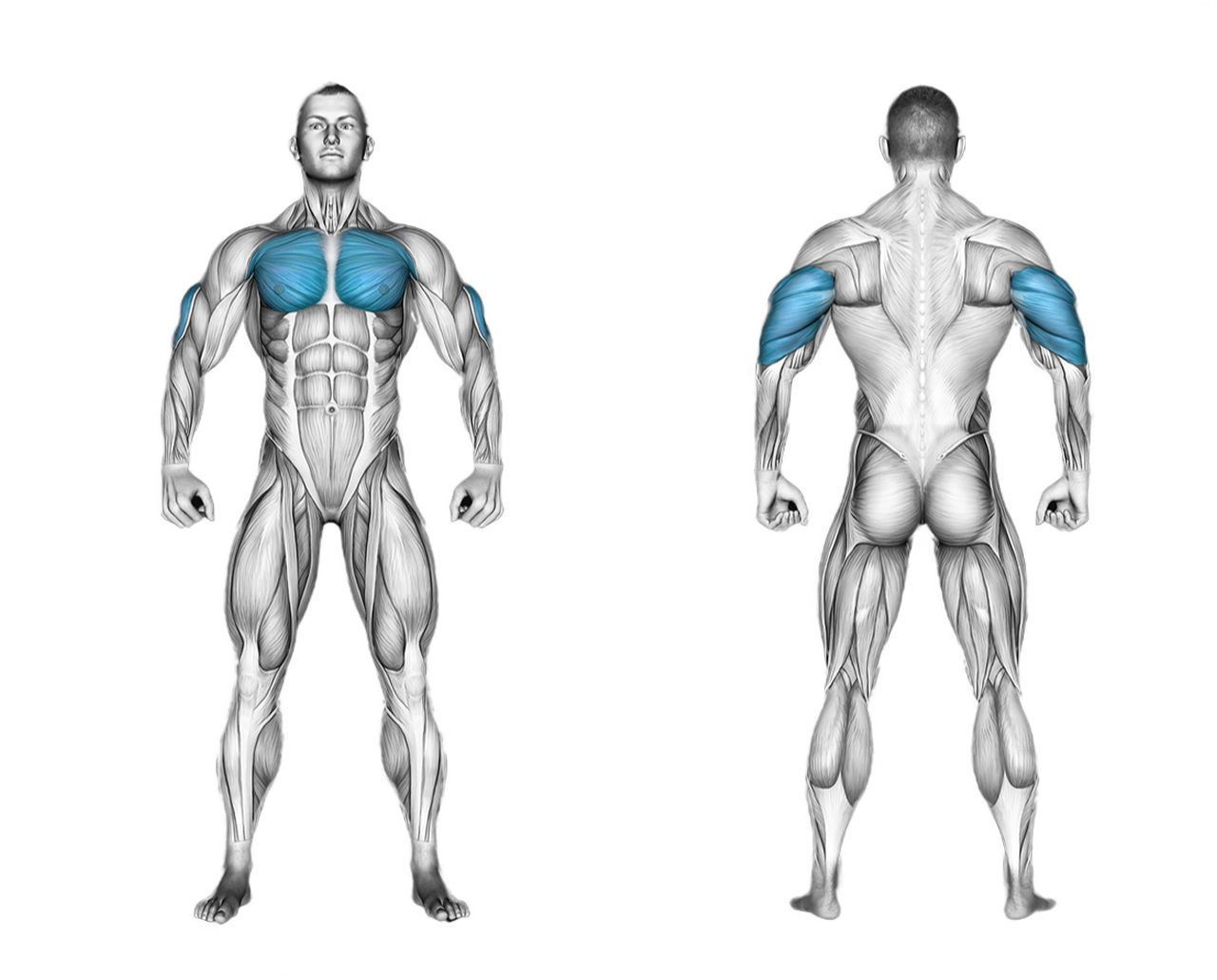
The lever chest press is a compound machine exercise designed to isolate the pectoral muscles with secondary engagement of the triceps and anterior deltoids. It suits lifters of all experience levels and works well either as a primary press or as an accessory movement after free-weight exercises.
How to do it
- Sit on the chest press machine with your back pressed against the pad.
- Adjust the seat and handles so that they are at the appropriate height for your body.
- Grab the handles with your palms facing down.
- Exhale and push the handles away from you, extending your arms fully.
- Focus on using your chest muscles to perform the press.
- Inhale as you slowly return the handles to the starting position, controlling the movement and feeling the stretch in your chest.
Common mistakes
- Setting the seat too low or high pushes your elbows out of alignment, increasing rotational stress on the shoulder joints.
- Flaring your elbows out at a 90-degree angle to the torso places excessive strain on the rotator cuffs.
- Protracted shoulders pushing forward off the pad at peak extension reduce chest engagement and destabilize the upper back.
- Allowing the weight to slam back quickly during the negative phase eliminates tension and diminishes muscle stimulation.
Tips
- Adjust the seat so the handles align directly across your mid-to-lower chest level.
- Keep your shoulder blades retracted and firmly planted against the backrest throughout the entire set.
- Stop just short of fully locking your elbows at the end of the press to maintain continuous tension on the pecs.
Sets and reps
For muscle building, perform 3 to 4 sets of 8 to 12 repetitions resting 90 to 120 seconds between sets. For muscular endurance, use lighter resistance for 3 sets of 12 to 15 reps with 60 seconds of rest.
Muscles worked
Your coach guides every set
Turn on the coach in Gloox: it asks how you feel, picks the weight from your history and cues technique and rest. Rate each set and the next one is tuned to you.

On a computer? Point your phone's camera here to get the app.
Questions
Can the lever chest press replace the barbell bench press?
It serves as an effective substitute for targeting the pectorals with less demand on stabilizing muscles, making it safer to train close to failure.
What should you do if you feel shoulder pain during this exercise?
Stop the set immediately and adjust the seat height so your elbows stay tucked at roughly a 45-degree angle. If joint pain persists, stop the exercise and consult a healthcare professional.