Legs · Bodyweight
Bodyweight Pulse Goblet Squat
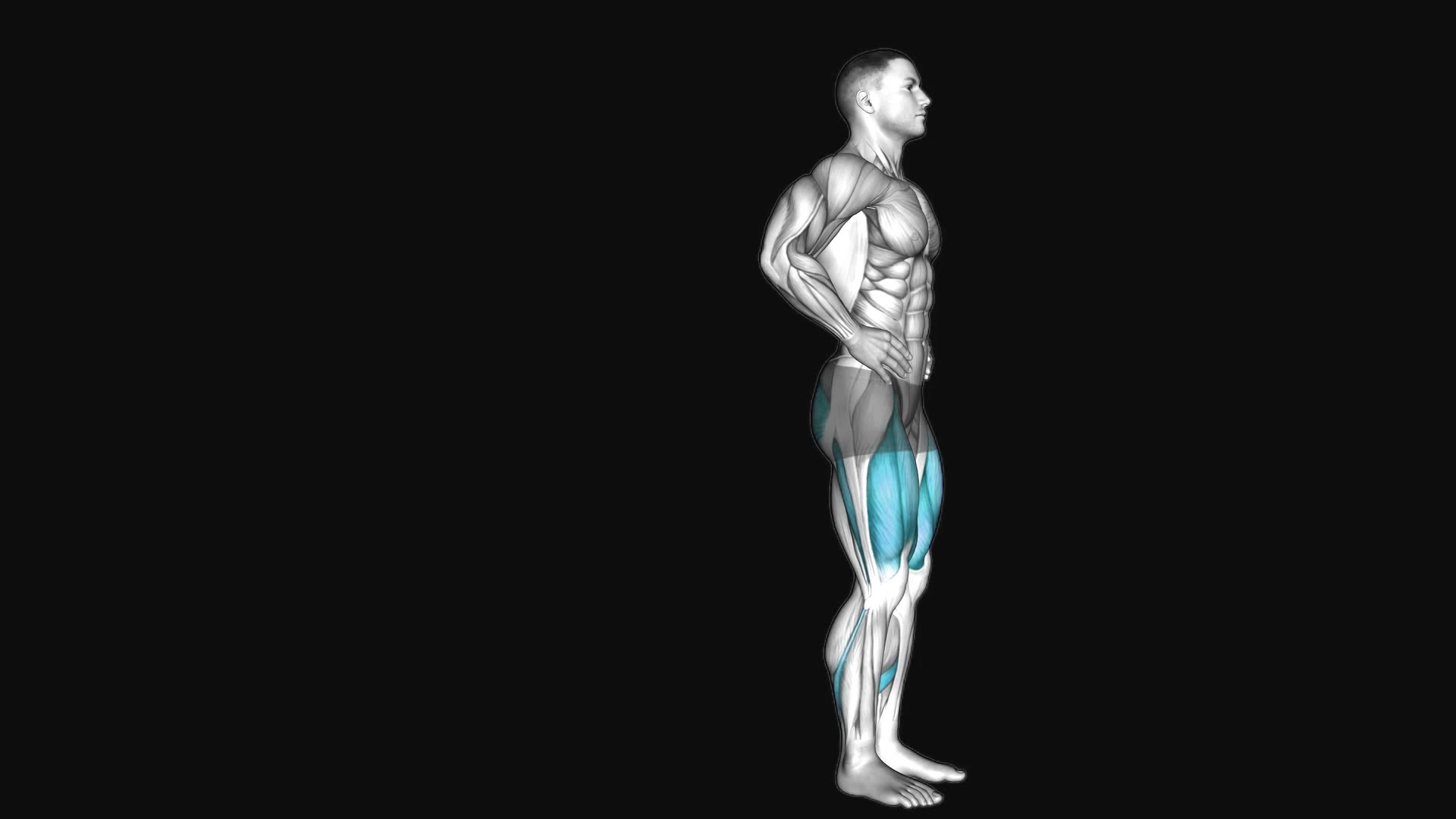
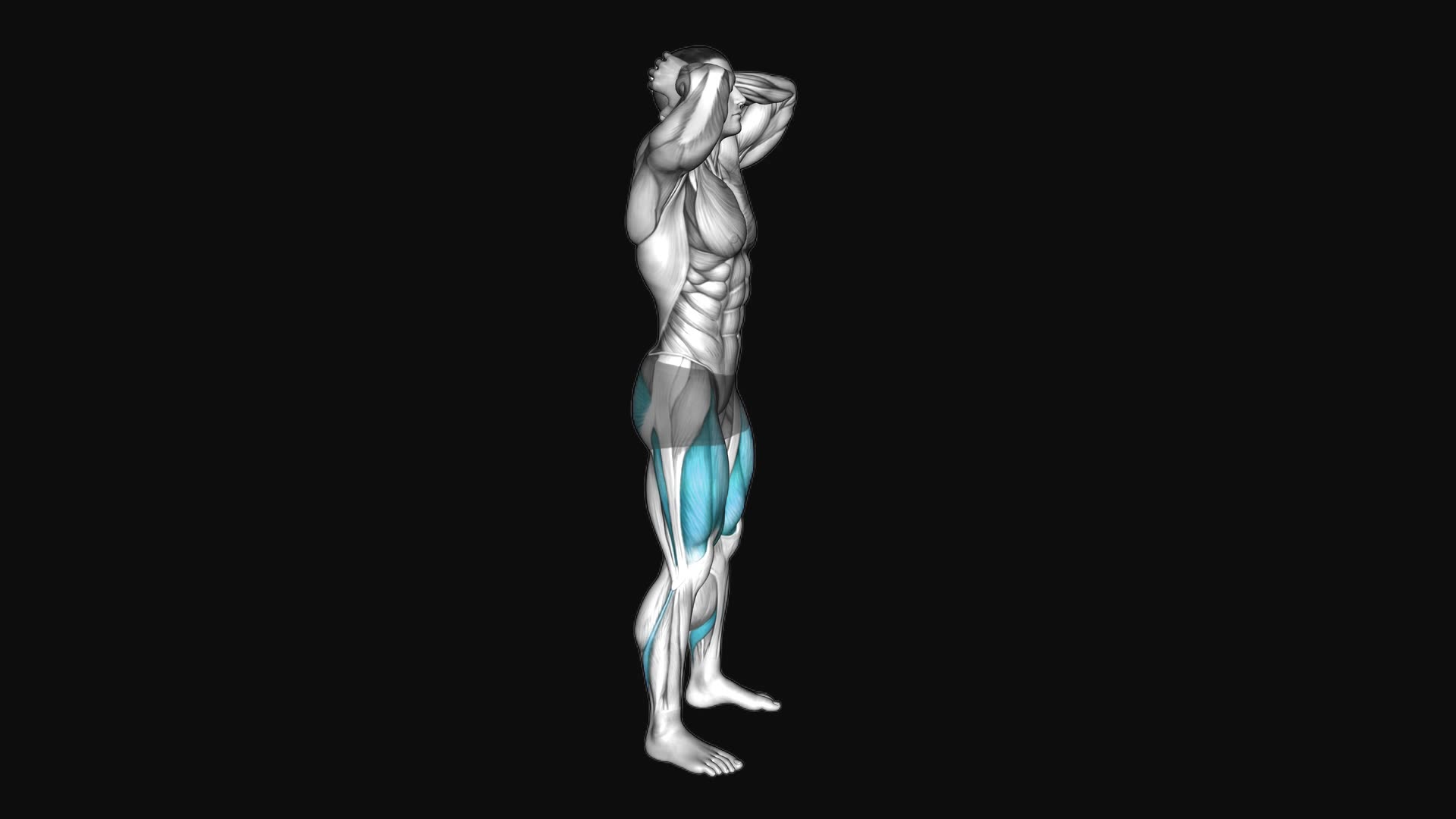
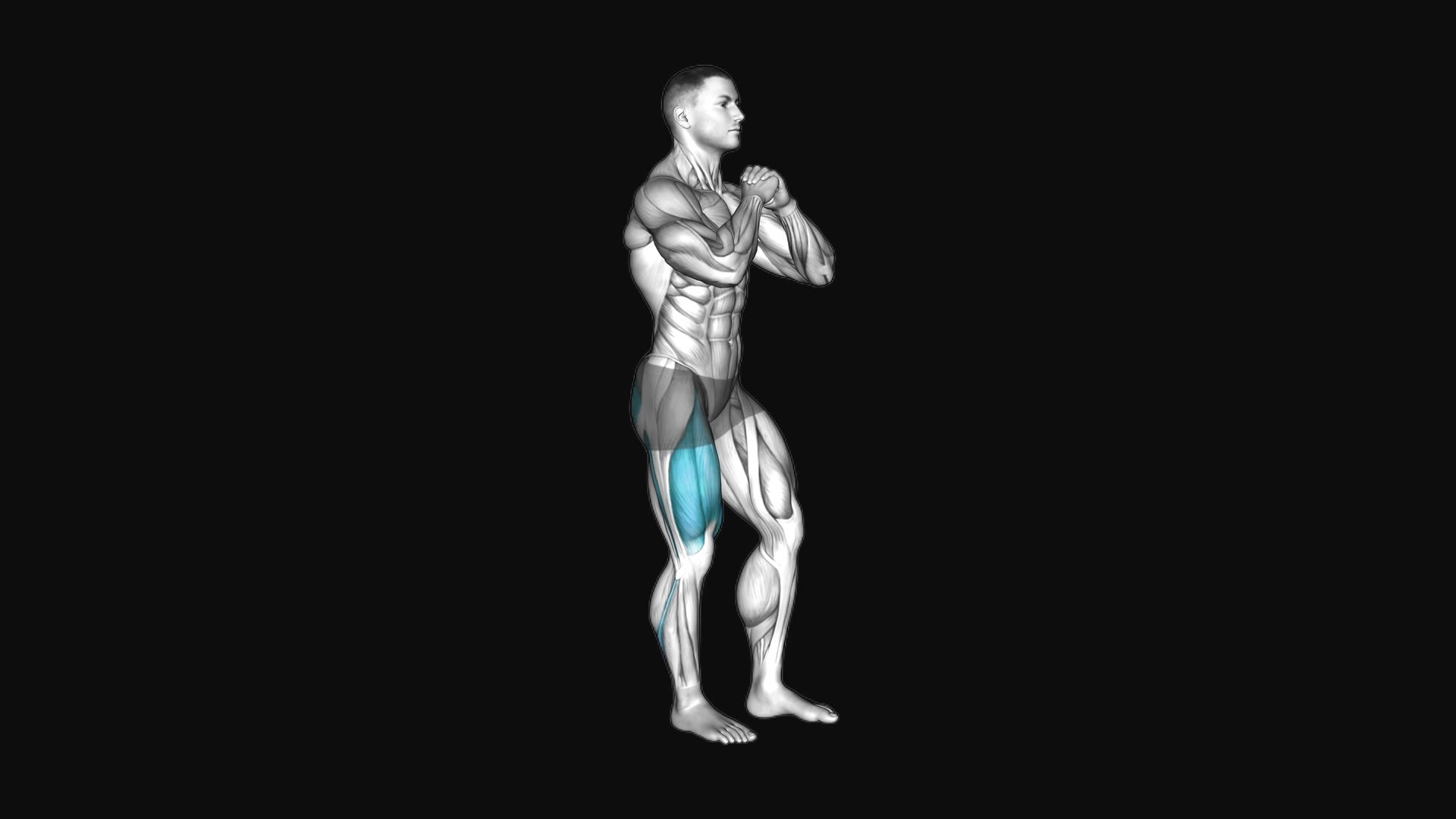
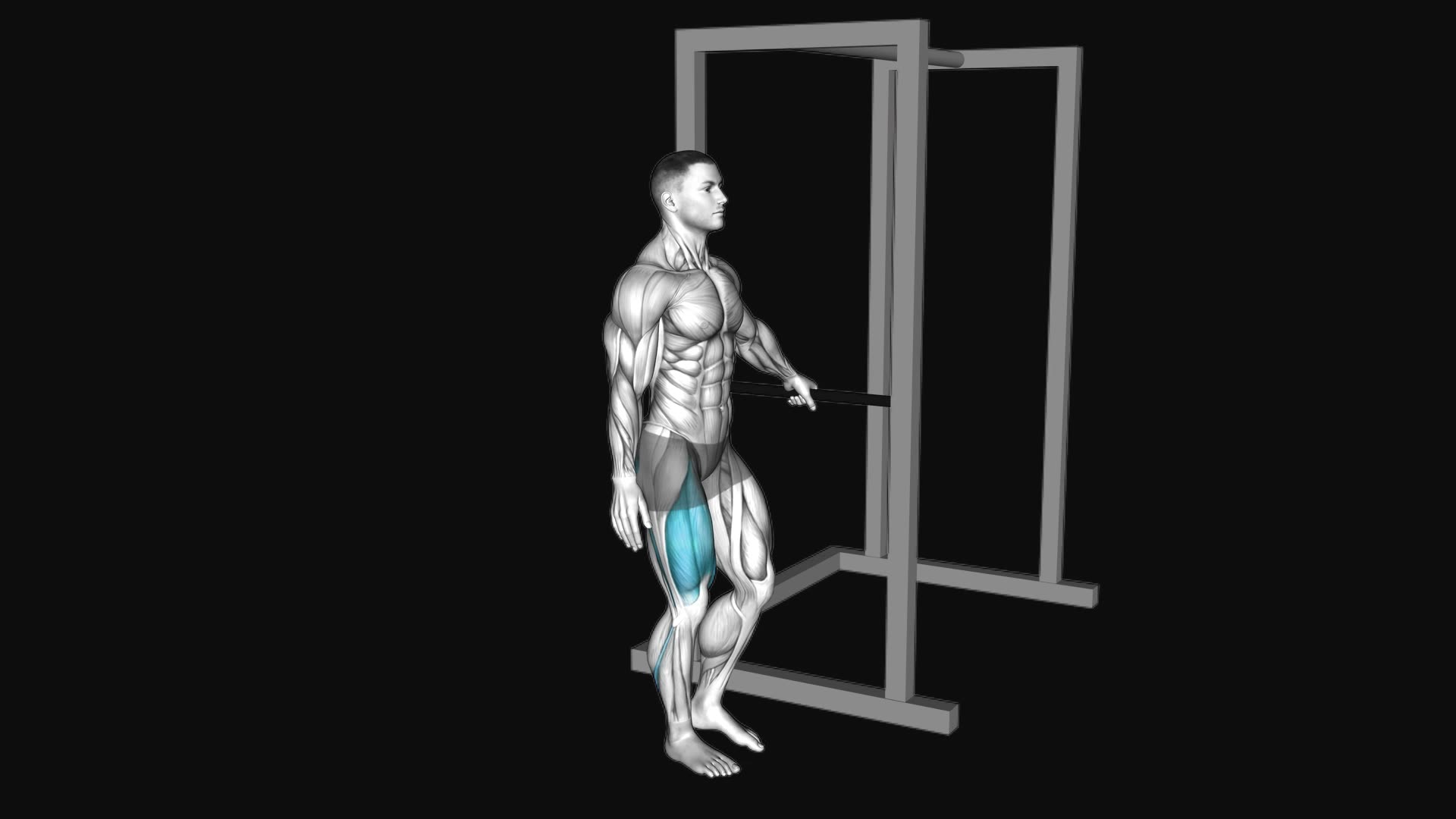
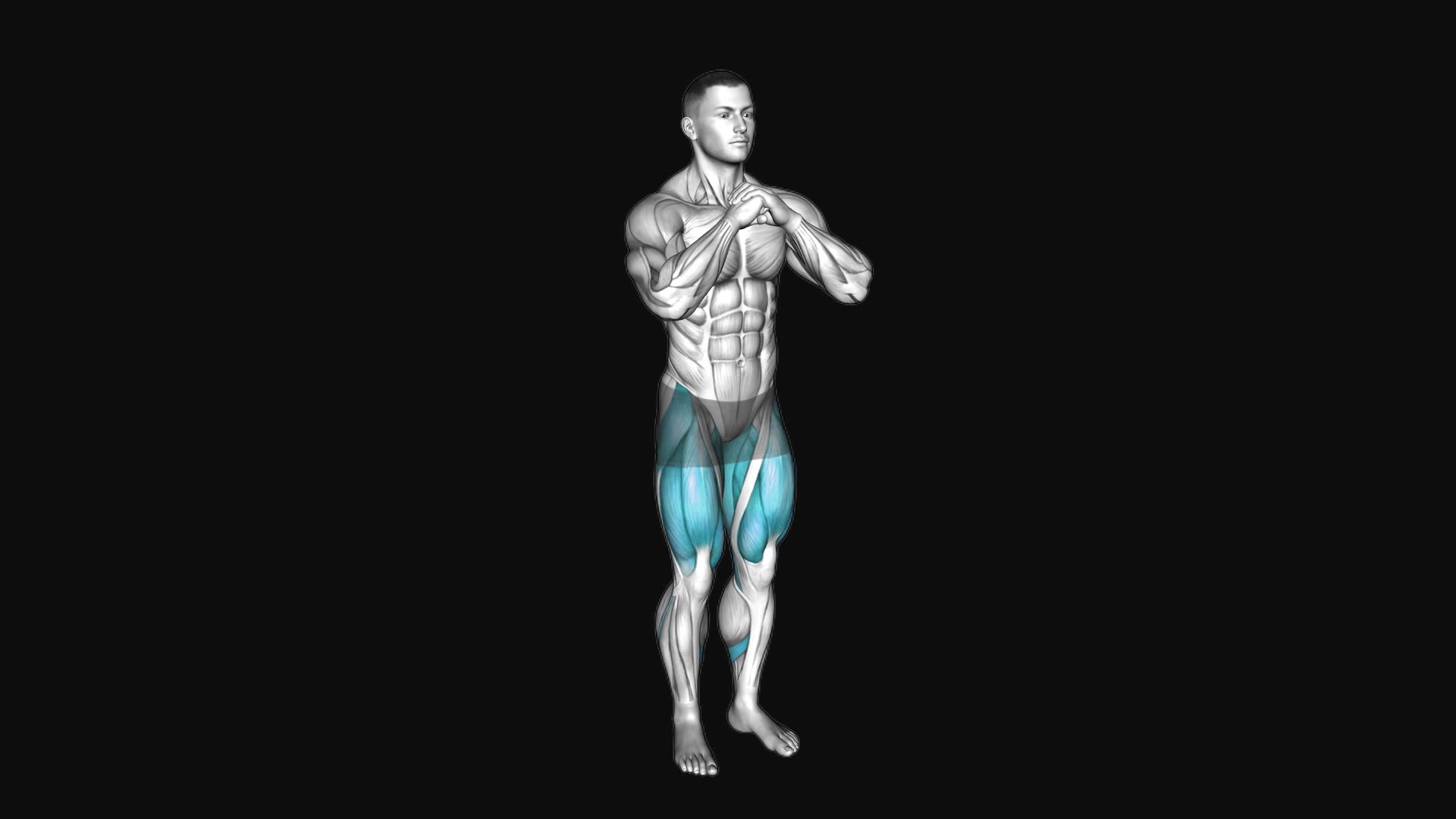
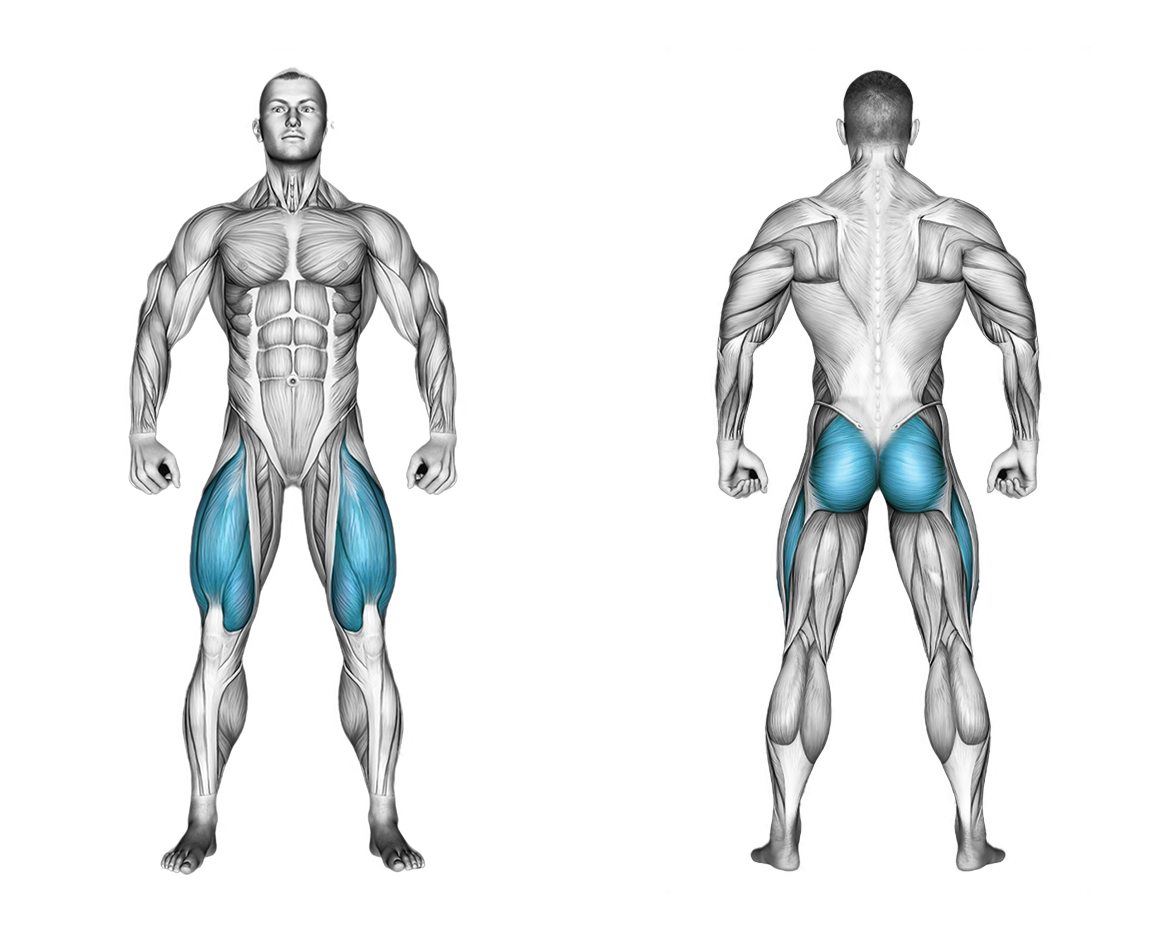
The bodyweight pulse goblet squat is a high-tension squat variation that confines movement to small pulses near the bottom of the range. It targets the quadriceps and glutes by maximizing time under tension, making it ideal as a workout burnout or high-rep conditioning drill.
- Equipment
- Bodyweight
- Type
- Strength
- Animation
- Men and women
How to do it
- Stand with feet shoulder-width apart and hands clasped together at chest level.
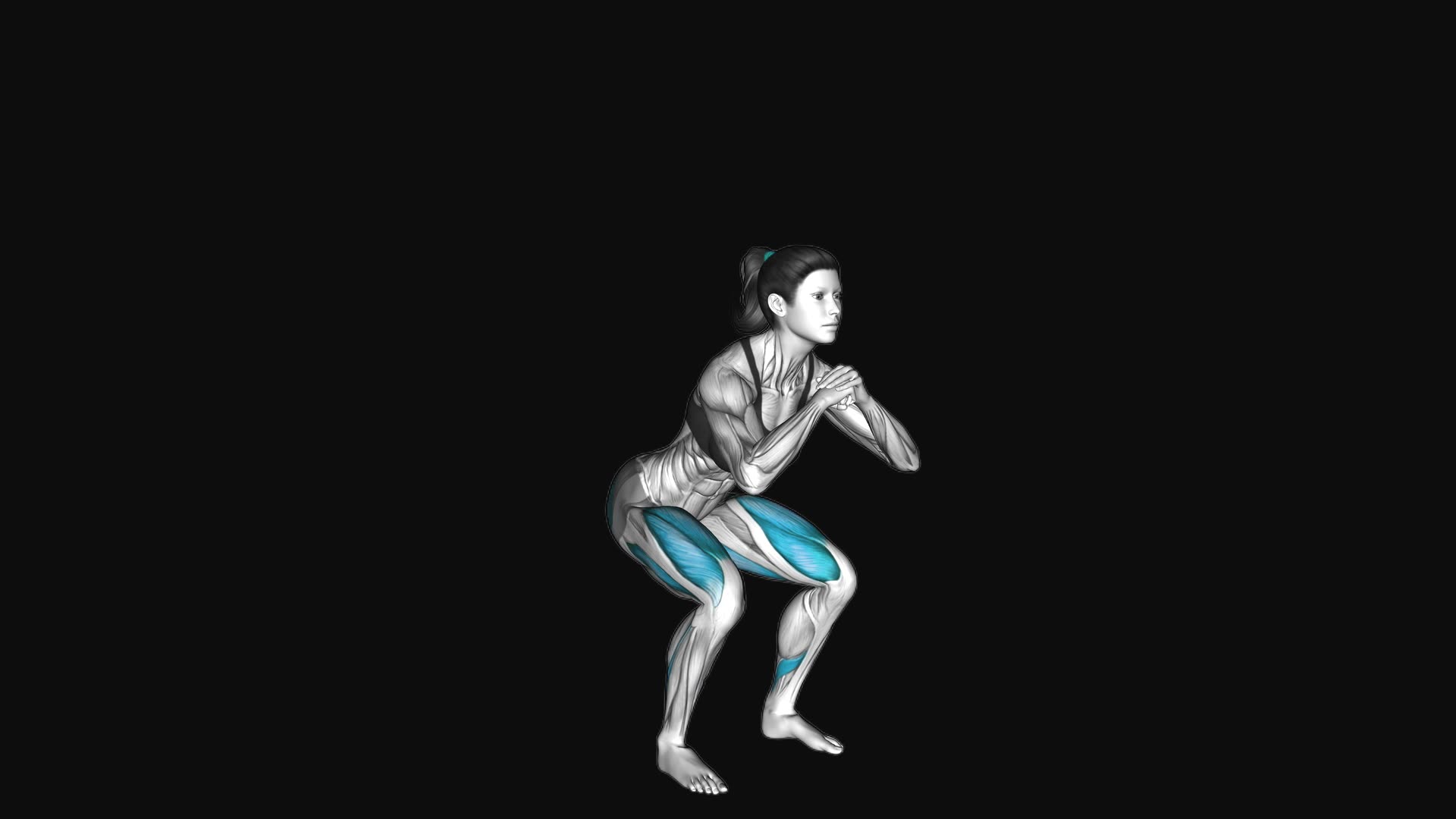
- Lower into a squat position until your thighs are parallel to the ground.
- From this bottom position, perform small pulsing movements up and down, maintaining tension in your legs.
- After completing pulses, return to the starting position.
Common mistakes
- Rising too high between pulses, which relieves muscular tension and reduces the exercise's effectiveness.
- Allowing the knees to cave inward during the pulse, which places unnecessary shear stress on the knee joints.
- Rounding the lower back and leaning excessively forward, shifting the workload from the legs to the lumbar spine.
- Lifting the heels off the ground, which shifts balance onto the toes and strains the patellar tendons.
Tips
- Keep the pulse range tight, oscillating roughly two to four inches around parallel depth.
- Press your feet firmly into the floor, distributing weight evenly through your heels and midfoot.
- Keep your chest up and hands clasped at your chest to maintain an upright torso and steady balance.
Sets and reps
For muscular endurance and metabolic stress, perform 3 to 4 sets of 15 to 25 pulses (or 20 to 30 seconds of continuous work), resting 45 to 60 seconds between rounds.
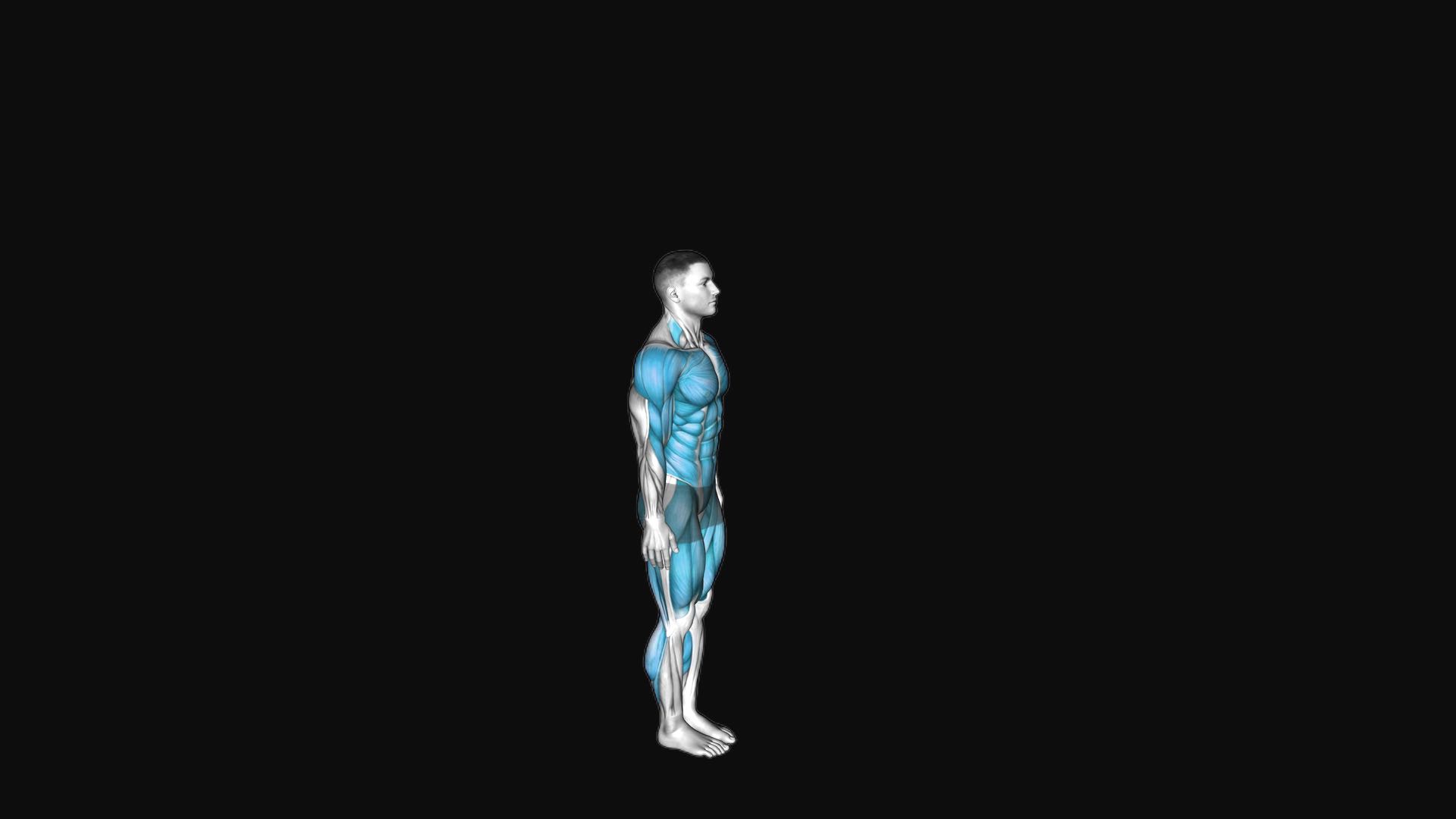
Muscles worked
Your coach guides every set
Turn on the coach in Gloox: it asks how you feel, picks the weight from your history and cues technique and rest. Rate each set and the next one is tuned to you.

On a computer? Point your phone's camera here to get the app.
Questions
Are pulse squats safe for your knees?
They are safe when proper mechanics are used and your knees track in line with your toes. If you experience knee pain, stop immediately and consult a healthcare professional.
Can this exercise be done at home without any equipment?
Yes, this variation requires only body weight and minimal floor space, making it an effective lower-body movement for home training.