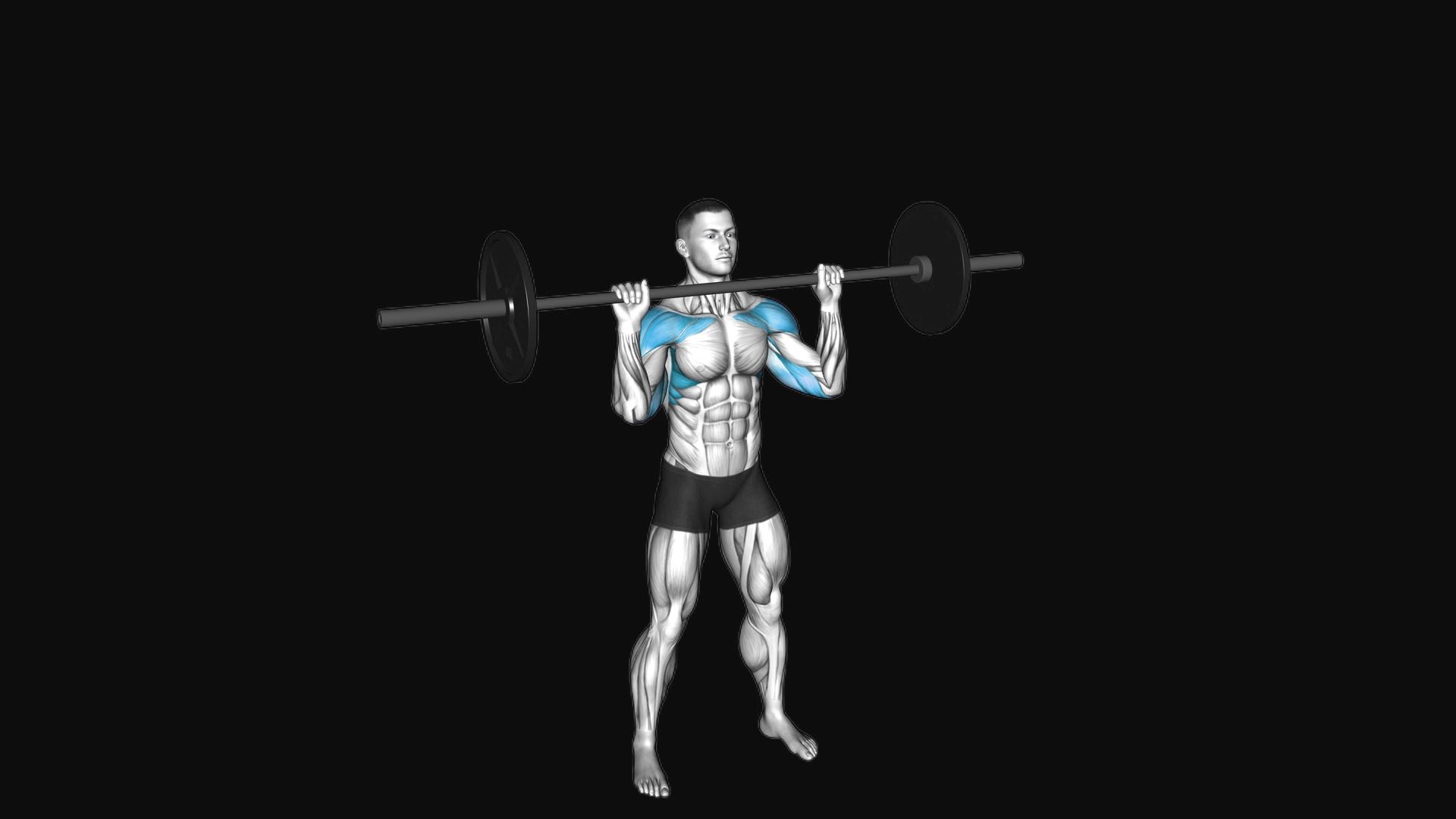
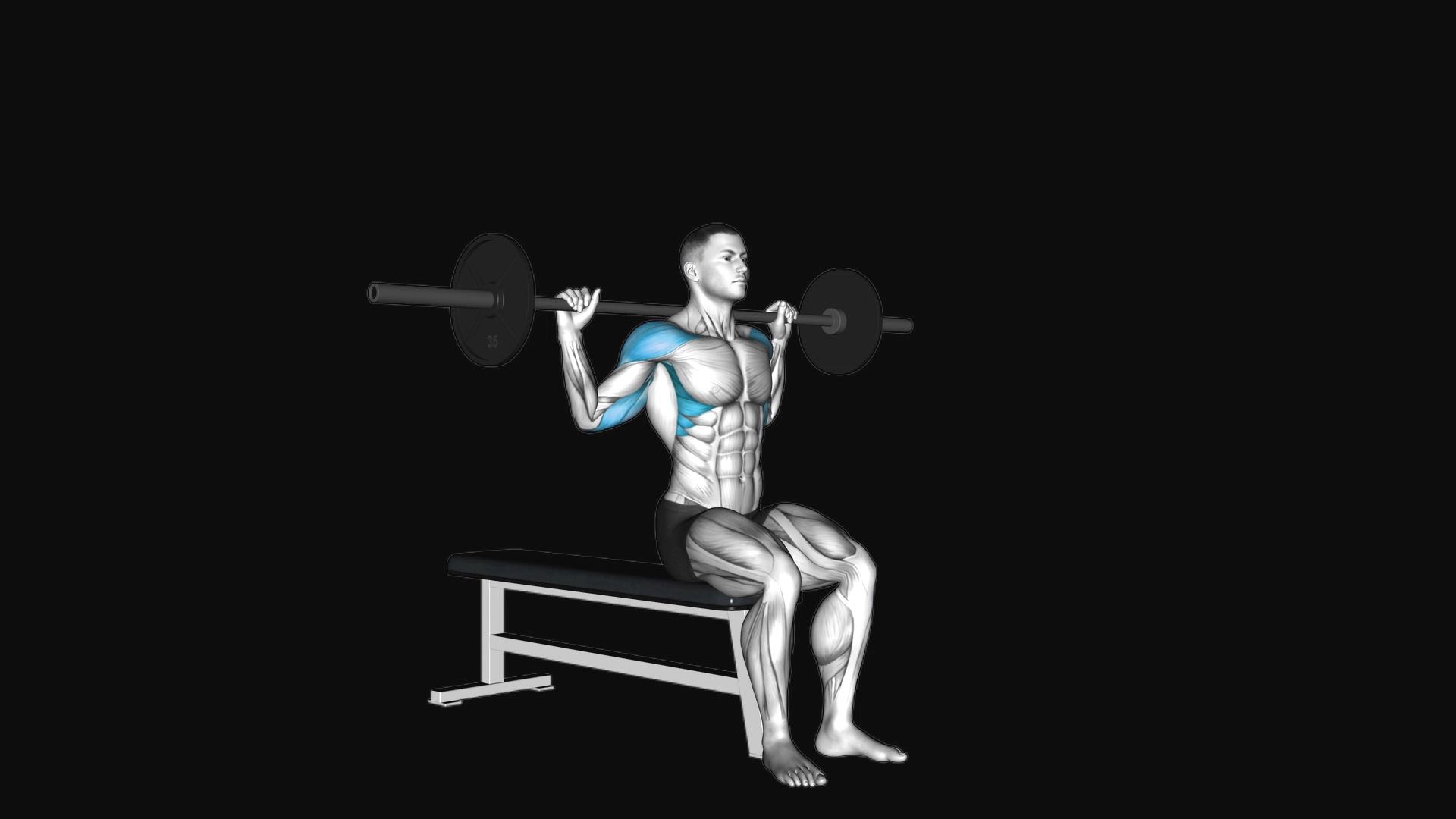
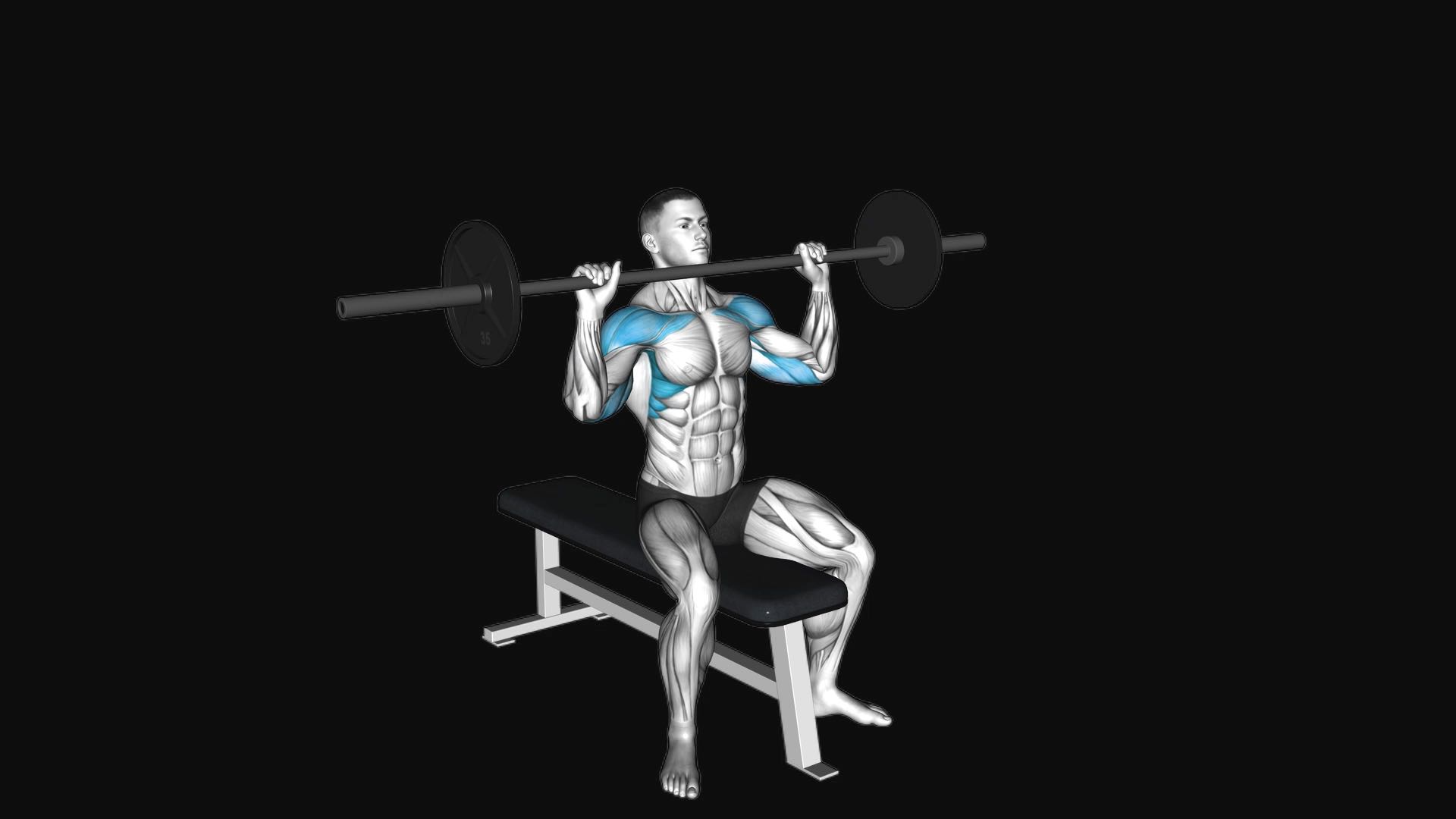
Shoulders · Barbell
Barbell Rear Delt Row
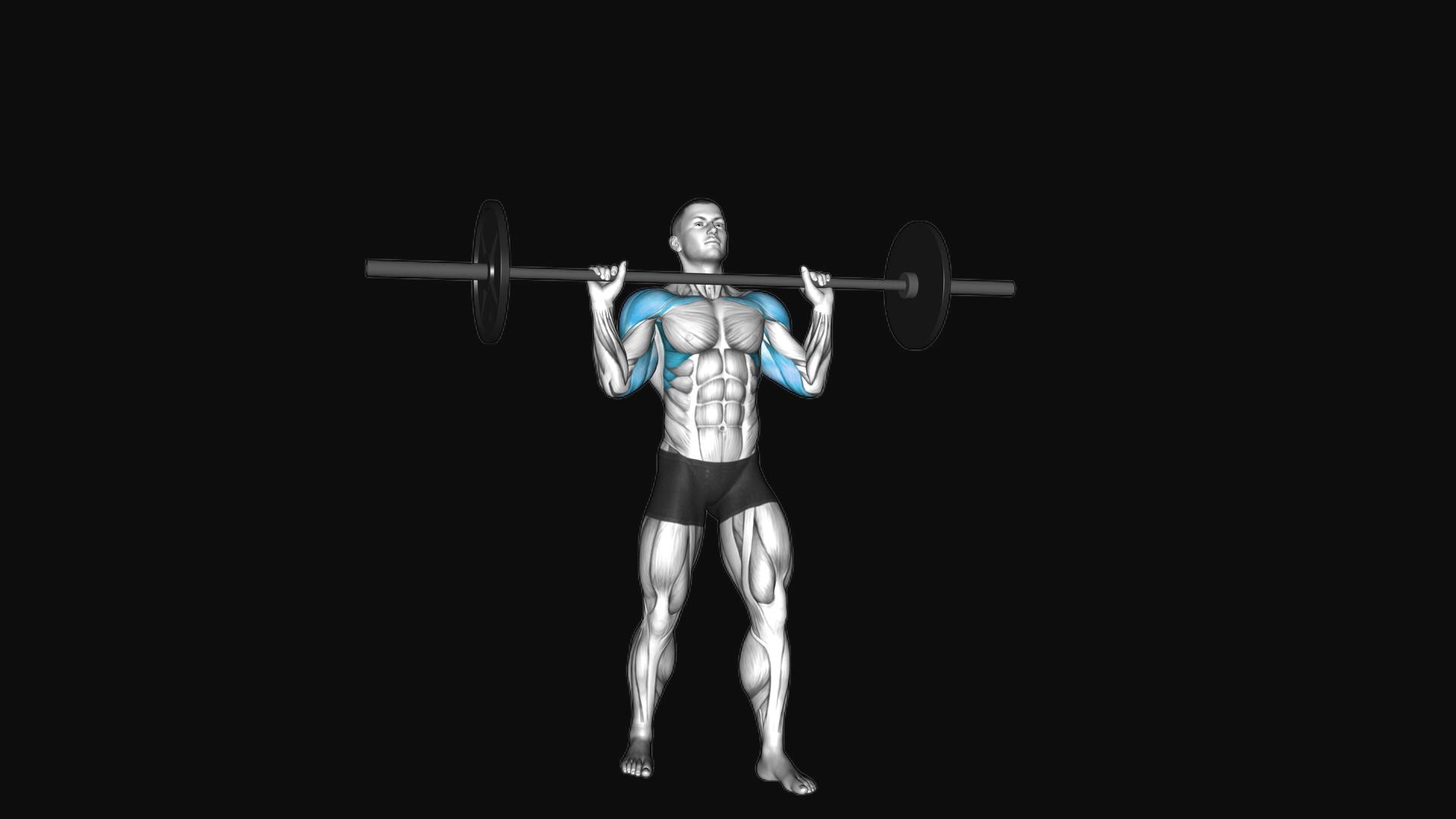
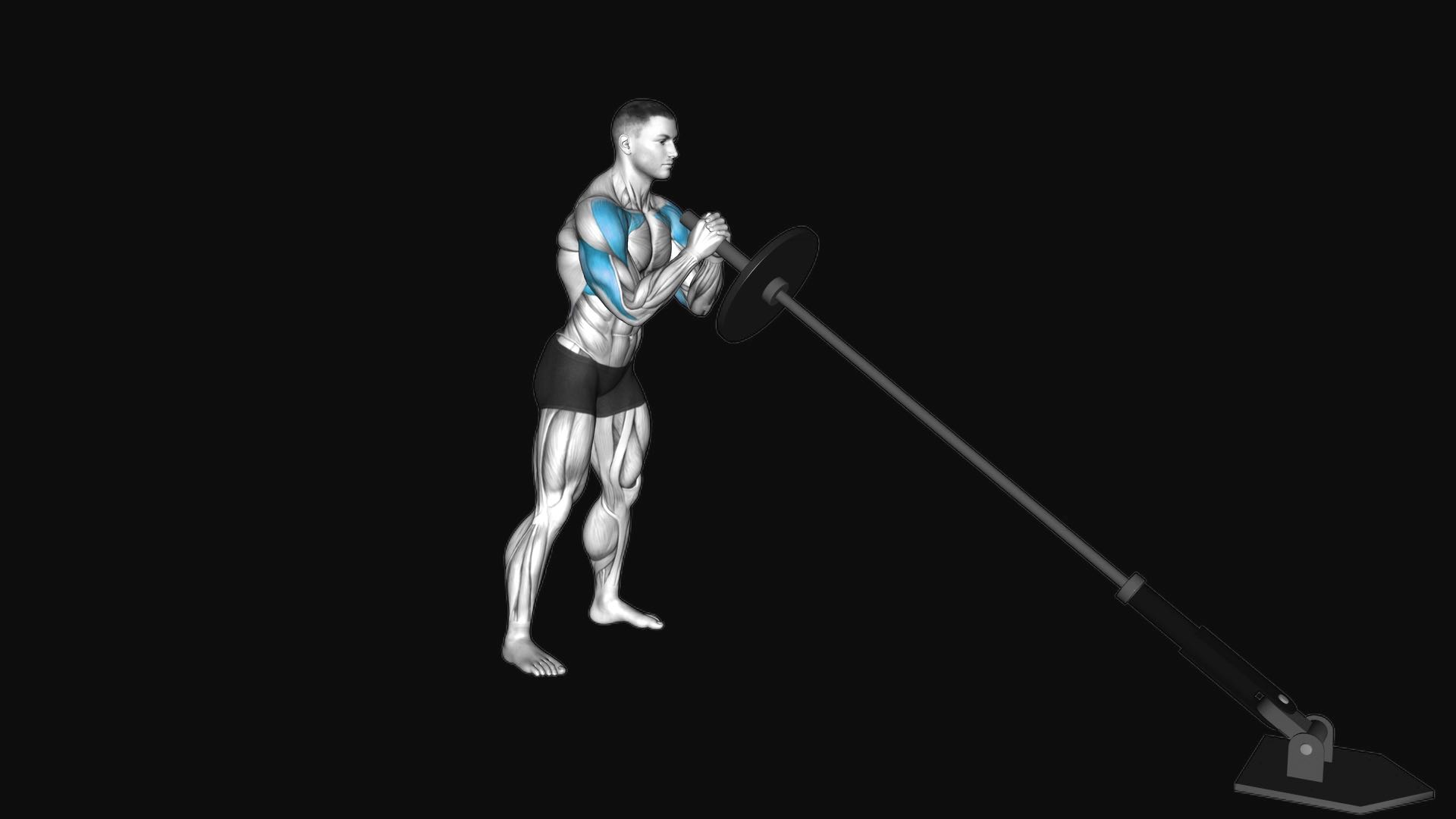
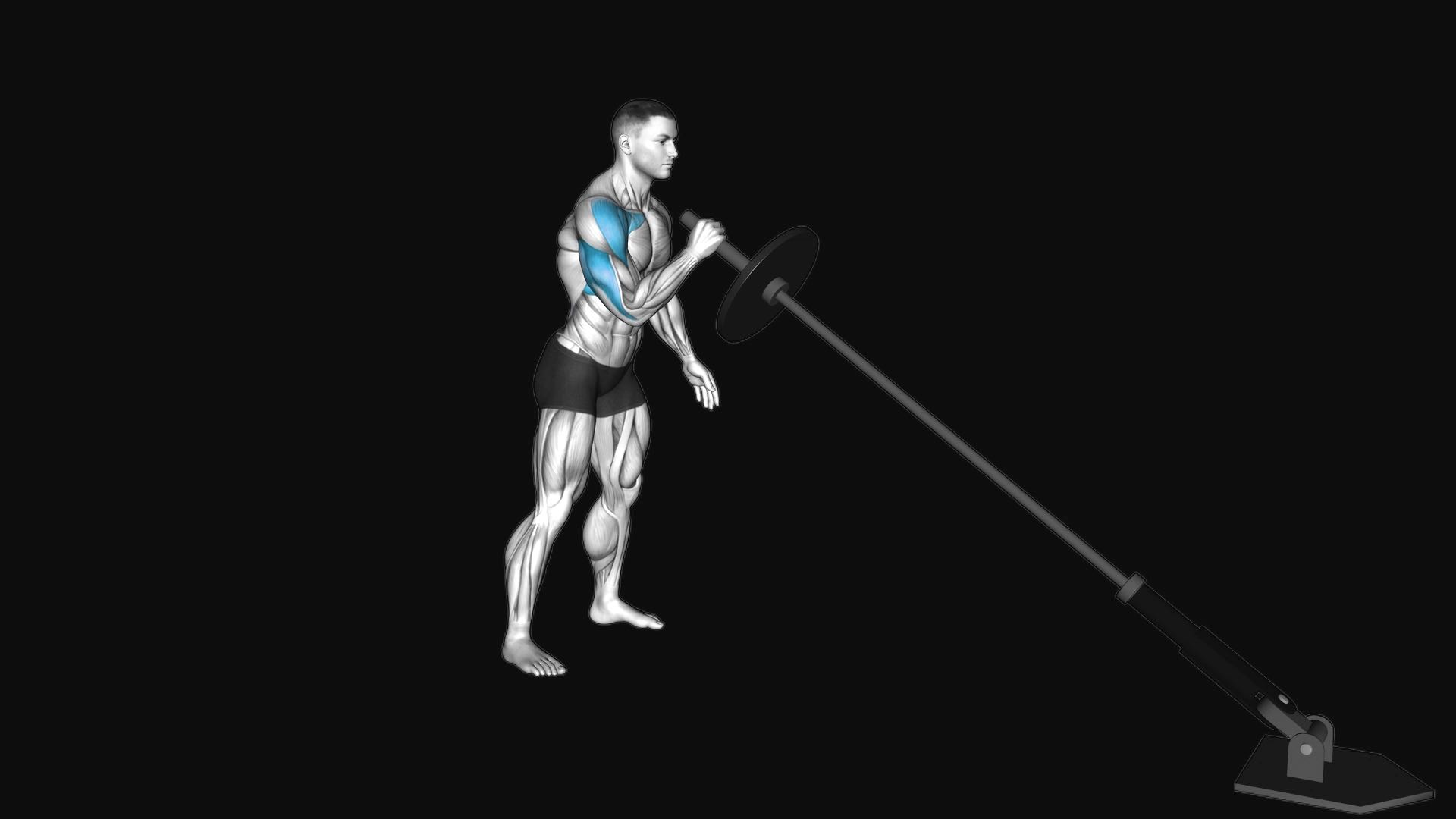
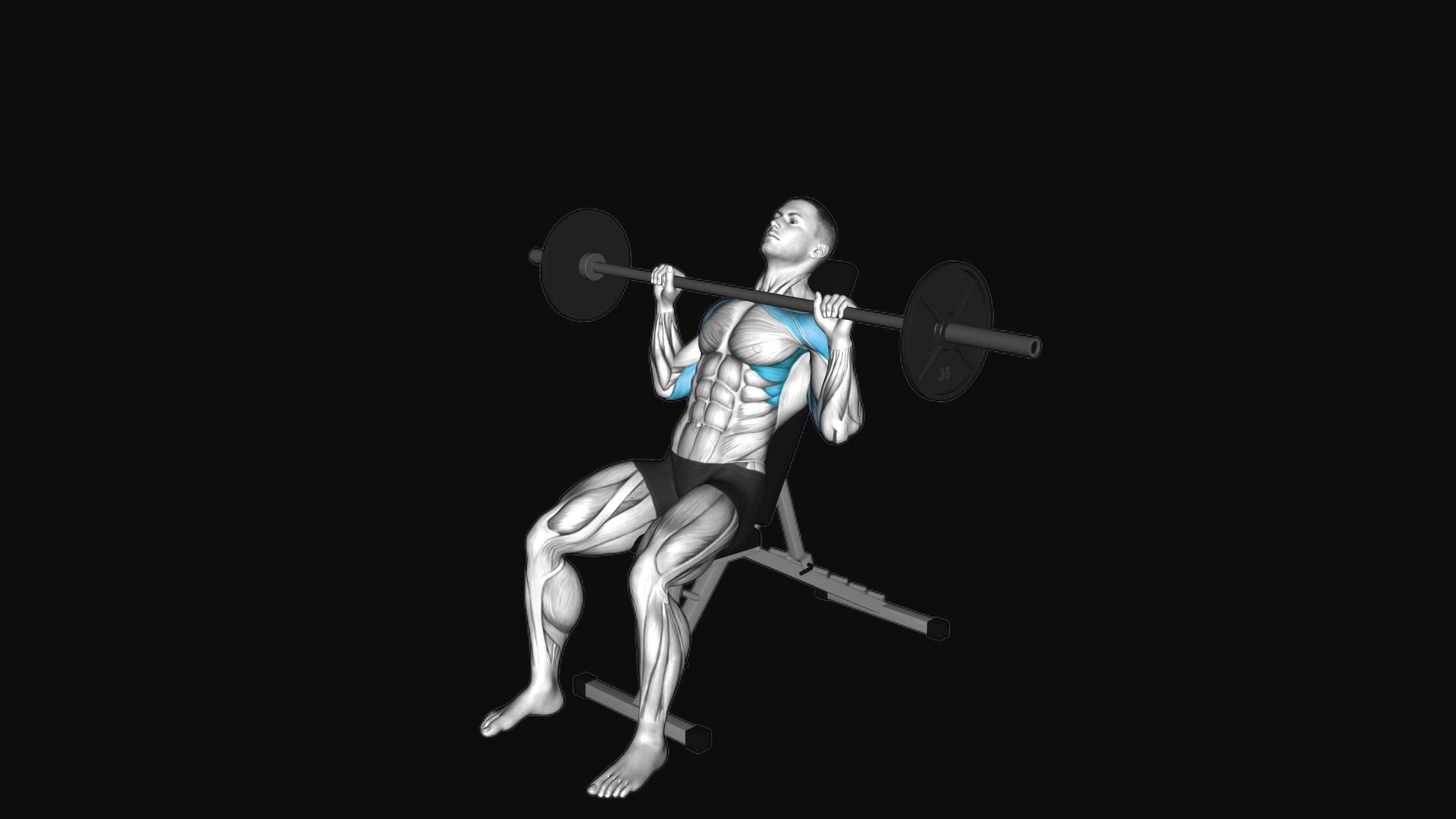
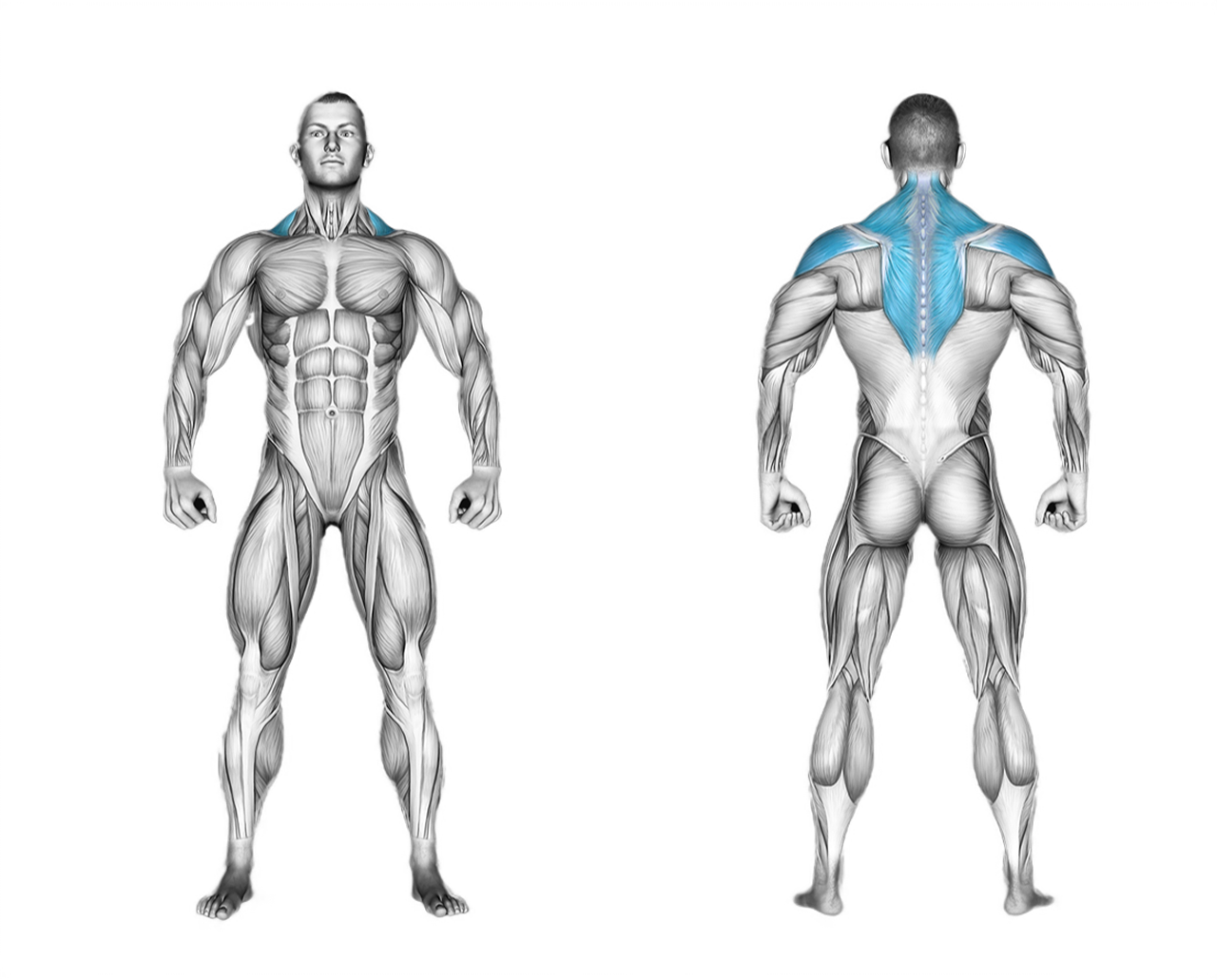
The barbell rear delt row is an upper-body compound movement designed to develop the posterior deltoids, rhomboids, and mid-traps. It fits well into the middle or end of a pull or shoulder session to improve structural balance and posture.
How to do it
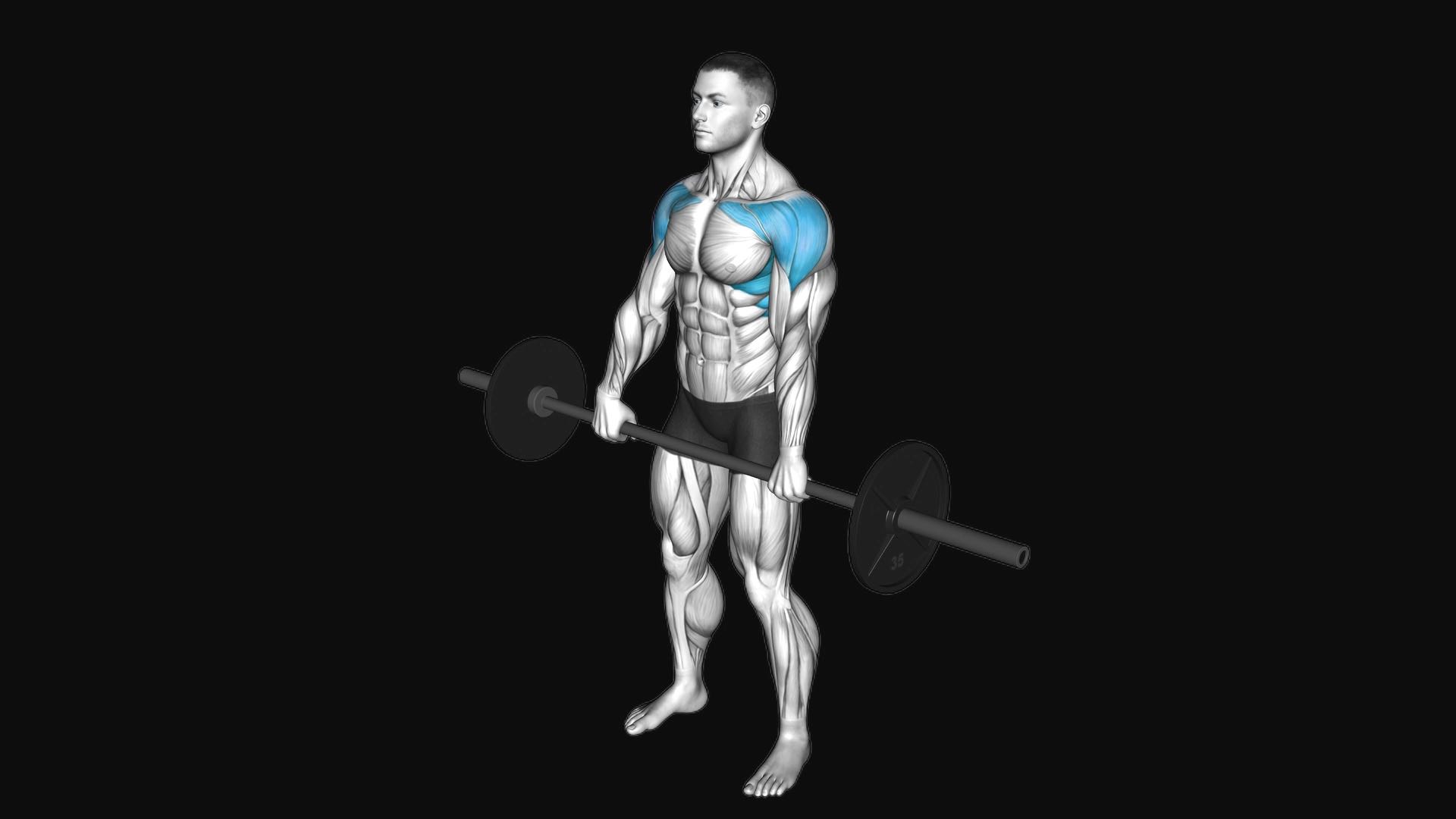
- Stand with your feet shoulder-width apart and hold a barbell with an overhand grip, hands wider than shoulder-width.
- Bend at your hips and knees, leaning forward until your torso is almost parallel to the ground.
- Keep your back straight and your core engaged.
- Inhale, and pull the barbell towards your waist, keeping your elbows out and squeezing your shoulder blades together.
- Focus on using your rear deltoids to pull the weight.
- Exhale as you extend your arms and return the barbell to the starting position in a controlled manner.
Common mistakes
- Tucking the elbows close to the ribs shifts the workload away from the rear deltoids and onto the lats.
- Using torso momentum to swing the bar upward reduces rear delt engagement and strains the lower back.
- Rounding the spine while holding the hip hinge significantly increases the risk of lower back injury.
- Selecting too heavy of a weight cuts the range of motion short and prevents a full contraction.
Tips
- Flare your elbows outward at roughly a 70- to 90-degree angle to keep tension strictly on the rear delts.
- Maintain a static torso angle near parallel to the floor throughout the entire set.
- Pause for a second at the top of the movement to maximize peak tension in the upper back.
Sets and reps
Aim for 3 to 4 sets of 10 to 15 controlled repetitions using moderate loads. Rest 60 to 90 seconds between sets to maintain high movement quality.
Muscles worked
Your coach guides every set
Turn on the coach in Gloox: it asks how you feel, picks the weight from your history and cues technique and rest. Rate each set and the next one is tuned to you.

On a computer? Point your phone's camera here to get the app.
Questions
How is this exercise different from a standard barbell bent-over row?
A standard row keeps the elbows tight to the body to load the latissimus dorsi, whereas the rear delt row uses a wider grip and flared elbows to isolate the back of the shoulders.
What should be done if lower back fatigue limits the exercise?
Switching to an incline bench chest-supported dumbbell row provides identical rear delt loading without spinal fatigue. If pain occurs, discontinue the movement and consult a specialist.