Shoulders · Barbell
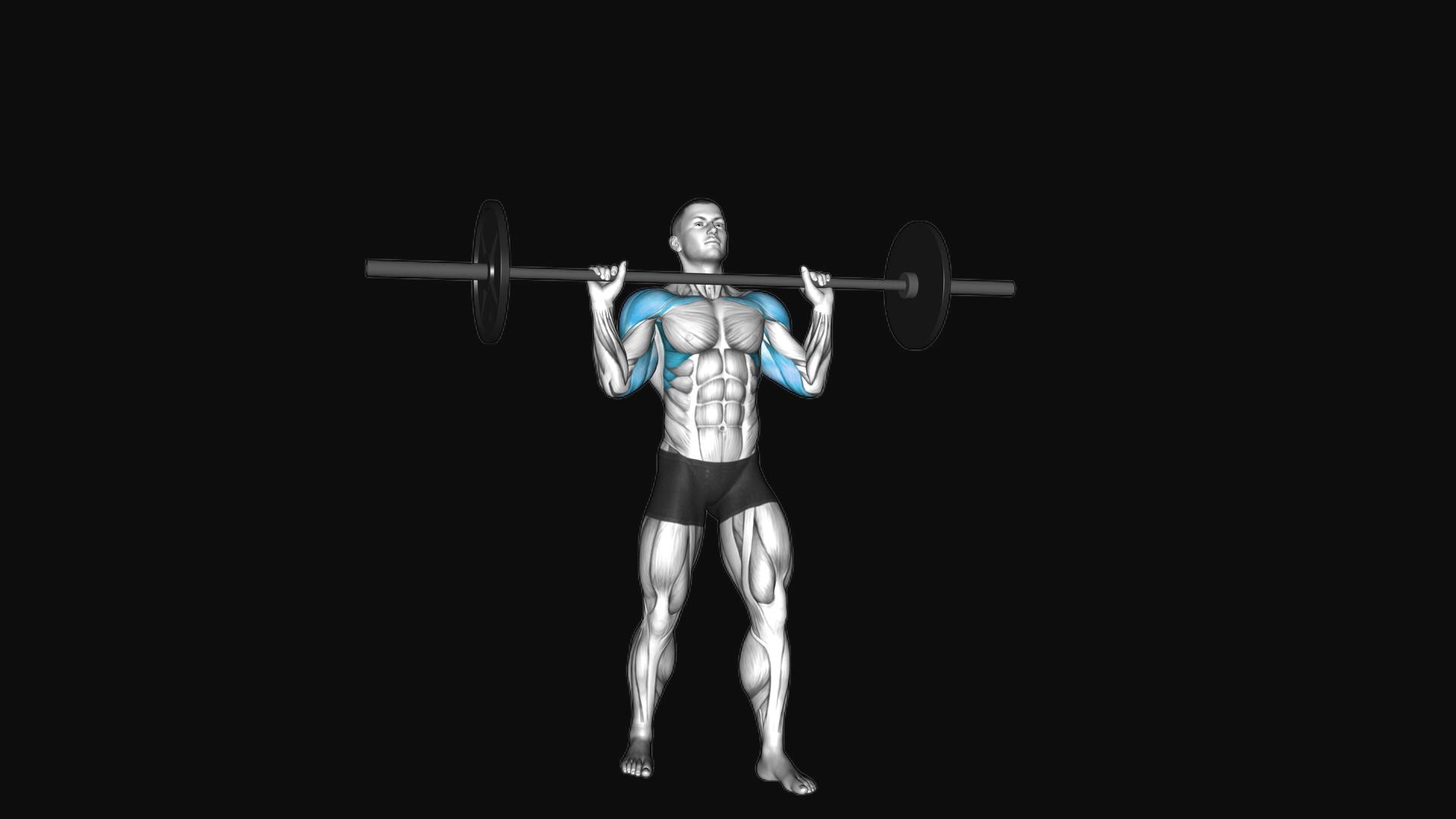
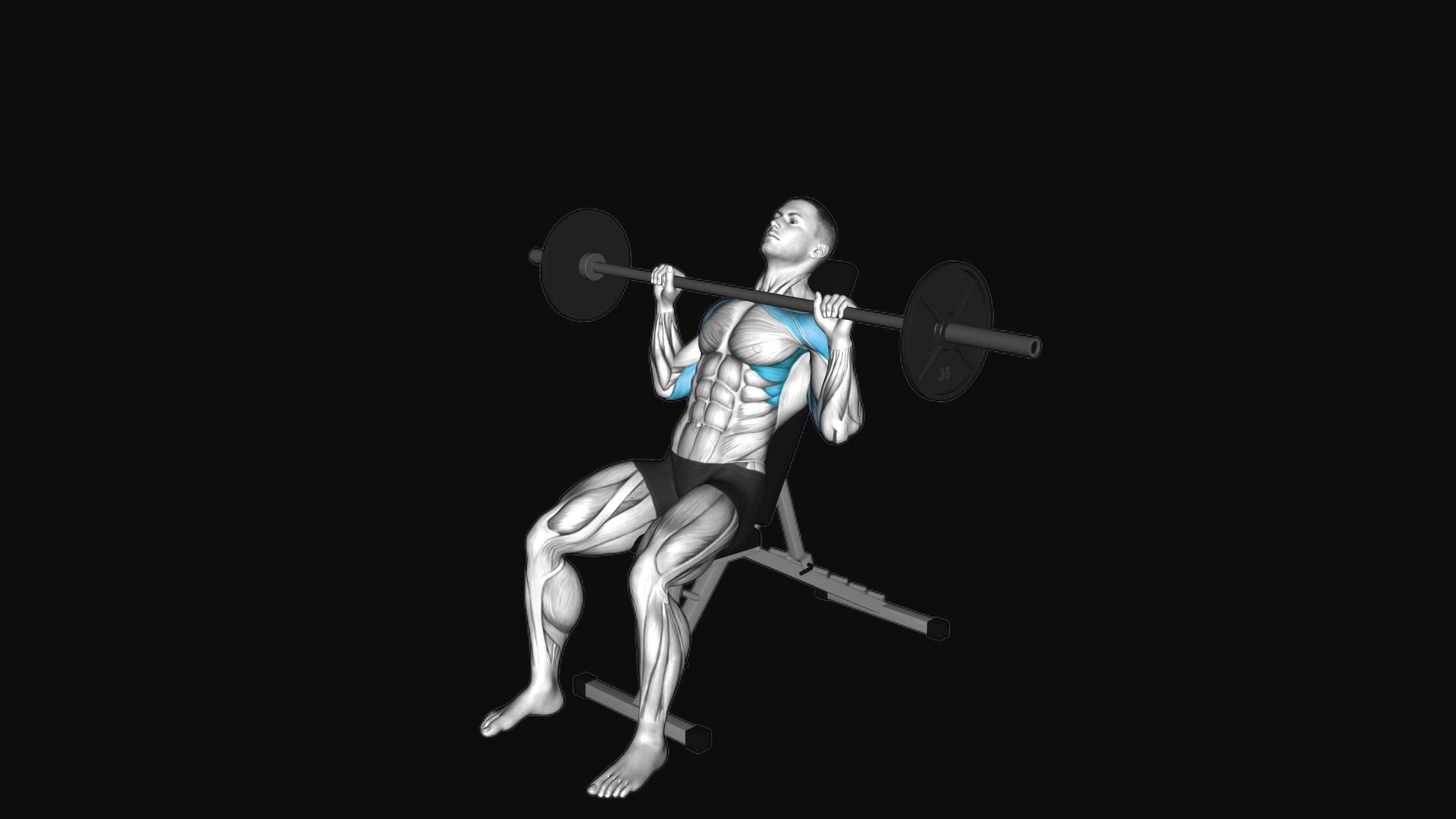
Barbell Seated Behind Head Military Press
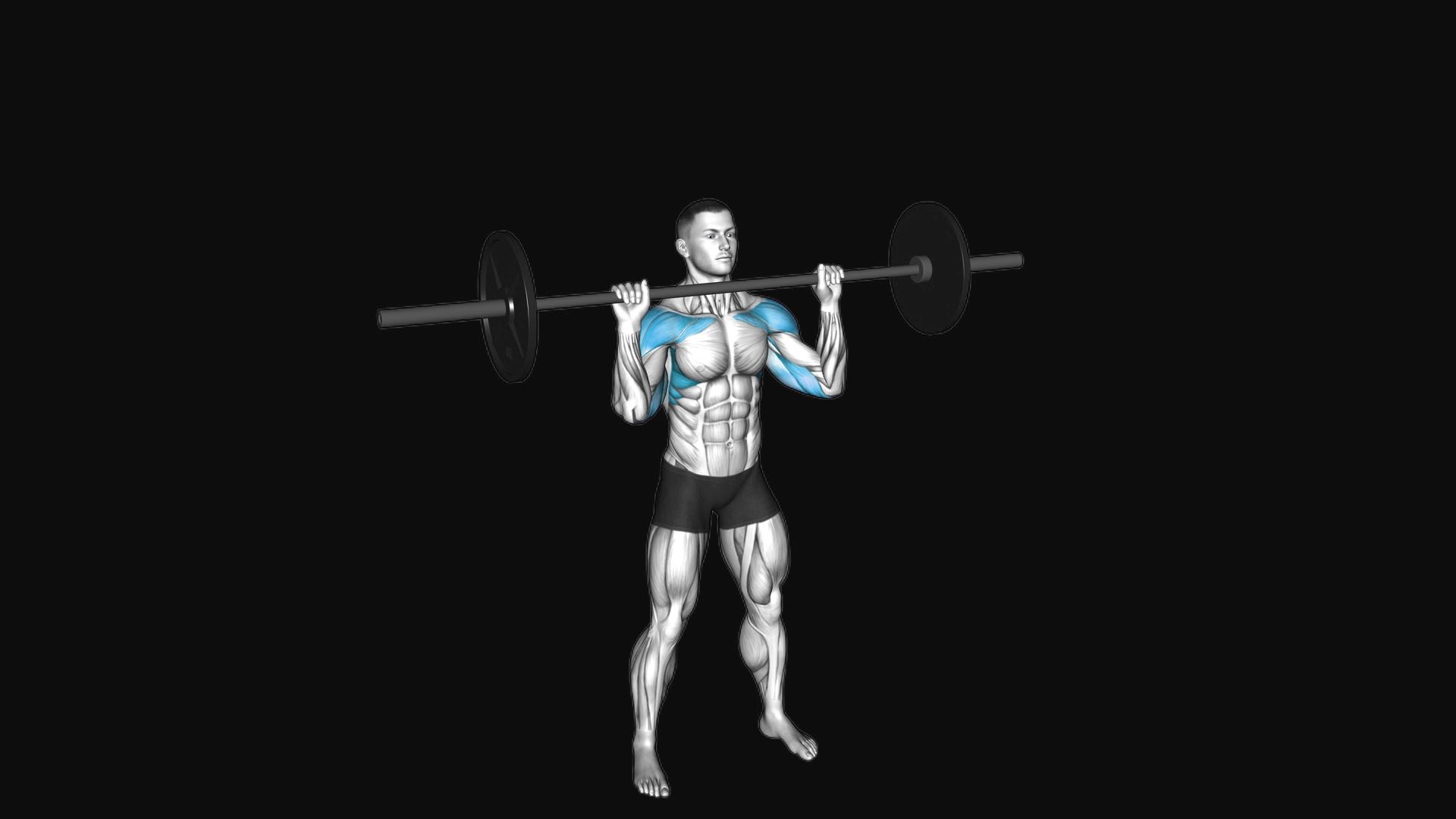
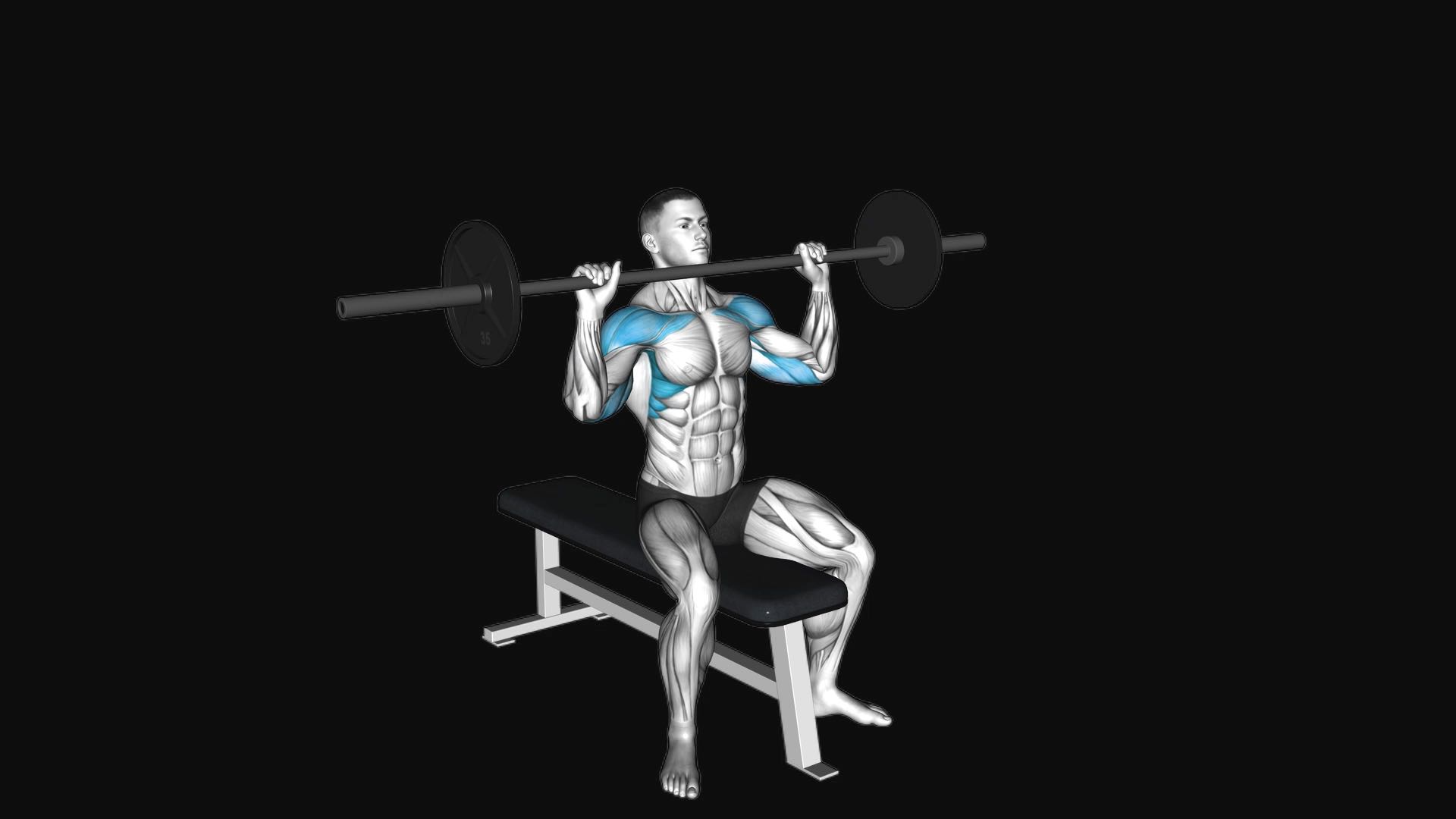
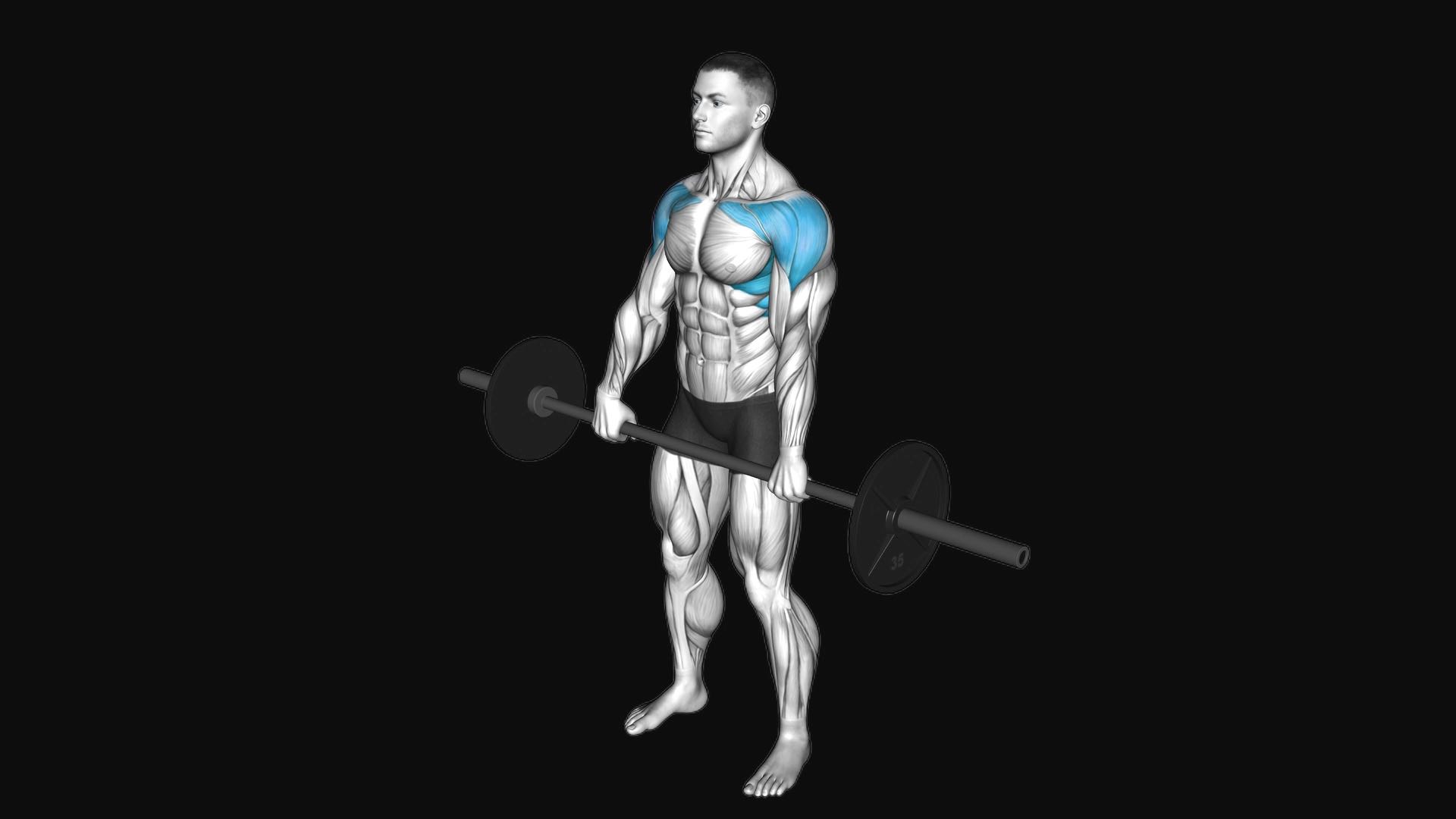
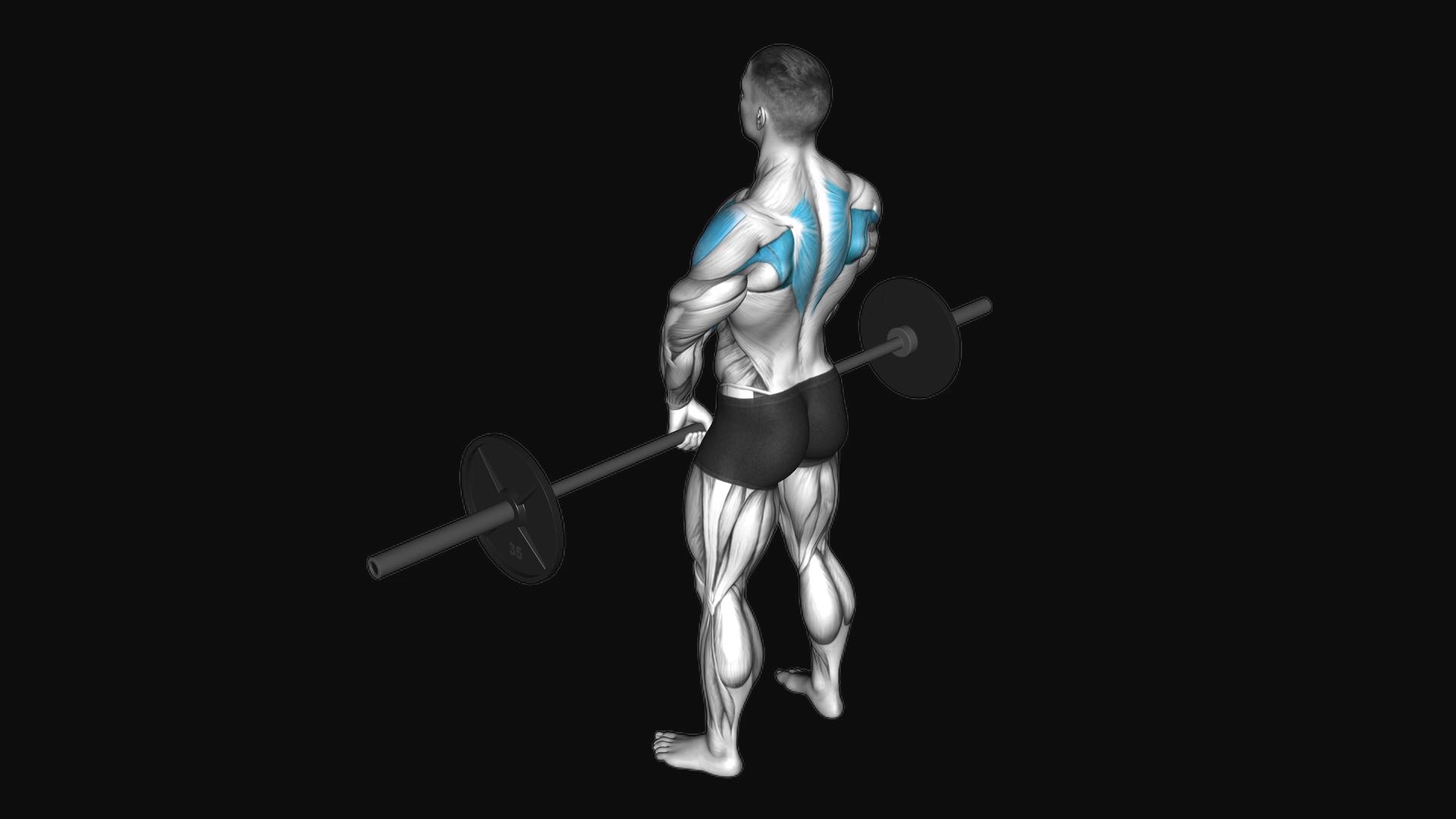
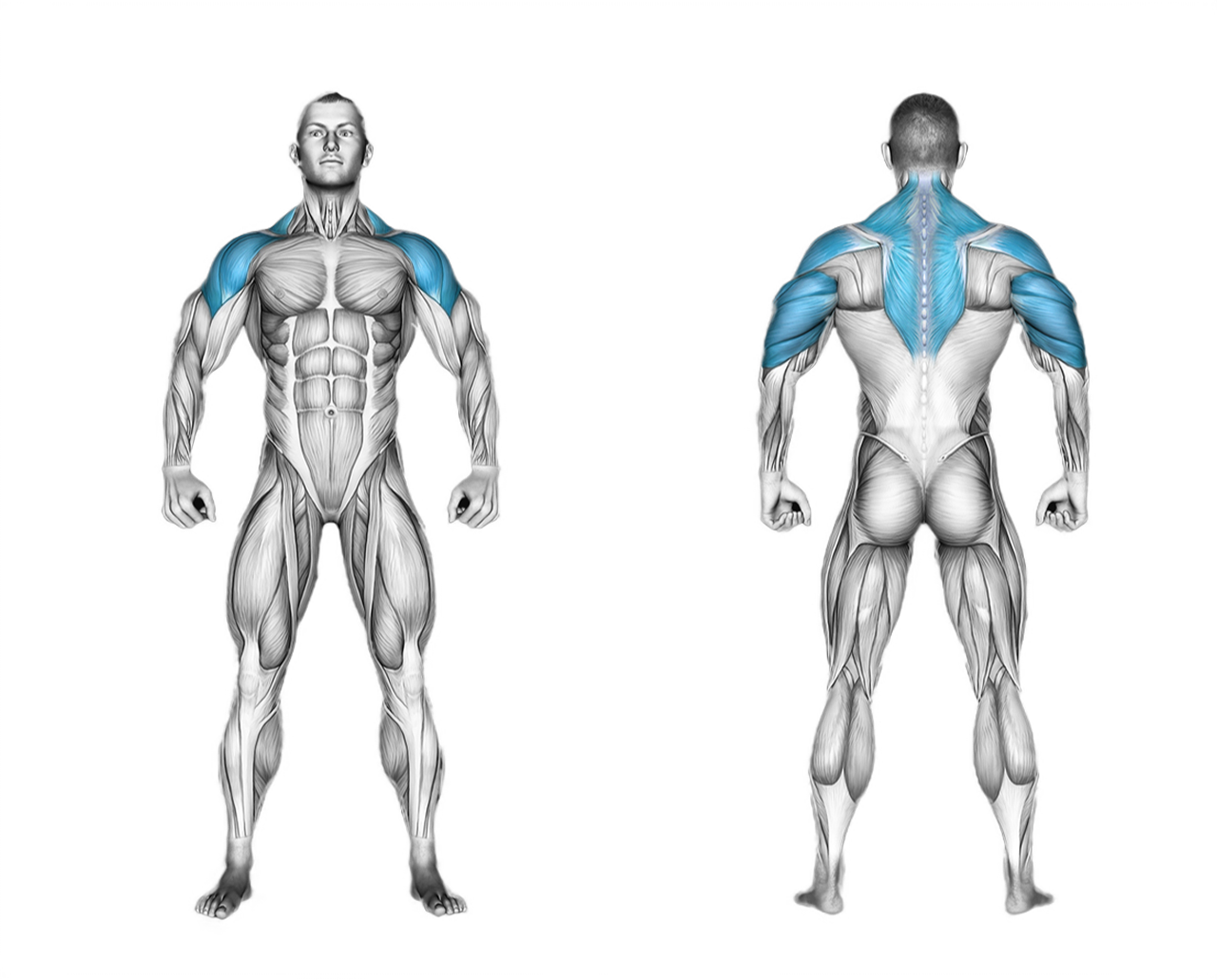
The barbell seated behind head military press is a compound movement designed to develop the shoulders with an emphasis on the lateral and rear deltoids, as well as the triceps. It is suitable for intermediate to advanced lifters with adequate mobility and typically fits near the beginning of a shoulder or push workout.
How to do it
- Sit on a bench, holding a barbell with an overhand grip, hands wider than shoulder-width.
- Position the barbell behind your head at the base of your neck.
- Keep your back straight, feet planted on the ground, and core engaged.
- Inhale and press the barbell up over your head, fully extending your arms.
- Keep your head and neck in a neutral position, avoid overarching your back.
- Exhale as you slowly lower the barbell back to the starting position, behind your head.
Common mistakes
- Lowering the bar too far down places excessive stress on the rotator cuff and shoulder capsule if mobility is restricted.
- Pushing the head forward forces the cervical spine into poor alignment and elevates the risk of neck strain.
- Excessively arching the lower back compensates for tight shoulders and transfers dangerous shear stress to the lumbar spine.
- Bouncing the bar or using momentum removes tension from the deltoids and destabilizes the shoulder joints.
Tips
- Lower the bar only to about ear or upper neck level rather than forcing it down to touch your traps.
- Perform thorough mobility drills for your shoulders and thoracic spine before loading the movement.
- Keep your core braced and feet firmly planted to maintain a stable, neutral spine on the bench.
Sets and reps
Perform 3 to 4 sets of 8 to 12 repetitions with 2 to 3 minutes of rest between sets for shoulder hypertrophy. Heavy low-rep strength work below 6 reps is not recommended due to the extreme external rotation required at the shoulder joints.
Muscles worked
Your coach guides every set
Turn on the coach in Gloox: it asks how you feel, picks the weight from your history and cues technique and rest. Rate each set and the next one is tuned to you.

On a computer? Point your phone's camera here to get the app.
Questions
Is behind-the-neck pressing safe for everyone?
It is only safe for lifters with sufficient shoulder and thoracic mobility. If you experience any joint pain or sharp discomfort, stop immediately and consult a healthcare professional.
What is the best alternative to this exercise?
Seated dumbbell shoulder presses or a standard barbell press from the front target the same primary muscles while placing significantly less stress on the shoulder joints.