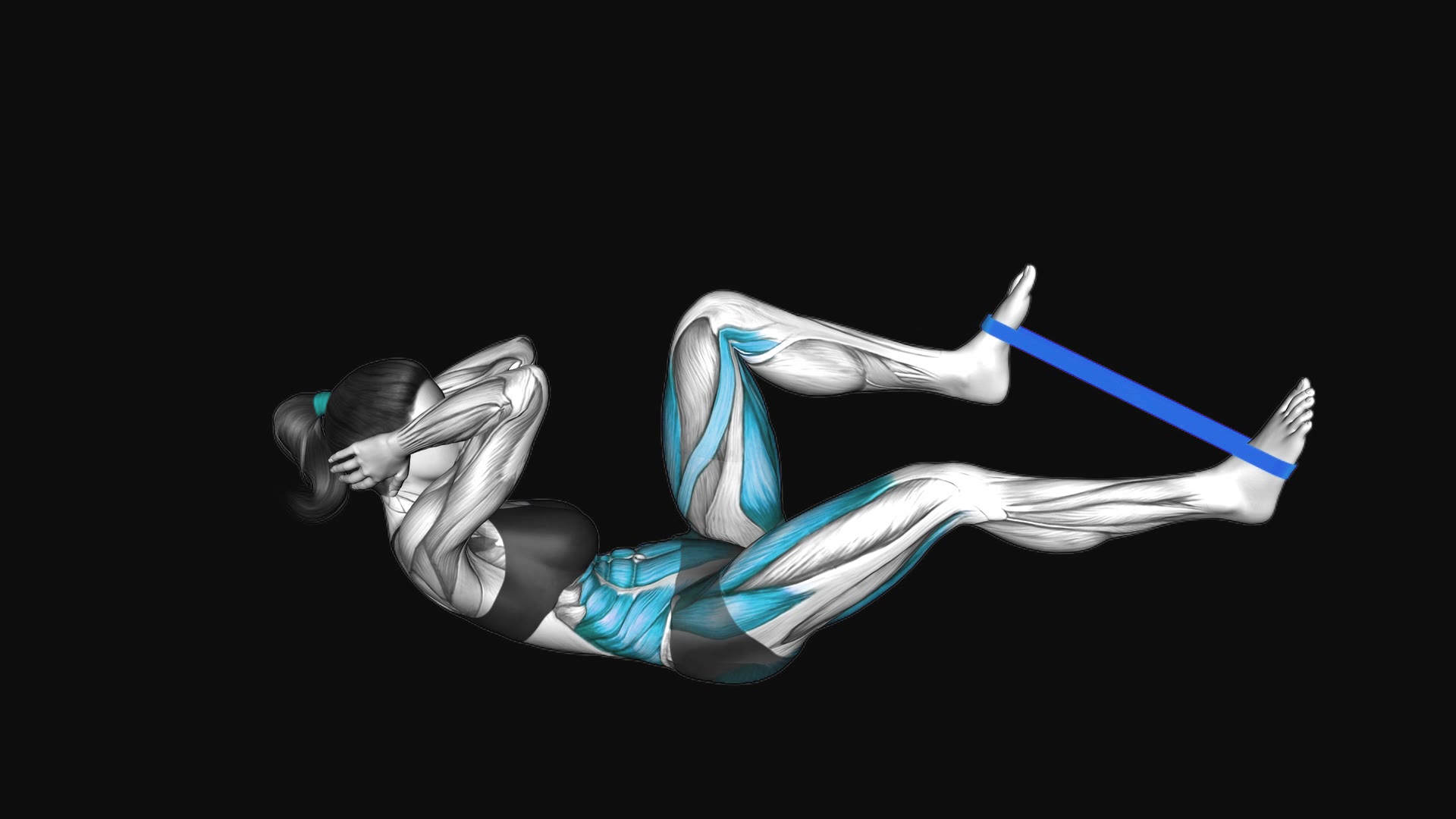
Abs · Dip bars
Side Hip (on parallel bars)
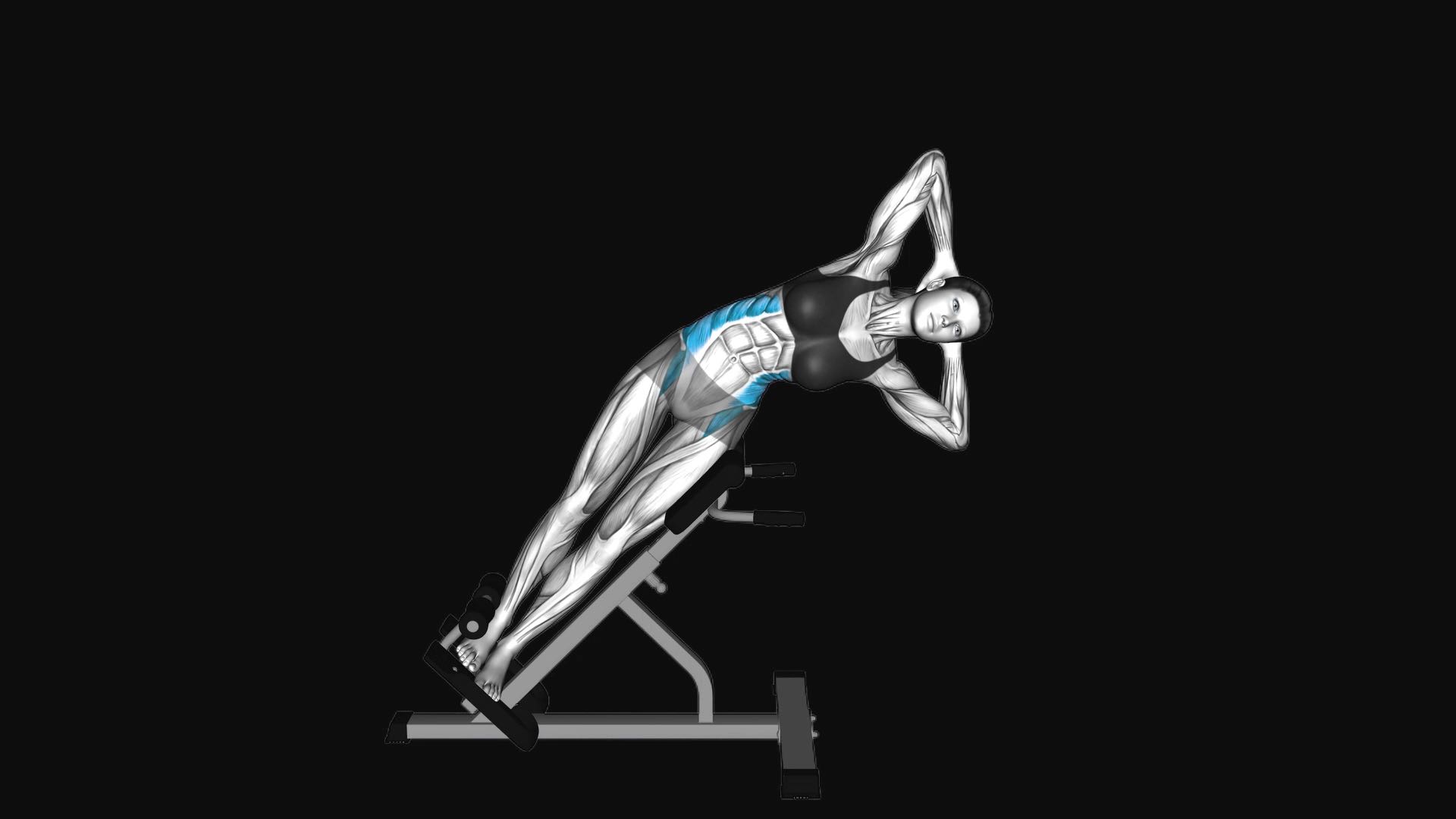
The side hip raise on parallel bars is a core-strengthening movement targeting the obliques and lateral stabilizers while supporting yourself on one forearm. It builds rotational and lateral stability, fitting well toward the end of an abdominal or functional workout.
- Muscles
- Abs
- Equipment
- Dip bars
- Type
- Strength
- Animation
- Men
How to do it
- Position yourself sideways on parallel bars, supporting your body weight on one forearm.
- Stack your feet on top of each other.
- Keep your body in a straight line.
- Lower your hips towards the ground by bending at the waist.
- Raise your hips back up by contracting your obliques.
- Complete all reps on one side before switching.
Common mistakes
- Collapsing into the supporting shoulder places excessive stress on the rotator cuff and shoulder joint.
- Rotating the hips forward or backward takes tension off the obliques and compromises spinal alignment.
- Dropping the hips too quickly removes muscle tension and increases the risk of joint strain.
- Cutting the top range of motion short prevents full contraction of the working obliques.
Tips
- Press the bar away through your supporting forearm to keep your neck long and your shoulder girdle stable.
- Pause for one count at the top of each repetition to maximize peak oblique contraction.
- Place a towel or gym pad under your forearm on the bar if the pressure causes discomfort.
Sets and reps
Perform 3 to 4 sets of 10 to 15 controlled repetitions per side, resting 60 to 90 seconds between sets.
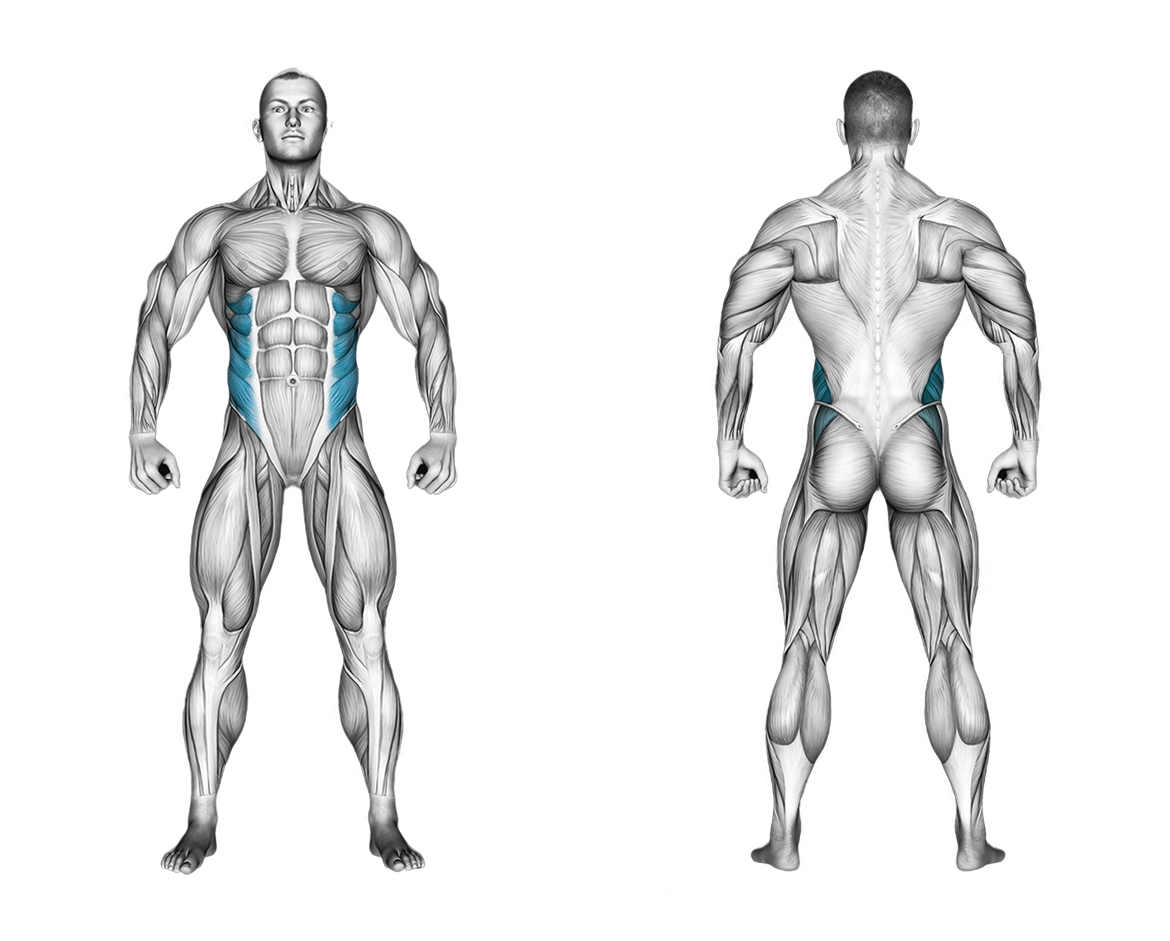
Muscles worked
Your coach guides every set
Turn on the coach in Gloox: it asks how you feel, picks the weight from your history and cues technique and rest. Rate each set and the next one is tuned to you.

On a computer? Point your phone's camera here to get the app.
Questions
Which muscles are primarily targeted in this exercise?
The primary movers are the internal and external obliques, supported by the quadratus lumborum, gluteus medius, and shoulder stabilizers.
What should you do if your shoulder hurts during the movement?
Stop the set immediately, check that you are not sagging into the joint, and consult a specialist if pain persists.