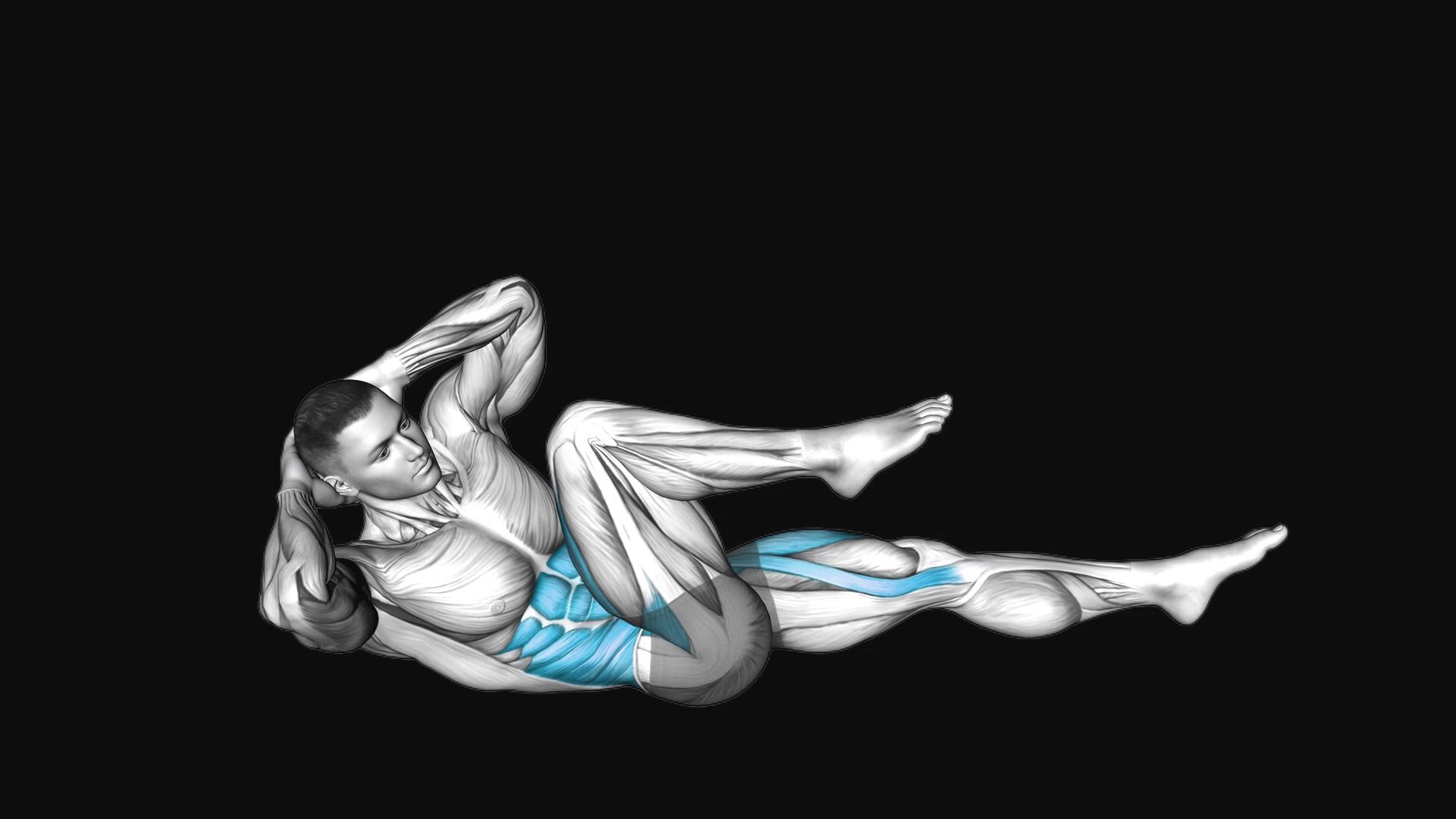
Abs · Dumbbells
Dumbbell Side Bend
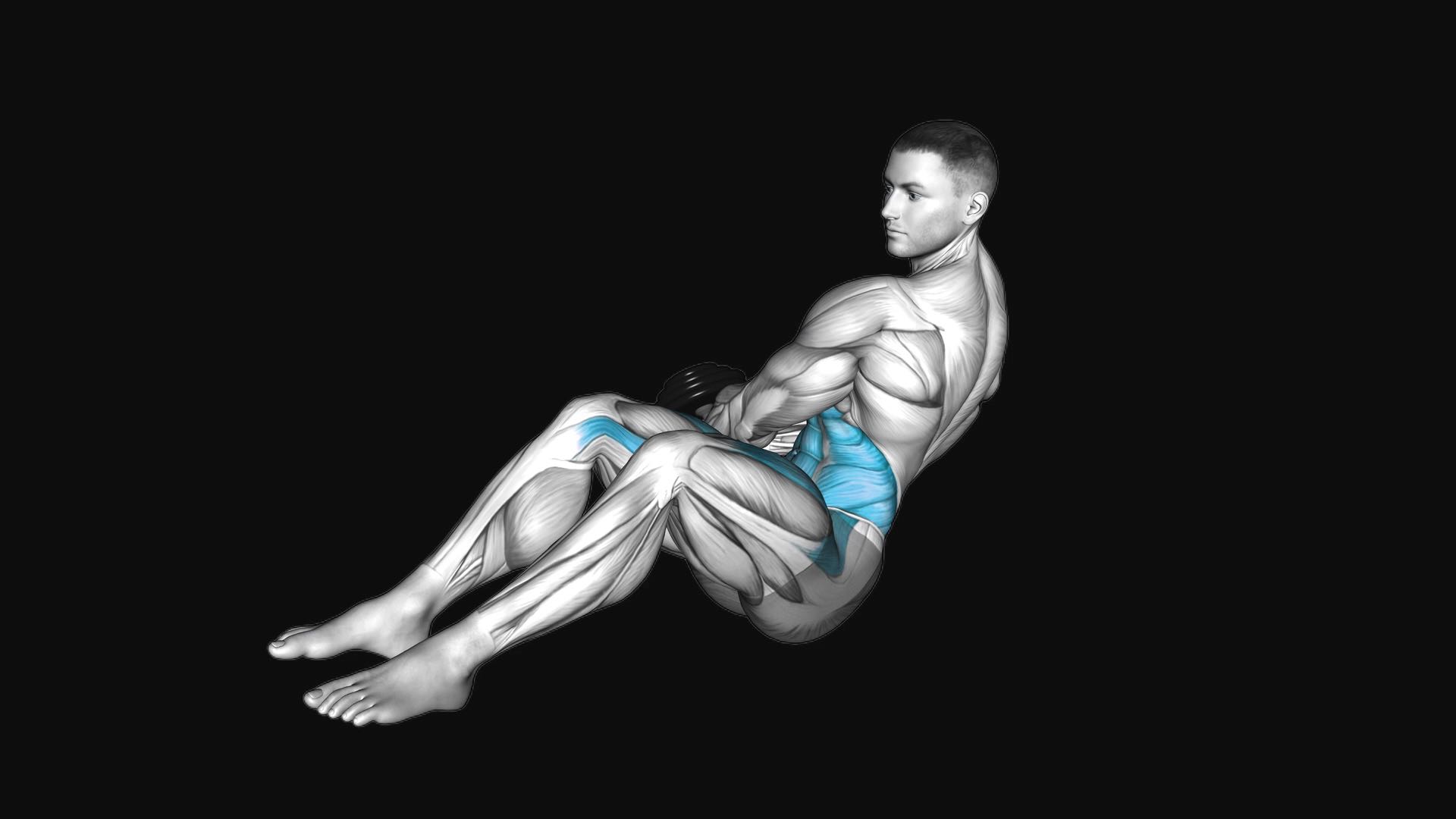
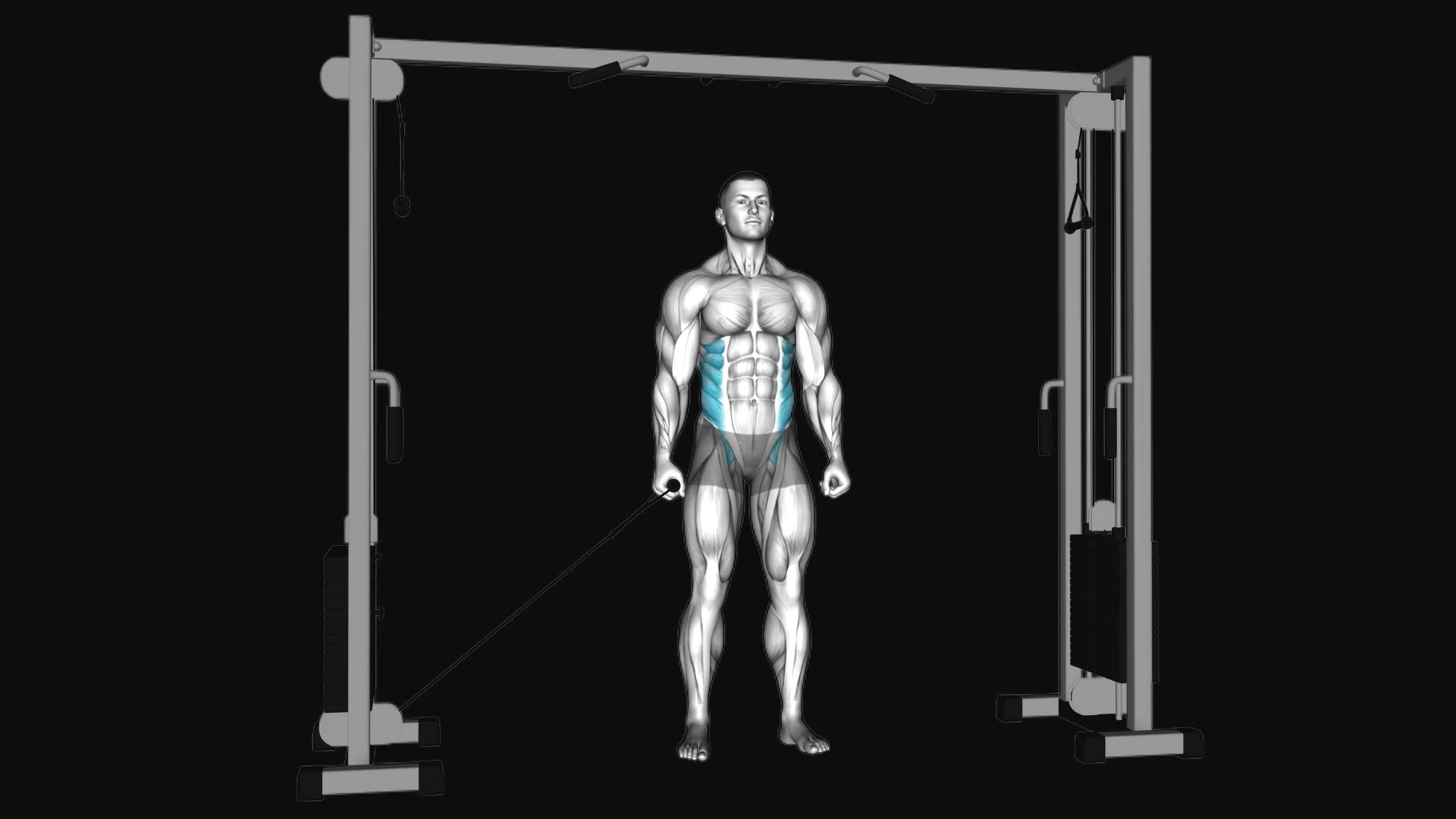
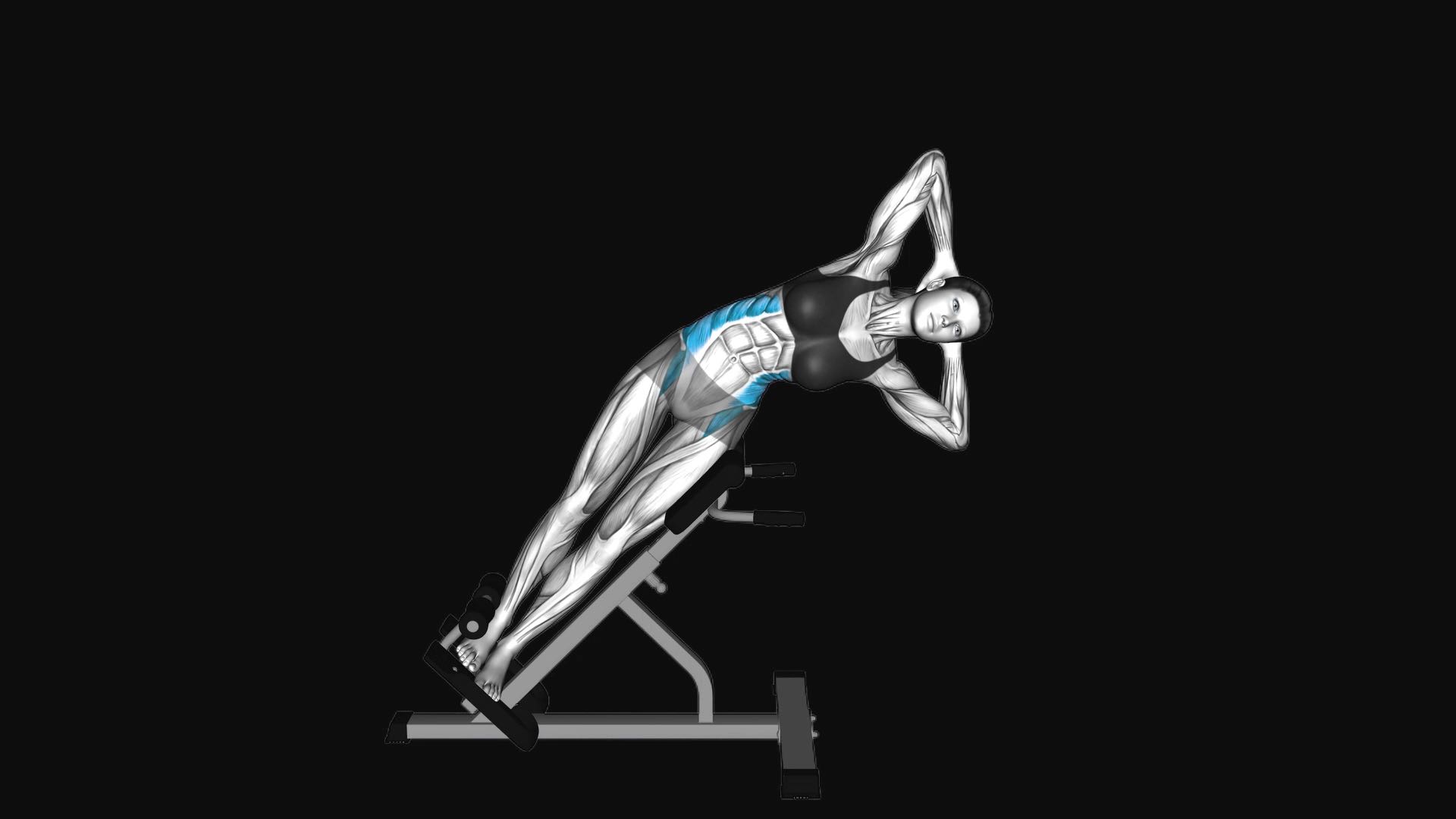
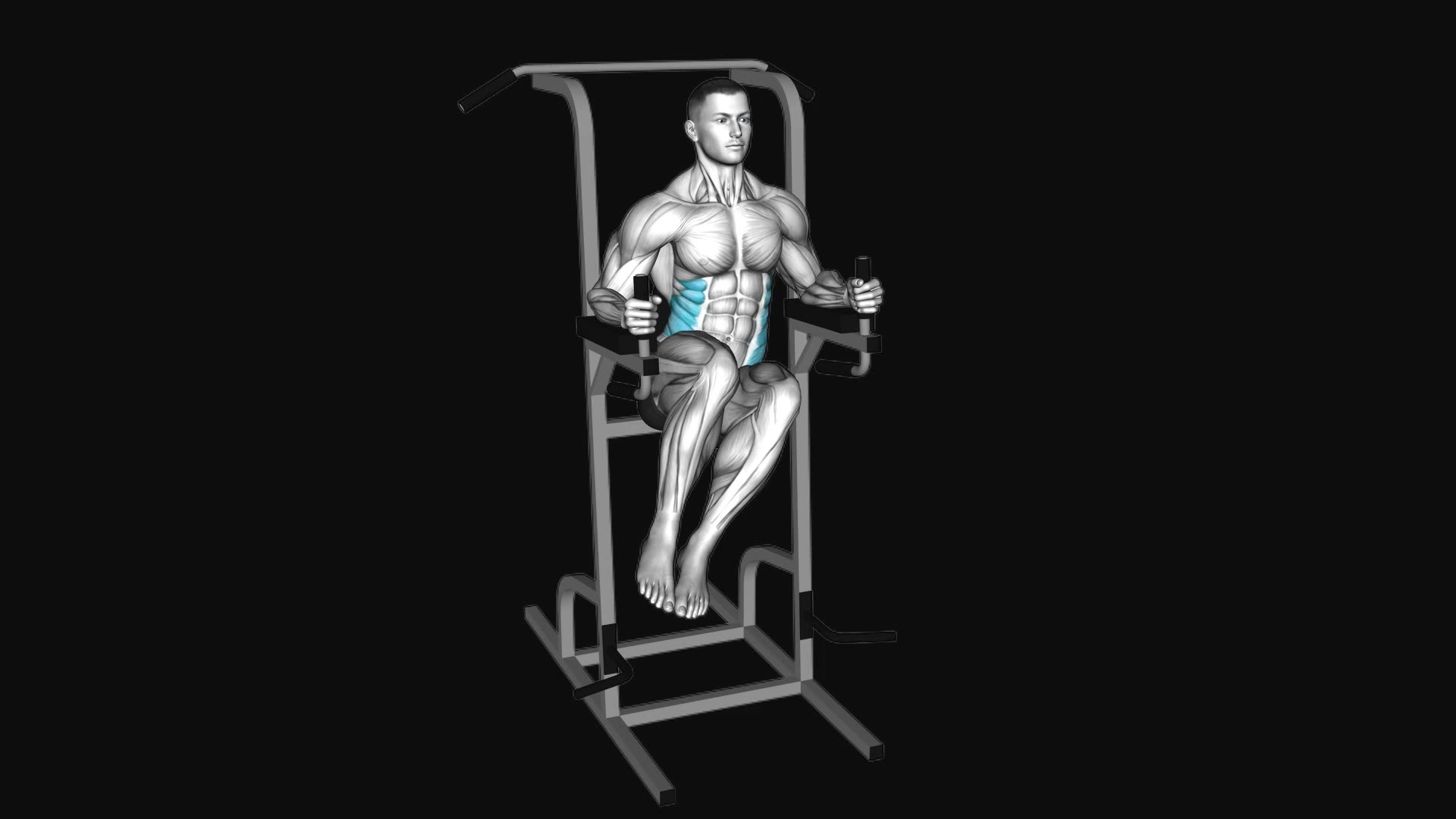
The dumbbell side bend is an isolation exercise designed to strengthen the obliques and lateral core stabilizers in the frontal plane. It builds trunk stability and fits best toward the end of a core or full-body workout.
- Muscles
- Abs
- Equipment
- Dumbbells
- Type
- Strength
- Animation
- Women
How to do it
- Stand with your feet shoulder-width apart, holding a dumbbell in one hand.
- Keep your other hand on your hip or let it hang naturally.
- Slowly bend to the side holding the weight, lowering it toward your knee.
- Keep your torso facing forward and avoid twisting.
- Return to the starting position by engaging your obliques on the opposite side.
Common mistakes
- Holding a dumbbell in each hand simultaneously: the second weight acts as a counterweight and cancels out resistance on the target side.
- Twisting or leaning forward during the bend: combining rotation with lateral flexion places shear stress on the lumbar spine.
- Using overly heavy weights: excessive loads compromise spinal mechanics and force momentum to take over.
- Bending too far past active mobility: dropping too low overstretches the quadratus lumborum under load and risks muscle strain.
Tips
- Move strictly in the frontal plane as if your back is gliding against a flat wall.
- Pause for one second at the top of each repetition to emphasize peak contraction of the working oblique.
- Keep your hips completely stationary so the movement originates entirely from lateral flexion of the spine.
Sets and reps
Perform 3 to 4 sets of 12 to 15 controlled repetitions per side with 60 to 90 seconds of rest. Avoid heavy, low-rep sets to protect the lower back from excessive asymmetrical loading.
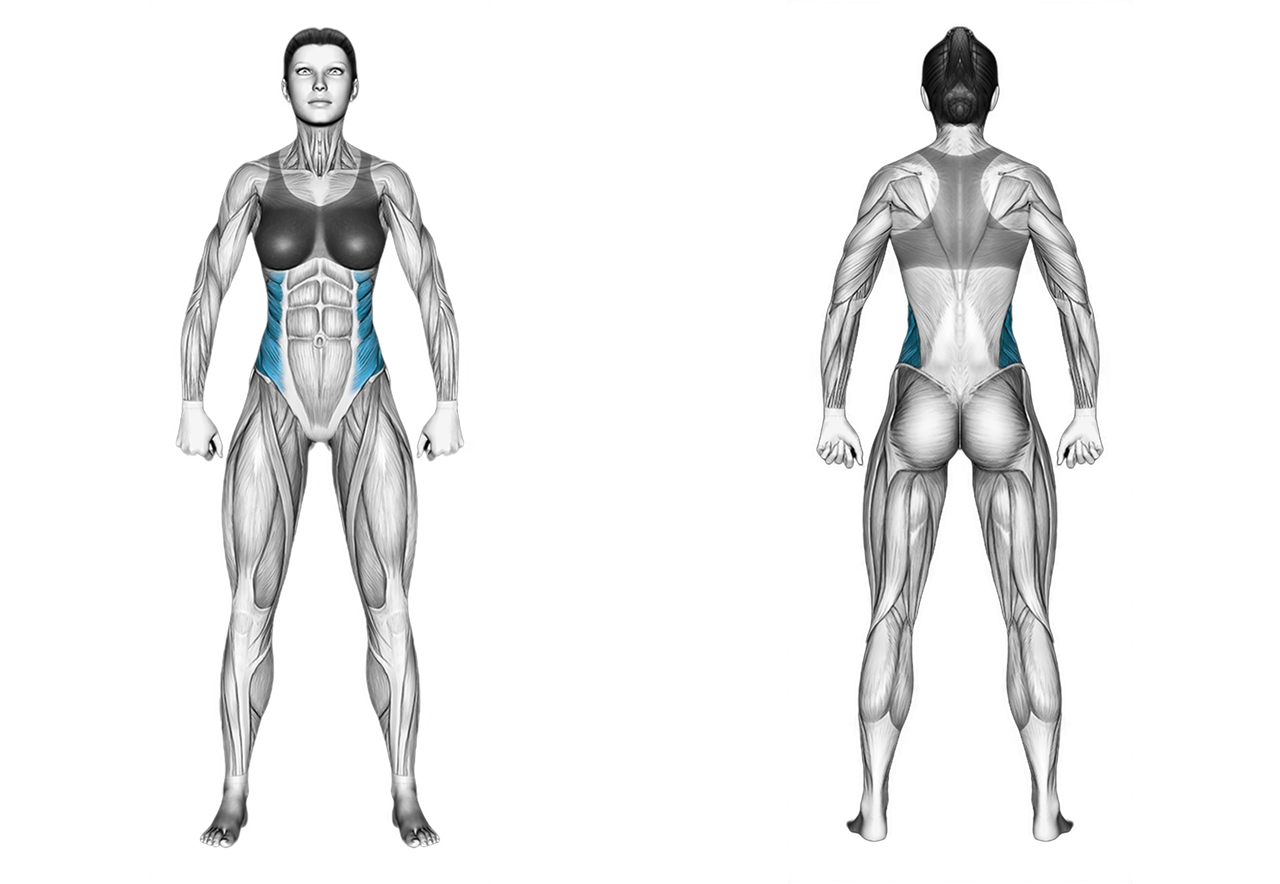
Muscles worked
Your coach guides every set
Turn on the coach in Gloox: it asks how you feel, picks the weight from your history and cues technique and rest. Rate each set and the next one is tuned to you.

On a computer? Point your phone's camera here to get the app.
Questions
Will dumbbell side bends slim the waistline?
Spot reduction of fat is impossible, and performing weighted side bends can actually thicken the waistline by hypertrophying the obliques.
What should you do if the exercise causes lower back pain?
Weighted lateral flexion should be avoided if you have preexisting back issues; stop the movement immediately and consult a healthcare specialist if pain occurs.