Chest · Machines
Lever Incline Fly
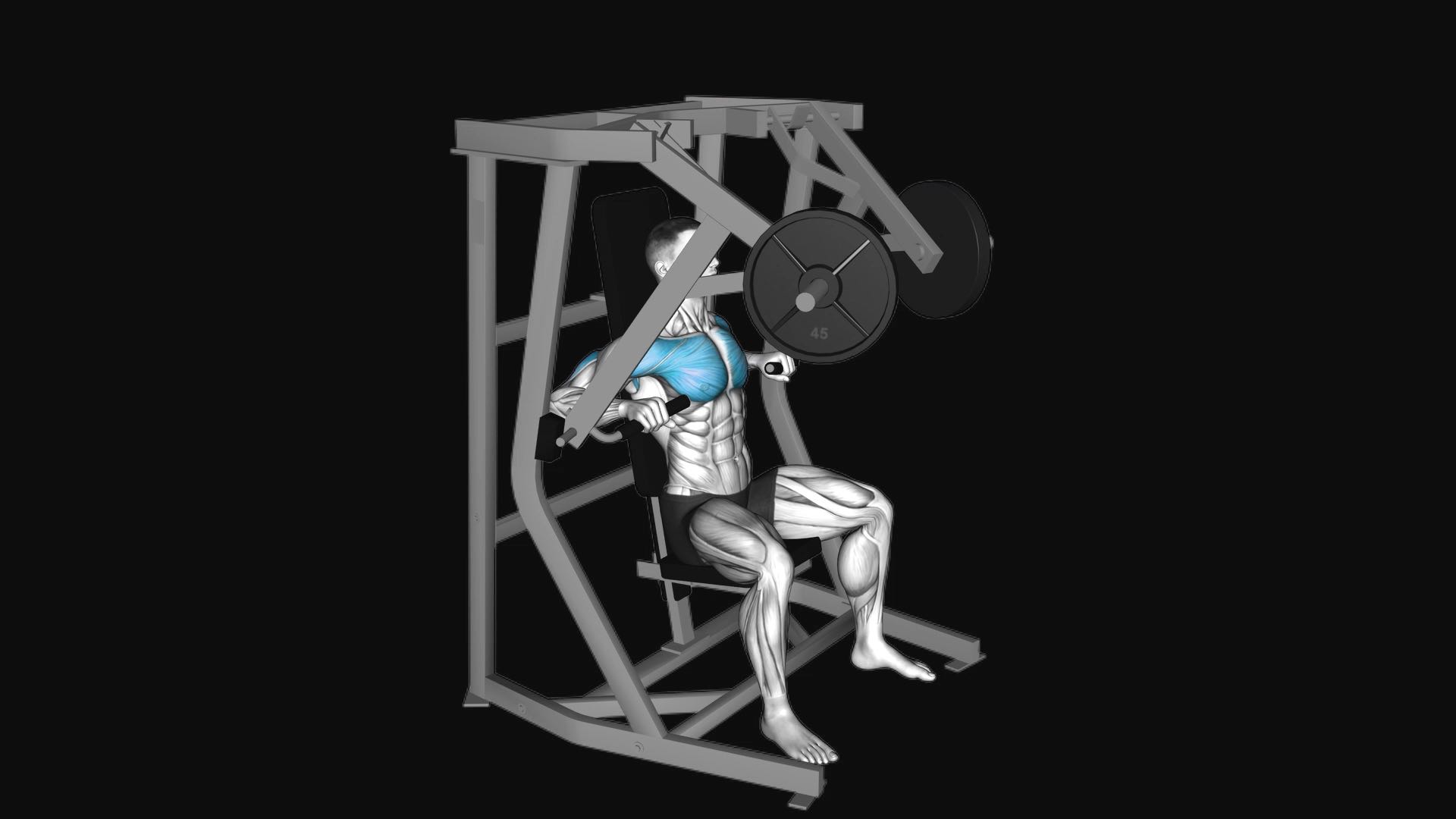
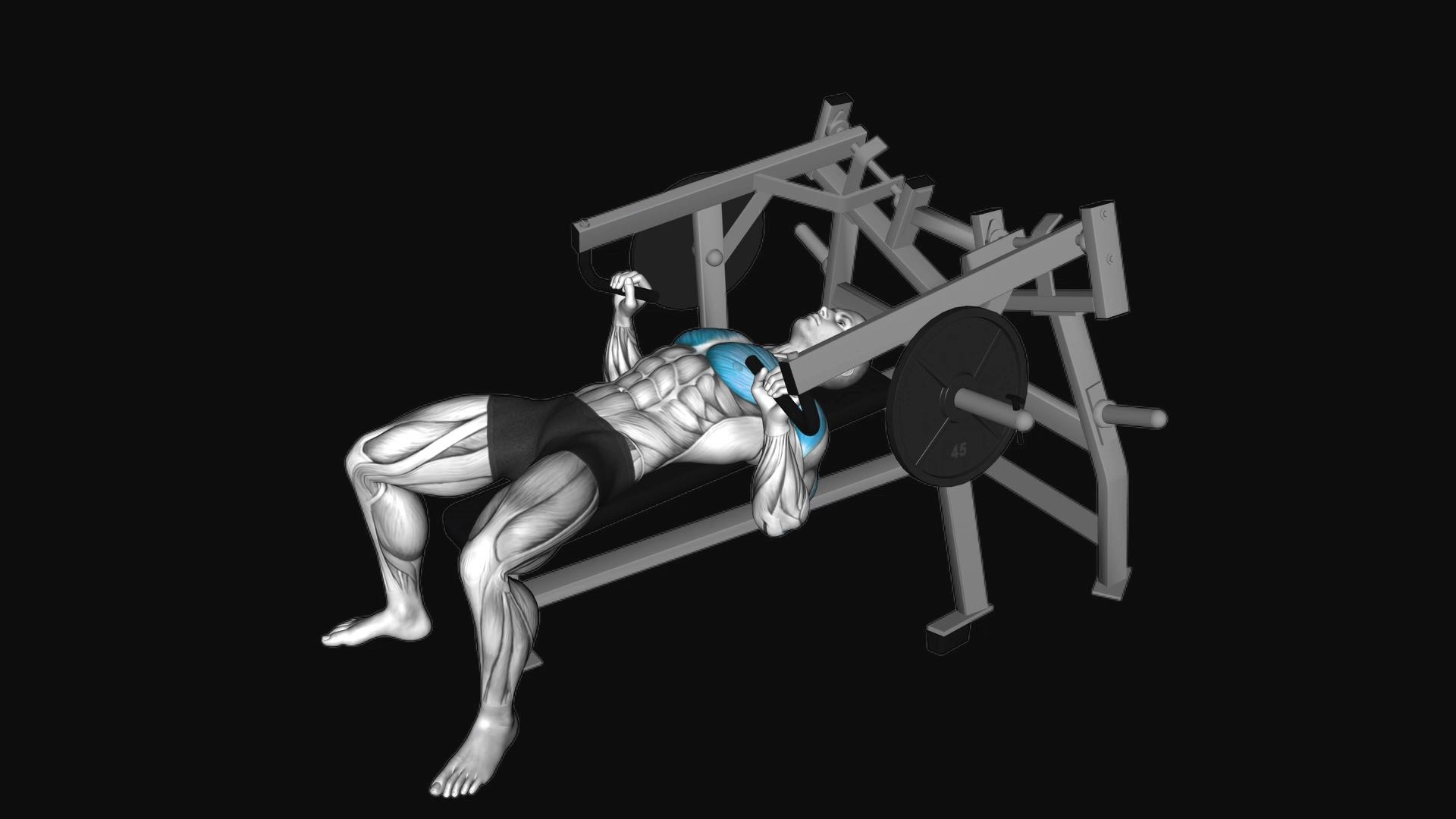
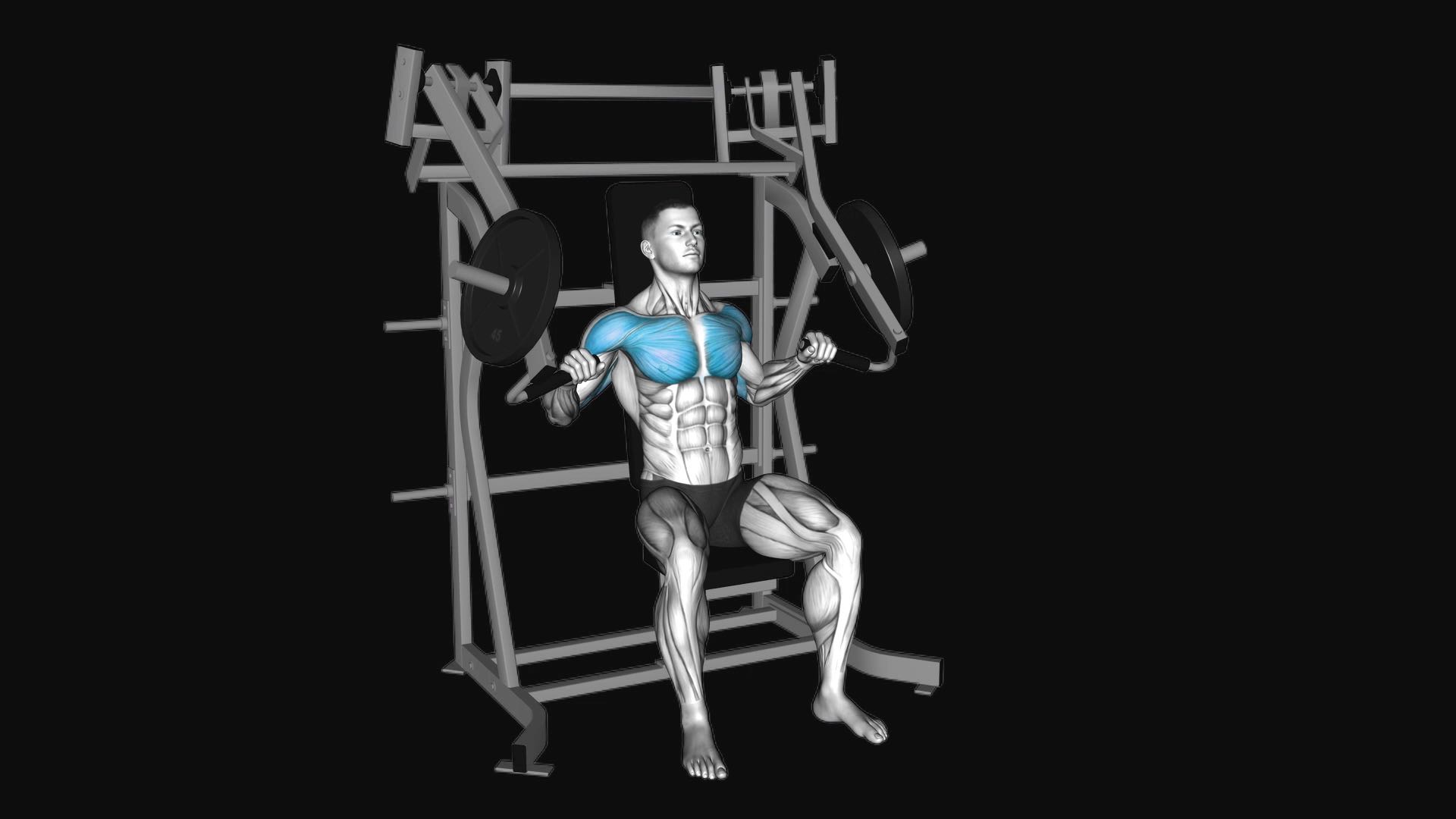
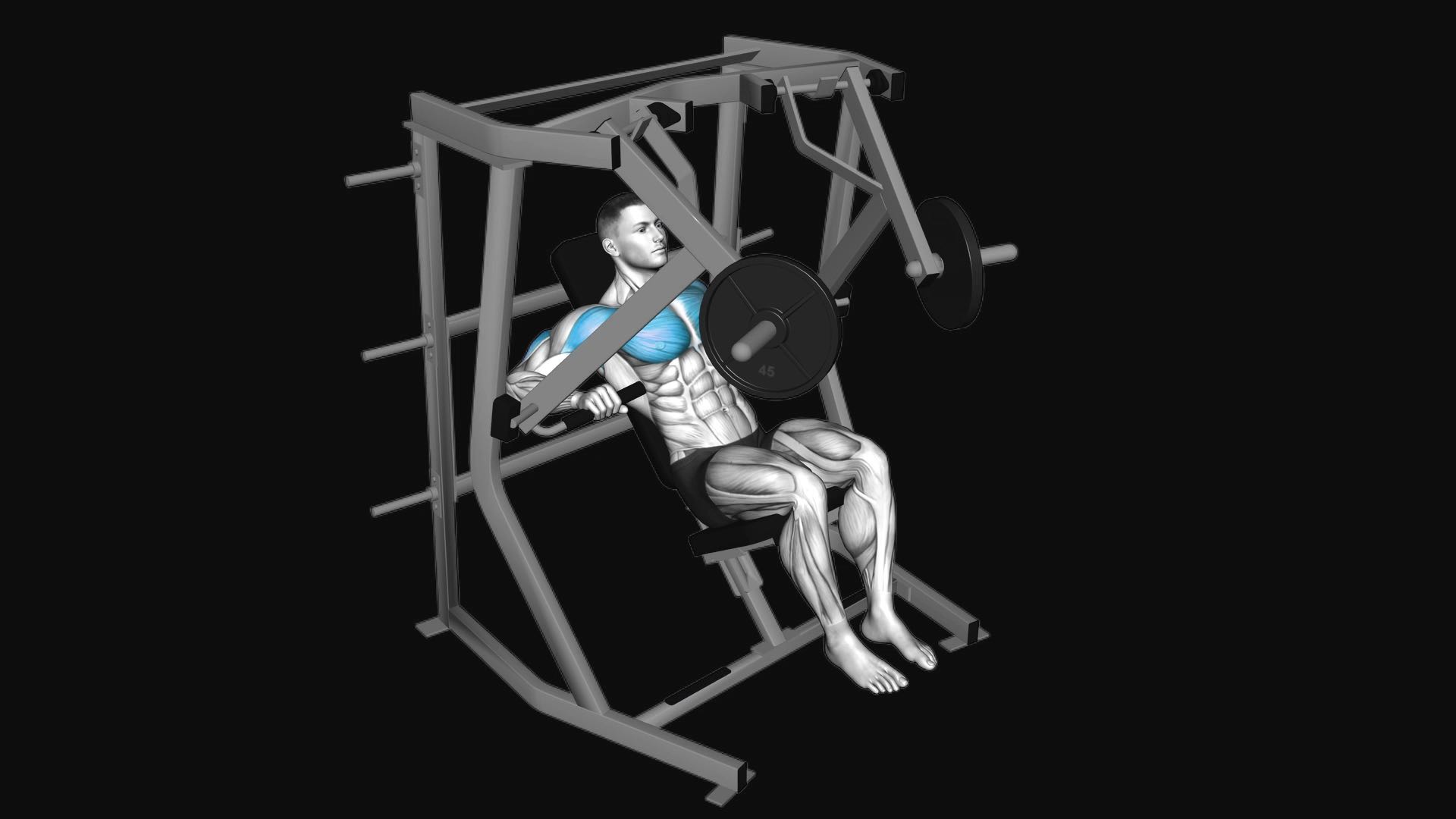
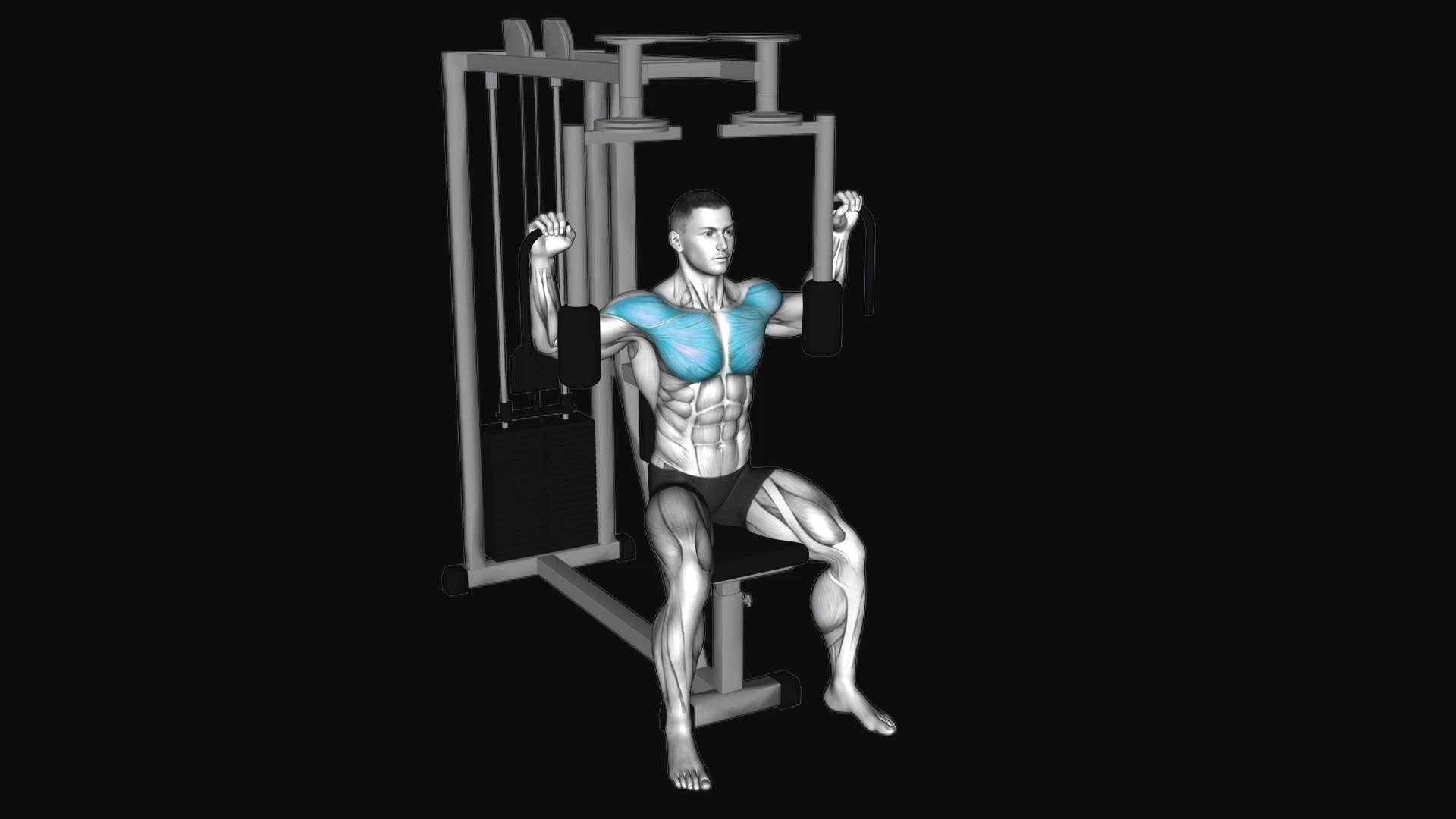
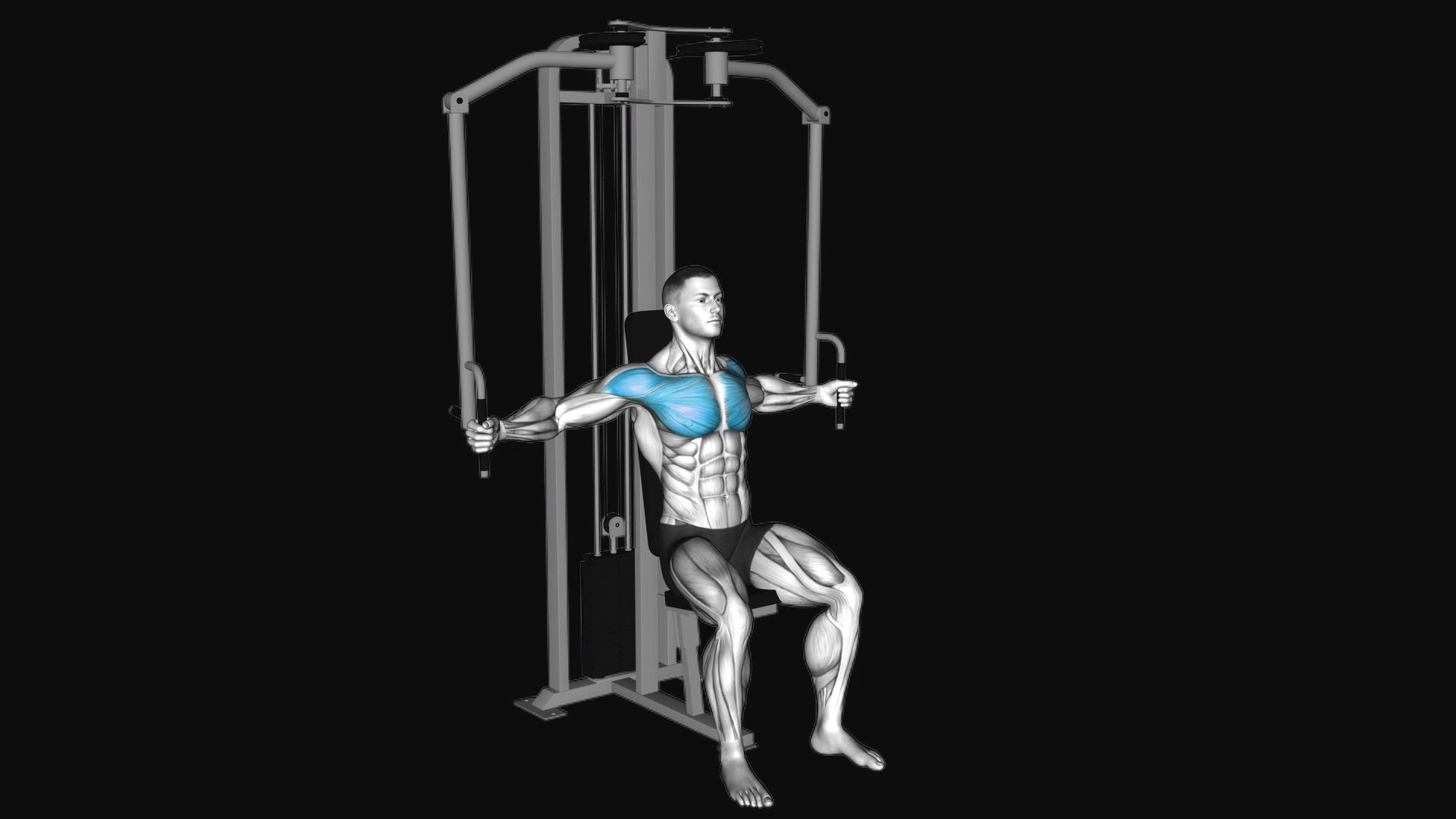
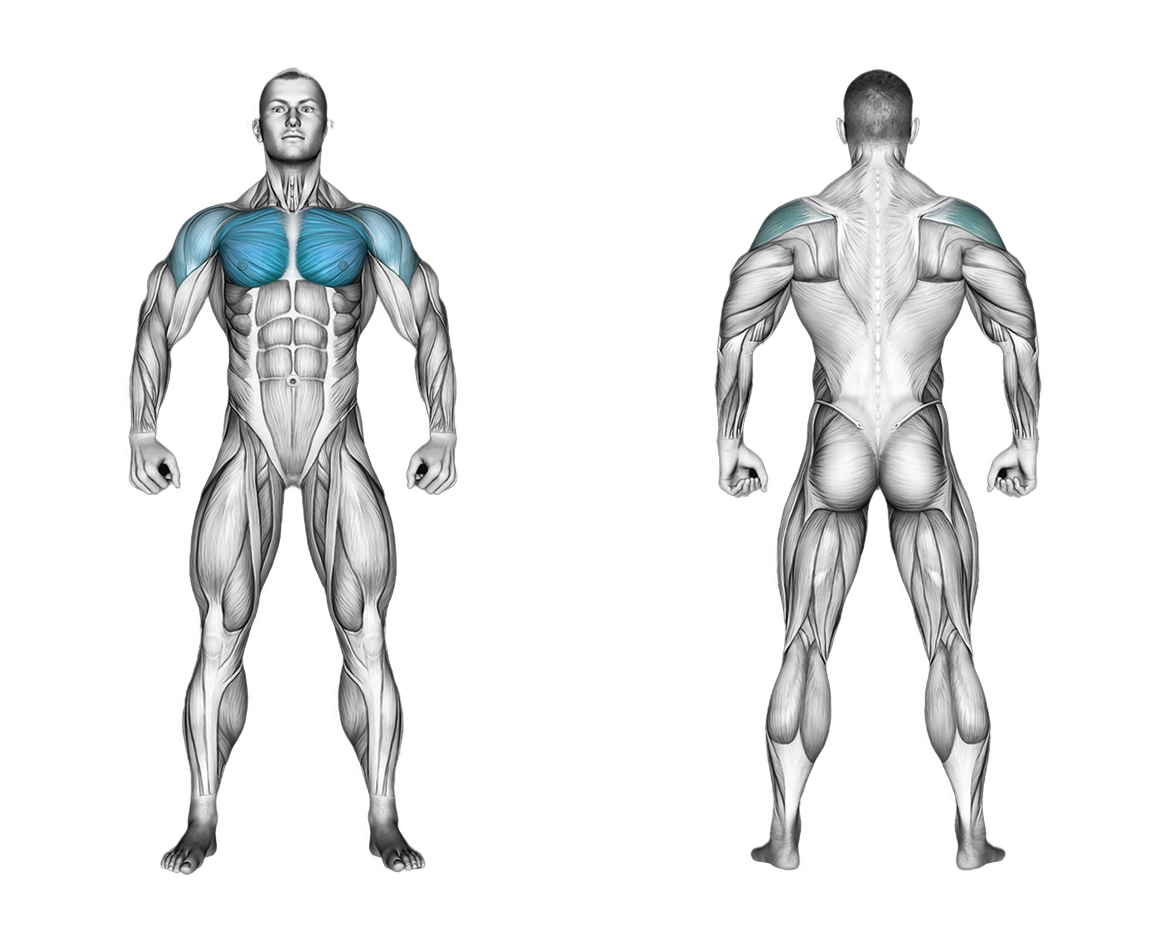
The lever incline fly is an isolation machine exercise that targets the upper portion of the pectoralis major and the anterior deltoids. It is ideal for lifters looking to emphasize upper chest development with constant mechanical tension and works best placed in the middle or end of a chest session.
How to do it
- Lie back on an incline bench in a lever fly machine.
- Grip the handles with your arms extended and a slight bend in your elbows.
- Bring the handles together in front of your chest in an arc motion.
- Squeeze your upper chest at the center.
- Return to the starting position with control, feeling a stretch in your chest.
Common mistakes
- Excessively bending and straightening the elbows turns the movement into a press and removes isolation from the pectorals.
- Allowing the handles to travel too far back overstretches the shoulder capsule and increases the risk of joint strain.
- Letting the shoulder blades roll forward off the backrest at peak contraction reduces chest engagement.
Tips
- Maintain a fixed, slight bend in the elbows from the start of the rep to the finish.
- Adjust the seat so the movement path aligns directly with your upper chest line.
- Hold the handles together for a one-second pause at full contraction to maximize tension on the upper fibers.
Sets and reps
For muscle hypertrophy, perform 3 to 4 sets of 10 to 15 controlled repetitions, resting 60 to 90 seconds between sets.
Muscles worked
Your coach guides every set
Turn on the coach in Gloox: it asks how you feel, picks the weight from your history and cues technique and rest. Rate each set and the next one is tuned to you.

On a computer? Point your phone's camera here to get the app.
Questions
Which muscles does the lever incline fly work?
The exercise primarily targets the clavicular head of the pectoralis major, with secondary assistance from the anterior deltoids and serratus anterior.
What can replace this exercise if the specific machine is unavailable?
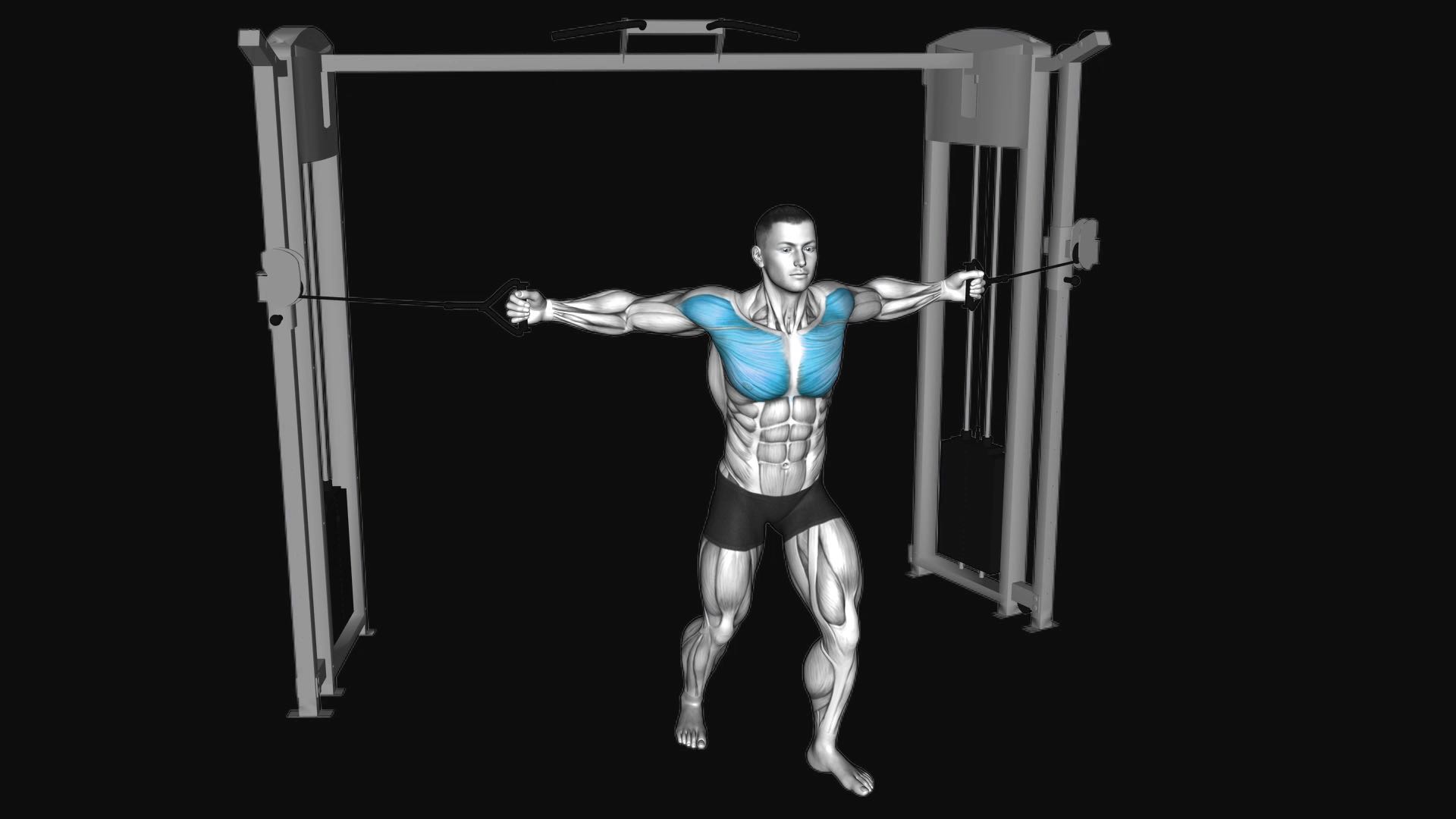
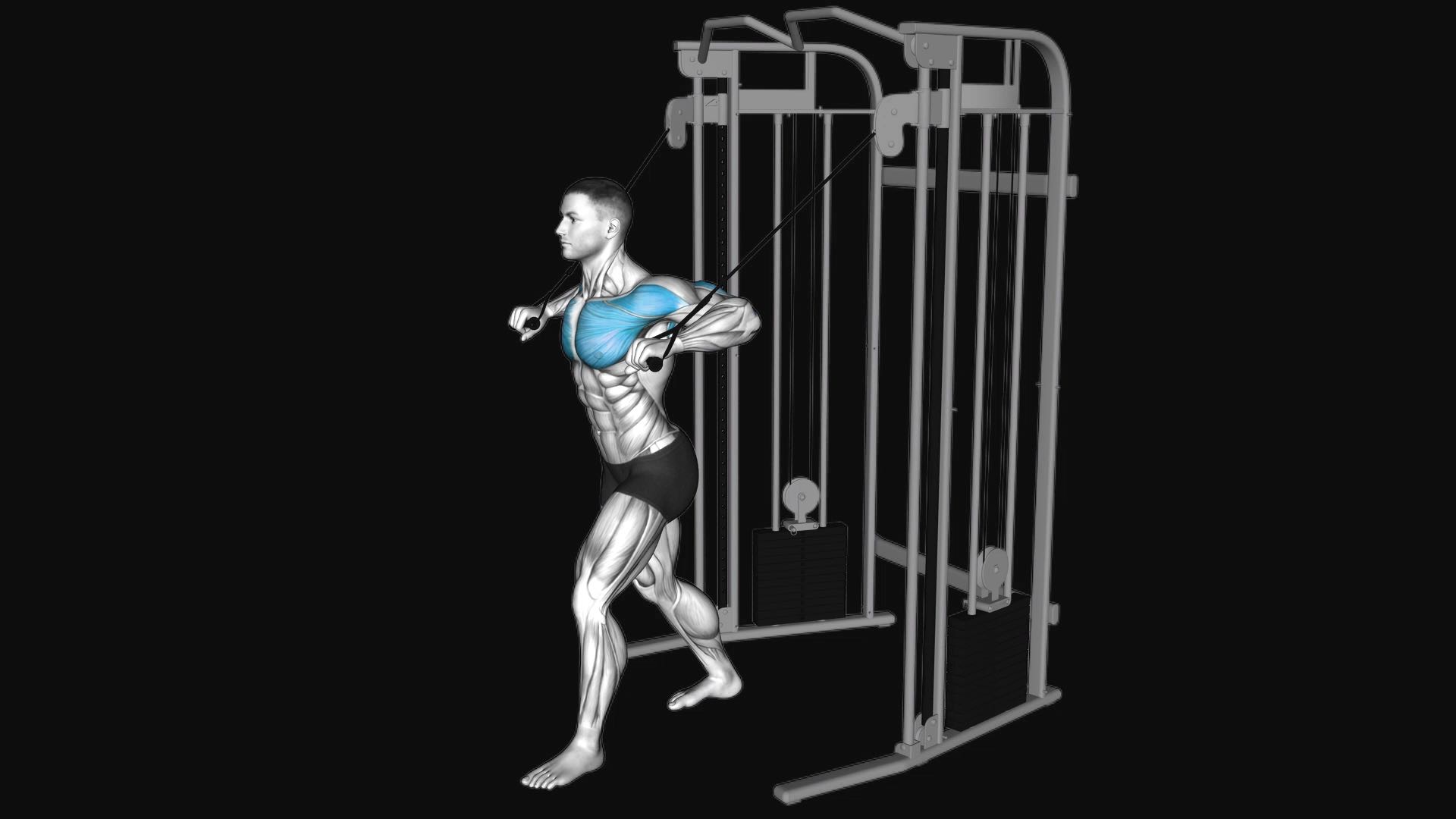
Incline dumbbell flyes or low-to-high cable crossovers closely replicate the angle and line of pull on the upper chest.