Legs · Machines
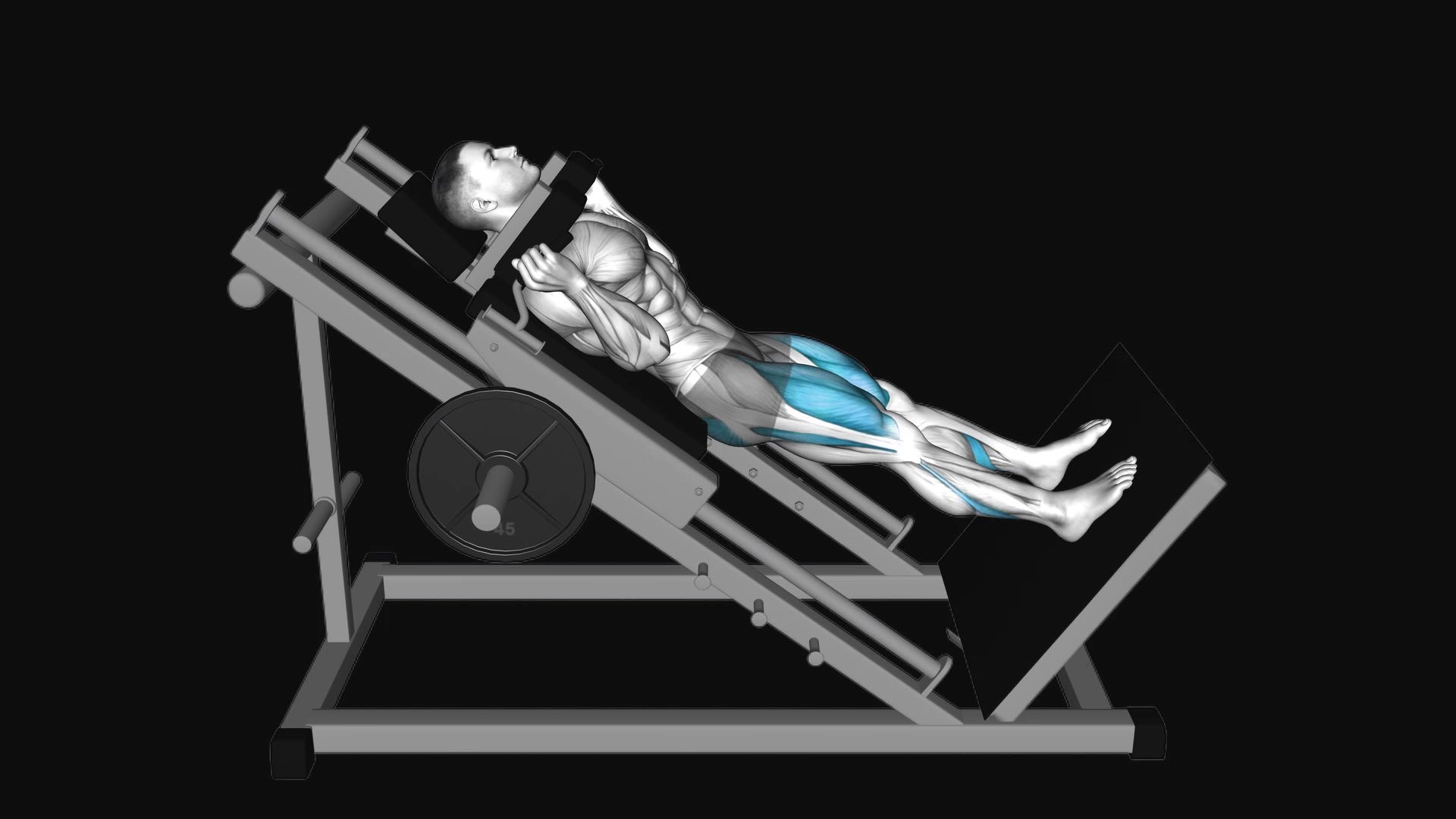
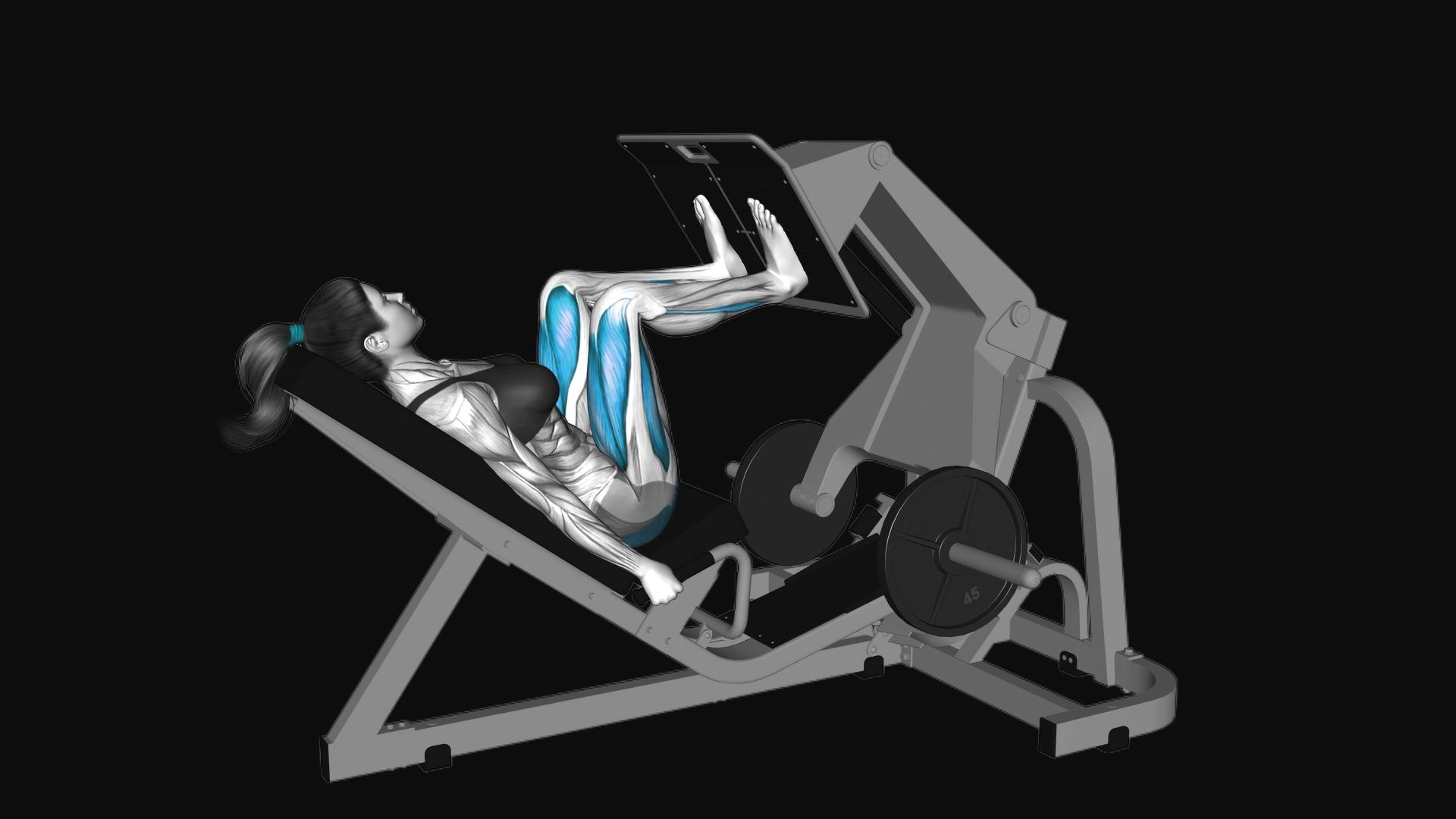
Lever Hip Abduction Squat
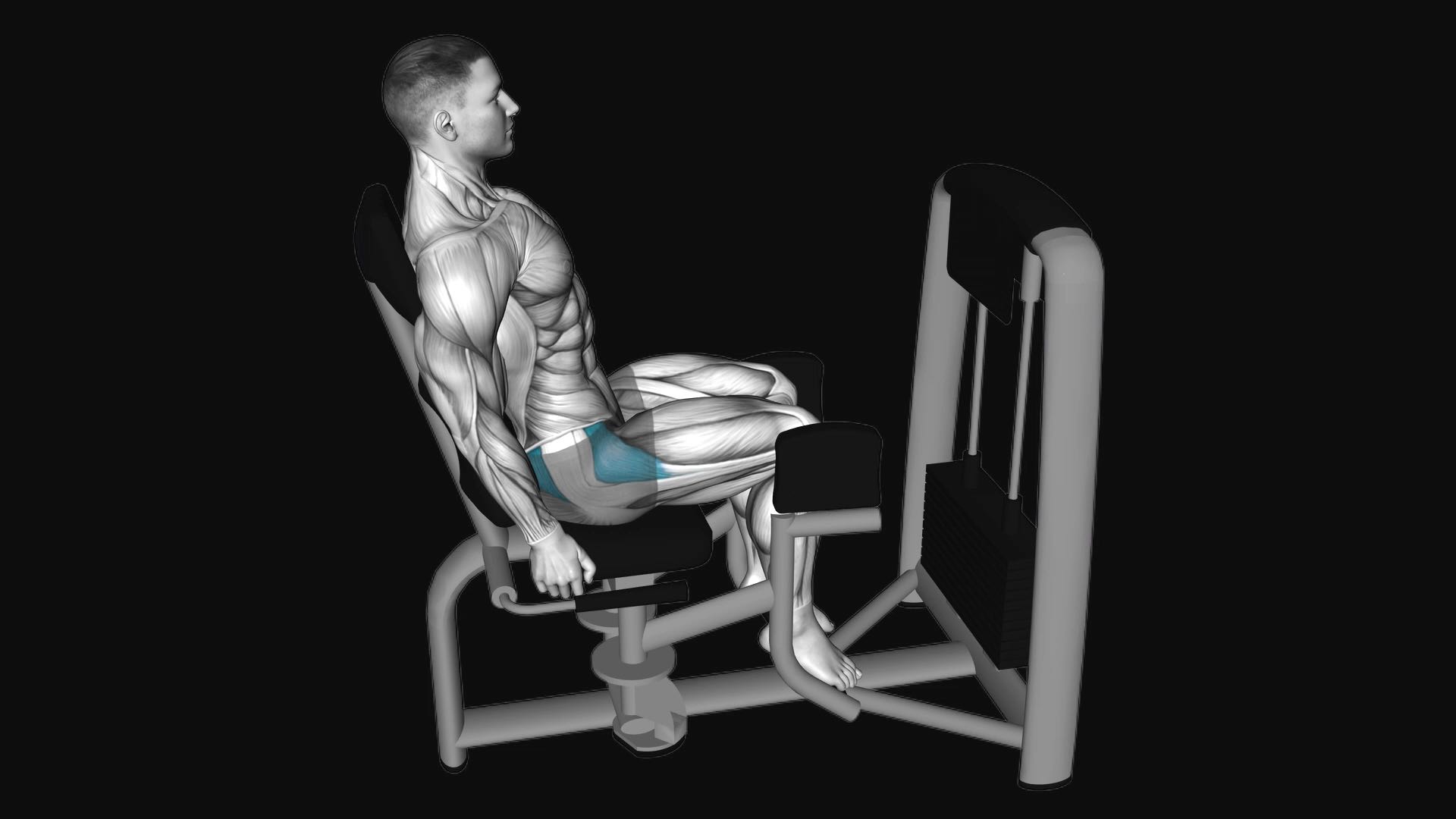
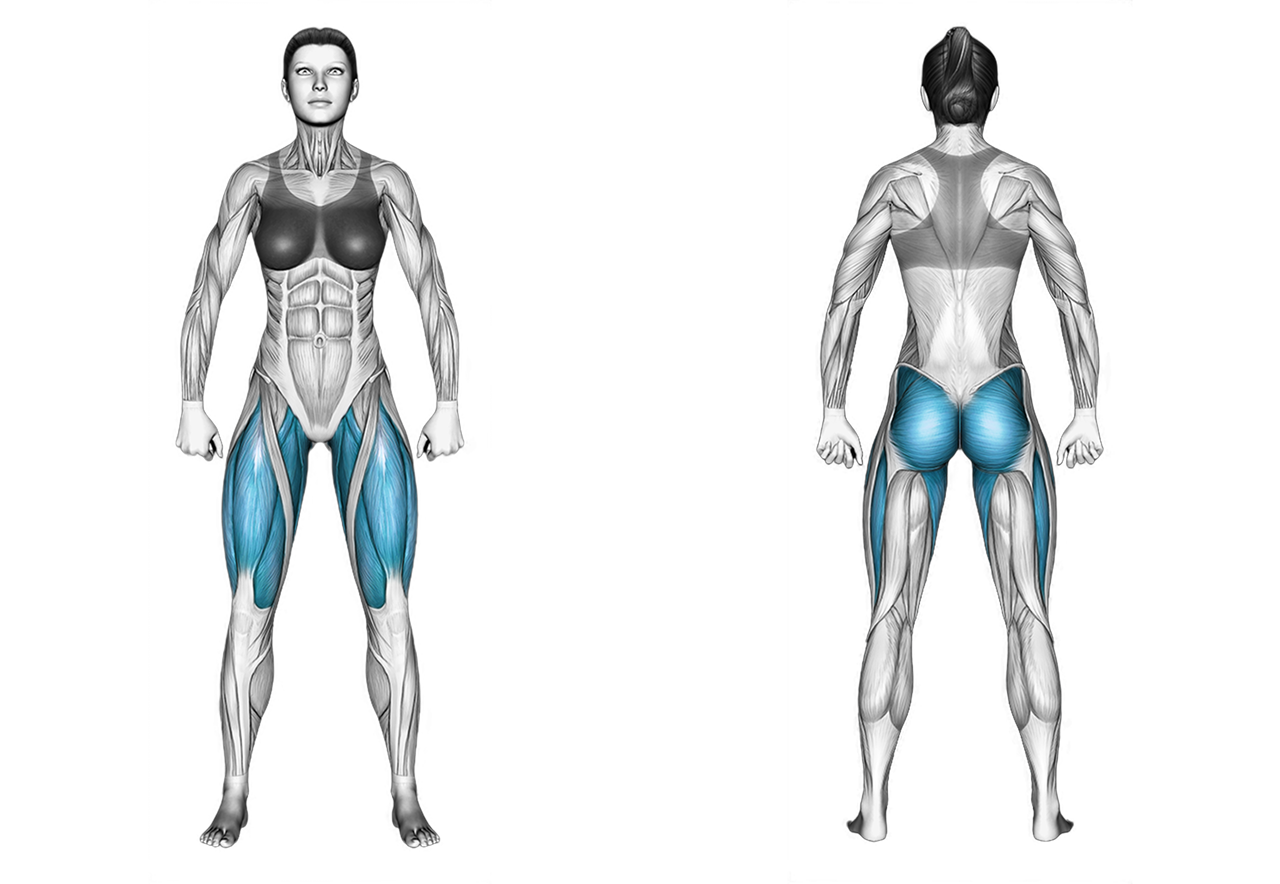
The lever hip abduction is a machine-based isolation movement designed to strengthen the gluteus medius, gluteus minimus, and tensor fasciae latae. It serves well as an accessory exercise to reinforce hip stability or as a targeted finisher at the end of a lower-body session.
- Equipment
- Machines
- Type
- Strength
- Animation
- Women
How to do it
- Position yourself in the hip abduction machine with your back against the pad.
- Place your legs against the outer pads with your feet on the footrests.
- Grip the handles for stability and engage your core.
- Slowly push your legs apart against the resistance, focusing on your outer thighs.
- Pause at the end range of motion, then slowly return to the starting position.
Common mistakes
- Using torso momentum to fling the pads outward robs the gluteal muscles of tension and stresses the hip joints.
- Allowing the weight stack to slam together on the return eliminates the muscle-building eccentric phase of the lift.
- Arching the lower back away from the pad shifts mechanical tension from the abductors onto the lumbar spine.
Tips
- Hold the fully abducted position for a full second to maximize peak contraction in the outer glutes.
- Control the eccentric return over two to three seconds rather than letting the machine pull your legs together.
- Set the starting width wide enough so the target muscles are under tension before beginning each repetition.
Sets and reps
Perform 3 to 4 sets of 12 to 20 controlled repetitions with 60 to 90 seconds of rest between sets to target muscle growth and endurance.
Muscles worked
Your coach guides every set
Turn on the coach in Gloox: it asks how you feel, picks the weight from your history and cues technique and rest. Rate each set and the next one is tuned to you.

On a computer? Point your phone's camera here to get the app.
Questions
What muscles are primarily worked during machine hip abductions?
The movement isolates the gluteus medius and gluteus minimus with assistance from the tensor fasciae latae. These muscles are essential for stabilizing the pelvis during walking and squatting.
What can replace this machine if it is not available?
Cable hip abductions using an ankle strap or seated hip abductions with a looped resistance band around the knees are effective substitutions.