Legs · Machines
Lever Seated Hip Abduction
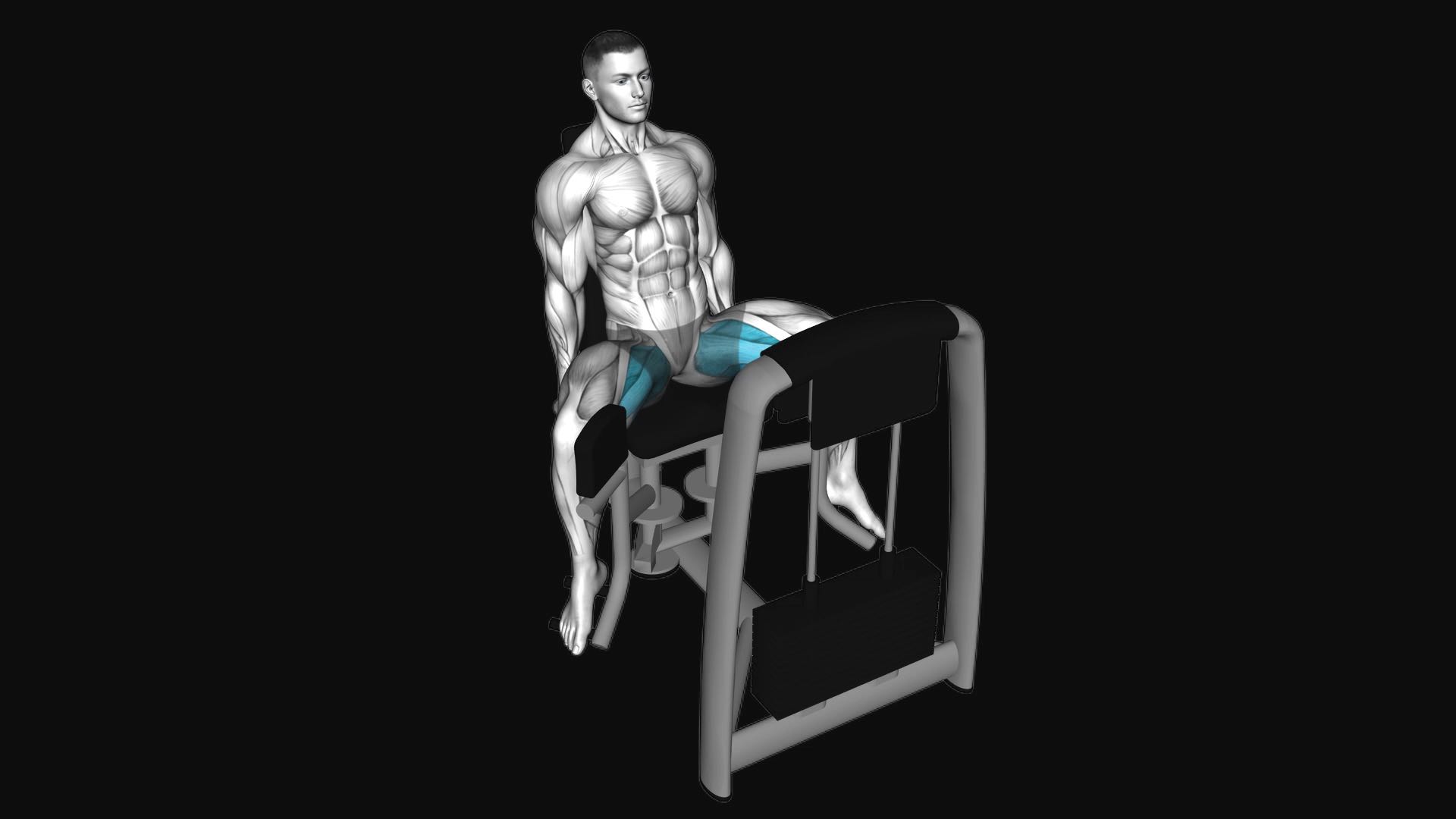
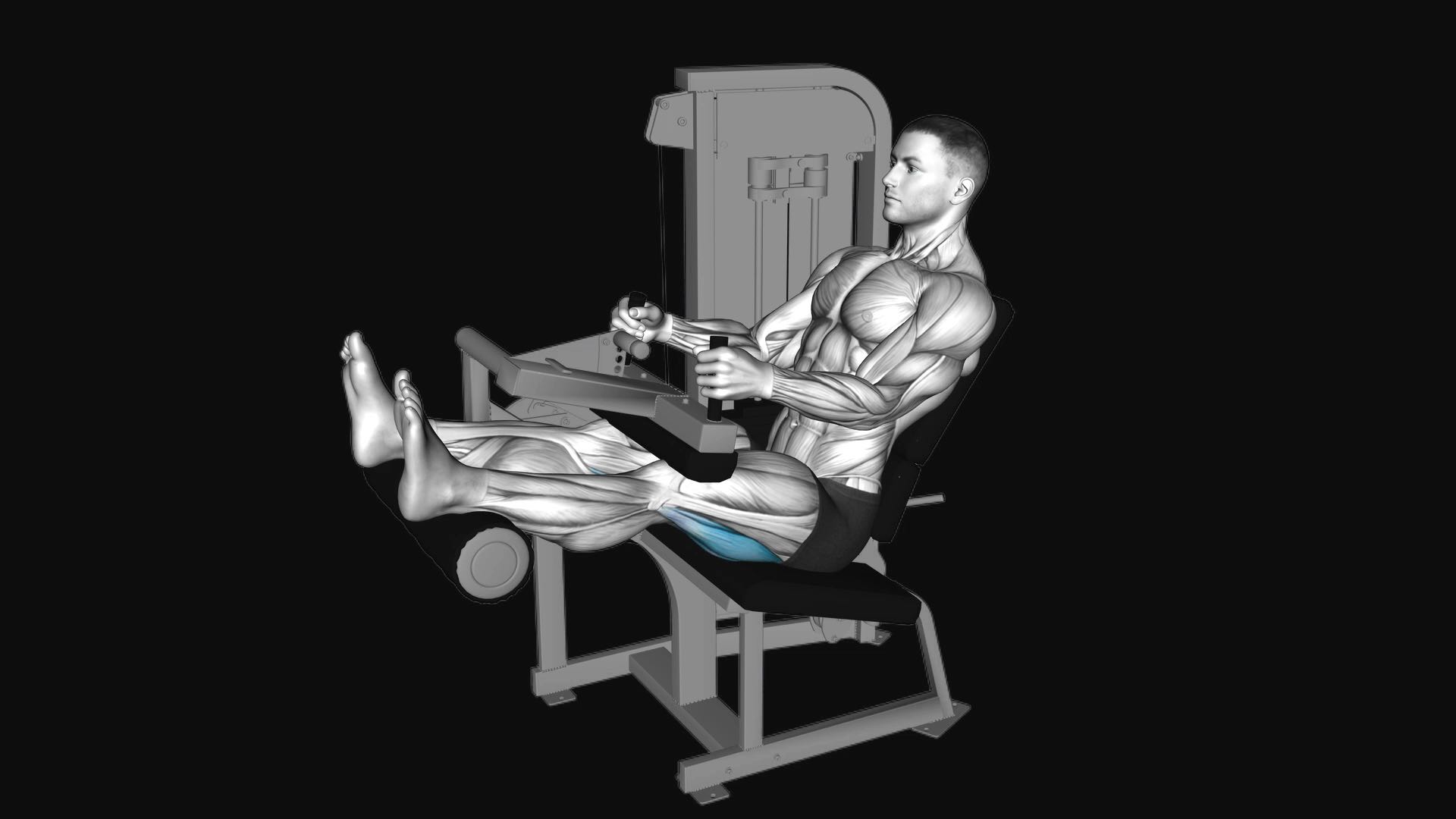
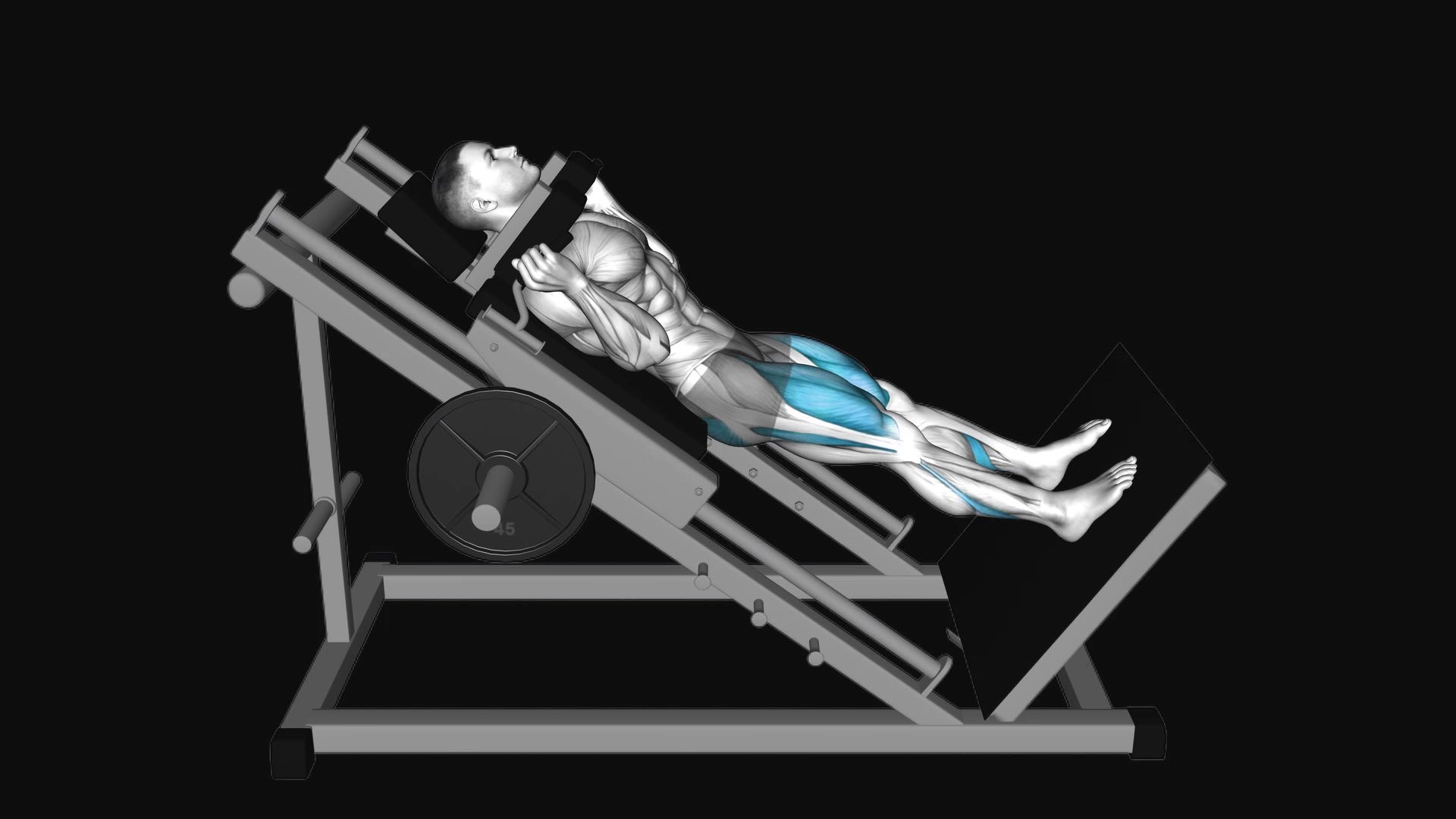
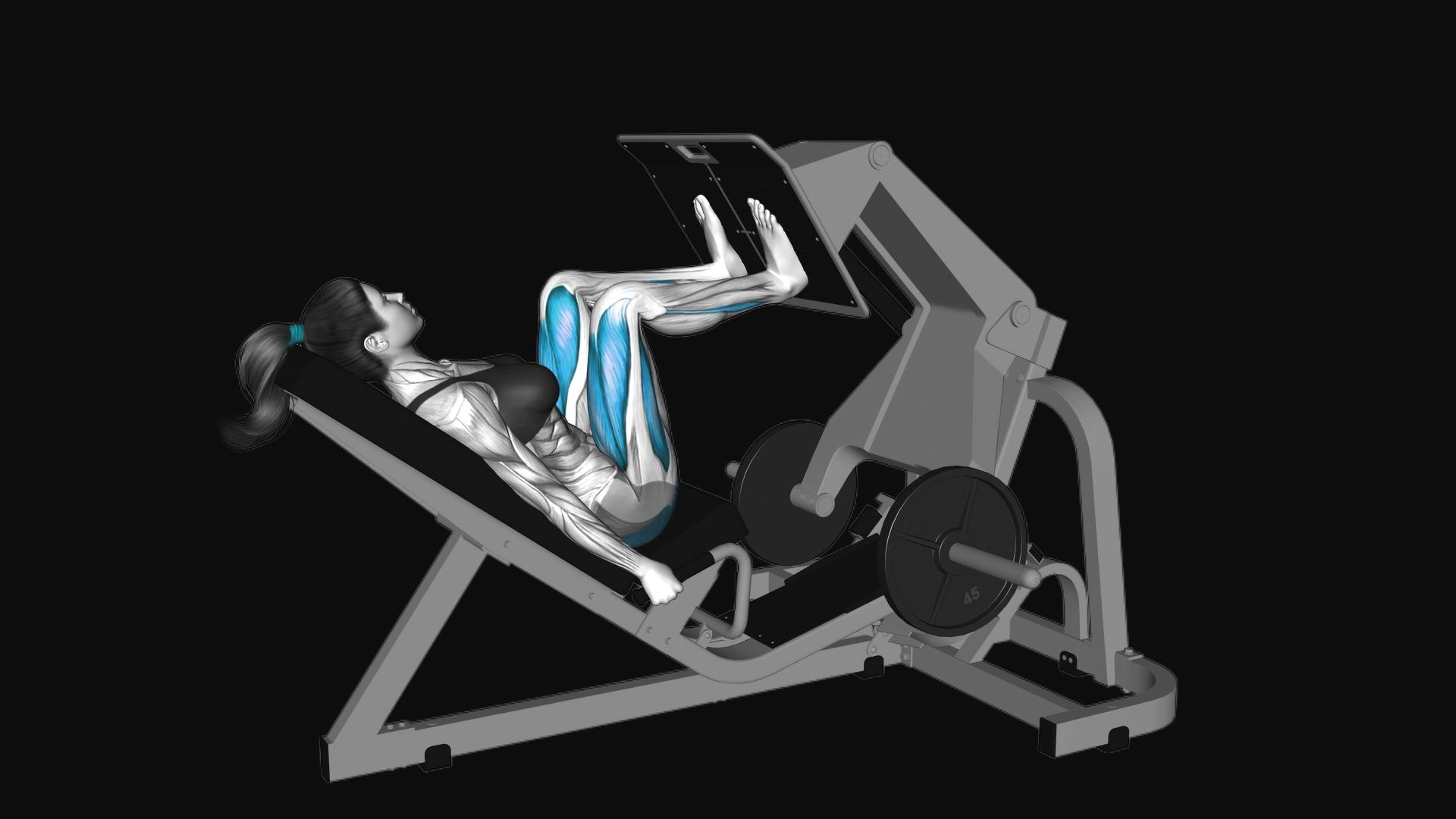
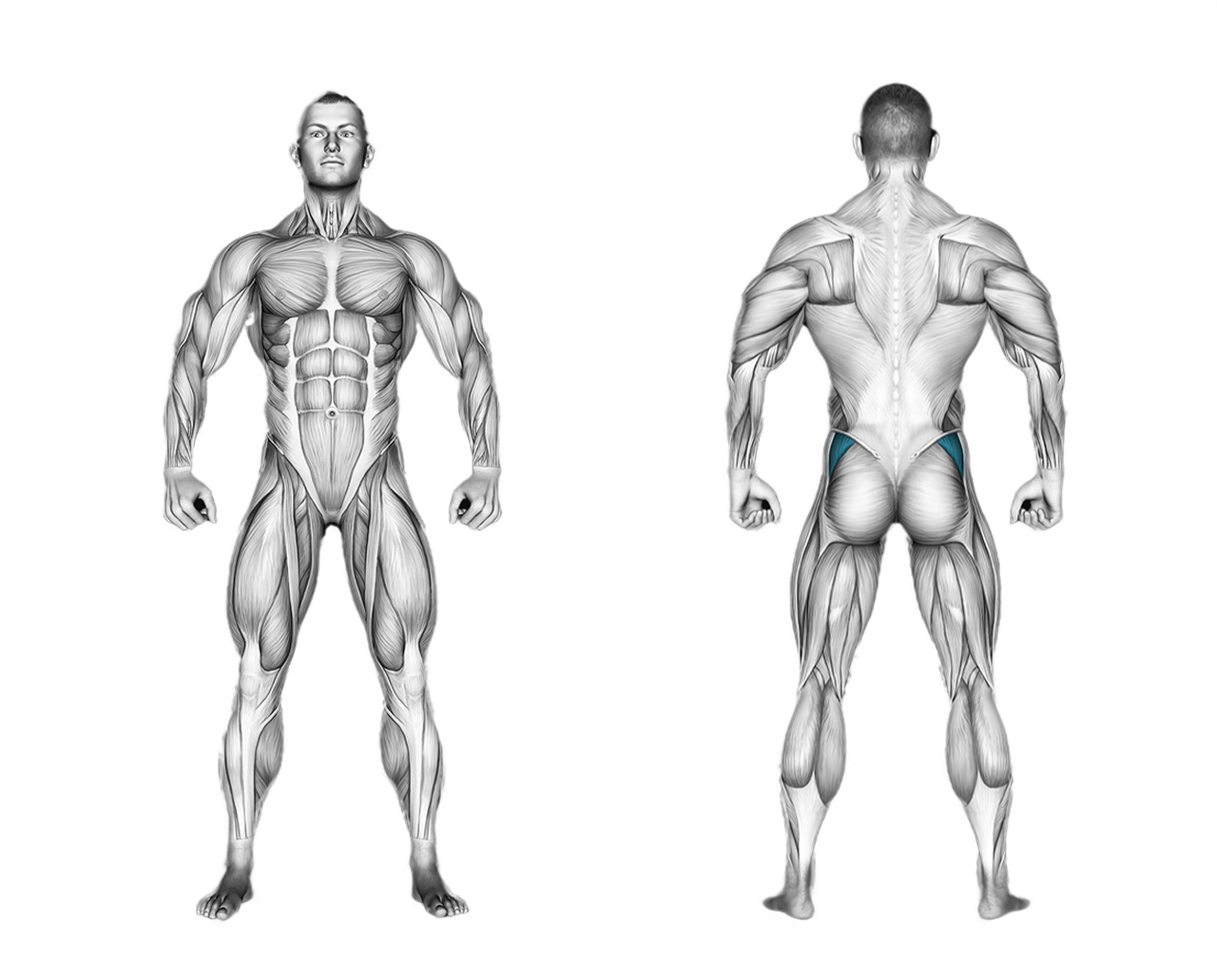
The lever seated hip abduction is an isolation exercise that targets the gluteus medius, gluteus minimus, and tensor fasciae latae. It suits lifters of all experience levels and typically fits toward the end of a lower-body session as an accessory movement for glute development and hip stability.
How to do it
- Sit on the hip abduction machine, adjusting the seat and pads to fit your body.
- Position your thighs against the pads and secure your feet on the footrests.
- Grasp the handles or the edges of the seat for stability.
- Inhale and brace your core. Exhale as you push your thighs apart, using your hip abductor muscles.
- Push until you've reached a comfortable range of motion, focusing on the outer thigh muscles.
- Keep the movement controlled and steady.
- Slowly bring your thighs back together to the starting position, controlling the movement.
Common mistakes
- Using momentum to swing the weight reduces glute activation and compromises hip joint stability.
- Lifting your lower back or pelvis off the backrest places unnecessary shear stress on the lumbar spine.
- Allowing the pads to snap together quickly skips the muscle-building eccentric phase of the movement.
Tips
- Pause for a full second at peak abduction to maximize tension on the outer glute fibers.
- Hinge slightly forward from the hips while keeping your spine straight to place more emphasis on the gluteus medius.
- Drive outward primarily through your knees and outer thighs rather than pushing with your ankles or feet.
Sets and reps
Perform 3 to 4 sets of 12 to 20 controlled reps with 60 to 90 seconds of rest between sets to focus on hypertrophy and muscular endurance.
Muscles worked
Your coach guides every set
Turn on the coach in Gloox: it asks how you feel, picks the weight from your history and cues technique and rest. Rate each set and the next one is tuned to you.

On a computer? Point your phone's camera here to get the app.
Questions
What exercises can substitute for the seated abduction machine?
You can effectively replicate the movement pattern using lateral band walks, cable hip abductions, or side-lying leg raises.
Is the hip abduction machine safe for the lower back?
It is generally spine-friendly because the back is supported, but if you experience any lower back pain, stop the exercise and consult a specialist.