Legs · Machines
Lever Vertical Squat
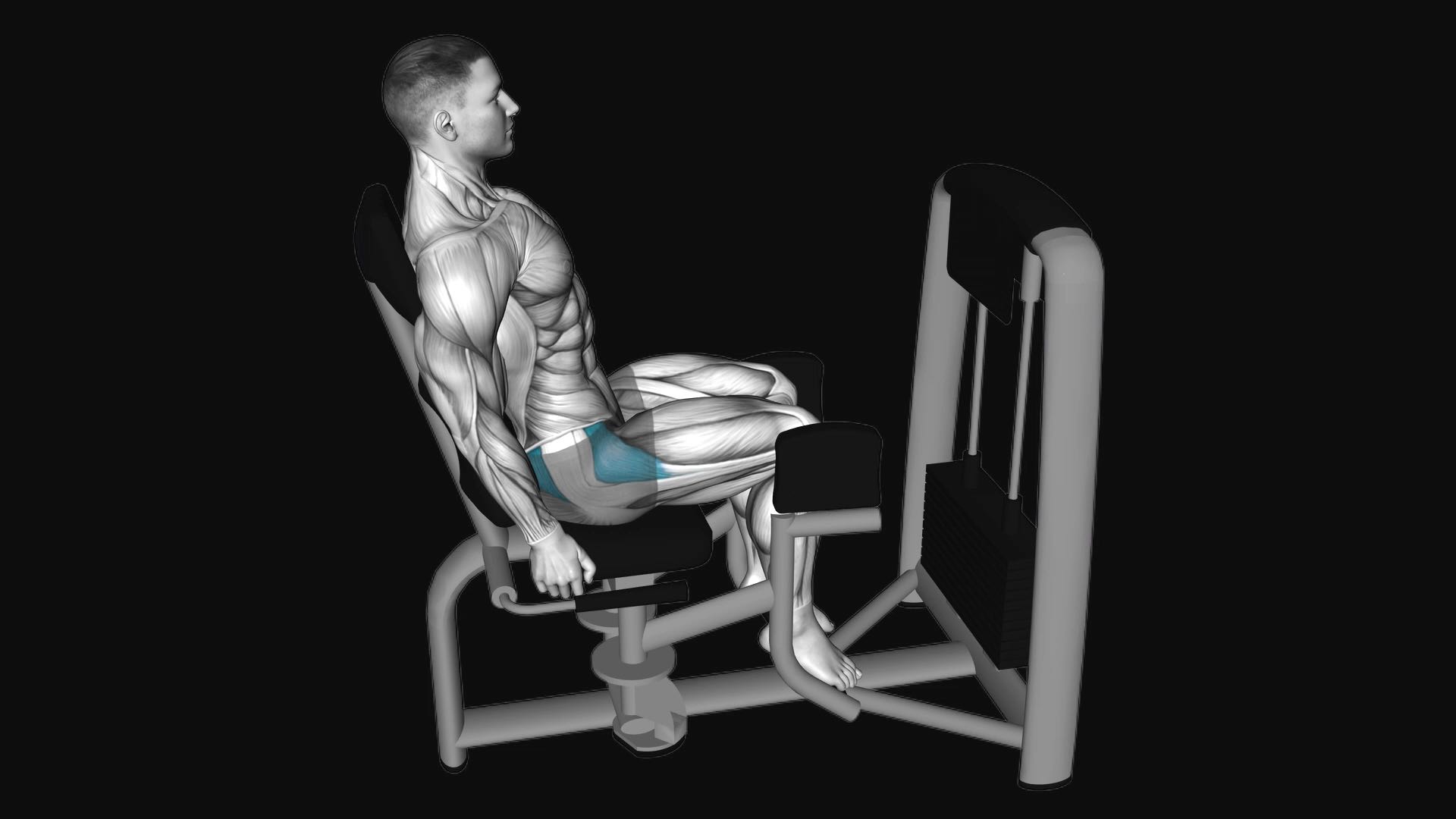
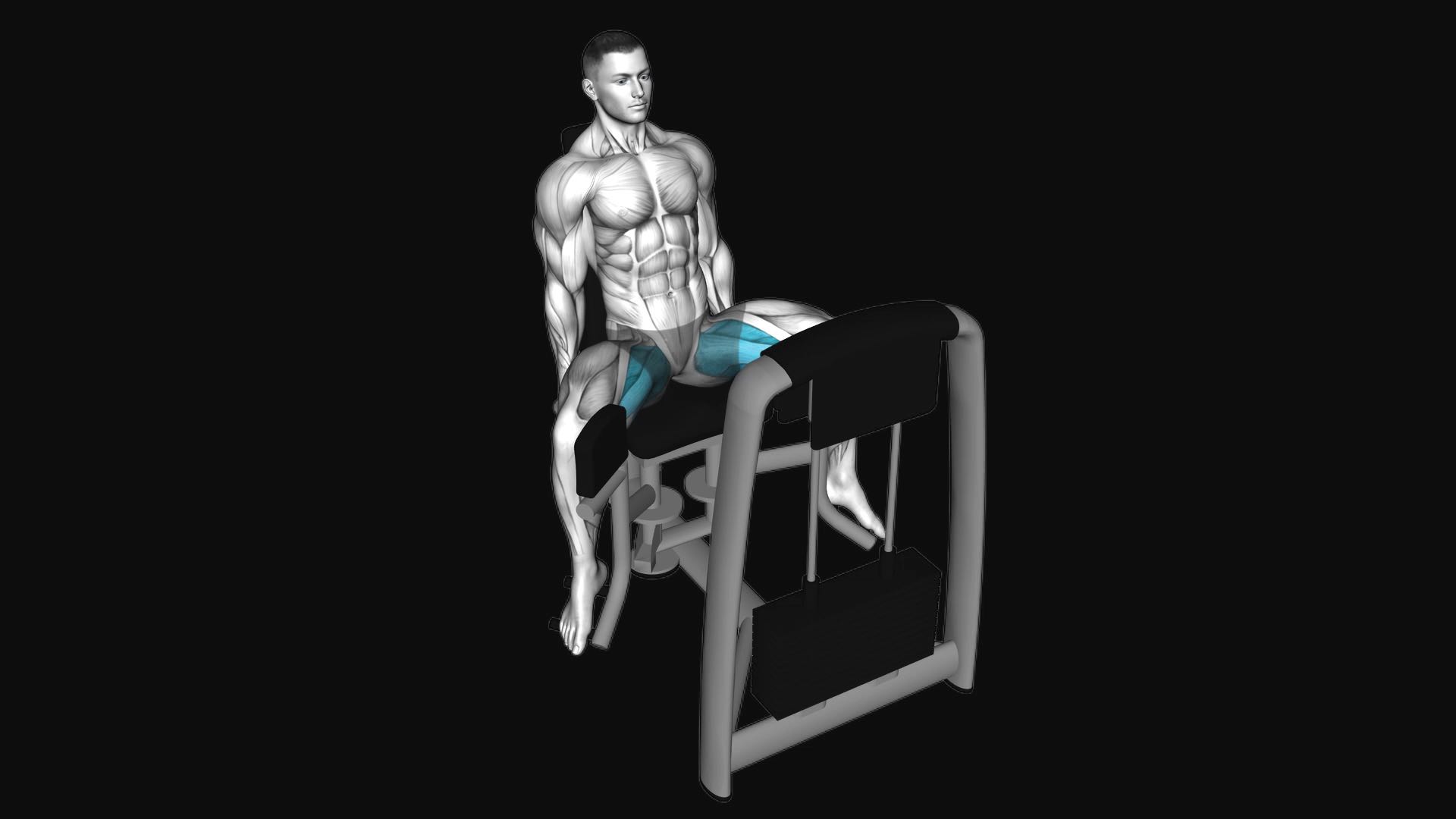
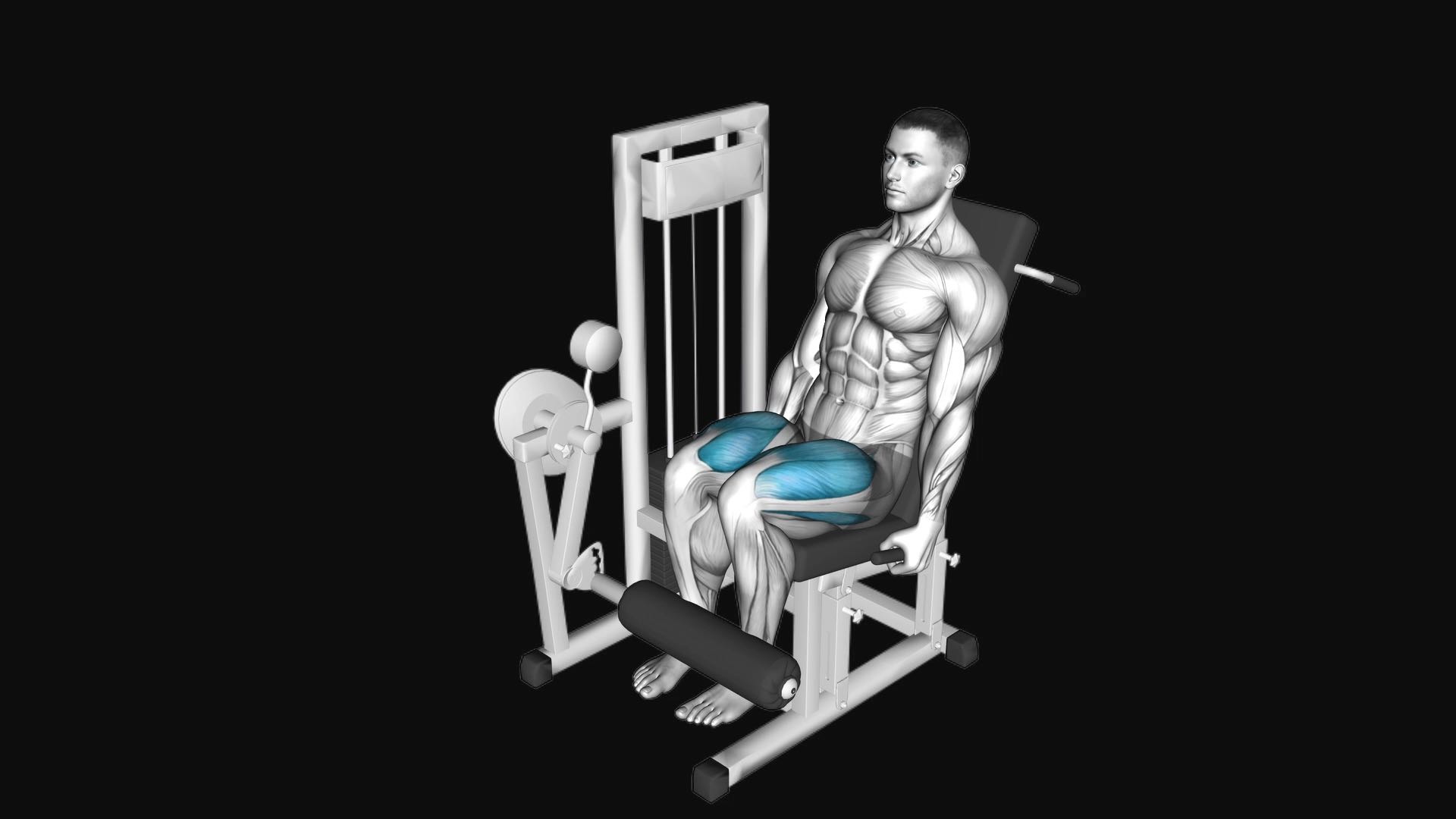
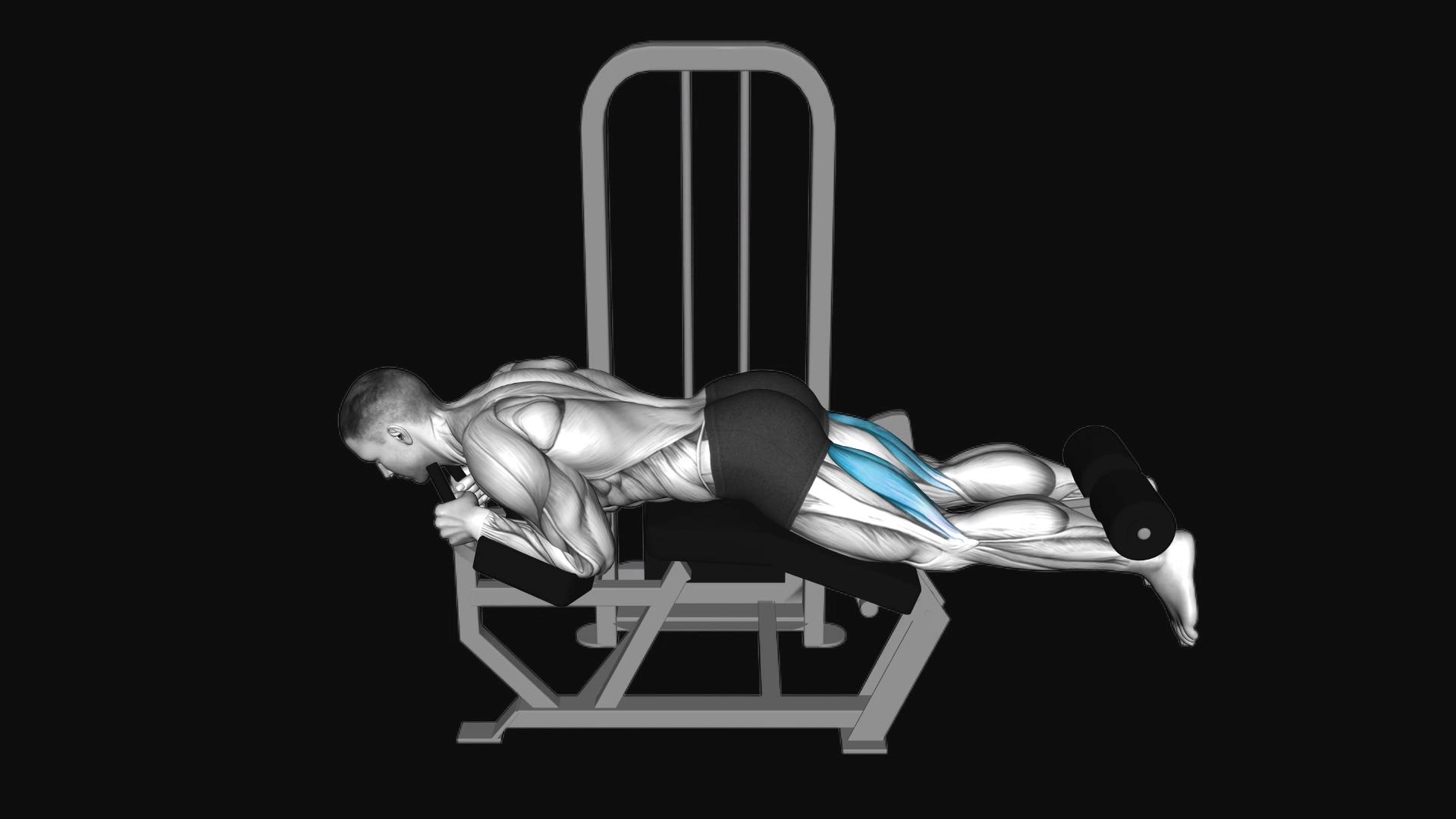
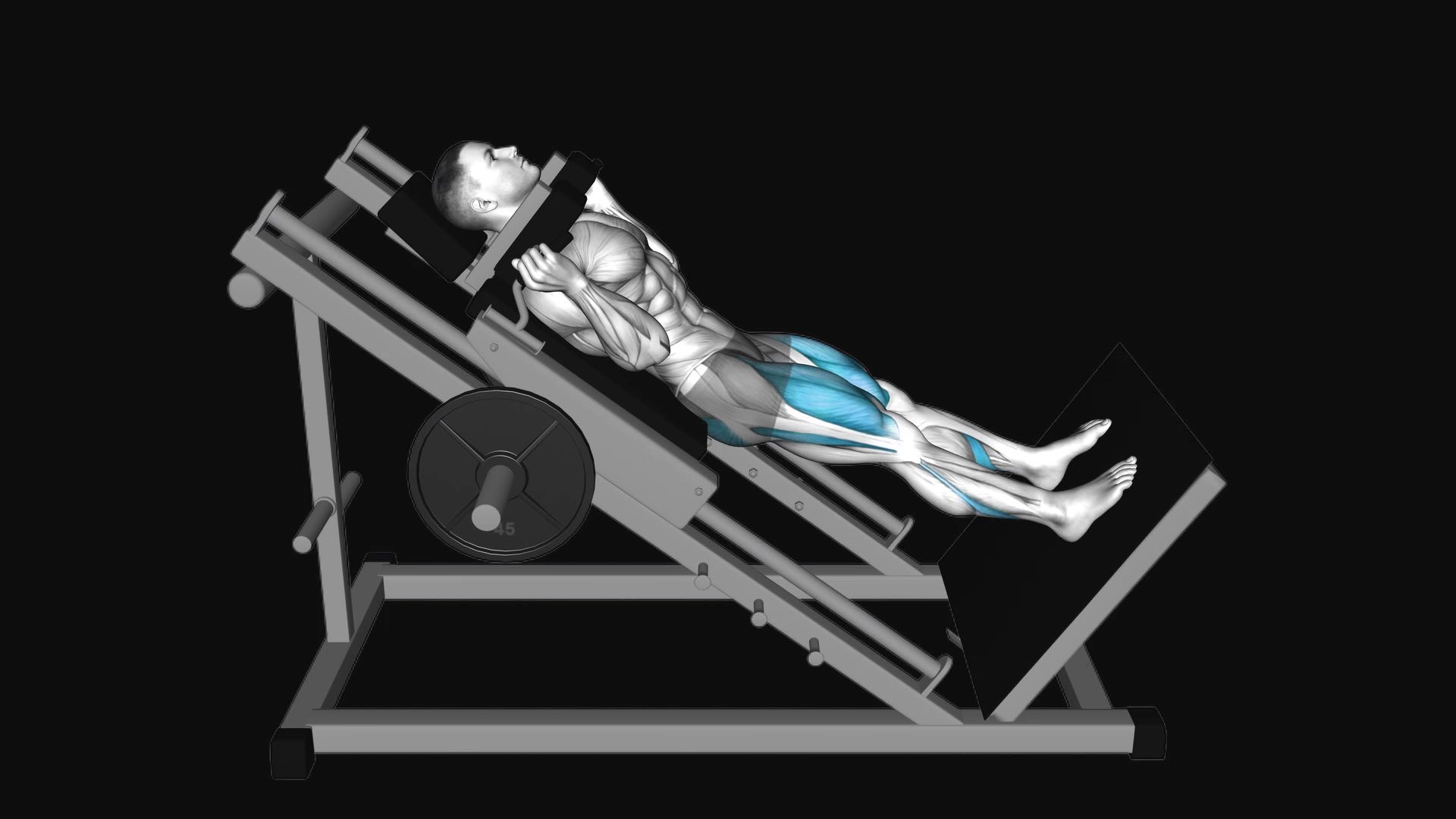
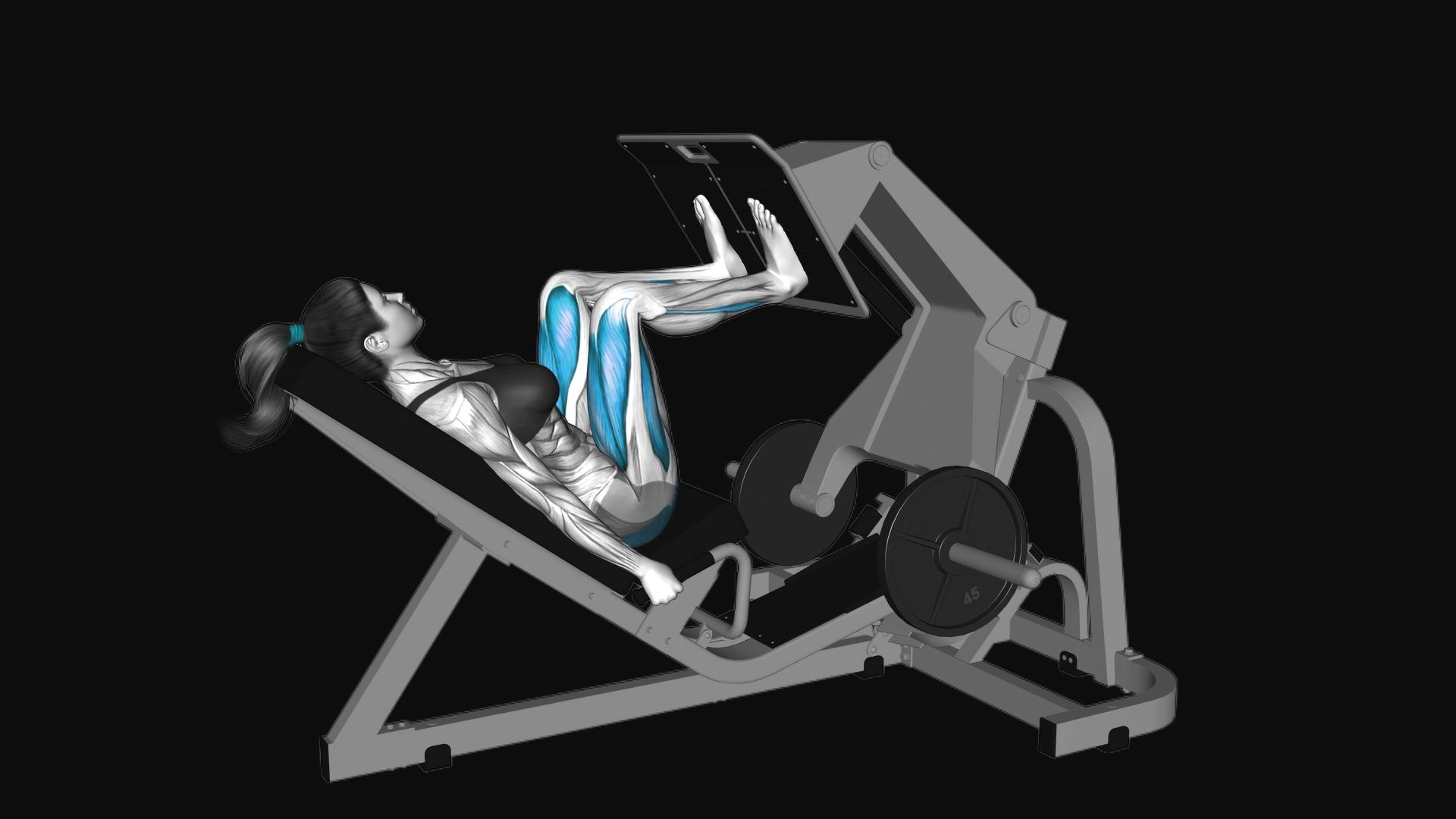
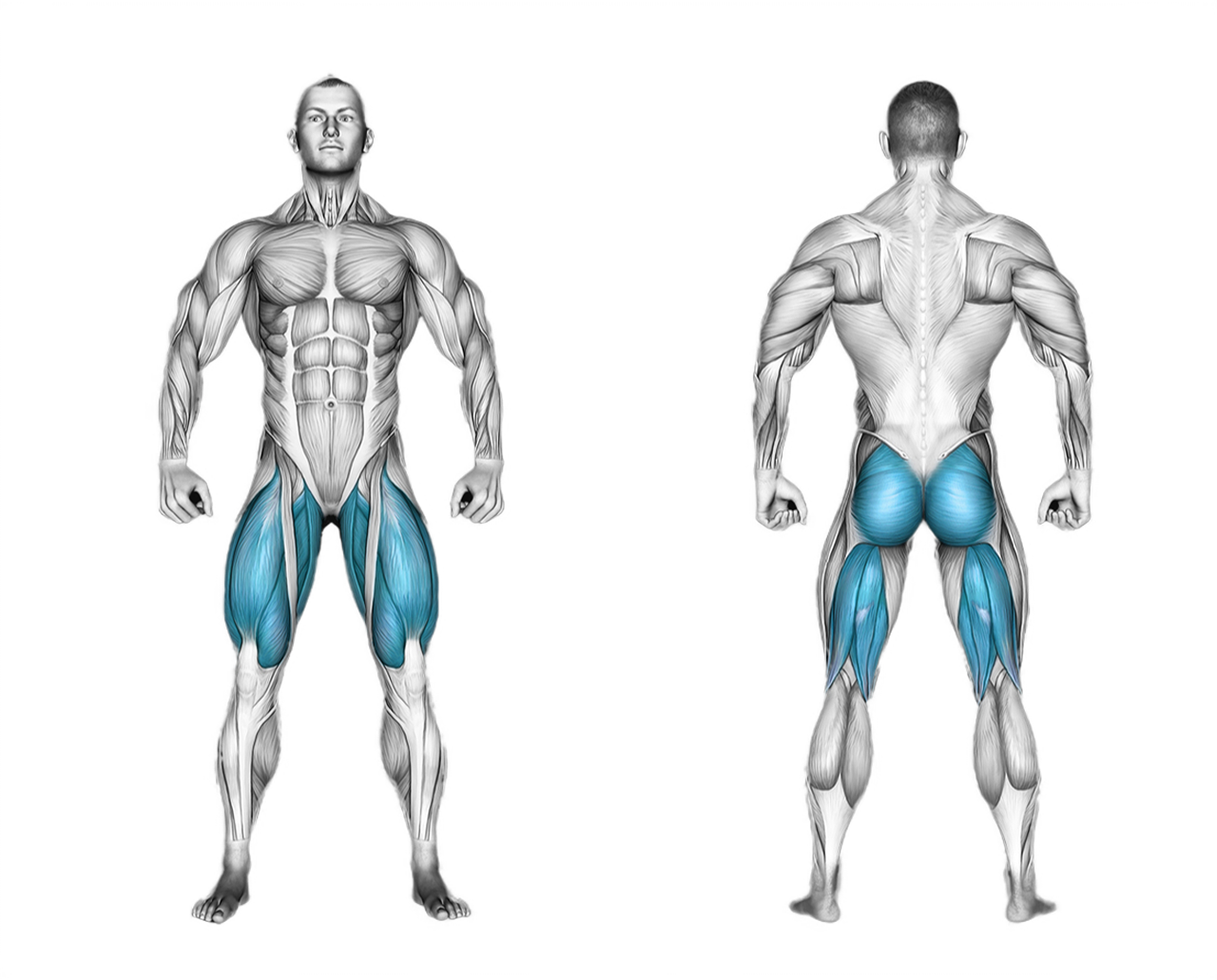
The lever vertical squat is a machine-based lower-body exercise designed to overload the quadriceps, glutes, and adductors along a stabilized movement path. Its back-supported design minimizes axial spinal compression, making it an effective choice for leg hypertrophy workouts or as a safer squat variation.
How to do it
- Position yourself under the squat machine, placing your shoulders and back against the pads.
- Adjust the machine to fit your height and stand with your feet shoulder-width apart, toes pointing slightly outward.
- Grasp the handles or the sides of the machine for balance.
- Disengage the safety bars and stand upright to start the exercise.
- Inhale and brace your core. As you exhale, lower your body into a squat by bending your knees and hips.
- Keep your back pressed against the pad and descend until your thighs are parallel to the floor or go deeper if your flexibility allows.
- Ensure your knees do not extend beyond your toes and keep your weight centered over your feet.
- Press through your heels to return to the starting position, extending your legs and hips.
Common mistakes
- Lifting the heels off the footplate at the bottom of the movement shifts harmful stress directly onto the knees.
- Allowing the lower back or hips to peel away from the back pad compromises spinal stability under load.
- Violently locking out the knees at the top releases muscular tension and strains the joints.
- Cutting the descent short limits the stretch on the quadriceps and reduces glute activation.
Tips
- Position your feet high and wide enough on the platform so your heels remain flat throughout the descent.
- Keep your back and pelvis firmly pressed against the support pad through the entire range of motion.
- Stop just shy of full knee lockout at the top to maintain constant tension on the target muscles.
Sets and reps
For muscle growth, perform 3 to 4 sets of 8 to 12 repetitions with 90 to 120 seconds of rest between sets. For muscular endurance, use 2 to 3 sets of 15 to 20 repetitions with 60 seconds of rest.
Muscles worked
Your coach guides every set
Turn on the coach in Gloox: it asks how you feel, picks the weight from your history and cues technique and rest. Rate each set and the next one is tuned to you.

On a computer? Point your phone's camera here to get the app.
Questions
How does this machine differ from a standard barbell squat?
The lever arm stabilizes the torso and movement path, removing the demand for balance and shifting direct focus onto the legs with less lower-back strain.
Is the lever vertical squat safe if you have lower back issues?
The back pad substantially reduces spinal shearing forces compared to free-weight squats, but if you experience pain, stop immediately and consult a specialist.