Glutes · Bodyweight
Glute Bridge Two Legs on Bench
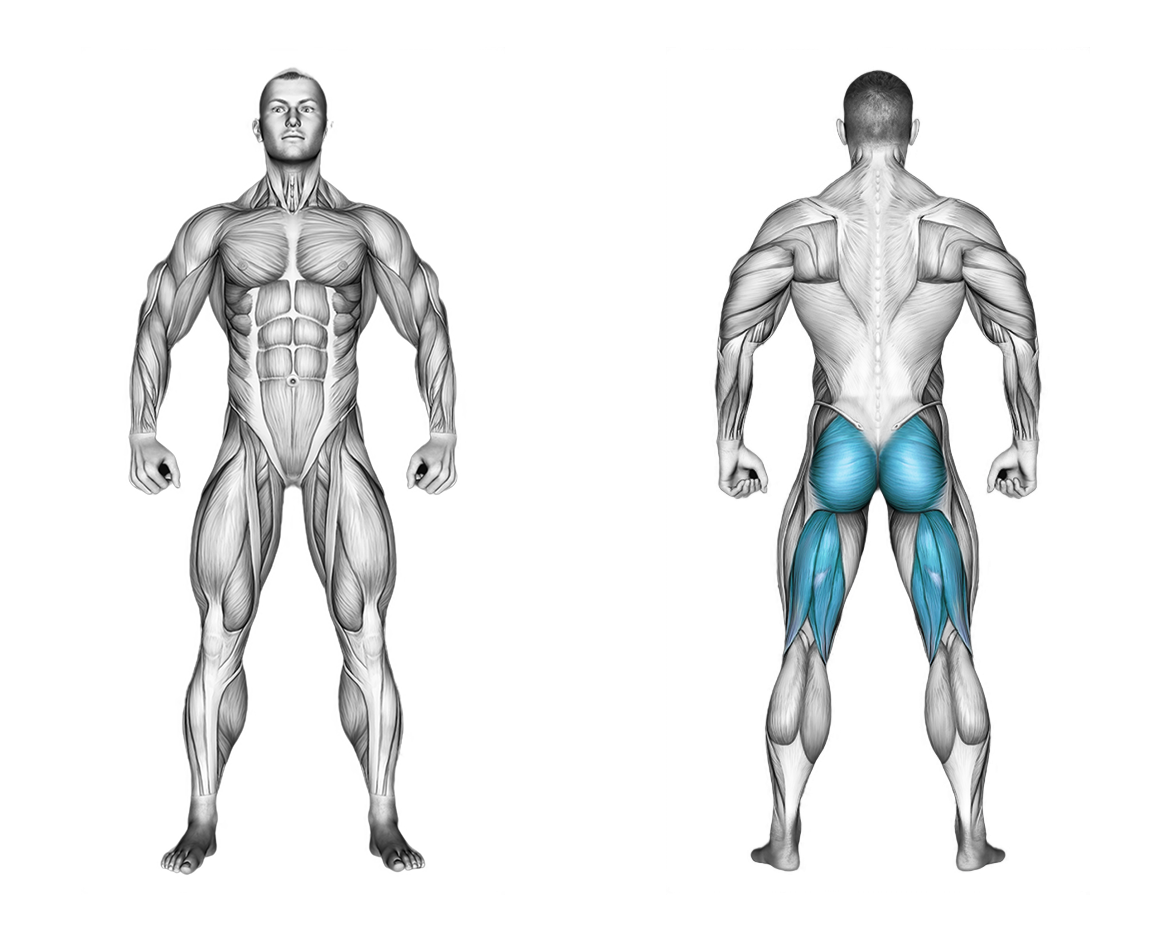
The glute bridge with feet on a bench is a bodyweight exercise that increases hip range of motion compared to the standard floor version. It primarily targets the gluteus maximus and hamstrings, fitting well into warm-up routines or as high-rep volume work on lower-body days.
- Muscles
- Glutes
- Equipment
- Bodyweight
- Type
- Strength
- Animation
- Men and women
How to do it
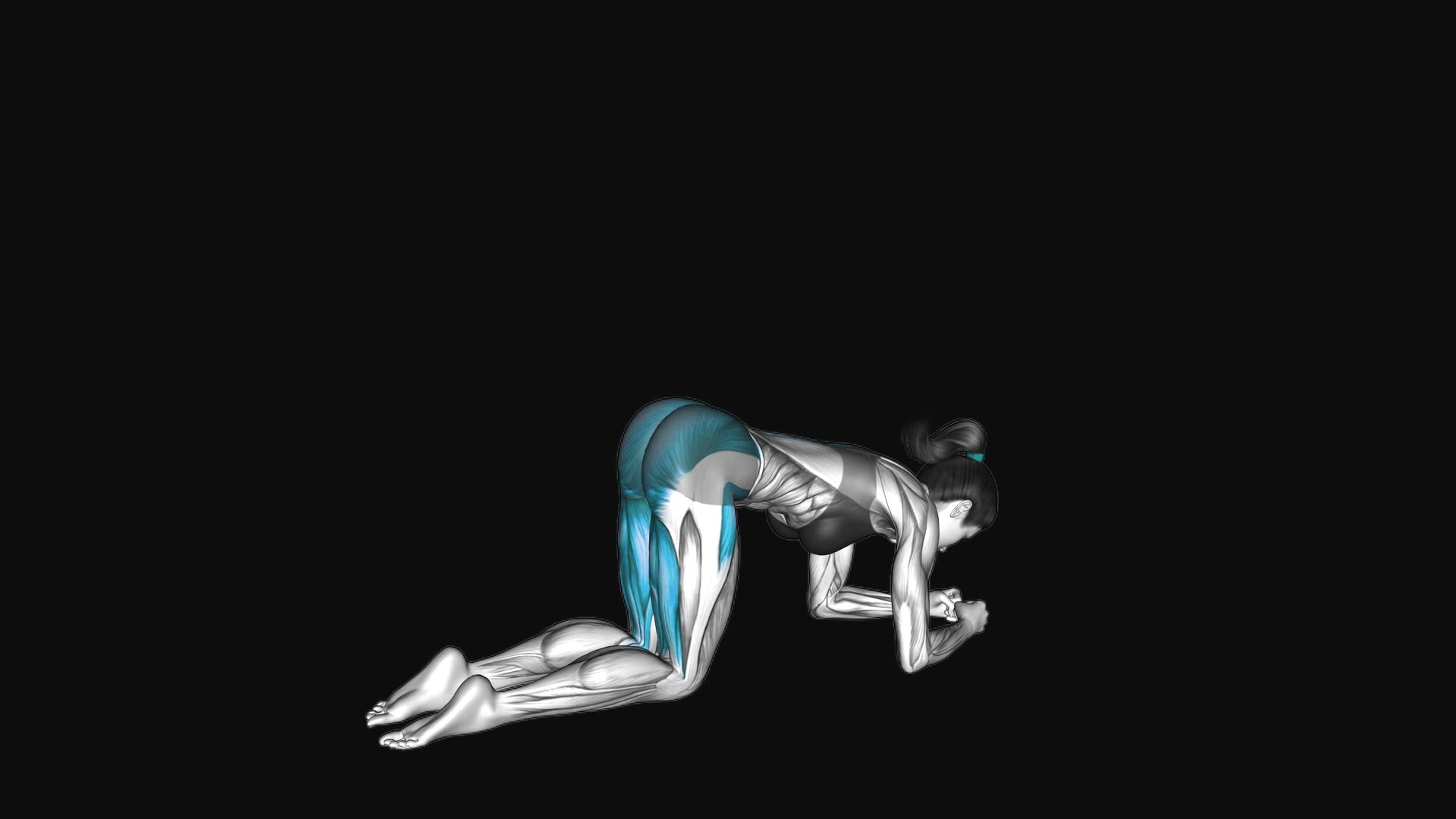
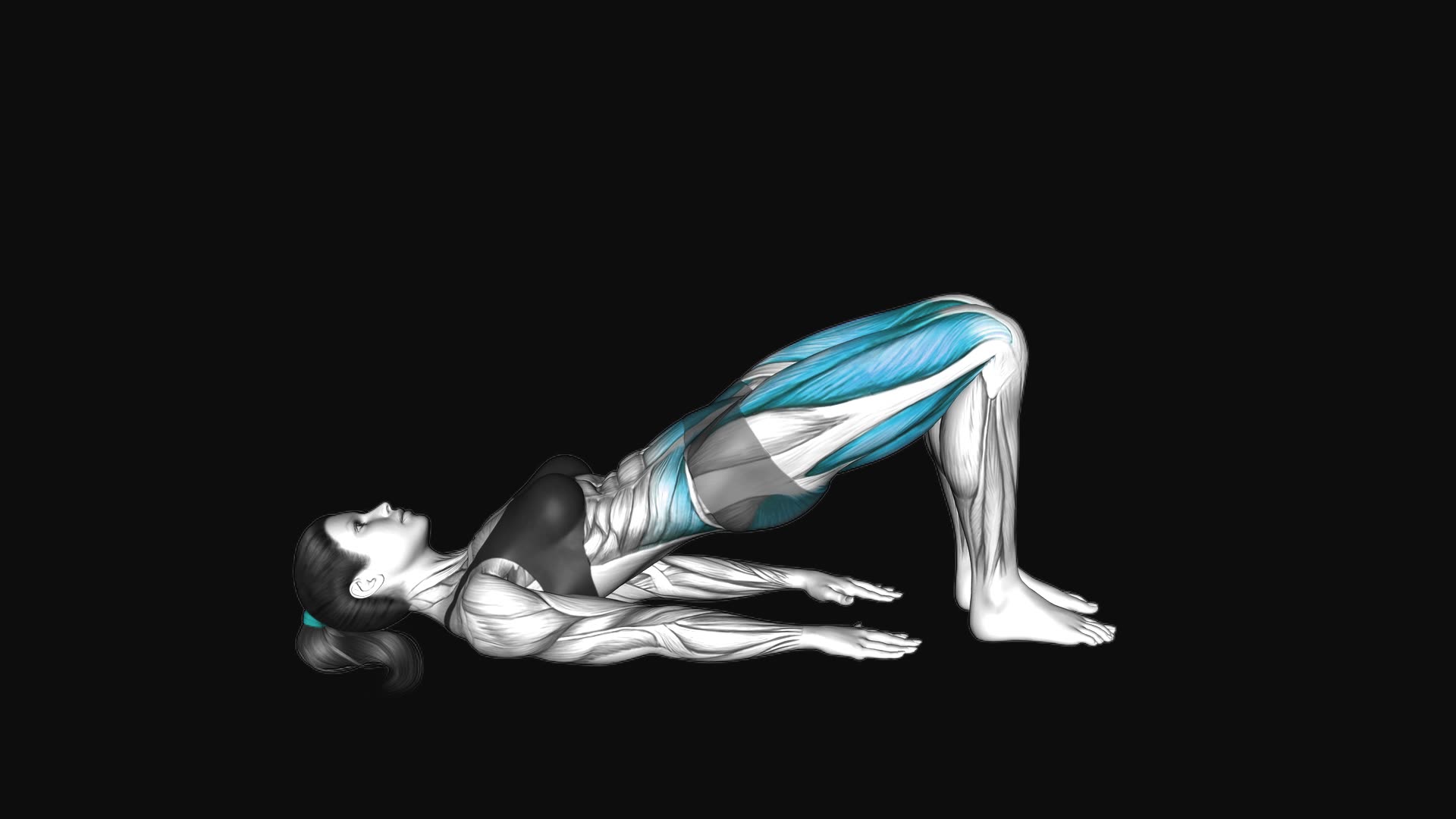
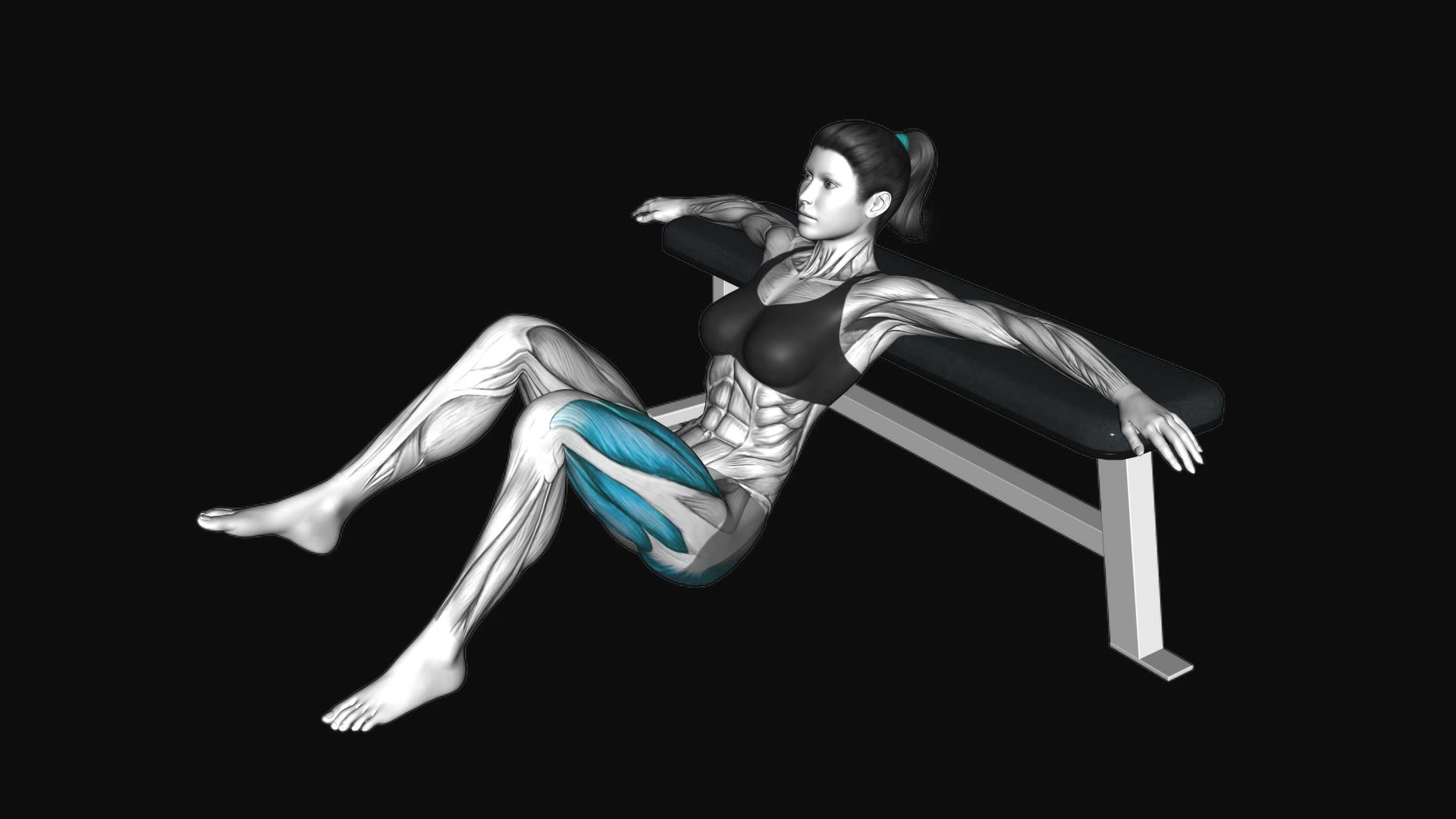
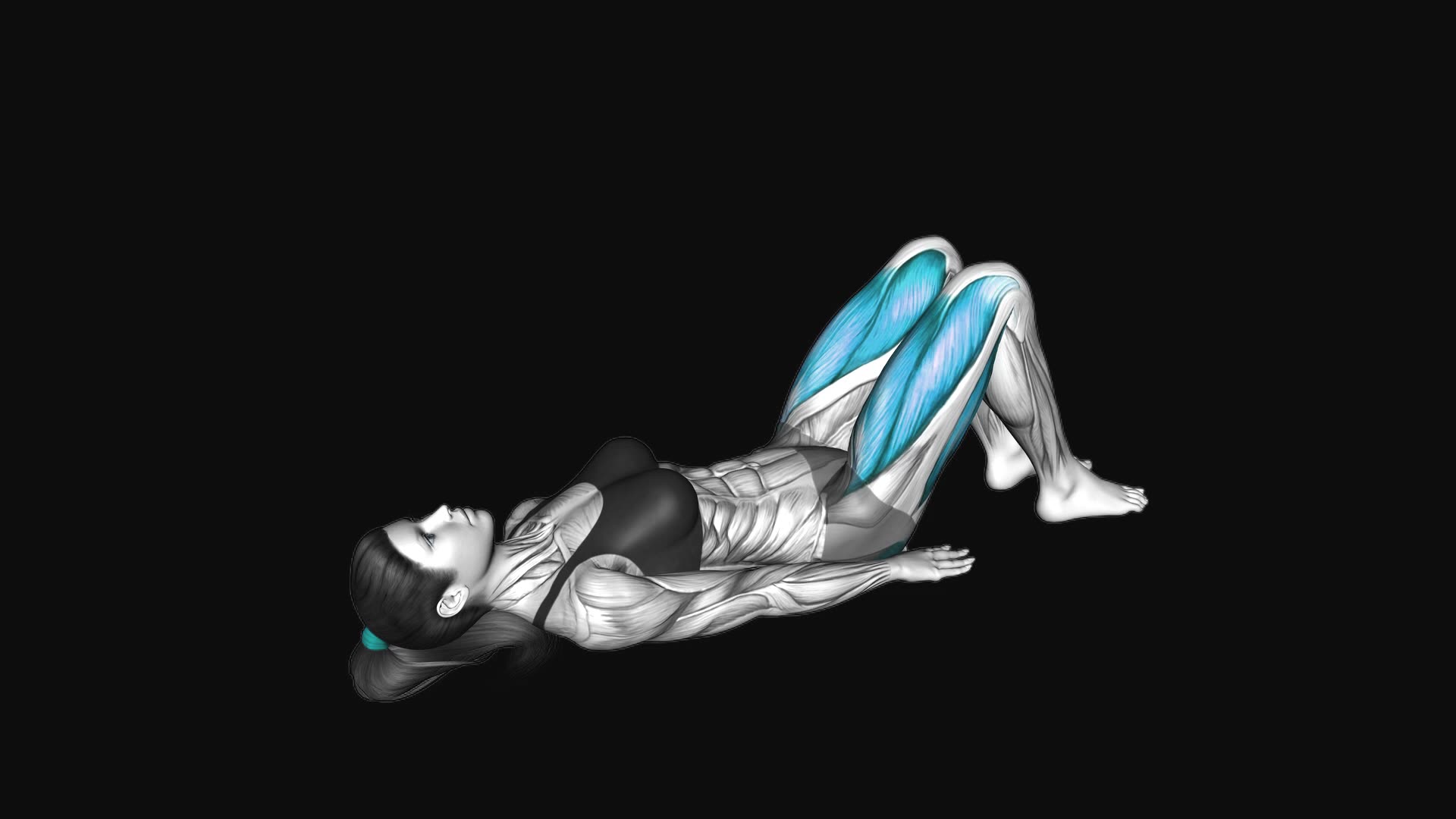
- Lie on your back with both feet elevated on a bench, knees bent at 90 degrees.
- Place your arms at your sides on the ground.
- Drive through your heels to lift your hips up until your body forms a straight line from shoulders to knees.
- Squeeze your glutes at the top.
- Lower your hips back down with control.
Common mistakes
- Hyperextending the lower back at the top shifts tension away from the glutes onto the lumbar spine.
- Pushing through the toes rather than the heels minimizes glute recruitment and stresses the knees.
- Dropping the hips down without control removes tension during the eccentric phase, reducing exercise efficiency.
Tips
- Hold and squeeze your glutes at full extension for one to two seconds on each repetition.
- Press your arms flat into the floor alongside your body to maintain torso stability.
- Keep roughly a 90-degree angle at your knees at the top to balance work between your glutes and hamstrings.
Sets and reps
Perform 3 to 4 sets of 12 to 20 reps to build glute endurance and hypertrophy. Rest for 60 to 90 seconds between sets.
Muscles worked
Your coach guides every set
Turn on the coach in Gloox: it asks how you feel, picks the weight from your history and cues technique and rest. Rate each set and the next one is tuned to you.

On a computer? Point your phone's camera here to get the app.
Questions
Why is the bench variation harder than the regular floor bridge?
Elevating your feet increases the vertical distance your hips must travel, requiring greater muscular effort throughout the lengthened range of motion.
Can this exercise be done at home without a gym bench?
Yes, any stable, slip-free elevated surface like a sturdy chair, sofa, or low bed will work.