Glutes · Bodyweight
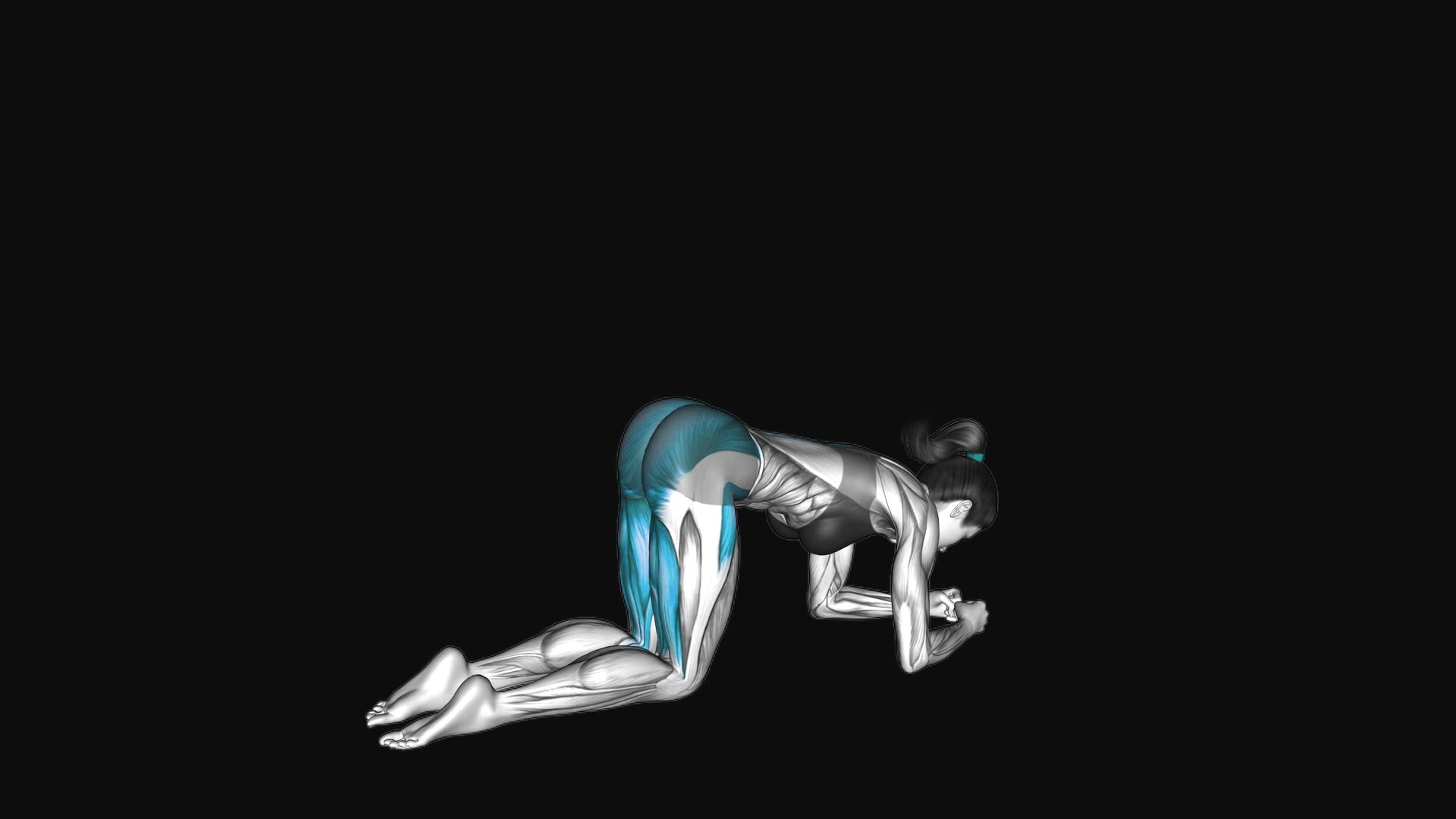
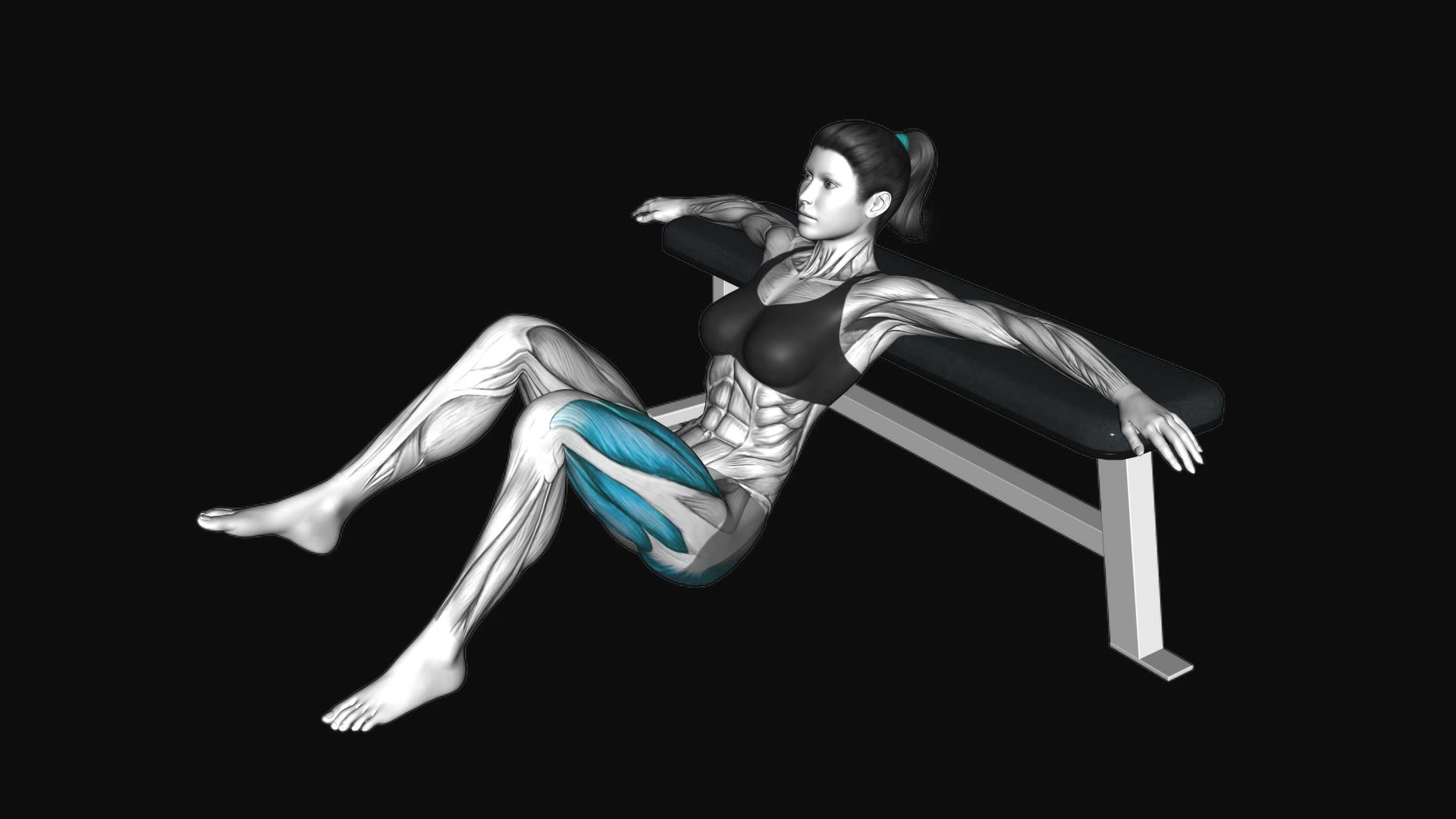
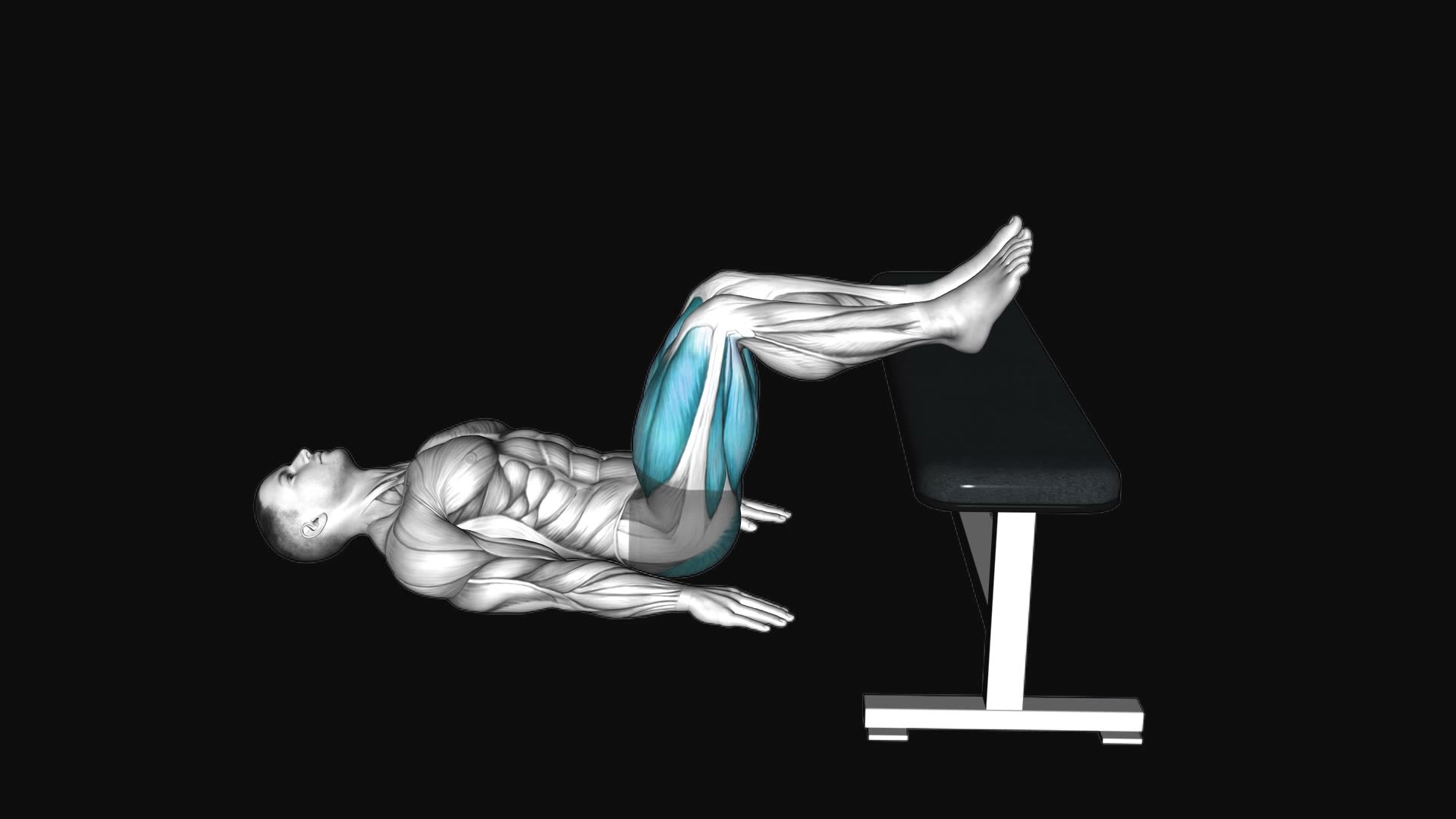
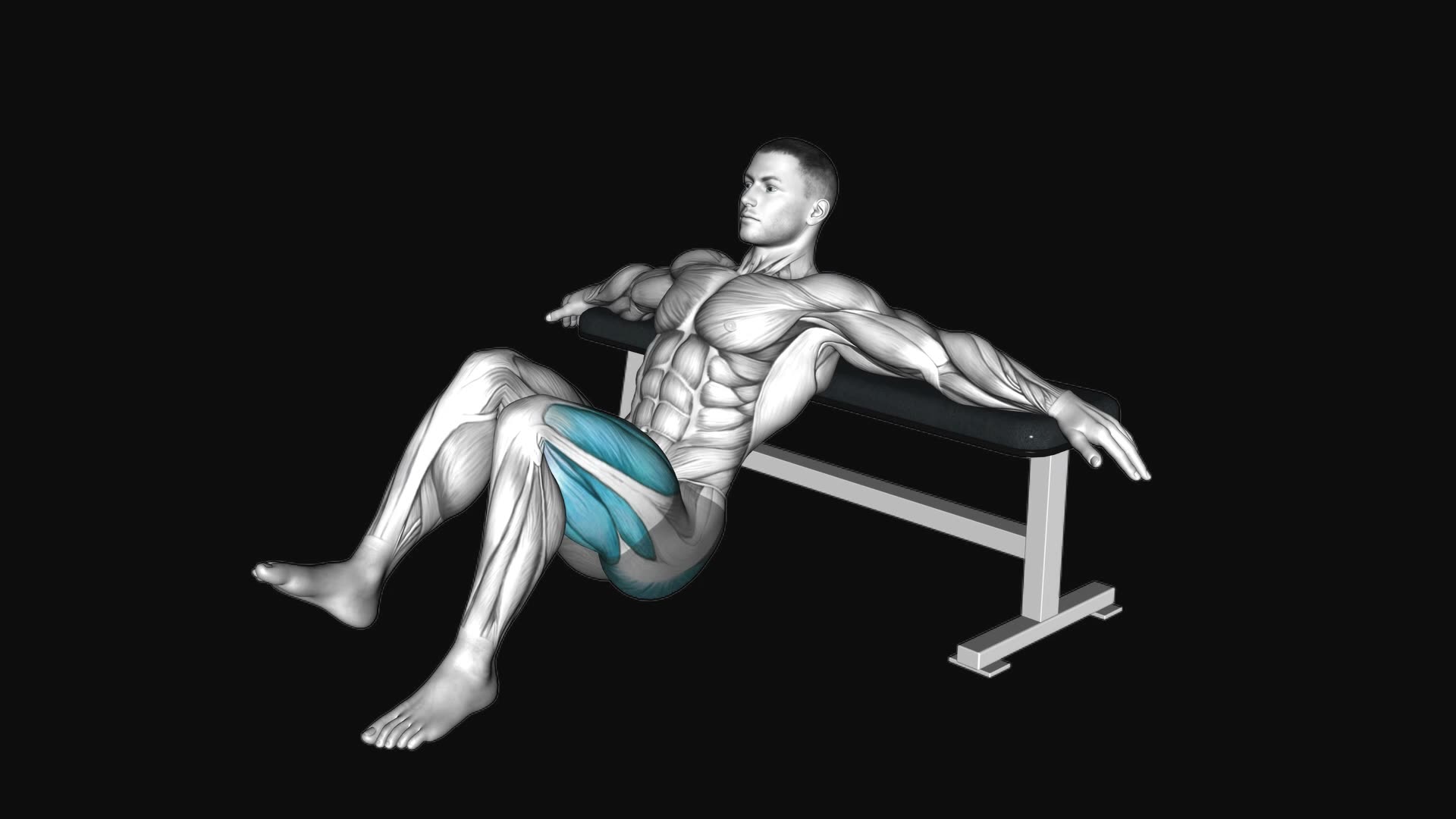
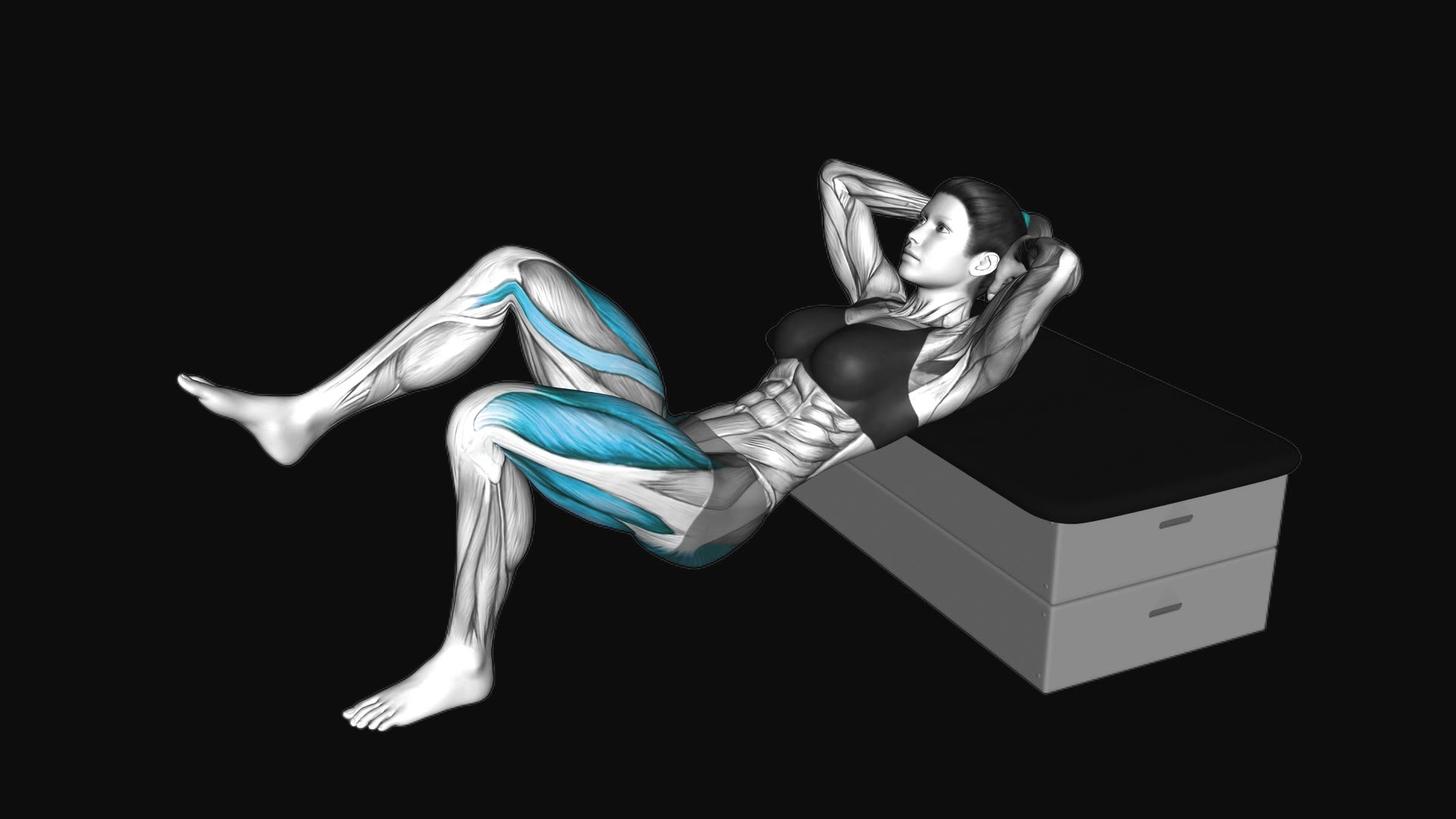
Glute Bridge Two Legs on Floor
The glute bridge is a foundational bodyweight exercise designed to target the gluteus maximus and hamstrings without loading the spine. It is suitable for all fitness levels and works well as a warm-up activation drill, a rehab movement, or a high-volume finisher.
- Muscles
- Glutes
- Equipment
- Bodyweight
- Type
- Strength
- Animation
- Women
How to do it
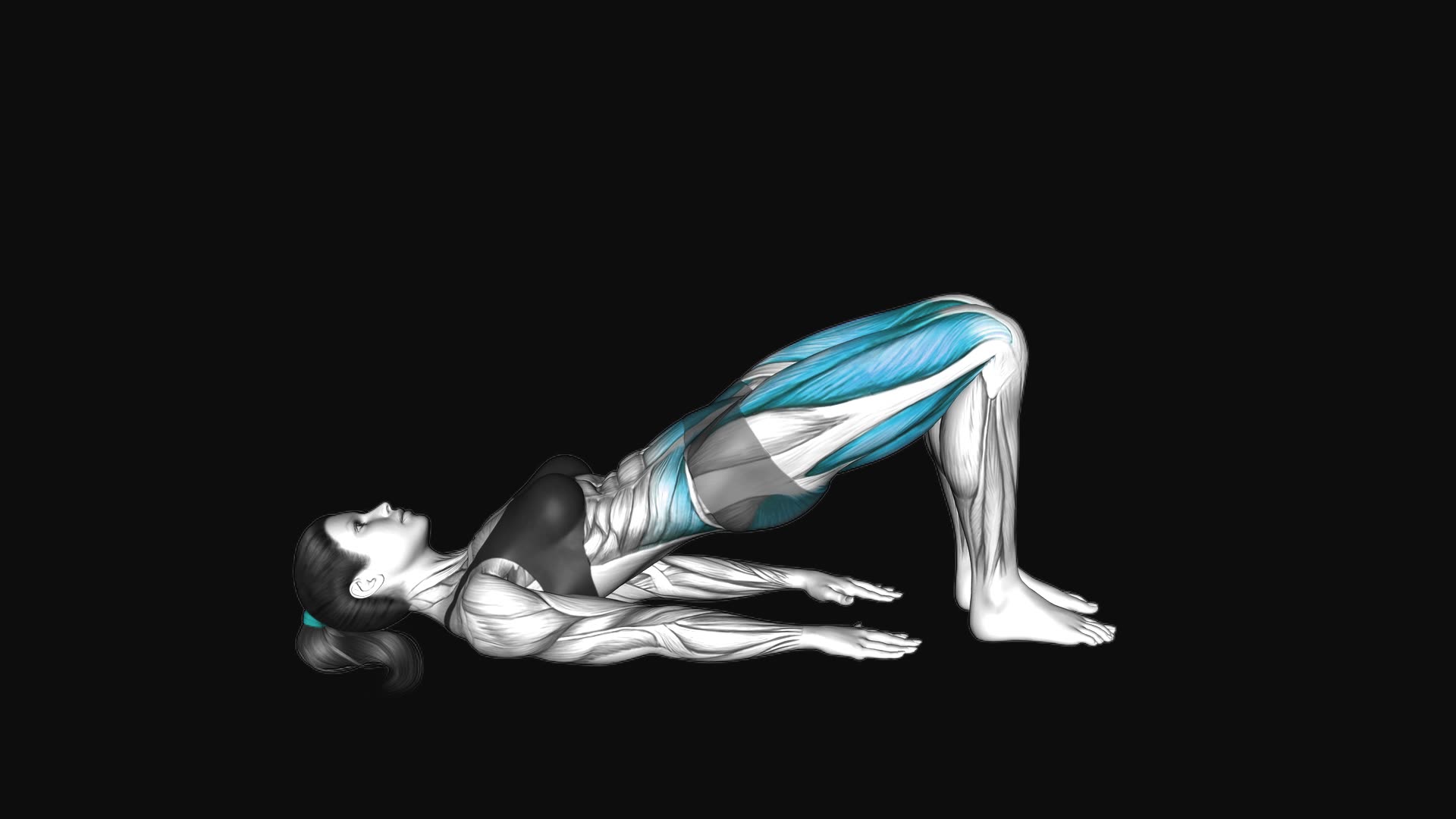
- Lie on your back with knees bent and feet flat on the floor, hip-width apart.
- Place your arms at your sides, palms down.
- Push through your heels to lift your hips toward the ceiling.
- Squeeze your glutes at the top, forming a straight line from shoulders to knees.
- Hold briefly, then lower back down with control.
Common mistakes
- Hyperextending the lower back at the top shifts mechanical stress from the glutes onto the lumbar spine.
- Placing the feet too far from the hips transfers the majority of the tension onto the hamstrings.
- Allowing the knees to cave inward compromises joint alignment and reduces lateral hip stability.
- Lifting the heels off the ground decreases hip extension leverage and weakens glute contraction.
Tips
- Pause for one to two seconds at the top to emphasize peak contraction in the glutes.
- Keep your ribcage down and your abdominal wall braced to maintain a neutral pelvis throughout the rep.
- Drive primarily through your heels while ensuring your knees track directly over your middle toes.
Sets and reps
Perform 3 to 4 sets of 15 to 25 controlled repetitions with 45 to 60 seconds of rest between sets to build local muscular endurance and activation.
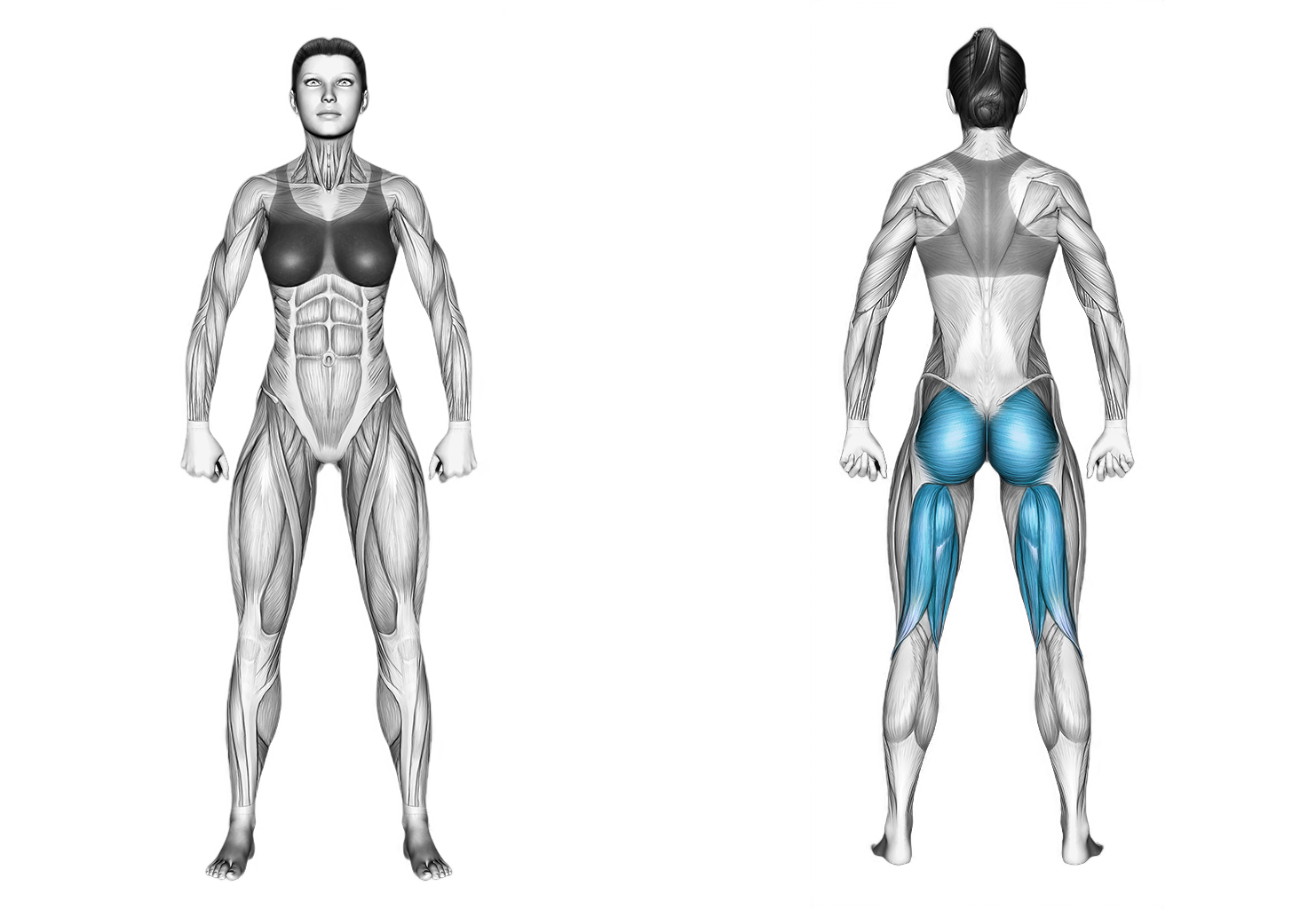
Muscles worked
Your coach guides every set
Turn on the coach in Gloox: it asks how you feel, picks the weight from your history and cues technique and rest. Rate each set and the next one is tuned to you.

On a computer? Point your phone's camera here to get the app.
Questions
Which muscles work during the glute bridge?
The gluteus maximus is the primary prime mover, with assistance from the hamstrings, adductors, and deep abdominal stabilizers.
Is the glute bridge safe for lower back pain?
It generally places minimal stress on the spine when avoiding hyperextension, but you should stop and consult a specialist if sharp pain occurs.