Glutes · Bodyweight
Table Top Bridge Pulse
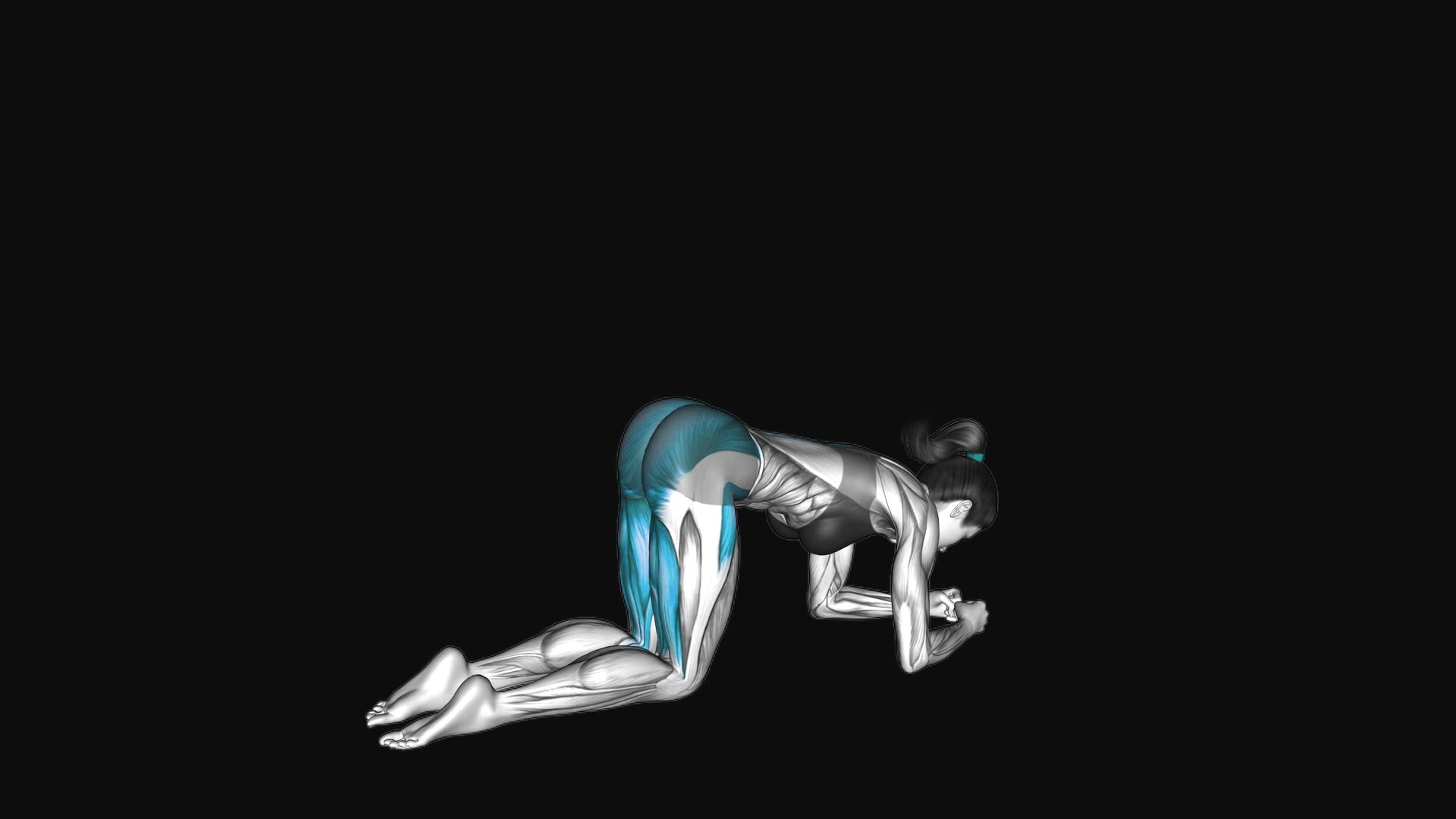
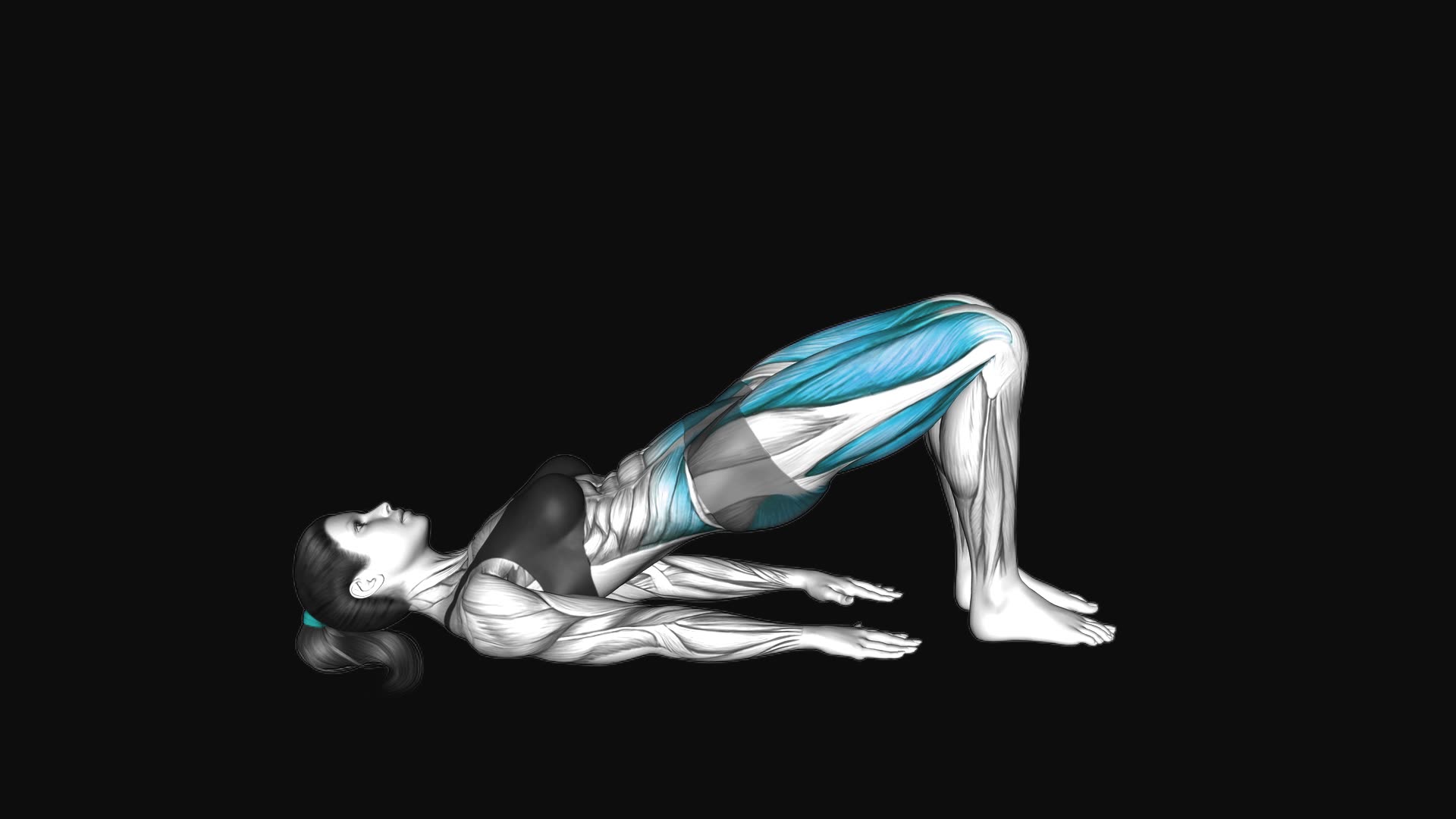
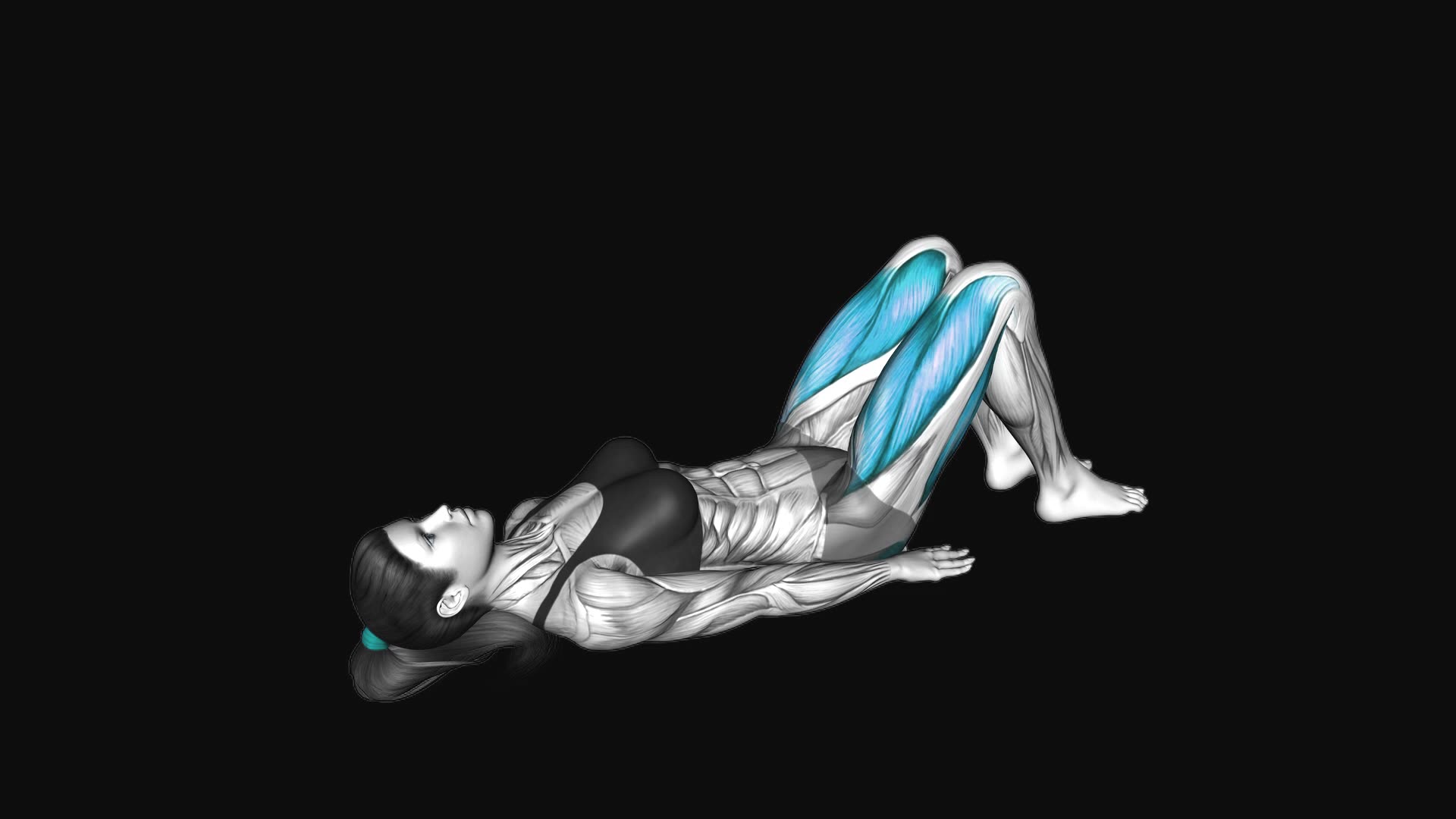
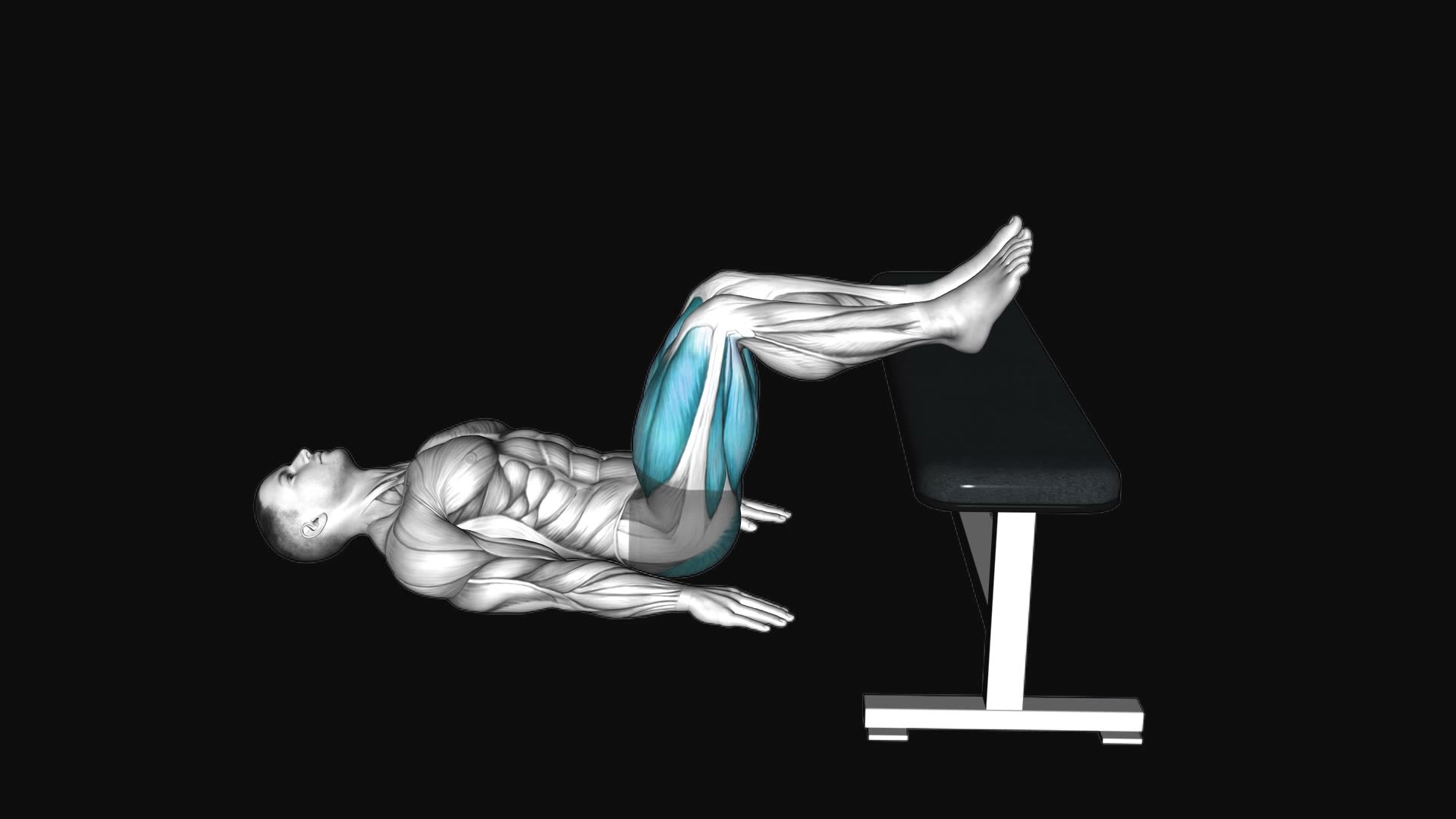
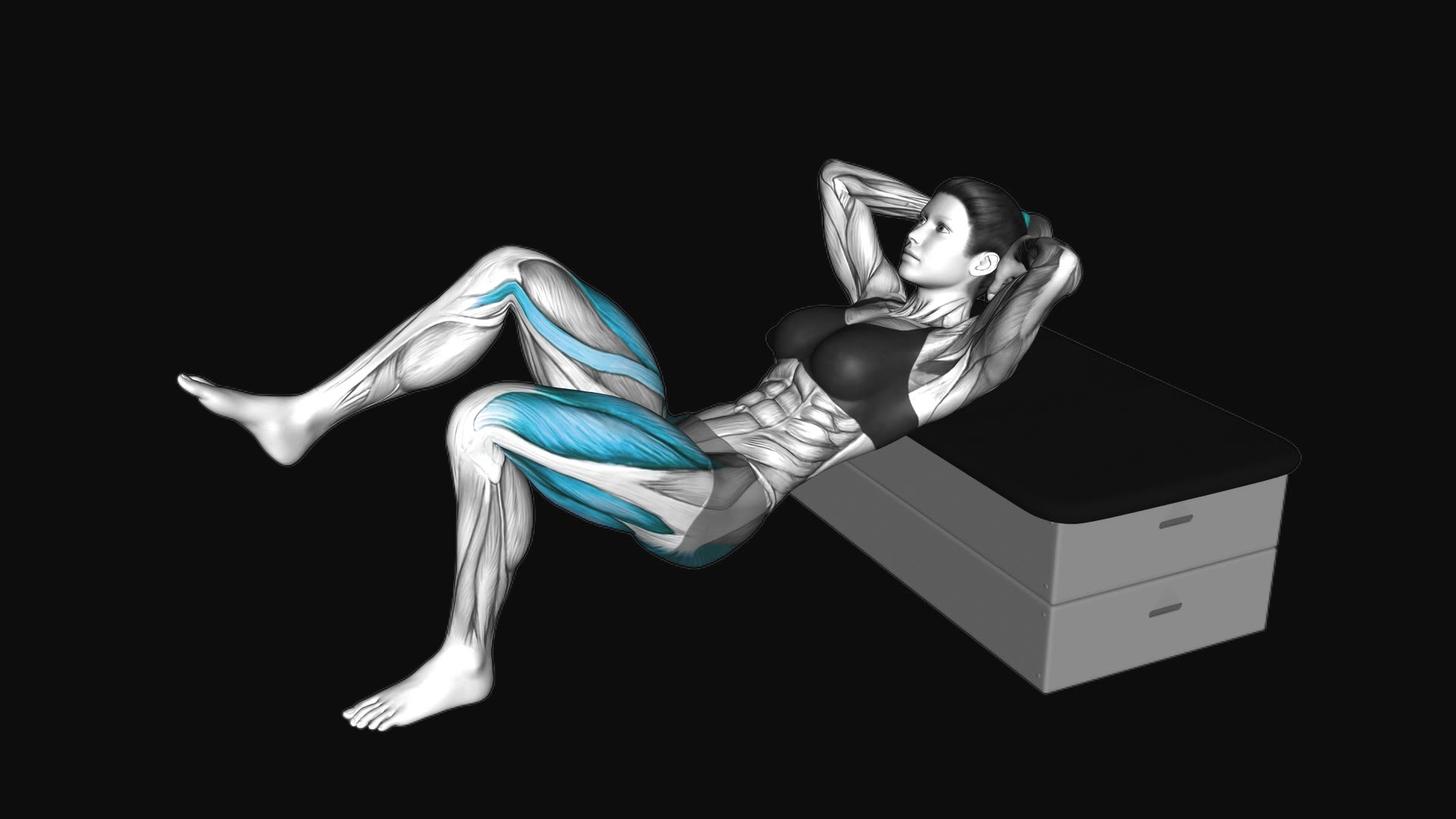
The table top bridge pulse is a bodyweight movement designed to isolate the glutes and hamstrings through continuous tension in a reverse tabletop position. It suits all fitness levels and works best as a glute activation drill during warm-ups or as a high-rep burnout at the end of a lower-body session.
- Muscles
- Glutes
- Equipment
- Bodyweight
- Type
- Strength
- Animation
- Women
How to do it
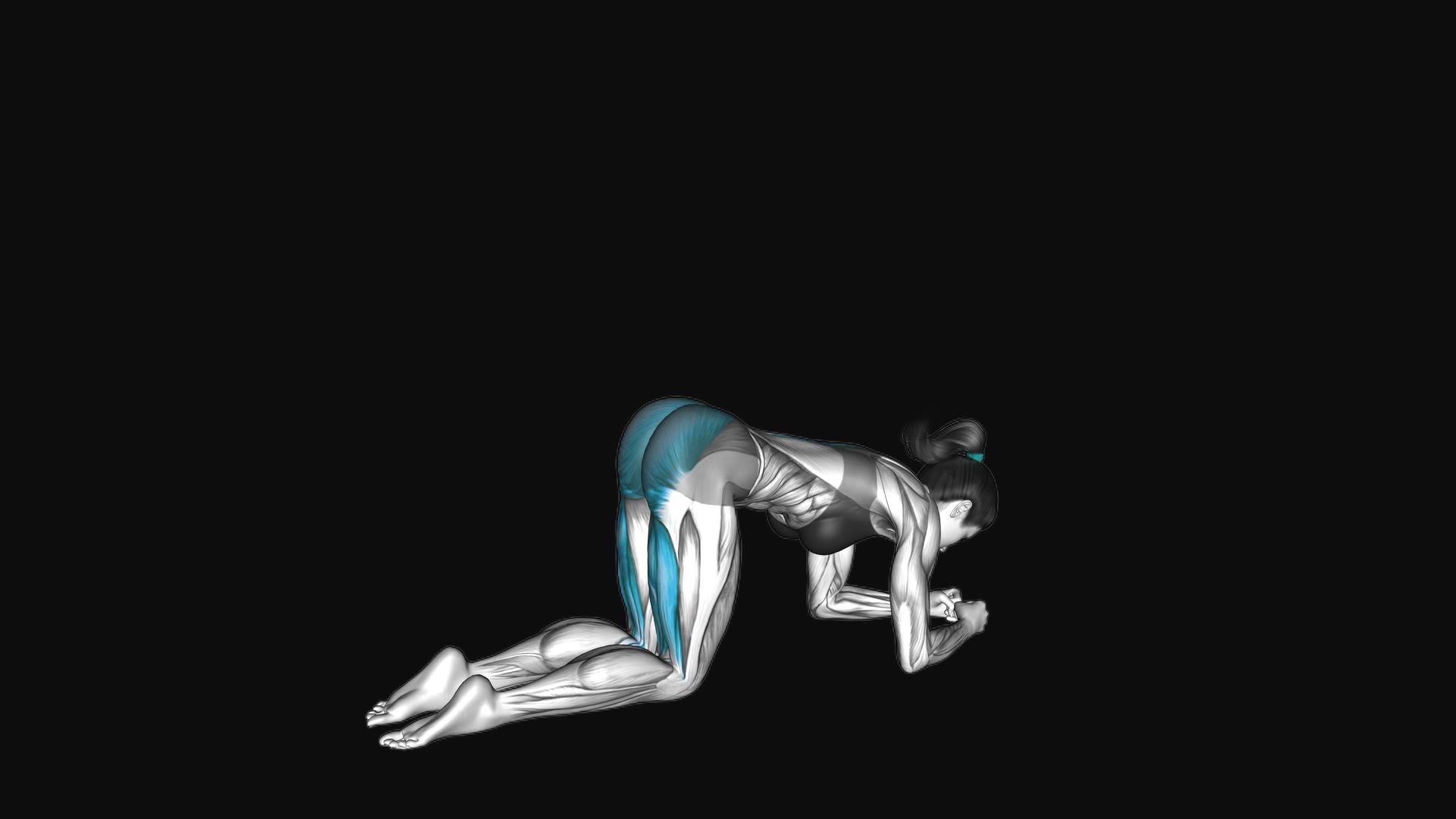
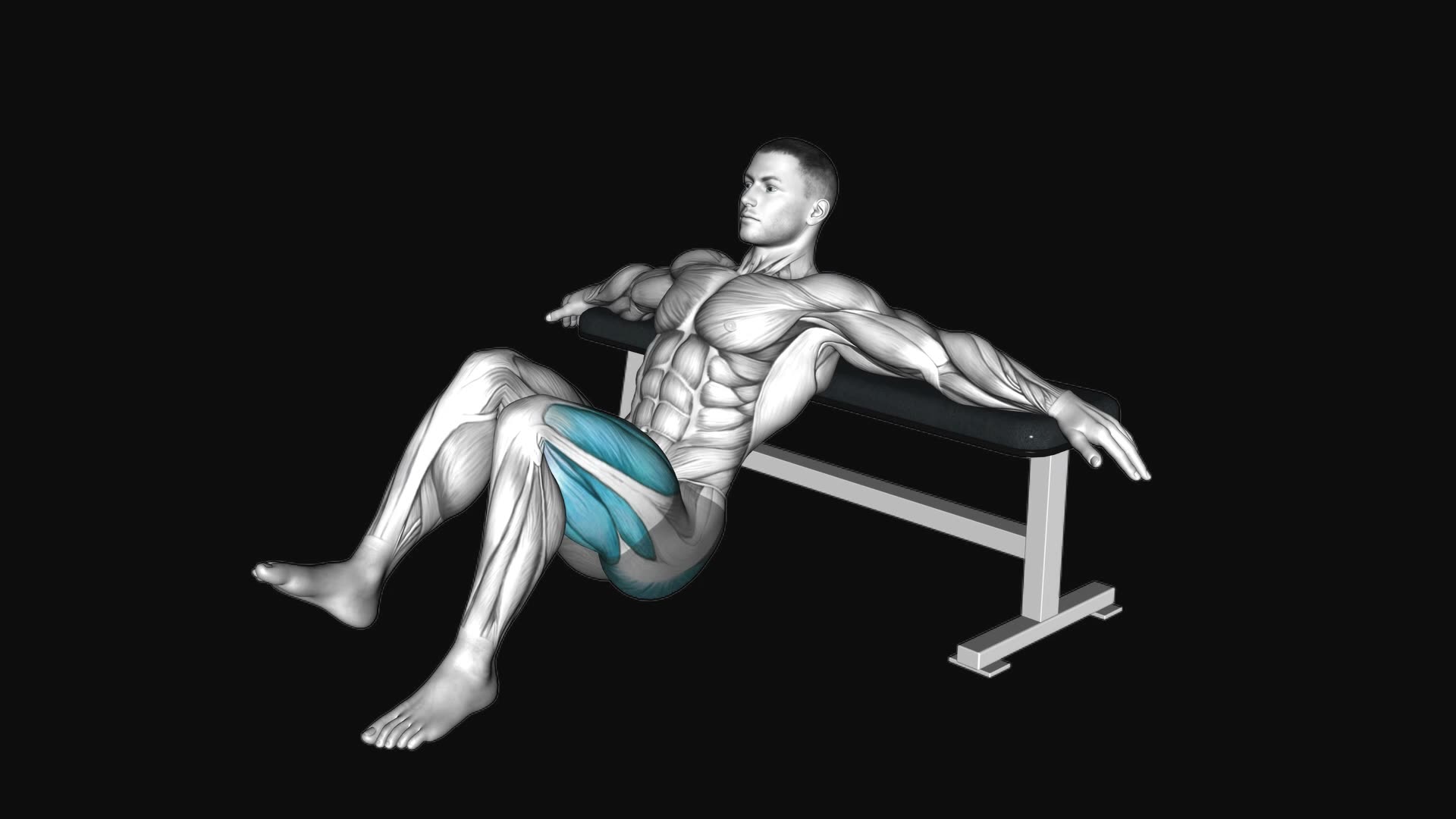
- Start on all fours, then lift your hips up into a reverse tabletop position with knees bent at 90 degrees.
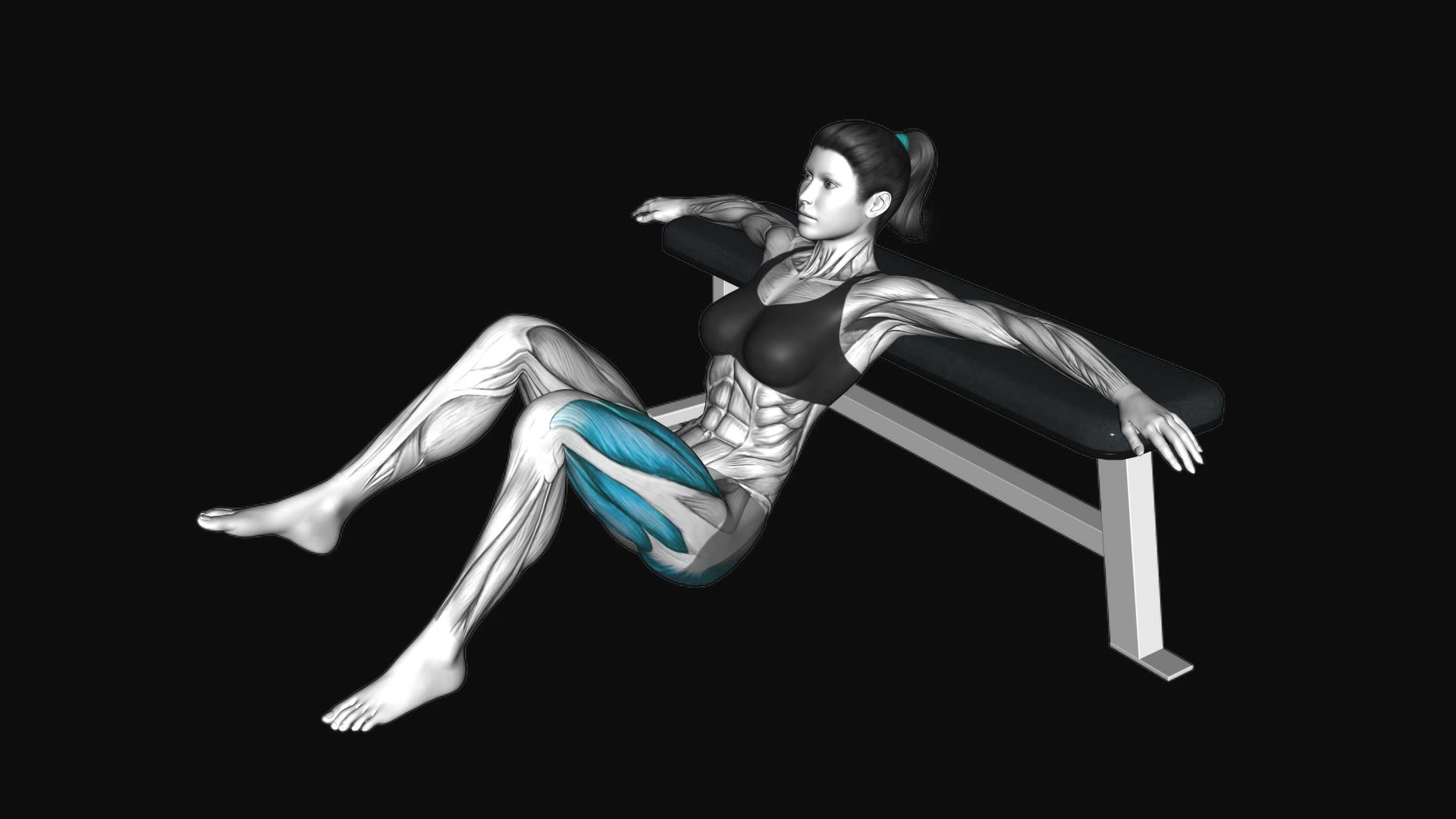
- Your body should form a flat surface like a table, with shoulders over wrists and hips over knees.
- From this position, perform small pulsing movements by slightly lowering and raising your hips.
- Keep constant tension in your glutes and hamstrings.
- Maintain the tabletop shape throughout.
Common mistakes
- Hyperextending the lower back instead of hinging from the hips, which shifts tension to the lumbar spine.
- Sagging into the shoulders, which compromises upper-body stability and overloads the wrists.
- Pulsing through too large of a range of motion, which removes the constant burn from the target muscles.
- Allowing the knees to collapse inward or flare outward, which misaligns the joints and reduces glute engagement.
Tips
- Drive primarily through your heels to maximize glute recruitment while keeping your toes lightly on the floor.
- Keep your fingers pointed forward or slightly outward to distribute your weight comfortably across your palms.
- Maintain a neutral neck by looking slightly upward and forward rather than letting your head drop back.
Sets and reps
Perform 3 to 4 sets of 20 to 30 pulses or work for 30 to 45 seconds per set. Rest for 45 to 60 seconds between rounds.
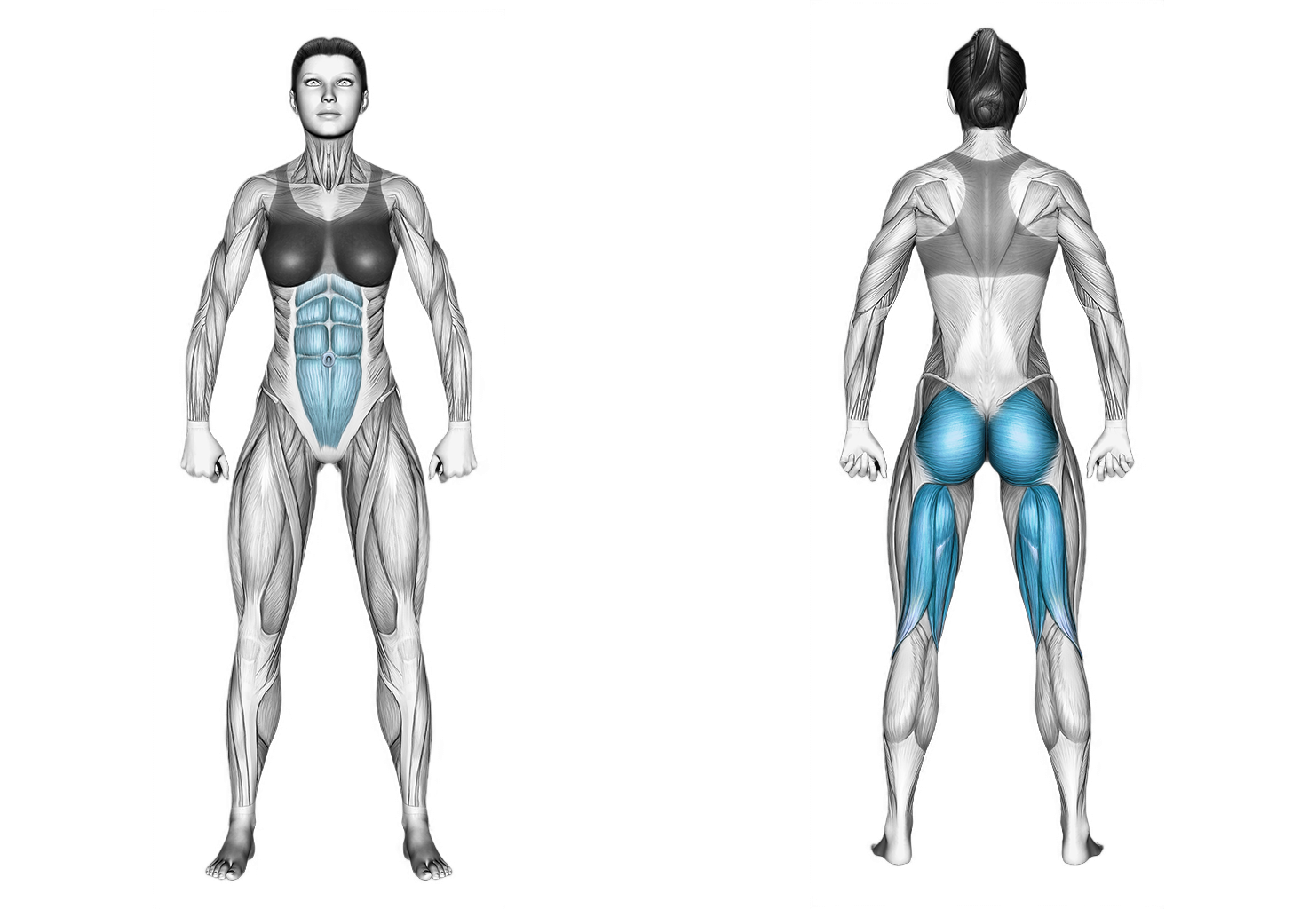
Muscles worked
Your coach guides every set
Turn on the coach in Gloox: it asks how you feel, picks the weight from your history and cues technique and rest. Rate each set and the next one is tuned to you.

On a computer? Point your phone's camera here to get the app.
Questions
What muscles work during the table top bridge pulse?
The gluteus maximus is the primary target, with the hamstrings, core, and shoulder stabilizers working as secondary muscles.
Is this exercise safe if you have wrist discomfort?
If supporting your body on flat palms causes discomfort, try turning your hands slightly outward, balancing on fists, or substituting with a standard supine glute bridge.