Glutes · Bodyweight
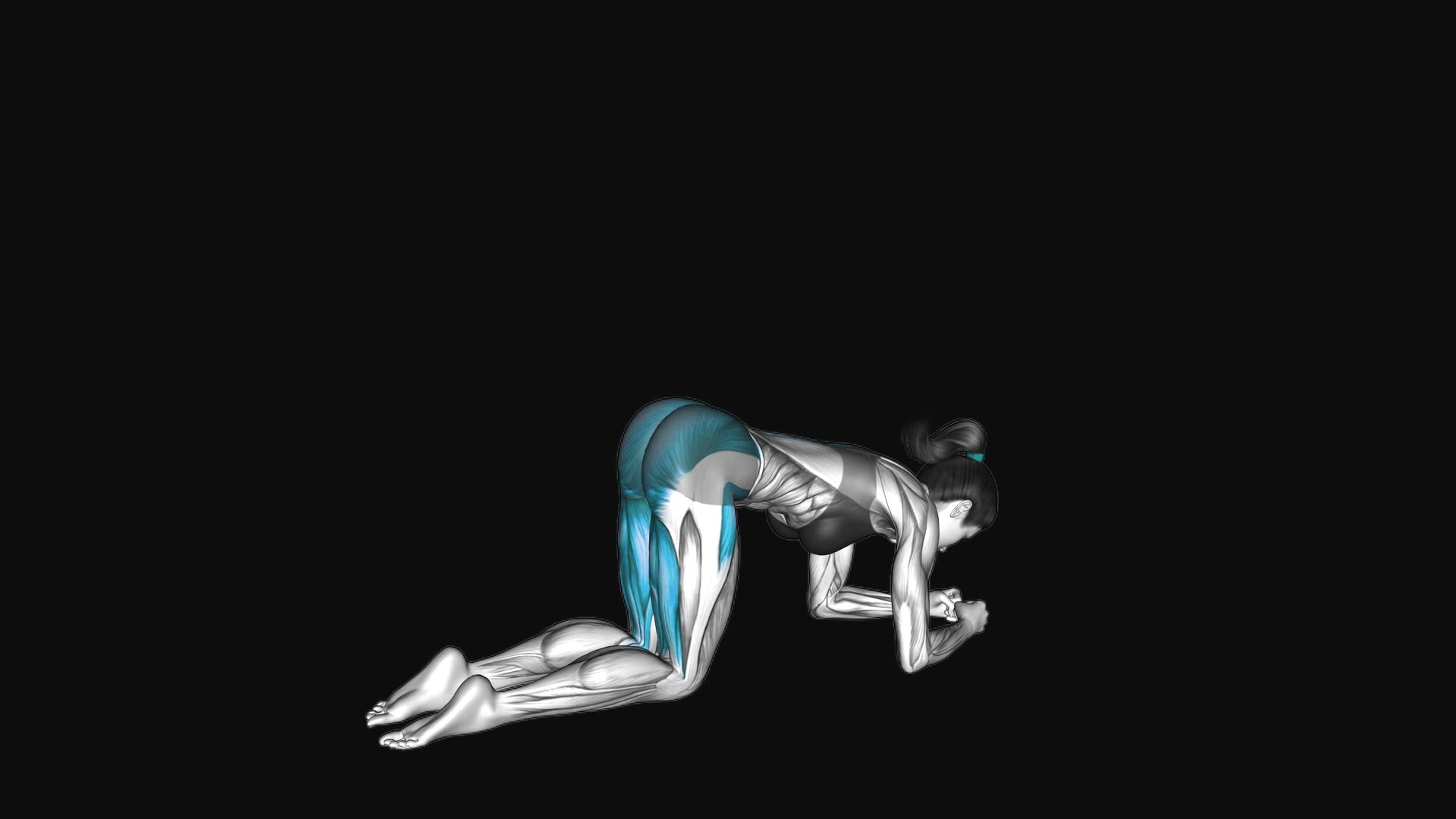
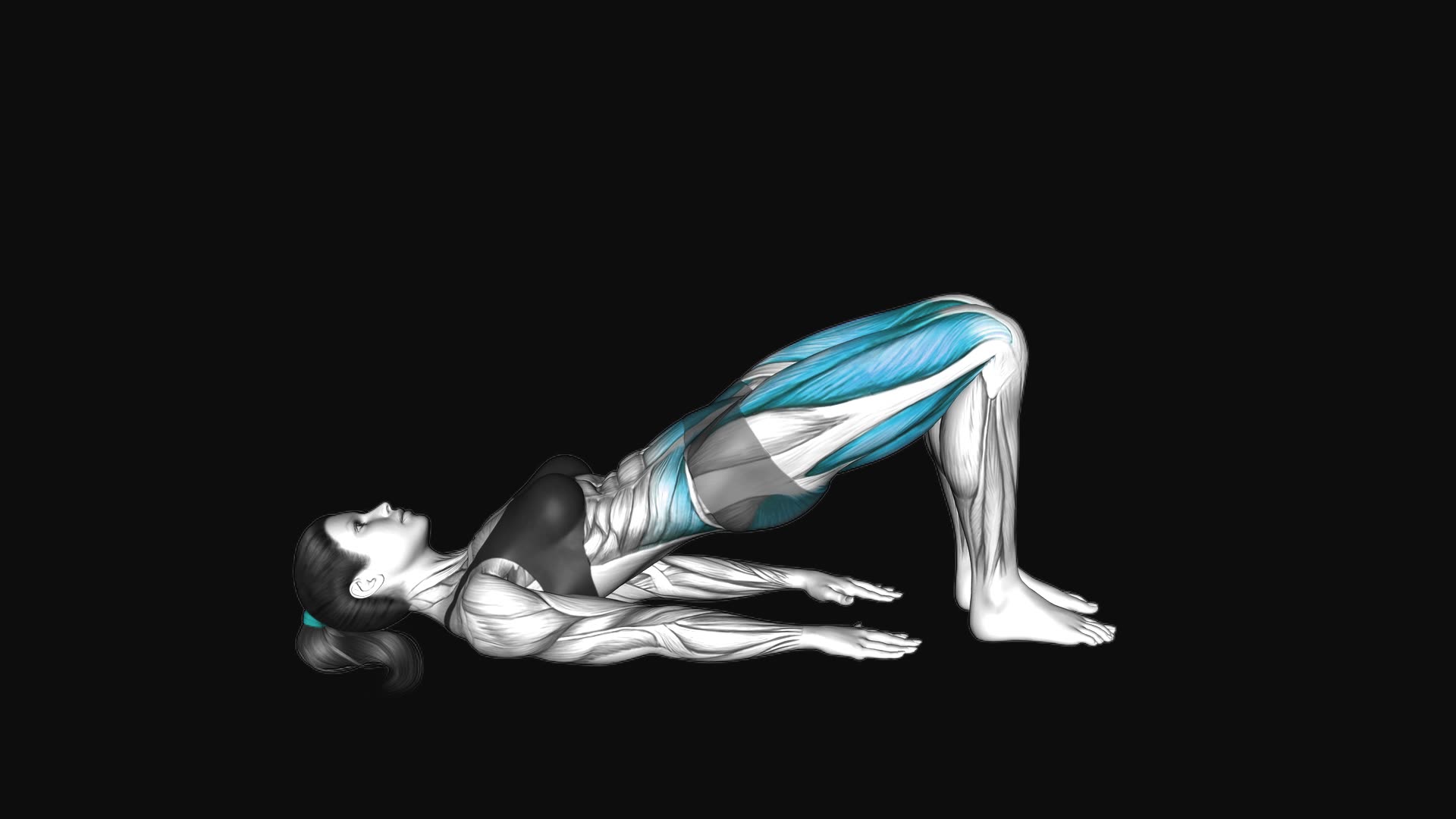
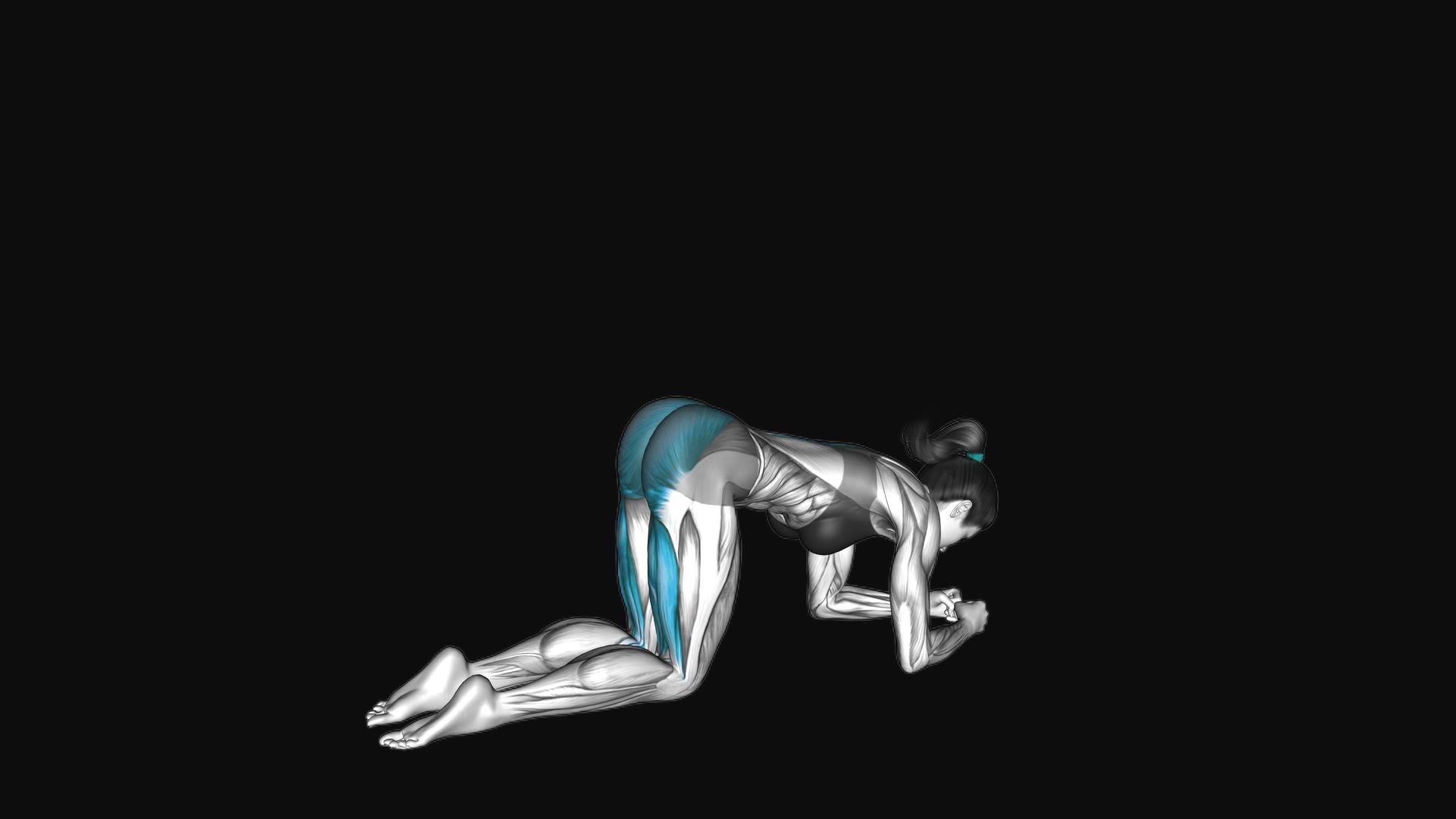
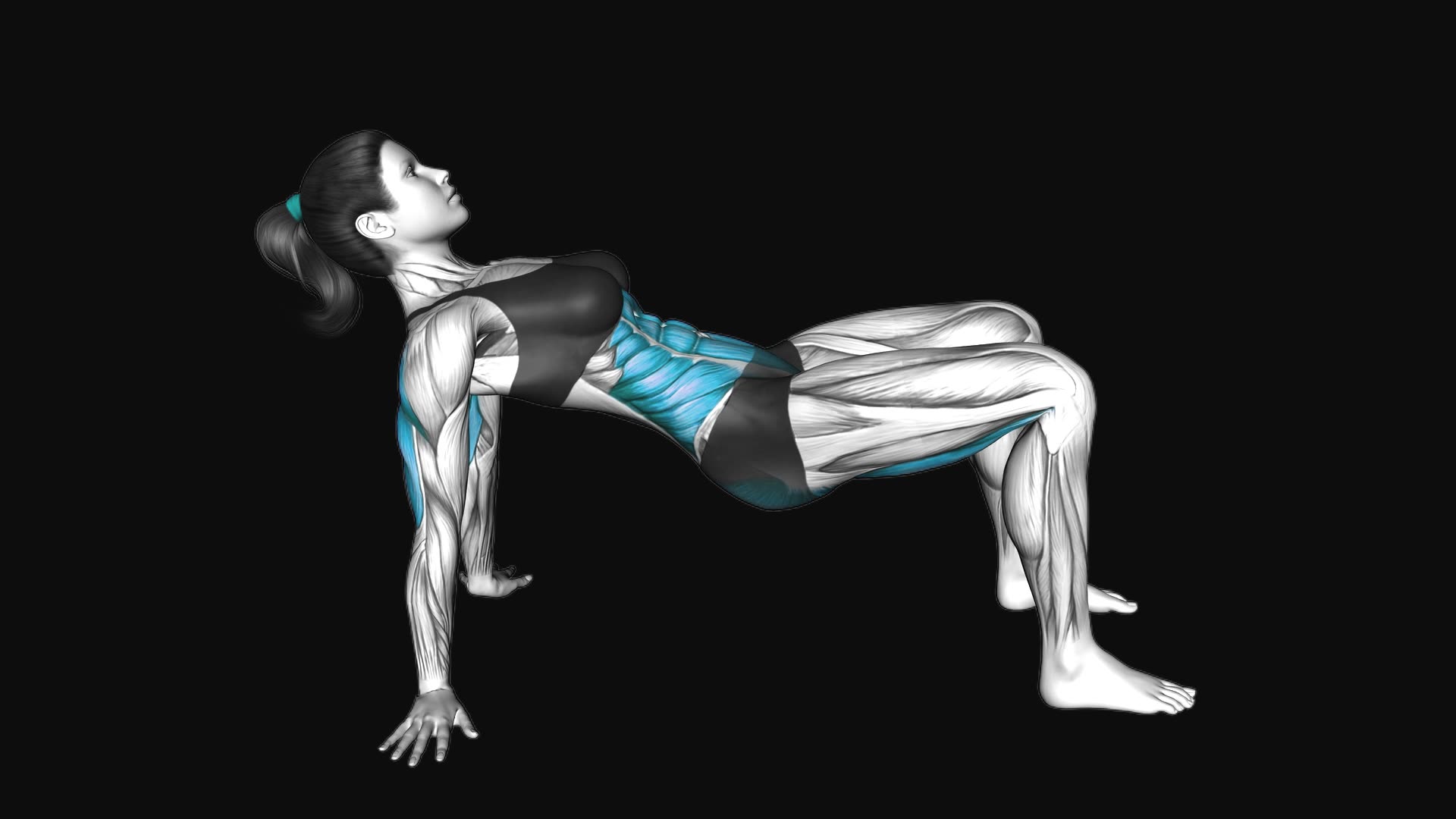
Bodyweight Single Leg Kas Glute Bridge
The bodyweight single-leg Kas glute bridge is an isolation exercise that maintains continuous tension on the gluteus maximus through a shortened, top-end range of motion. It is ideal for targeting glute imbalances, activating the hips before heavy lifting, or burning out the muscle at the end of a session.
- Muscles
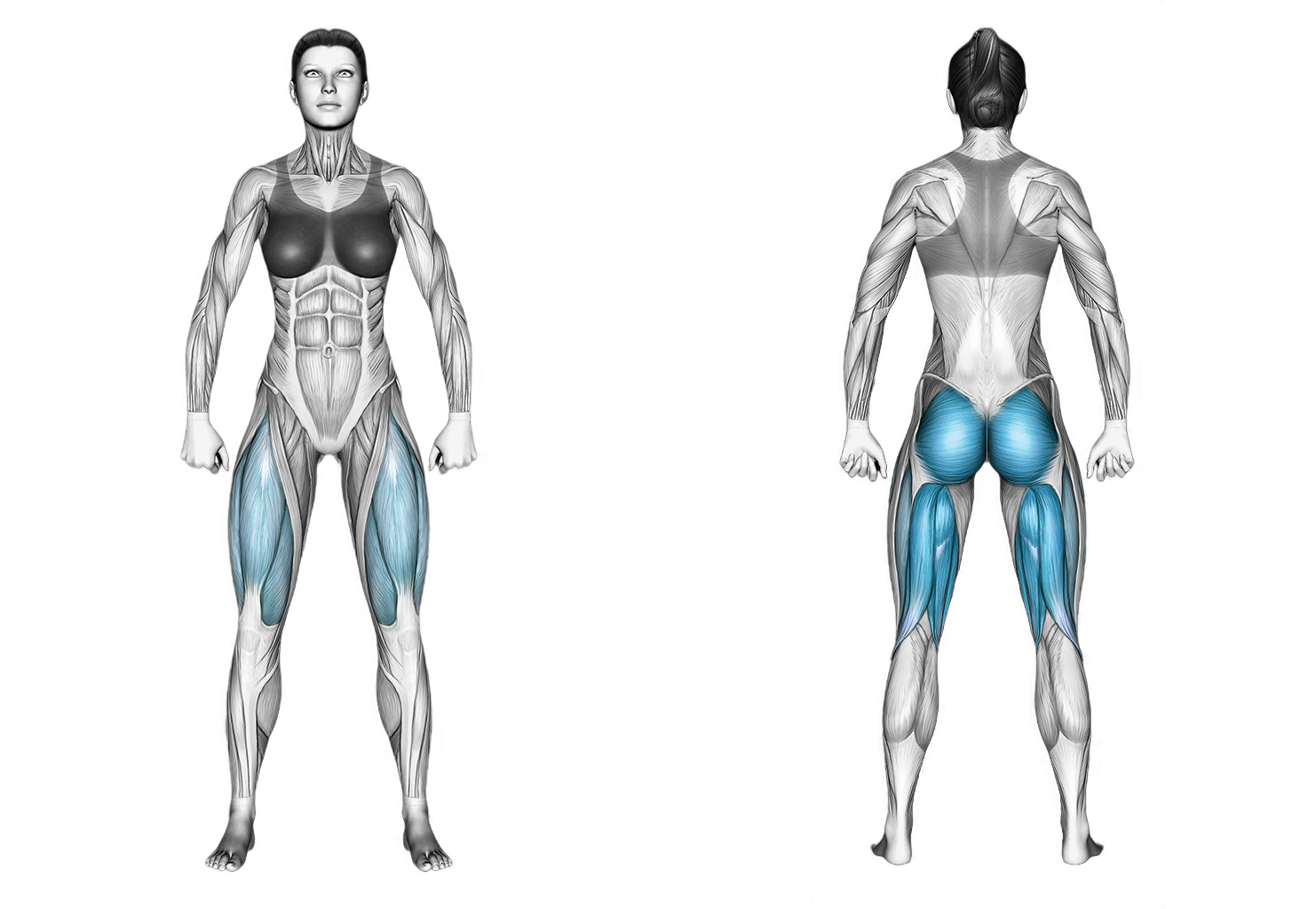
- Glutes
- Equipment
- Bodyweight
- Type
- Strength
- Animation
- Women
How to do it
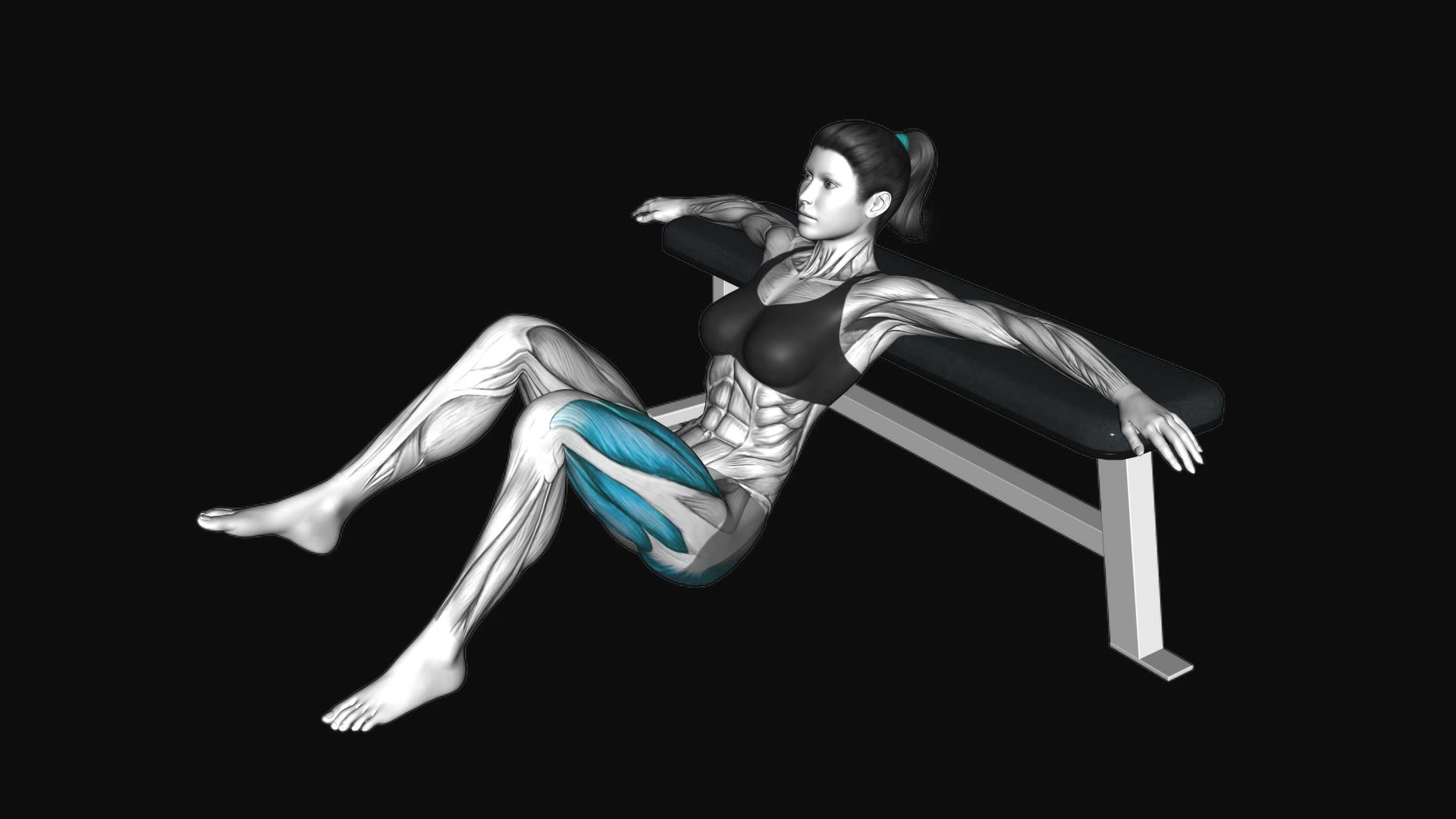
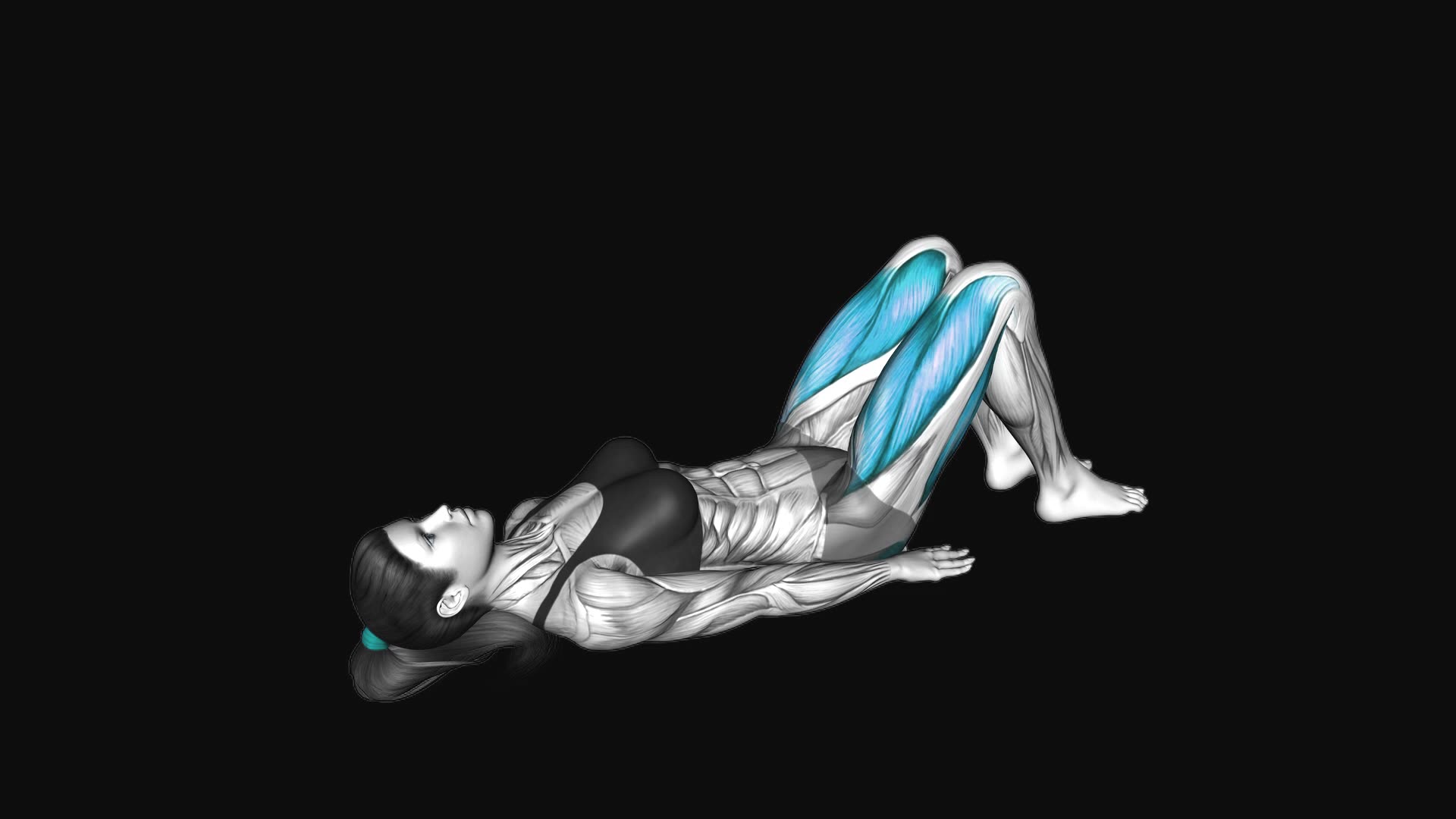
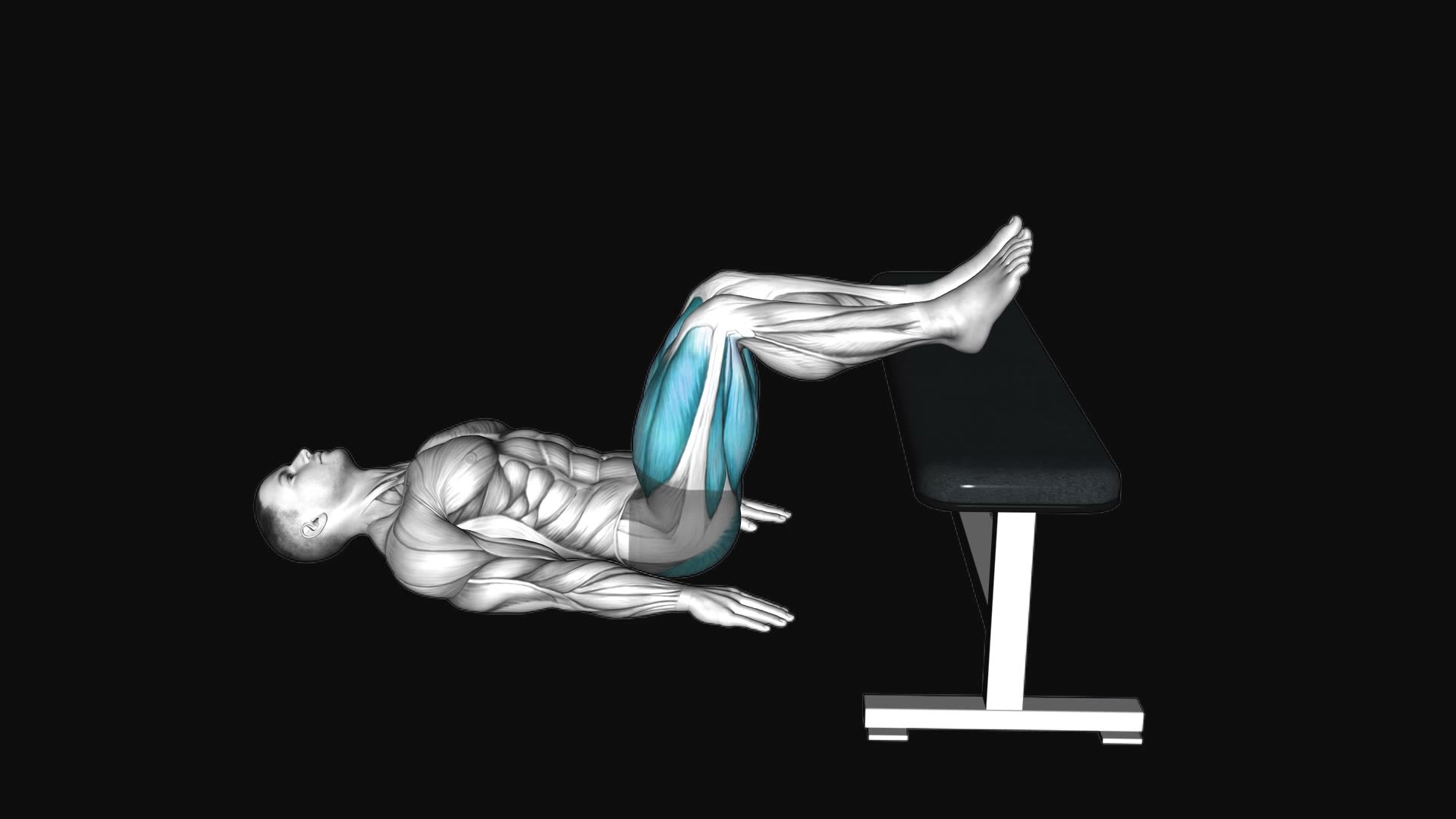
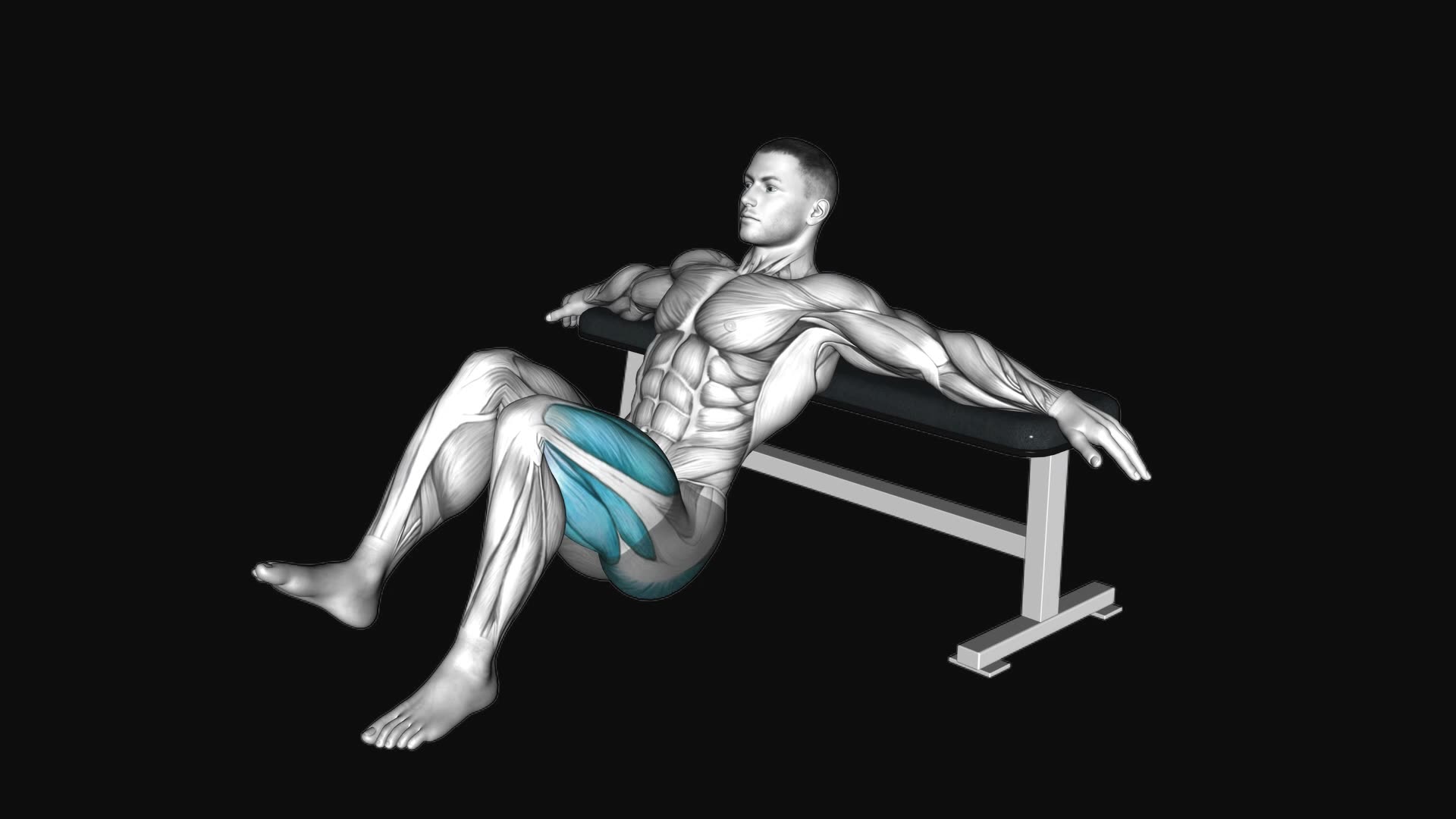
- Lie on your back with one foot flat on the floor close to your glutes, other leg extended straight.
- Push through your planted heel to lift your hips up, squeezing your glute at the top.
- Lower your hips down only a few inches, then immediately push back up.
- Perform short-range pulsing movements, maintaining constant tension.
- Keep your extended leg straight throughout.
Common mistakes
- Lowering the hips all the way to the floor, which releases the continuous tension central to the Kas method.
- Hyperextending the lower back at the top instead of driving hip extension purely through the glute.
- Pushing through the toes rather than the planted heel, which shifts mechanical stress onto the quadriceps.
- Allowing the extended non-working leg to swing or bend, which destabilizes the pelvis and disrupts control.
Tips
- Position the planted heel so your shin is roughly vertical at peak extension to maximize glute recruitment.
- Keep your core braced throughout the set to maintain a neutral pelvis and protect your lower back.
- Pause for a full second at the top of each pulse to achieve maximal contraction in the working glute.
Sets and reps
Perform 3–4 sets of 12–20 controlled pulses per leg with 45–60 seconds of rest between sides to optimize glute hypertrophy and muscular endurance.
Muscles worked
Your coach guides every set
Turn on the coach in Gloox: it asks how you feel, picks the weight from your history and cues technique and rest. Rate each set and the next one is tuned to you.

On a computer? Point your phone's camera here to get the app.
Questions
What is the difference between a standard single-leg bridge and the Kas bridge?
A standard bridge uses a full range of motion returning to the floor, whereas the Kas bridge works exclusively in the top few inches to maintain constant tension.
What should you do if you feel lower back strain during the movement?
Reduce the height of your pulse and focus on bracing your abs; if pain persists, stop the exercise and consult a specialist.