
Abs · Bodyweight
Sitting Alternate Knee Tuck on a Chair
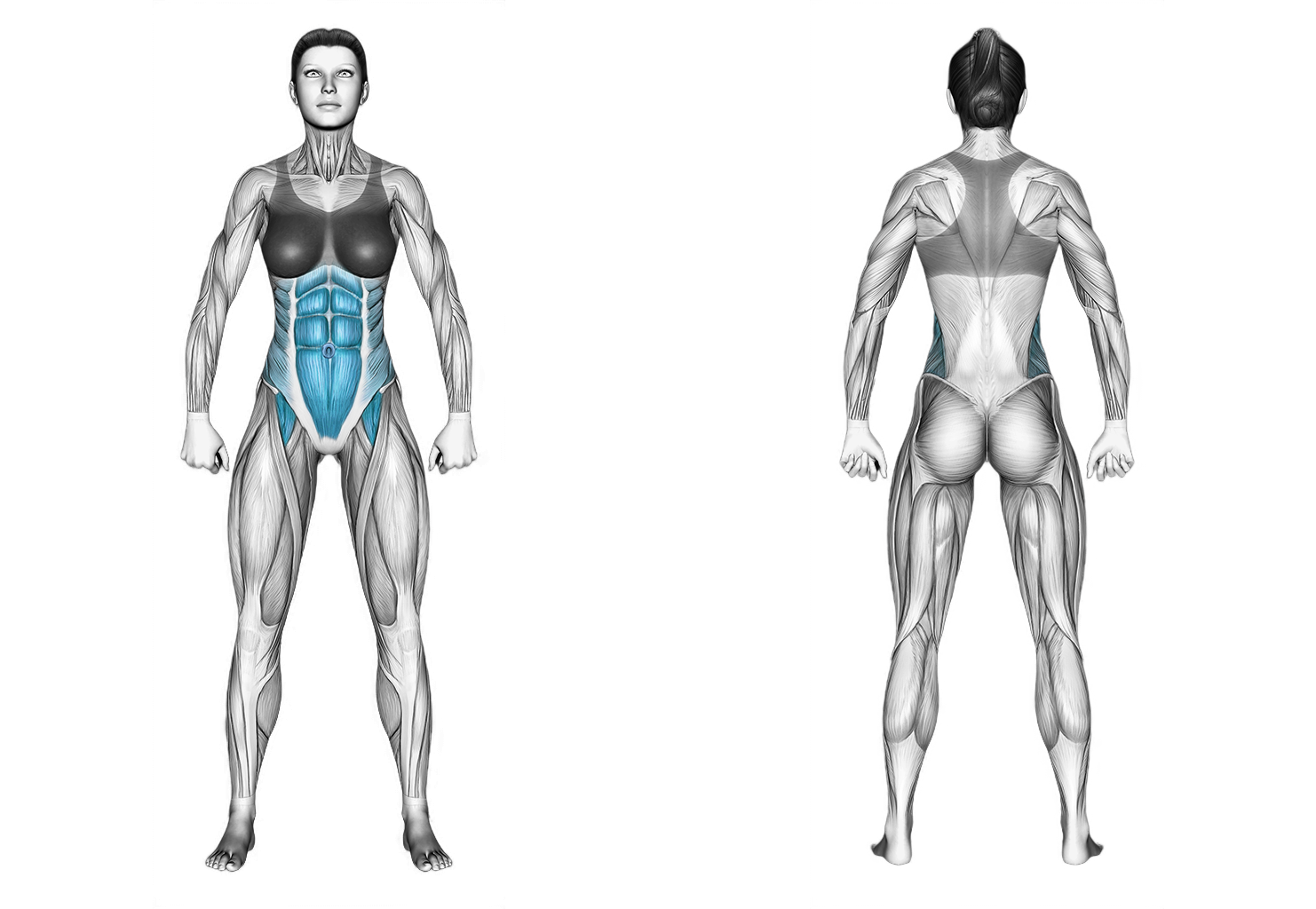
The sitting alternate knee tuck on a chair is a bodyweight core exercise that targets the abdominals and hip flexors. It is well-suited for beginners, desk-based workouts, and core finishers due to its reduced lower back stress compared to floor variations.
- Muscles
- Abs
- Equipment
- Bodyweight
- Type
- Strength
- Animation
- Women
How to do it
- Sit on the edge of a chair with hands gripping the sides for support.
- Lean back slightly and extend both legs out in front of you.
- Bring one knee toward your chest while keeping the other leg extended.
- Return that leg to extended position as you simultaneously bring the other knee in.
- Continue alternating legs in a controlled manner.
- Keep your core engaged throughout.
Common mistakes
- Slouching or excessively rounding the spine, which removes tension from the abs and strains the lower back.
- Relying on momentum instead of controlled abdominal contraction, which lowers exercise effectiveness.
- Resting the feet on the floor between repetitions, which breaks continuous tension on the target muscles.
Tips
- Choose a sturdy chair without wheels to maintain a stable, safe base of support.
- Exhale forcefully as you drive the knee toward your chest to maximize abdominal contraction.
- Keep your torso angle fixed throughout the set rather than rocking forward and backward.
Sets and reps
Aim for 3 to 4 sets of 15 to 25 reps per leg with 45 to 60 seconds of rest between sets to develop core muscular endurance.
Muscles worked
Your coach guides every set
Turn on the coach in Gloox: it asks how you feel, picks the weight from your history and cues technique and rest. Rate each set and the next one is tuned to you.

On a computer? Point your phone's camera here to get the app.
Questions
Is this exercise safe for the lower back?
It places significantly less shear stress on the lumbar spine than floor-based leg raises because the seated position stabilizes the pelvis. If you feel any sharp pain or discomfort, stop immediately and consult a healthcare professional.
Can this exercise replace floor crunches?
Yes, it provides a functional alternative that emphasizes the lower rectus abdominis and hip flexors while keeping the spine in an upright, supported posture. It serves as an effective regression or substitute in home and office routines.







