Glutes · Bodyweight
Leg Over Knee Glute Bridge
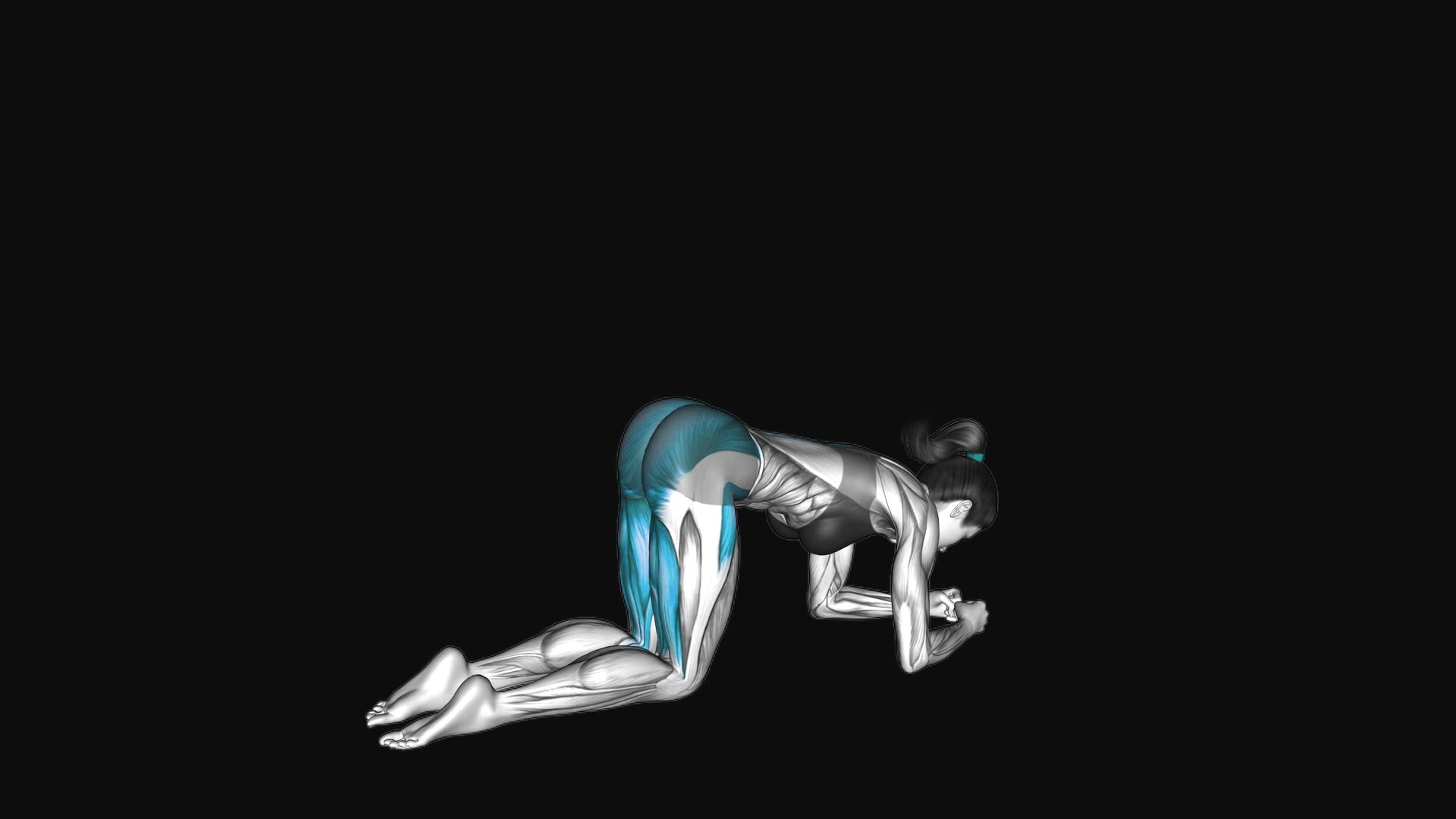
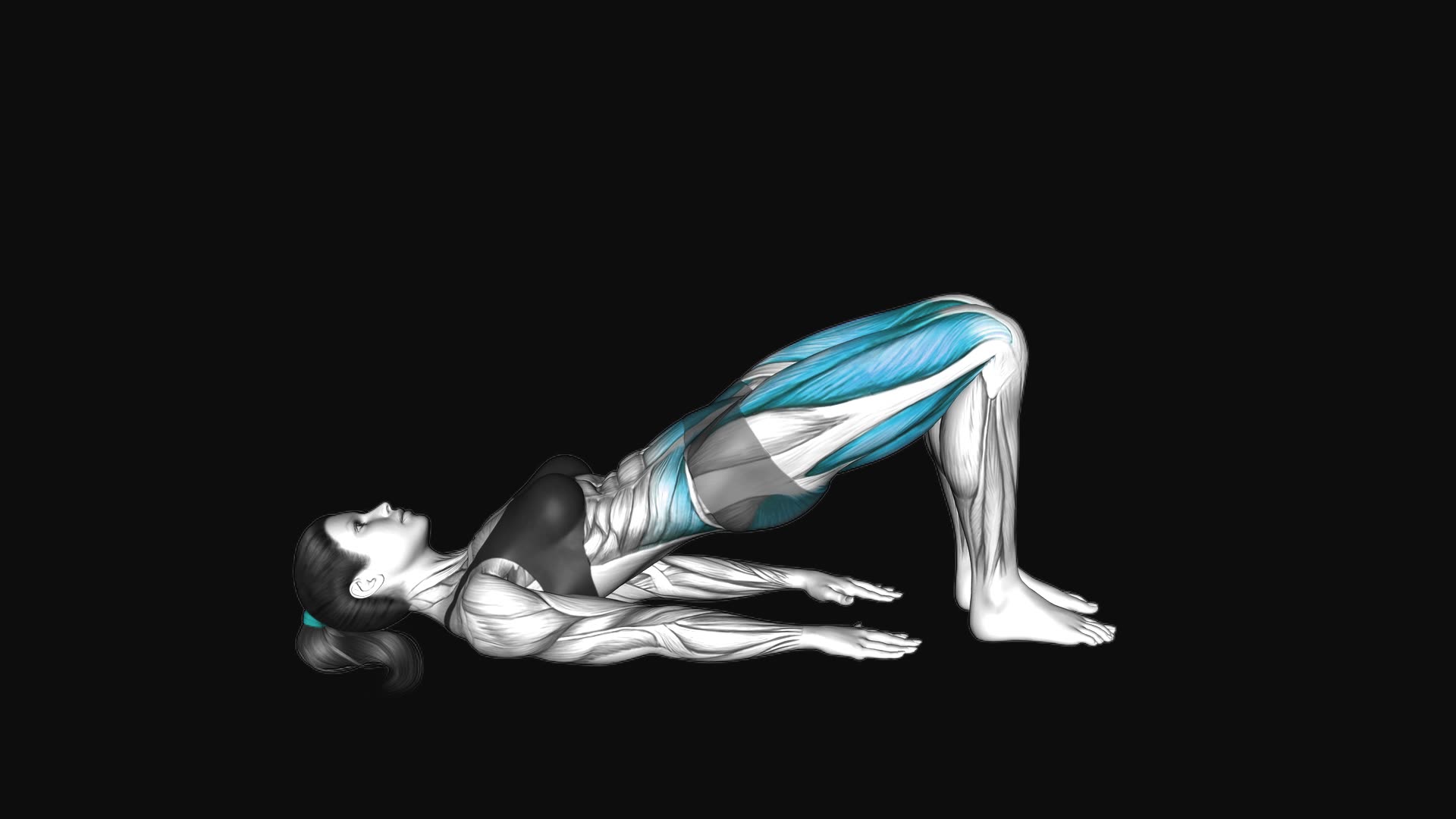
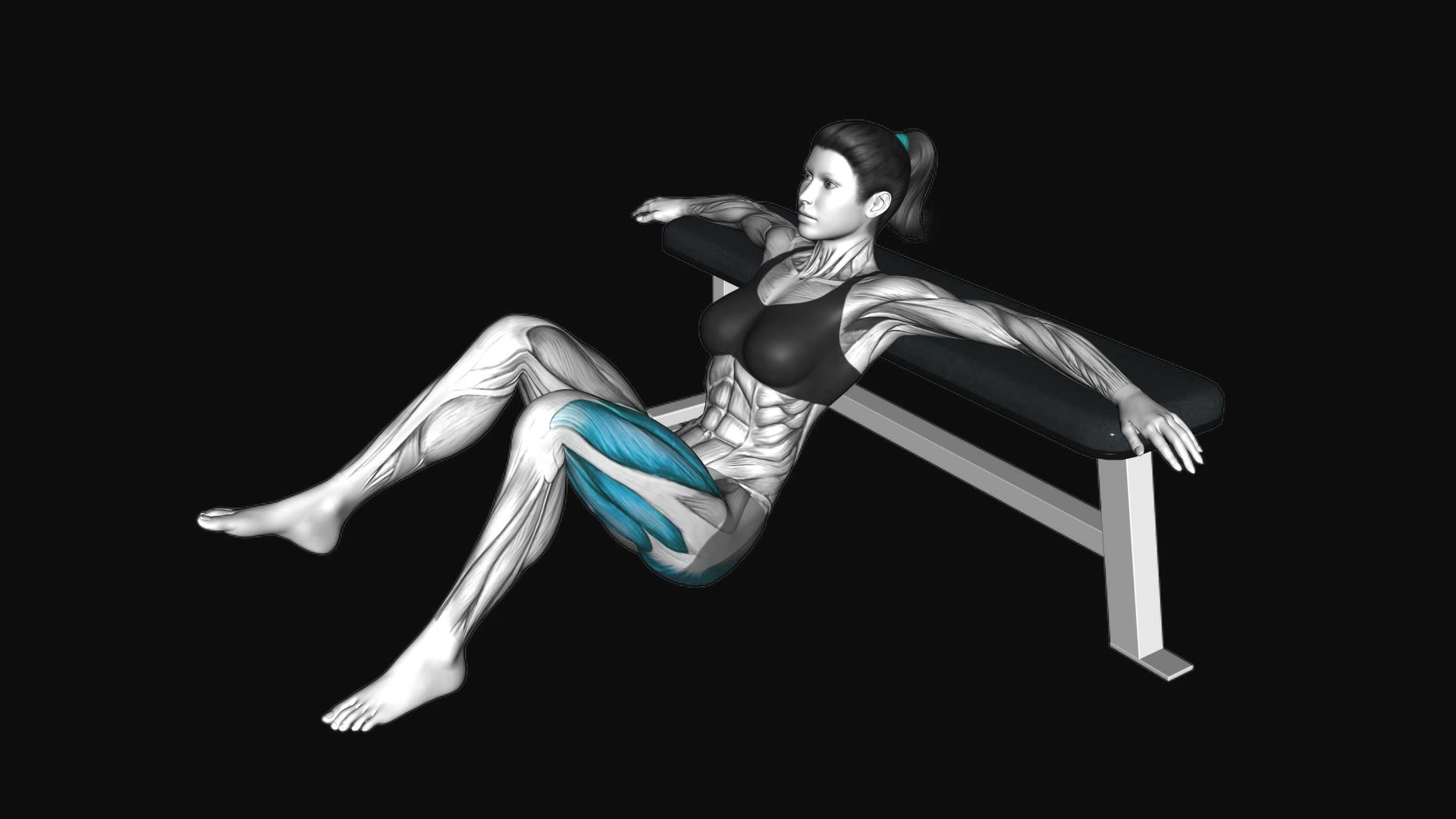
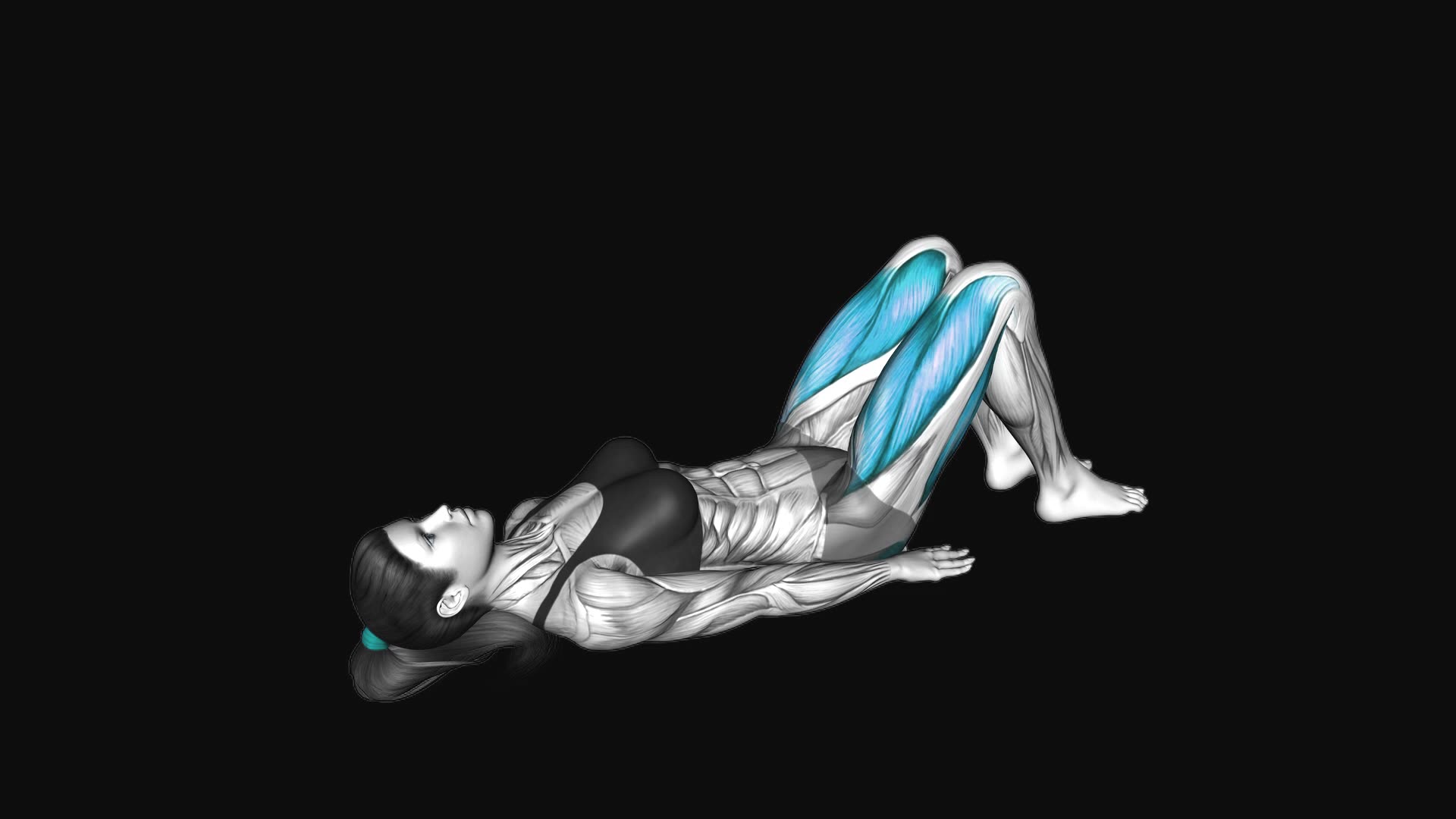
The leg over knee glute bridge is a unilateral bodyweight movement that targets the gluteus maximus while opening the hip of the crossed leg. It suits lifters of all fitness levels and works well during warm-ups, activation routines, or as a targeted glute finisher.
- Muscles
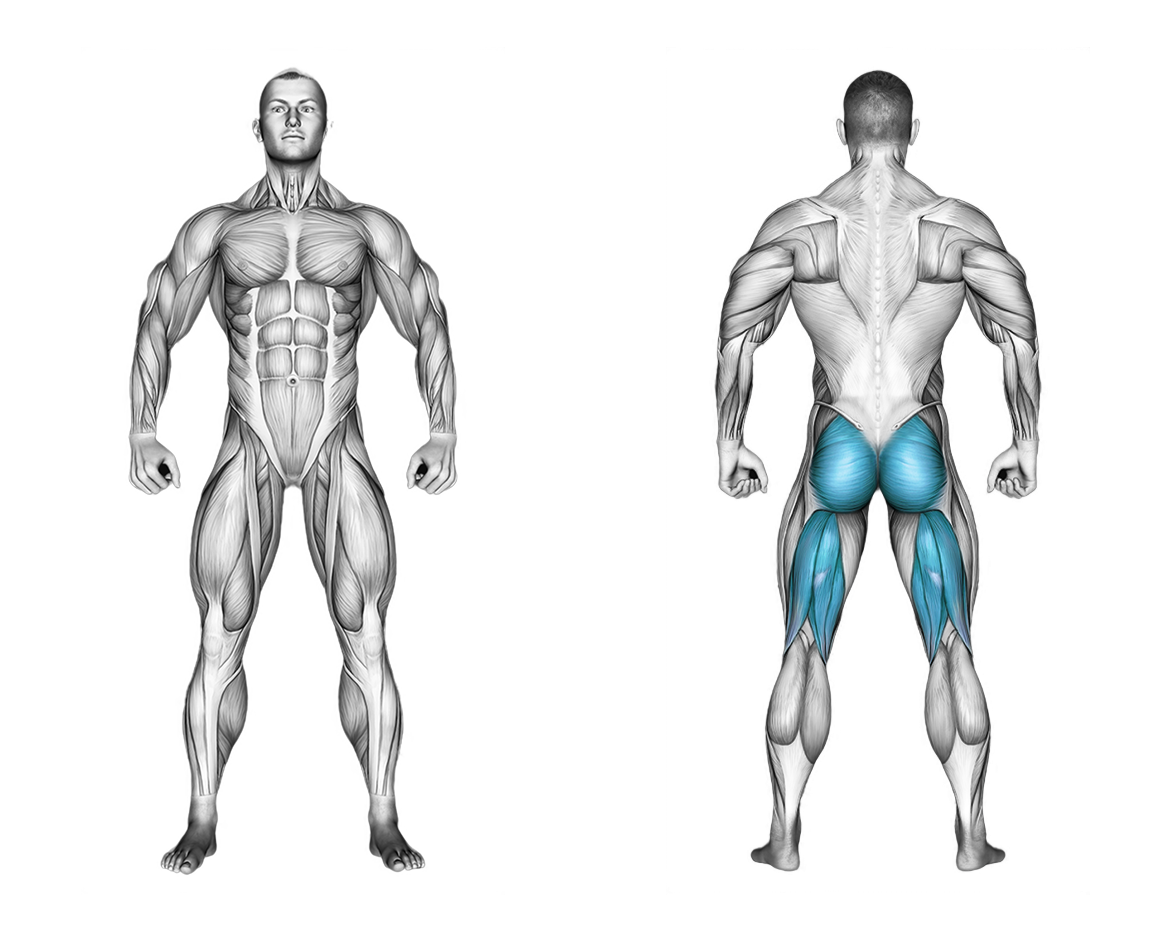
- Glutes
- Equipment
- Bodyweight
- Type
- Strength
- Animation
- Men and women
How to do it
- Lie on your back with one foot flat on the ground and the other ankle crossed over the opposite knee.
- Place your arms at your sides.
- Drive through your planted heel to lift your hips up until your body forms a straight line.
- Squeeze your glutes at the top.
- Lower your hips back down with control.
- Complete all reps on one side before switching.
Common mistakes
- Hyperextending the lower back at the top shifts tension away from the glutes and places undue stress on the lumbar spine.
- Driving through the toes instead of the heel diminishes glute recruitment and places excessive strain on the quads.
- Allowing the pelvis to tilt or rotate toward the elevated side compromises stability and reduces isolated muscle activation.
Tips
- Position your planted foot so that your shin is roughly vertical when your hips reach full extension.
- Brace your core muscles continuously to keep your hips level and square to the ceiling.
- Hold the top position for one to two seconds while actively squeezing the working glute before lowering down.
Sets and reps
Perform 3 to 4 sets of 10 to 15 reps per leg, resting 45 to 60 seconds between sides or sets to target muscular endurance and control.
Muscles worked
Your coach guides every set
Turn on the coach in Gloox: it asks how you feel, picks the weight from your history and cues technique and rest. Rate each set and the next one is tuned to you.

On a computer? Point your phone's camera here to get the app.
Questions
What is the benefit of placing the ankle on the knee instead of lifting the leg straight?
The figure-four position stretches the piriformis and external hip rotators of the non-working leg while stabilizing the pelvis against unwanted swinging.
What should you do if lower back pain occurs during this exercise?
Stop the movement immediately if you experience pain, ensure your hips are not overextending, and consult a specialist if discomfort persists.