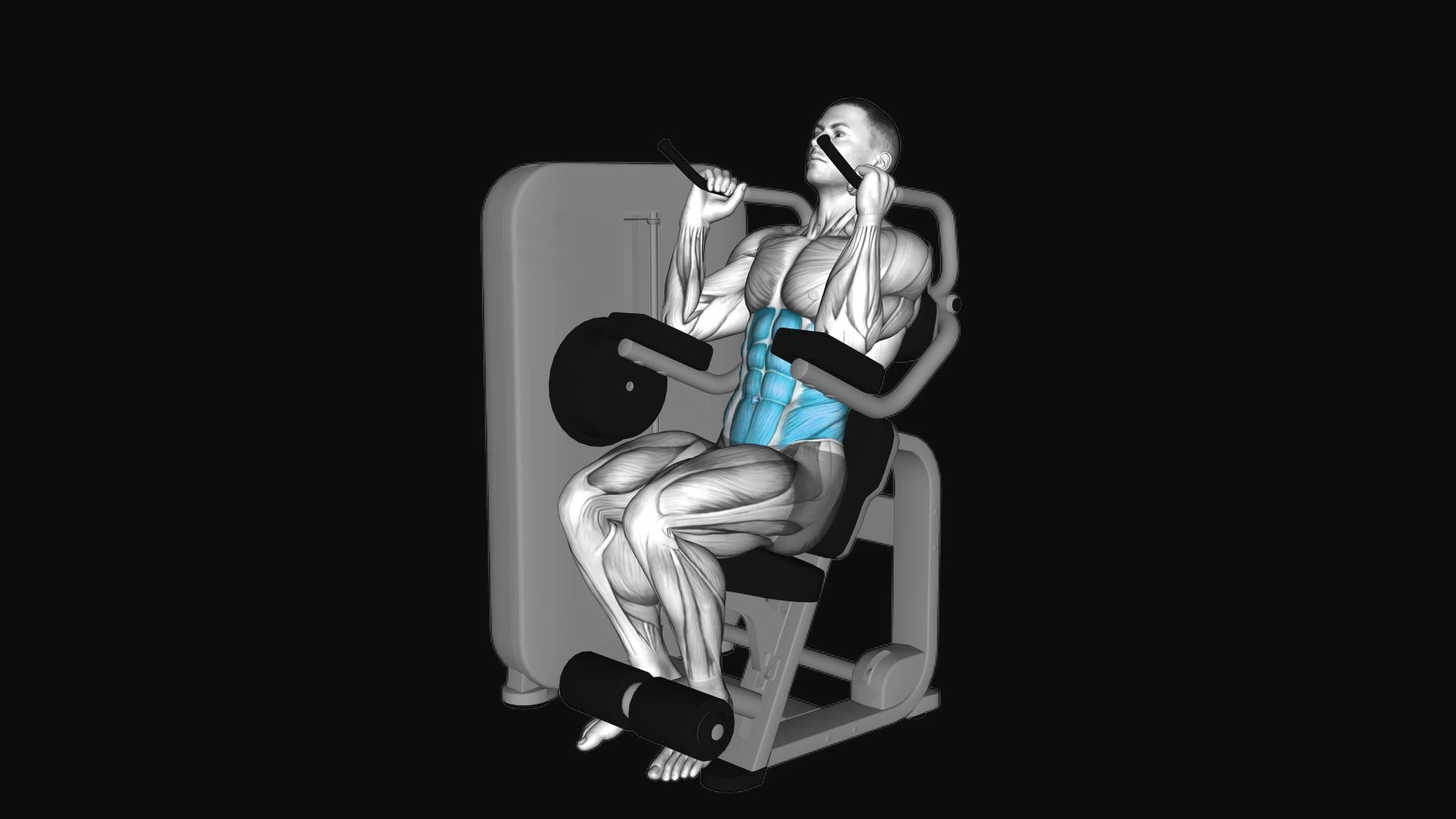
Abs · Machines
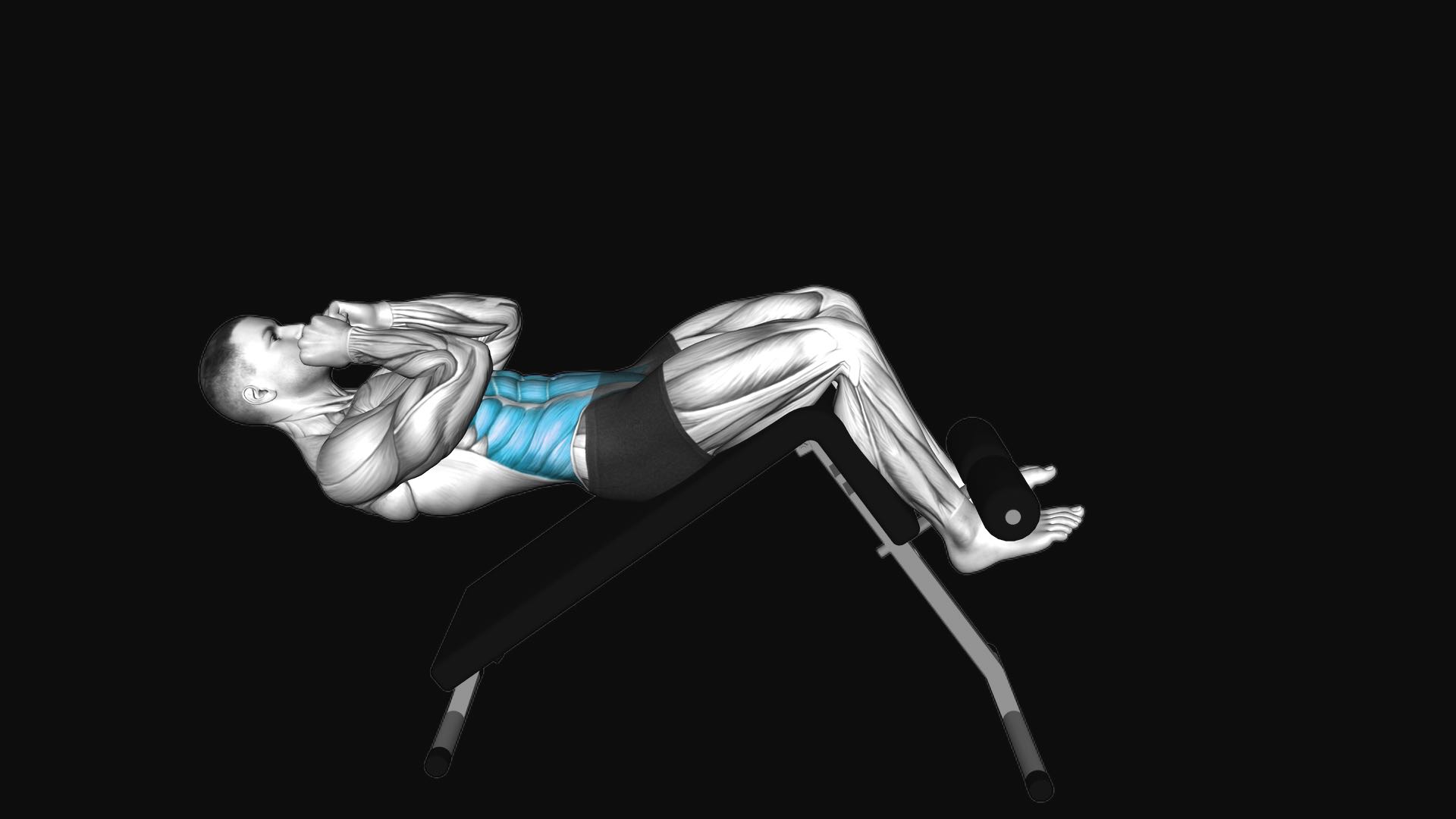
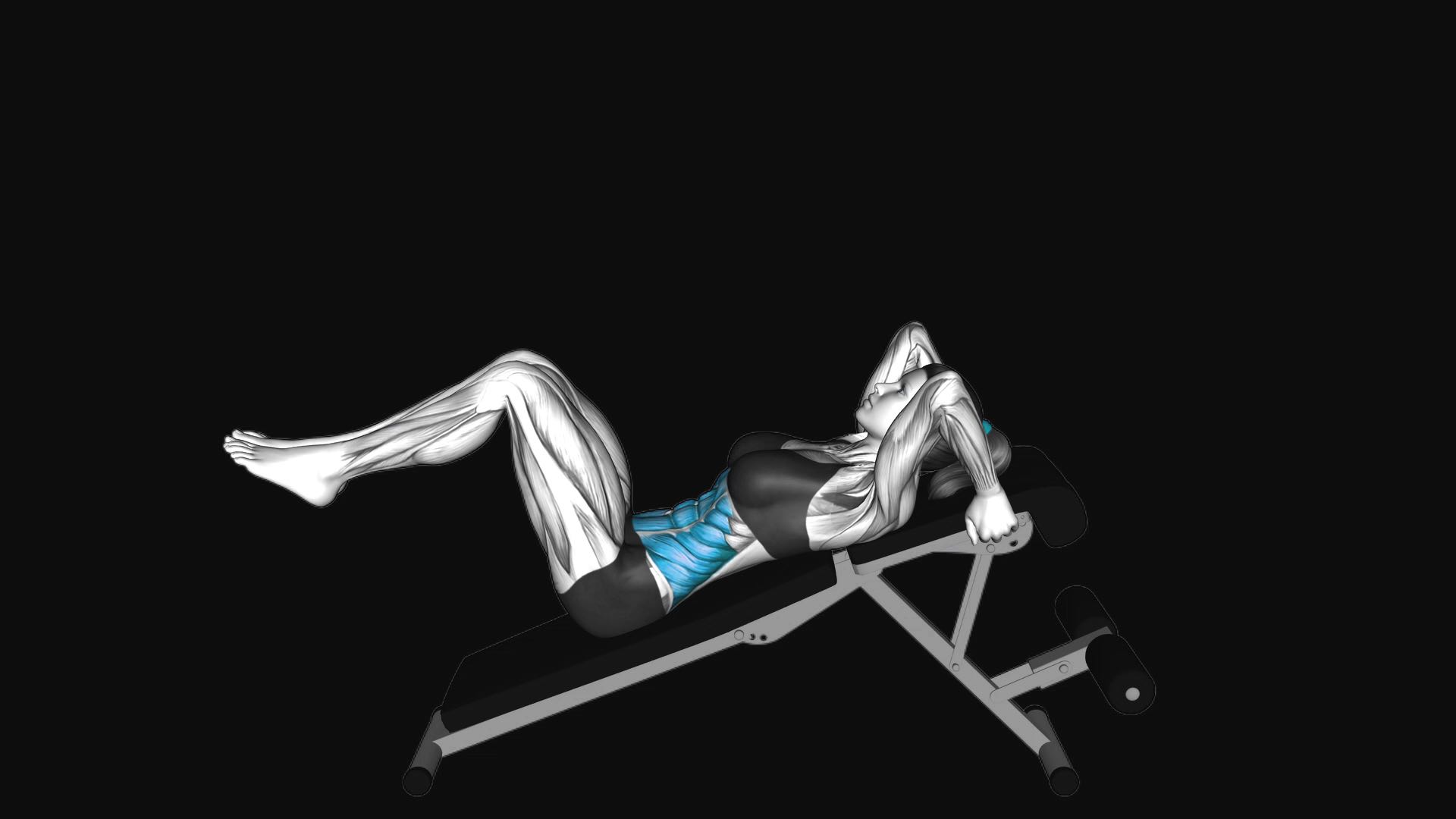
Decline Leg Raise
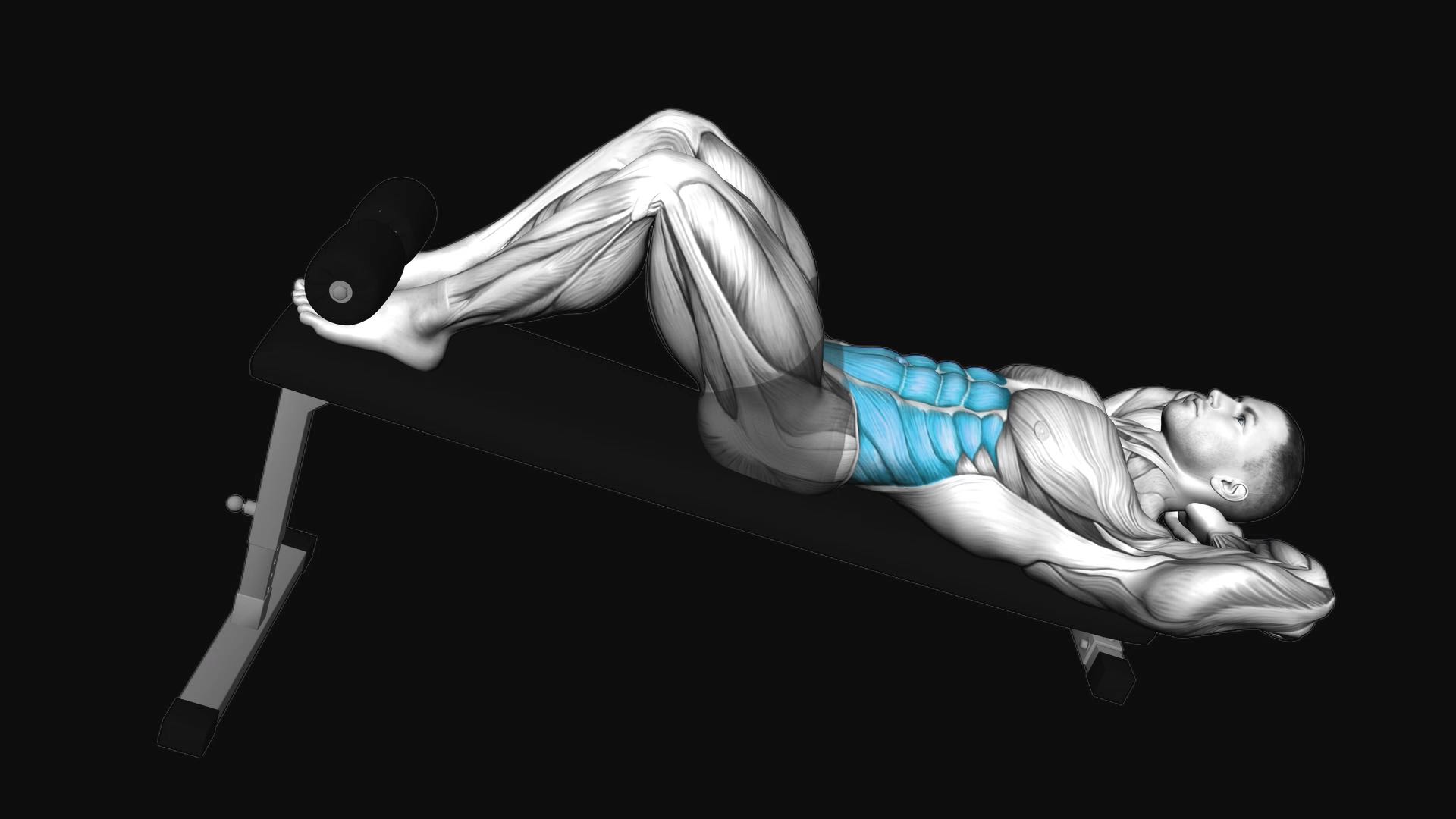
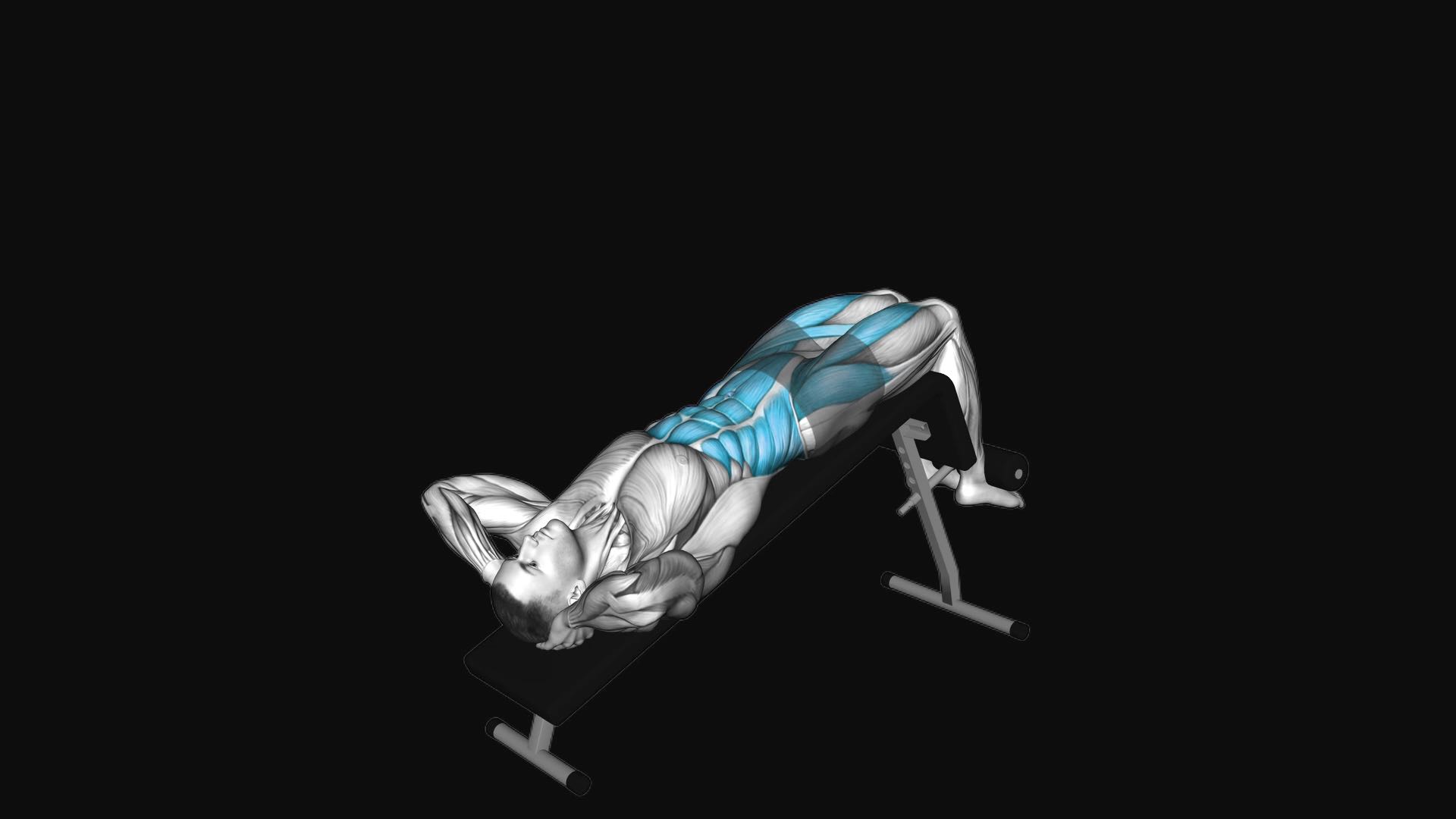
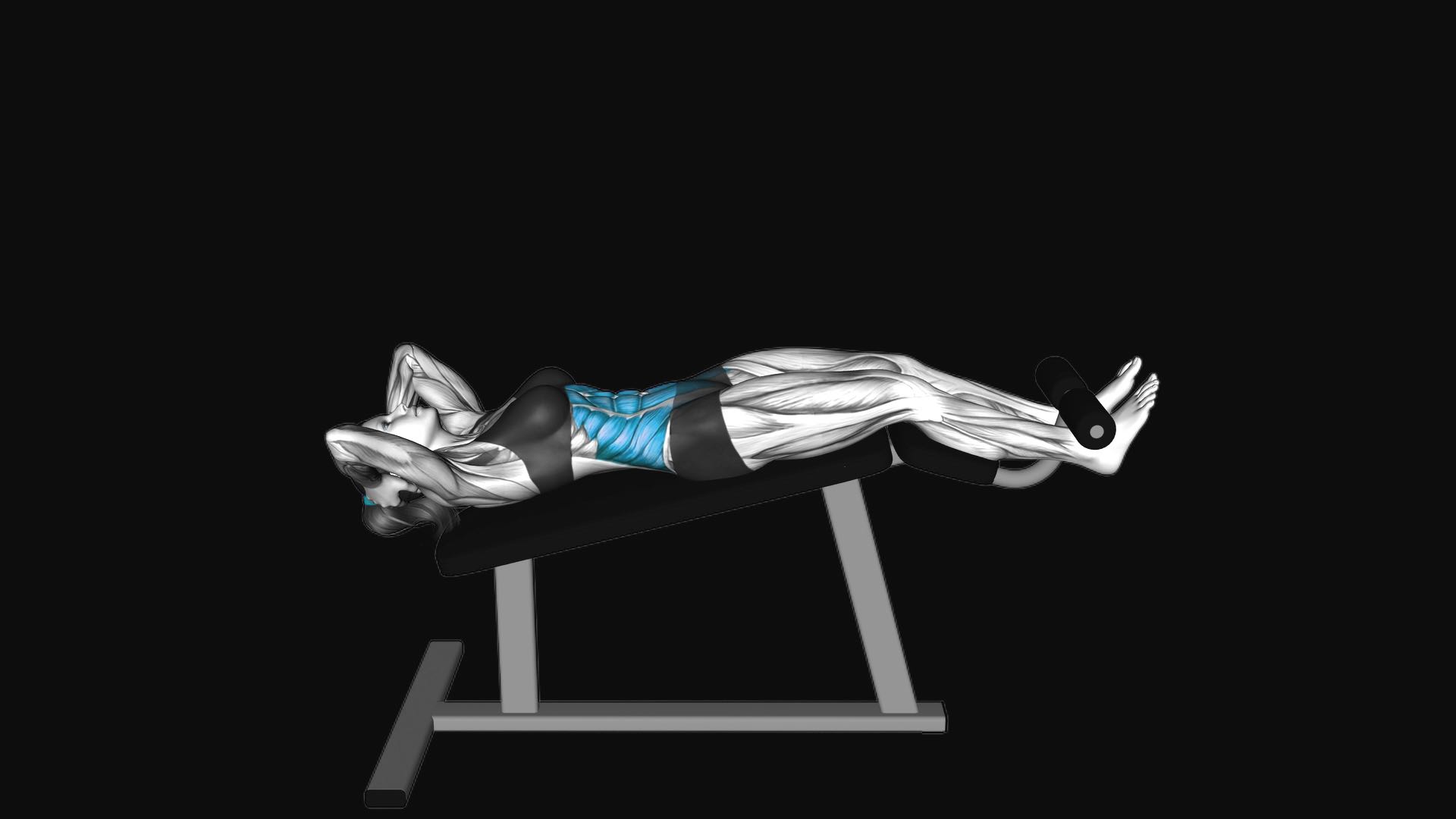
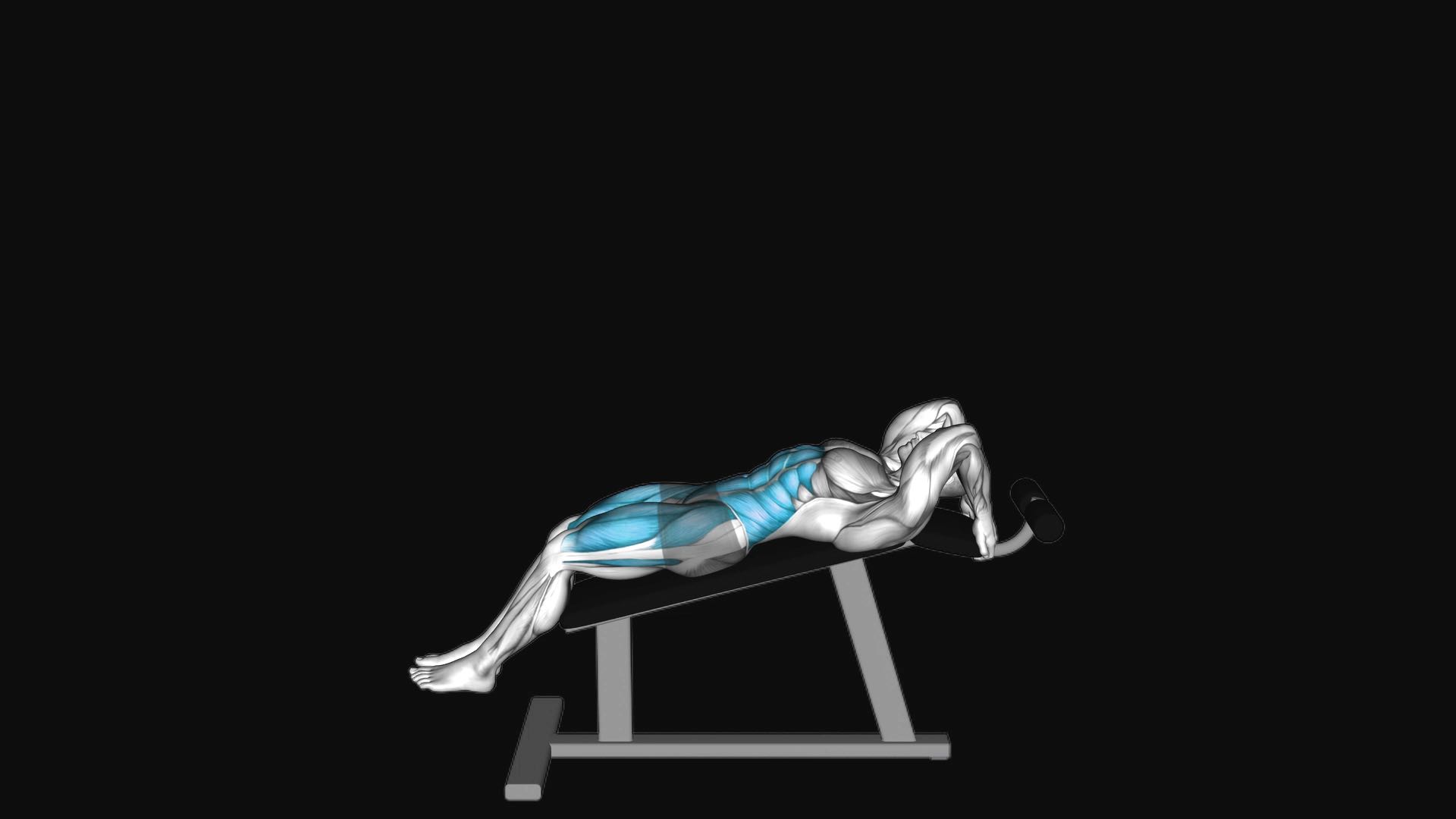
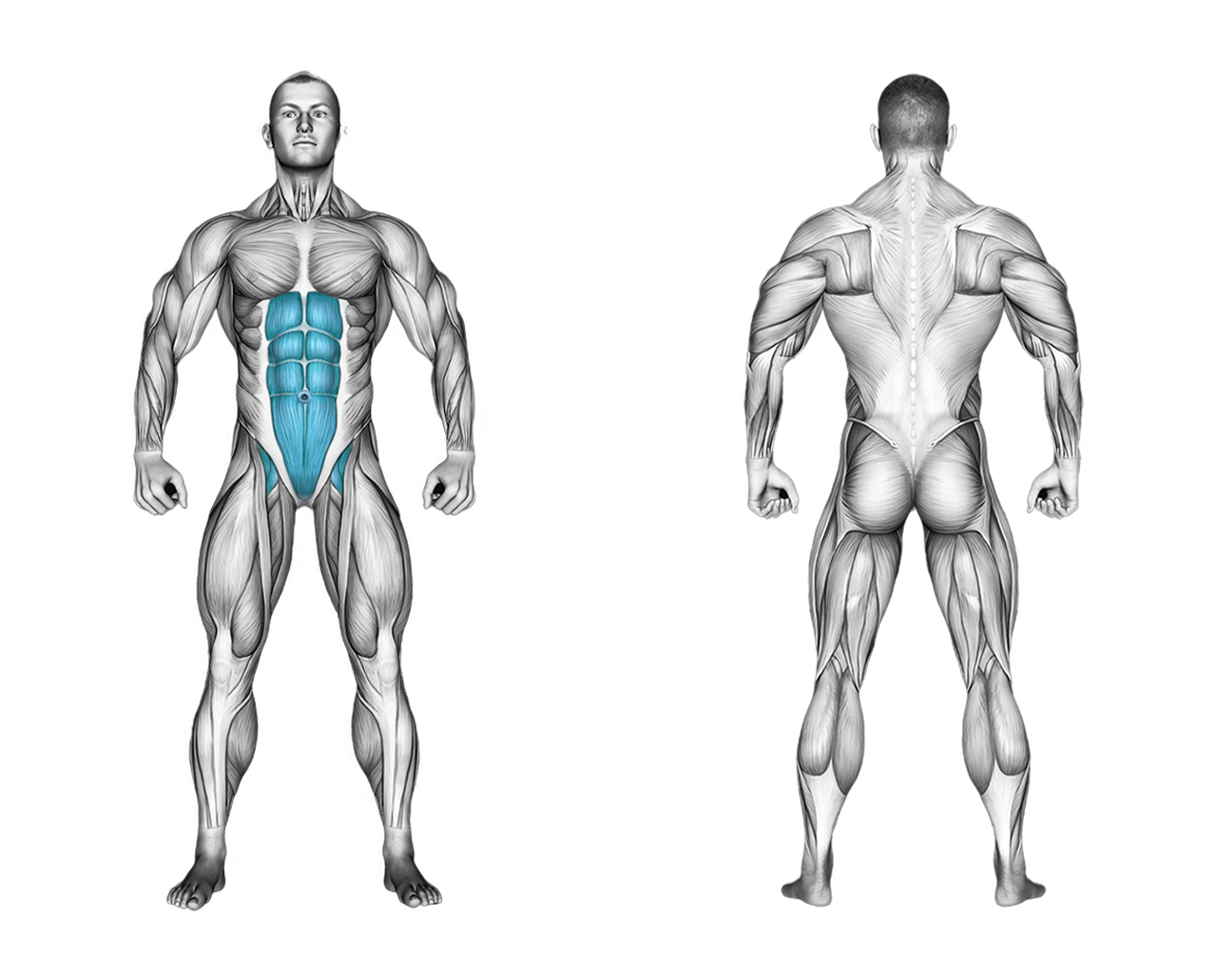
The decline leg raise is an advanced core movement that places continuous tension on the rectus abdominis, targeting the lower fibers and hip flexors. It is suited for intermediate to advanced lifters and works best toward the end of a strength session.
How to do it
- Lie on a decline bench with your head at the lower end.
- Grip the bench behind your head for stability.
- Keep your legs straight or slightly bent.
- Raise your legs up until they're perpendicular to your torso.
- Slowly lower your legs back toward the bench without touching it.
Common mistakes
- Arching the lower back off the bench during the descent transfers high stress onto the lumbar spine instead of the abs.
- Swinging the legs with momentum eliminates muscle tension and decreases movement control.
- Dropping the legs quickly robs you of the eccentric phase, which is critical for strength and muscle development.
- Excessively bending the knees turns the movement into a knee tuck, significantly reducing the difficulty for the core.
Tips
- Keep your lower back pressed firmly against the pad throughout the entire lowering phase.
- Slightly lift your pelvis off the bench at the top of the movement to maximize abdominal contraction.
- Maintain a small, locked bend in your knees if keeping them completely straight causes discomfort in your hip flexors.
Sets and reps
Aim for 3 to 4 sets of 10 to 15 slow, controlled repetitions with 60 to 90 seconds of rest between sets.
Muscles worked
Your coach guides every set
Turn on the coach in Gloox: it asks how you feel, picks the weight from your history and cues technique and rest. Rate each set and the next one is tuned to you.

On a computer? Point your phone's camera here to get the app.
Questions
Is the decline leg raise safe for the lower back?
It is safe if your core is strong enough to maintain a neutral spine, but if you experience sharp or persistent back pain, stop the exercise and see a specialist.
What exercises can replace the decline leg raise?
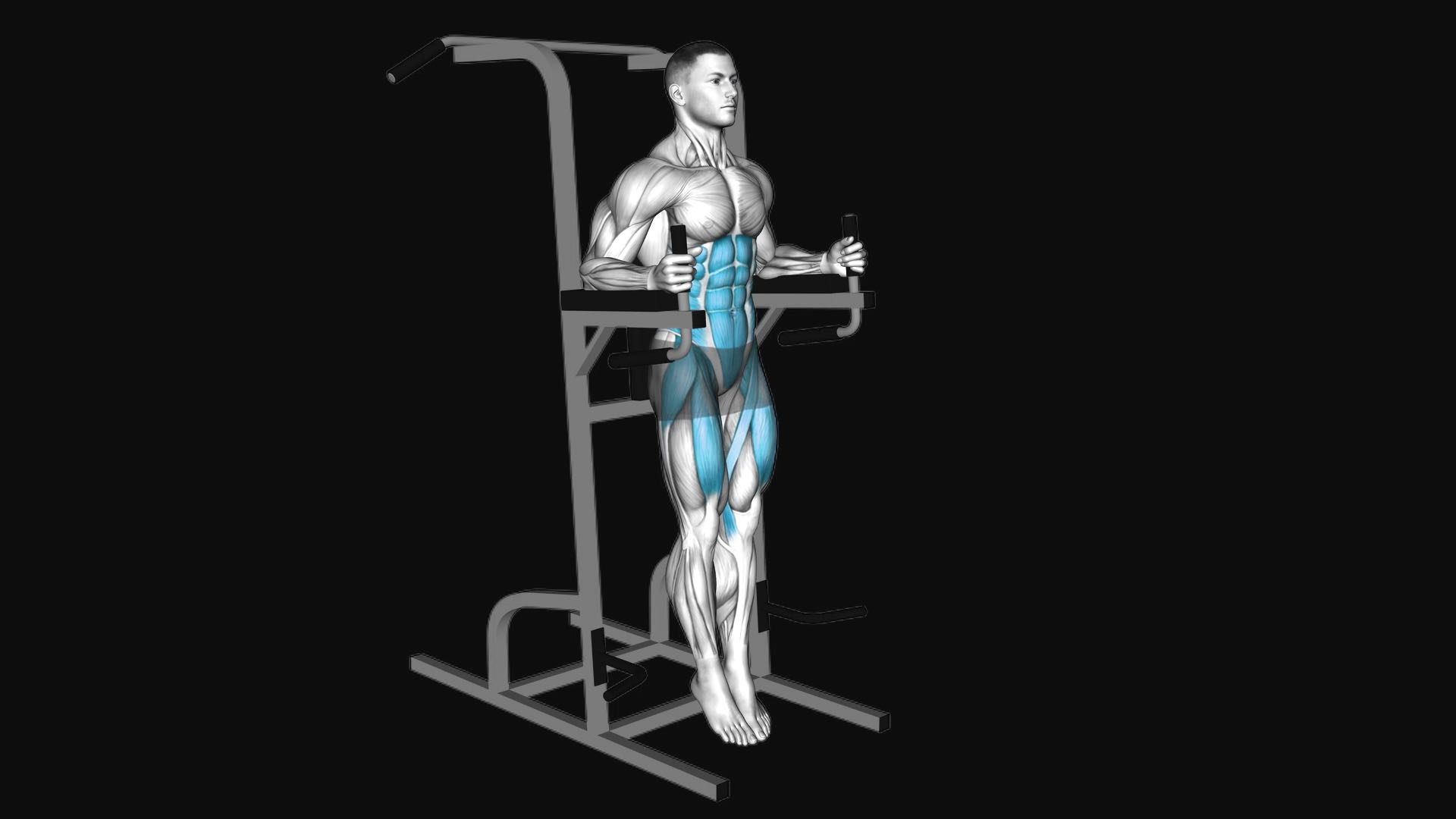
Hanging leg raises on a pull-up bar or flat bench reverse crunches are effective alternatives with a similar movement pattern.