Abs · Machines
Decline Cross Body Sit-up
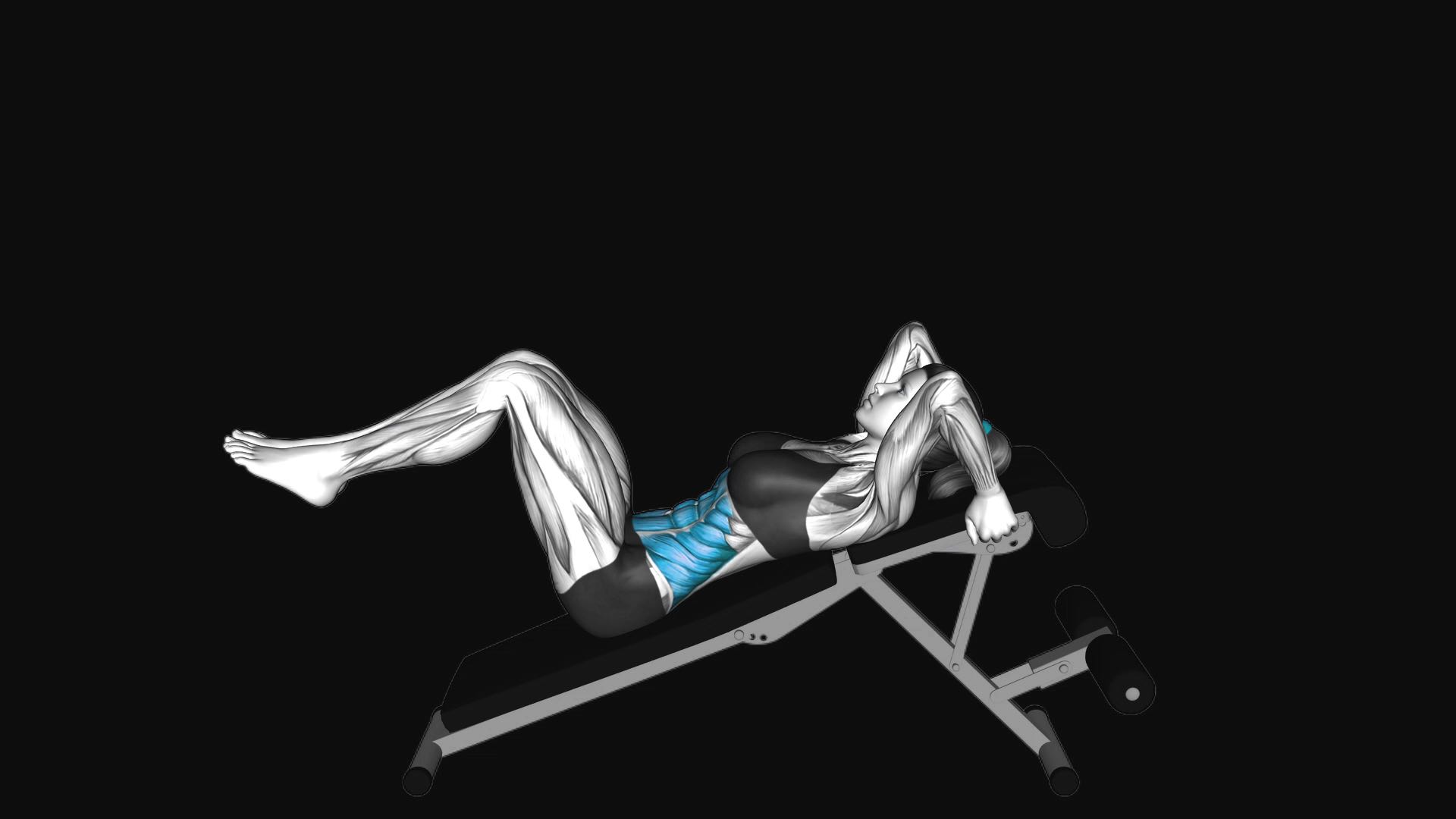
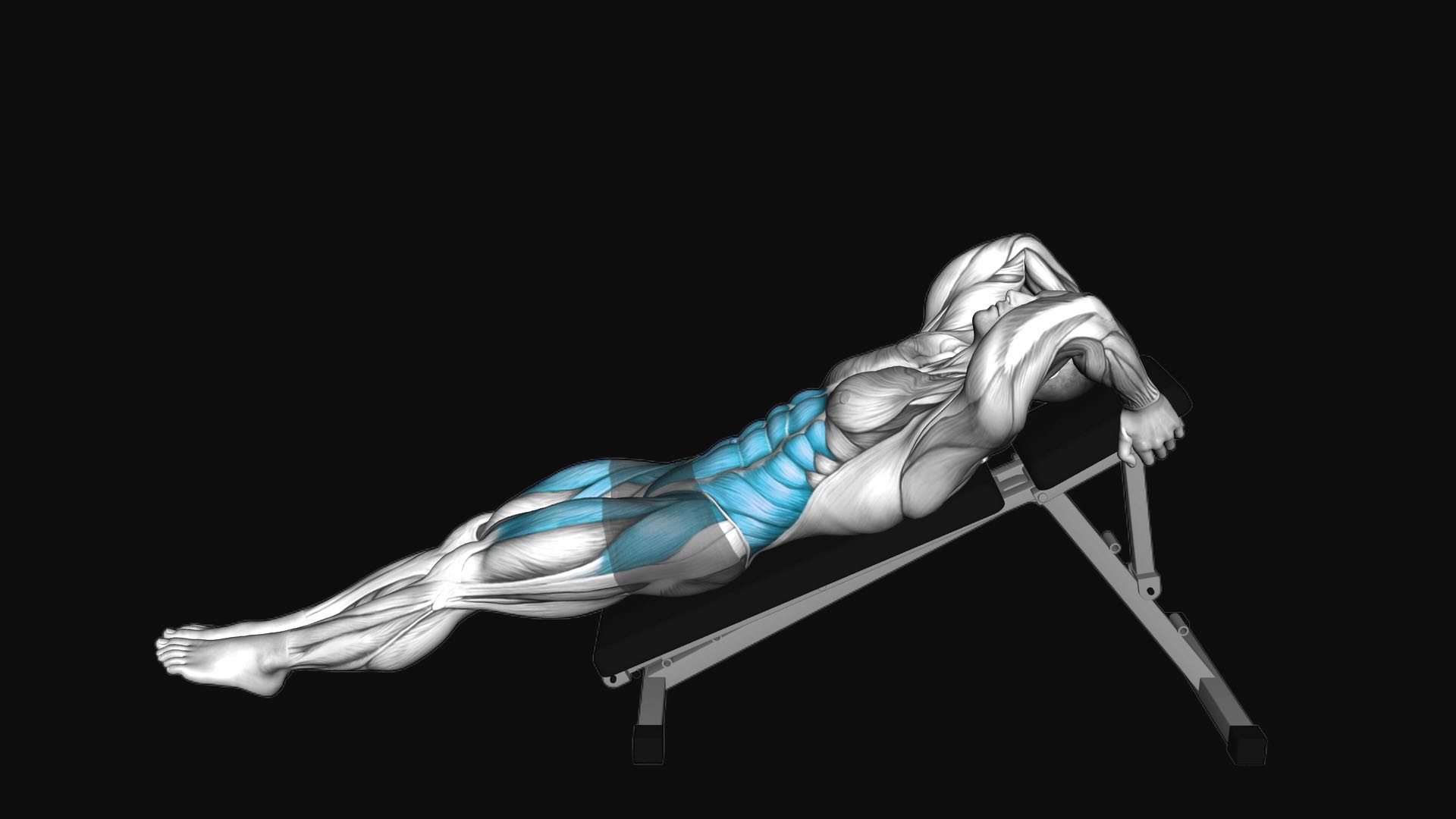
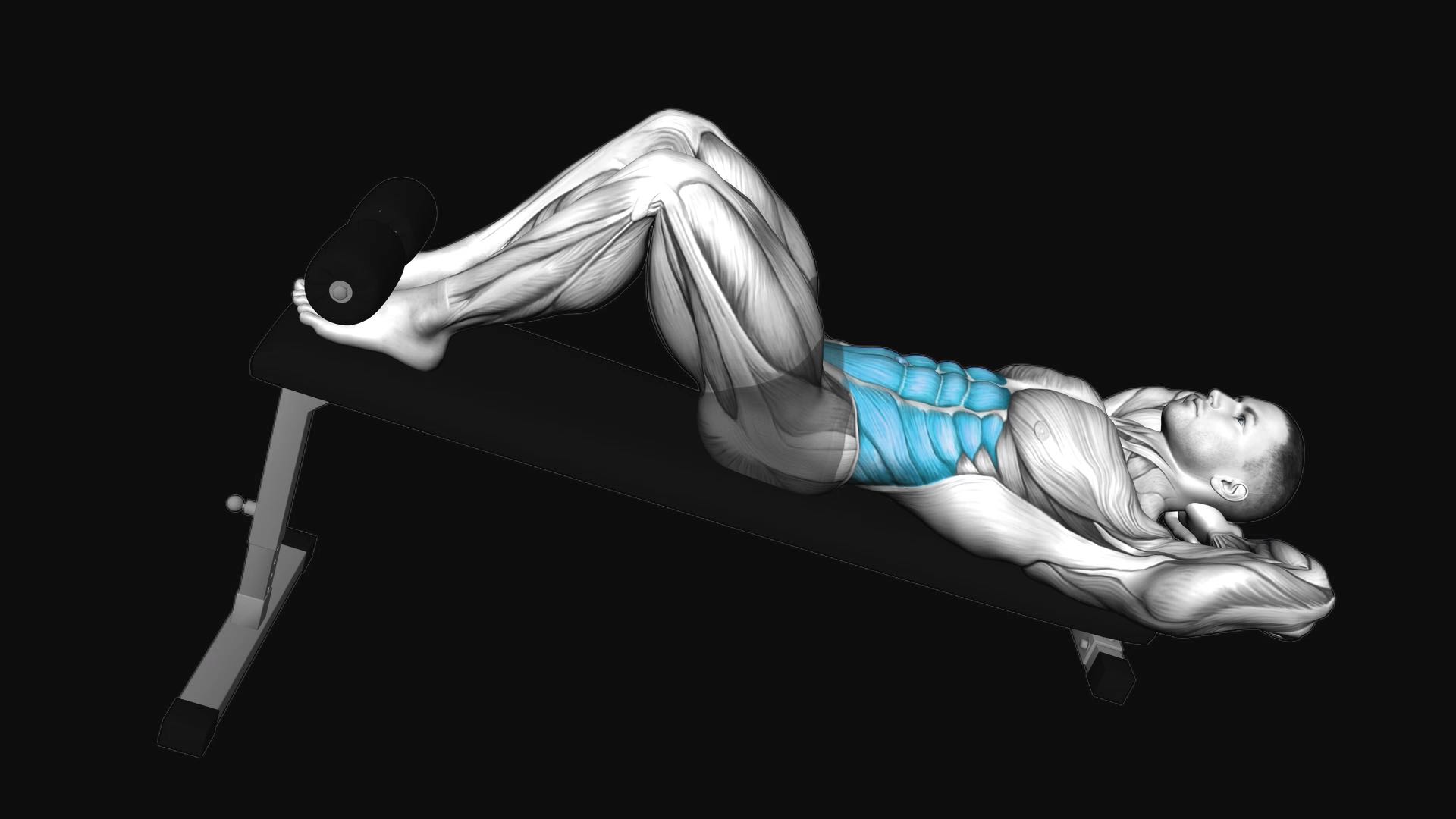
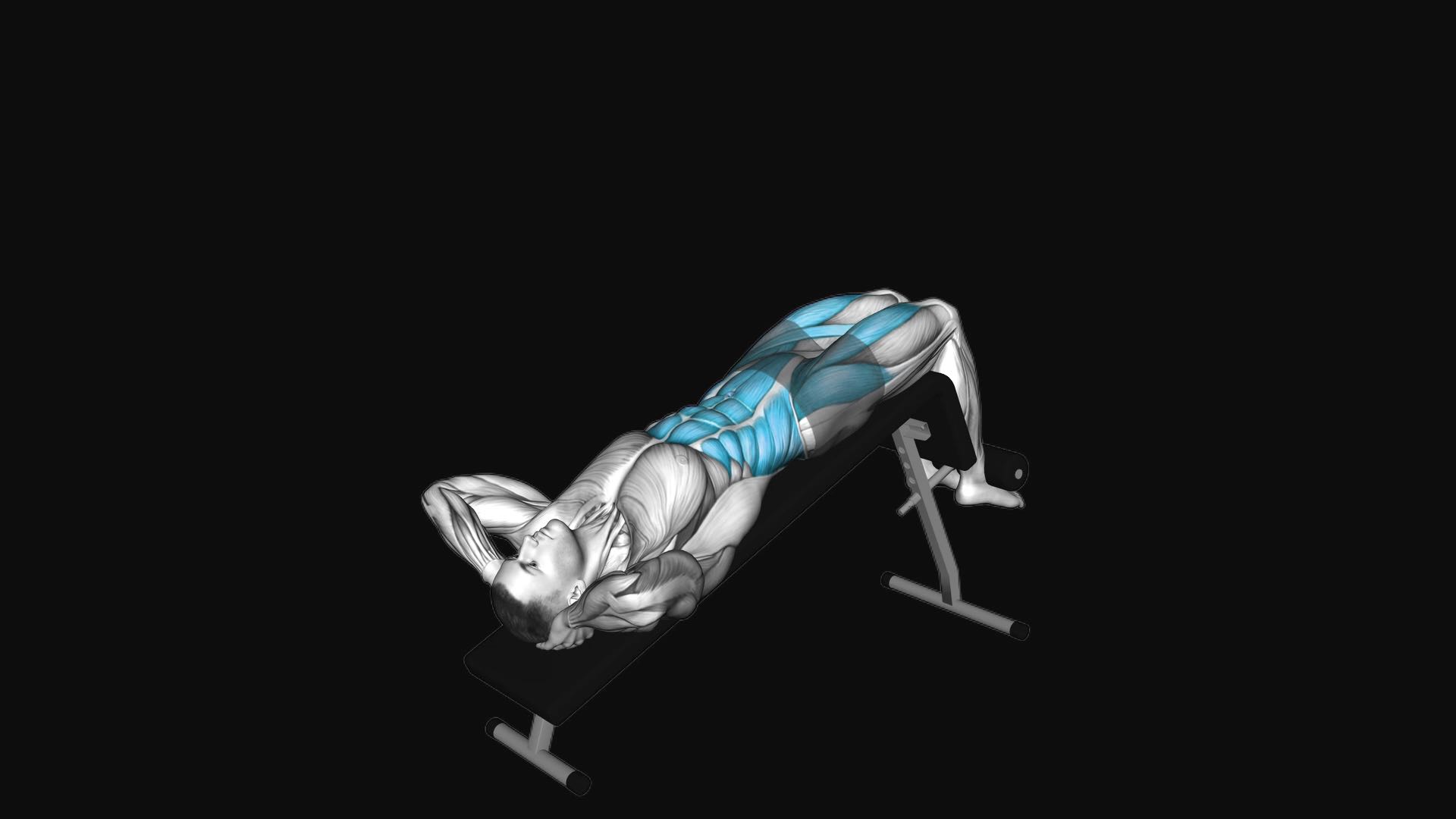
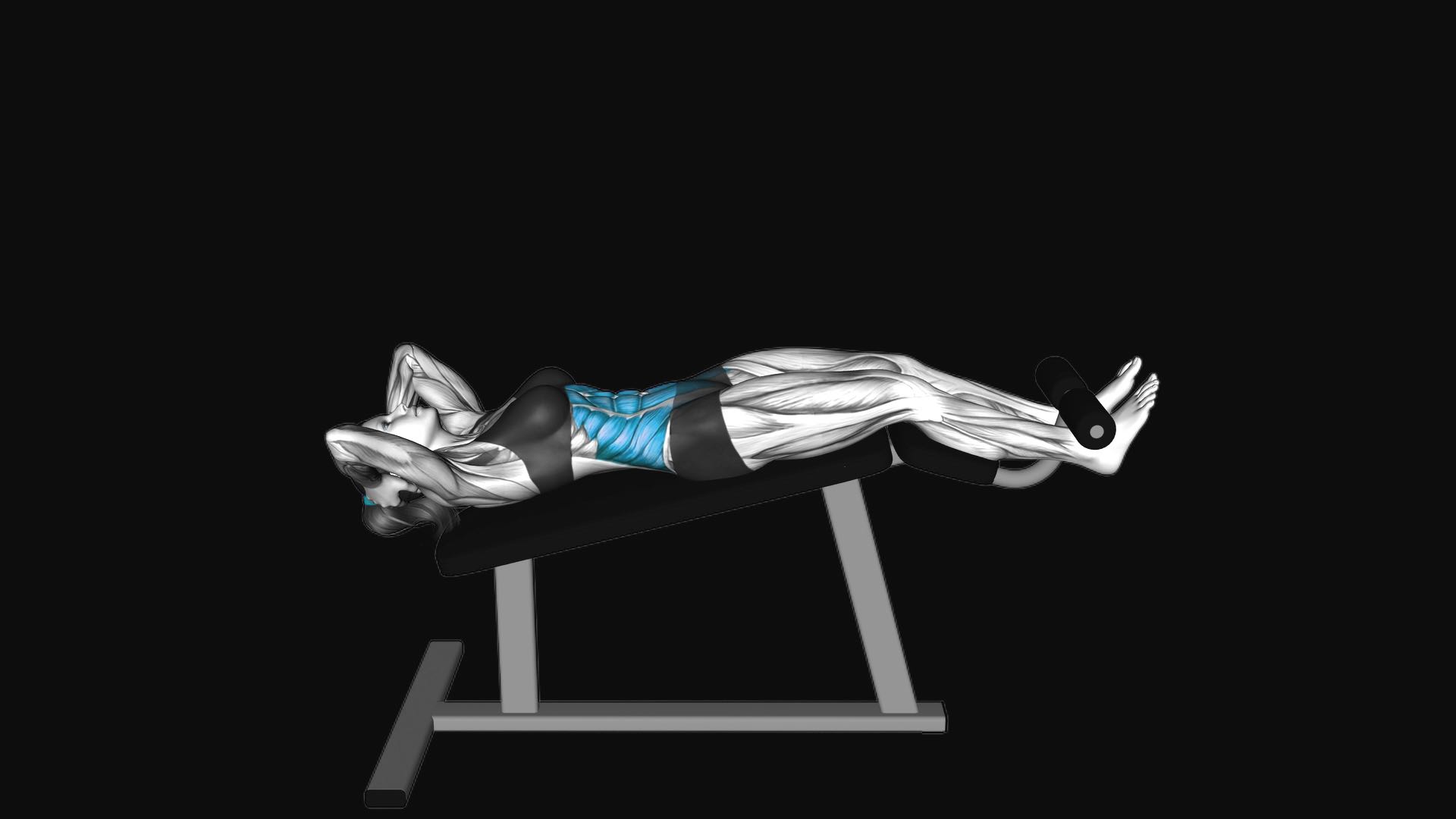
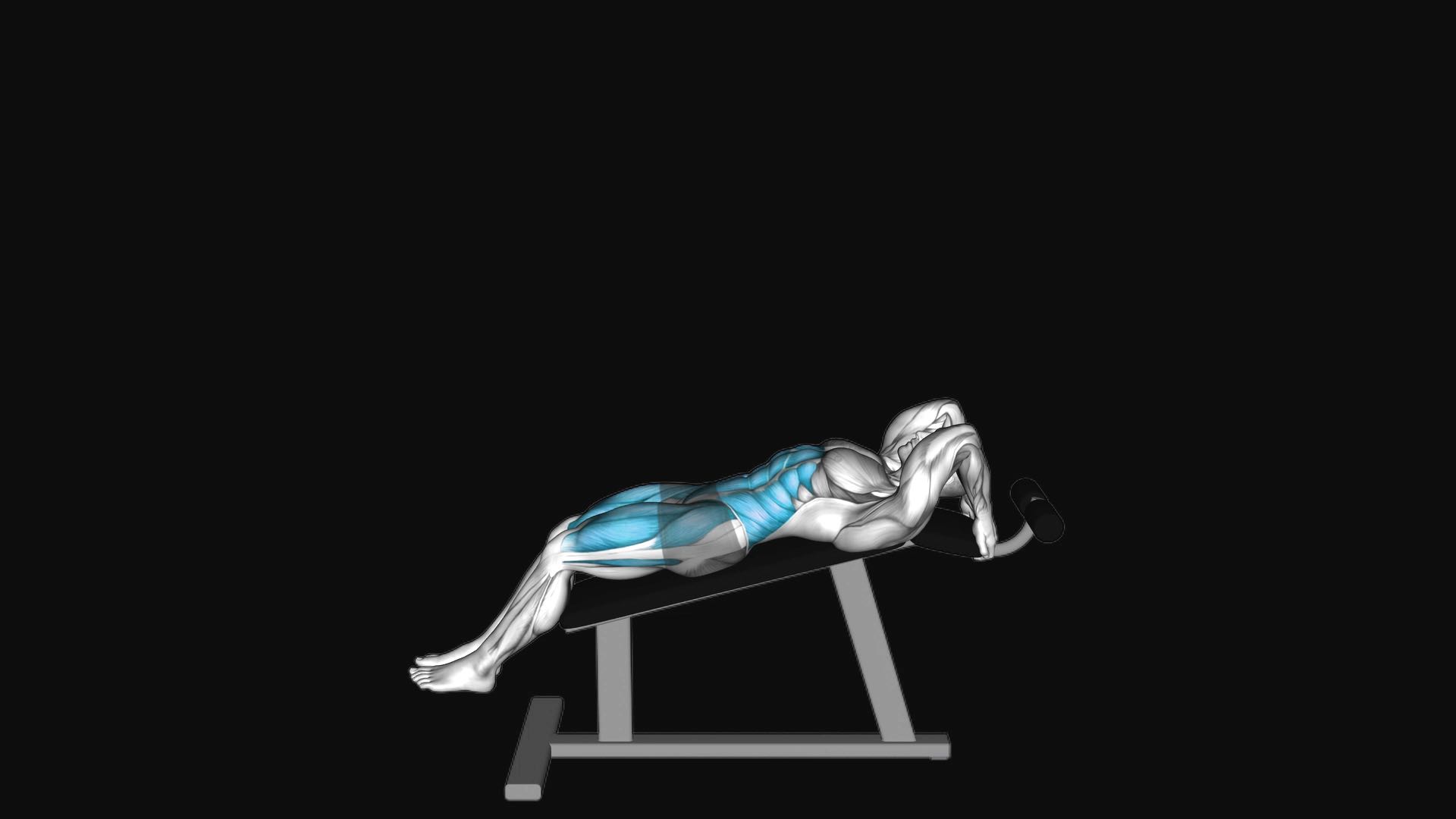
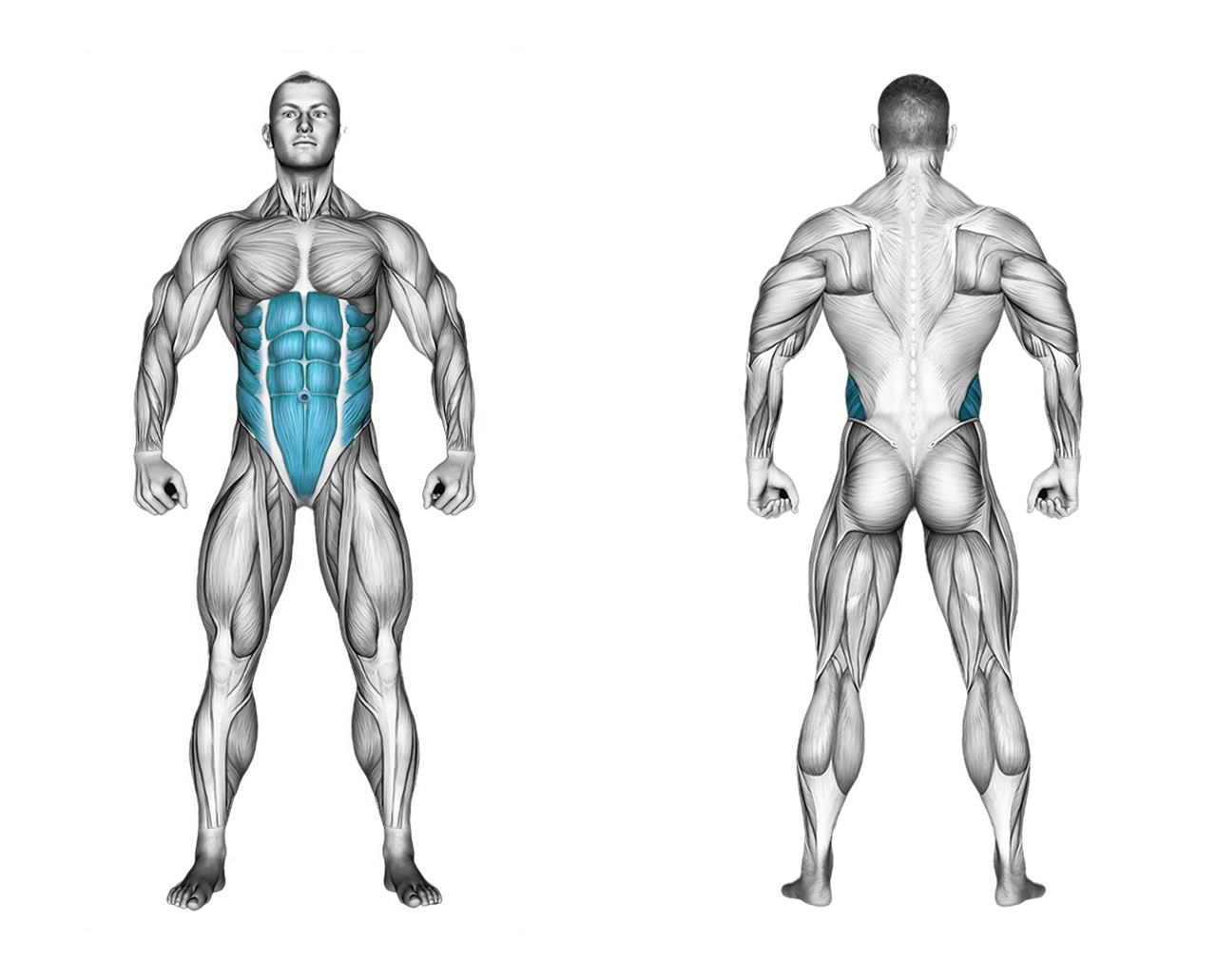
The decline cross body sit-up is an advanced core exercise that adds rotational torque and an extended range of motion to traditional sit-ups. It primarily targets the rectus abdominis along with the internal and external obliques, fitting best near the end of a core, push, or full-body session.
How to do it
- Lie on a decline bench with your feet secured at the top.
- Place your hands behind your head or across your chest.
- Sit up while simultaneously twisting your torso to bring your elbow toward the opposite knee.
- Return to the starting position with control.
- Alternate sides with each repetition.
Common mistakes
- Pulling on the back of the neck places excessive compressive stress on the cervical spine while taking tension off the abs.
- Twisting only through the shoulders rather than rotating the ribcage significantly reduces oblique recruitment.
- Dropping abruptly back against the bench removes eccentric muscle tension and risks jolting the lumbar spine.
- Hyperextending the lower back at the bottom of the movement strains the spinal erectors under stretch.
Tips
- Focus on driving the ribs toward the opposite hip to initiate the twist through the torso rather than just reaching with the elbow.
- Exhale forcefully through pursed lips as you reach the top of the sit-up to maximize oblique contraction.
- Cross your arms over your chest to shorten the resistance lever if maintaining strict form with hands behind the head is difficult.
Sets and reps
Perform 3 to 4 sets of 10 to 15 reps per side with 45 to 60 seconds of rest between sets, prioritizing tempo and control over speed.
Muscles worked
Your coach guides every set
Turn on the coach in Gloox: it asks how you feel, picks the weight from your history and cues technique and rest. Rate each set and the next one is tuned to you.

On a computer? Point your phone's camera here to get the app.
Questions
Is this exercise safe for someone with lower back issues?
Combining spinal flexion with rotation on a decline creates notable shear stress on the lumbar spine, making static core or anti-rotation movements a safer choice. If sharp discomfort occurs, stop immediately and consult a healthcare professional.
What can replace this exercise if a decline bench is unavailable?
Standard floor cross-body sit-ups, bicycle crunches, or cable woodchops replicate the rotational trunk flexion pattern without requiring specialized decline equipment.