Abs · Machines
Decline Bent-Knee Reverse Crunch
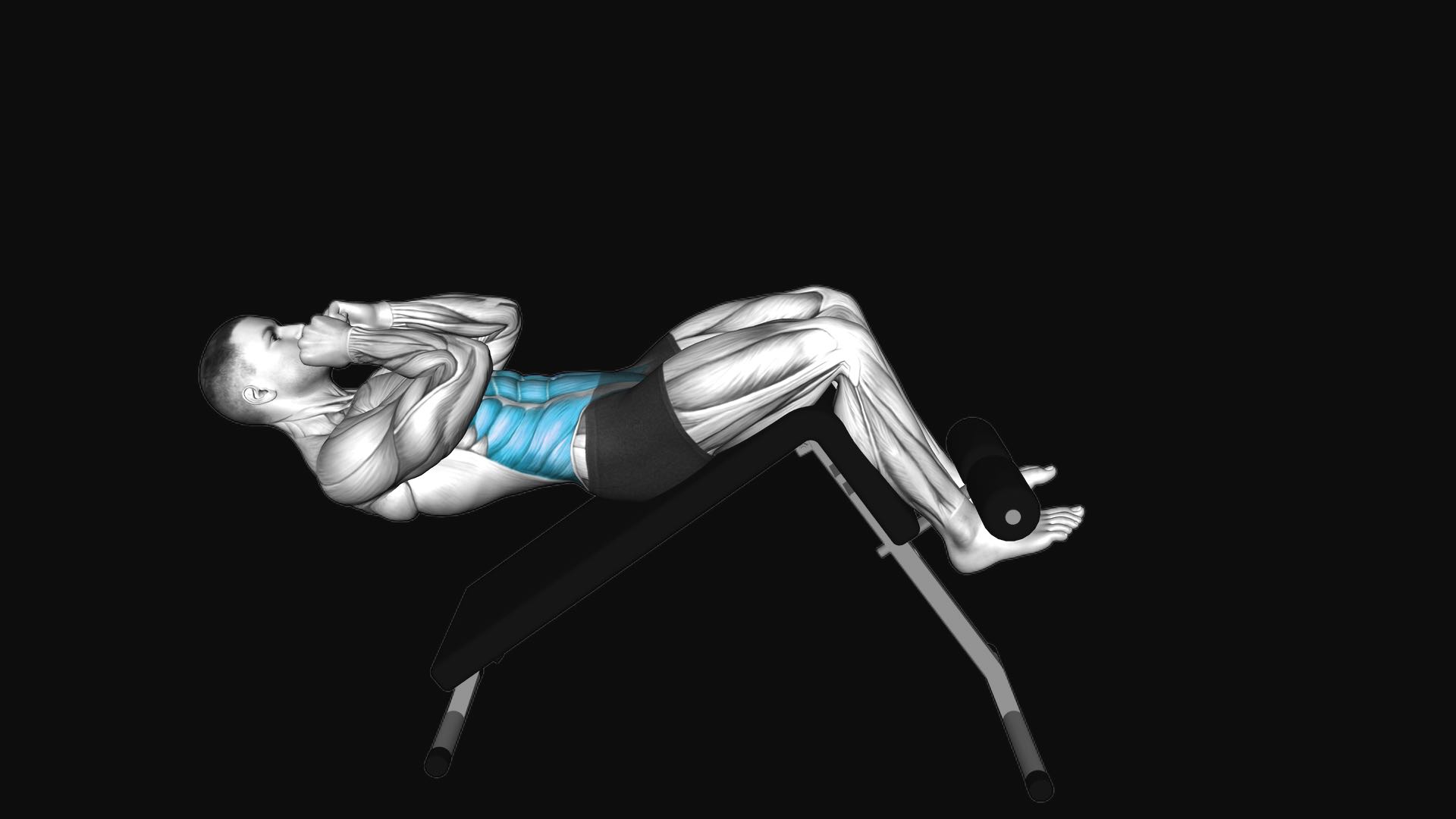
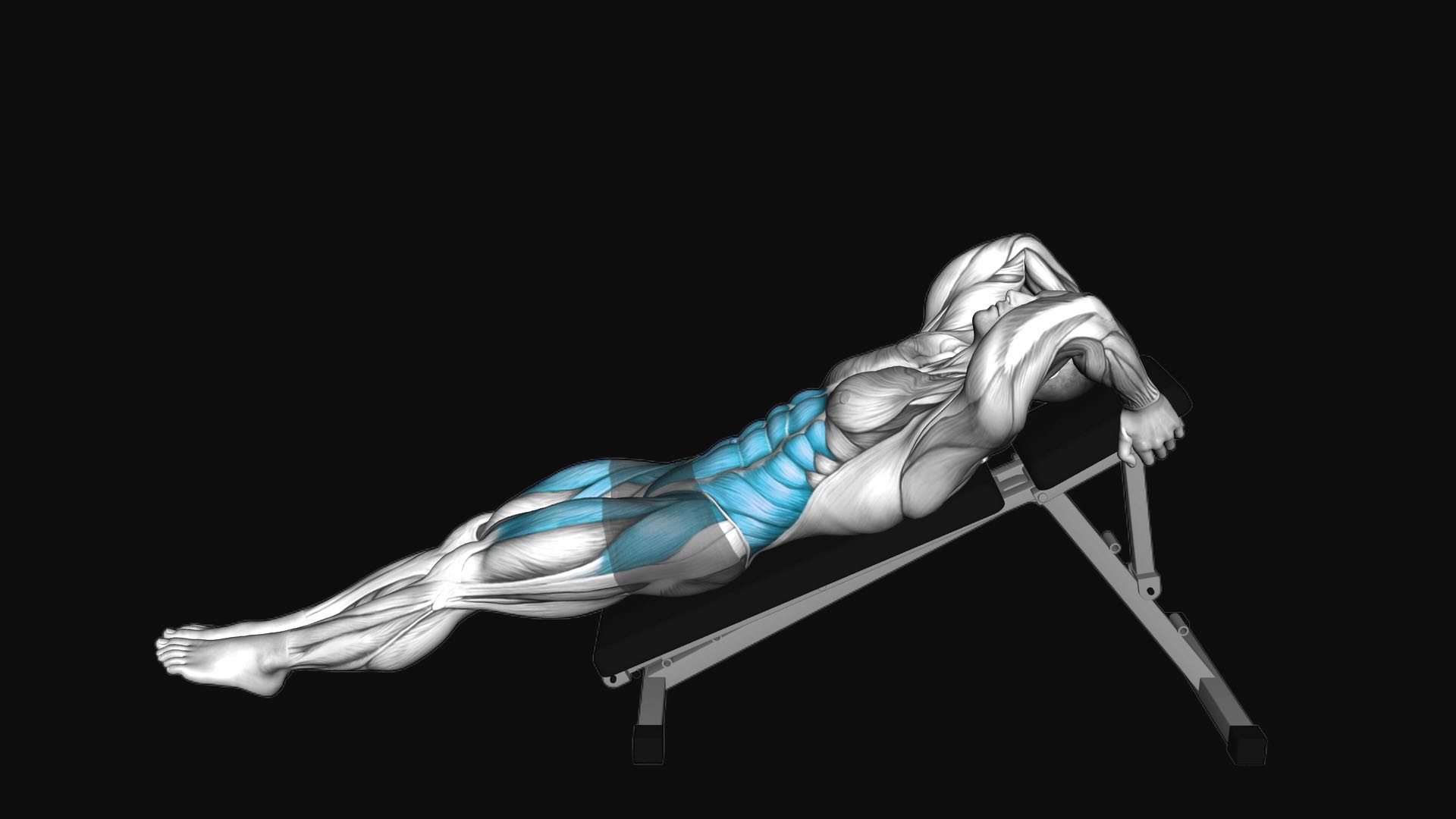
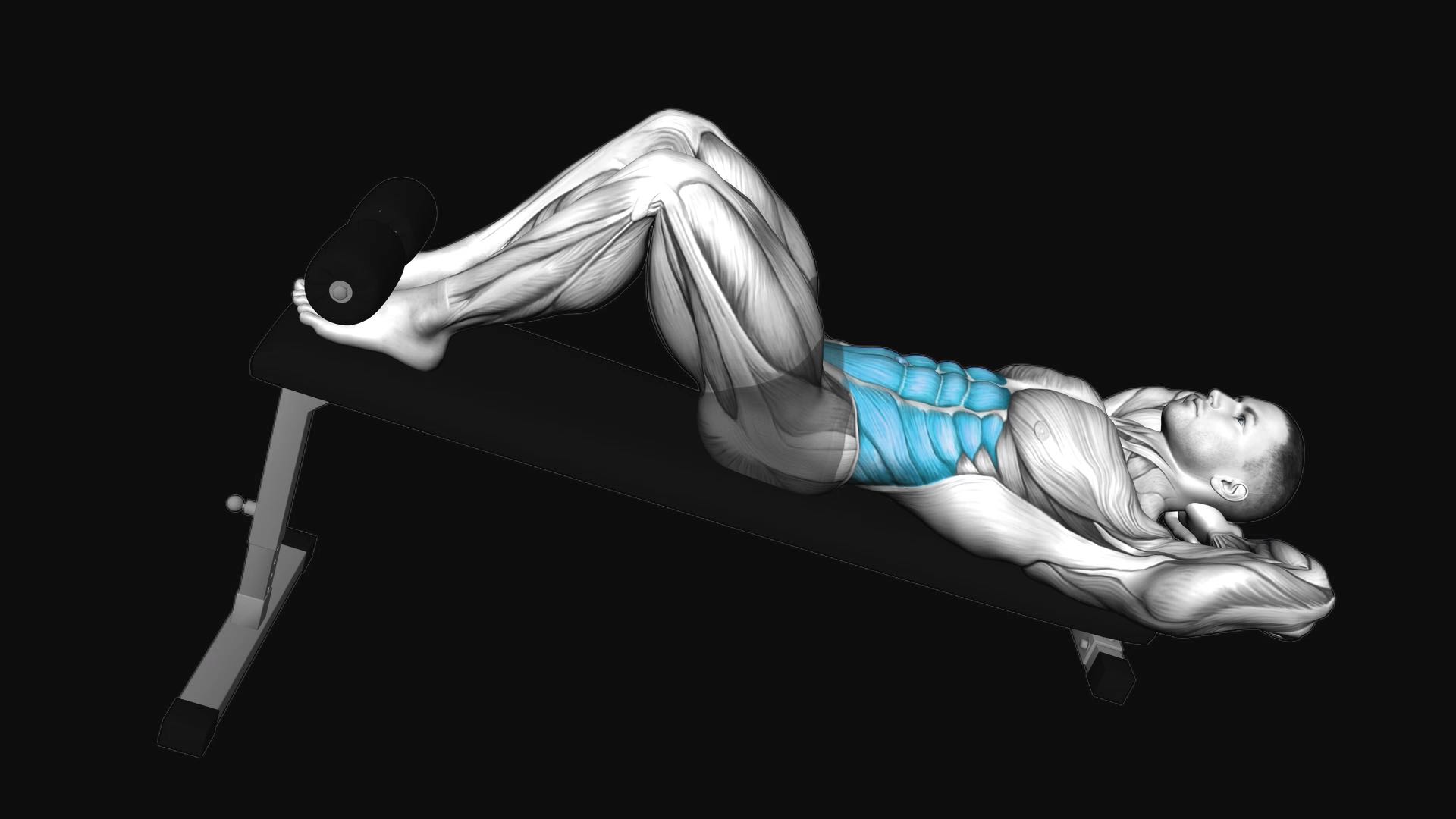
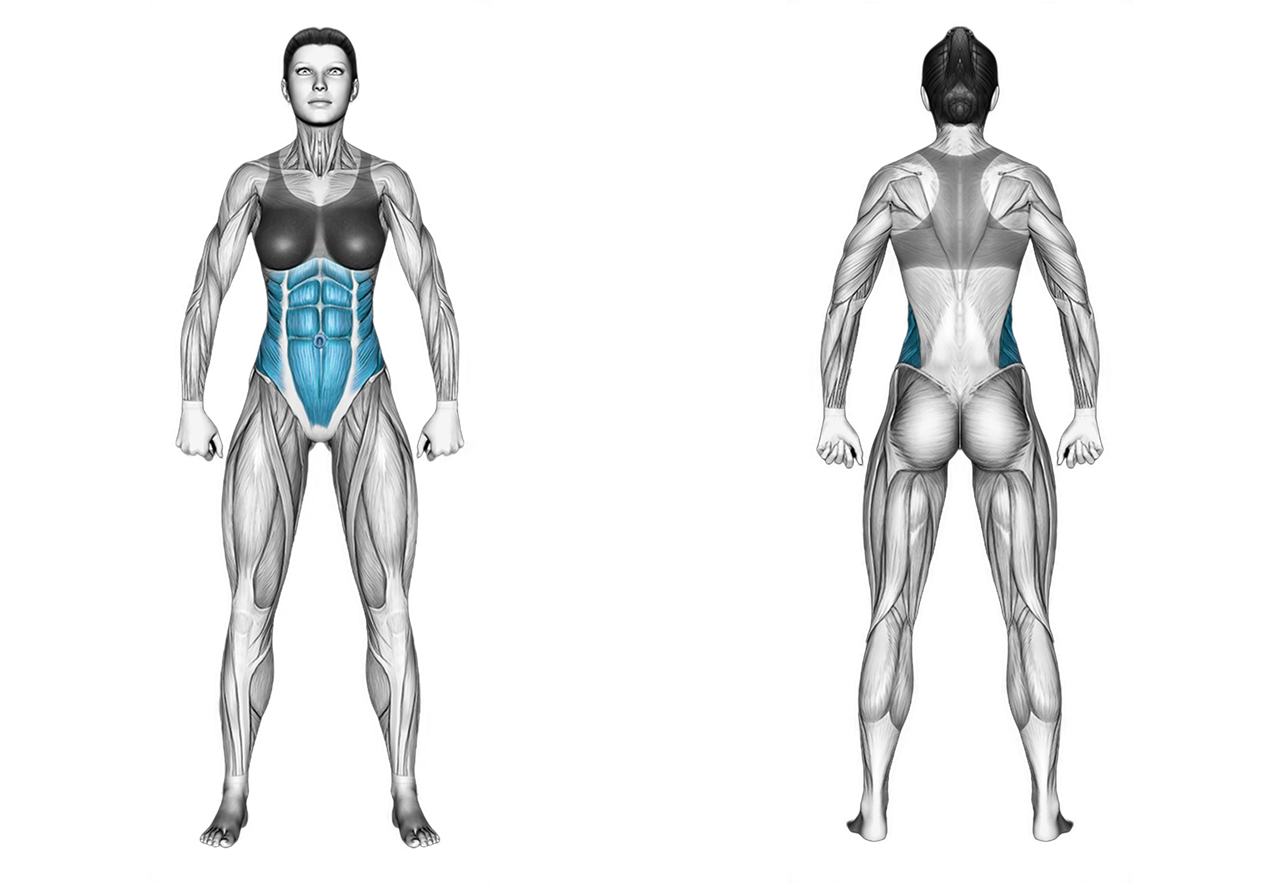
The decline bent-knee reverse crunch is an isolation core exercise designed to emphasize the lower portion of the rectus abdominis. It suits intermediate to advanced lifters and works best toward the end of an abdominal or full-body strength routine.
How to do it
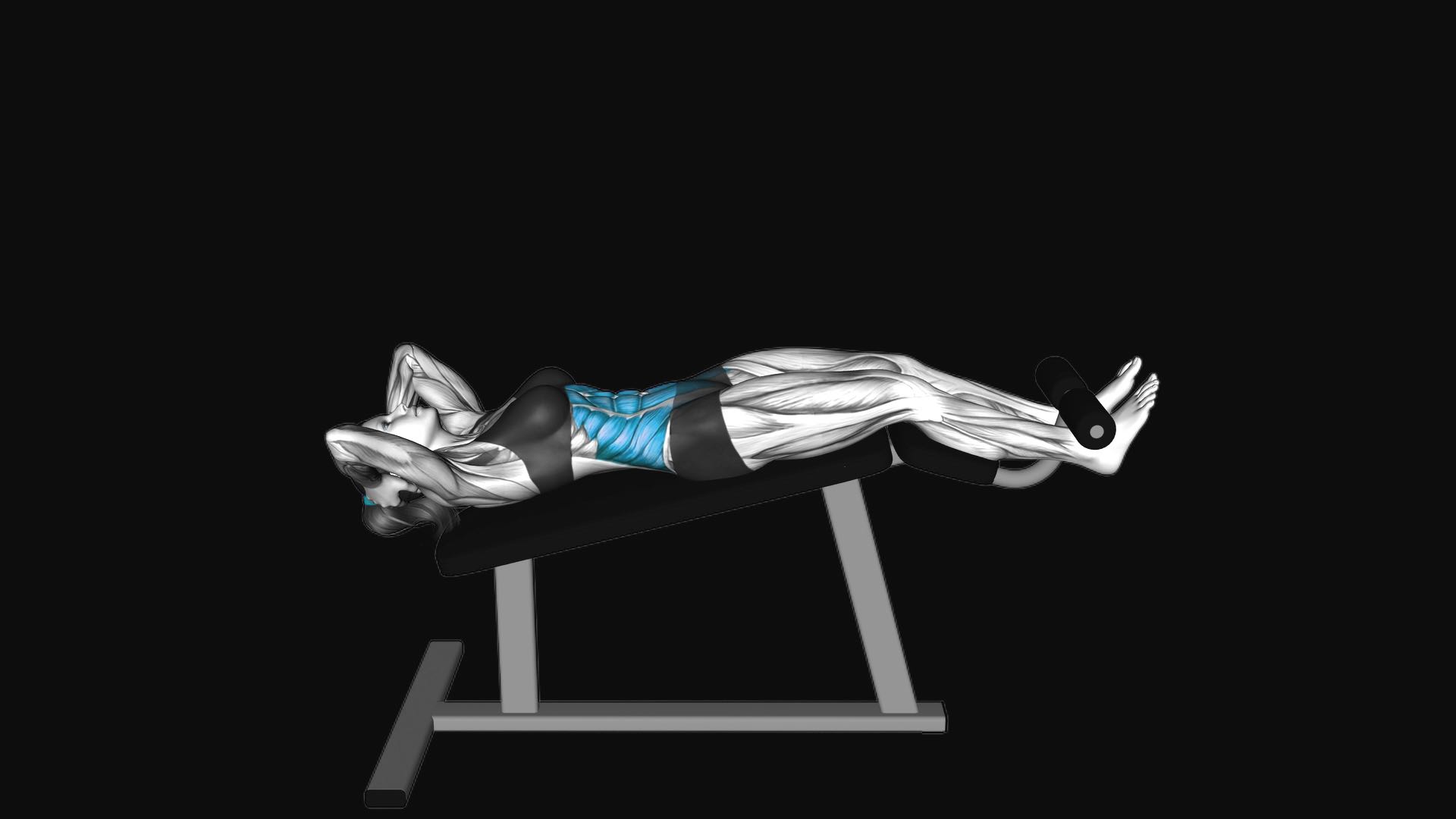
- Lie on a decline bench with your head at the lower end, gripping the bench behind your head.
- Bend your knees at 90 degrees and lift your thighs until they're perpendicular to the bench.
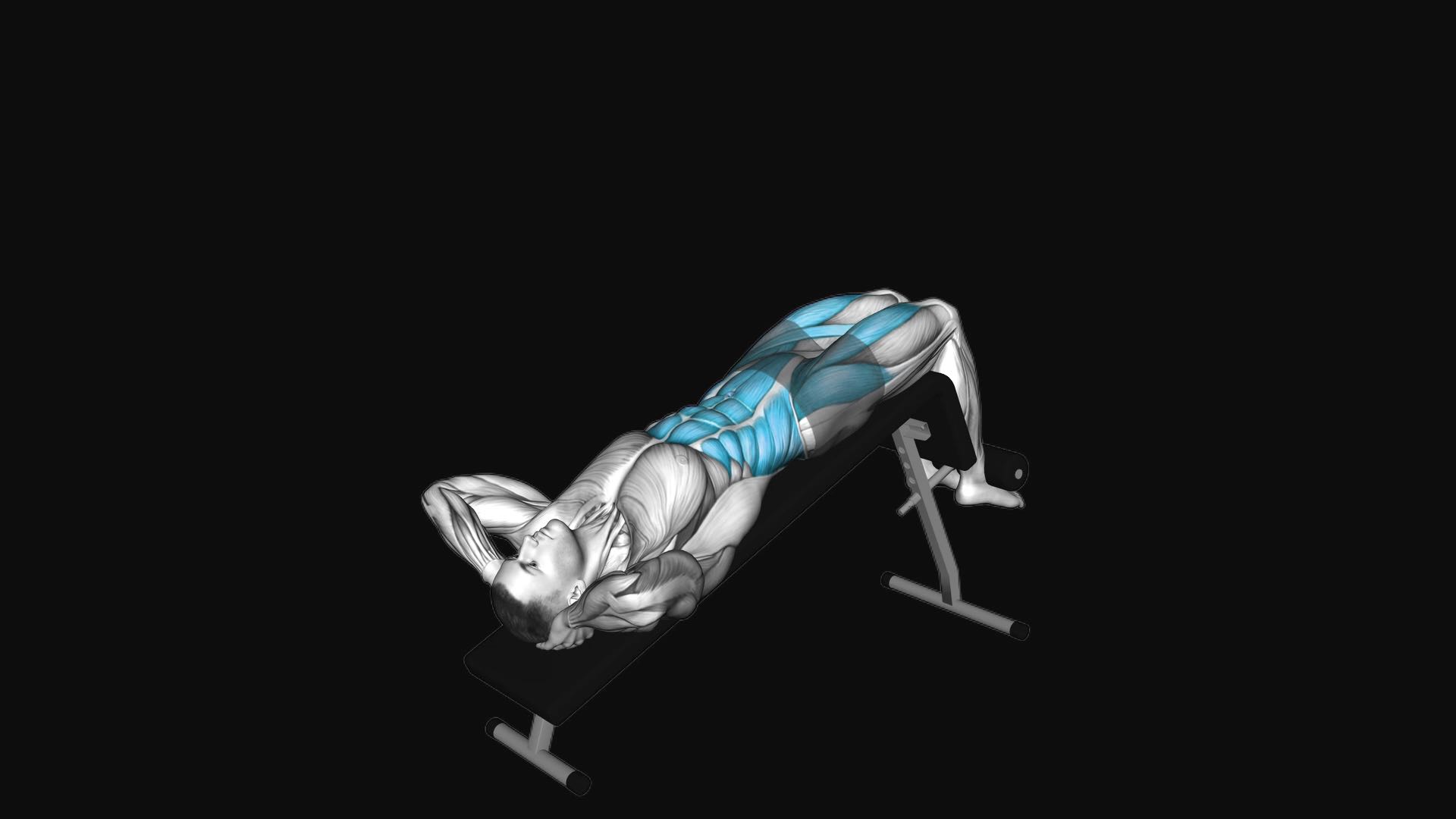
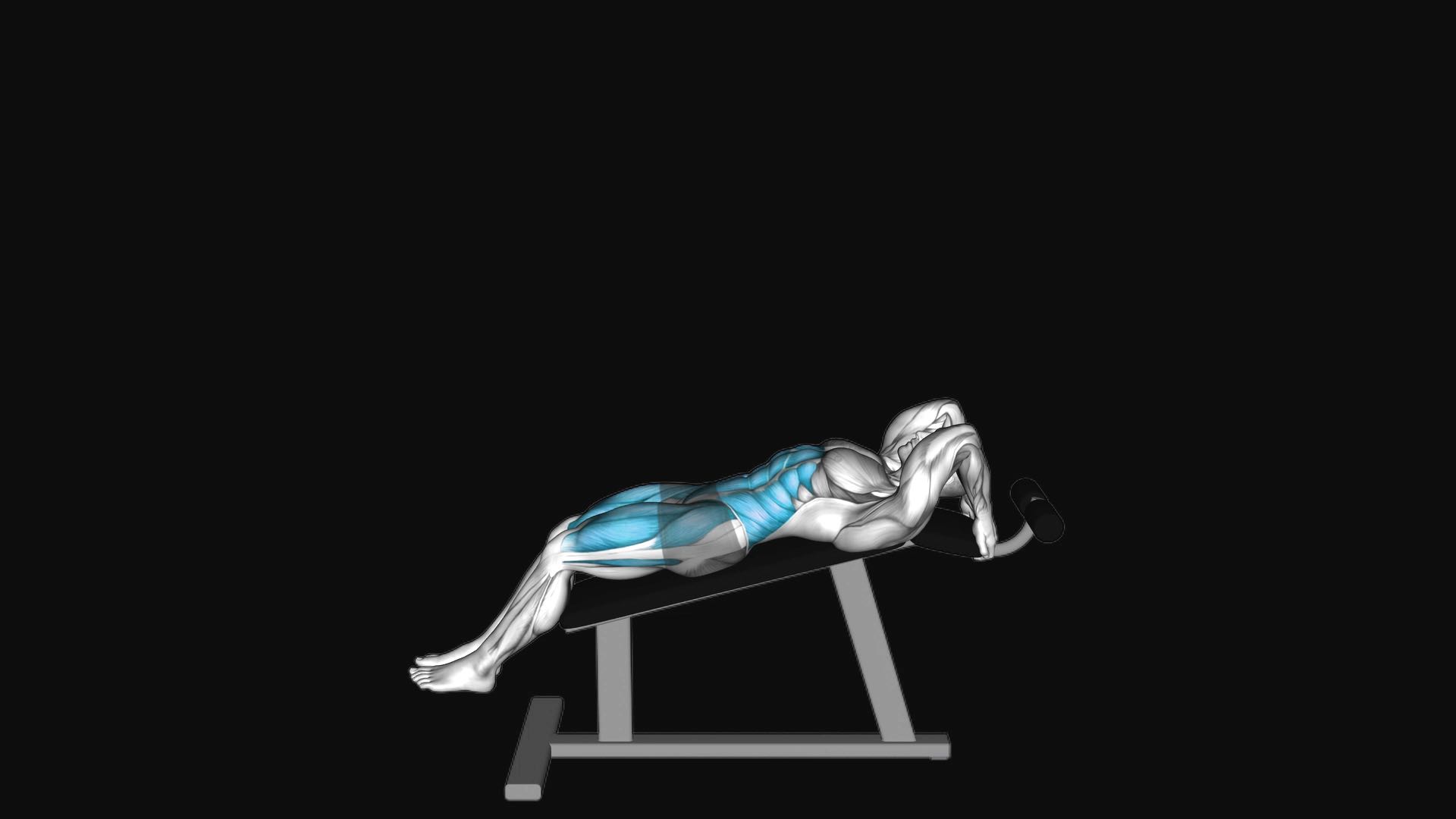
- Engage your core and pull your knees toward your chest, lifting your hips off the bench.
- Pause at the top, then slowly lower your hips back to the starting position.
- Keep your knees bent throughout the movement.
Common mistakes
- Using momentum to swing the legs instead of contracting the abdominals reduces core activation and overworks the hip flexors.
- Dropping the hips down too quickly robs the abdominal muscles of valuable time under tension during the eccentric phase.
- Straightening the knees during the movement increases the lever arm and can place unnecessary strain on the lumbar spine.
Tips
- Focus on rolling the pelvis toward your ribcage rather than simply pulling the knees toward your chest.
- Maintain a firm grip on the bench handles behind your head to stabilize your upper body throughout the movement.
- Exhale forcefully at the top of each repetition to maximize peak abdominal contraction as the hips lift off the pad.
Sets and reps
Perform 3 to 4 sets of 10 to 15 controlled repetitions with 45 to 60 seconds of rest between sets to develop core strength and hypertrophy.
Muscles worked
Your coach guides every set
Turn on the coach in Gloox: it asks how you feel, picks the weight from your history and cues technique and rest. Rate each set and the next one is tuned to you.

On a computer? Point your phone's camera here to get the app.
Questions
Is this exercise safe for the lower back?
Keeping the knees bent significantly reduces shear stress on the lumbar spine compared to straight-leg variations, but you should stop immediately and see a specialist if lower back pain develops.
How does the angle of the decline bench affect difficulty?
A steeper decline angle increases resistance against gravity, making the hip elevation noticeably harder to execute with strict form.