Abs · Machines
Incline Twisting Sit-up
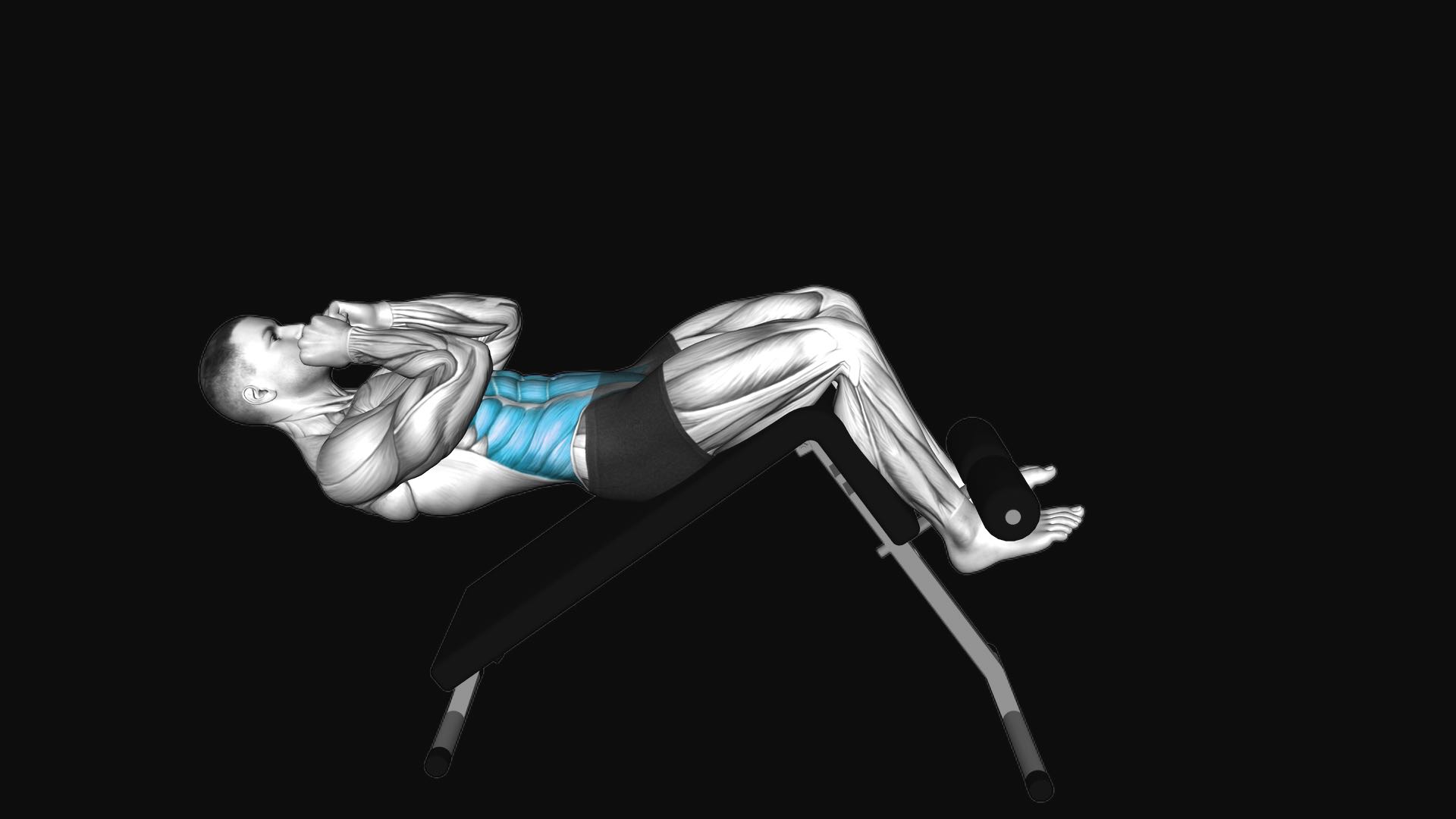
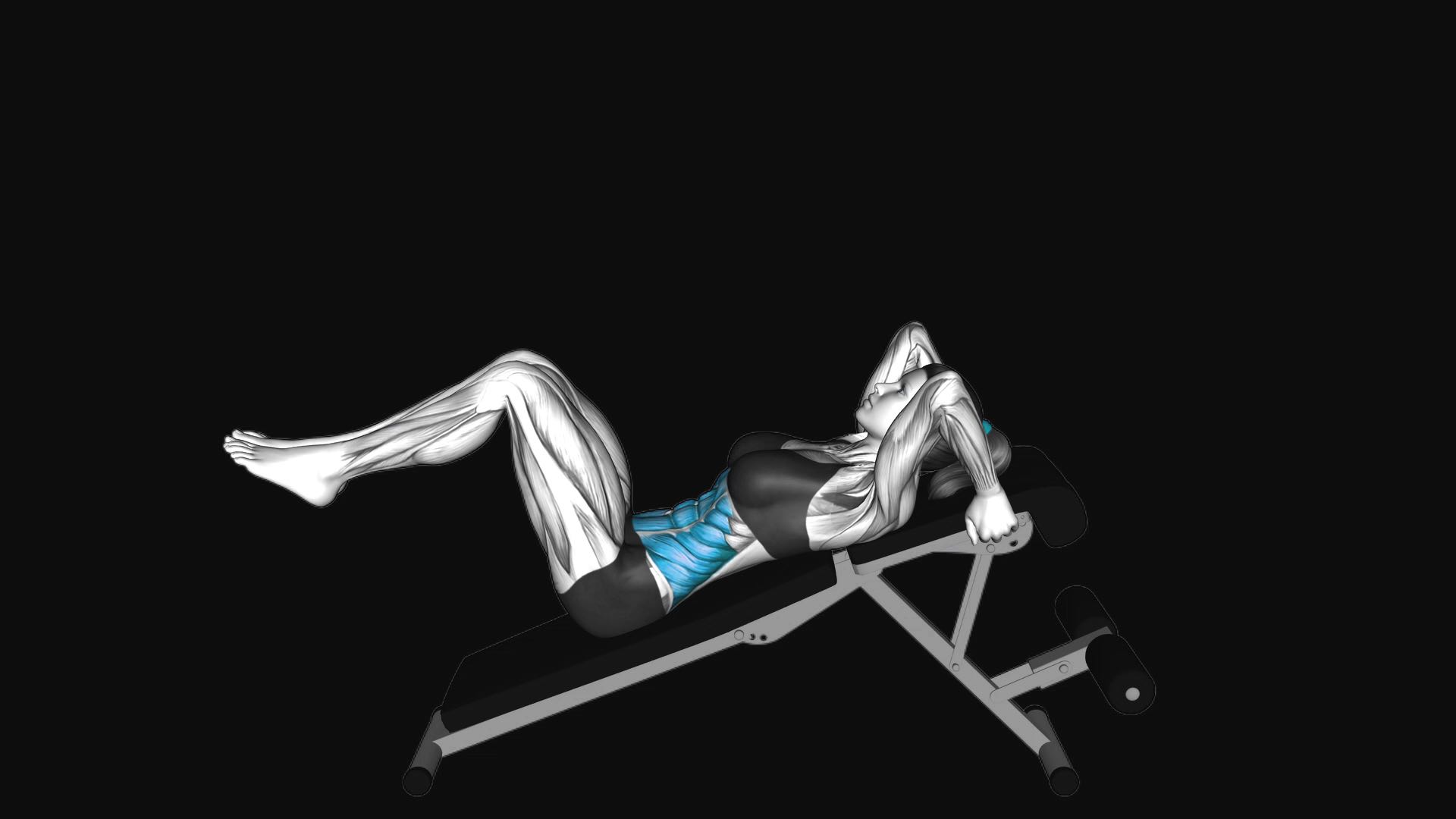
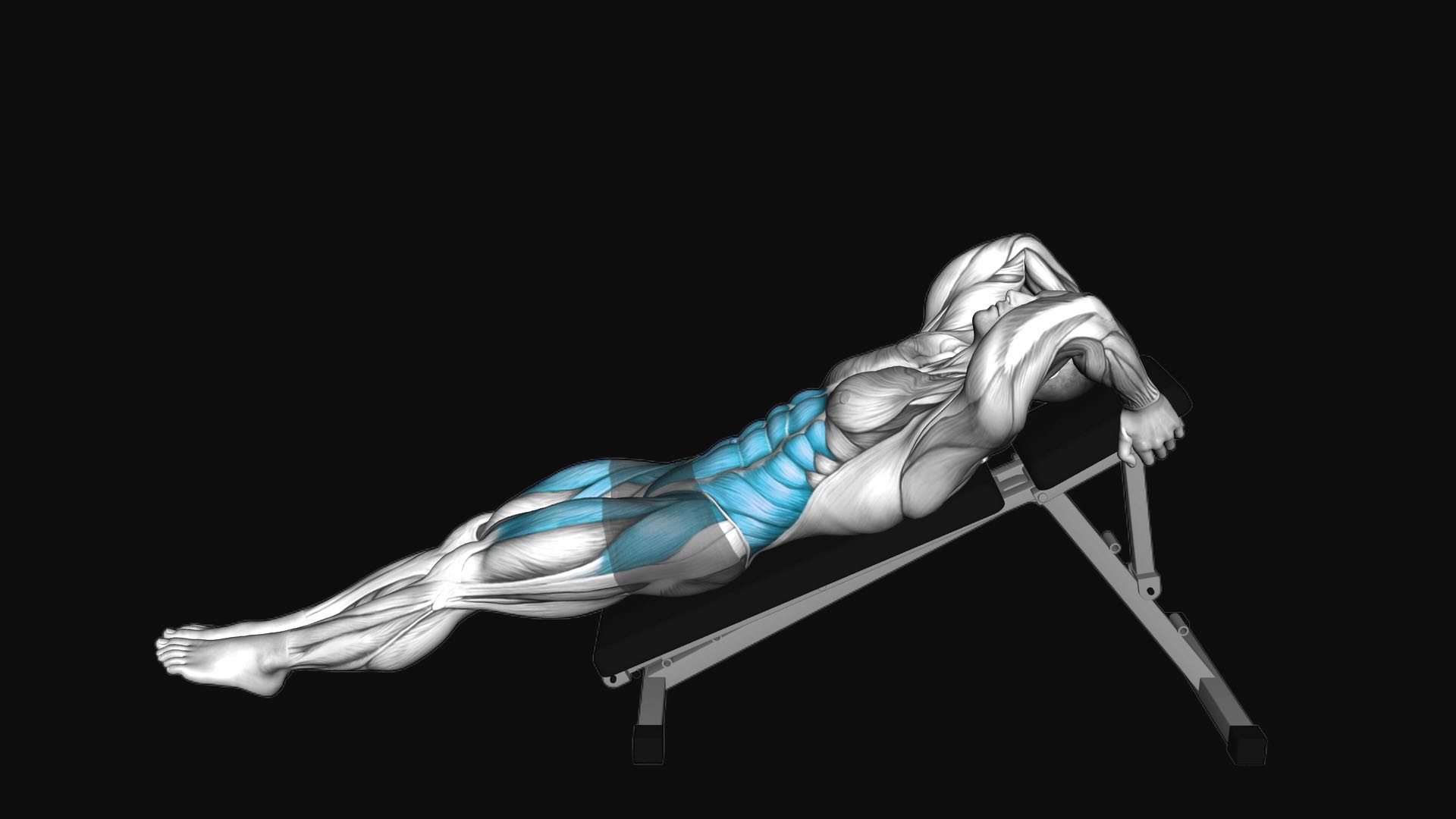
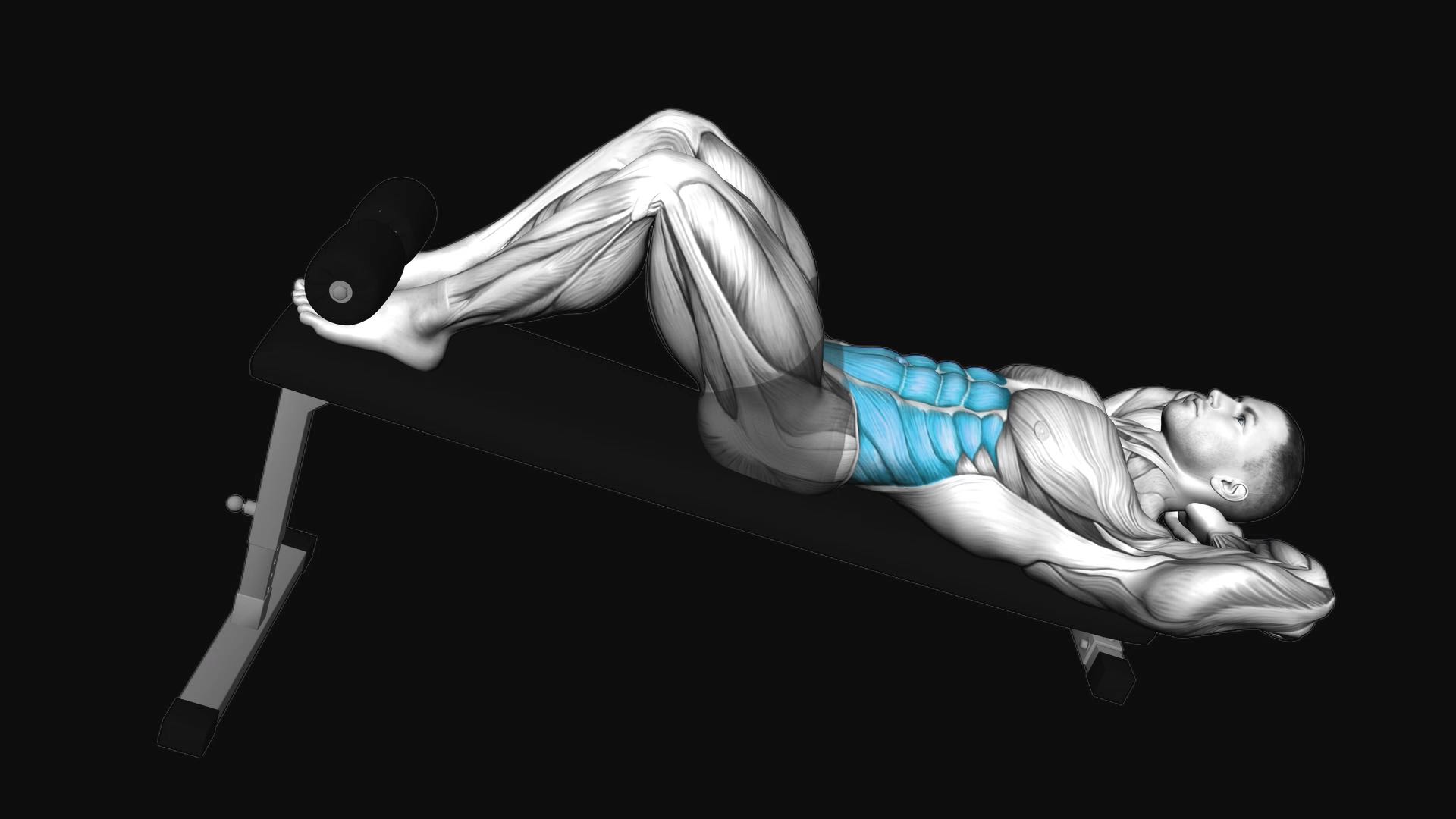
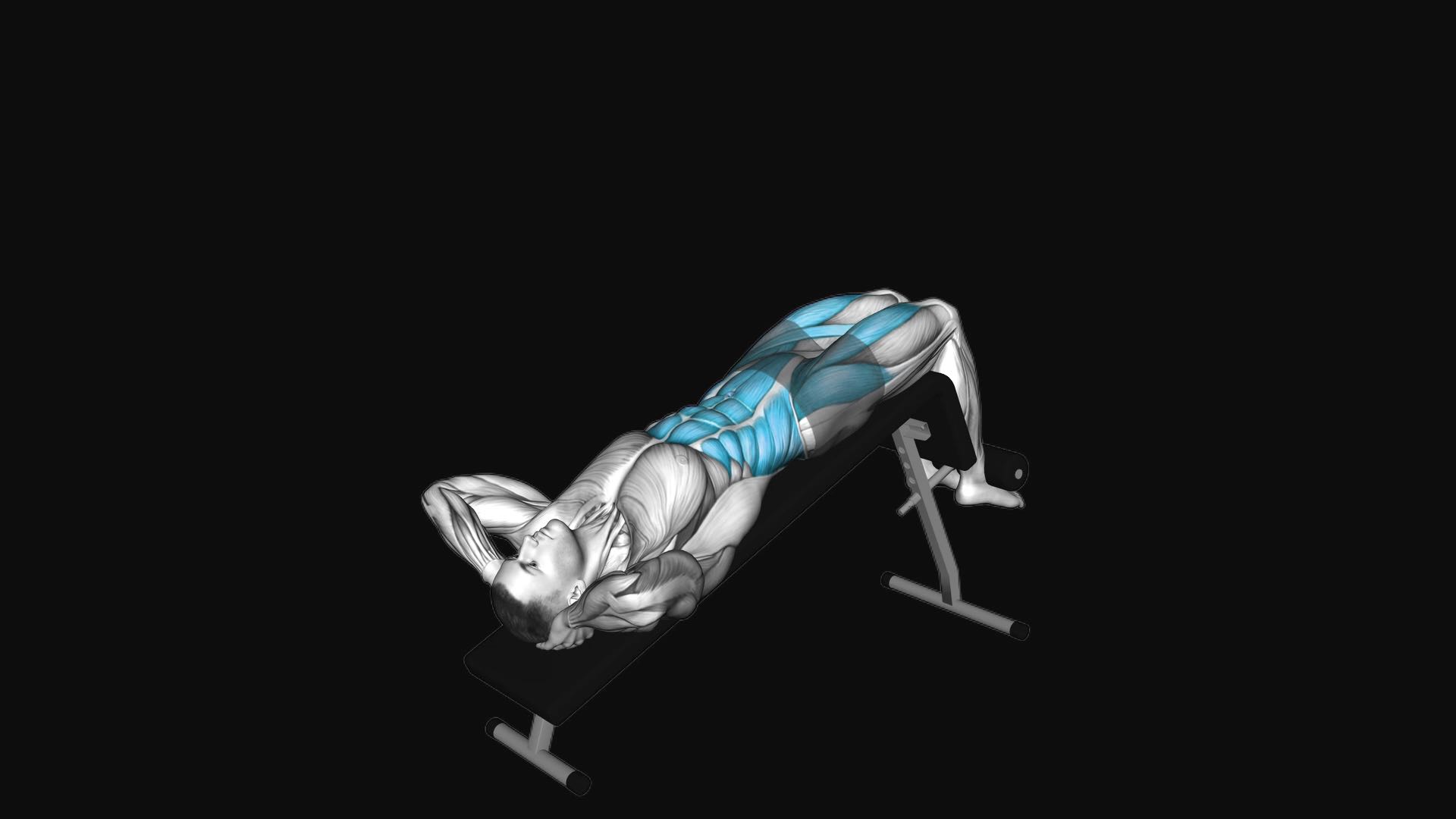
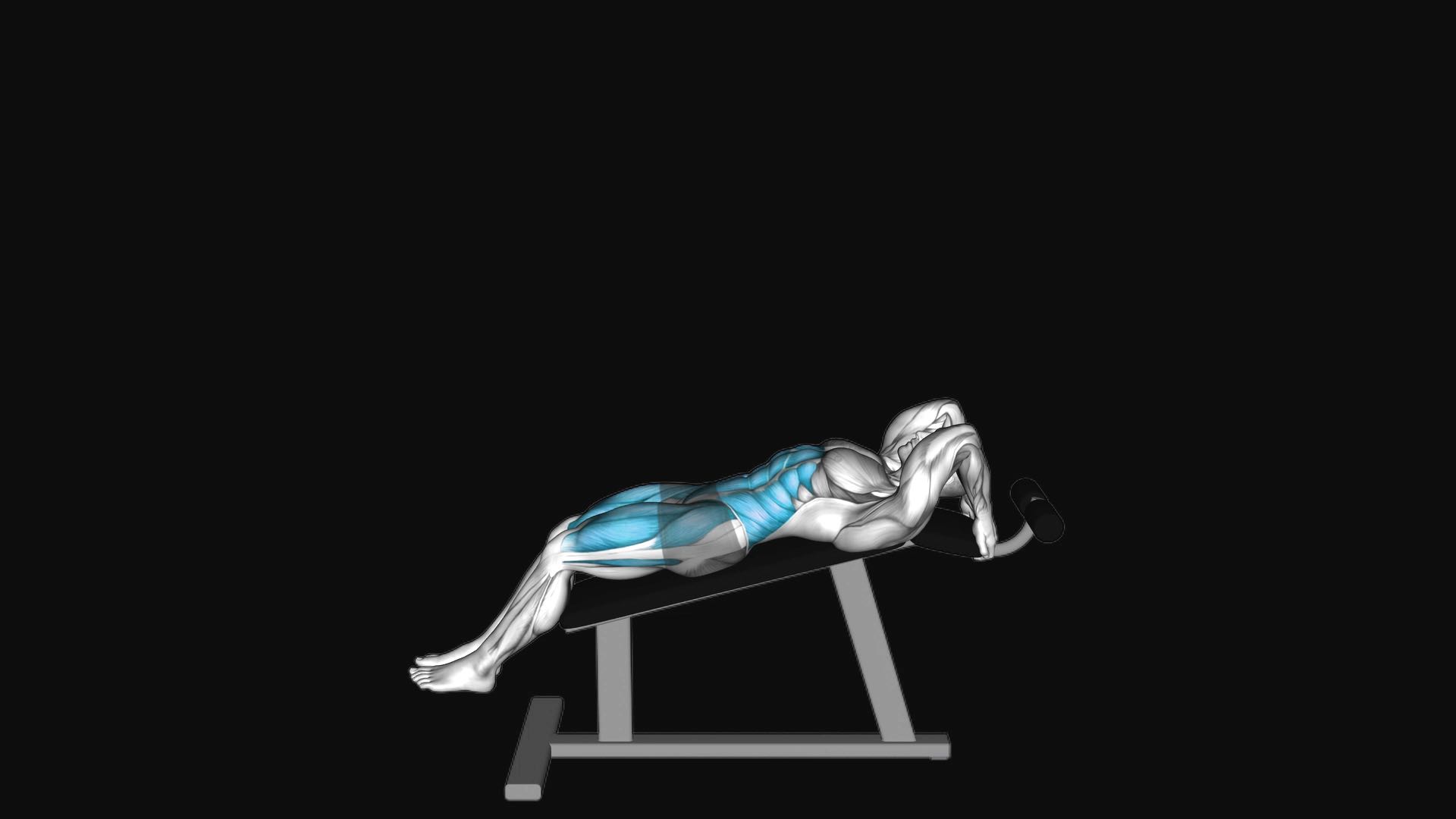
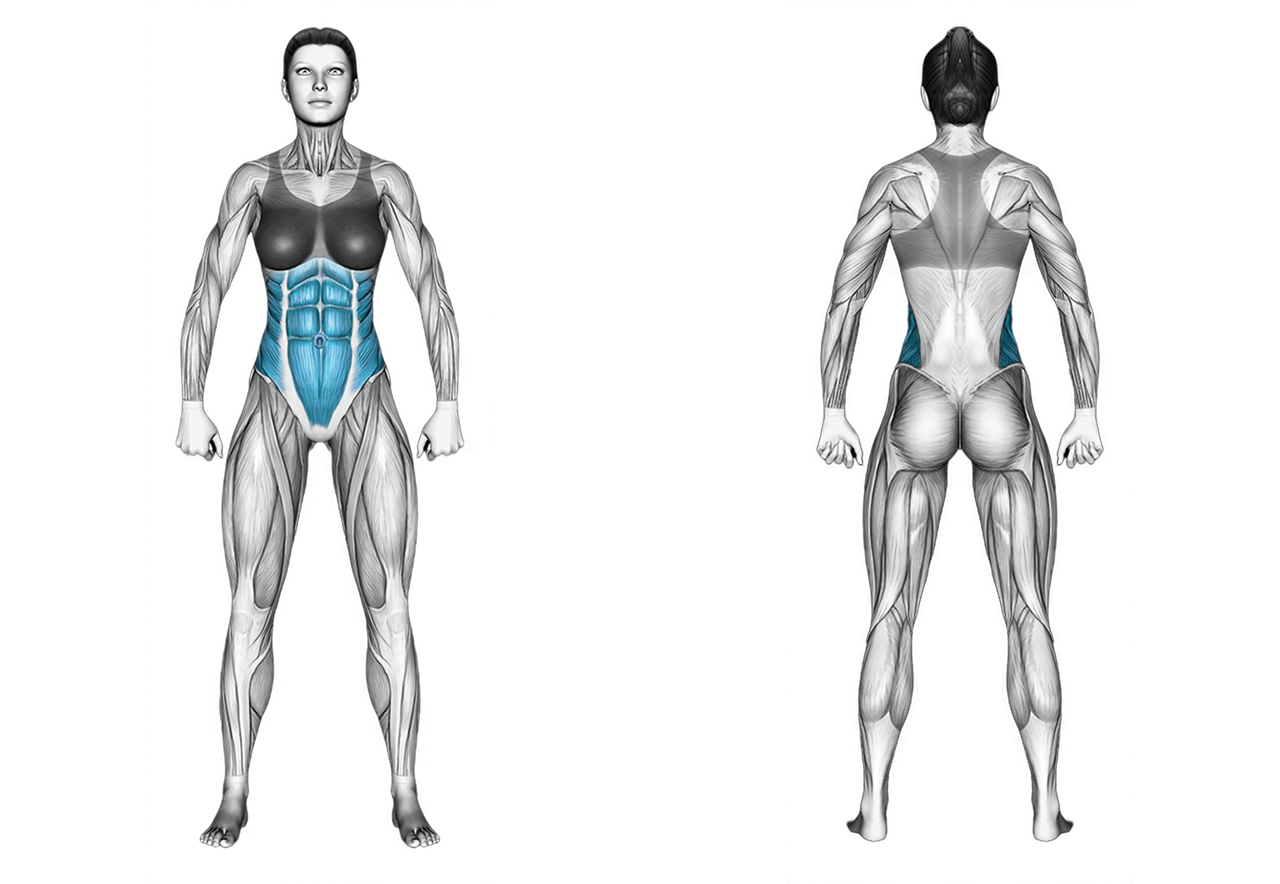
The incline twisting sit-up is a core exercise that challenges the rectus abdominis along with the internal and external obliques against gravity. It is best suited for intermediate and advanced lifters and fits effectively toward the middle or end of a core or full-body workout.
How to do it
- Lie on an incline bench with your head at the higher end, feet secured at the bottom.
- Place your hands behind your head or cross them over your chest.
- Engage your core and sit up while simultaneously twisting your torso to one side.
- Return to the starting position, then repeat twisting to the other side.
- Alternate sides with each repetition.
Common mistakes
- Using momentum to swing the body up reduces abdominal tension and puts unnecessary stress on the spine.
- Pulling on the back of the head with the hands forces the neck into excessive flexion.
- Rotating strictly from the lower back instead of pivoting through the ribcage increases the risk of lumbar strain.
- Setting the bench angle too steep prematurely shifts the workload from the abdominals onto the hip flexors.
Tips
- Initiate the rotation through the thoracic spine by aiming your shoulder toward the opposite knee rather than simply turning the elbows.
- Control the eccentric phase by slowly unrolling your spine onto the bench rather than dropping your back down.
- Exhale forcefully on the way up through the twist to achieve a maximal abdominal contraction.
Sets and reps
Perform 3 to 4 sets of 10 to 15 controlled repetitions per side, resting 45 to 60 seconds between sets.
Muscles worked
Your coach guides every set
Turn on the coach in Gloox: it asks how you feel, picks the weight from your history and cues technique and rest. Rate each set and the next one is tuned to you.

On a computer? Point your phone's camera here to get the app.
Questions
Is the incline twisting sit-up safe if you have lower back issues?
Combining spinal flexion with rotation creates significant shear forces on lumbar discs, so those with back pain should avoid it and consult a specialist if symptoms occur.
How does the incline bench differ from doing this exercise on the floor?
The incline forces the core to work against gravity through a greater range of motion, providing higher resistance throughout the entire repetition.