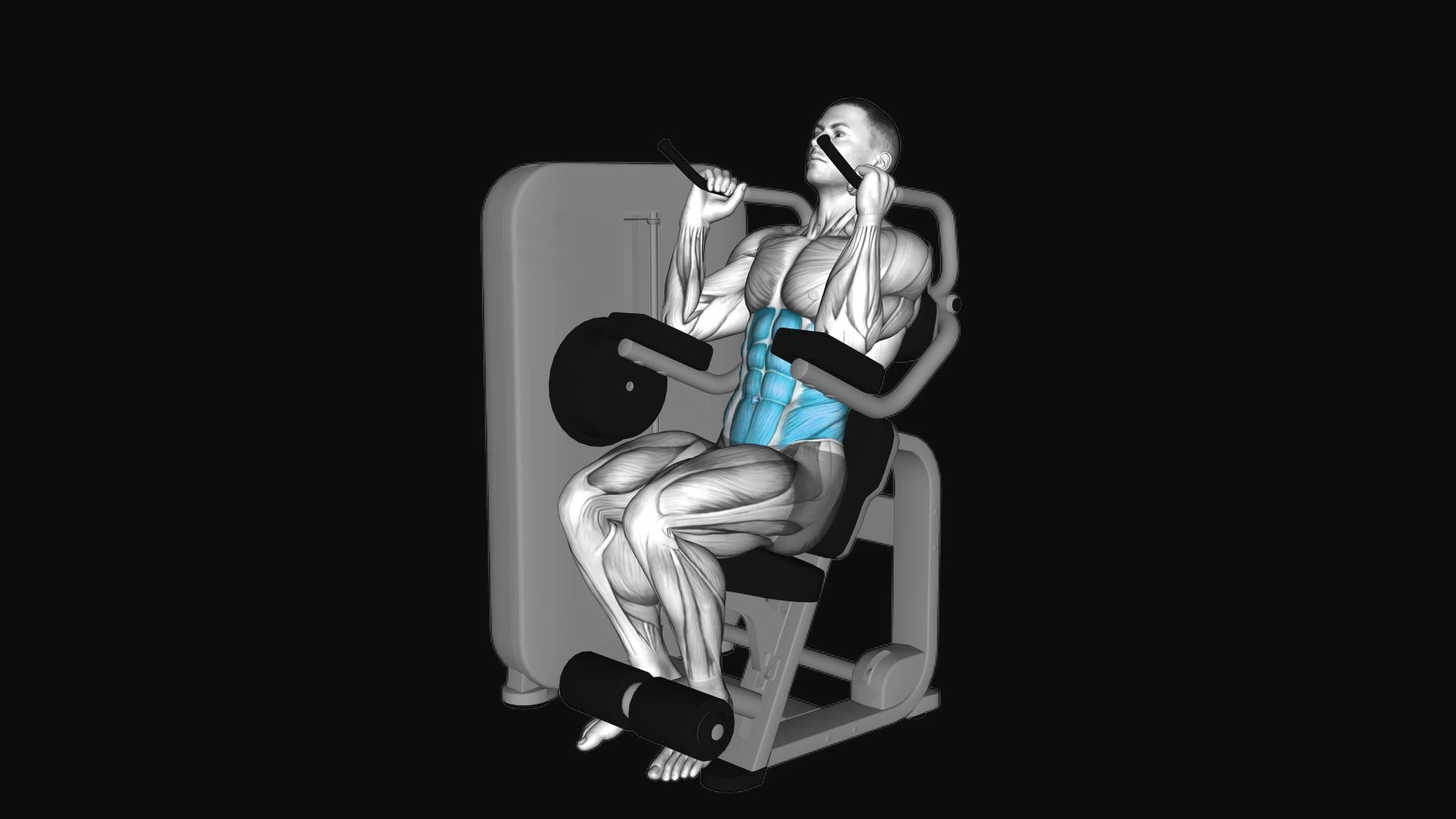
Abs · Machines
Decline Crunch
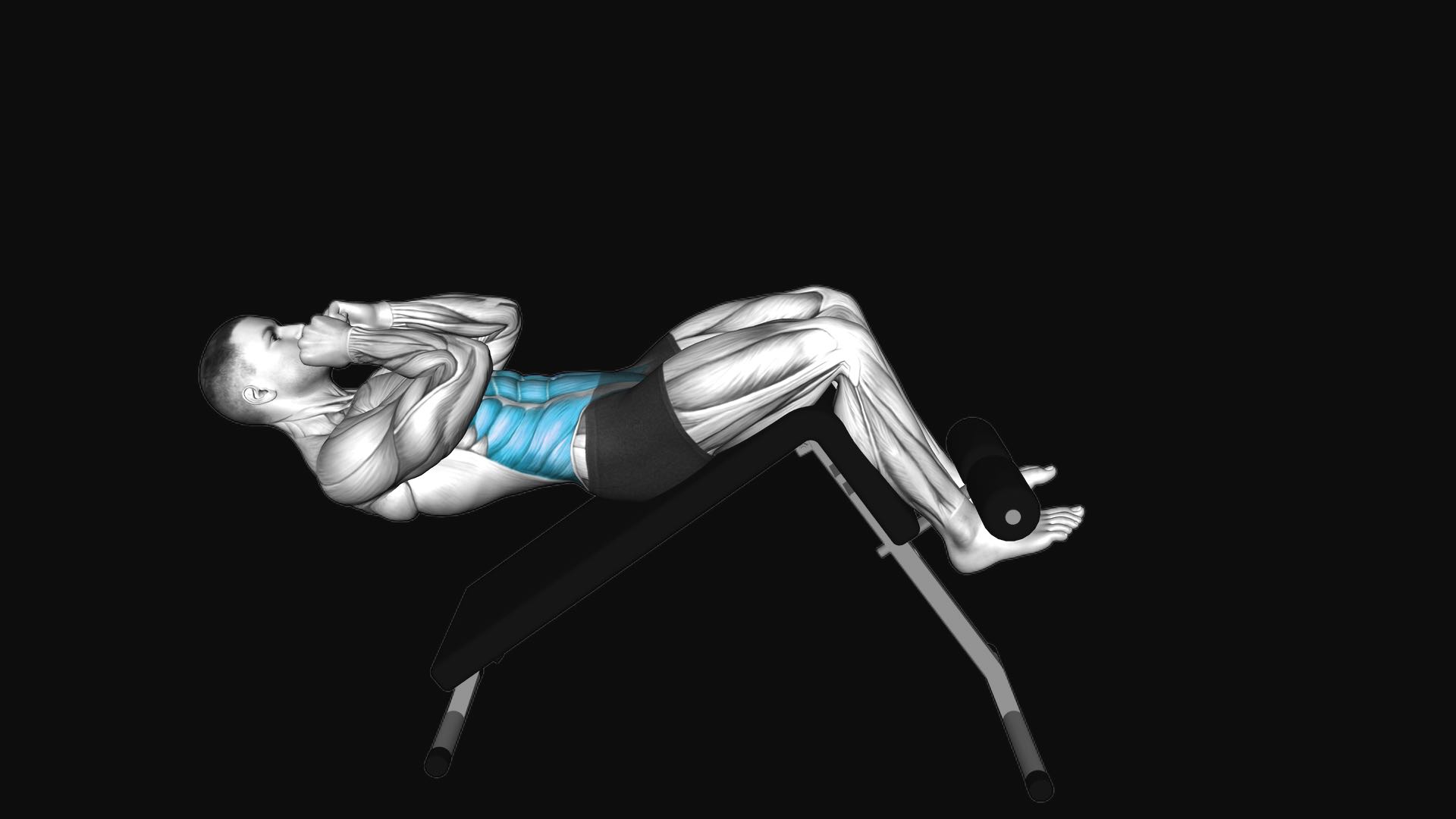
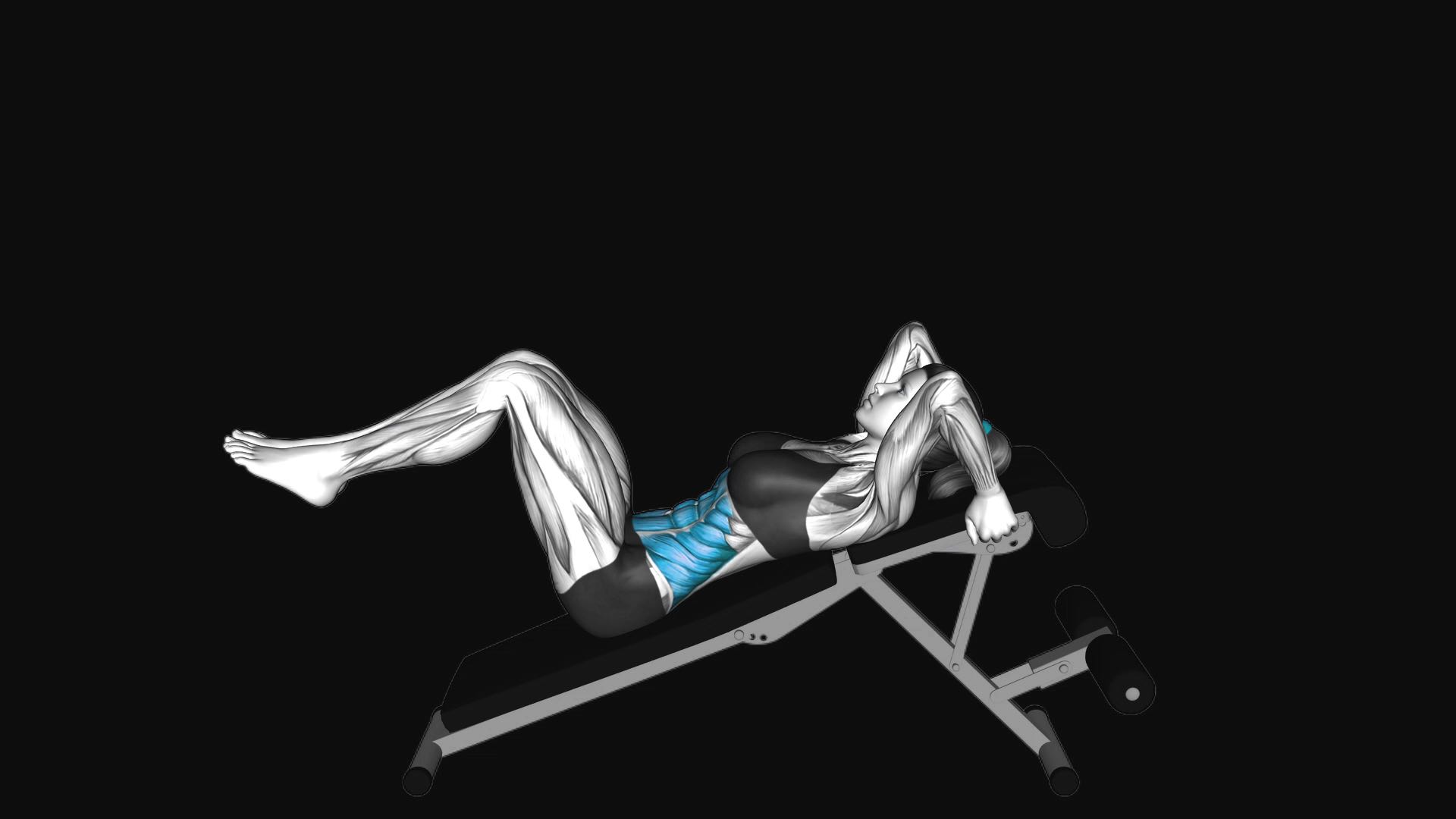
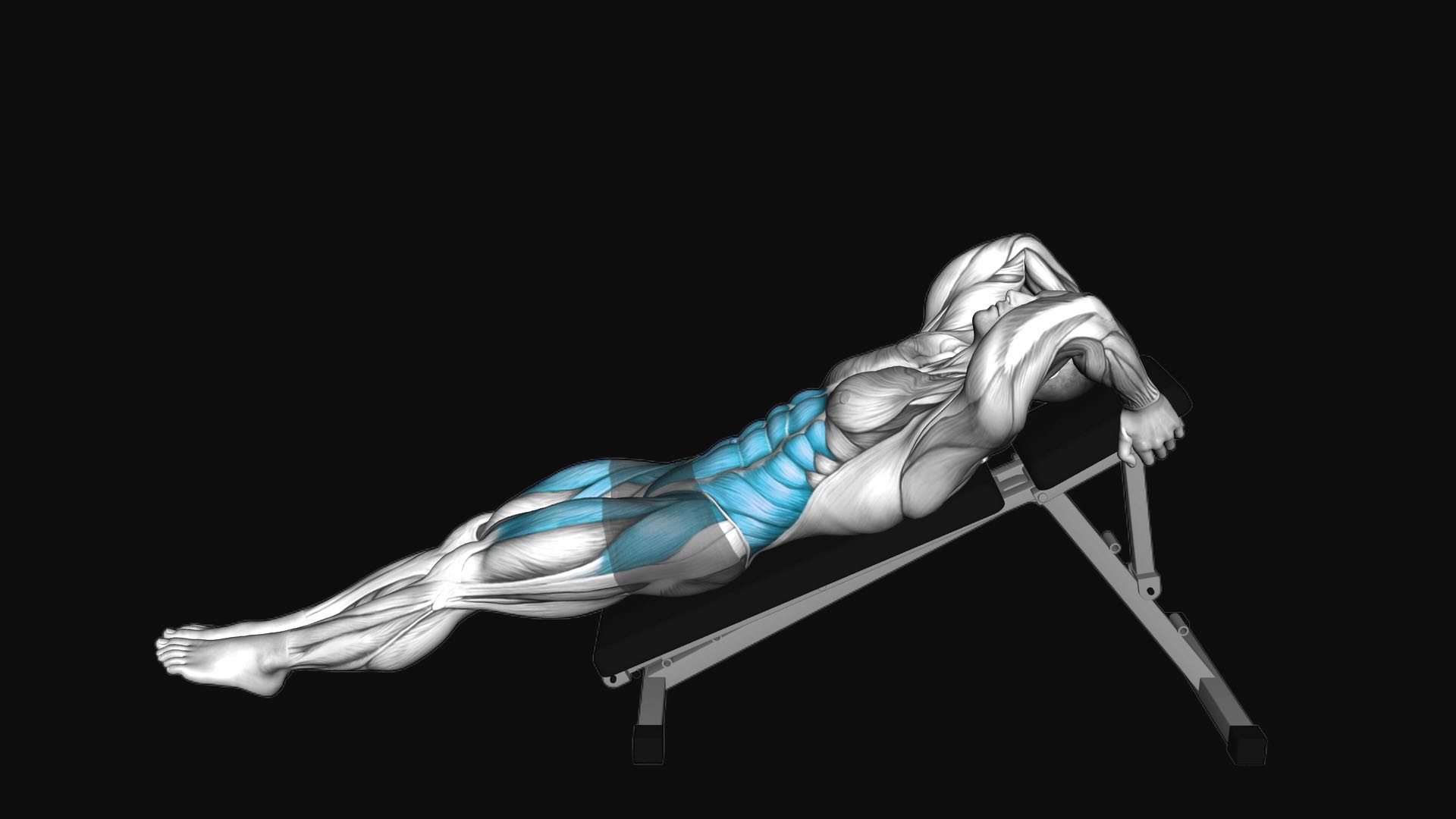
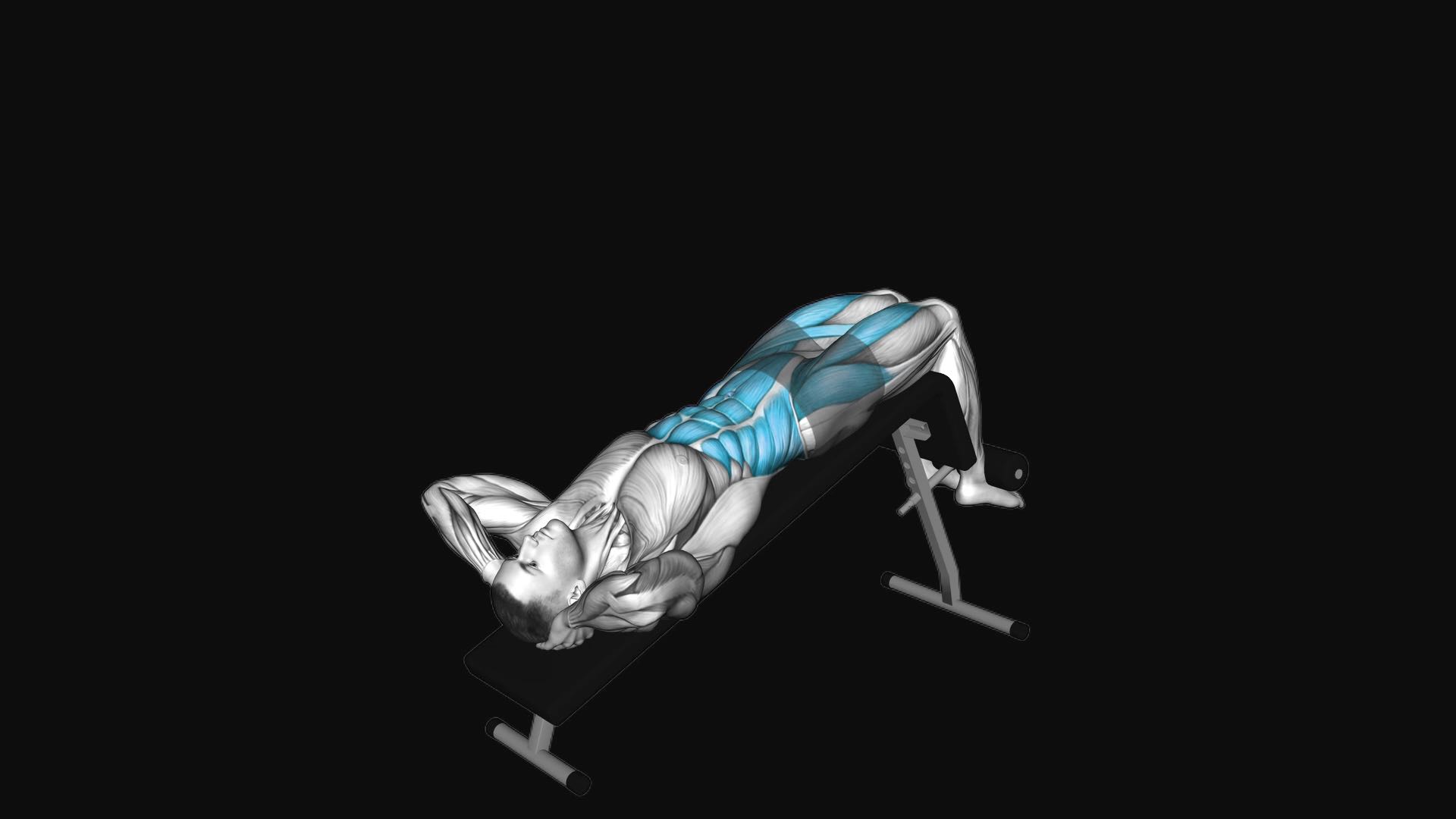
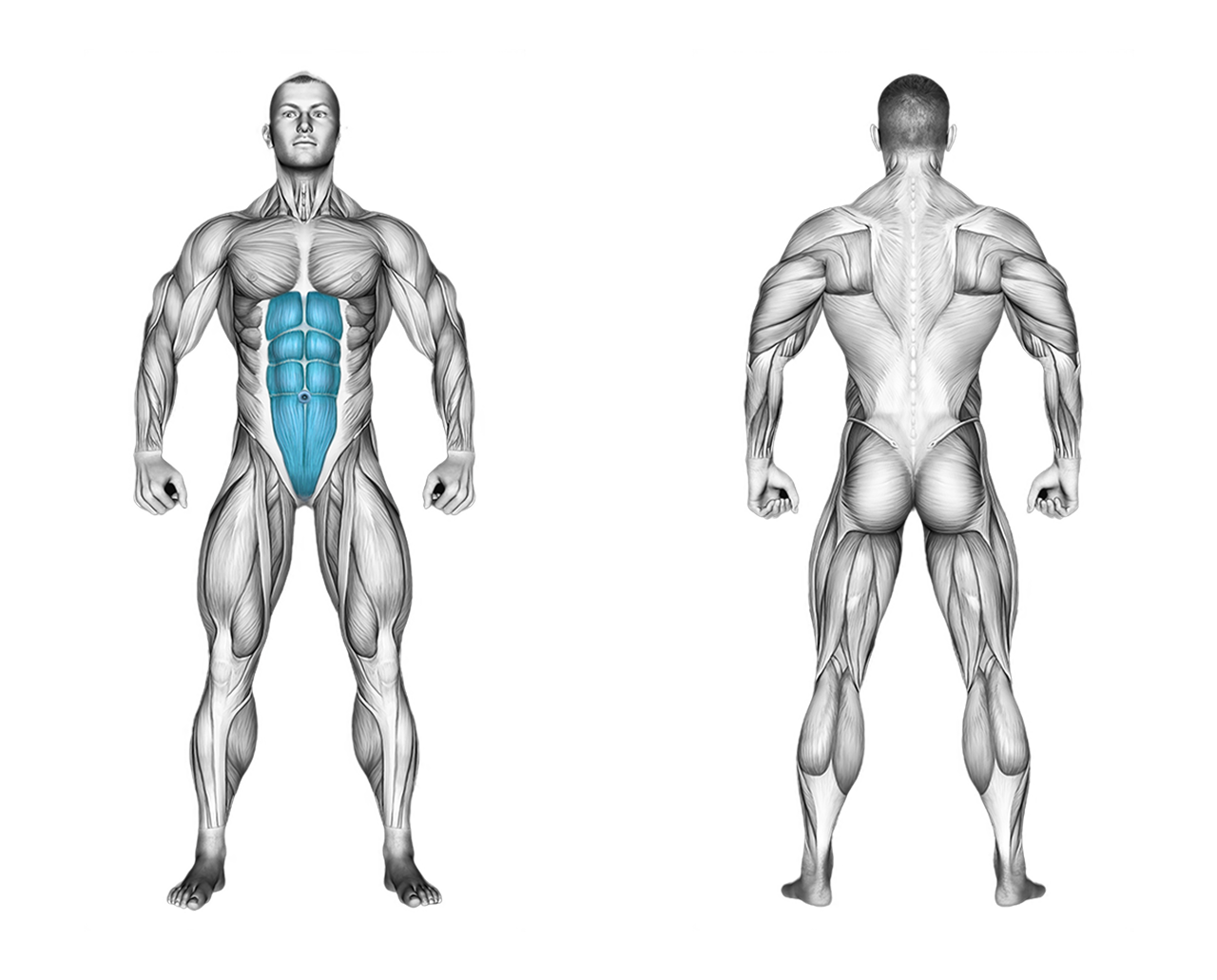
The decline crunch is a progressive core exercise that increases abdominal recruitment by working against gravity through an extended range of motion. It primarily targets the rectus abdominis and works best toward the end of a workout or within a dedicated core session.
How to do it
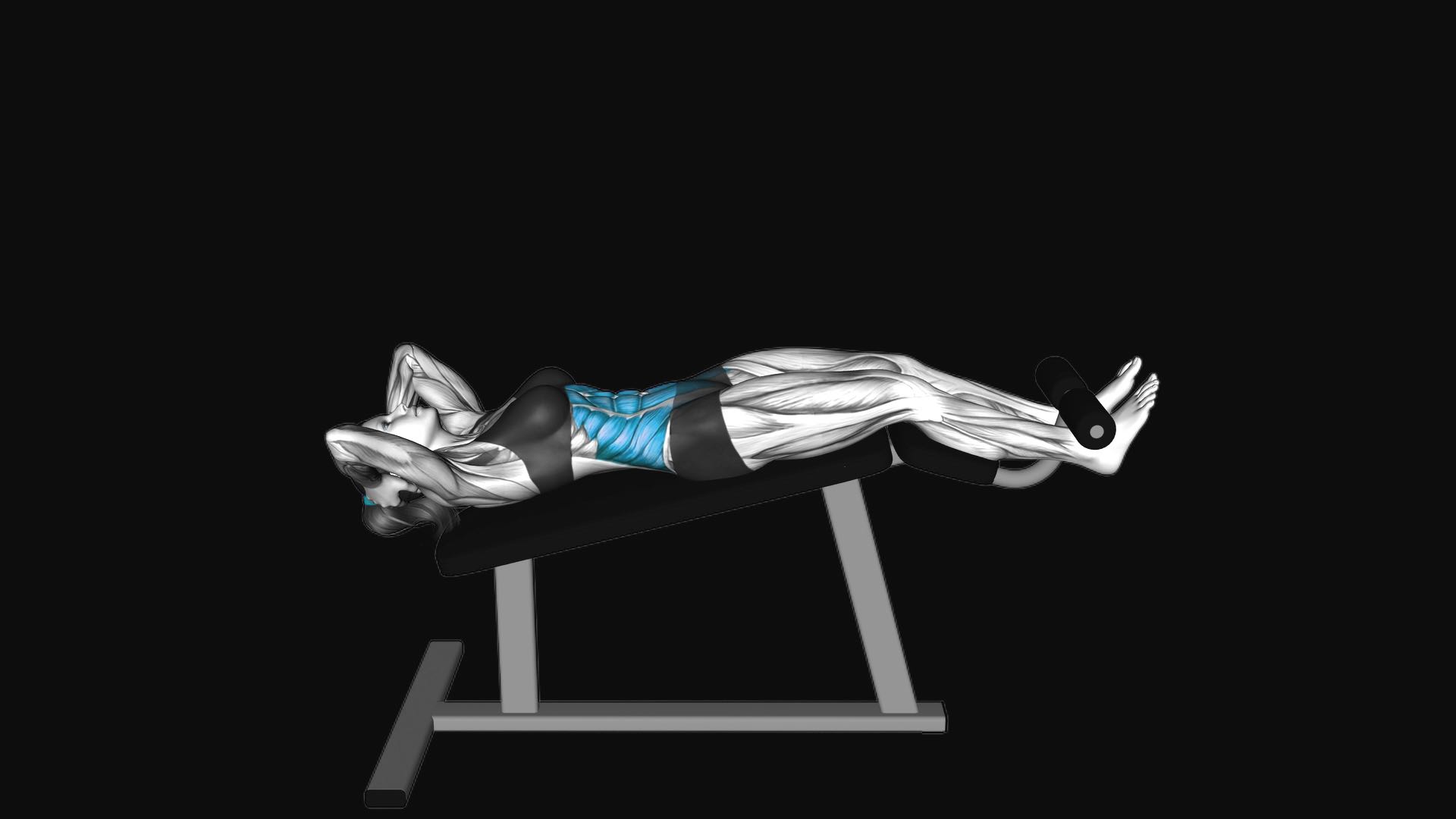
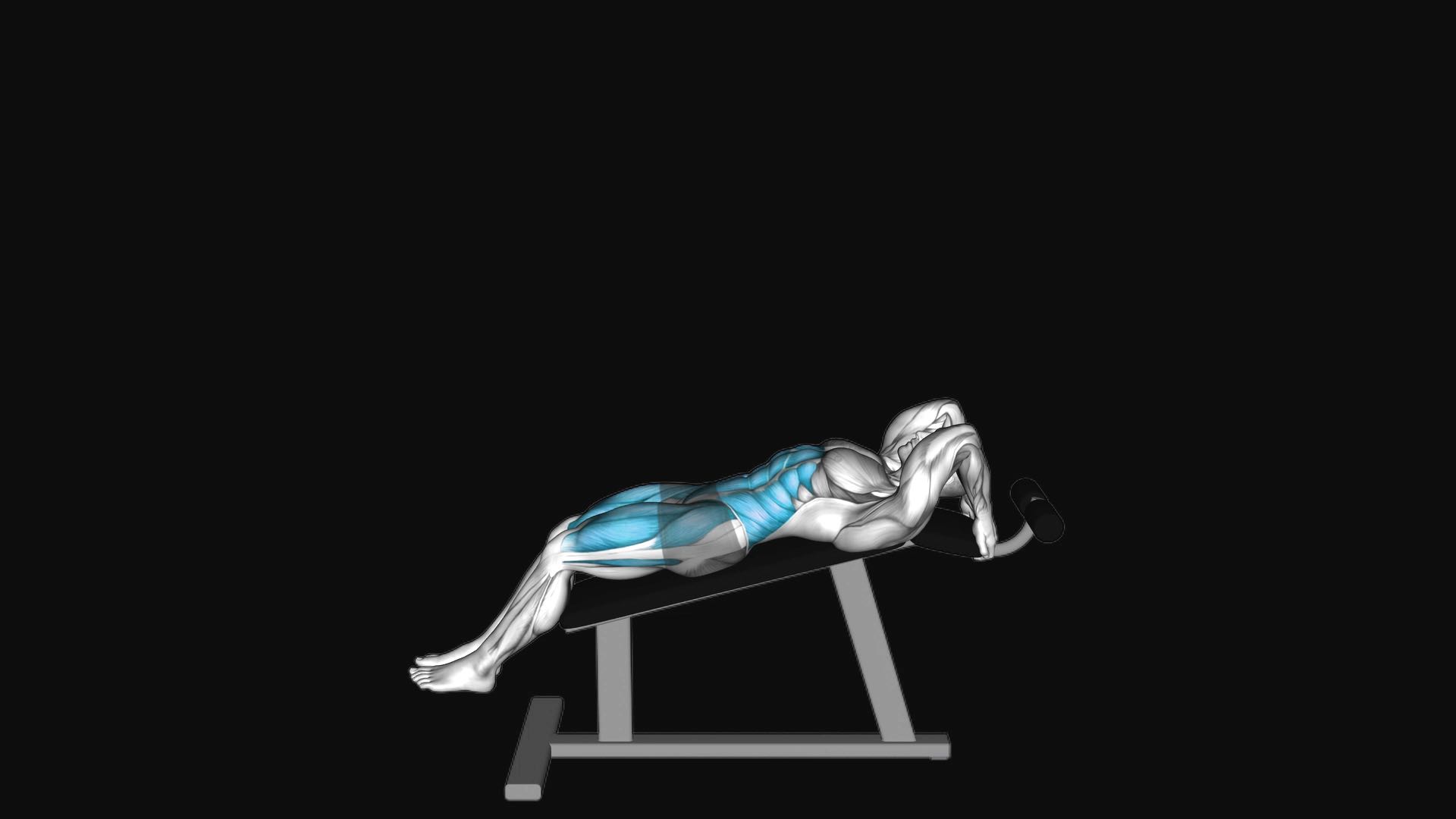
- Lie on a decline bench with your feet secured at the top.
- Place your hands behind your head or across your chest.
- Keep your lower back pressed against the bench.
- Crunch up by contracting your abdominal muscles, lifting your shoulders toward your knees.
- Slowly return to the starting position with control.
Common mistakes
- Sitting all the way up shifts the workload to the hip flexors and places unwanted stress on the lower back.
- Yanking the head forward with the hands strains the cervical spine instead of challenging the abs.
- Losing tension at the bottom of the movement drops the intensity and reduces muscular stimulus.
Tips
- Focus on rolling the ribcage toward the pelvis rather than lifting the whole torso upward.
- Pause for a full second at peak contraction before lowering down under strict control.
- Keep the bench at a moderate angle until you can complete all repetitions without using momentum.
Sets and reps
Perform 3–4 sets of 12–20 controlled repetitions with 60–90 seconds of rest between sets to develop abdominal endurance and muscle definition.
Muscles worked
Your coach guides every set
Turn on the coach in Gloox: it asks how you feel, picks the weight from your history and cues technique and rest. Rate each set and the next one is tuned to you.

On a computer? Point your phone's camera here to get the app.
Questions
Is the decline crunch safe for the lower back?
It is safe when maintaining spinal flexion and keeping the lower back anchored; if pain occurs, stop immediately and consult a professional.
How can this exercise be replicated without a decline bench at home?
Standard floor crunches with your feet elevated on a chair or crunches performed on a stability ball offer a comparable range of motion.