Abs · Exercise ball
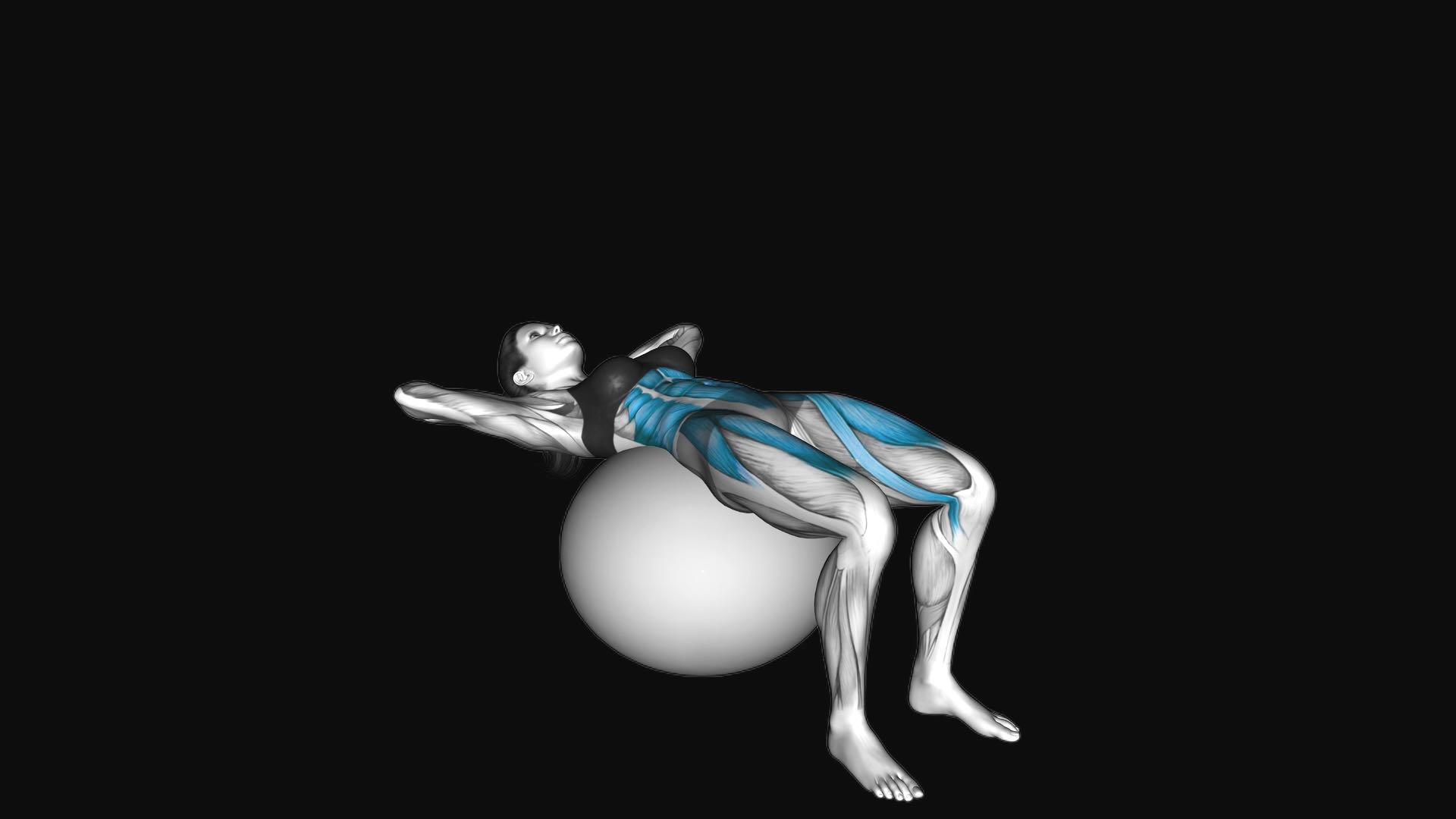
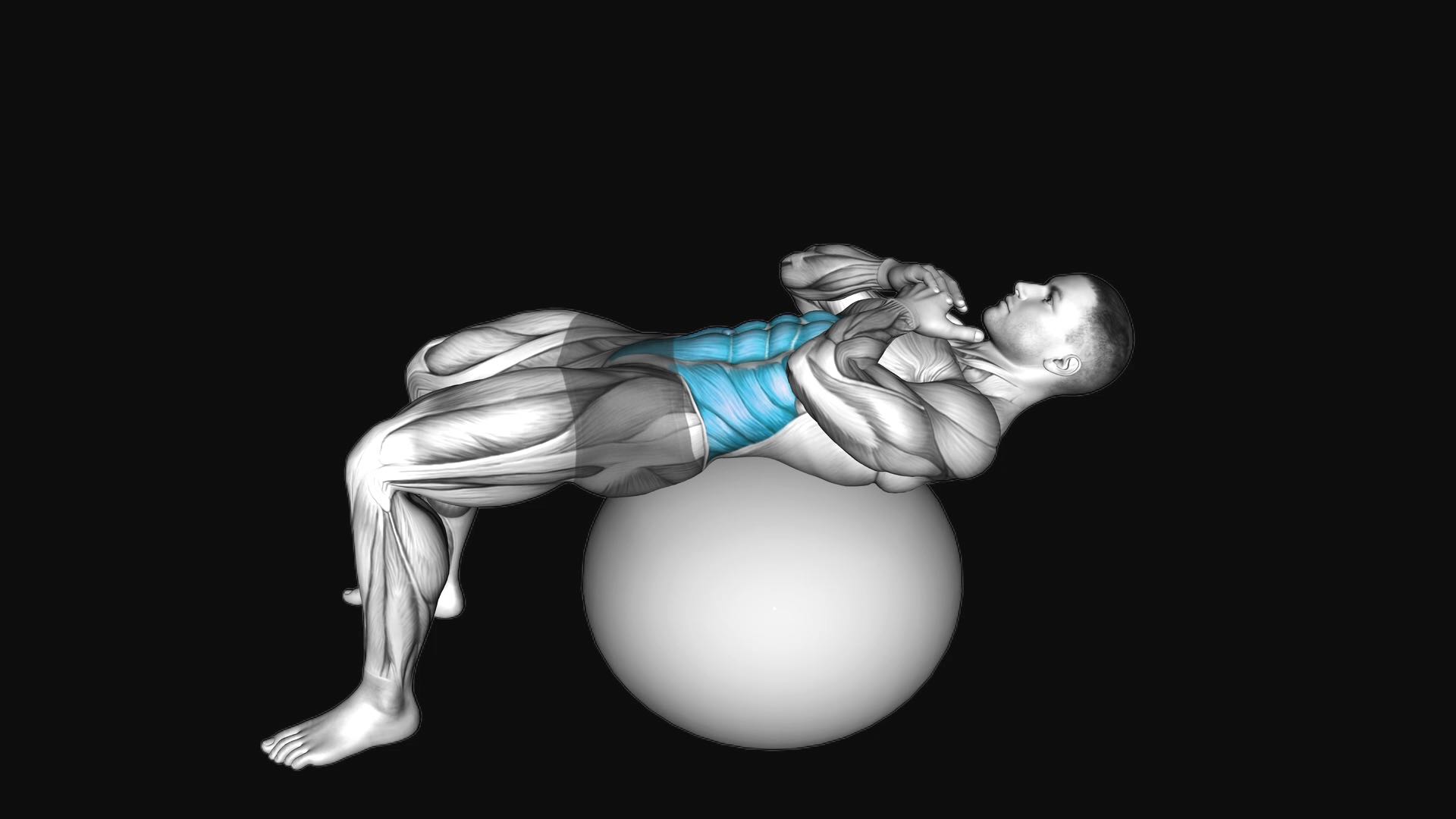
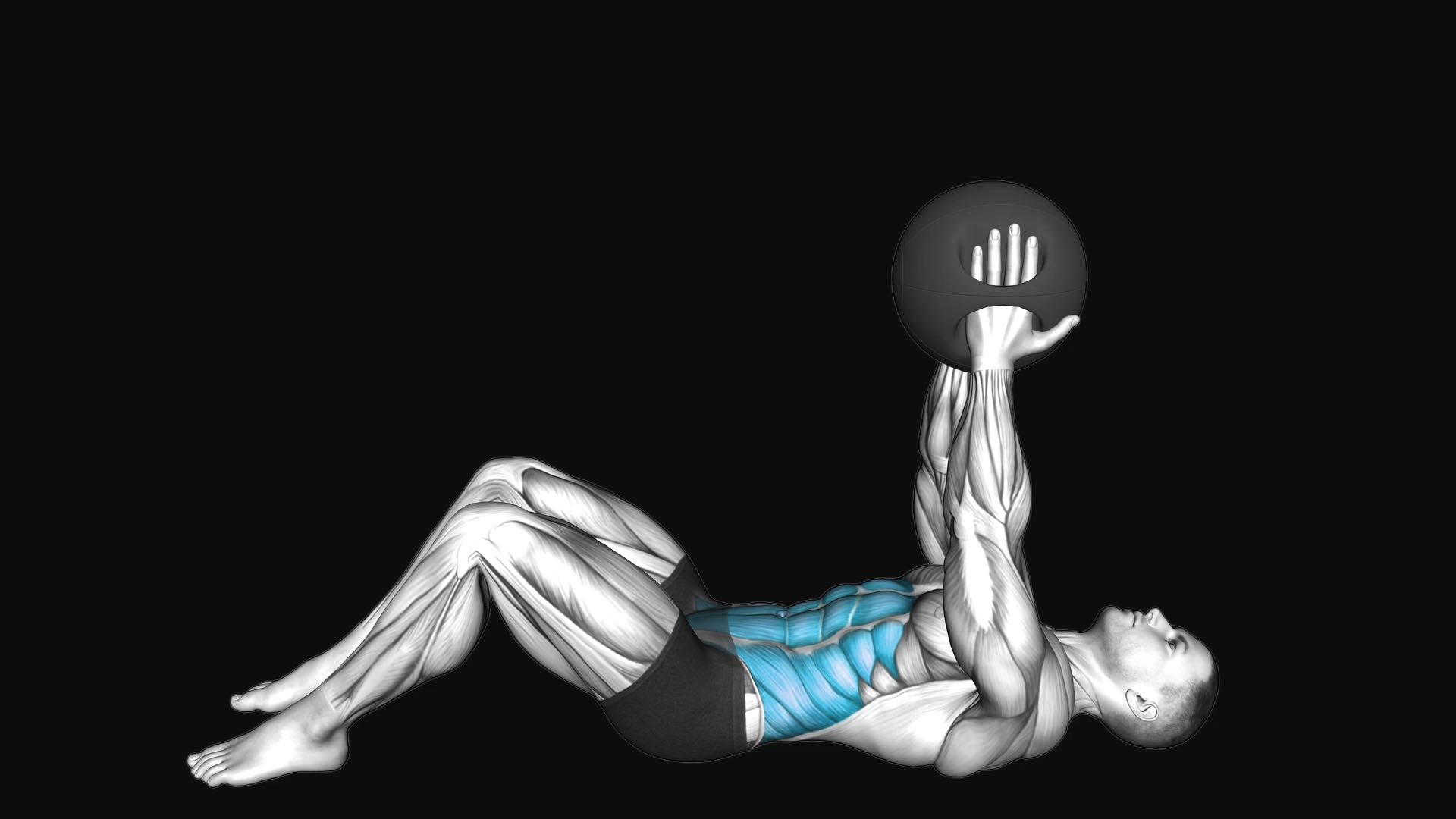
Crunch (legs on stability ball)
The crunch with legs on a stability ball is an isolation movement targeting the rectus abdominis while minimizing hip flexor engagement. It suits lifters of all experience levels and fits well toward the middle or end of a core workout.
- Muscles
- Abs
- Equipment
- Exercise ball
- Type
- Strength
- Animation
- Women
How to do it
- Lie on your back with your calves resting on top of a stability ball.
- Place your hands behind your head or cross them over your chest.
- Keep your knees bent at 90 degrees with the ball supporting your legs.
- Engage your core and lift your shoulder blades off the ground.
- Pause at the top, then slowly lower back to the starting position.
Common mistakes
- Pulling on your neck strains the cervical spine instead of loading the abdominal muscles.
- Rolling the ball toward your hips recruits the hamstrings and removes tension from the core.
- Lifting the lower back off the floor turns the movement into a sit-up and increases stress on the lumbar region.
Tips
- Focus on curling your ribcage toward your pelvis while keeping your lower back firmly on the floor.
- Keep your calves resting passively on the ball without pressing your heels downward.
- Pause for a second at the top of each repetition to maximize peak contraction.
Sets and reps
Perform 3 to 4 sets of 15 to 25 controlled repetitions. Rest for 45 to 60 seconds between sets.
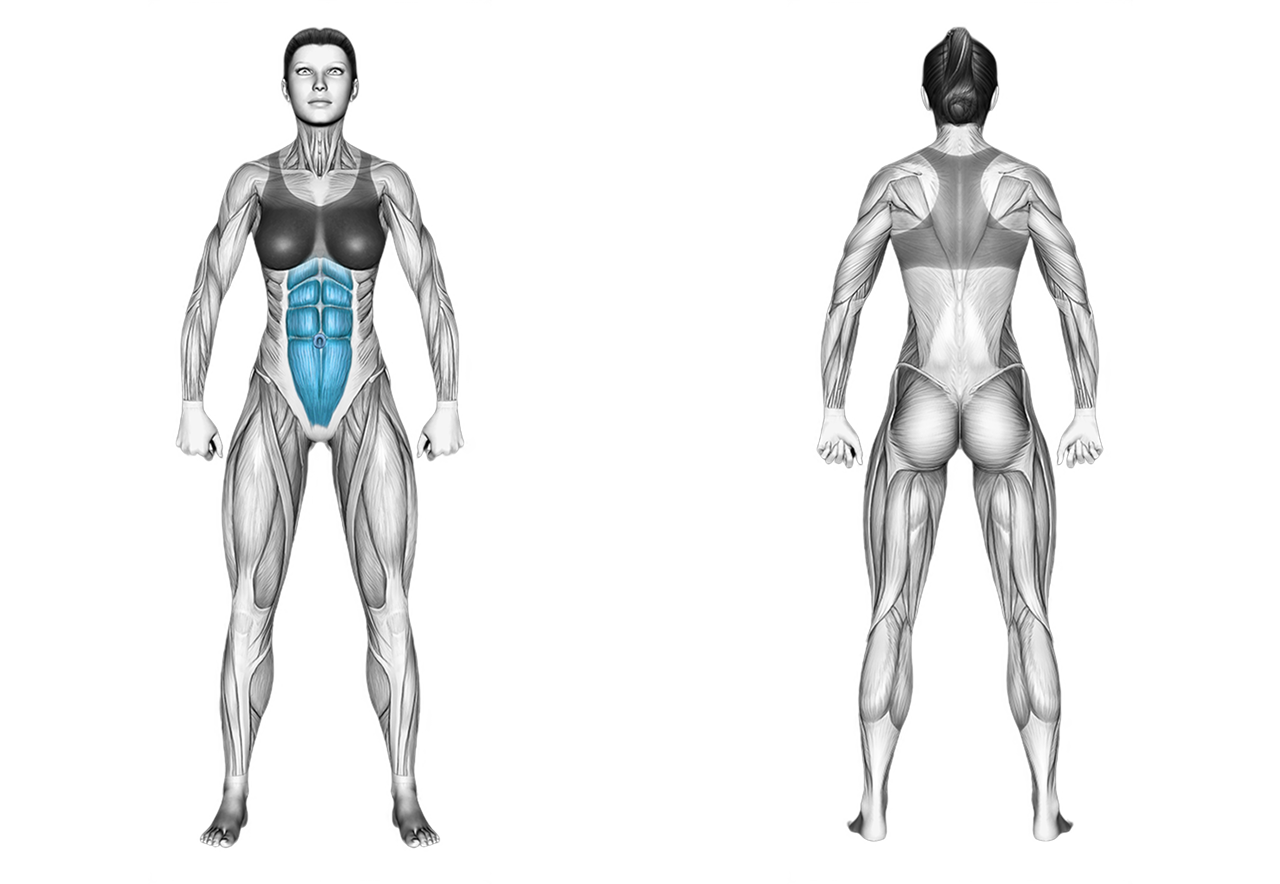
Muscles worked
Your coach guides every set
Turn on the coach in Gloox: it asks how you feel, picks the weight from your history and cues technique and rest. Rate each set and the next one is tuned to you.

On a computer? Point your phone's camera here to get the app.
Questions
Is this crunch variation safe for the lower back?
Elevating the legs naturally flattens the lumbar spine against the floor, reducing lower back stress compared to standard floor crunches.
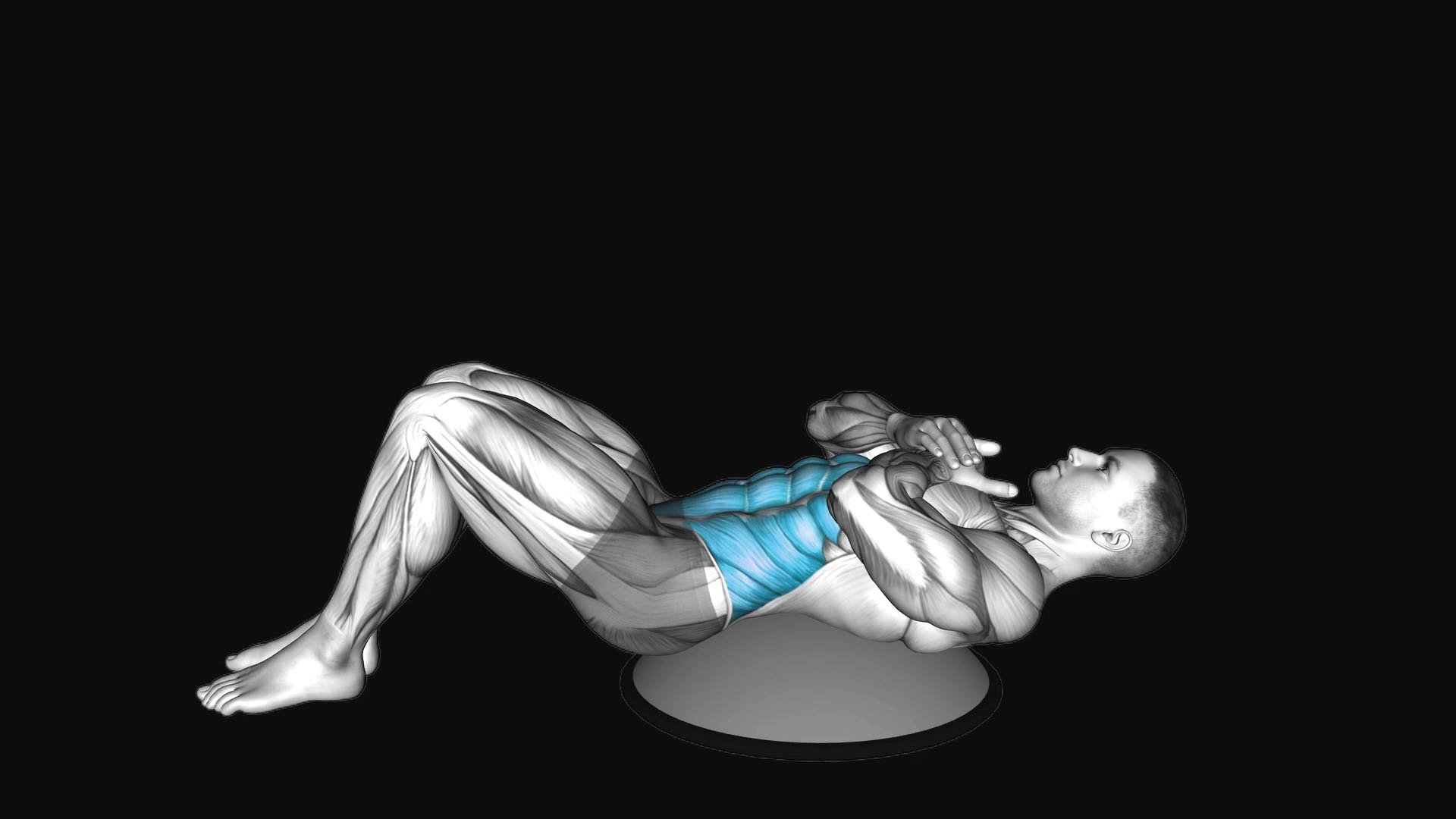
What can replace the stability ball if training at home?
You can rest your calves on a flat bench, couch, or chair to replicate the 90-degree leg position and isolate the abs.