Abs · Exercise ball
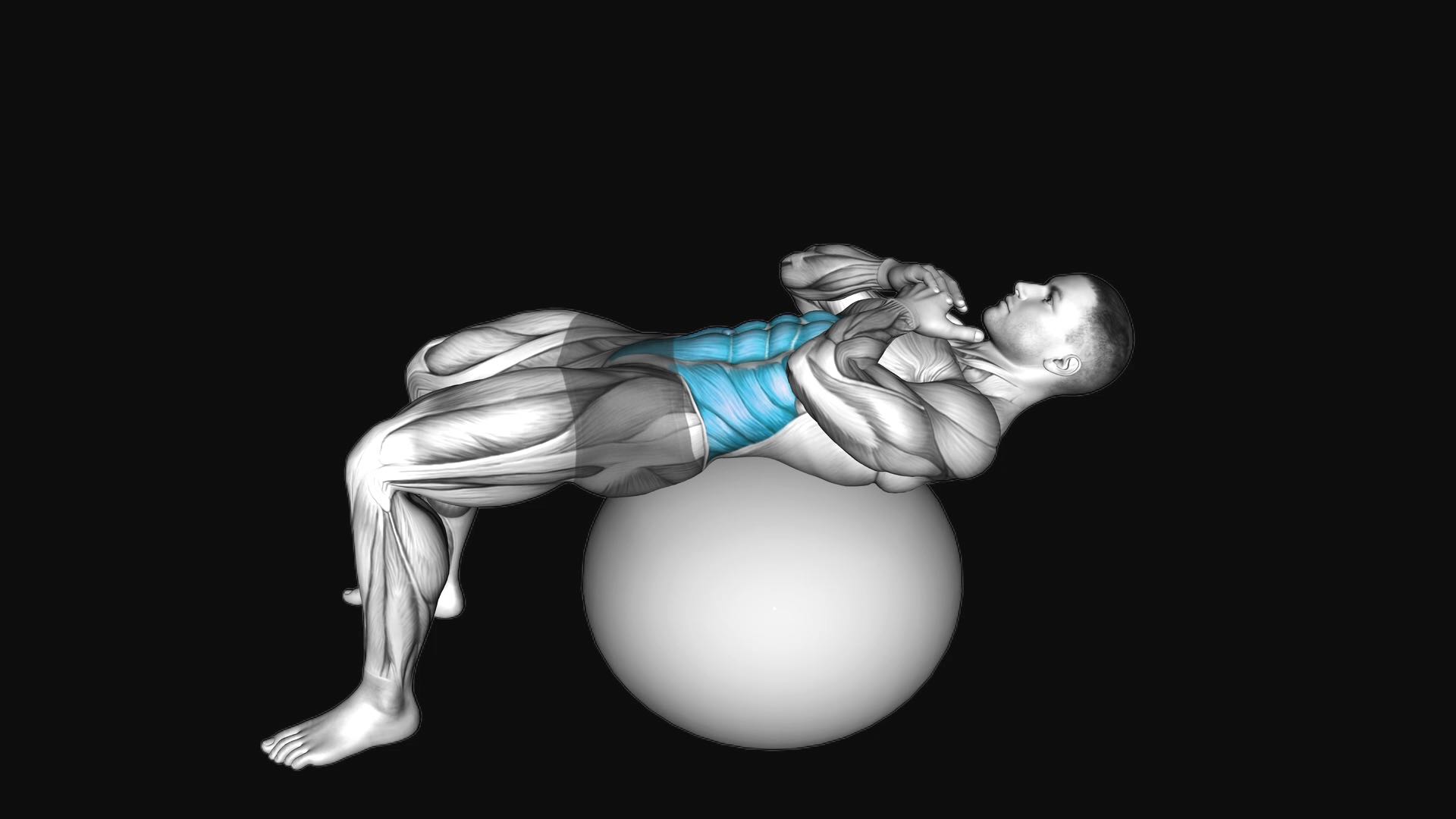
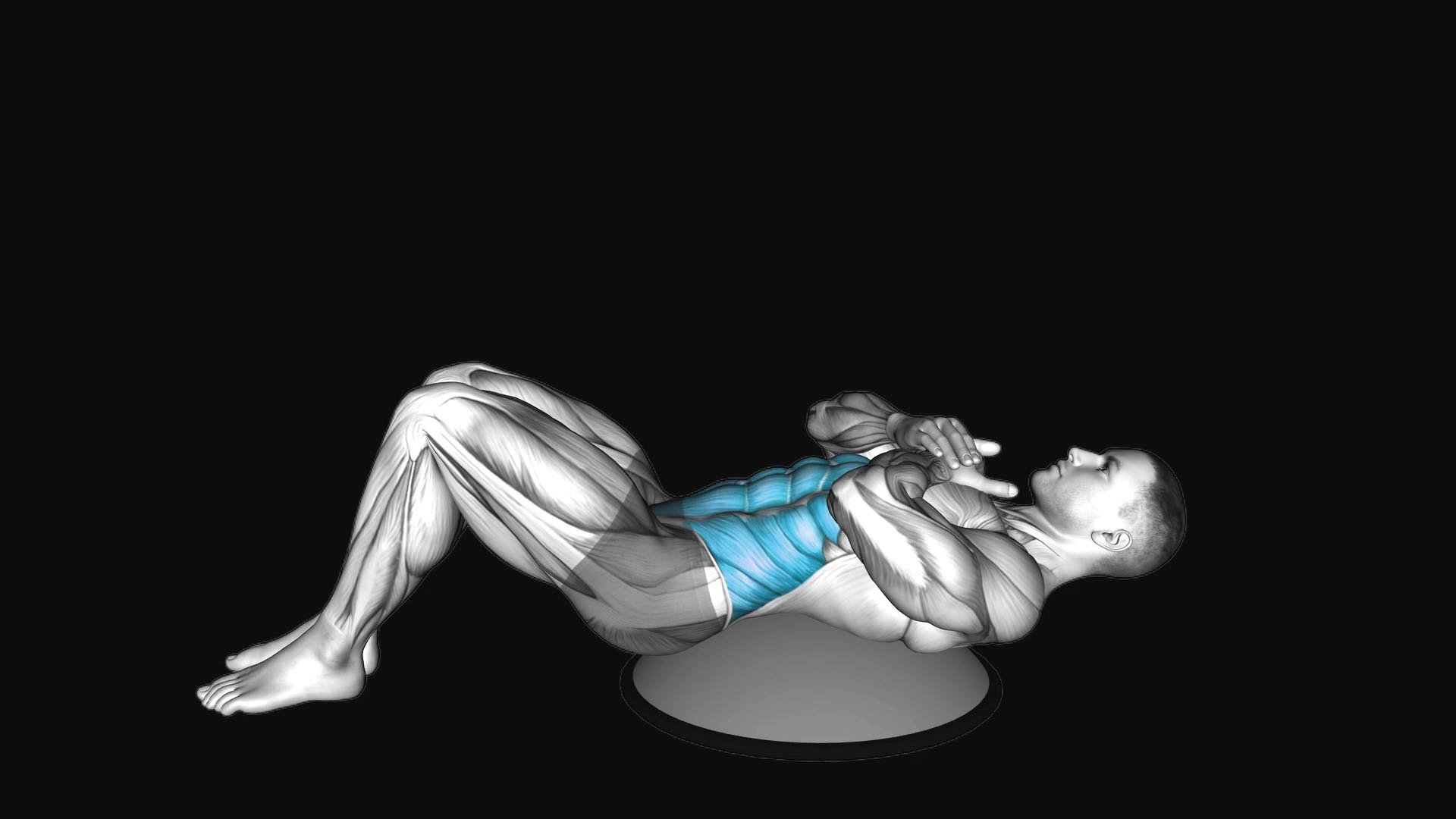
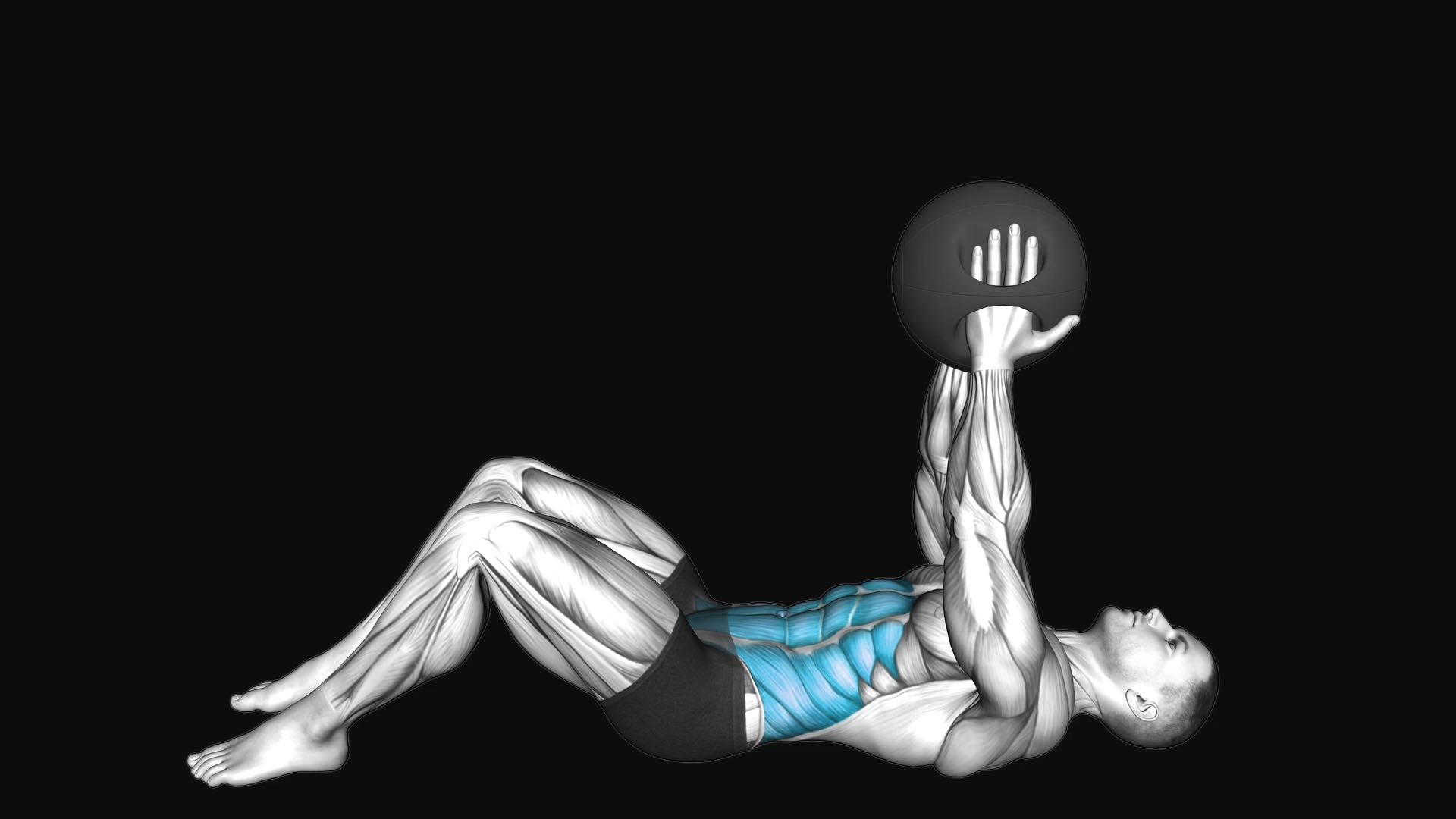
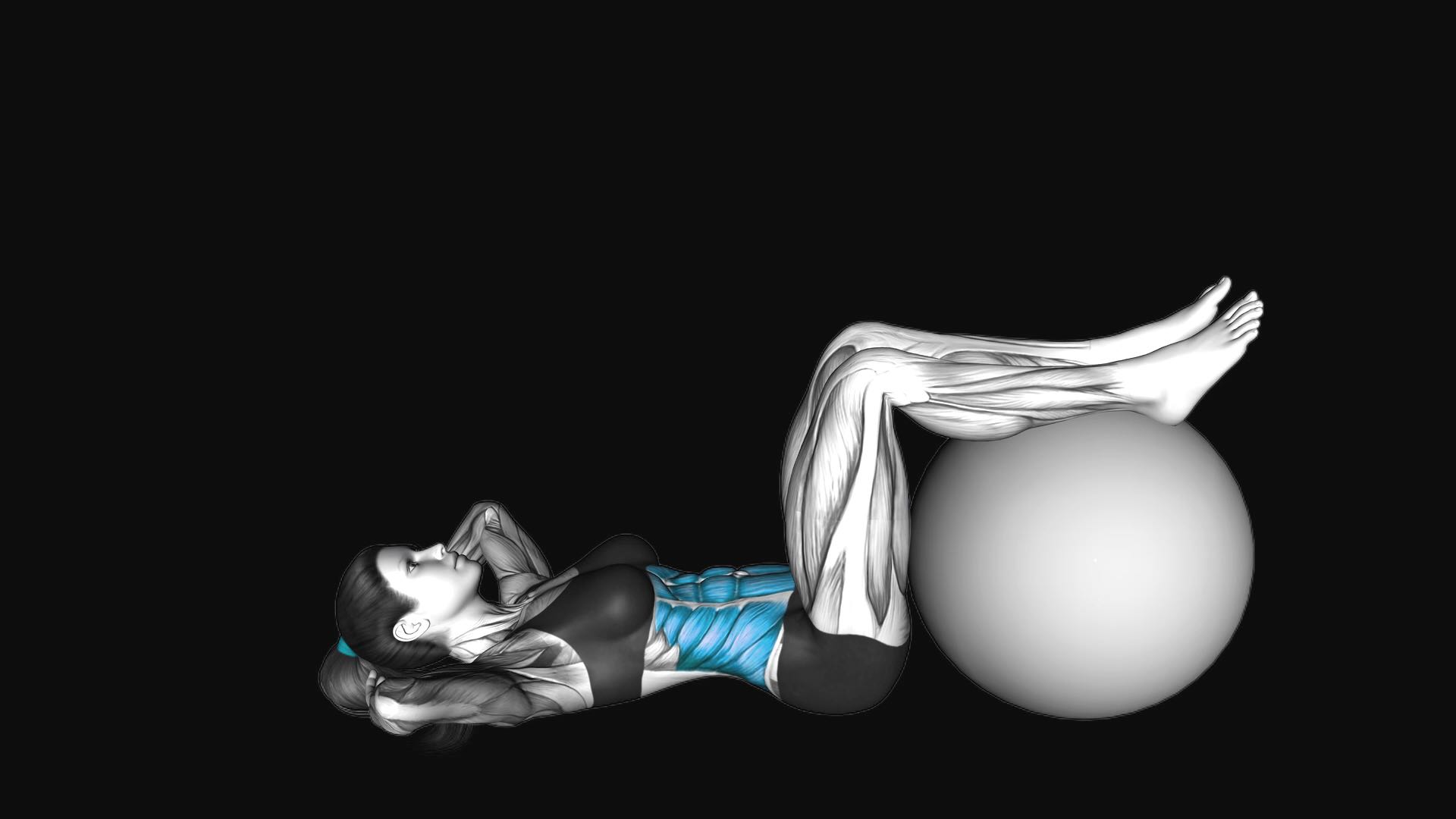
Ball Sit-up (on stability ball)
The ball sit-up is a core exercise that isolates the rectus abdominis through an extended range of motion provided by the stability ball. It is suitable for lifters of any fitness level and typically fits toward the end of a session to thoroughly exhaust the abdominal muscles.
- Muscles
- Abs
- Equipment
- Exercise ball
- Type
- Strength
- Animation
- Women
How to do it
- Sit on a stability ball with your feet flat on the floor, shoulder-width apart.
- Slowly walk your feet forward while leaning back until the ball supports your lower back.
- Cross your arms over your chest or place hands behind your head.
- Engage your core and slowly curl your torso up, lifting your shoulder blades off the ball.
- Pause at the top, then slowly lower back to the starting position.
Common mistakes
- Pulling on the neck forces the cervical spine into excessive flexion and reduces abdominal activation.
- Bouncing off the ball uses momentum instead of core strength, lowering the training effect.
- Allowing the hips to slide down shifts the ball away from the lumbar spine and overworks the hip flexors.
Tips
- Place your feet wider than shoulder-width or brace them against a wall to maintain solid stability.
- Pause for a second at the top of the movement to focus on a forceful peak contraction of the abs.
- Descend slowly over the curve of the ball while keeping constant tension on the core throughout the descent.
Sets and reps
Perform 3 to 4 sets of 12 to 20 controlled repetitions to build core endurance and muscle tone. Keep rest periods between 45 and 60 seconds.
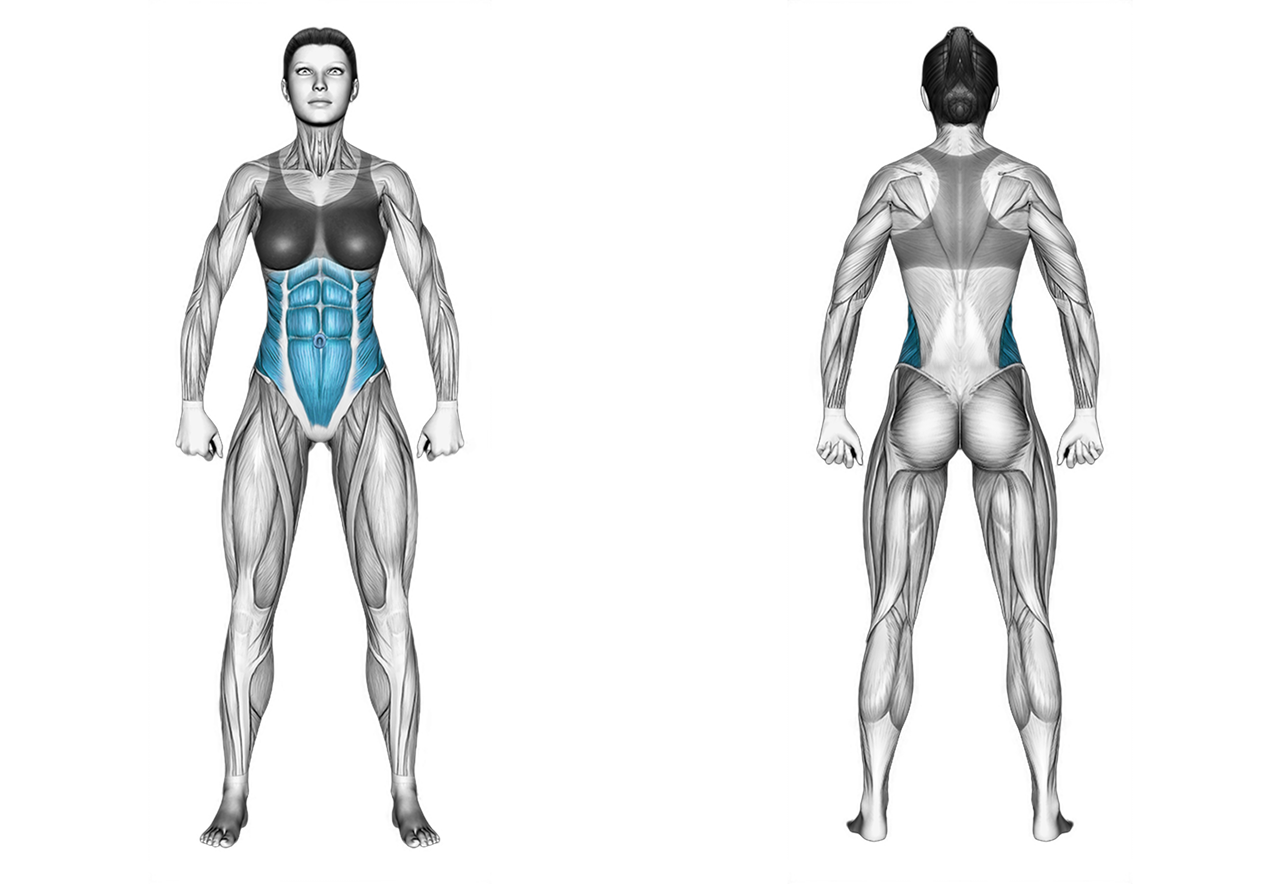
Muscles worked
Your coach guides every set
Turn on the coach in Gloox: it asks how you feel, picks the weight from your history and cues technique and rest. Rate each set and the next one is tuned to you.

On a computer? Point your phone's camera here to get the app.
Questions
Why perform sit-ups on a stability ball instead of the floor?
The curved surface allows for safe spinal extension in the starting position, stretching the abdominal wall and increasing total muscle fiber recruitment.
What should you do if you feel lower back pain during this movement?
Stop the exercise immediately and consult a healthcare specialist, as pain often signals hyperextension or improper lumbar support.