Glutes · Bodyweight
Glute Bridge March
The glute bridge march is a bodyweight exercise that develops glute strength while challenging pelvic and core stability. It fits well into a warm-up routine for glute activation before compound lifts, or as an endurance finisher at the end of a lower-body session.
- Muscles
- Glutes
- Equipment
- Bodyweight
- Type
- Strength
- Animation
- Women
How to do it
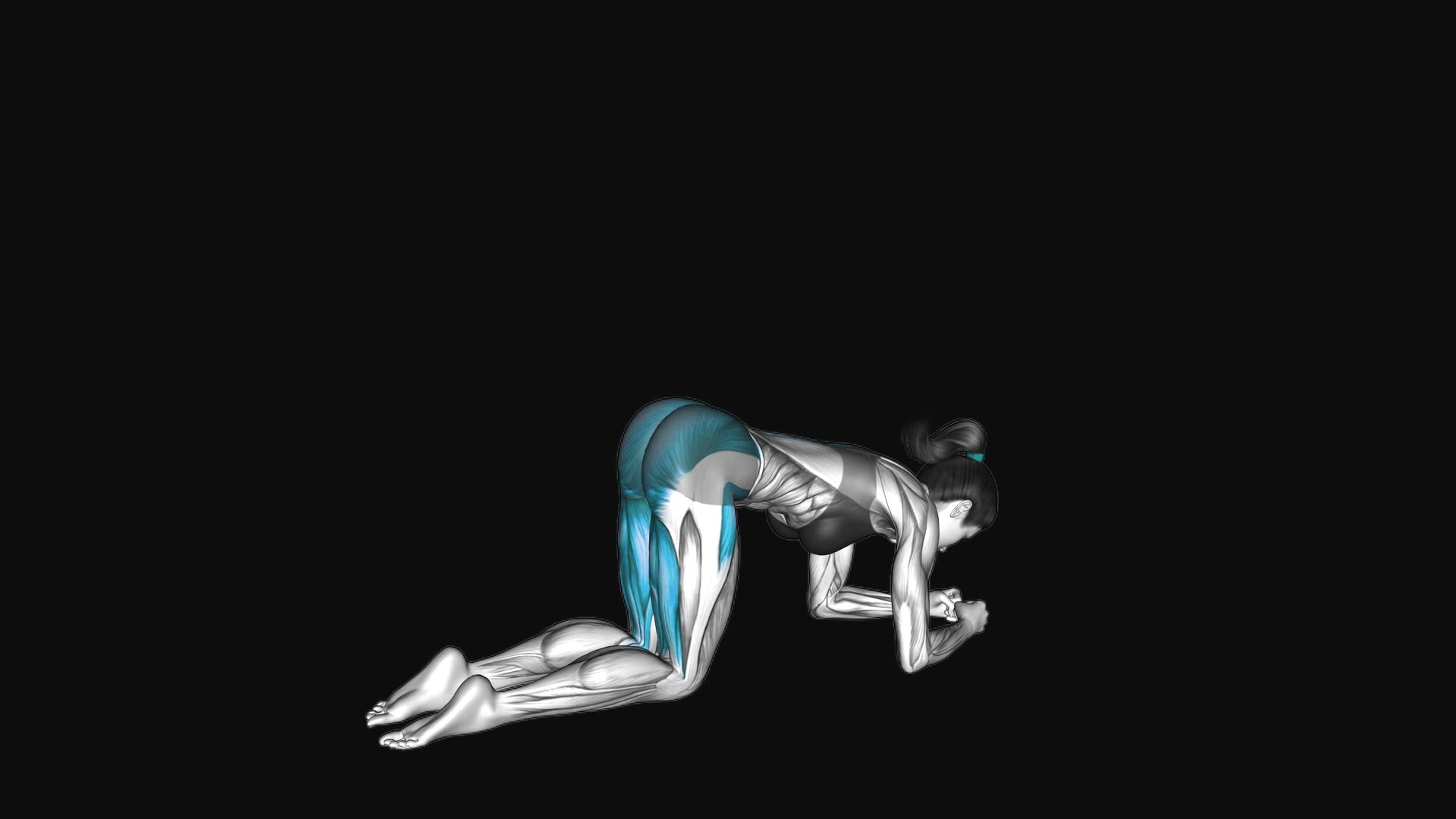
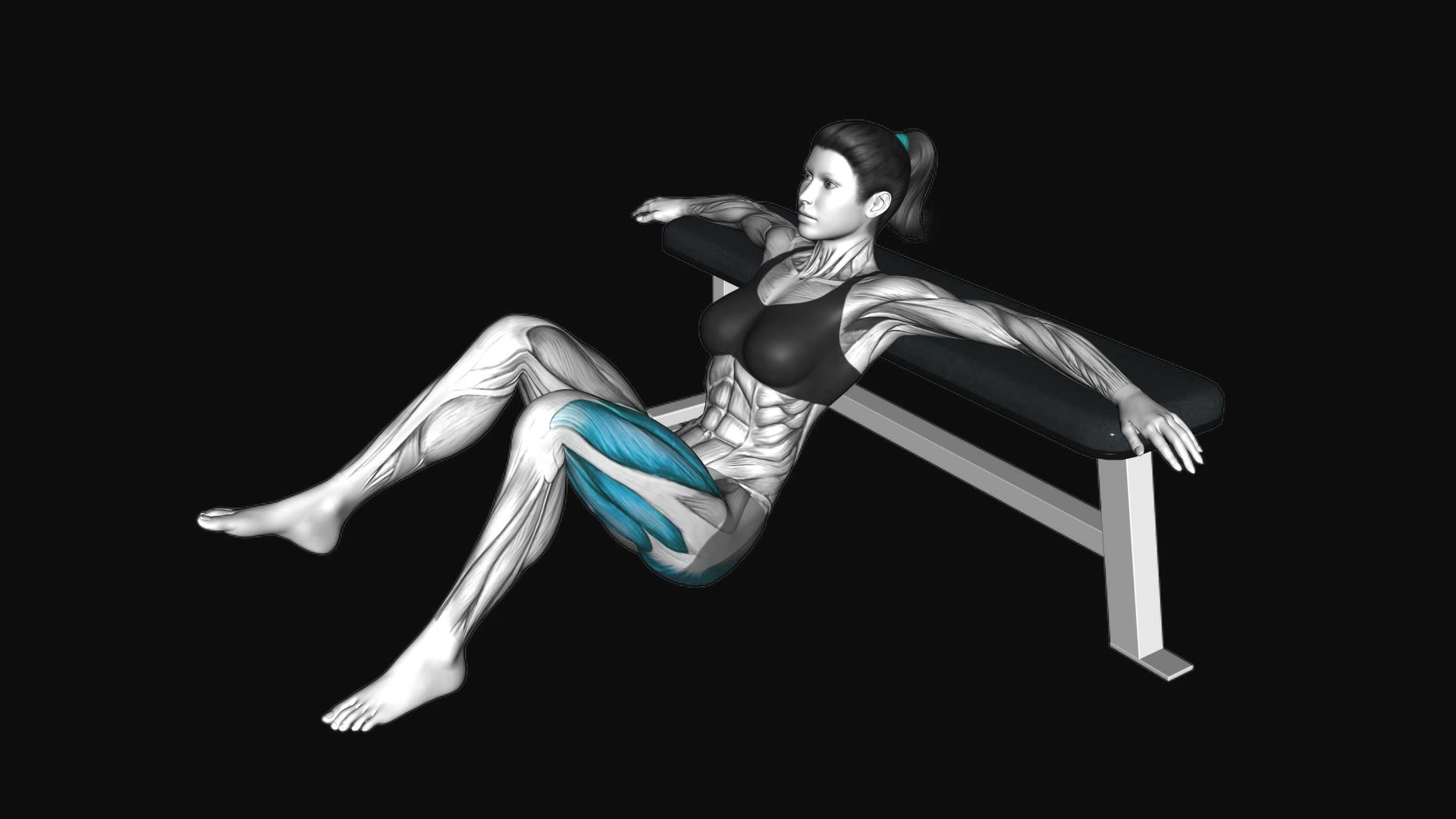
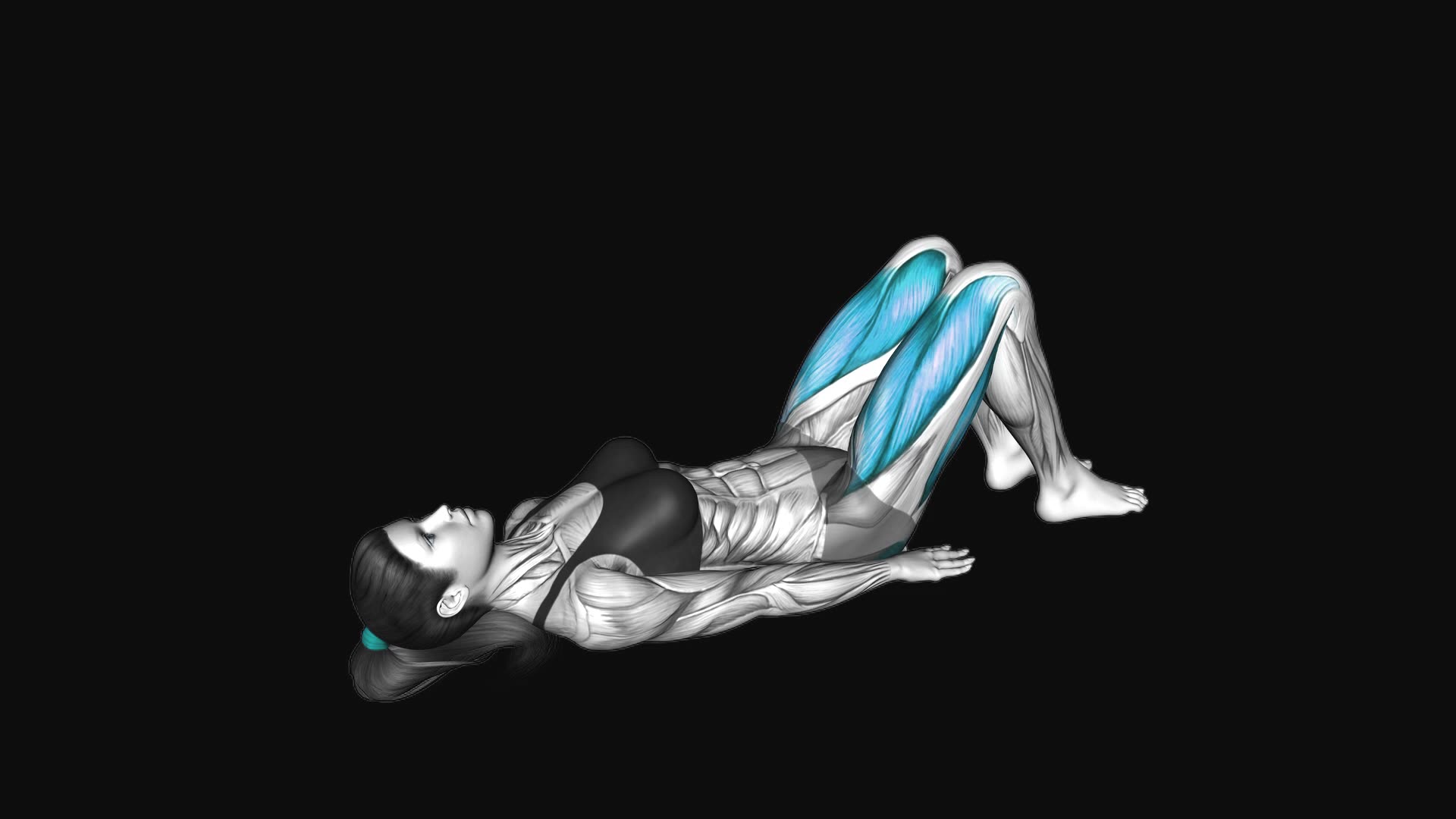
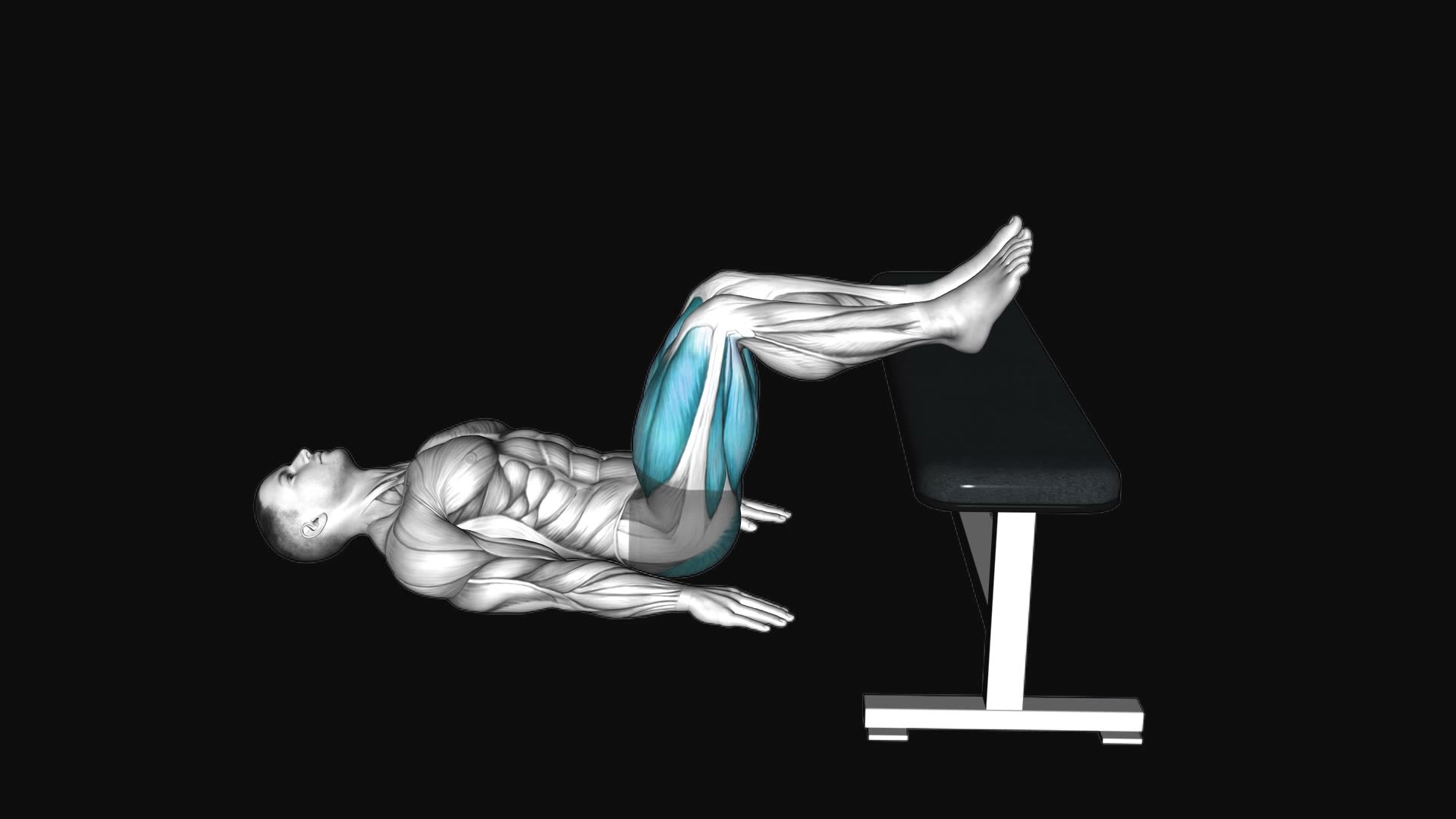
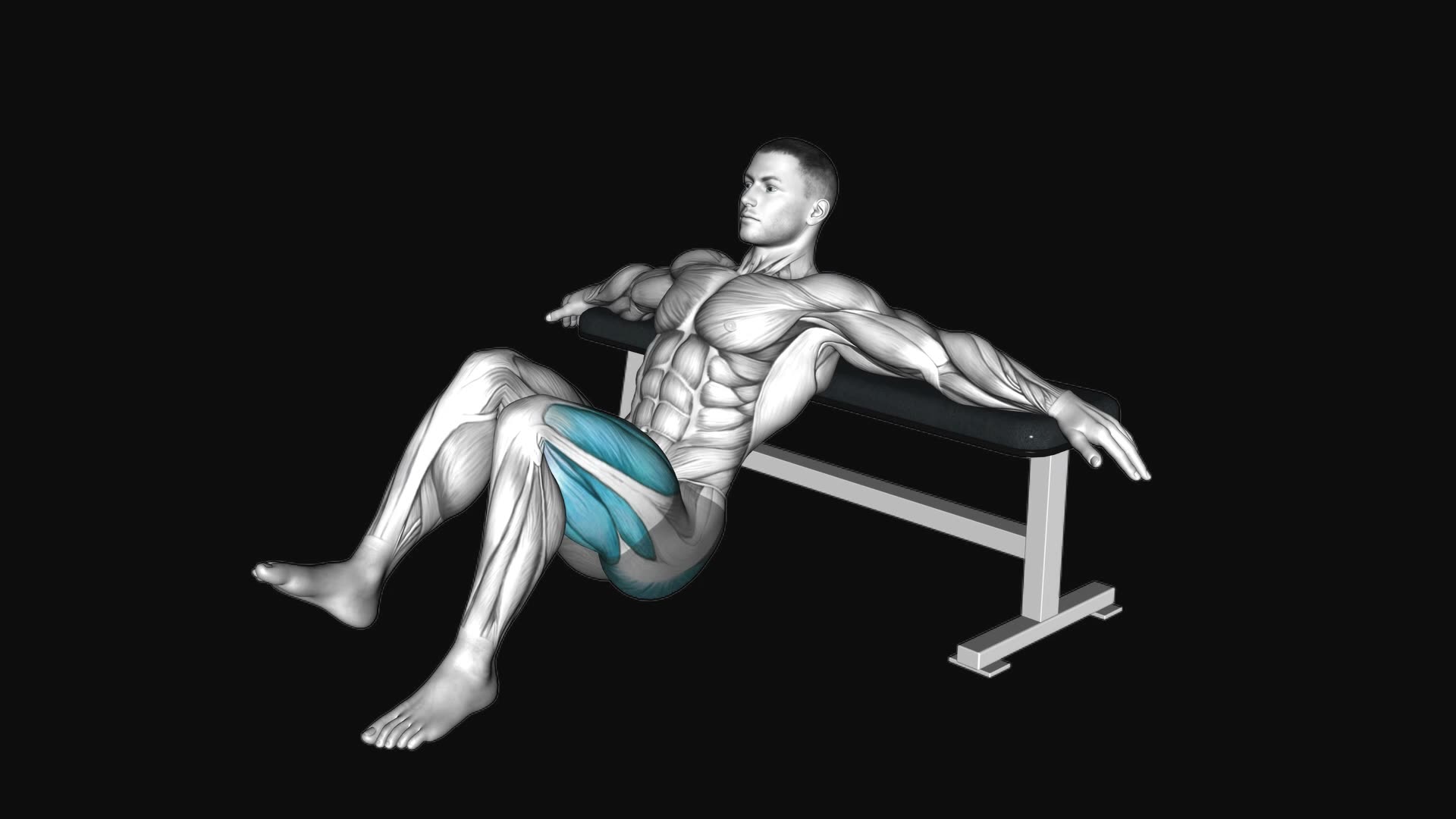
- Lie on your back with knees bent and feet flat on the floor.
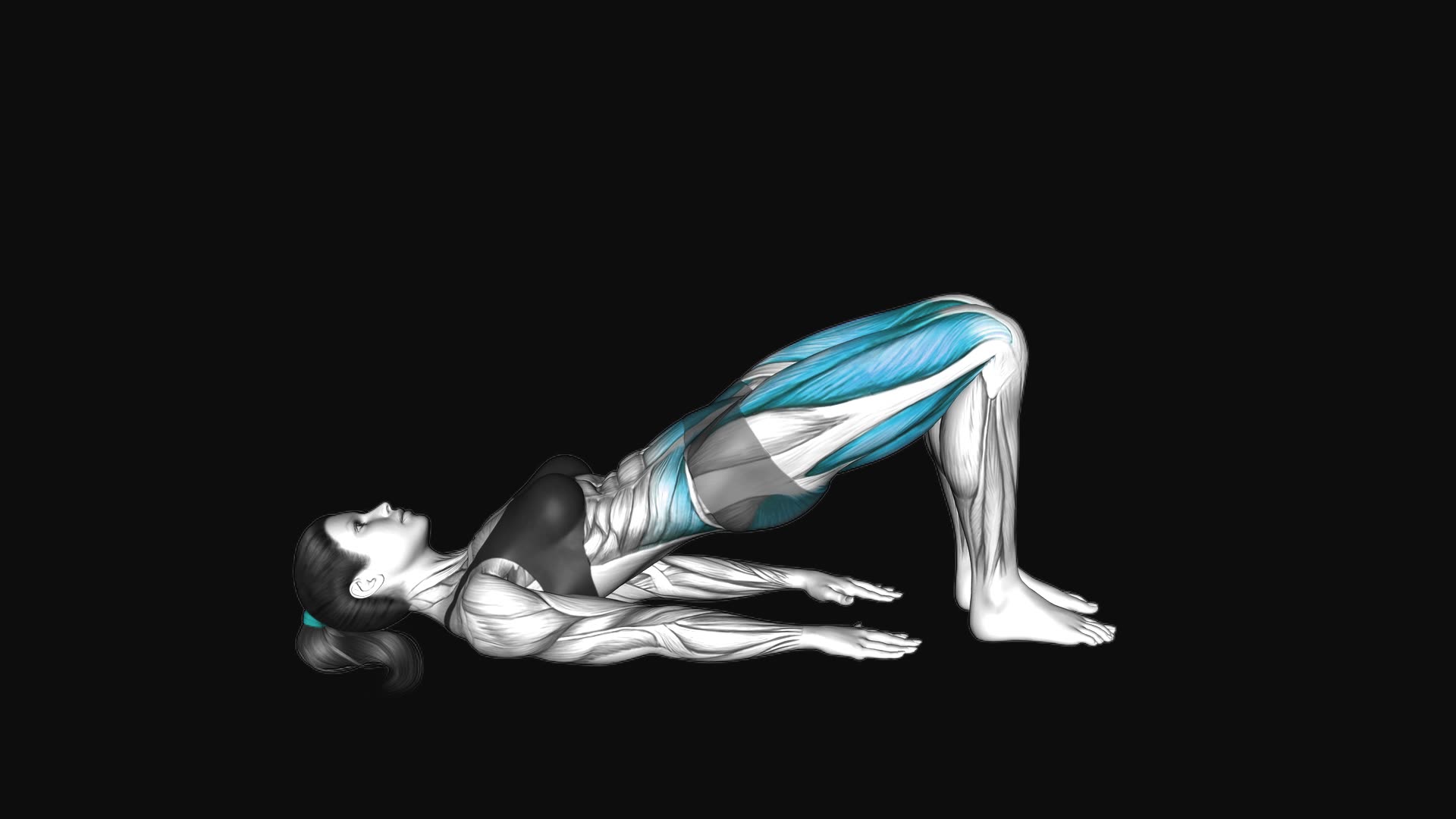
- Lift your hips into a bridge position, squeezing your glutes.
- While maintaining the bridge, lift one foot off the ground, bringing your knee toward your chest.
- Place it back down and lift the other foot.
- Continue alternating legs while keeping your hips elevated and stable.
Common mistakes
- Arching the lower back instead of hinging from the hips shifts tension to the lumbar spine and reduces glute engagement.
- Allowing the hips to drop or tilt as each foot lifts diminishes the stability demand on the supporting glute.
- Rushing through the marching steps relies on momentum rather than deliberate muscular control.
Tips
- Drive firmly through the heel of your planted foot to maximize tension in the working glute.
- Keep your core braced throughout the set to keep your pelvis level as your feet alternate.
- Pause for a brief second at the top of each march to ensure stability before switching legs.
Sets and reps
Perform 3 to 4 sets of 12 to 20 total steps (6 to 10 per leg) to target muscular endurance and activation. Rest 45 to 60 seconds between sets.
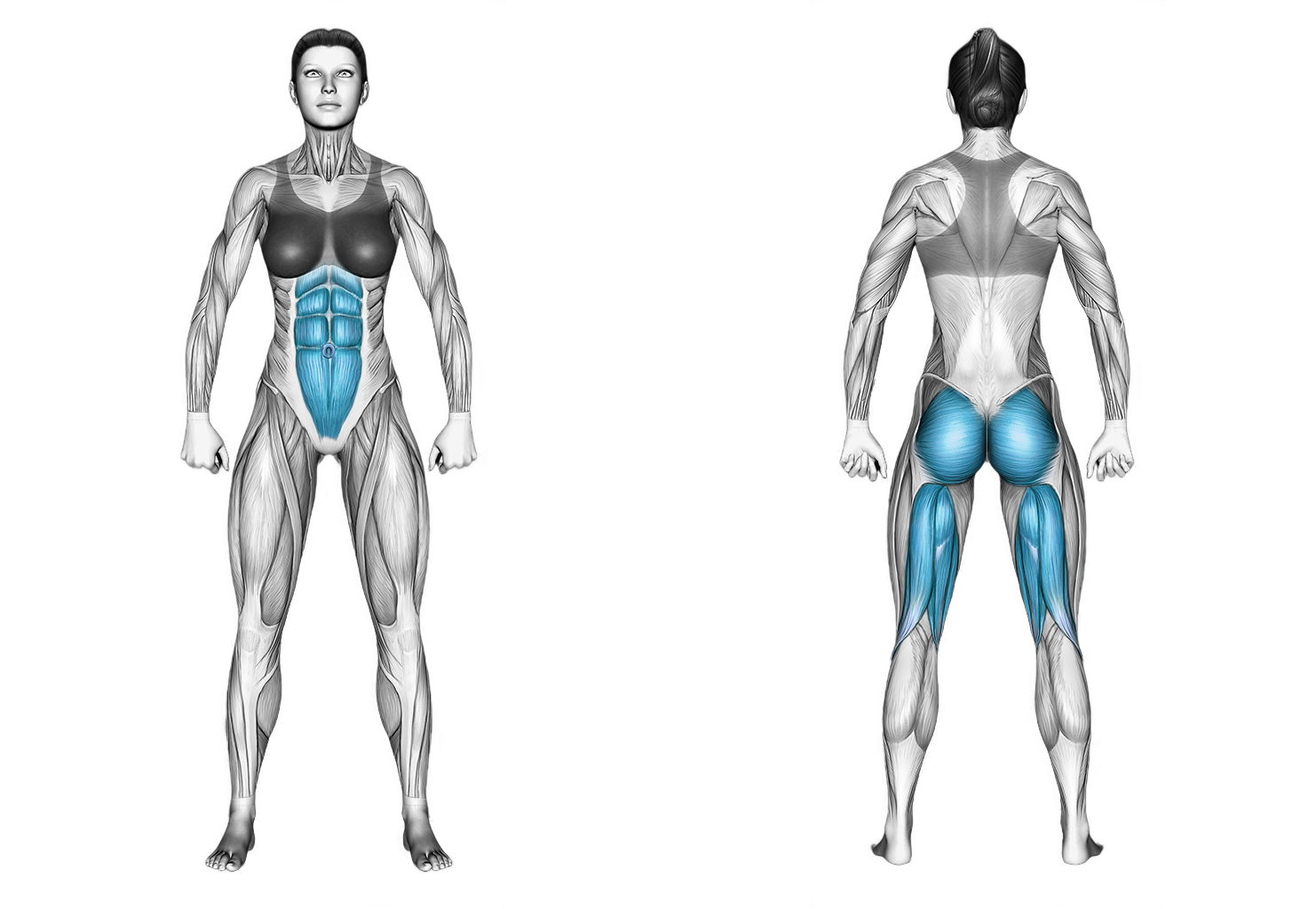
Muscles worked
Your coach guides every set
Turn on the coach in Gloox: it asks how you feel, picks the weight from your history and cues technique and rest. Rate each set and the next one is tuned to you.

On a computer? Point your phone's camera here to get the app.
Questions
What muscles does the glute bridge march work?
The exercise primarily targets the gluteus maximus and gluteus medius, with secondary involvement from the hamstrings and core stabilizers.
Is the glute bridge march safe if I have lower back pain?
It is generally gentle on the spine because it avoids heavy spinal loading, but if any sharp pain occurs, stop immediately and consult a healthcare professional.