Glutes · Bodyweight
Far Leg Hip Thrust
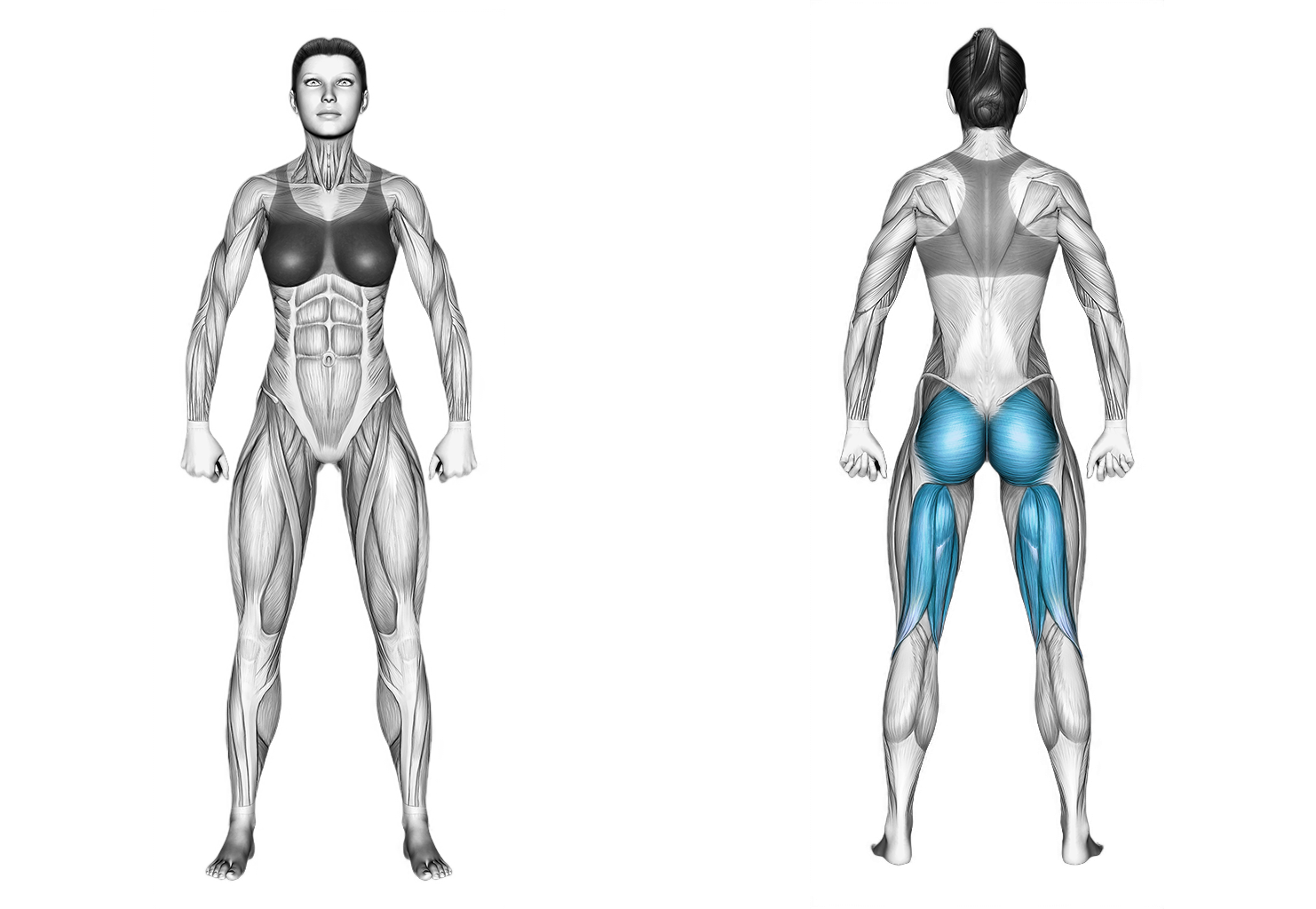
The far leg hip thrust is a unilateral bodyweight exercise designed to strengthen the glutes and hamstrings while improving pelvic stability. It works well as an activation drill before heavy compound movements or as a targeted isolation exercise to correct side-to-side muscle imbalances.
- Muscles
- Glutes
- Equipment
- Bodyweight
- Type
- Strength
- Animation
- Women
How to do it
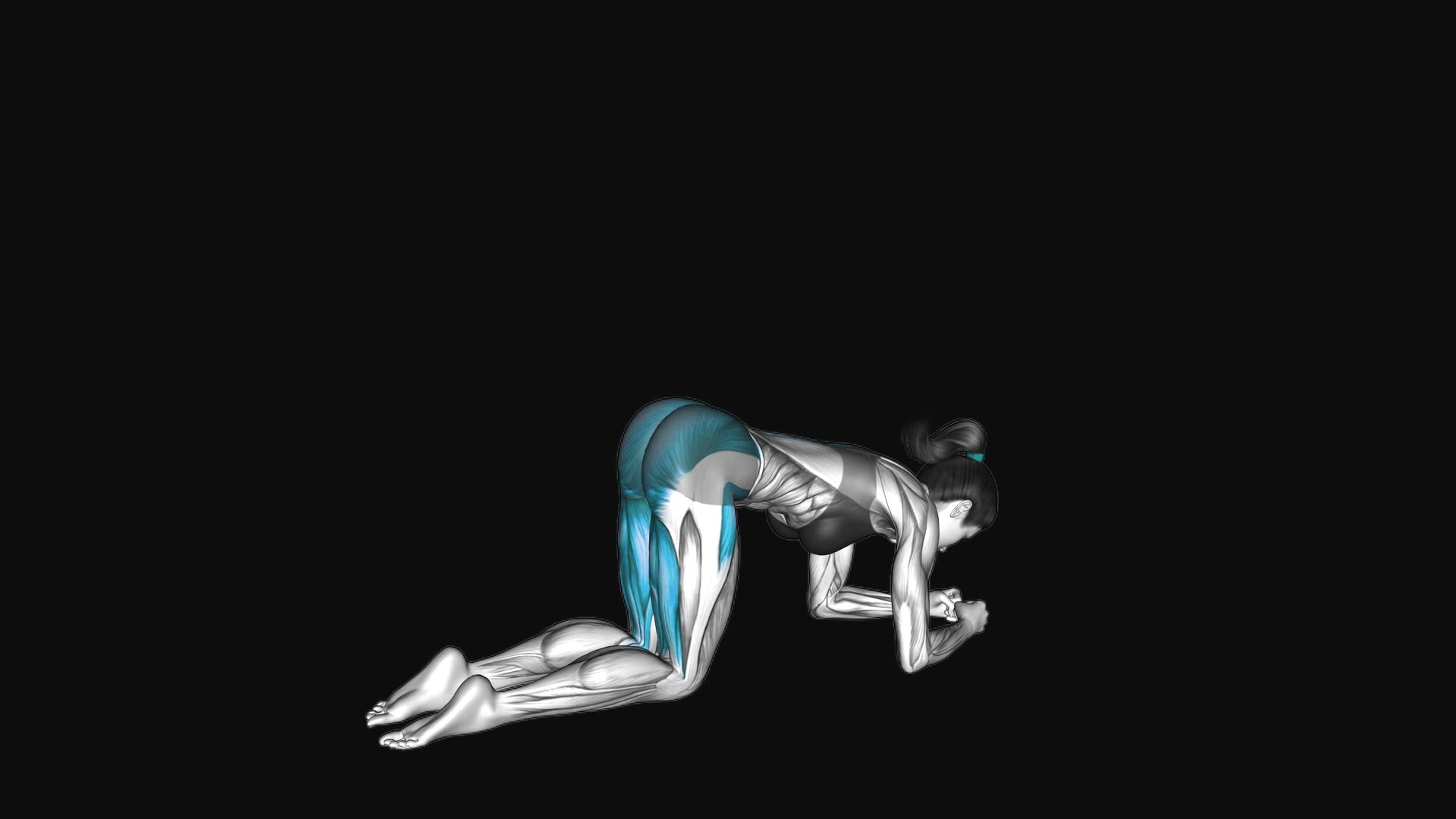
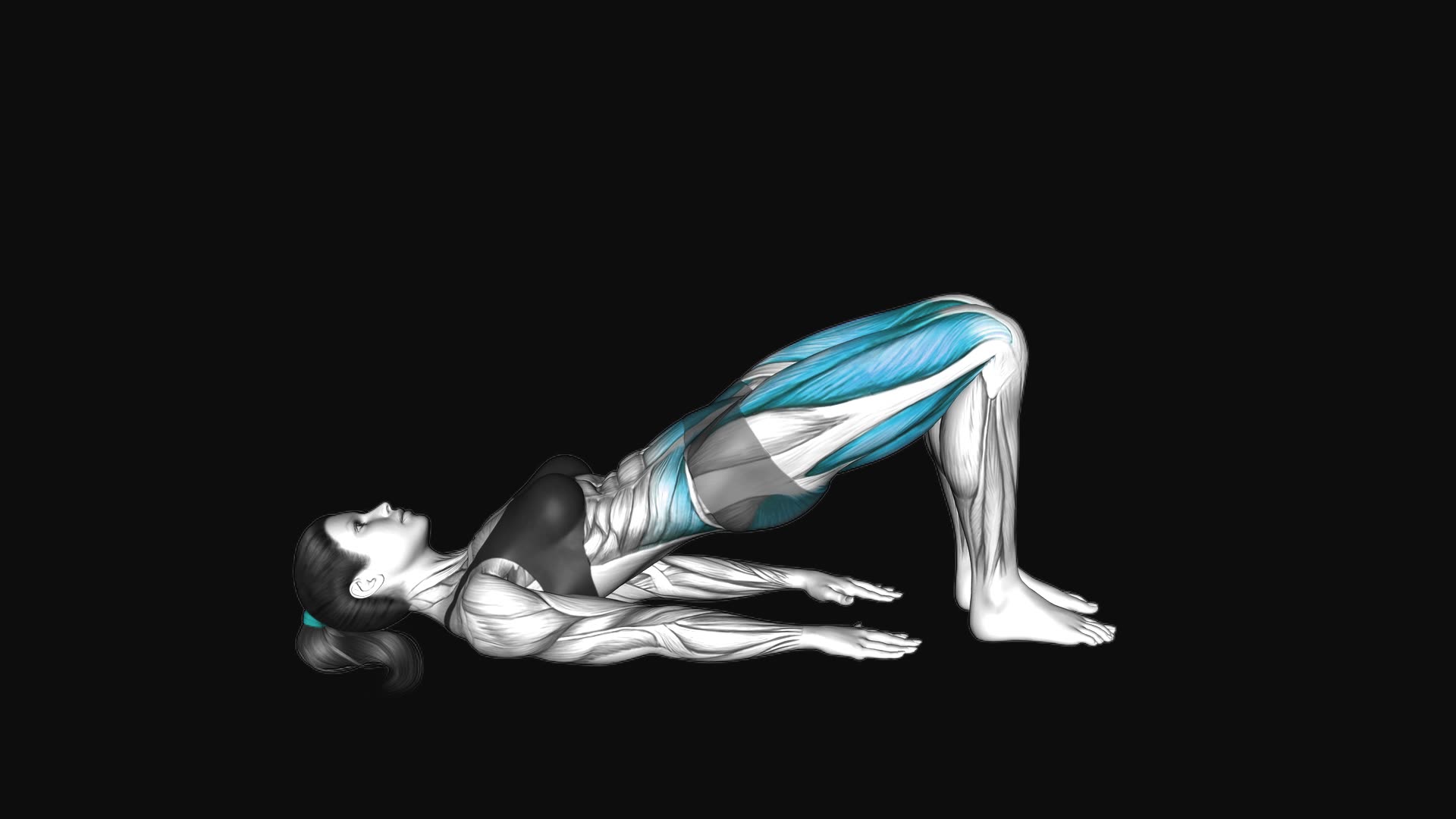
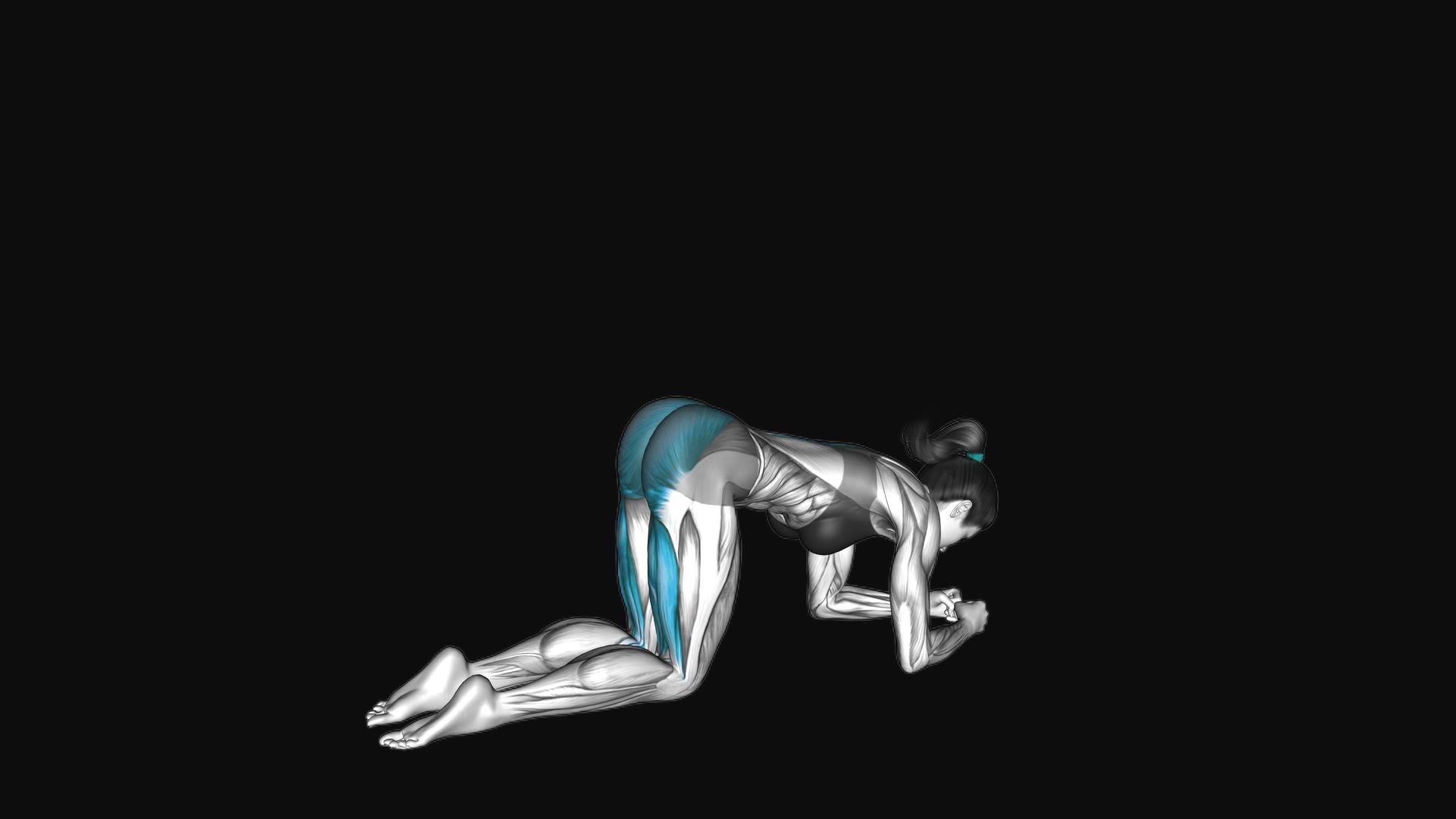
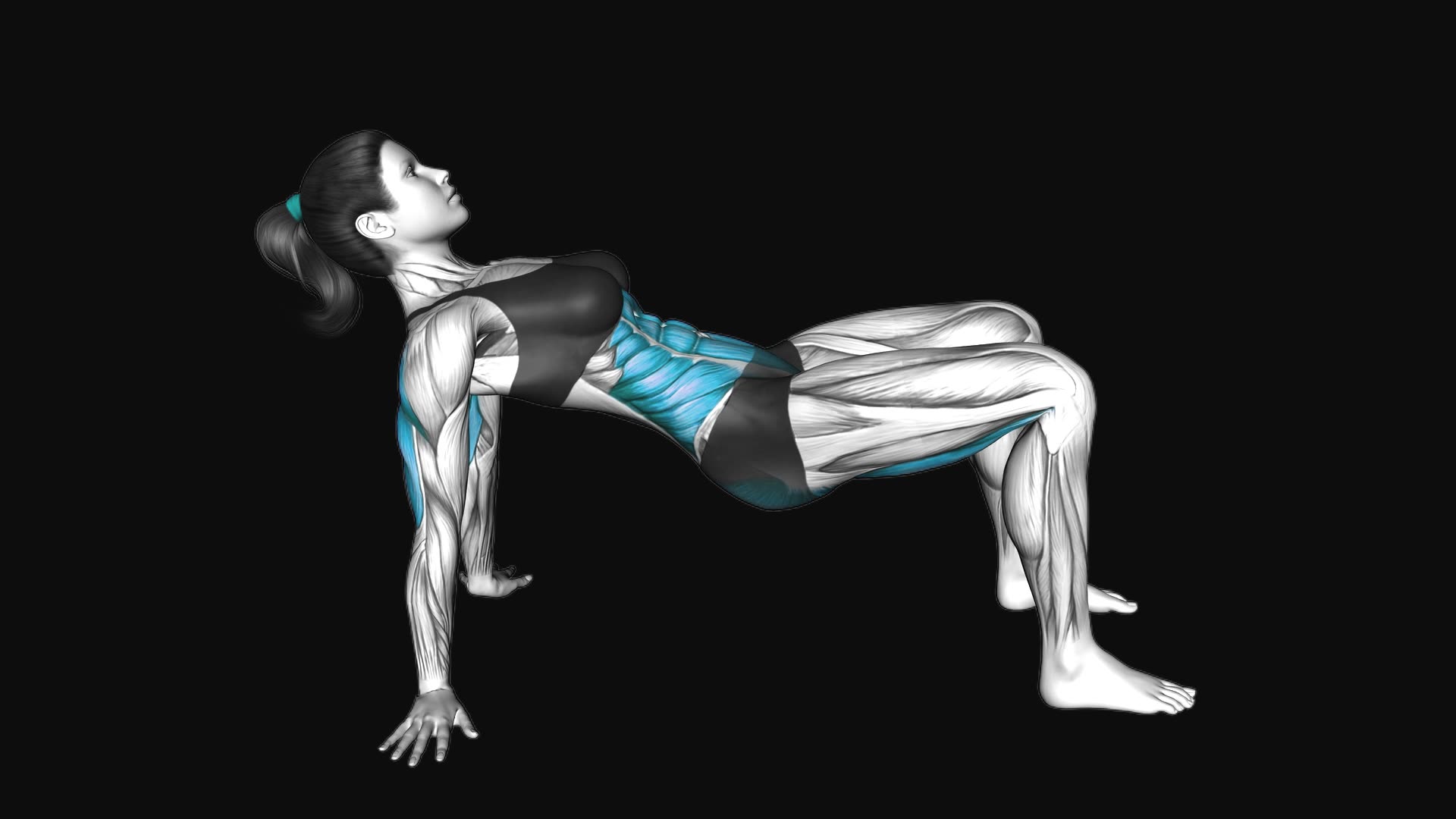
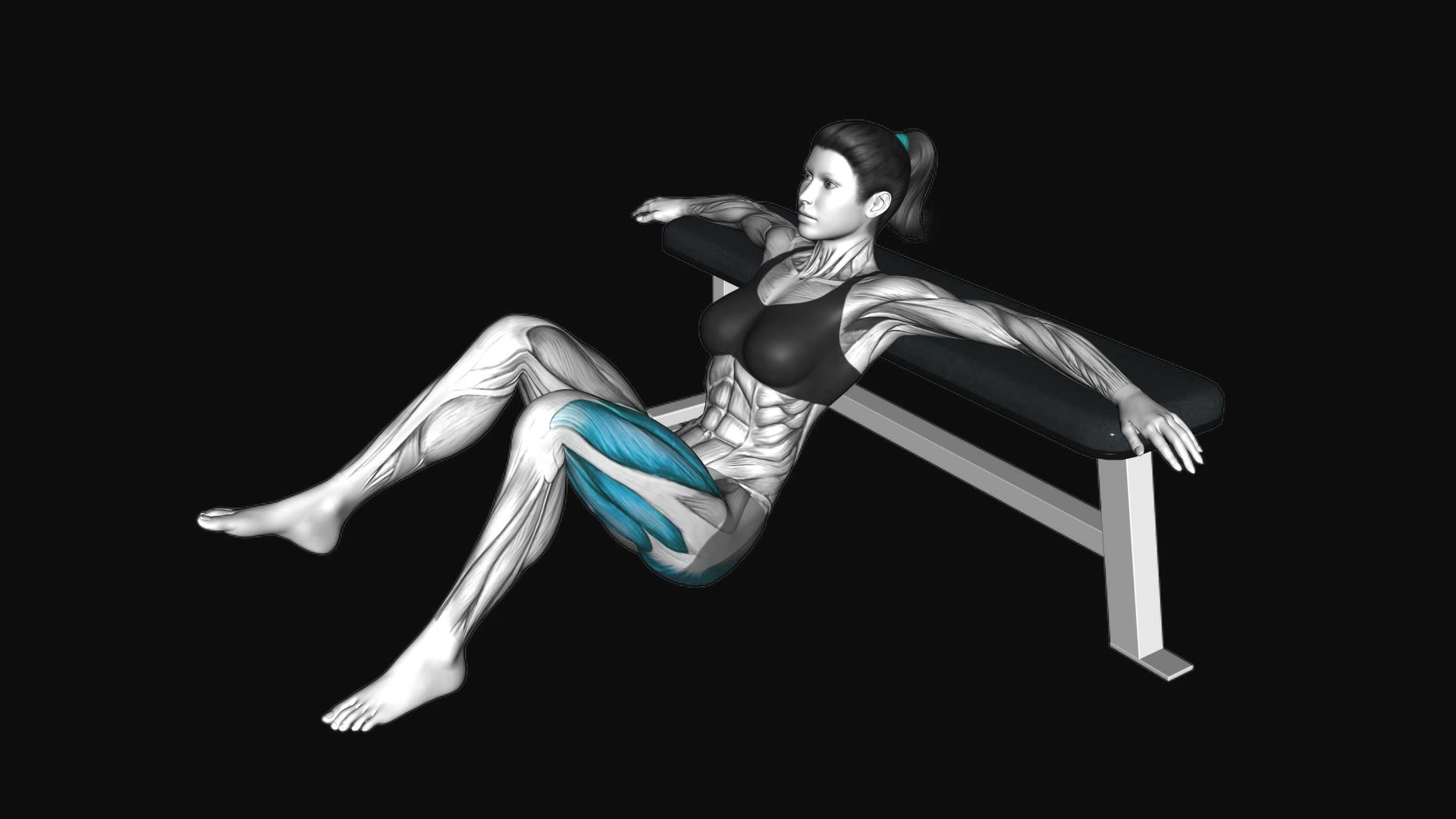
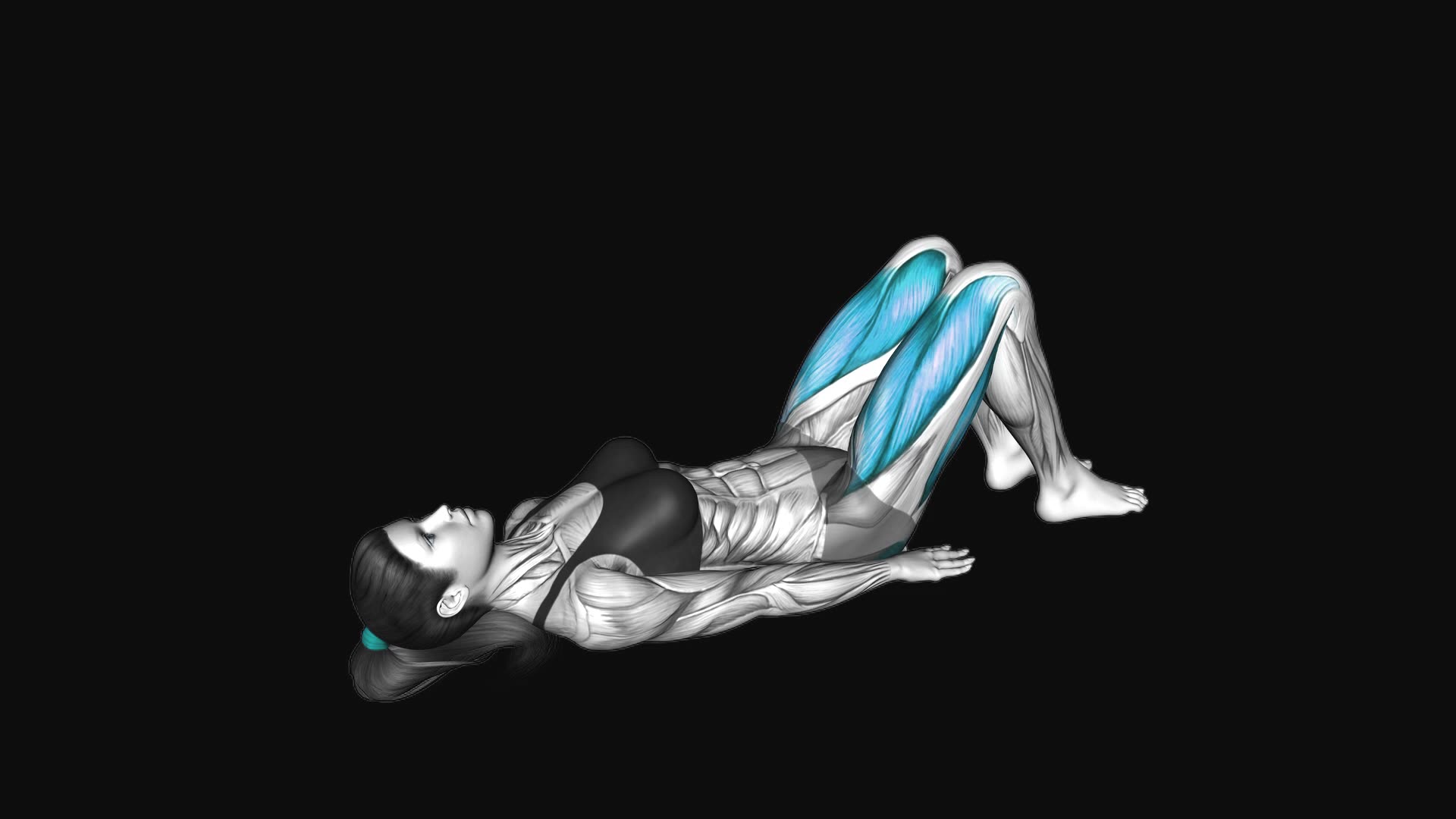
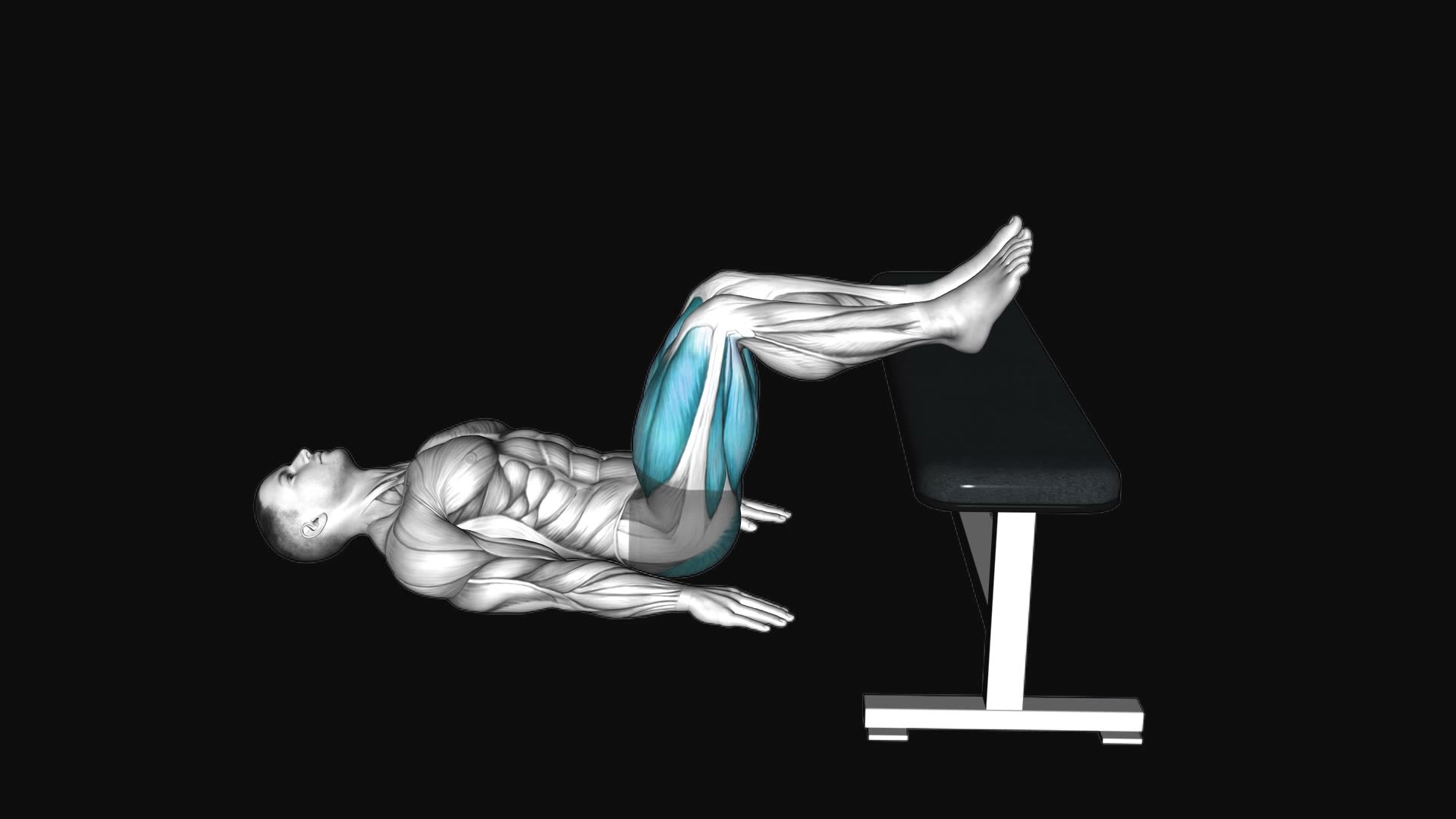
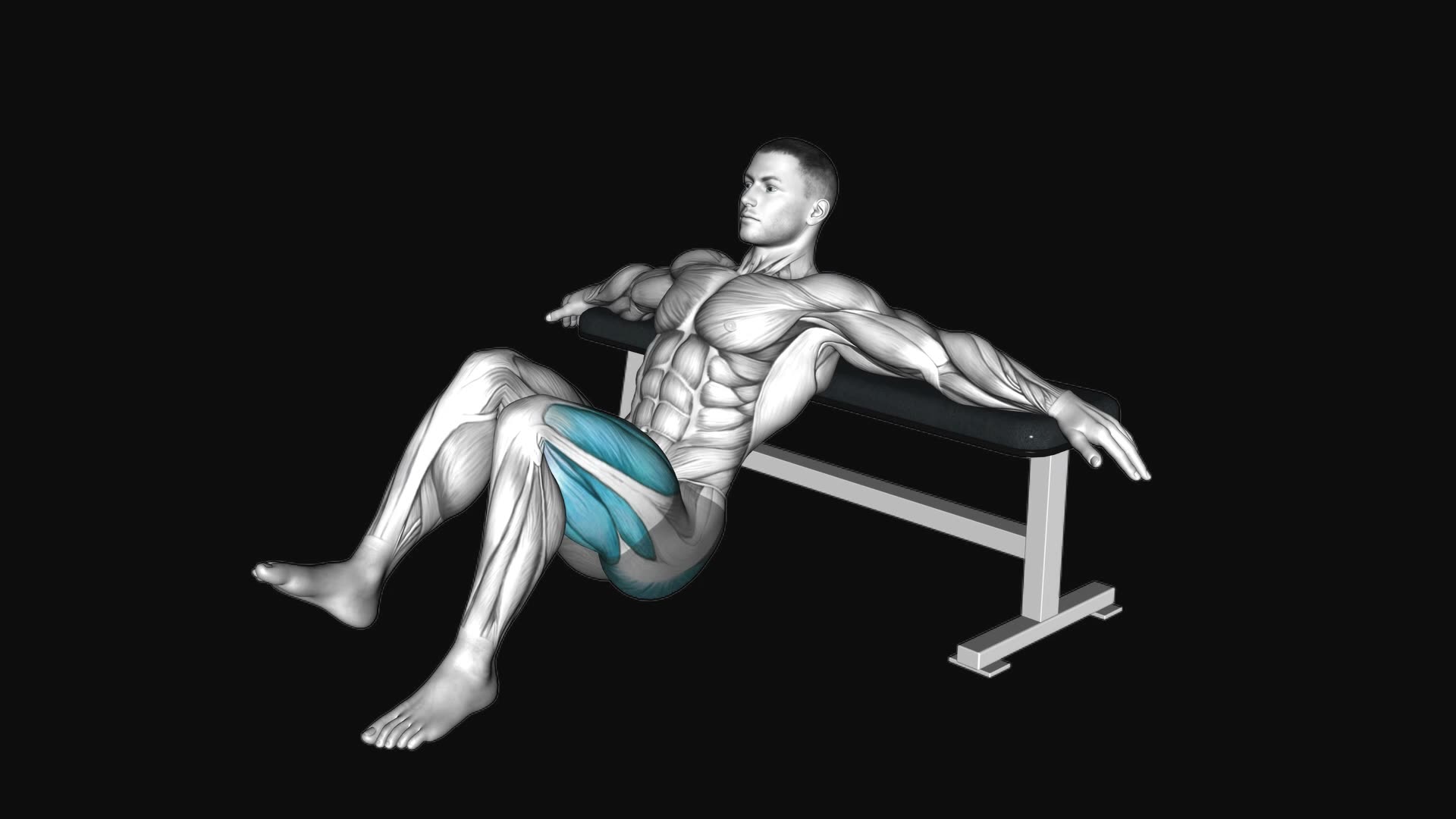
- Lie on your back with one foot planted on the floor and the other leg extended far out in front.
- Push through the heel of your planted foot to lift your hips up.
- Squeeze your glute at the top, forming a straight line from shoulders to the knee of your planted leg.
- The extended leg makes the movement more challenging.
- Lower back down with control.
- Complete all reps on one side before switching.
Common mistakes
- Arching the lower back at the top shifts the mechanical load from the glutes onto the lumbar spine.
- Pushing through the toes instead of the heel of the planted foot diminishes glute recruitment and overworks the quadriceps.
- Allowing the hips to tilt or rotate during the ascent compromises core stability and reduces exercise efficiency.
- Rushing through the movement without a pause at peak contraction limits overall time under tension.
Tips
- Drive firmly through the heel of your planted foot to maximize glute contraction at the top.
- Keep your extended leg aligned with the thigh of your working leg rather than letting it sag toward the floor.
- Brace your core muscles throughout the movement to keep your pelvis level and protect your lower back.
Sets and reps
Perform 3 to 4 sets of 12 to 20 reps per side with 45 to 60 seconds of rest between legs. Adjust the volume depending on whether you are using the movement for activation or hypertrophy.
Muscles worked
Your coach guides every set
Turn on the coach in Gloox: it asks how you feel, picks the weight from your history and cues technique and rest. Rate each set and the next one is tuned to you.

On a computer? Point your phone's camera here to get the app.
Questions
Is this exercise safe if I have lower back pain?
It is generally safe and low-impact when performed without arching the lower back. If you experience any pain or discomfort, stop immediately and consult a healthcare specialist.
Why is keeping the leg extended harder than bending it?
Extending the non-working leg creates a longer lever arm, which demands greater core stability and unilateral glute strength to keep the hips level.